Species without males: How do women give birth without men? (12 photos)
But this is only true for mammals. For all other animal groups, the presence of a male isn't a strict requirement, but rather a recommendation. Some species have even abandoned males altogether. And there are far more such species than you might think. 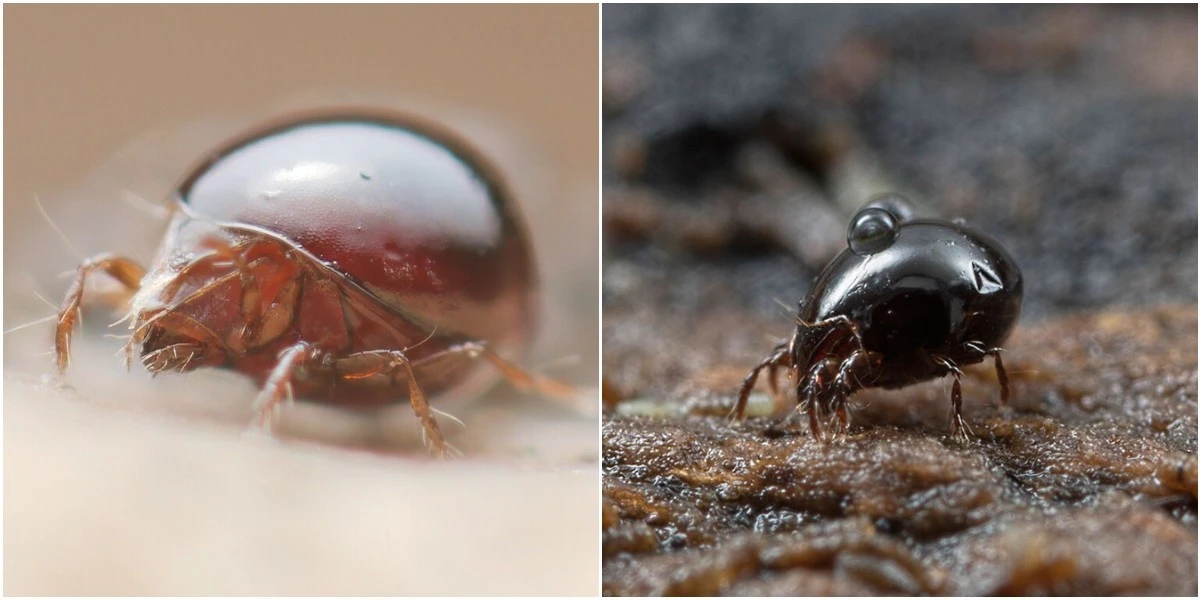
The most famous species of Amazon crayfish, the marbled crayfish, are extremely popular among aquarists. Hundreds of thousands of these arthropods live in aquariums around the world, and millions more in Western Europe, Asia, and North America, as their ancestors escaped from their glass prisons and fled into river systems. And all these crayfish are clones of their mother. 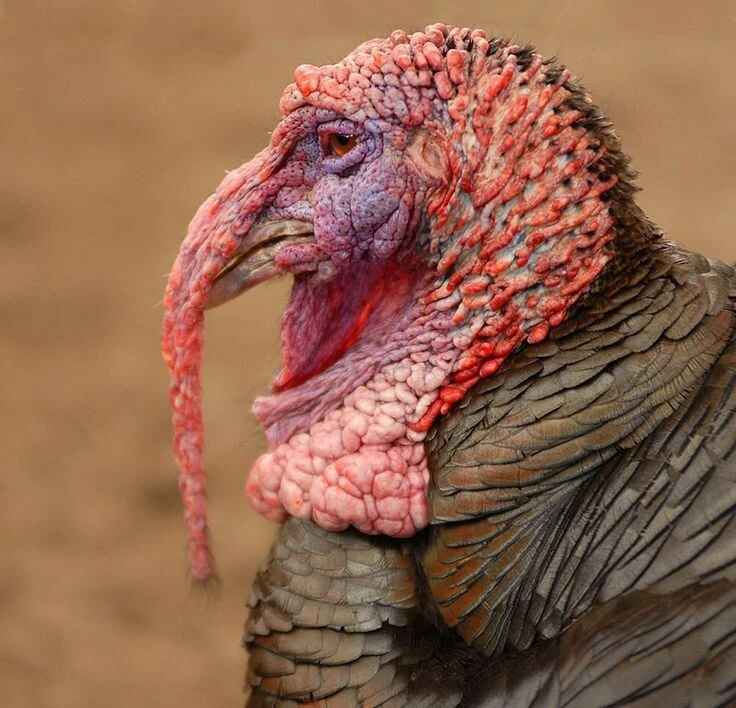
And the article's featured guest is the domestic turkey. Although these birds have both males and females, the females can sometimes lay a clutch of eggs from which the chicks hatch without any fertilization! The irony is that all the chicks from such a clutch will be male. 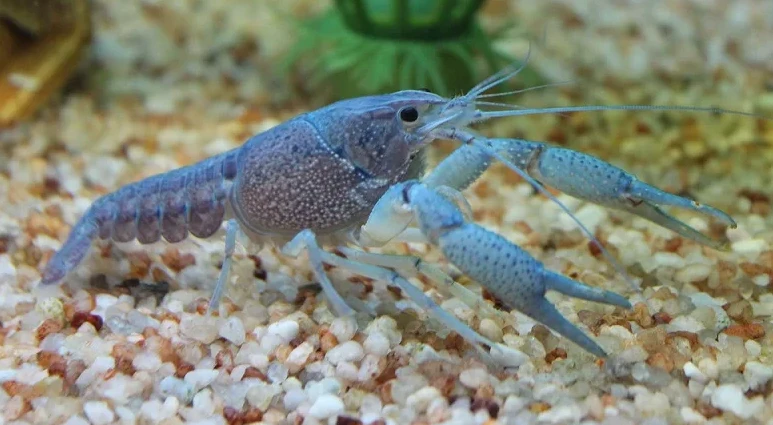
I wonder if they have parthenogenesis?
This was made possible by a special form of sexual reproduction – parthenogenesis. Consider: during standard sexual reproduction, both the egg and sperm carry 50% of the future organism's genes, and when they fuse, a complete genome is formed. But during parthenogenesis, the egg simply duplicates its own genes, and the result is still a complete organism. In the case of marbled crayfish, this is always a female, also capable of reproduction. So why complicate things if the result is the same? 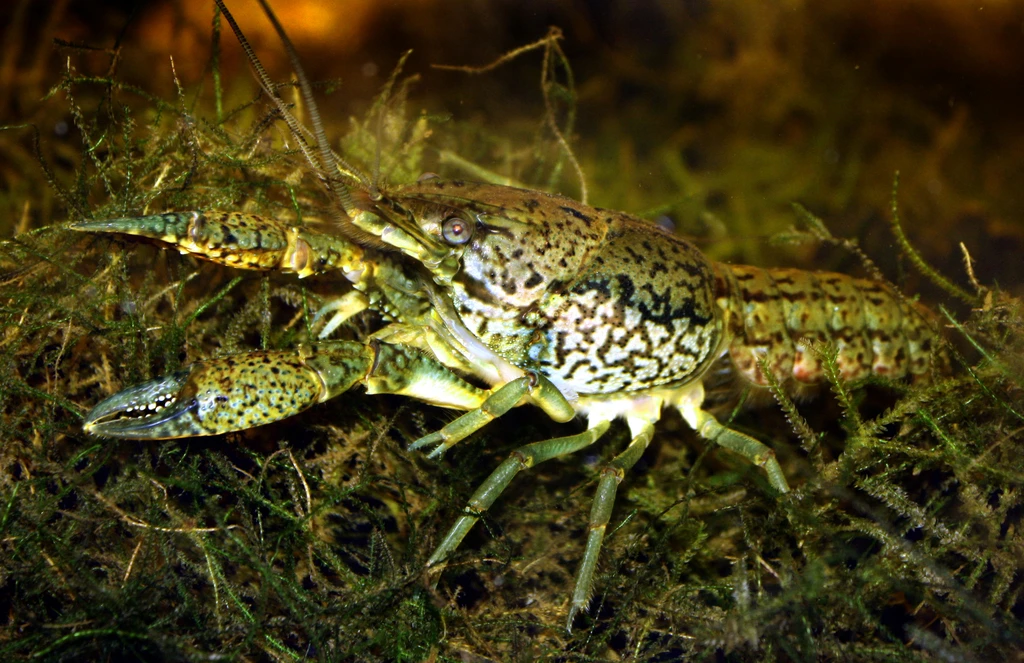
It turns out that marbled coloration allows for hiding in more than just marble quarries.
So, marbled crayfish didn't. However, they only came to this decision quite recently. These arthropods are one of the youngest species on the planet, having arisen as a result of a random mutation in a European aquarist's pet in 1988. That means they're not even 40 years old yet! 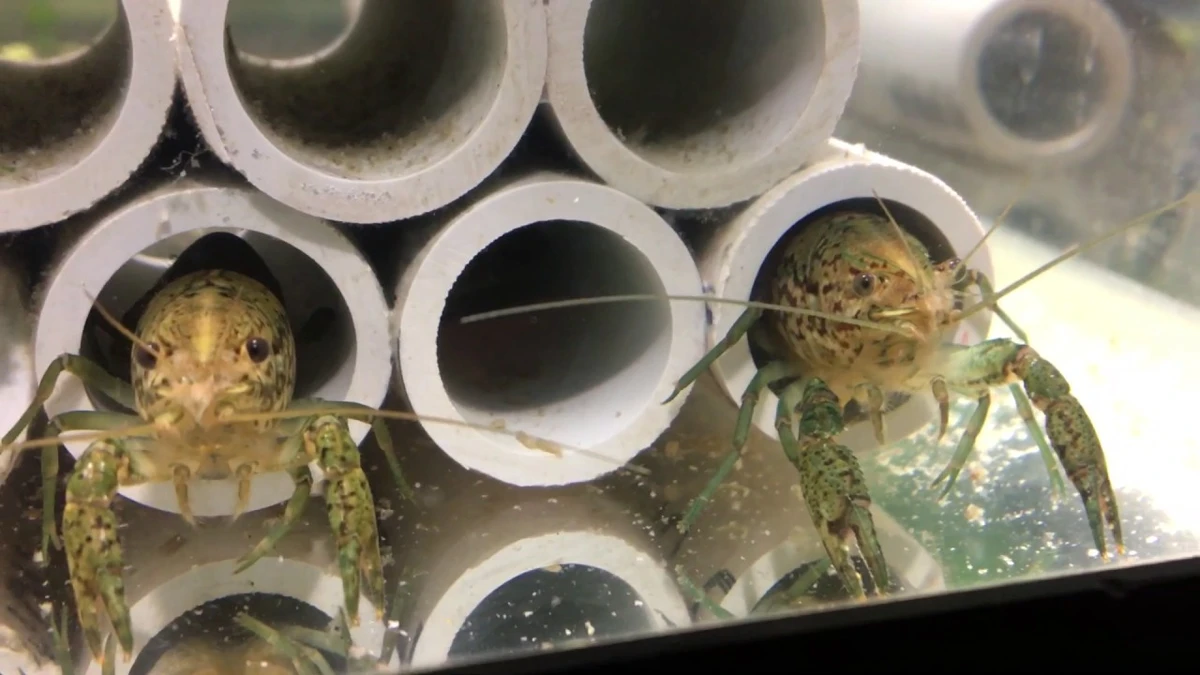
A cloning machine with replaceable cartridges!
However, scientists are far more interested in another parthenogenetic species—the Armenian rock lizard. They became known to humans in the middle of the last century. A brief scientific investigation by Soviet scientists revealed that this species arose through a different route: the crossing of two closely related species. 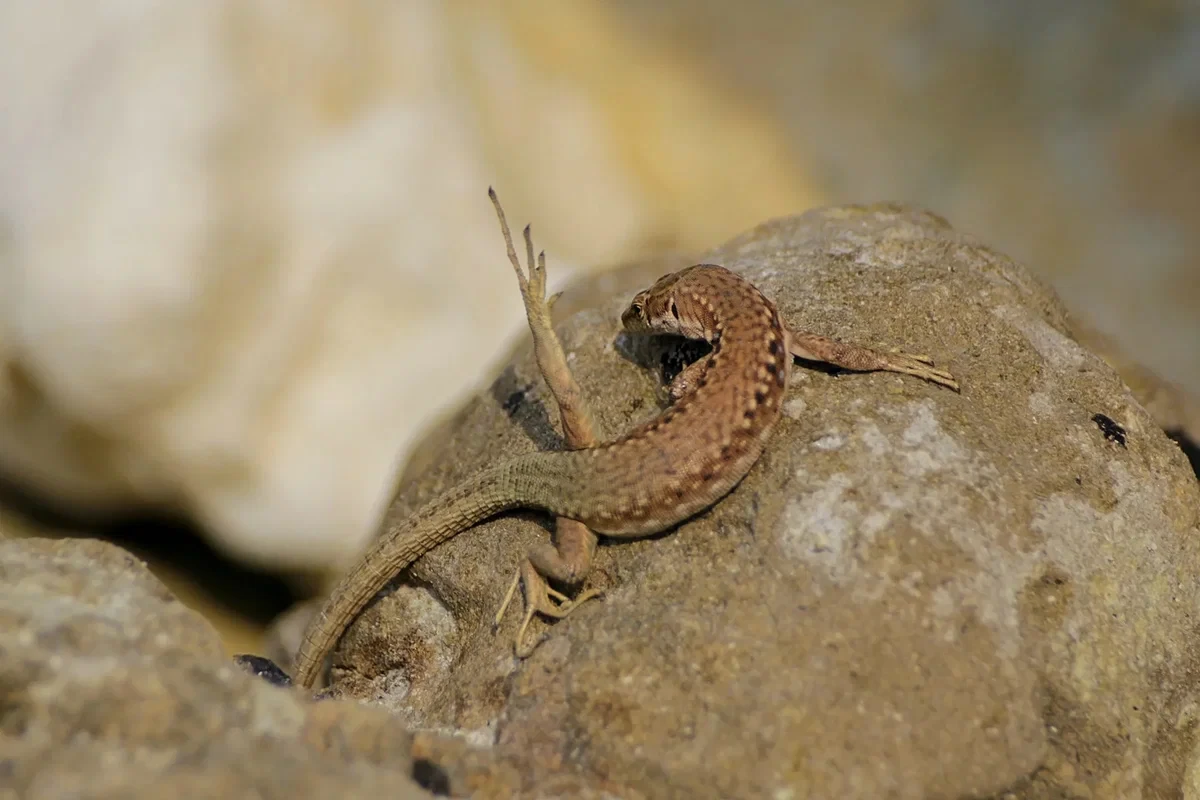
Armenian hoba from an Armenian lizard!
Usually, such relationships don't end well. The offspring are either sterile, or the hybrids are significantly inferior to their parents and quickly die. And if they're very lucky, they simply interbreed with one of the parent species. However, it's precisely because of their ability to parthenogenesis that Armenian lizards have literally carved out a place for themselves in the sun from their parents. And they've done it in just a few millennia! 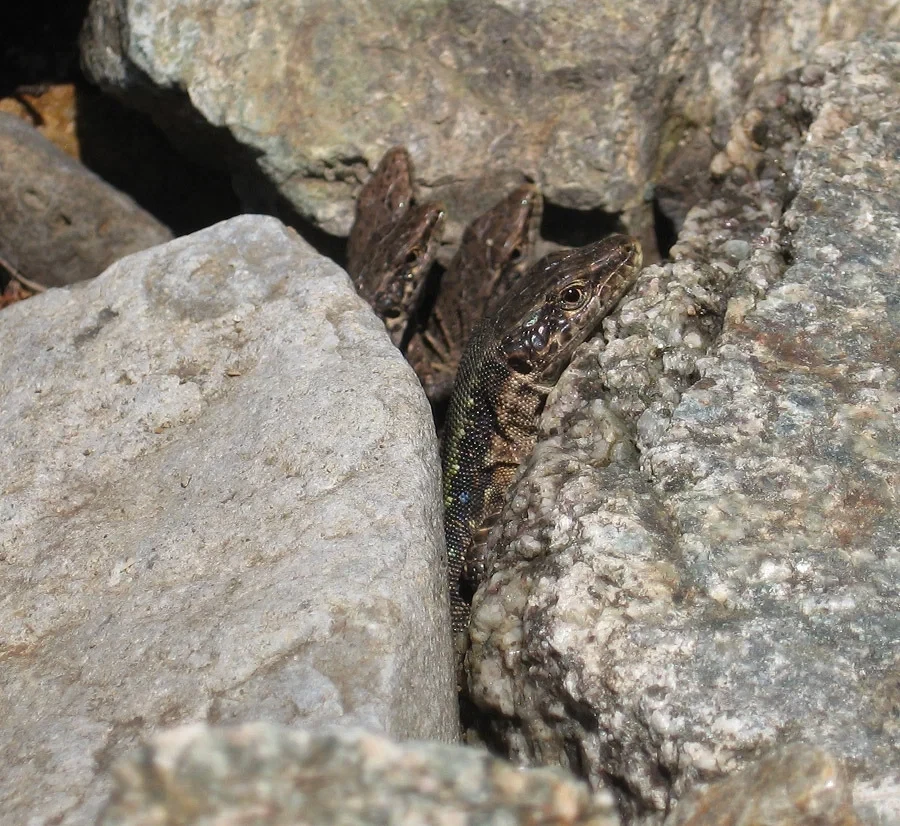
They sit, chat about women's affairs, and reproduce.
North American lizards of the genus Aspidoscelis acted similarly. They also began parthenogenesis just tens of thousands of years ago, spread widely across the desert regions of the United States, and are also a hybrid species. But there's one curious detail: without mating, their eggs simply don't develop. However, they've found an extremely elegant solution: first, one female plays the role of the male, then the other, and both go their separate ways, carrying nascent life in their bellies. Scientists call this phenomenon pseudo-mating. In other words, simulating sexual intercourse initiates the full-fledged development of the babies! 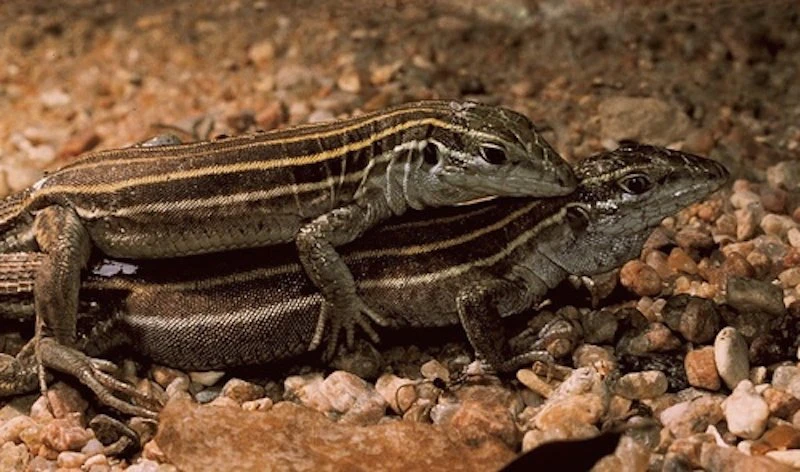
No males were found in the photo. 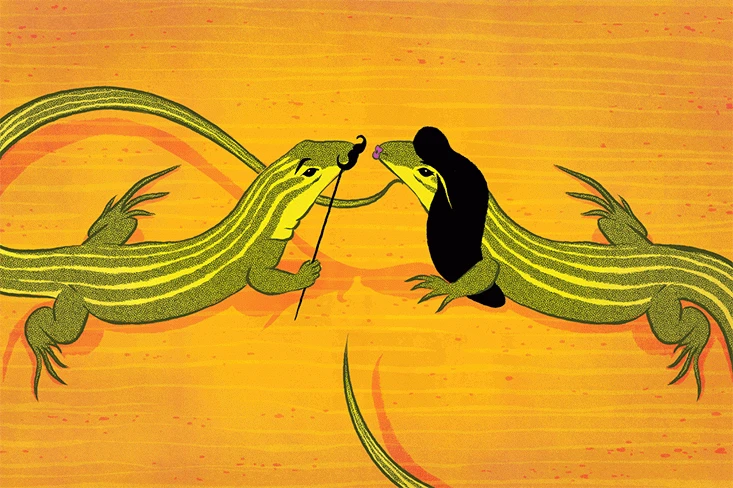
A wonderful illustration that captures the absurdity of the situation.
And I think attentive readers have already noticed a common pattern in all the stories. All three male-less species emerged quite recently, experienced unusual events, and are now actively spreading, displacing more traditional species from their habitats. So, does this mean that females are the future? 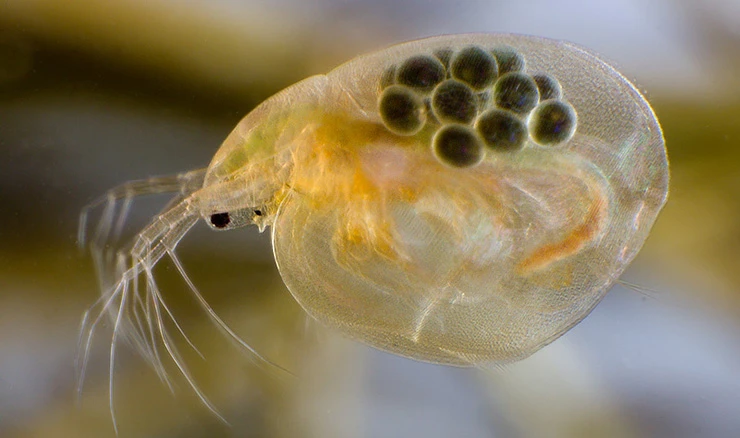
The daphnia crustacean is a favorite of school teachers and biologists because it's easy to breed and experiment with. And it can even reproduce without males!
Scientists strongly doubt this. The fact is that parthenogenetic species, although they have extremely high reproductive rates, lose out to standard species in the long run. It is through the mating of males and females that gene exchange and recombination—the main driving force of evolution—occur. Parthenogenetic species lack this, so while the rest of the biosphere is evolving, they are stuck in place, unable to adapt quickly. Yet in our world, you have to run as fast as you can just to stay in place. 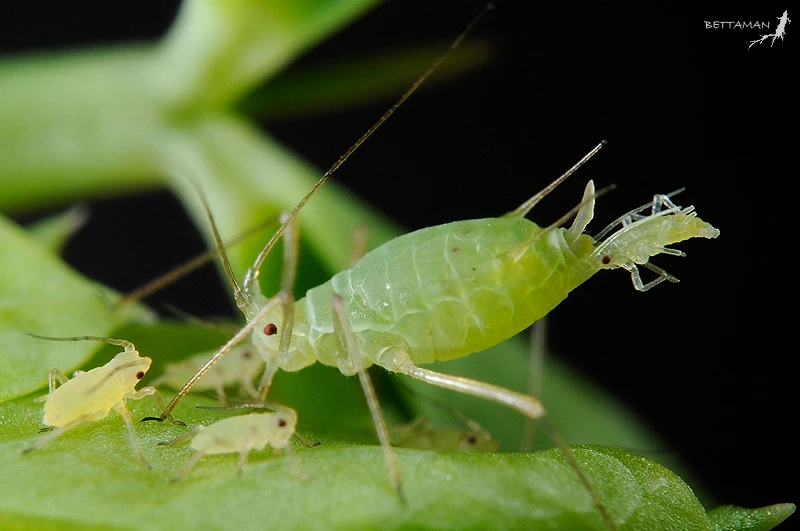
Many species successfully combine parthenogenesis with normal sexual reproduction. Aphids, for example, simply clone their daughters throughout the summer, but in the fall, they produce winged males, which fly off to other colonies and reproduce there.
At least, that's what was thought until recently. Only a few years ago, it was discovered that some oribatid mite species have existed without males for 200 million years, which hasn't stopped them from spreading throughout the world and keeping pace with other species. However, how they manage this remains a mystery. 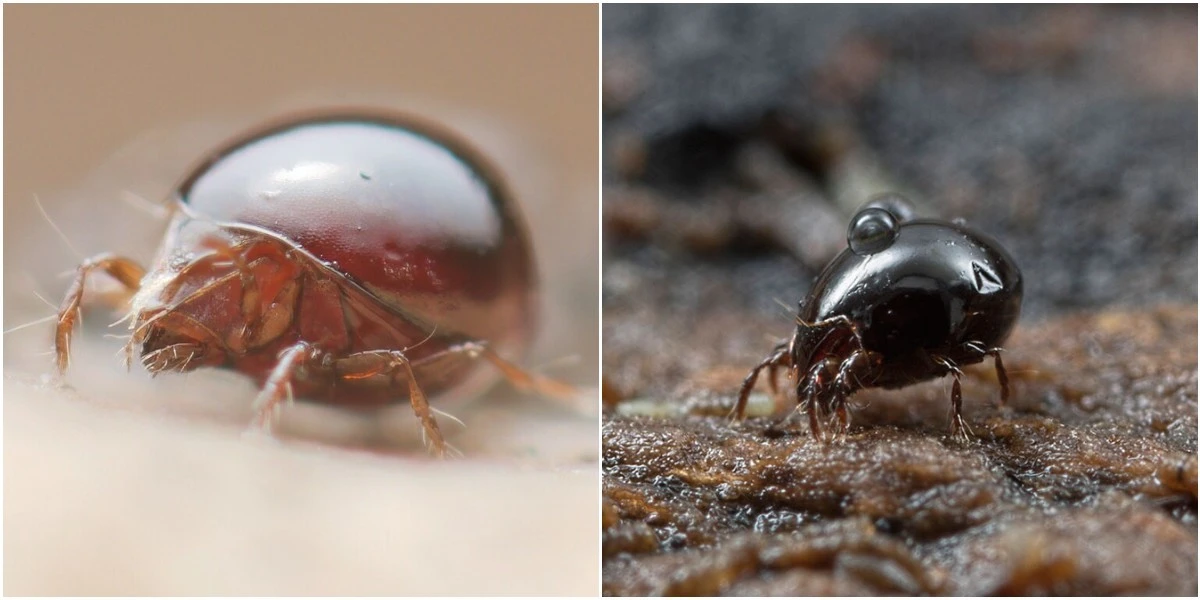
They haven't seen a man for 200 million years!