How High-Heeled Shoes Came to Be, and What Do Horsemen from Ancient Persia Have to Do with It (7 photos)
Today, high-heeled shoes are worn for aesthetic appeal and as a fashion statement. But this approach would have seemed strange to the Persian horsemen of a thousand years ago. And Louis XIV would have been furious, as only he was allowed to wear red heels. But how did people even come up with the idea of making shoes on unstable supports, and why has this fashion proven so enduring? 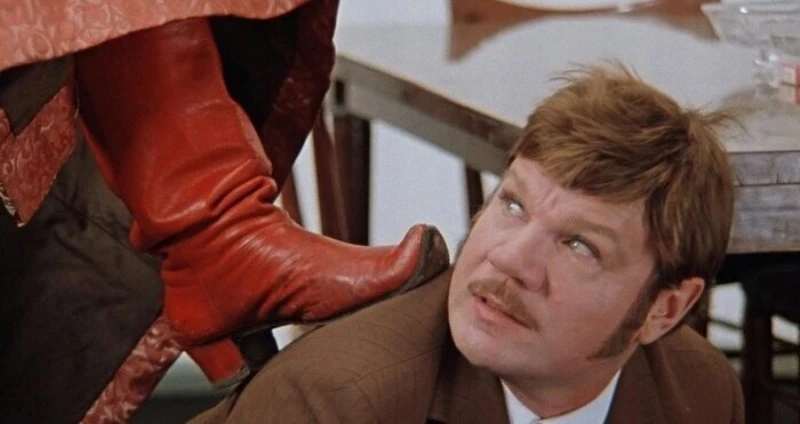
Heels as a Necessity
The history of high heels spans many centuries. But they once had quite serious practical significance. Scientists believe that the first heels appeared when humans lived in tribes and practiced hunting, gathering, and primitive agriculture. Wooden shoes with heels helped raise their feet higher and avoid mud in the field or swampy areas in the forest. 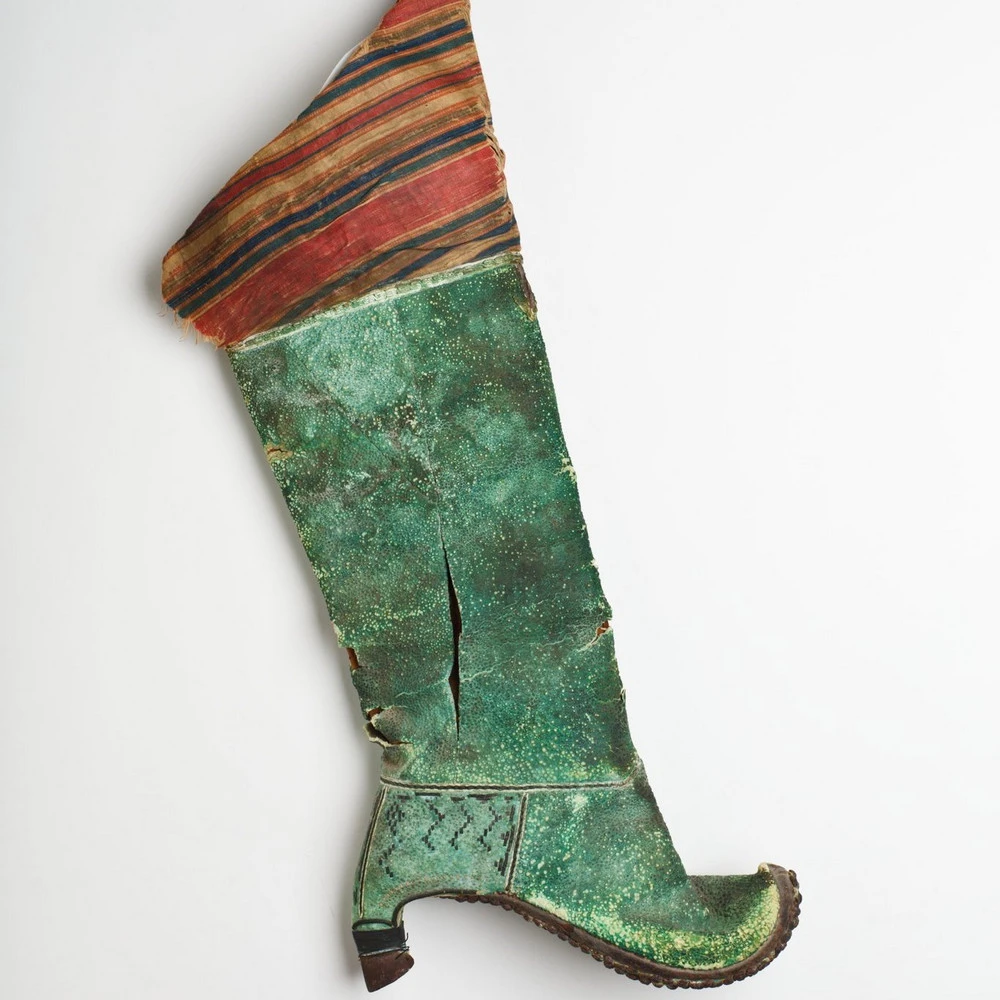
But in Ancient Persia, heels became the prerogative of warriors. Persians used this part of their shoes to hook onto their stirrups, allowing them to sit firmly in the saddle. However, horsemen's heels were small and didn't interfere with walking. From around the 10th century AD, warriors in the Middle East and Central Asia universally wore heels. However, women didn't even consider it. Boots with this detail appeared in Rus' with the Mongol-Tatars and caught on well.
In the Middle Ages, the fashion for elevated shoes came to Europe. They didn't bother with heels—they simply made shoes and sandals on wooden platforms. For cities where streets were drains, this was a very useful invention. 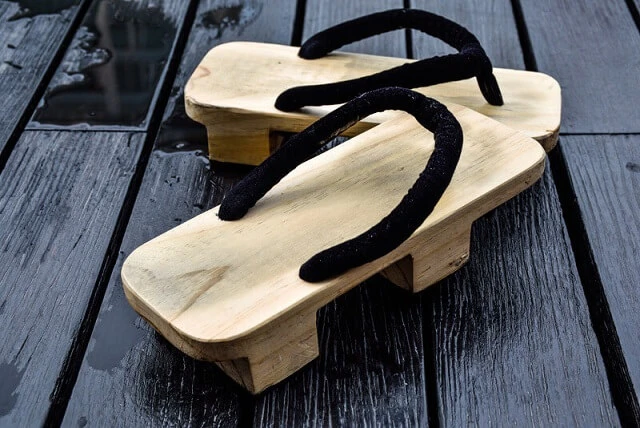
Japan also found a solution. Wooden geta sandals had a high, solid sole or two crossbars. These shoes were held in place by a bridge between the toes. Walking in geta required a certain amount of dexterity. But thanks to them, Japanese women acquired the light, gliding gait that so amazed Europeans.
Our lady is taller than everyone else!
In the 15th century, high platform shoes—chopini—were worn by Venetian women. No, there was no mud on the water in the city. This was a way for aristocrats to demonstrate their superiority and rise above the crowd. Such footwear was definitely not suitable for commoners, who spent all day on their feet. 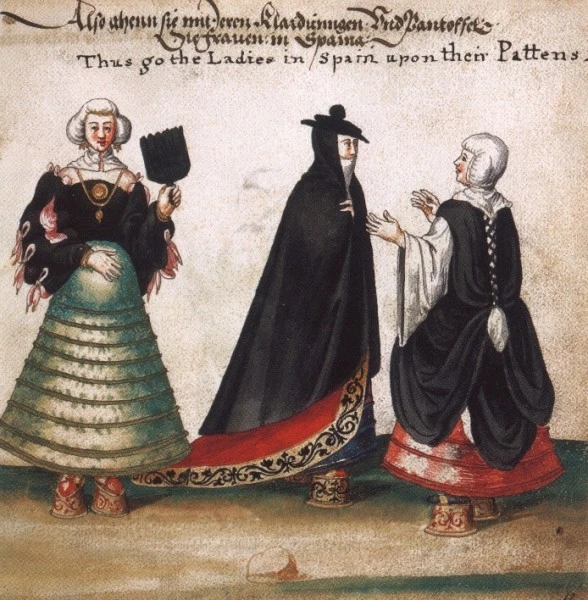
Choppini were sometimes as high as 60 cm, and ladies couldn't walk on cobblestones in them without the support of a husband or servant. Falls and injuries were not uncommon. But noblewomen tolerated this to demonstrate their exceptionalism. Does this ring a bell?
The fashion for high shoes at the French court was brought about by Queen Catherine de Medici, an Italian by birth. Her first appearance in heels took place during her wedding ceremony, and it did not go unnoticed. It is said that it was not a matter of beauty, but rather the fact that the queen was short. However, the fashion for high heels did not become widespread. French women did not understand it, and they quickly abandoned high shoes. 
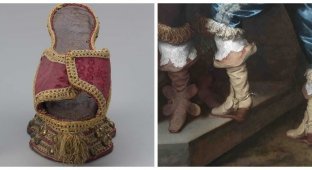
In the 17th century, all things oriental became popular in Europe. This is precisely why high heels, albeit for men, had their moment. French aristocrats highly valued Persian boots and shoes. The Asian style was slightly modified, but riding in fashionable boots was still comfortable. The Sun King, Louis XIV, himself was delighted with these shoes and insisted that all his courtiers wear them. This monarch was a great entertainer and ultimately ruined France.
Only the nobility could wear high-heeled shoes. Commoners were strictly forbidden. There were also special rules for aristocrats. For example, only the king and those closest to him could wear red heels. Louis himself determined who was worthy of such a distinction, and who was doomed to wear green or blue ones. A little later, observing the courtiers, high-born ladies also began to order high-heeled shoes.
His Majesty the Heel: Rockers, Beatniks, and Just Cowboys
Even at the court of King Louis in the 17th century, a rule was established that wide heels were for men and thin heels for women. This trend persists to this day, although there are exceptions. Attitudes toward this footwear detail have varied throughout history. In the 1770s, it was considered vulgar and equated with the garish makeup of streetwalkers. Men's heels also went out of fashion—in France, their fate was sealed by the Revolution. 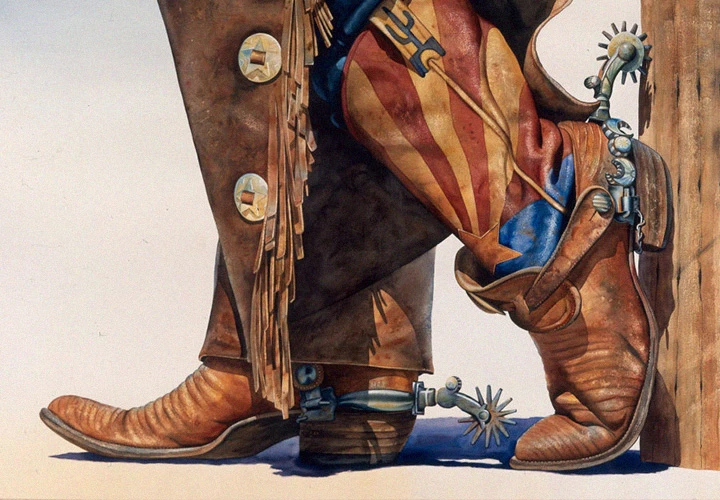
Since Paris had always been a trendsetter, interest in high-heeled shoes waned throughout Europe. In the first half of the 19th century, American cowboys rediscovered Persian riding boots. Their footwear became classic and has retained its characteristics to this day. Who doesn't know cowboy boots today?
Over time, high-heeled shoes began to be worn primarily by women. But creative circles also didn't want to part with this stylish and functional element. High-heeled shoes were part of the costumes of flamenco dancers. Later, they were favored by jazz musicians, rockers, and others. The Beatles did much to popularize high heels. The generation that grew up in the 1960s and 1970s remembers these ultra-fashionable and wild styles well. 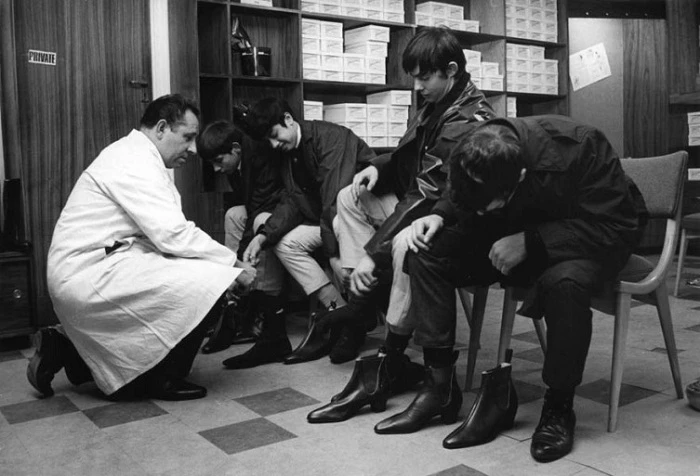
Heels, platforms, and stilettos became popular among women of the 19th century with the invention of shoemaking machines. This occurred in the late 19th century. With the advent of mass production, even women of modest means could afford to be fashionable. During and after World War I, there was a decline in interest in stylish accessories, but things eventually returned to normal.
After World War II, a true "heel boom" began, which, with some lulls, continues to this day. Although there has been a noticeable shift in interest toward practicality in recent years, stilettos and platforms are far from a complete retreat.