The Realm of Debauchery and Lust: The History of the Most Famous US Music Festivals from Woodstock to Coachella (9 photos)
The history of American music festivals is a journey from a naive utopia of freedom through bloody chaos to blatant, polished commercialism. 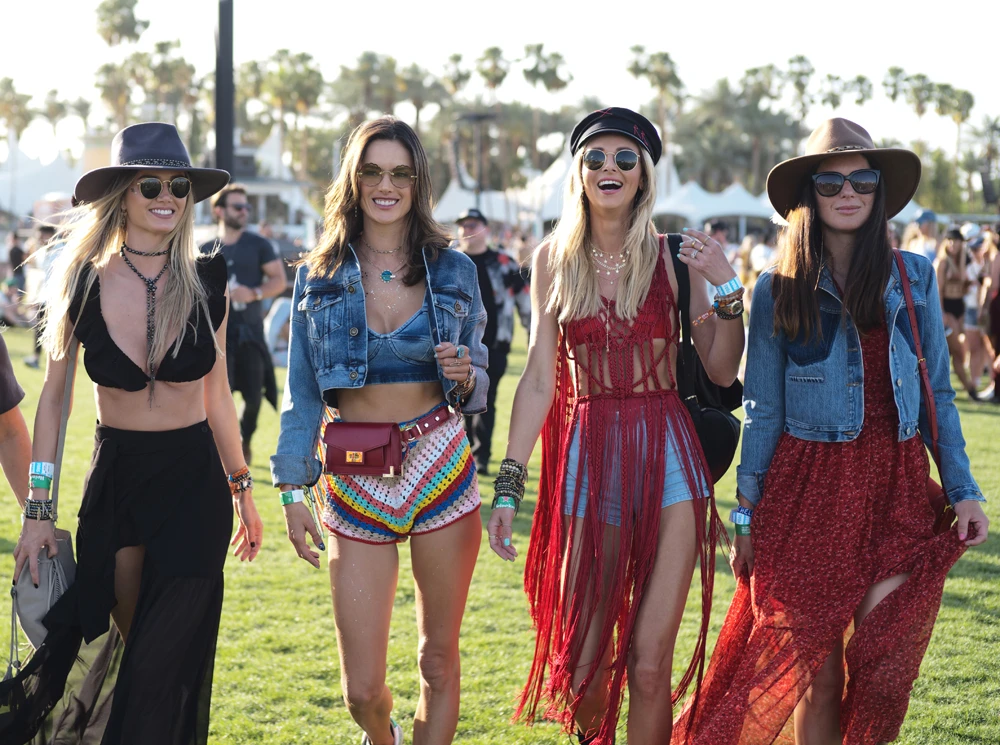
The decorations and ticket prices have changed, but one thing has remained constant: the human desire to break free from the bounds of what is permitted, be it through music, drugs, or debauchery.
Three Days of Utopia That Should Never Have Happened – Woodstock 1969
On August 15, 1969, on Max Yasgur's farm in Bethel, New York, an event began that, half a century later, would be called "the culmination and simultaneous decline of the hippie era." Initially a commercial enterprise under the sign "Woodstock Music and Arts Fair," it instantly became a symbol of a generation. 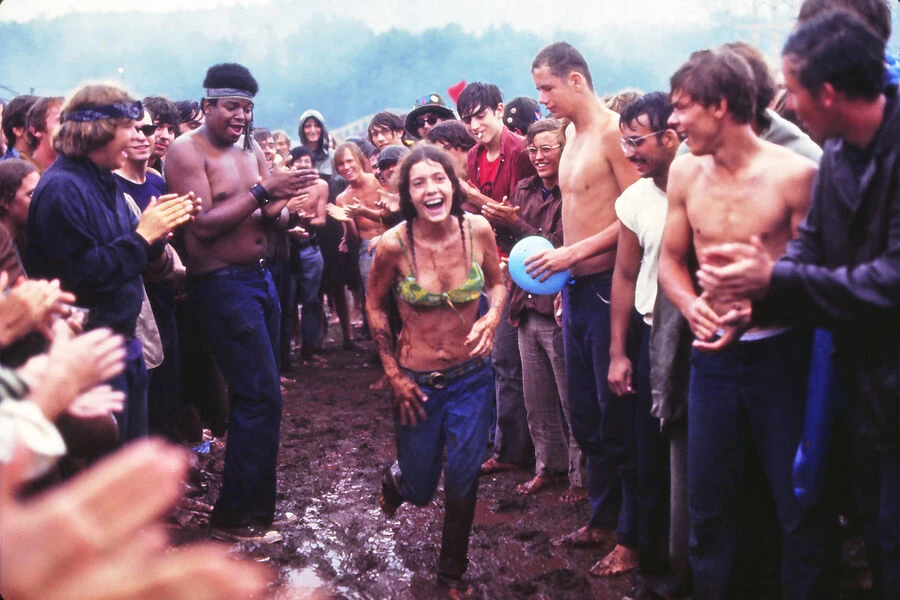
Not the 200,000 people the organizers had hoped for showed up, but almost half a million. Traffic jams on the approach to the farm stretched for 17 kilometers—people simply abandoned their cars and walked.
The musical lineup was devastating: The Who, Jefferson Airplane, Creedence Clearwater Revival, the legendary Janis Joplin, and the divine Jimi Hendrix, whose performance closed the festival at dawn on August 18th. But the truth was, not everyone enjoyed the music, and not always.
The festival's official slogan was "Three Days of Peace and Music," but a more honest description of the proceedings was "Sex, Drugs, and Rock 'n' Roll."
Attendees' recollections are replete with revelations about widespread nudity and open sexual acts, and drug use was so widespread that organizers warned from the stage about a "bad acid trip." 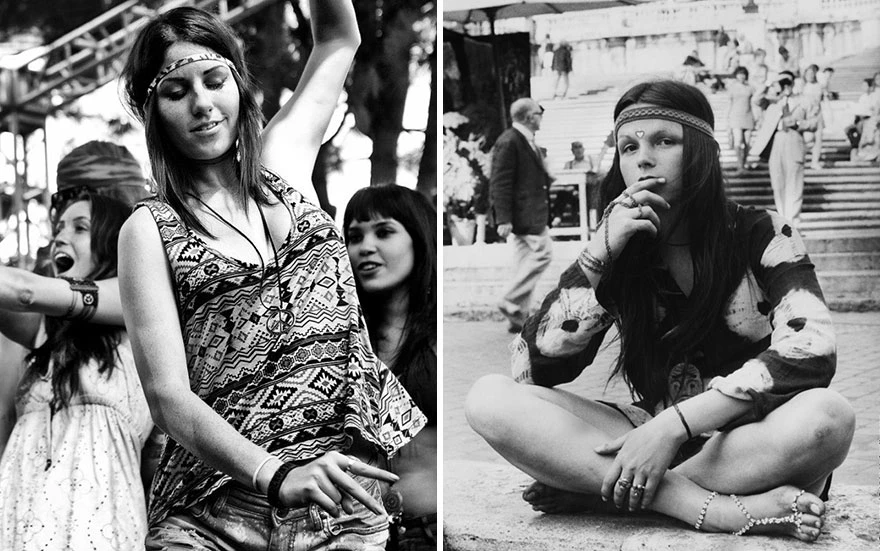
"Fifty-mile traffic jam. No food, no water, no shelter. It's pouring rain, everyone's sleeping in the mud. Man, it was amazing!" Creedence frontman John Fogerty later recalled this "happiness" with bitter irony.
The downside of this universal love was three confirmed deaths (one from an overdose), two unconfirmed births, and tens of thousands of people forced to survive in completely unsanitary conditions.
Paying for a Free "Continuation of the Party" – Altamont
If Woodstock became a rosy myth of universal brotherhood for popular culture, the free festival in Altamont, California, that thundered on December 6, 1969, shattered that illusion. Conceived as "the West Coast's answer to Woodstock" and a grand finale to The Rolling Stones' tour, it turned into the darkest chapter in rock music history. 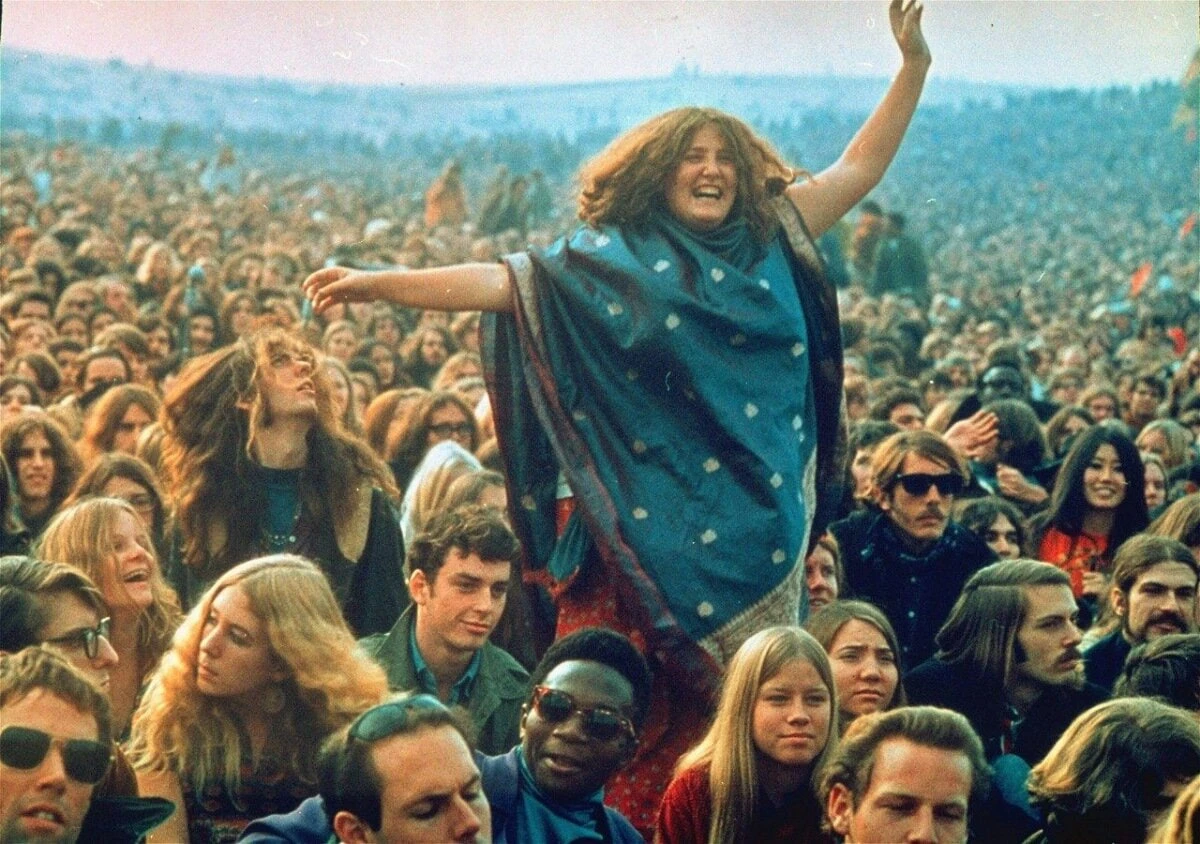
About 300,000 spectators flocked to the Altamont Speedway, a hastily converted concert venue. The musical lineup promised to be powerful: Santana, Jefferson Airplane, and the Grateful Dead. However, disaster erupted due to a monstrous organizational miscalculation.
To maintain order, "cut corners," and to capture a certain counterculture ambiance, The Rolling Stones hired bikers from the Hell's Angels. Their fee was a mere $500 worth of beer. The outcome was predictable: there was no professional safety whatsoever.
The bikers, armed with pool cues, used fists and knives. The aggression escalated with each passing hour. During Jefferson Airplane's performance, one of the Angels knocked out the band's lead singer, Marty Balin, right on stage.
Later, 18-year-old Black concertgoer Meredith Hunter was fatally stabbed in a mass brawl while trying to get to the stage during The Rolling Stones' set. In total, four people died that day. 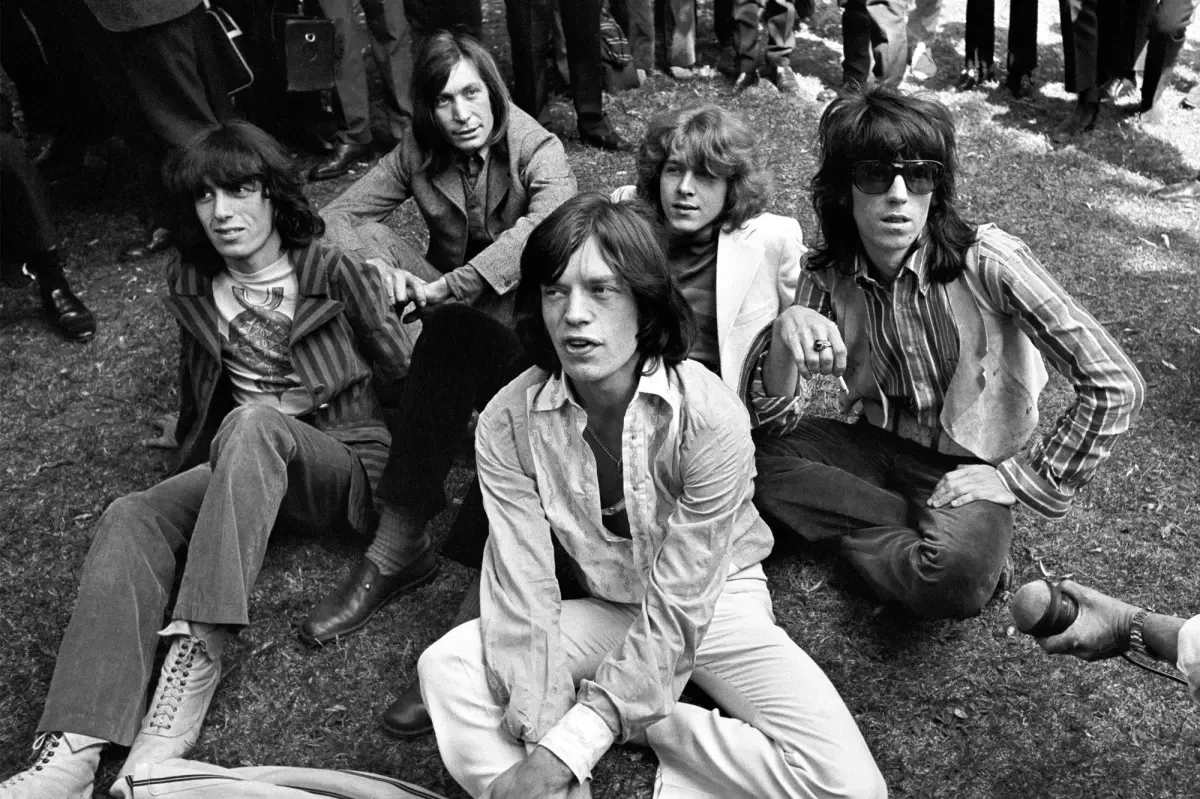
Altamont finally destroyed the remnants of the utopian sentiments of the late 1960s. Rolling Stone magazine would later write:
"It all turned out so badly that the Grateful Dead, the main organizers, didn't even play. The worst day in the history of rock 'n' roll—December 6—the day things went perfectly wrong."
Woodstock showed the world how beautifully one could debauch and preach freedom, while Altamont showed the world how much this freedom really costs.
The Birth of an Alternative Carnival – Lollapalooza
By the end of the 1980s, the hippie utopia had finally evaporated, giving way to a more cynical, but no less hedonistic, approach. 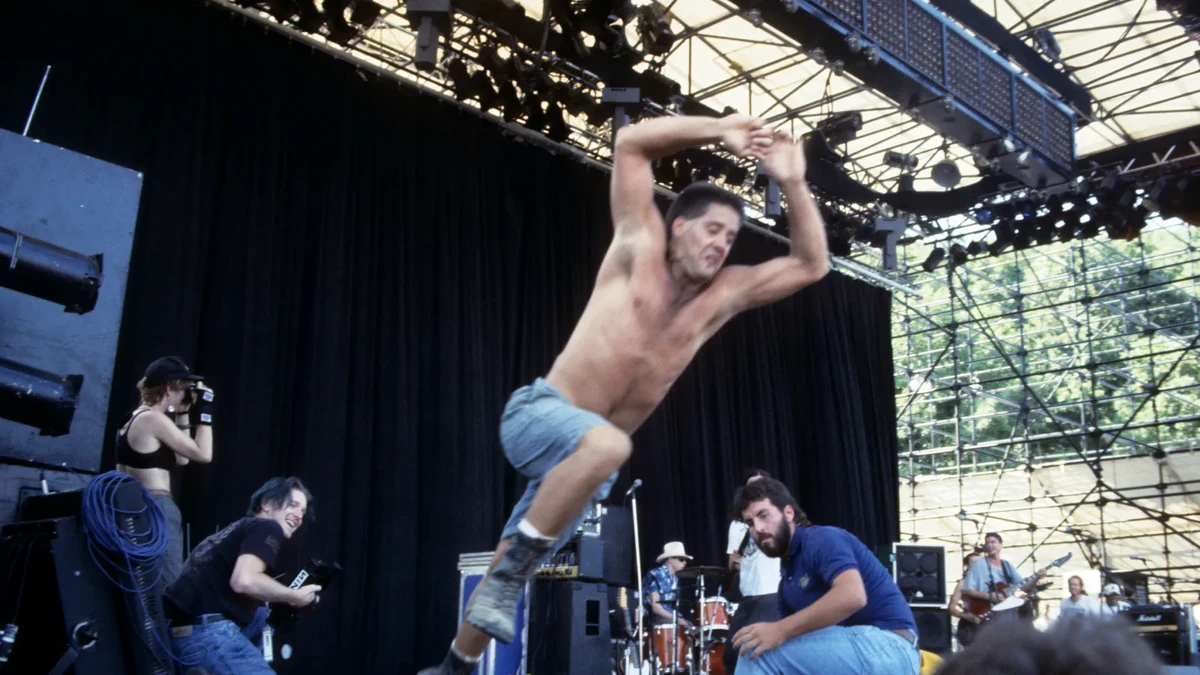
In 1991, Jane's Addiction frontman Perry Farrell conceived the Lollapalooza festival as his band's farewell tour. The idea was simple: to blend alternative rock, hip-hop, industrial, and metal, creating a traveling tent for anyone who didn't fit into the mainstream.
The festival quickly became the premier showcase for Generation X's achievements. It embraced the same freedom of expression, but with a corporate twist. If the slogan in the 1960s was "Flower Power," in the 1990s it evolved into a culture of "sex, drugs, and grunge."
However, by 1994, financial problems and declining public interest led to the cancellation of the tour, and the festival subsequently moved permanently to Chicago, becoming what is now called a "successful commercial enterprise."
From a rebellious carnival, Lollapalooza evolved into a well-oiled machine for extracting money from young people who come not so much to listen to music as to "party" and post photos online.
Debauchery Disguised as Art — Burning Man
The quintessential embodiment of the theme of "the kingdom not of music, but of debauchery" is, without a doubt, Burning Man. This festival, held since 1986 in the Black Rock Desert (Nevada), has become a pilgrimage site for hundreds of thousands of people seeking "radical self-expression." 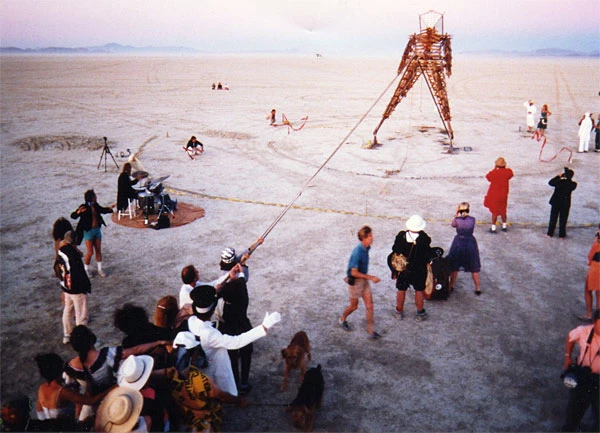
While the "Berners" themselves love to talk about art, self-organization, and giving, the reality reflected in the Western press and eyewitness accounts is far more prosaic.
Even at the entrance, "virgins" (newcomers to the festival) are asked to "make love to the dust," making it clear that debauchery is part of the cultural code. According to journalistic investigations, public nudity (especially female) is actively encouraged, and all kinds of obscenity are an integral part of the event.
The legendary "Orgy Dome" is just the tip of the iceberg. There are theme nights for couples, sadomasochism classes, and "group erotic massages." And that's not counting the widespread use of illegal drugs and alcohol. The paradox is that Burning Man isn't just for fringe hippies.
Today, it's a gathering place for Silicon Valley billionaires and Hollywood stars, who hide out in air-conditioned trailers worth hundreds of thousands of dollars to pretend to be "free from society's conventions" for a week. 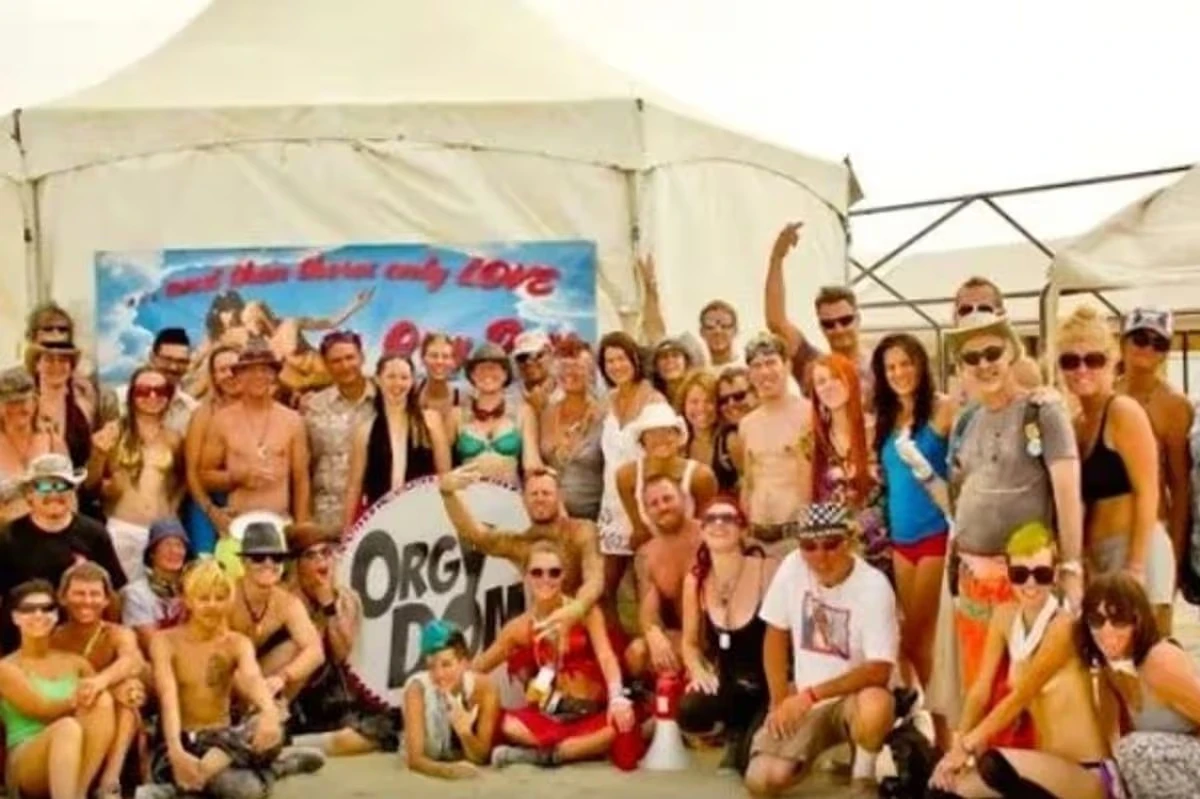
"Debauchery" has become an elite attraction for the rich, where they can violate any taboo with impunity, hiding behind the mantra of creativity.
The Apotheosis of the Commercialization of Vice – Coachella
If Woodstock was about ideas, and Burning Man about shock value, then the Coachella festival in the Californian desert of Indio became a symbol of how party culture has finally lost out to consumer culture.
Journalists bitterly note:
"Festivals used to be a place where you could listen to music and maybe get stabbed by the Hell's Angels. Now it's about fashion, MDMA, and a chance for rich kids to show off." 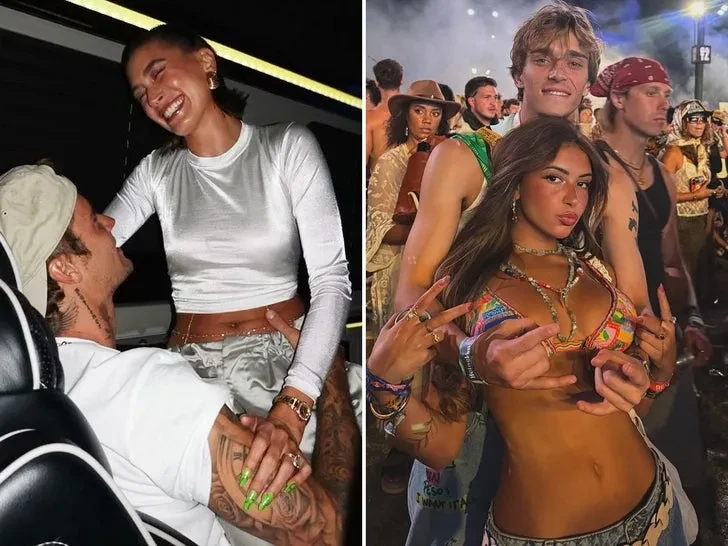
Goldenvoice founder Gary Tovar, who launched Coachella in 1999, was himself arrested in 1991 on federal charges related to the sale of marijuana. This means that the origins of today's "glamour empire" were rooted in very real people involved in drug trafficking.
Today, Coachella is a sociocultural phenomenon where the musical component has faded into the background. The main characters here are not musicians, but "influencers" who go on crystal juice diets to fit into feather and lace outfits for Instagram photos.
Sex and debauchery aren't flaunted here as brutally as in Nevada, but they've become a bargaining chip.
Coachella is a vanity fair where you can find everything from illegal substances in VIP areas to cultural appropriation scandals. If in 1969 people flocked to Yasgur's farm for a sense of community, in the 2020s they flock to the desert for a beautiful background for their profile picture and the right to say, "I was there."