Antarctic Odyssey of Two Huskies: How Taro and Jiro Conquered Antarctica (13 photos)
The chronicle of Antarctica's conquest is written in the names of great explorers. Their triumphs and tragedies, like Shackleton's epic struggle or Mawson's lonely march, have long become textbook lessons in courage. 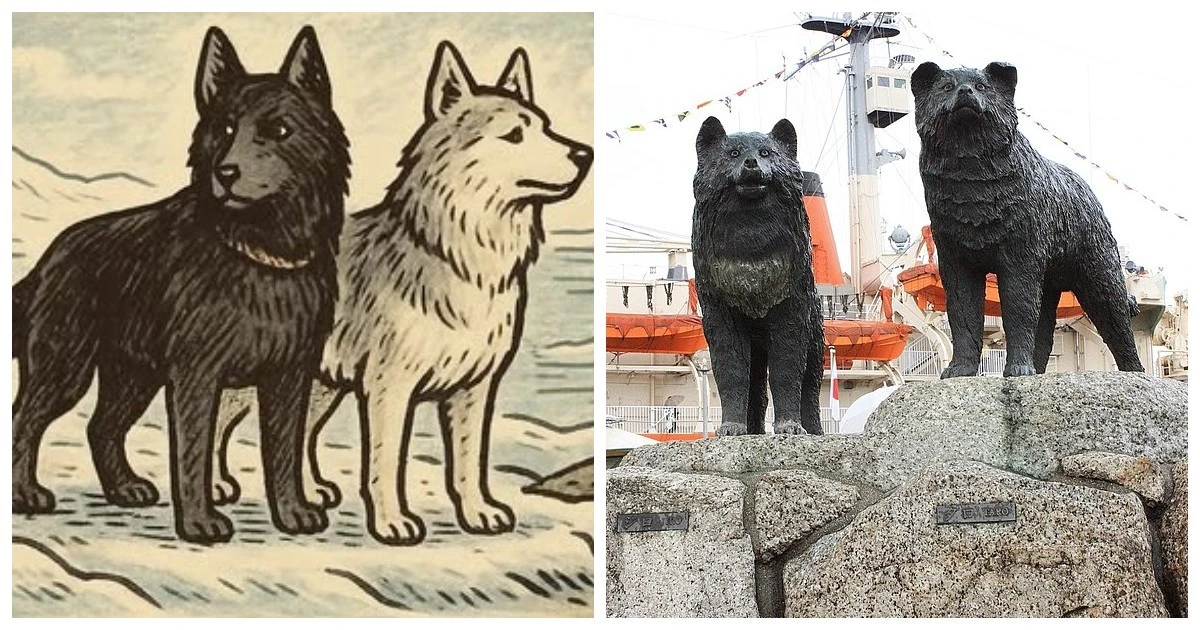
However, on the southernmost continent, there is a story in which the protagonists are not humans. This saga tells not of a captain's will, but of a dog's jaw; not of a navigator's calculation, but of animal instinct. This is a year in the life of two Sakhalin Laikas, Taro and Jiro. 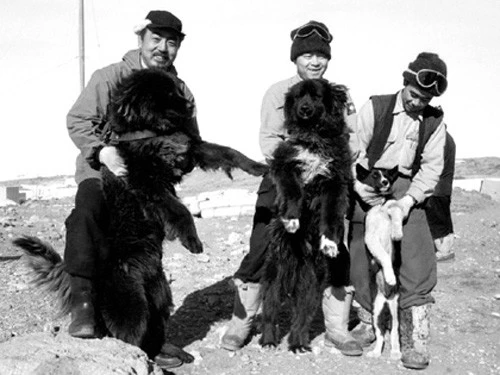
Taro (left) and Jiro (center) greet the members of the 3rd expedition in 1959.
As part of the International Geophysical Year in 1957, Japan established the Showa Scientific Base in East Antarctica. The 11-person team was accompanied by a team of 15 sled dogs. 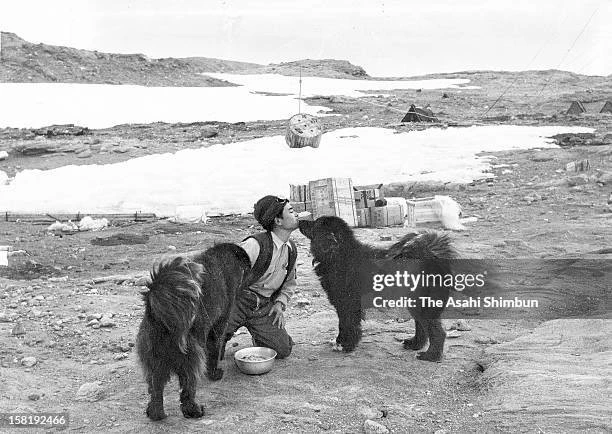
Taro and Jiro play with expedition team member Taiichi Kitamura in January 1959 after their rescue.
Taro and Jiro, three-year-old Sakhalin Huskies, were the youngest in the team. A replacement was scheduled to arrive at the station within a year. 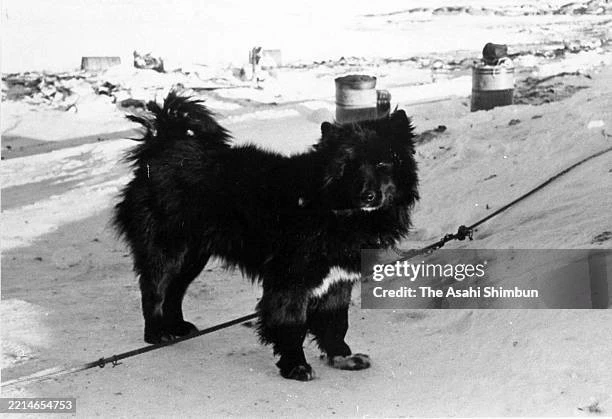
But the reality of Antarctica ruined the schedule. In February 1958, the ship carrying another expedition was unable to break through the heavy ice. The crew had to be urgently evacuated by air. 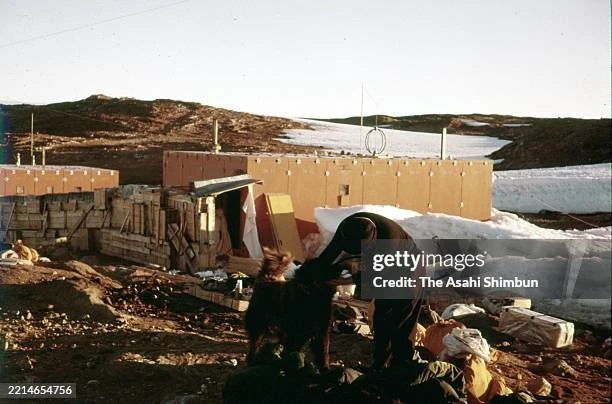
It was decided to leave the dogs, their faithful helpers, on shore... They were given a modest supply of provisions. The animals had virtually no chance of surviving the polar night. 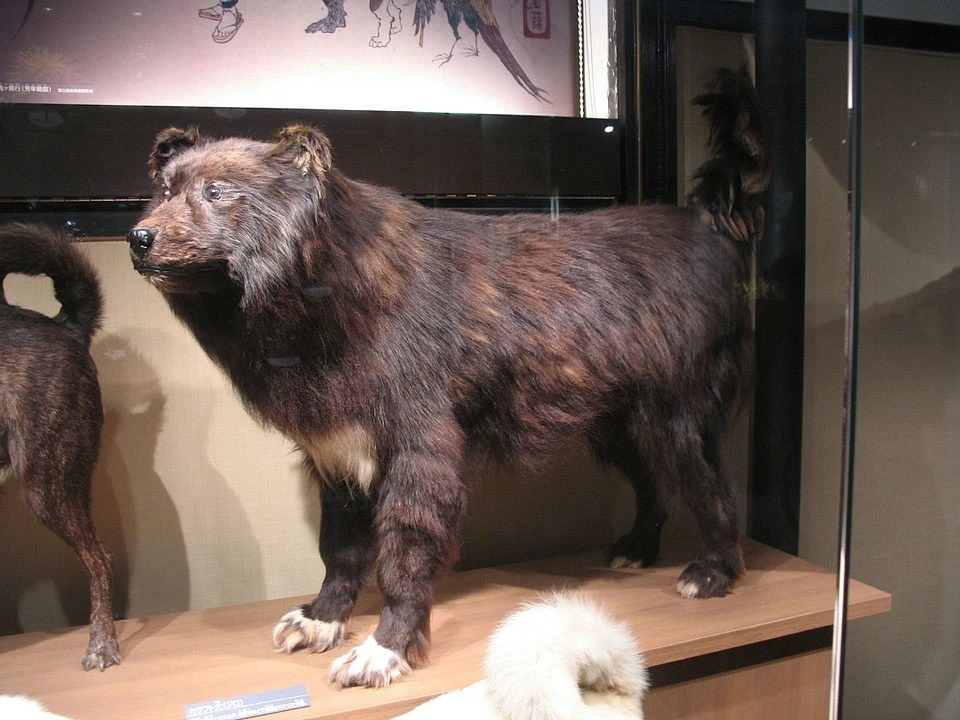
Jiro, an exhibit at the National Museum of Nature and Science
Imagine the scientists' astonishment when, the following Antarctic spring, in January 1959, they again set foot on the station's premises. Seven dogs were found dead in their kennels. The rest had managed to free themselves. Among the survivors were Taro and Jiro. 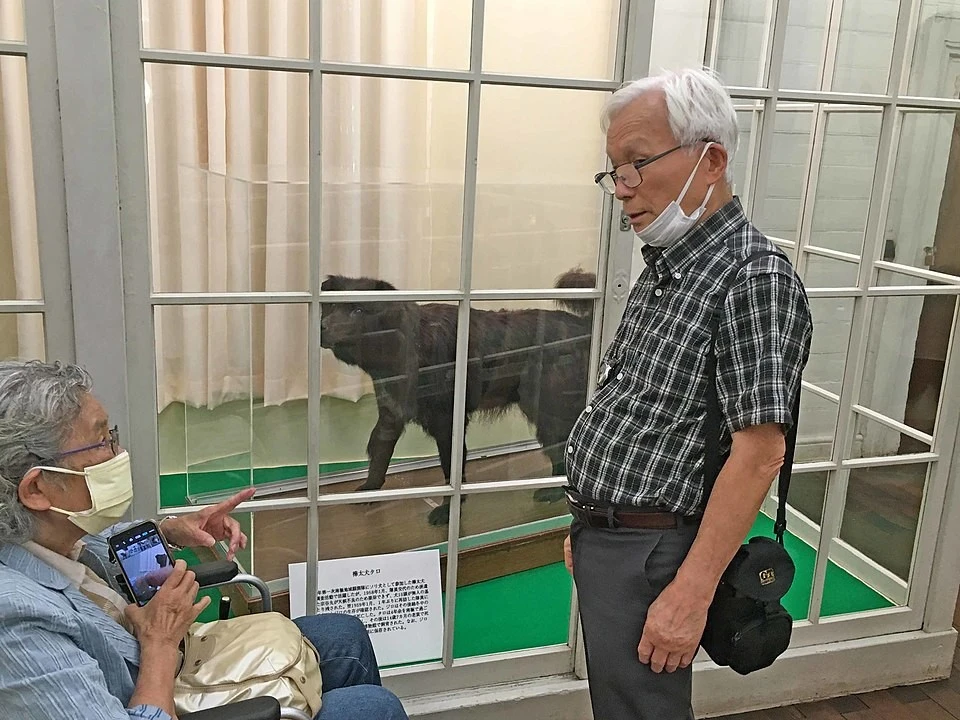
Dr. Hisabu Abe in front of a stuffed Taro, photographed in 2022, Hokkaido University Botanical Garden
Two dogs spent nearly a year in the icy desert, enduring darkness, minus-60 degree temperatures, and total solitude. 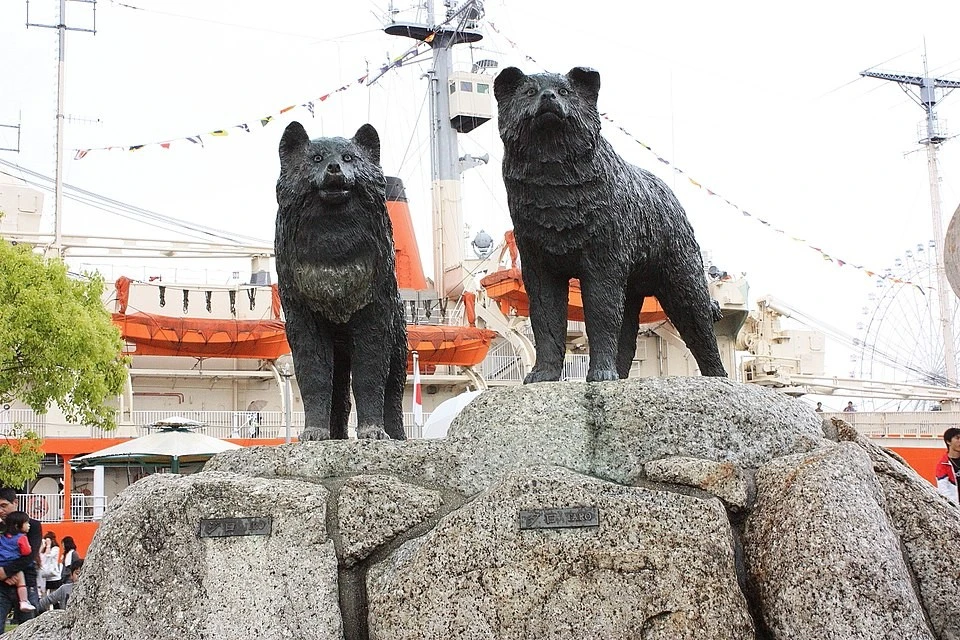
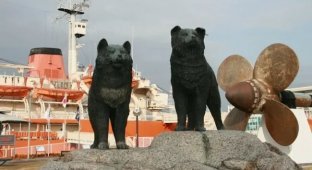
Statues of Taro and Jiro in Nagoya
From footprints in the snow, researchers have reconstructed a likely scene of their struggle. The huskies broke free from their leashes and turned into relentless predators. Their prey likely included seals and penguins. 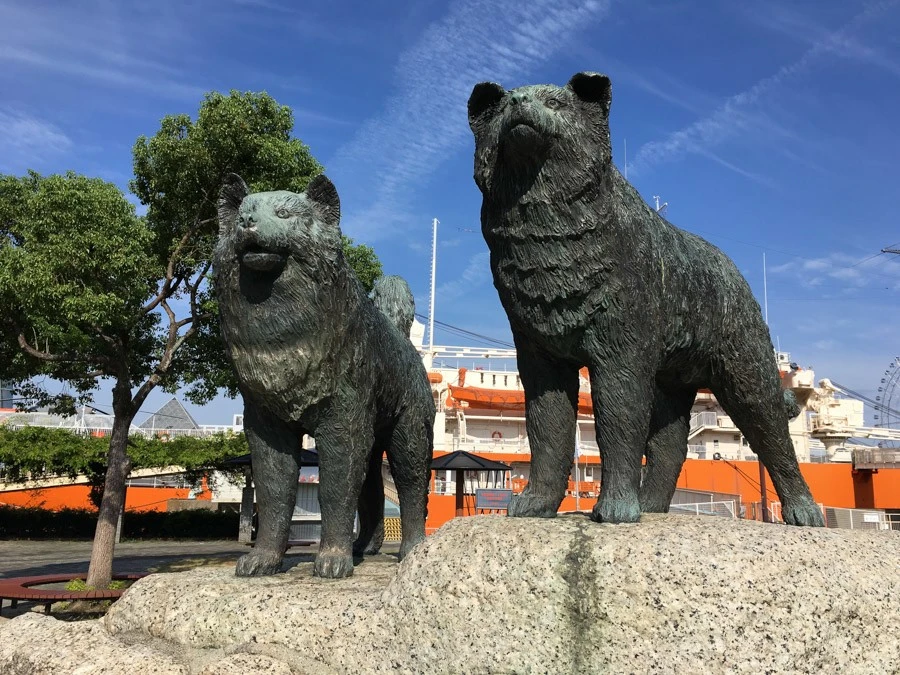
This incredible act of adaptation has become a national sensation in Japan. Taro and Jiro became renowned as embodiments of unbending will. Their images were captured in monuments and books, and later in world cinema. 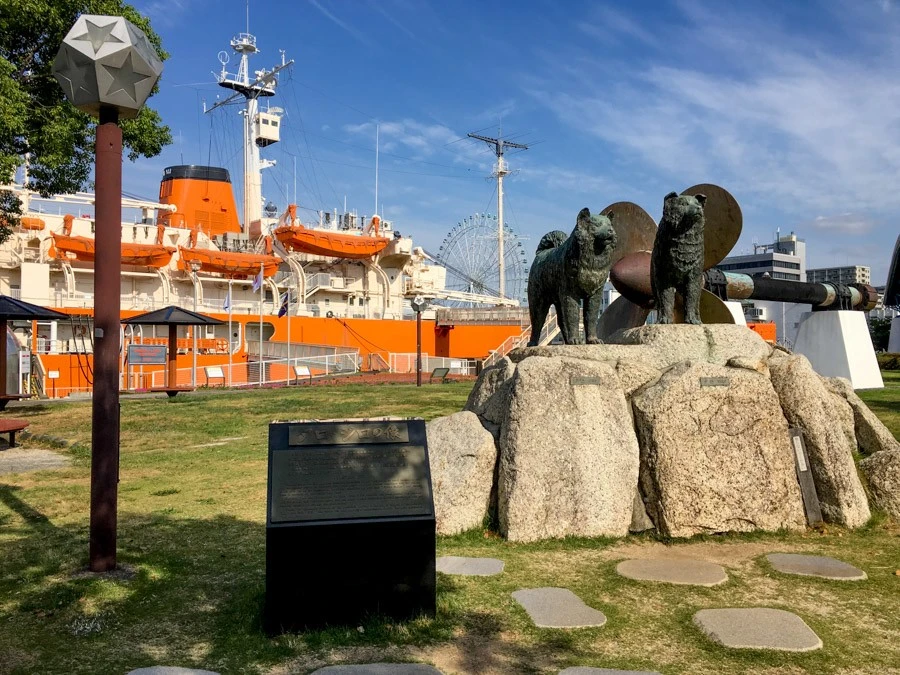
The fates of these heroes took different turns. Jiro continued his service in Antarctica and died at his post in 1960. 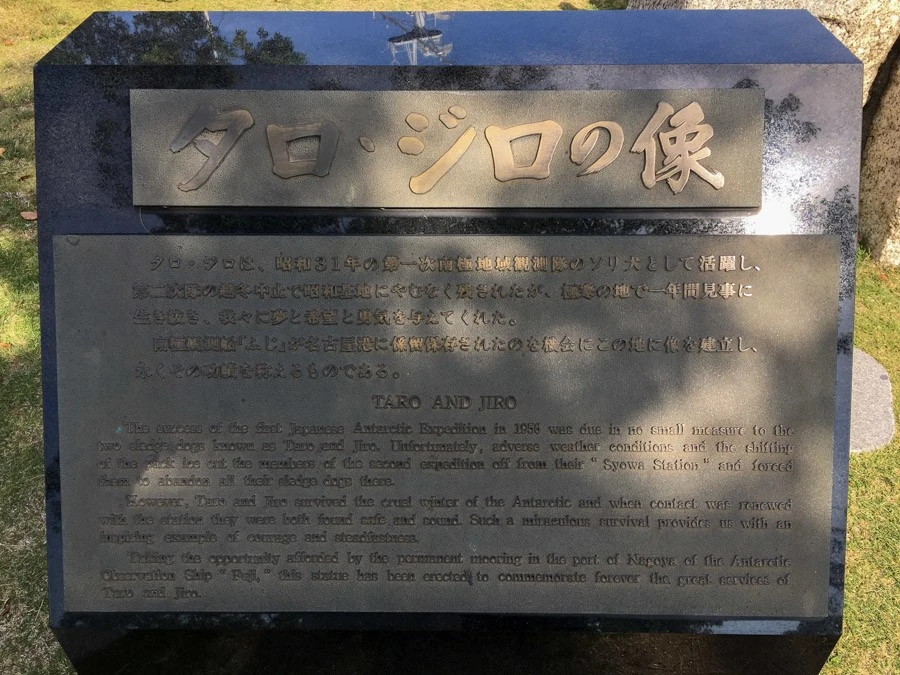
Taro was taken to Japan, where he spent his old age in honor at Hokkaido University. 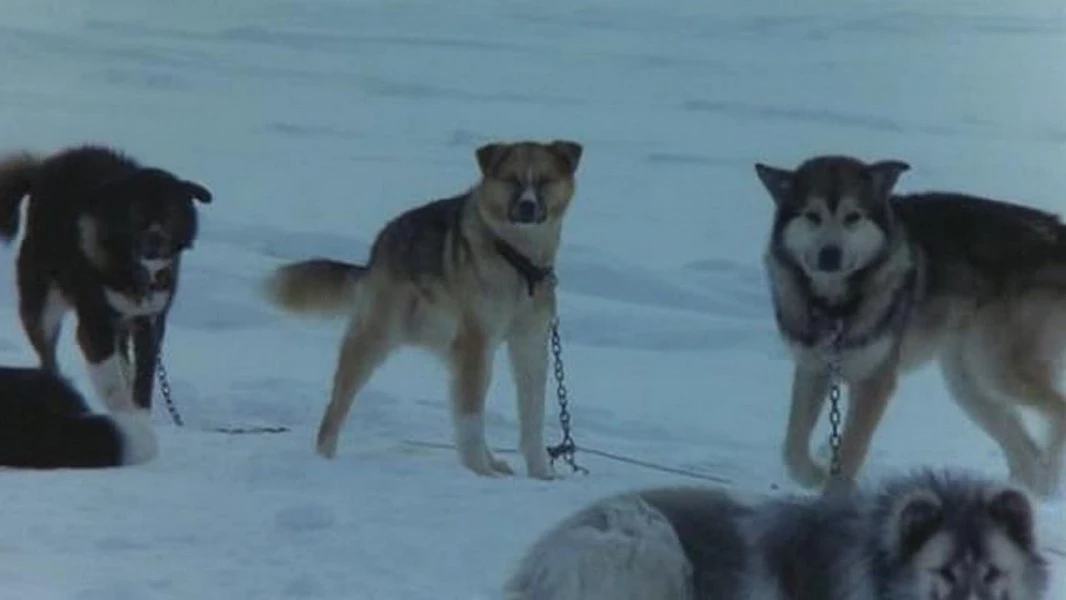
Still from the film "Antarctic Tale" (1983), based on the story of these dogs.
Today, their memory is preserved as the greatest national heroes: Taro's stuffed body is in the museum of his university, and Jiro shares a hall with another symbol of loyalty, the famous Hachiko, in the Tokyo National Museum of Nature and Science. 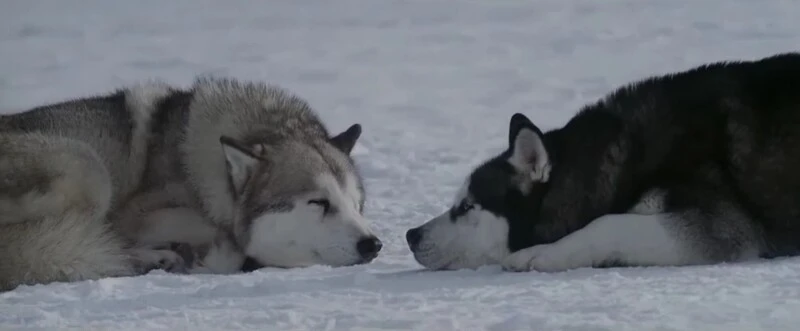
Still from the film "White Captivity" (2006), based on the story of these dogs