A caressing look: the history of secret miniatures from the Romantic era (17 photos)
Since time immemorial, the eyes have been considered the window to the soul, a mirror capable of both revealing and concealing the most secret thoughts and feelings. This symbol of the all-seeing eye has taken many forms. 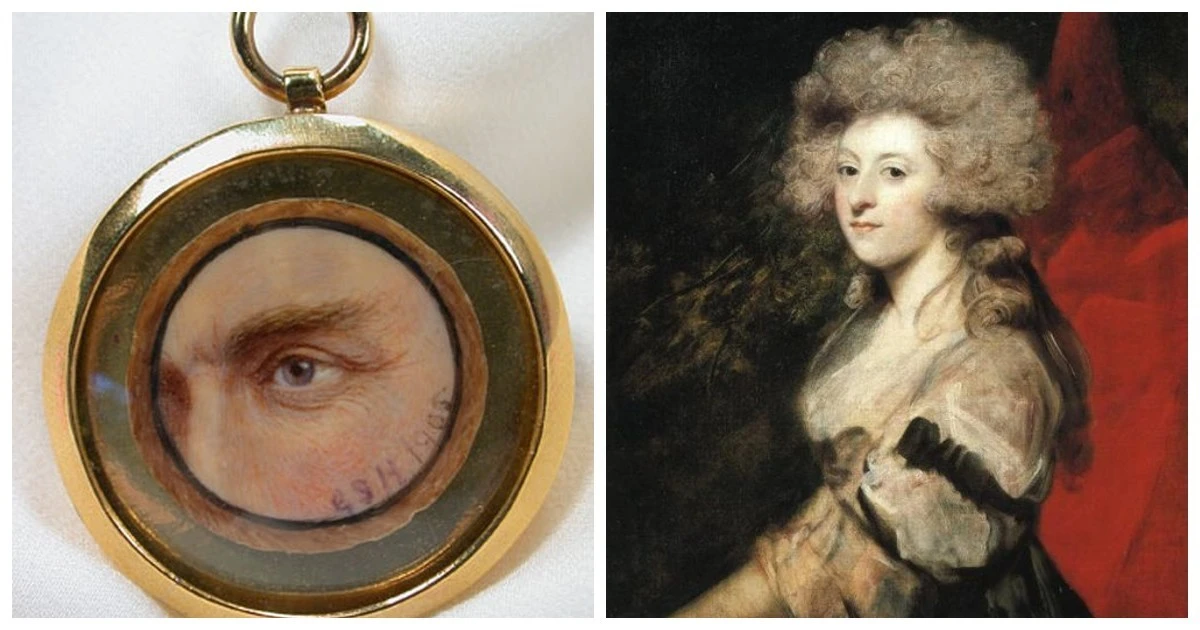
However, at the turn of the 18th and 19th centuries, a much more personal and touching embodiment of this symbol appeared. This is a miniature portrait, capturing only the eye of a lover. 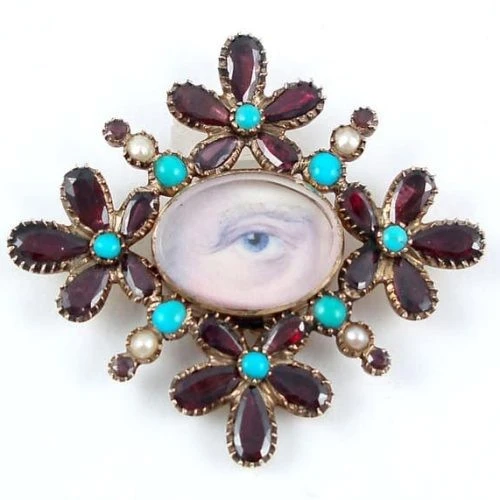
The so-called lover's eye was a tiny image of the giver's eye, created for the person closest to you. The idea behind this extremely short-lived fashion, which lasted from approximately 1790 to 1820, was that the eye would be recognized only by the recipient. This miniature could thus be worn in public, keeping the identity of the lover a closely guarded secret. 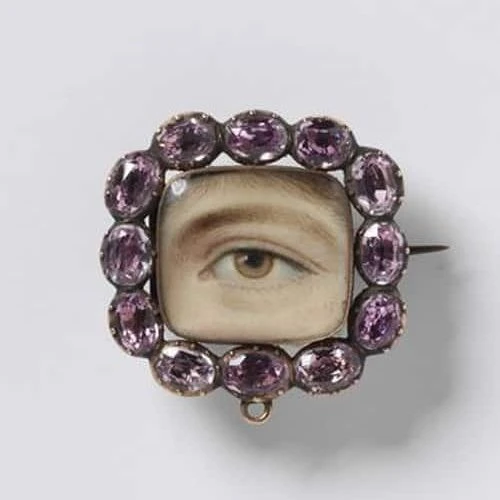
Interestingly, portraits from that era rarely feature such miniatures. Perhaps the owners deliberately concealed these intimate images from prying eyes to enhance the effect of secrecy. 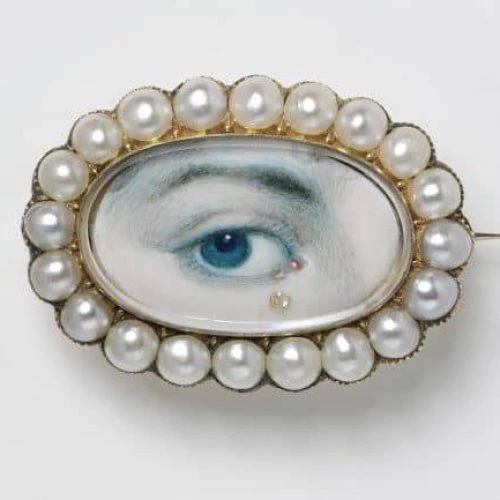
Done in watercolor on ivory or gouache on cardboard, the miniatures were mounted in rings, pendants, brooches, and medallions for women, and in snuffboxes and toothpick cases for men. The portrait was usually surrounded by a decorative border of polished or engraved gold, precious stones, or pearls. 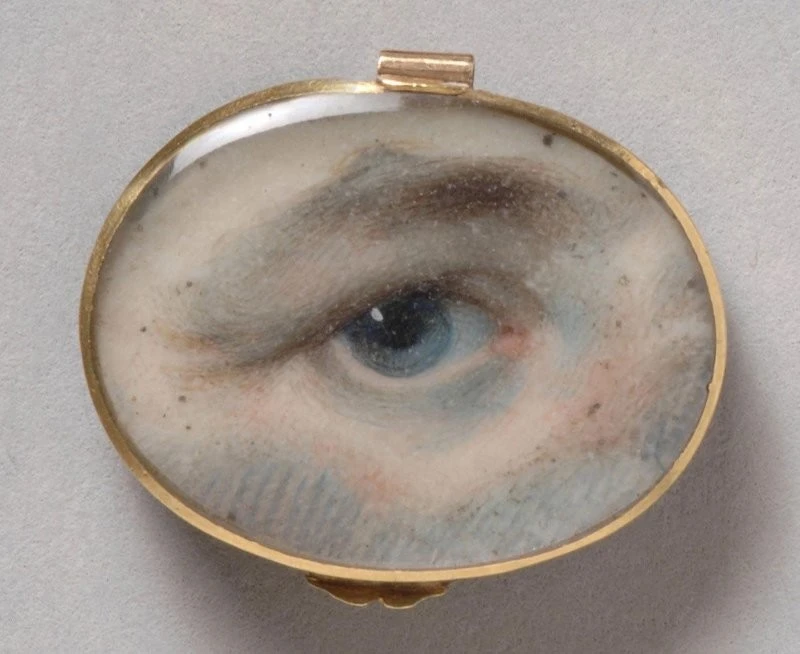
The reverse side often featured a tiny lock of the lover's hair, hidden under glass and decorated with a monogram or pattern made from the same lock. 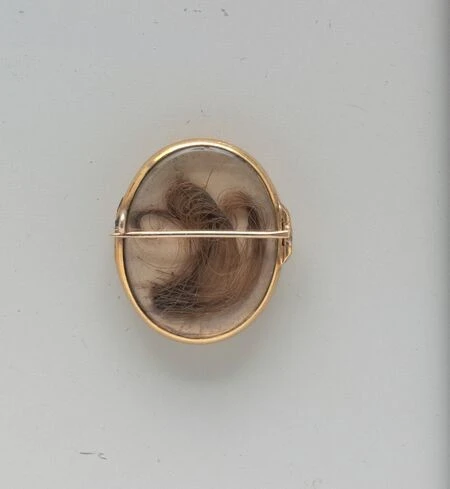
The size of these portraits was exceptionally small, ranging from a few millimeters to a couple of centimeters. The absence of any other facial details gave the depiction of the eye a high degree of anonymity. The gaze, directed directly at the viewer, leaves no doubt as to the portrait's main subject. 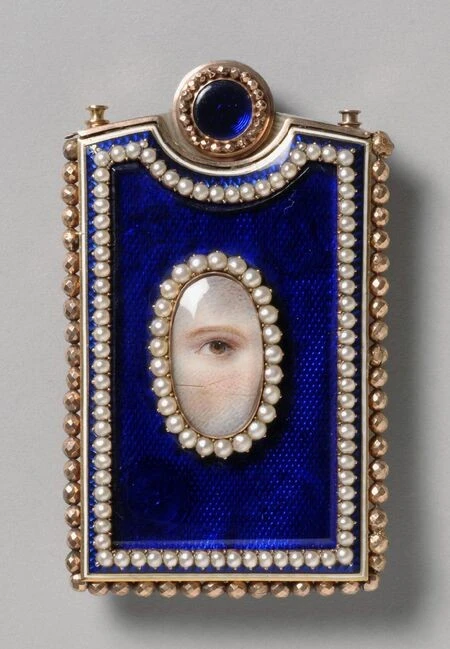
One can imagine how intimate this silent communication became when the gaze from the miniature met the eyes of the person for whom it was intended. 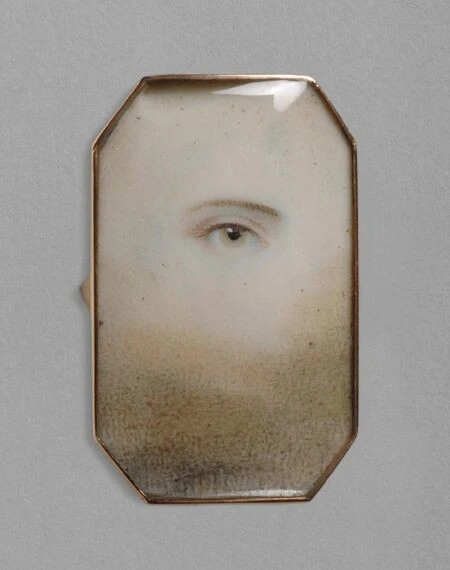
One popular theory of the fashion's origins connects it with the late 18th century and the story of the passion of the future King George IV. The Prince of Wales was then denied marriage to the widowed Mary Fitzherbert, both because of her Catholic faith and because of the disapproval of his father, King George III. 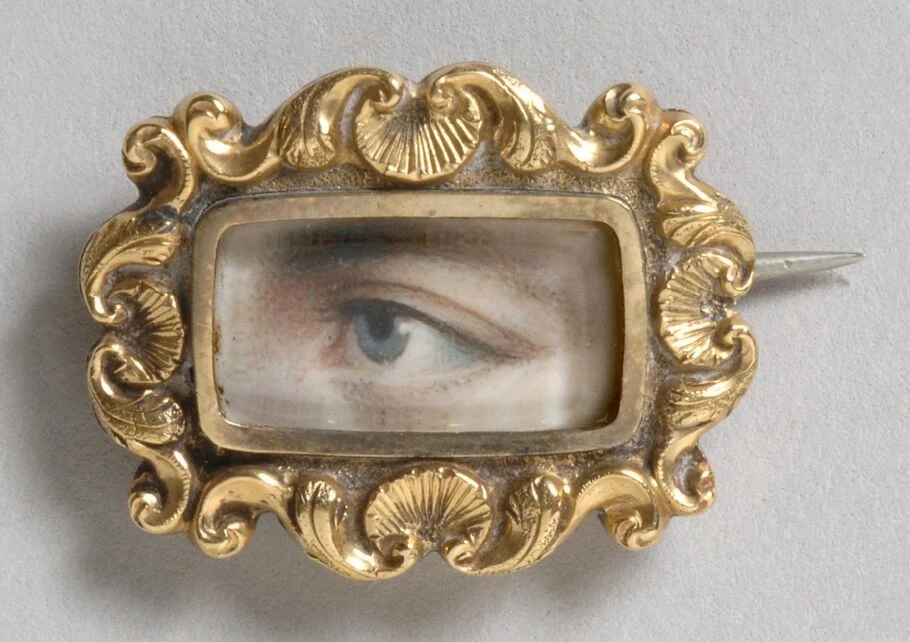
To keep his feelings secret from the disapproving court and to strengthen his proposal, the Prince commissioned a miniaturist to paint a portrait of his eye. Apparently, this gift, capturing his gaze, was effective, and the couple secretly married. The artist then painted the bride's eye so that she could present a portrait of herself to the Prince in return. The British aristocracy quickly followed the royal couple's example, and the fashion soon conquered continental Europe. 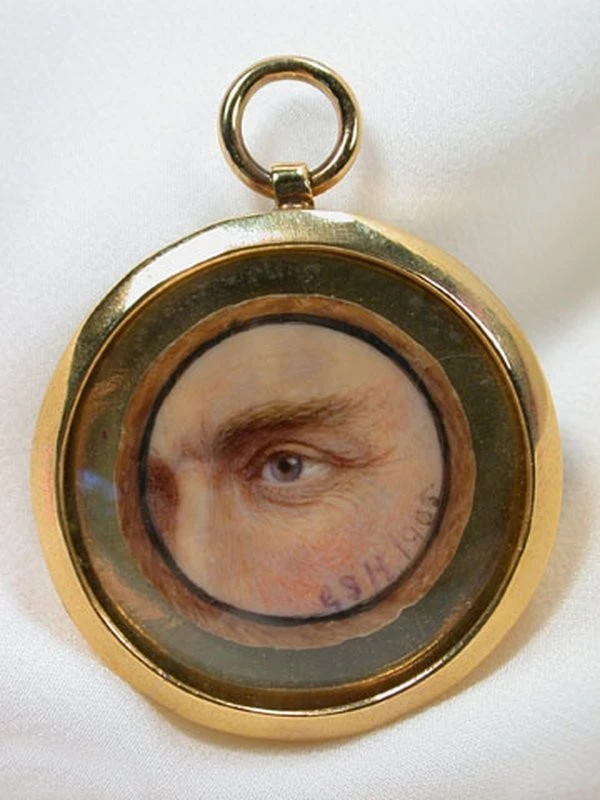
According to another version, the fashion originated in France. As early as 1785, the writer Horace Walpole, in a letter to the Countess of Ossory, ironically noted the new craze for portraits depicting only one eye. He even mentioned an artist who had come from France specifically to paint such eyes. 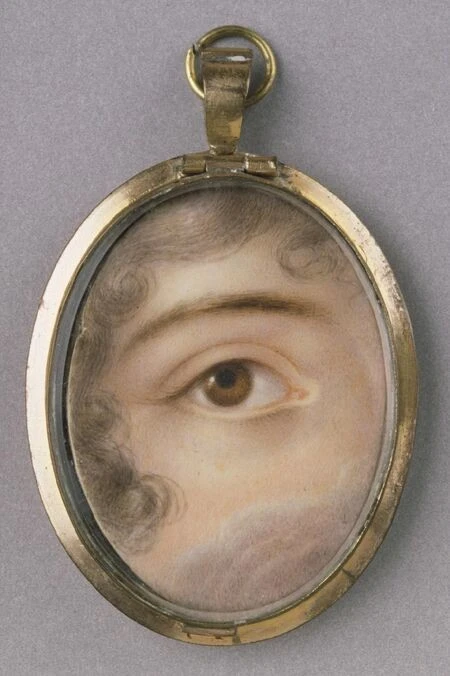
Research into the expense books of leading miniaturists of the time, such as George Englehart, court painter to King George III, indicates that similar works were being created as early as twelve years before the Prince of Wales incident. His account book contains entries for twenty-three such portraits, created between 1775 and 1813. 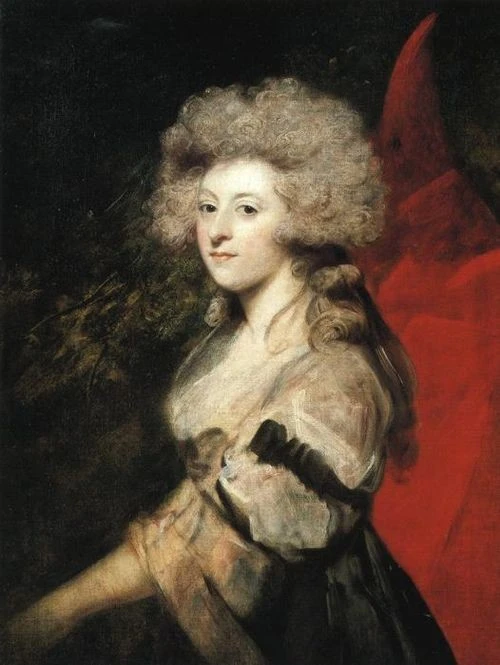
Portrait of Maria Fitzherbert by Sir Joshua Reynolds, circa 1788
These miniatures were given new life by Queen Victoria, who used them as keepsakes. Most of these portraits, commissioned by her and featuring the eyes of her children, friends, and relatives, were executed by the royal miniaturist Sir William Charles Ross. 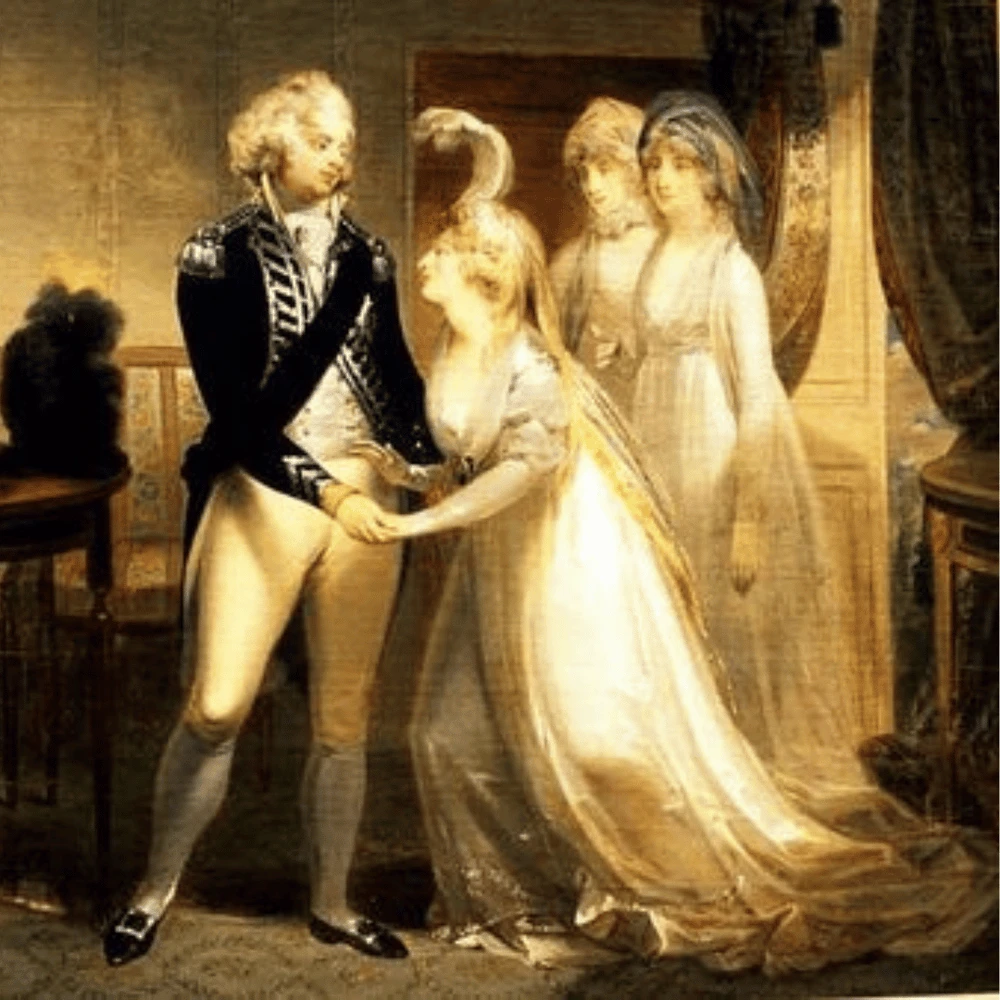
George IV and Mary Fitzherbert
The tradition was modestly maintained until the early 20th century, primarily among the aristocracy and royalty, although attempts to spread this fashion in America were unsuccessful. 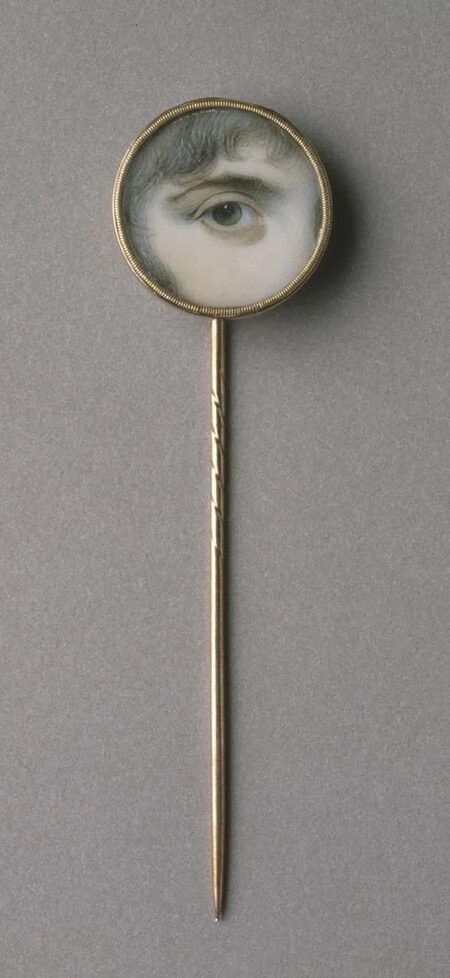
In the early 19th century, eye miniatures evolved into mourning jewelry, sometimes called teardrops. Their purpose shifted from expressing secret love to remembering the departed. The depiction of an eye with a tear or looking through clouds evoked strong emotions. 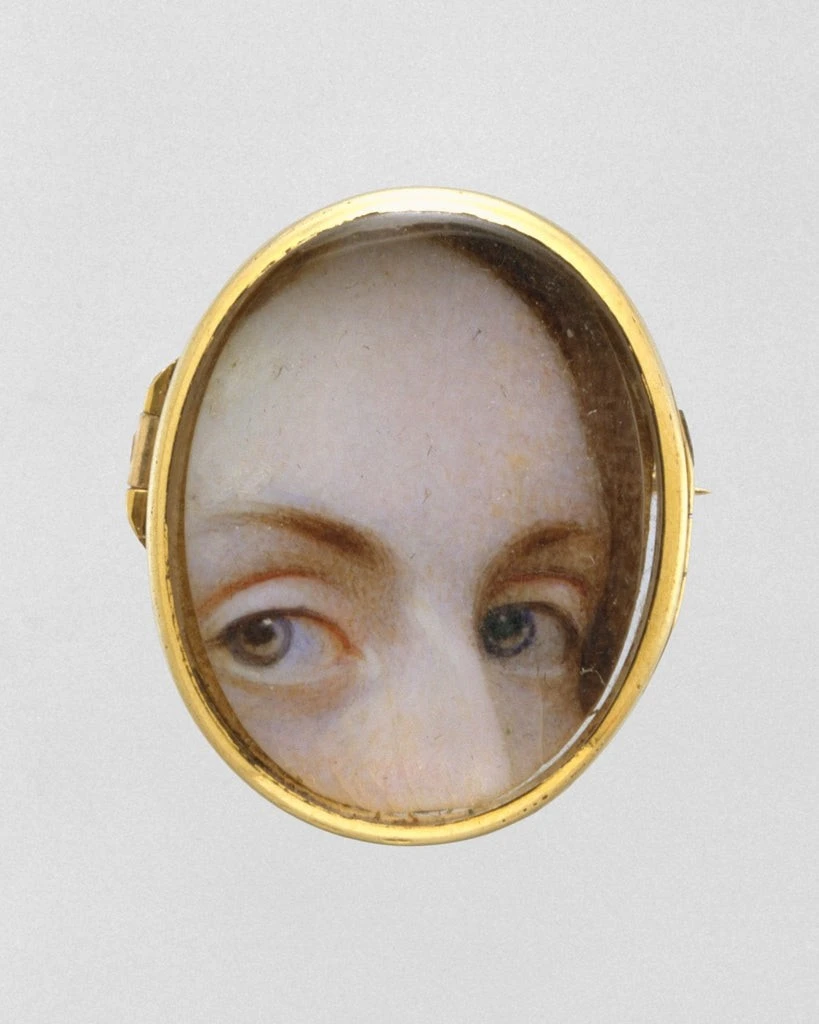
Such memorial miniatures almost always included the hair of the deceased. The symbolism was further enhanced by the gemstones surrounding the portrait. Pearls often represented tears. Diamonds, available only to the wealthiest patrons, symbolized strength and longevity. Coral was believed to protect its owner from evil. 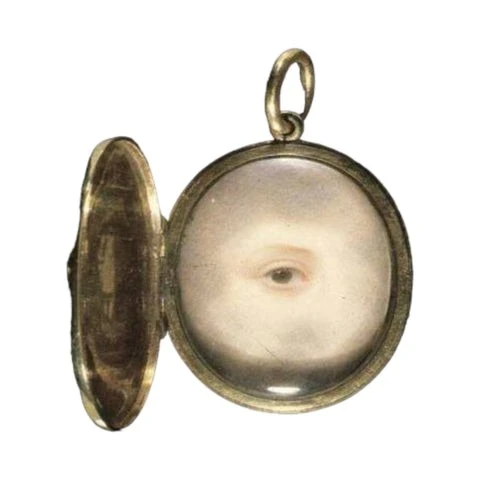
Garnets, incredibly popular in the Georgian era, were considered a symbol of true friendship. Turquoise, associated with eye health, was a particularly appropriate choice for both framing and as a personal talisman. 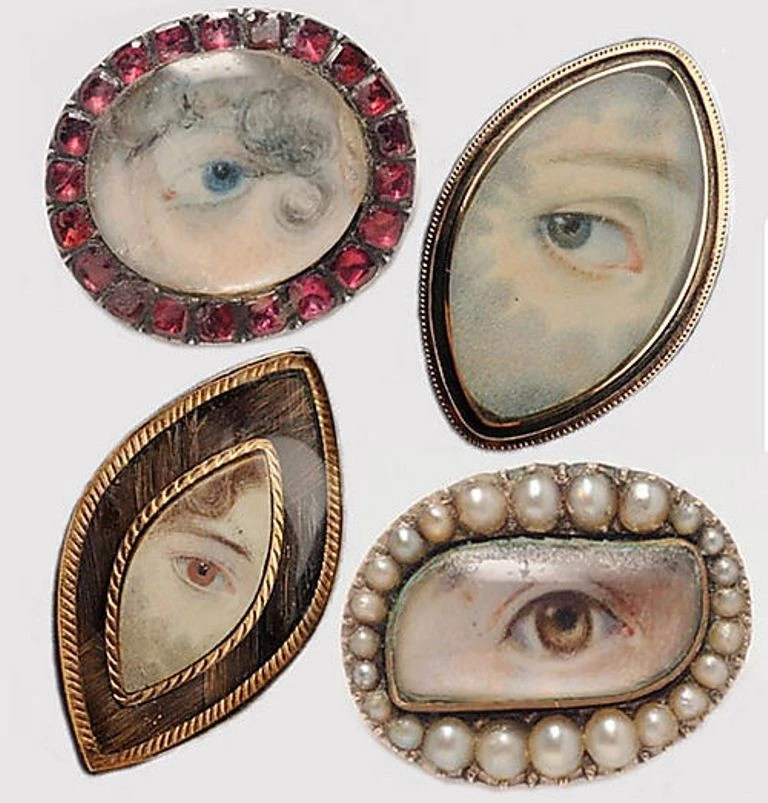
These deeply personal love letters, captured in paint and precious settings, are today extremely rare and highly prized historical artifacts.