Curious photographs from the past of Asian countries (21 photos)
What we see here is not just geography, but the living history of the 20th century: an era of change, tradition and modernization, wars and renaissance. We'll look into everyday life and holidays, the streets of megacities and remote villages, to see how people lived during these rapid centuries. All the photographs in this collection are colorized. 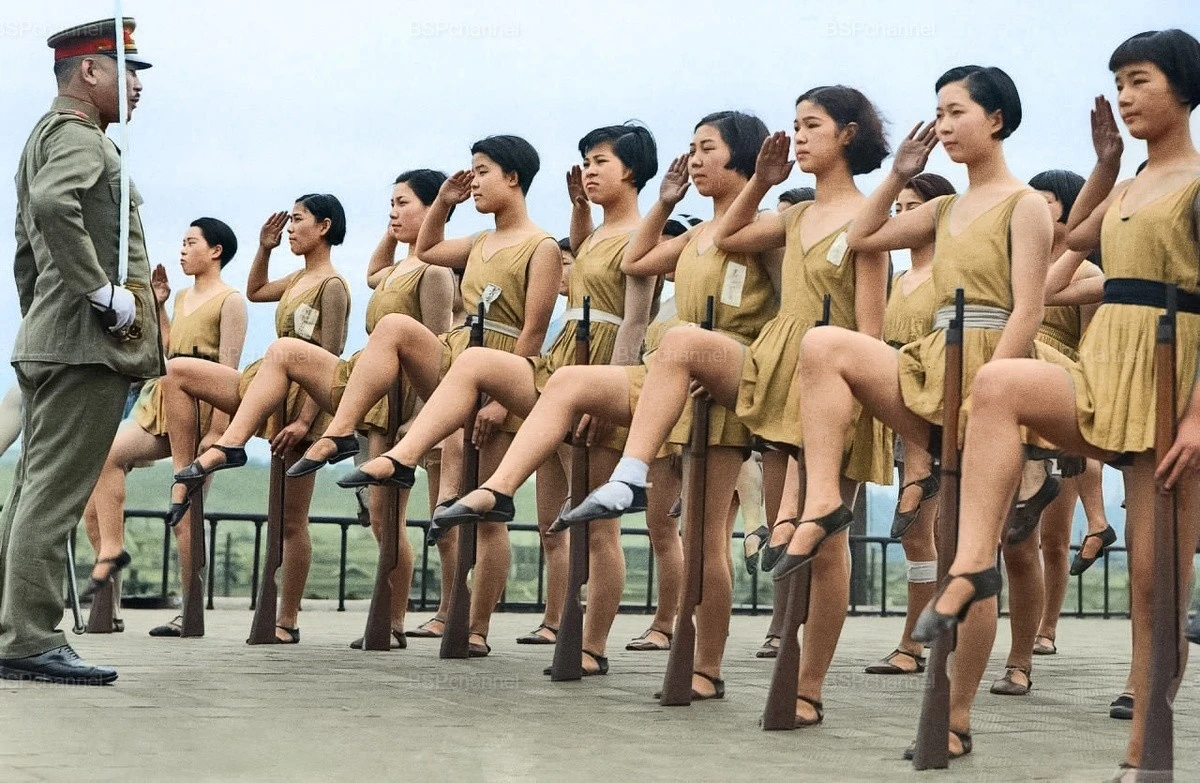
"Children's Paradise," Hong Kong, 1959. 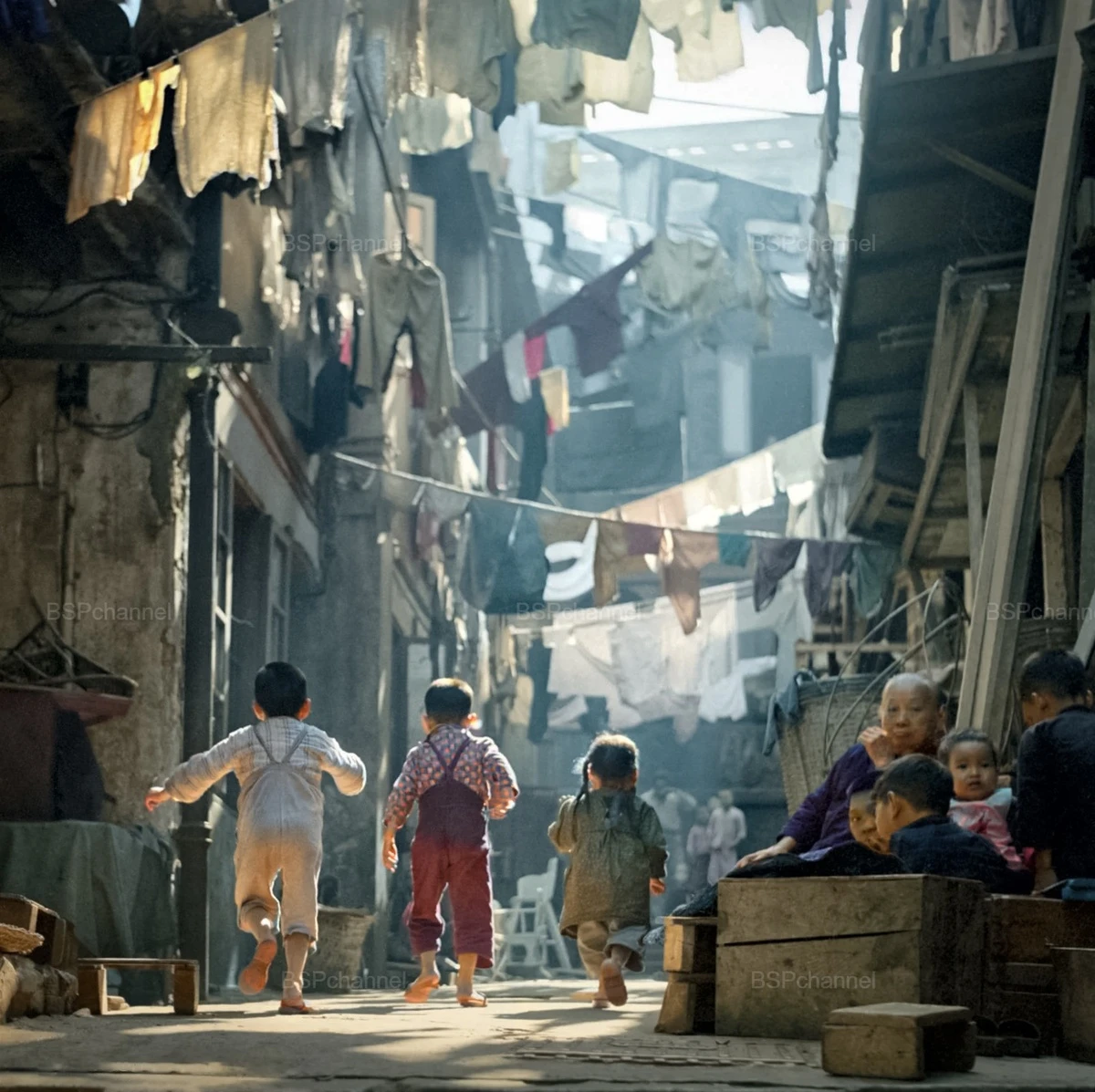
Photographer: Fan Ho
Thailand, 1987. 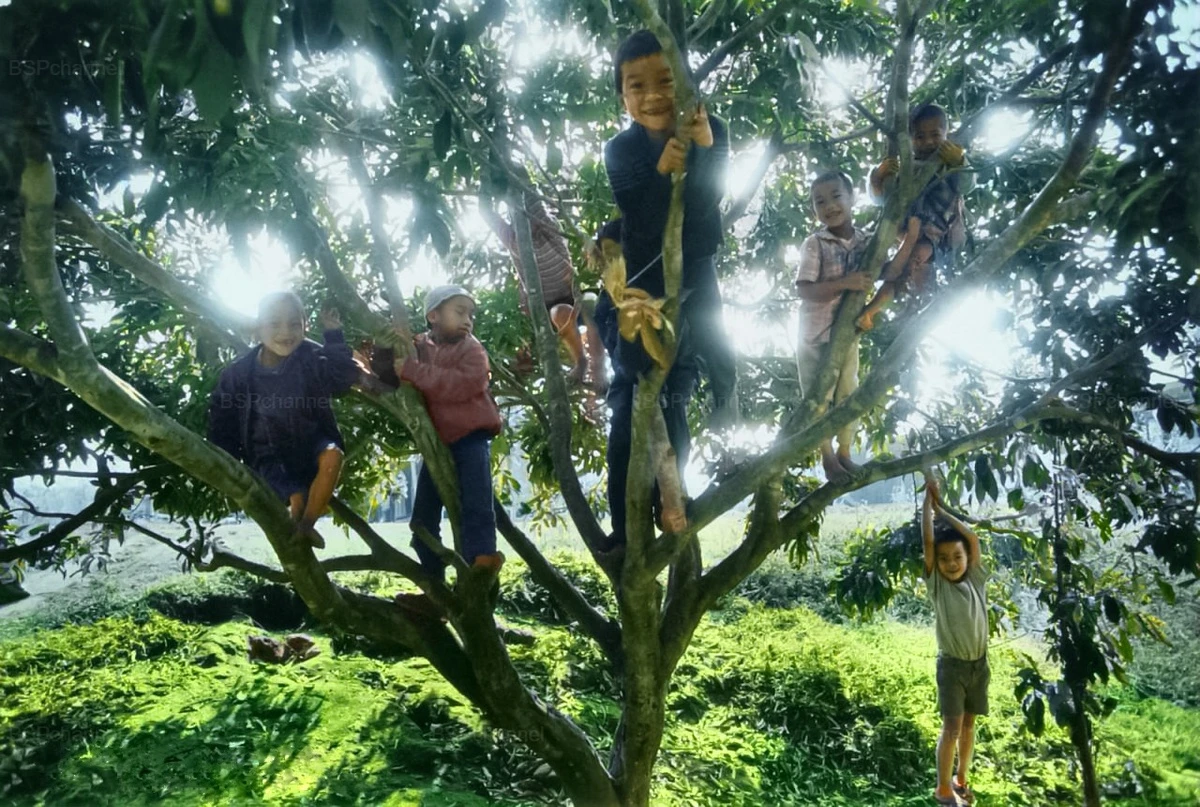
Photographer: Sebastião Salgado
Childhood is just that – childhood, whether in Hong Kong or Thailand. Saigon. Vietnam, 1960. 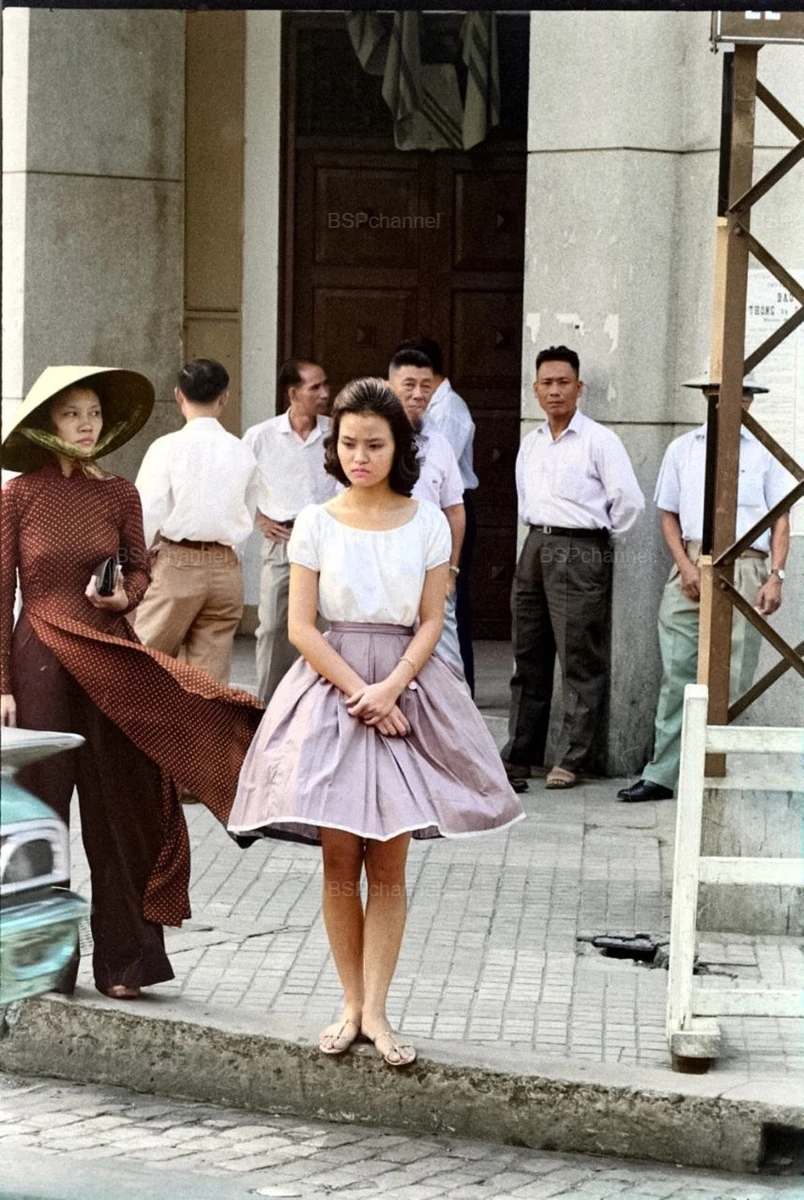
Photo from the set of the documentary film "Chang: A Drama in the Wilderness." Siam (Thailand), 1927. 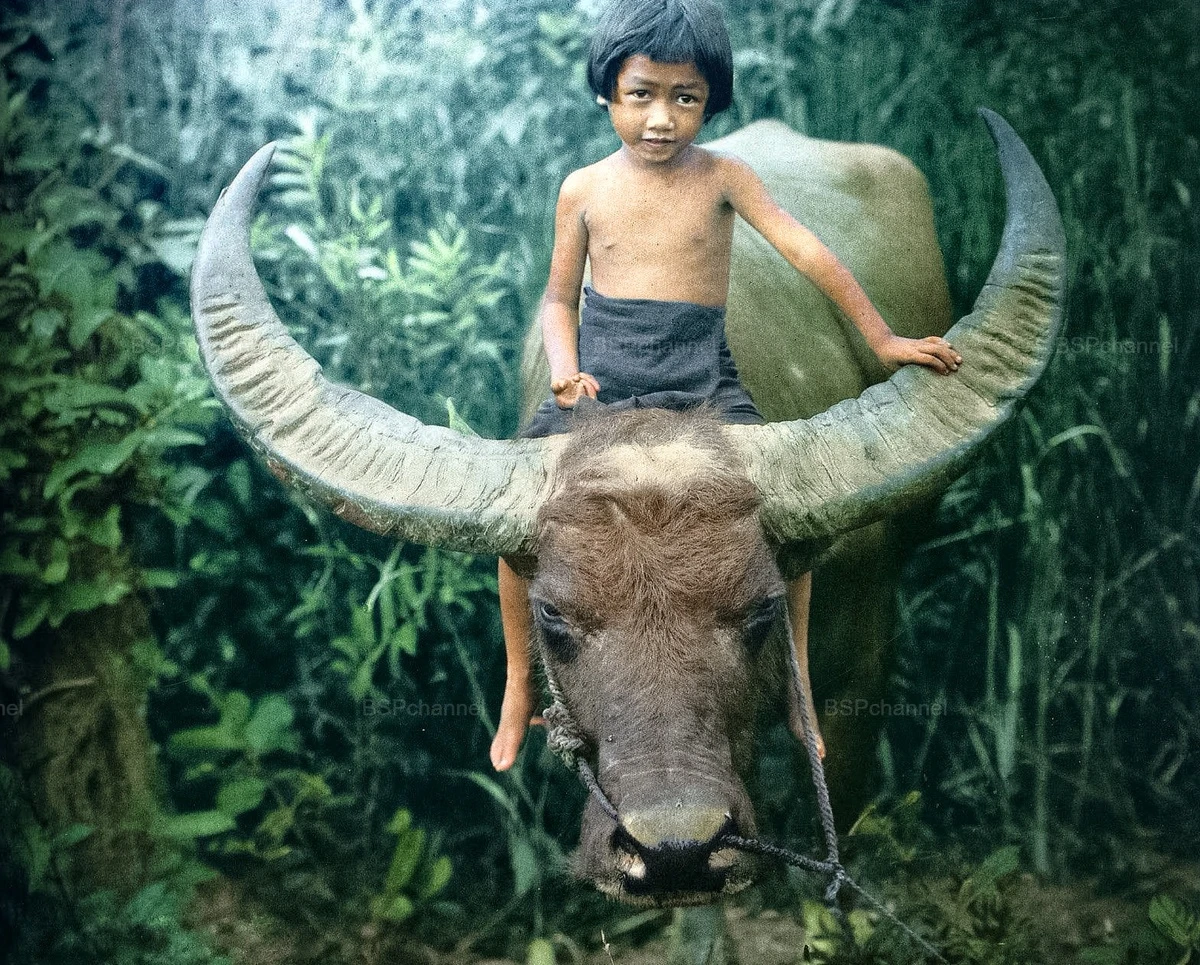
"Chang: A Drama in the Wilderness" is a 1927 silent documentary film directed by Merjan Cooper and Ernest Schoedsack. The film tells the story of a man named Chang, living in the jungles of Siam (now Thailand), whose life turns into a struggle for survival when his village is attacked by wild elephants. The film combines elements of documentary and narrative fiction, creating a tense, almost epic drama about the clash of man and nature. Filmed in real locations—the actors were locals, and the scenes featuring wild animals (including the famous elephant attack) were authentic, lending the film a sense of genuine danger and realism. Chang was one of the first films to pioneer the ethnographic drama genre and brought its creators international acclaim.
Japanese chorus girls appear to be practicing military tactics on the roof of their theater, giving military salutes. June 30, 1937. 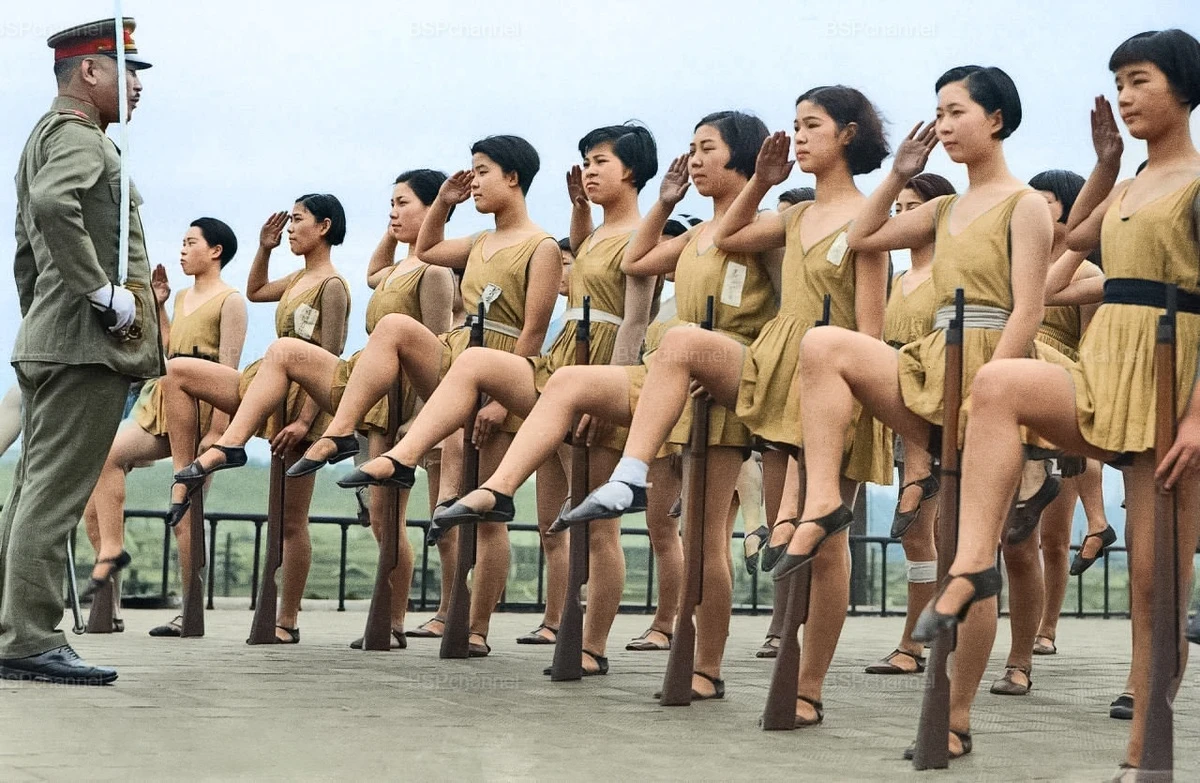
A Japanese regular army officer noted that the girls displayed more rhythm and coordination in their exercises than regular soldiers.
Tilling a tobacco field. China, 1950s. 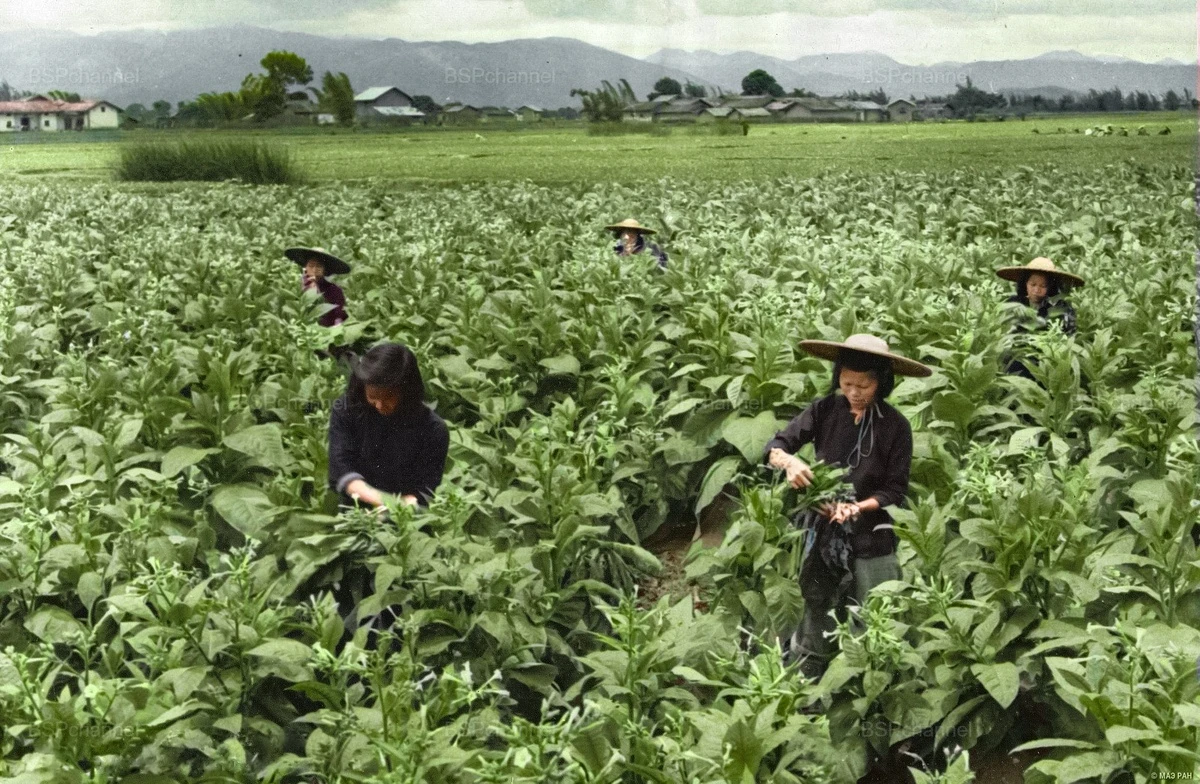
At this time, China was undergoing a period of major social and economic transformation: after the founding of the People's Republic of China in 1949, agriculture became a key area of government policy. Tobacco is an important industrial crop—it was grown by hand in communal fields, often by entire villages.
Railway station. China, 1934-1940. 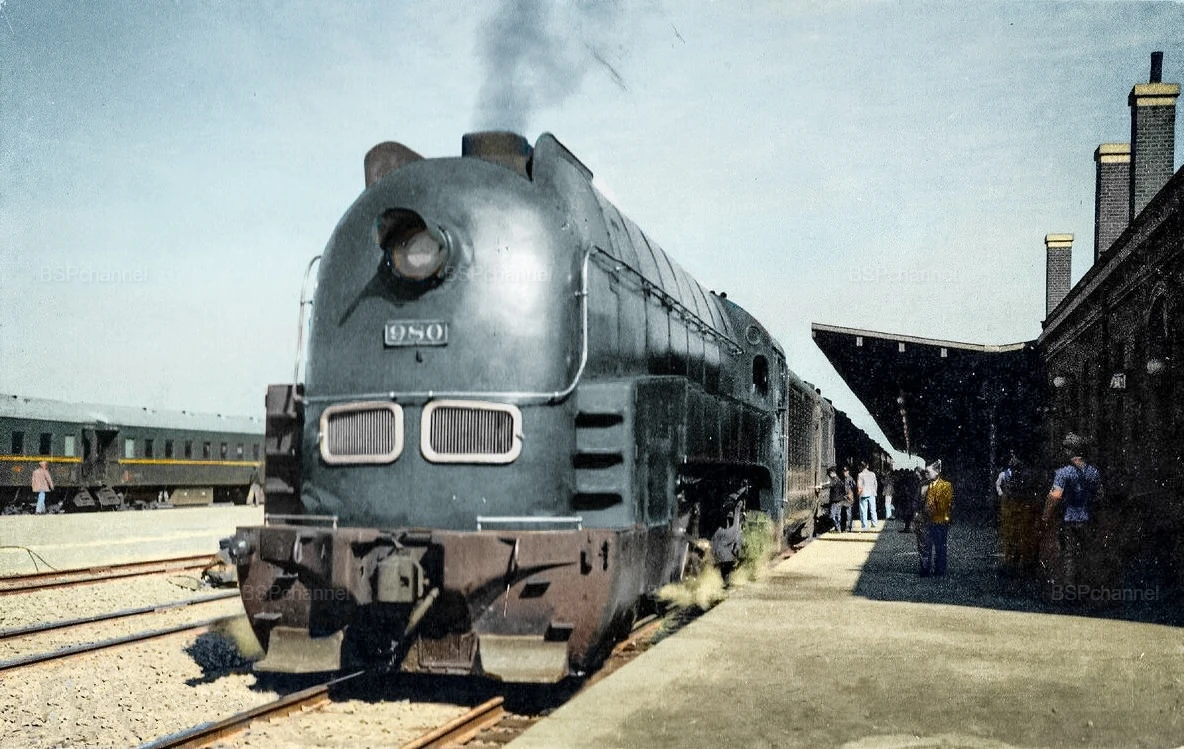
Geisha Harukoma (professional name Etsuke) applies the white makeup typical of geishas in preparation for a party with business representatives, 1962. 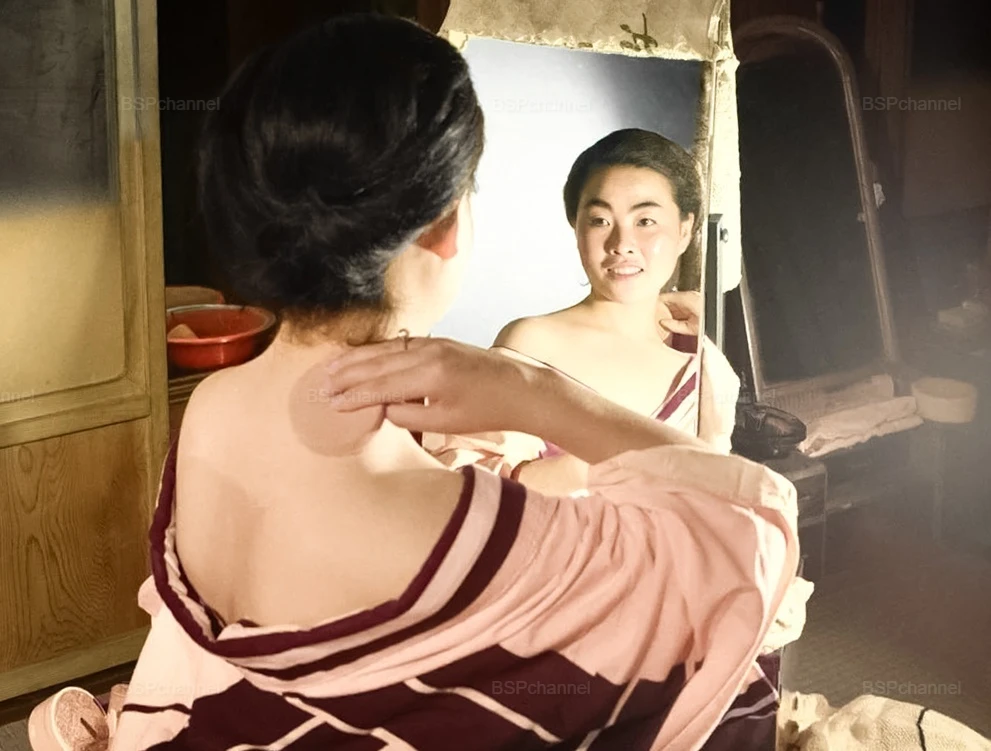
This ritual is not just a cosmetic procedure, but an important part of one's image: a snow-white face highlights the refinement of one's features, conceals one's personality behind a mask of elegance, and underscores the status of a professional geisha. Traditionally, geishas are forbidden to seduce men with their bodies—only with their minds, talent, and art. In short, a geisha is a beauty to behold, not to be touched.
Seoul, Korea, 1956-1963. 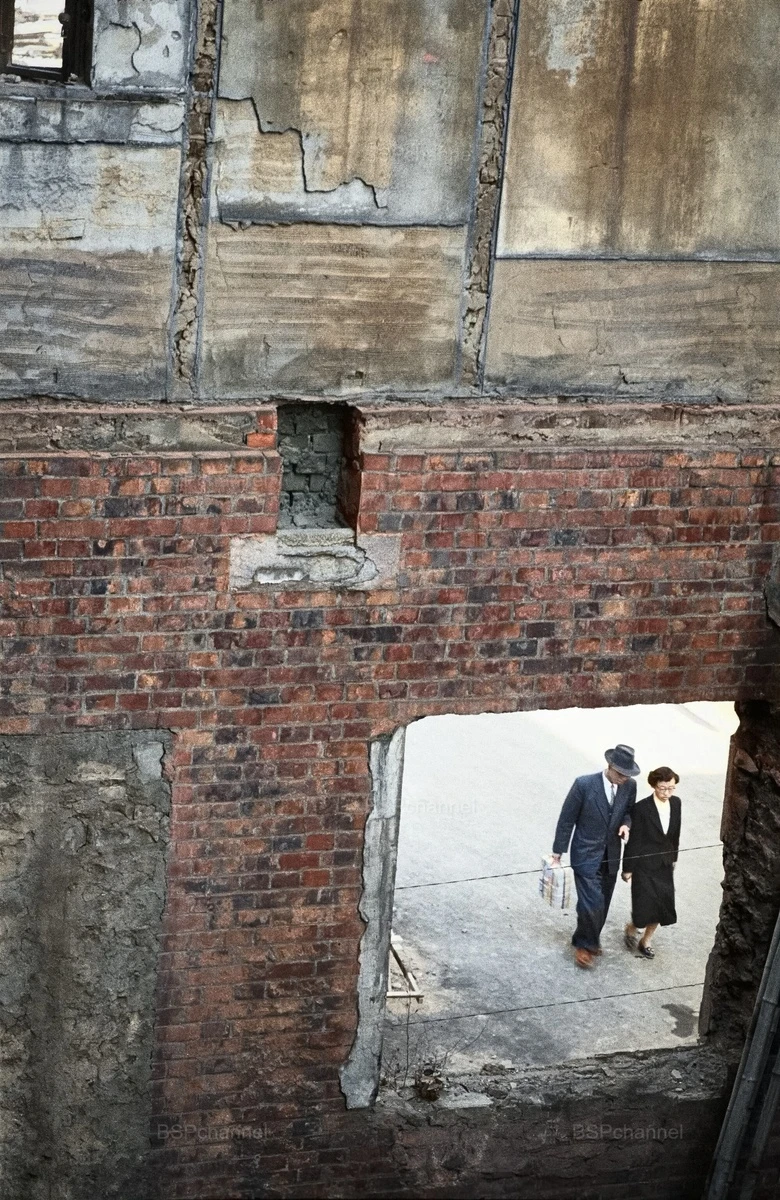
Photographer: Han Youngsoo
Northern China, 1918-1919. 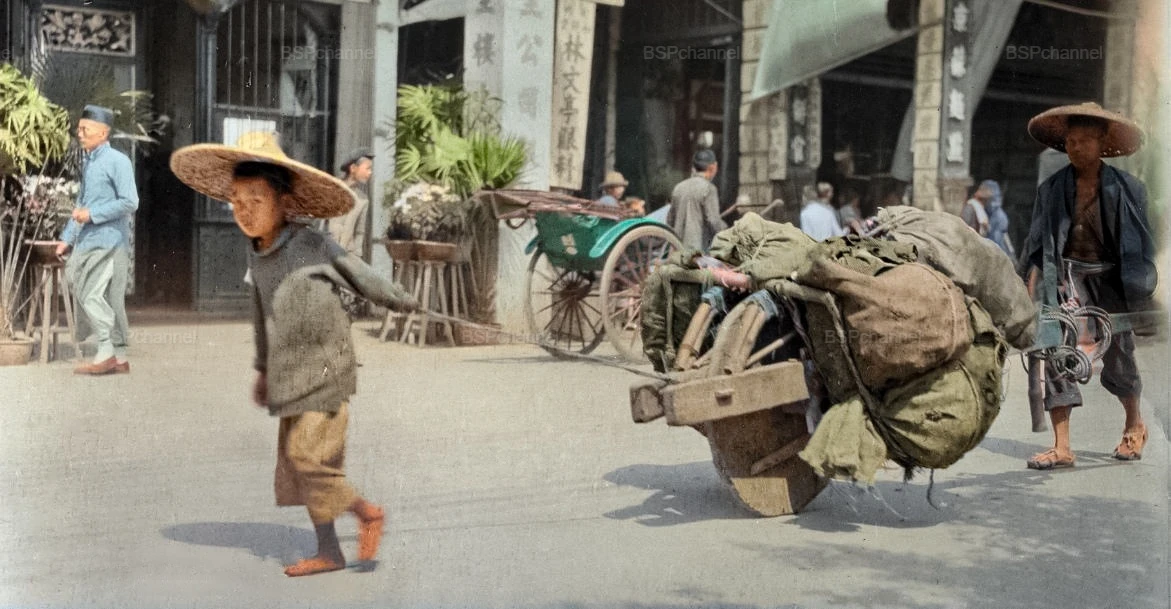
Photographer: Sidney D. Gamble
Sidney D. Gamble (1890–1968) was an avid amateur photographer and the grandson of James Gamble, one of the founders of the famous Procter & Gamble company (1837). Gamble is best known for his photographs of Beijing and northern China, capturing the country's daily life, architecture, and culture in the early 20th century. He made four extended trips to China: in 1908, then in 1917–19, 1924–27, and 1931–32. It was during one of these trips that this photograph was taken.
Women reading in traditional dress, Kyoto, Japan, April 1954. 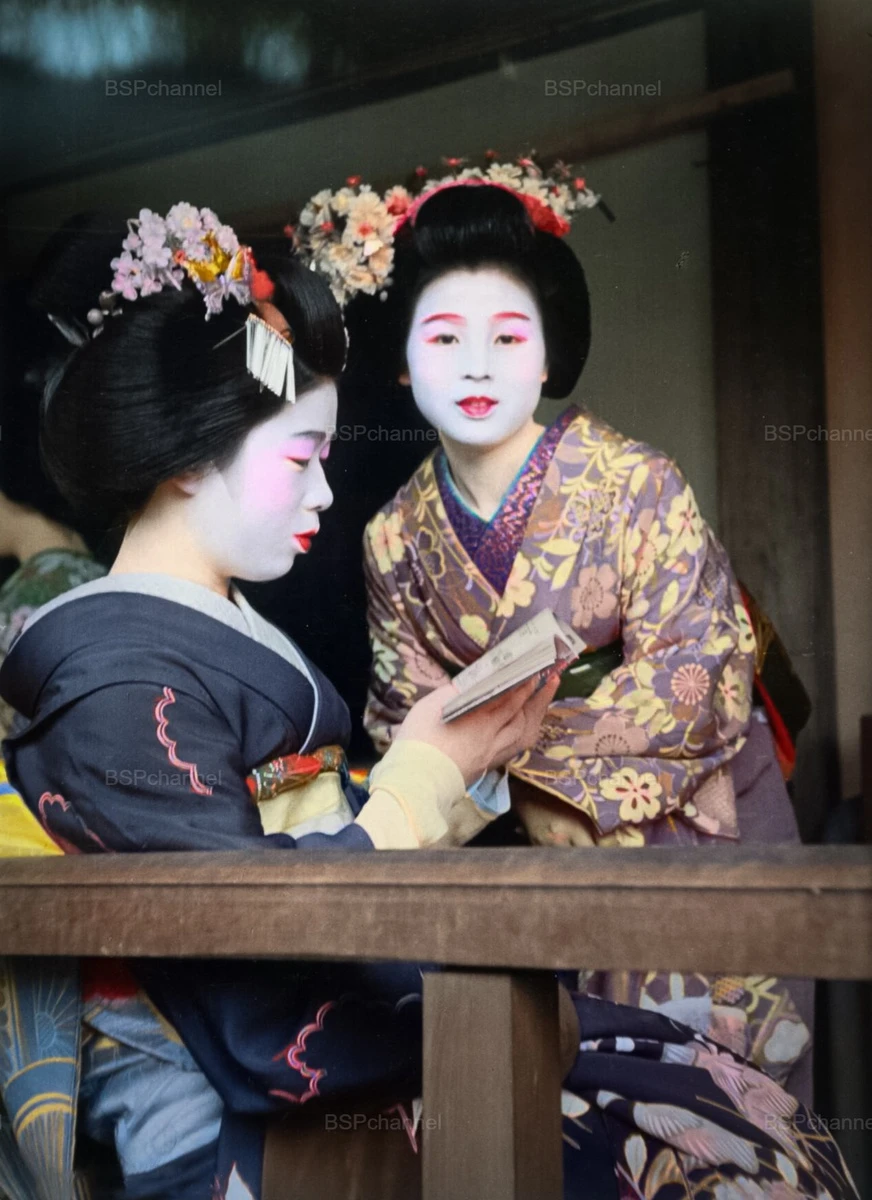
Photographer: Robert Capa
China in the 1950s. 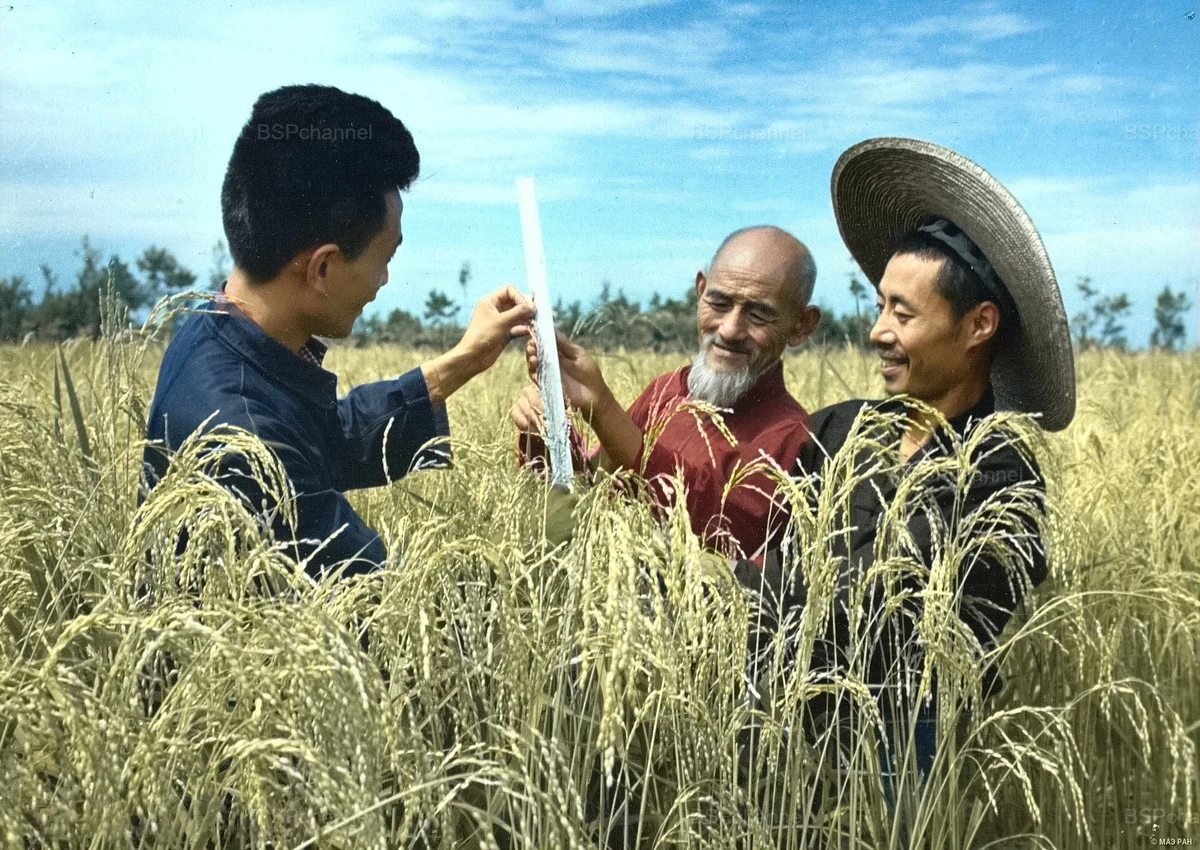
A Japanese couple taking a photo together, 1920. 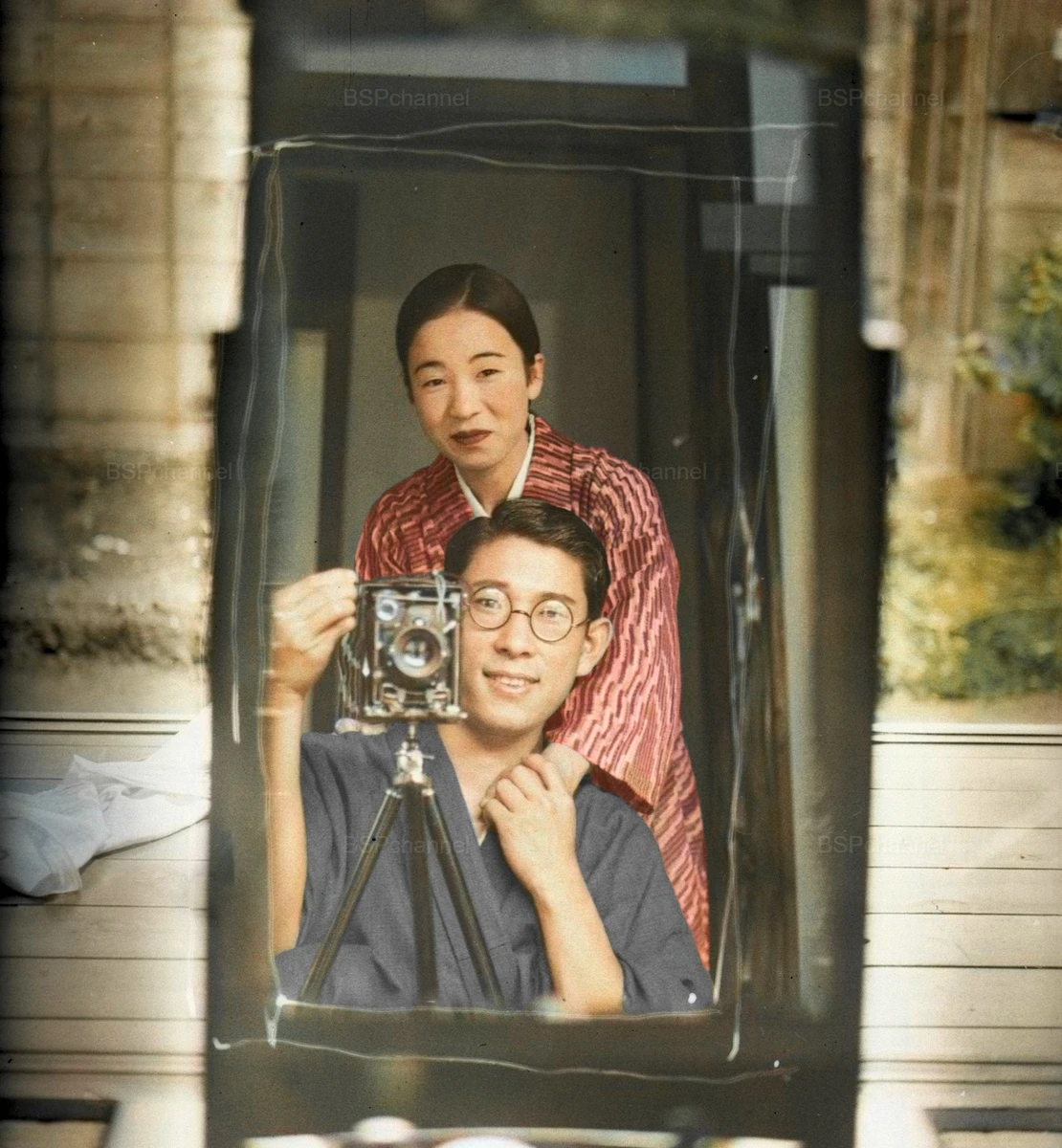
Shanghai, 1947-1949. 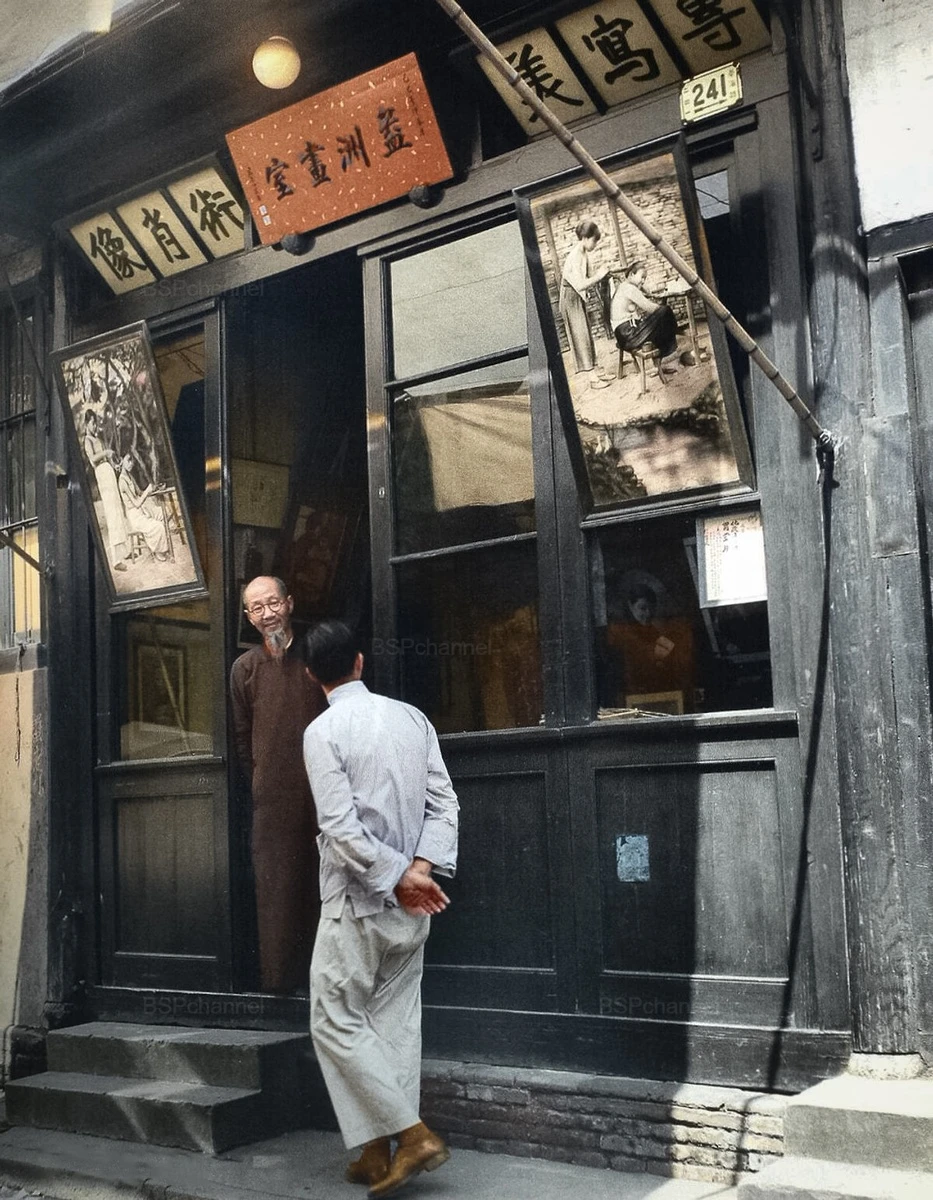
Photographer: Jack Byrnes
Boys fishing, Xindu Xian District, China, 1917-1919. 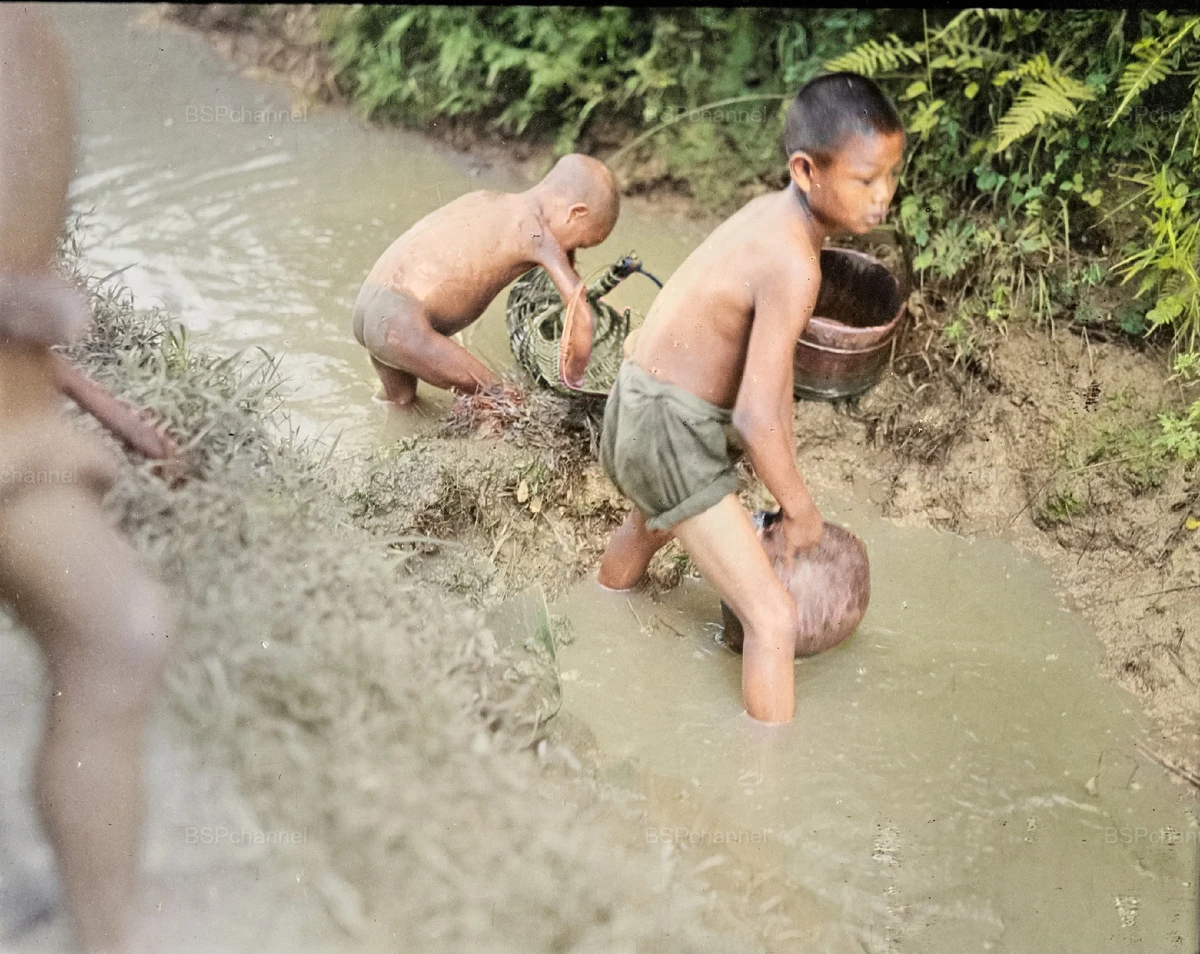
Photographer: Sidney David Gamble.
Boys were engaged in traditional hand-fishing in small rivers and streams. No nets, no fishing rods—just skill, patience, and simple tools: baskets, traps, or even their bare hands. Such scenes were an integral part of rural life: children contributed to the family's well-being from an early age, and fishing became both work and play.
A view of Hong Kong in the evening, 1966. 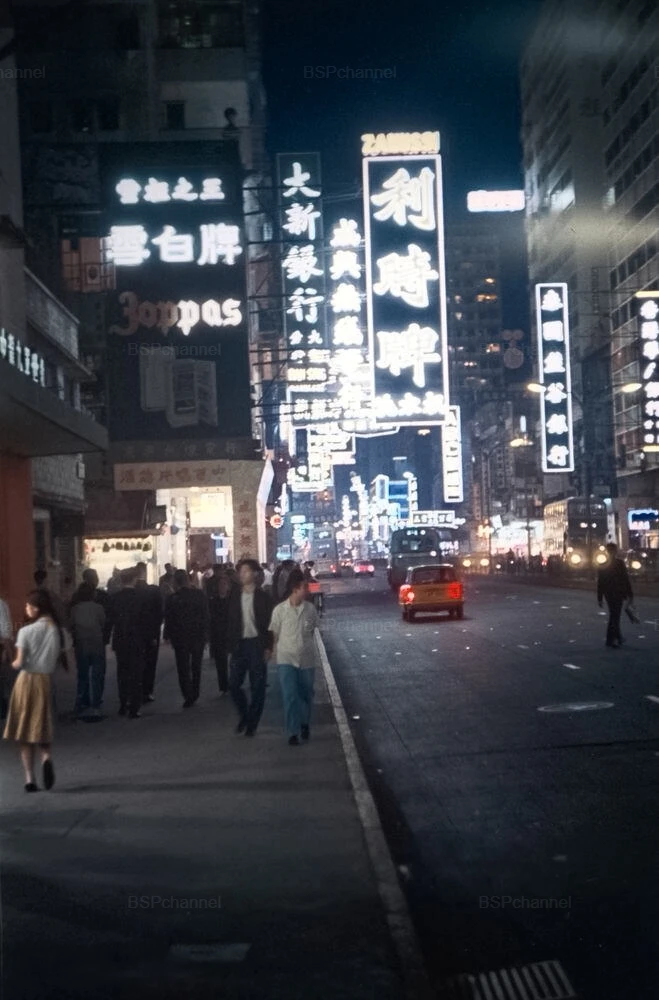
Studies, Hong Kong, 1950s-60s. 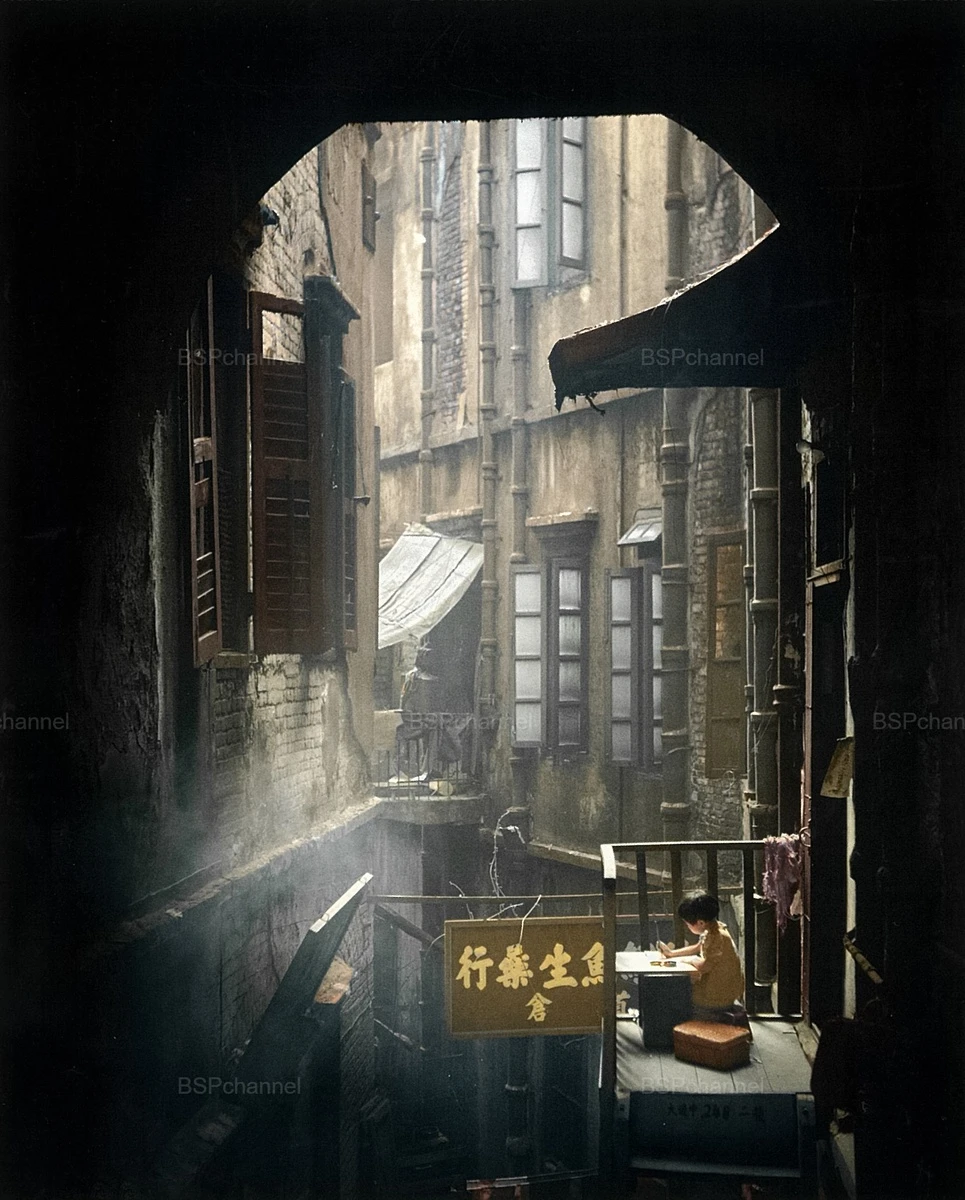
Photographer: Fan Ho
A cyclist on a street in Beijing, 1987. 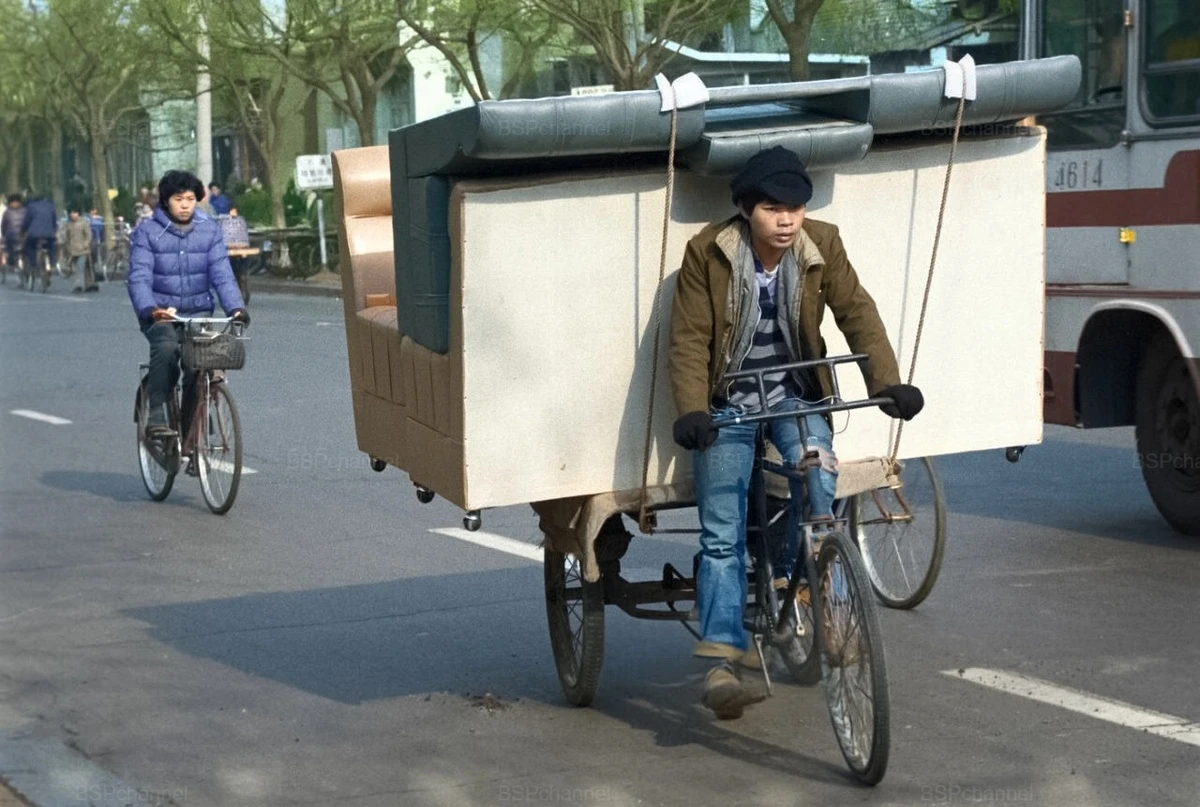
Photographer: Vladimir Vyatkin
In Asian countries—especially China, Vietnam, Thailand, and India—transporting large cargo on bicycles was (and in some places still is) a daily reality. Despite the modest size of the bicycles themselves, locals demonstrate remarkable ingenuity and resilience: they load ordinary two-wheeled frames with sacks of rice, bricks, furniture, live poultry, building materials, and even entire refrigerators. These "cargo" bicycles are often modified: extended frames, reinforced wheels, wooden platforms, or side baskets transform them into veritable vehicles. This practice isn't simply a matter of saving money, but rather a reflection of an adaptation to a life where personal transportation is unavailable and infrastructure demands flexibility.
Mother's assistant. Hong Kong, 1967. 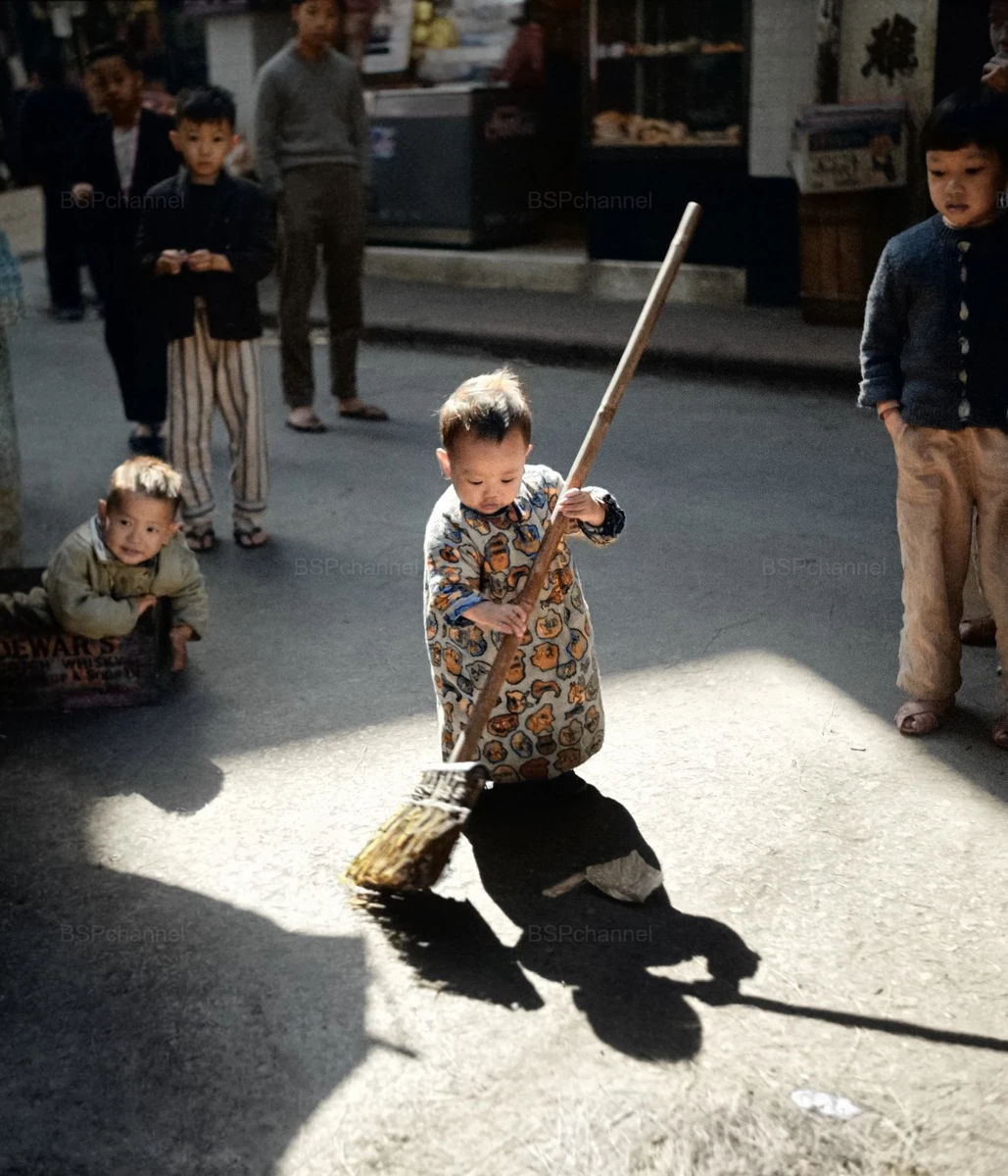
Photographer: Fan Ho
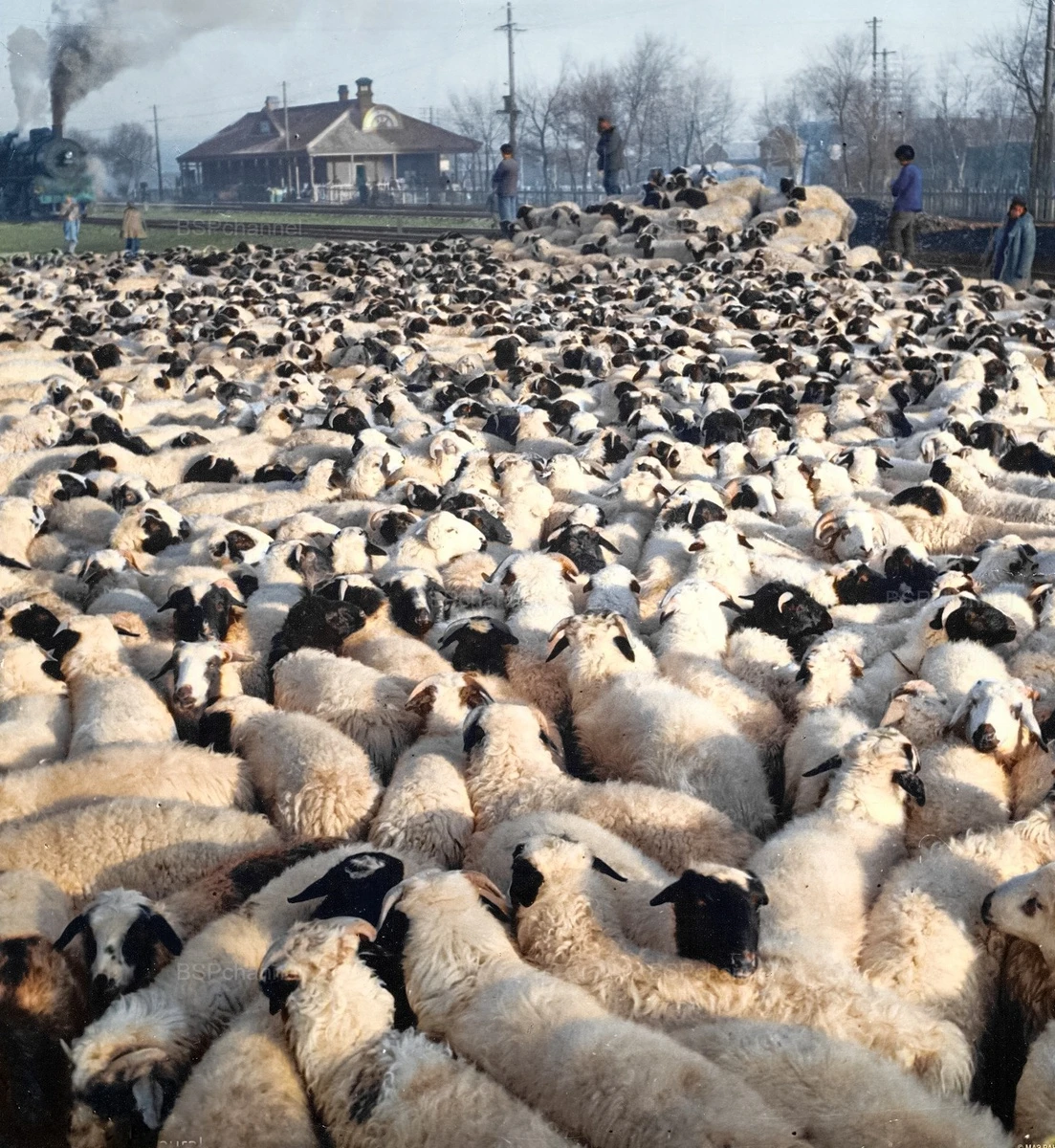
Sheep being prepared for transport by a trading organization. Inner Mongolia, China, 1950s.