Literary camouflage: 8 great female writers who spoke on behalf of men (11 photos)
Long before anonymity became a trend on social media, the greatest voices in literature addressed the world under false names. Why? In a world where female writers were often dismissed, a male pseudonym was a survival strategy. 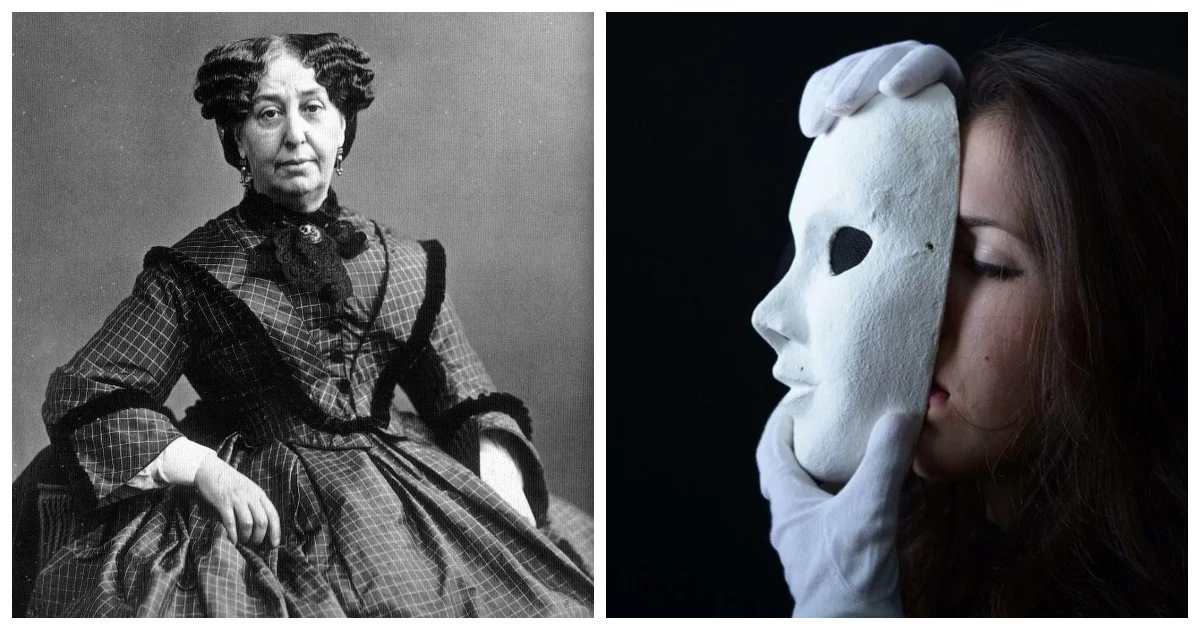
Reviewers could be condescending, publishers skeptical, and readers prejudiced even before reading the first chapter. So the most insightful minds of their time adopted male pseudonyms, put them on their covers, and conquered the literary Olympus. Let's lift the curtain on the lives of brilliant authors who have proven that talent knows no bounds or gender.
1. Mary Ann Evans 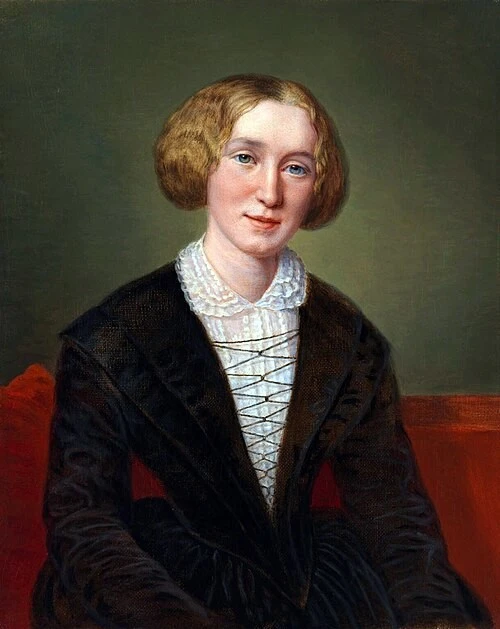
If in the 19th century your goal was to publish bold and intellectually challenging novels, a male pen name became your secret code. Mary Ann Evans understood this. Publishing as George Eliot, she created novels about morality, psychology, and society that stunned readers. 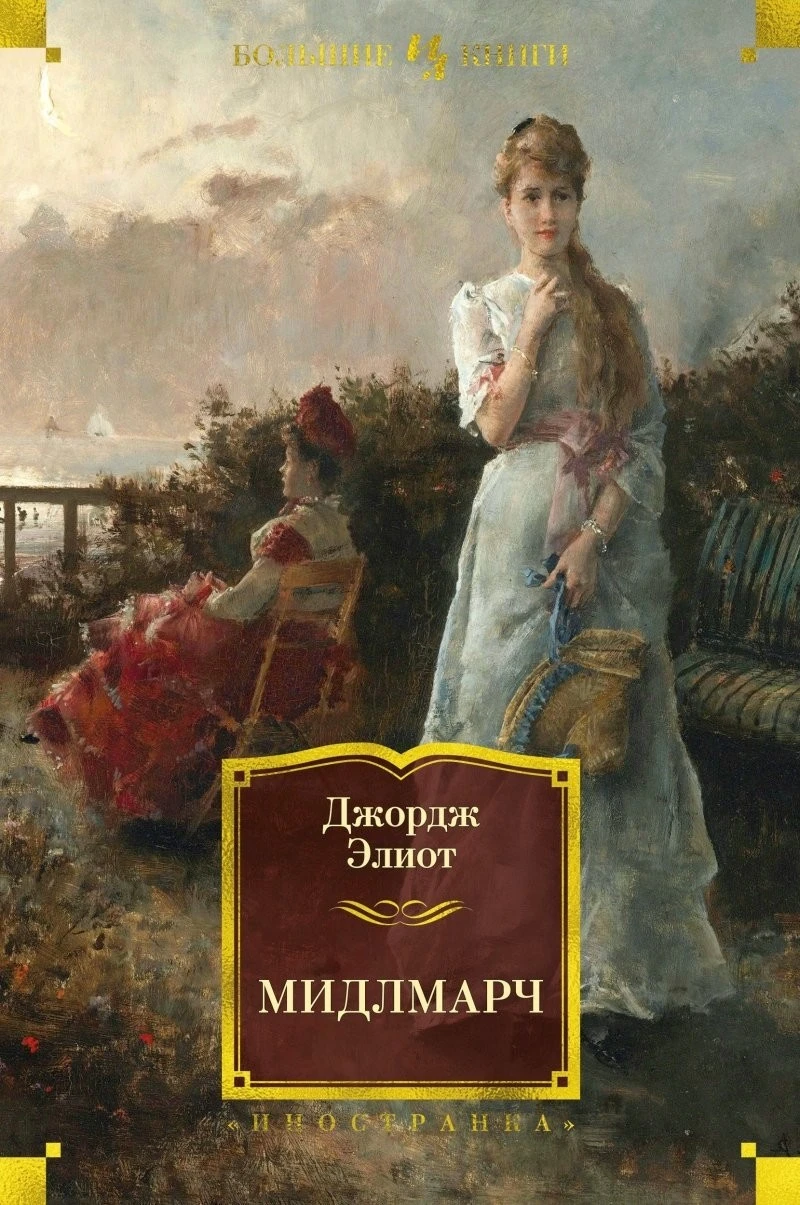
"Middlemarch" became not just a success, but one of the most respected novels in literary history. This pseudonym ensured that critics would evaluate her work based on its content, not her gender.
2. Elizabeth Gaskell 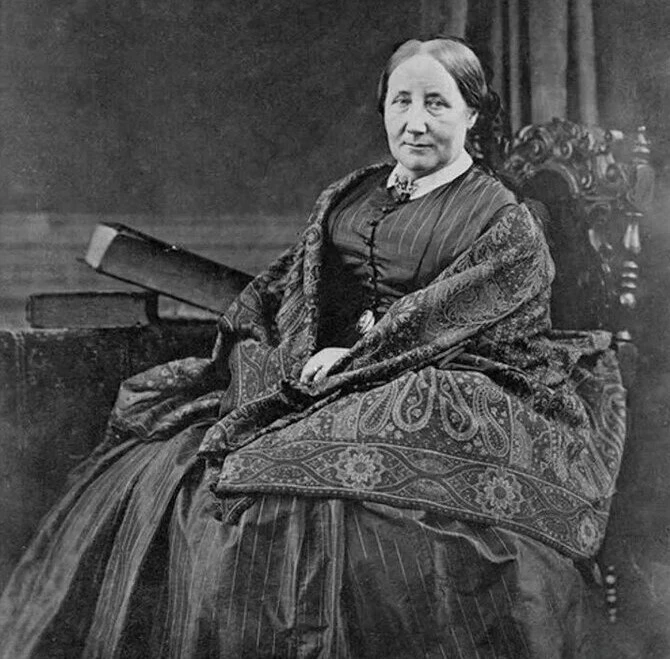
Elizabeth Gaskell also briefly tried this strategy, publishing her early works, such as "Mary Barton" and "North and South," under the name Cotton Mather Mills. 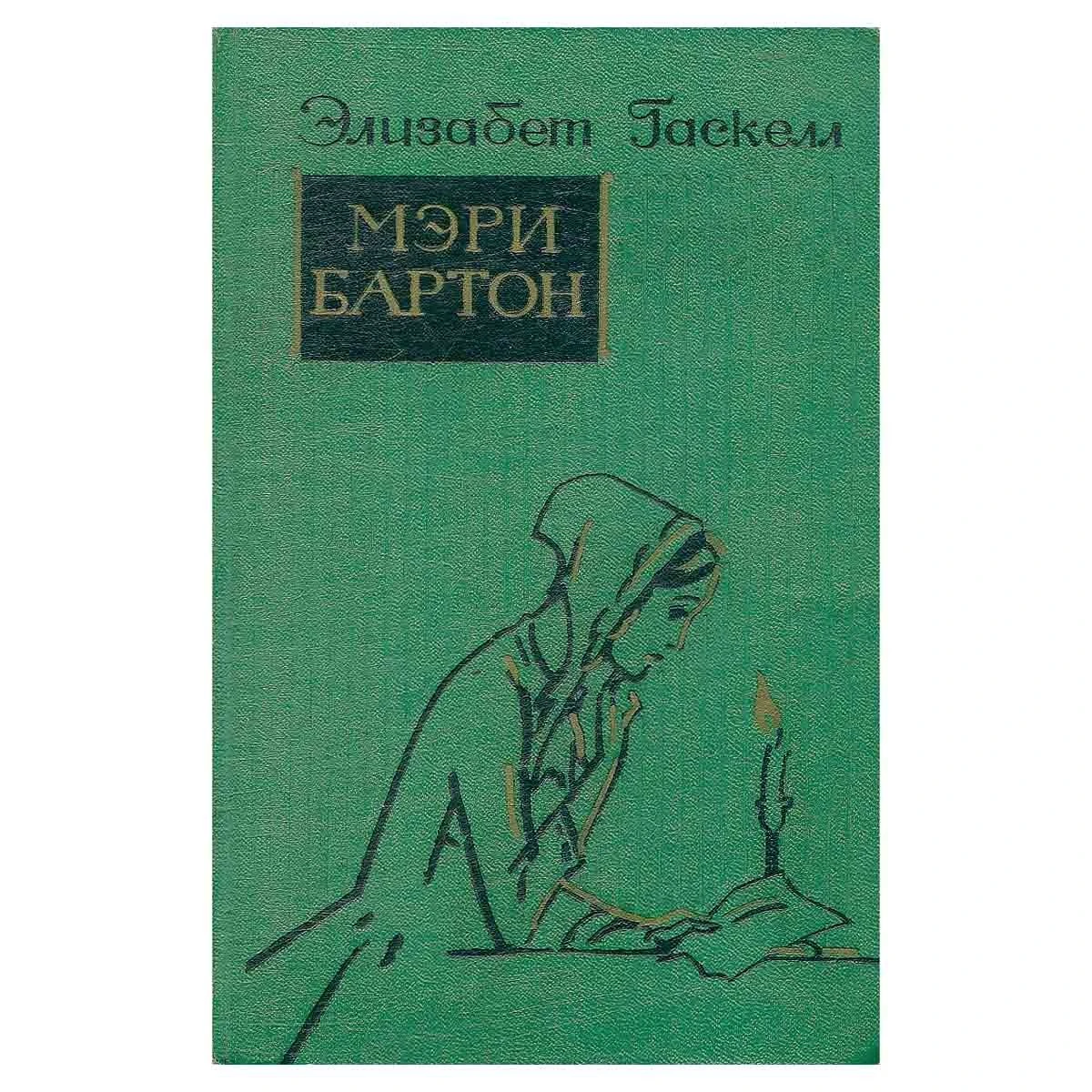
Although she later revealed her real name, this pseudonym became a way for Gaskell to open doors in an era when women's voices in social issues were not heard.
3. Charlotte, Emily, and Anne Brontë 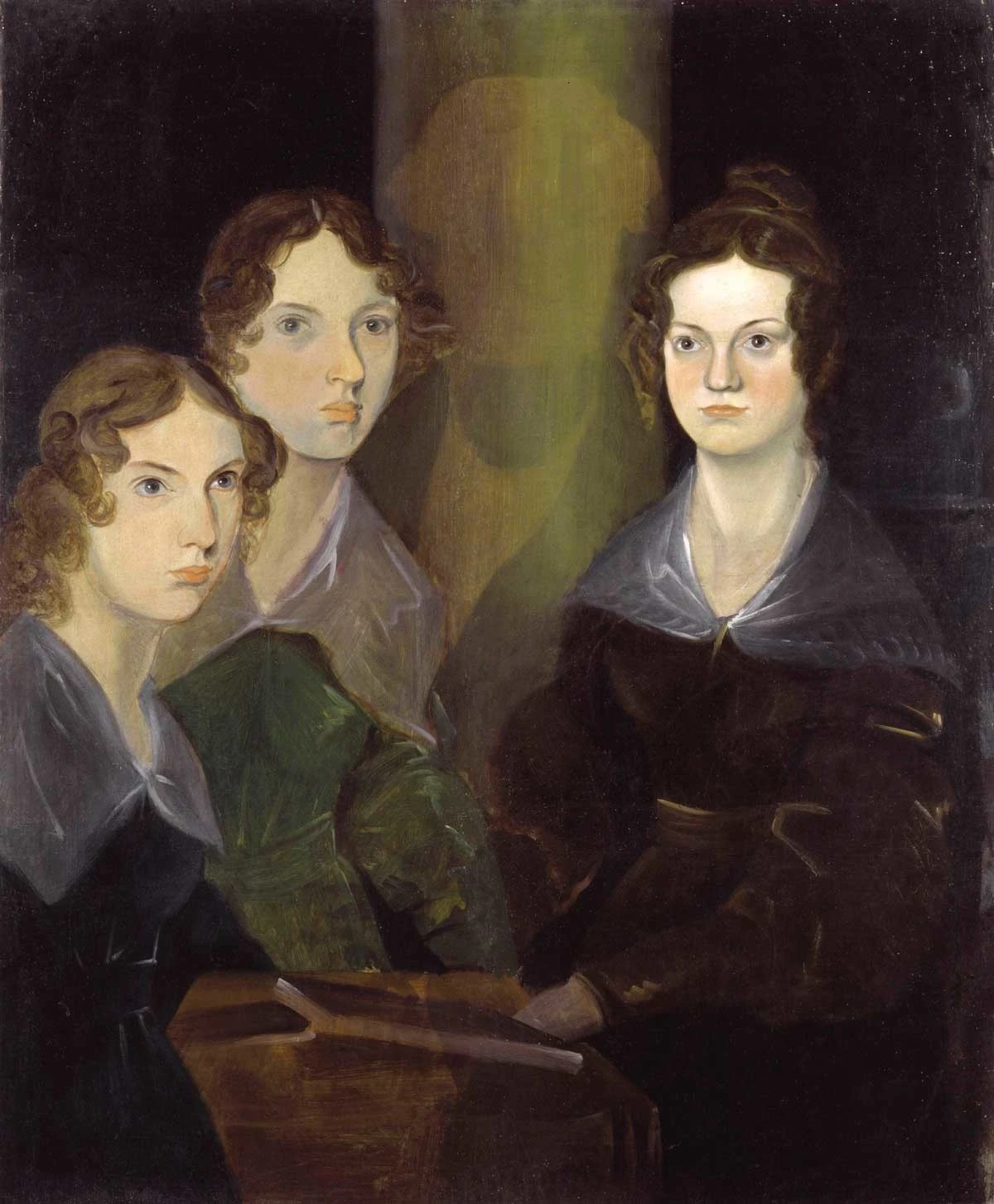
Charlotte, Emily, and Anne Brontë did not choose random male names, but rather similar-sounding pseudonyms. Like Currer, Ellis, and Acton Bell, the sisters published poetry and prose without disclosing their gender. They suspected that female writers were prejudiced, and they were right. 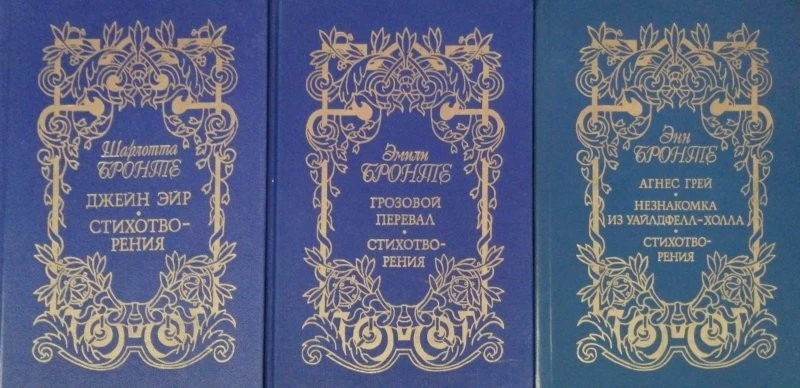
Under these names, the world saw "Jane Eyre," "Wuthering Heights," and "Agnes Grey," forever changing the literary landscape. When their true identities became known, it became clear the experiment had been a success, as their novels had already received widespread acclaim.
4. Louisa May Alcott 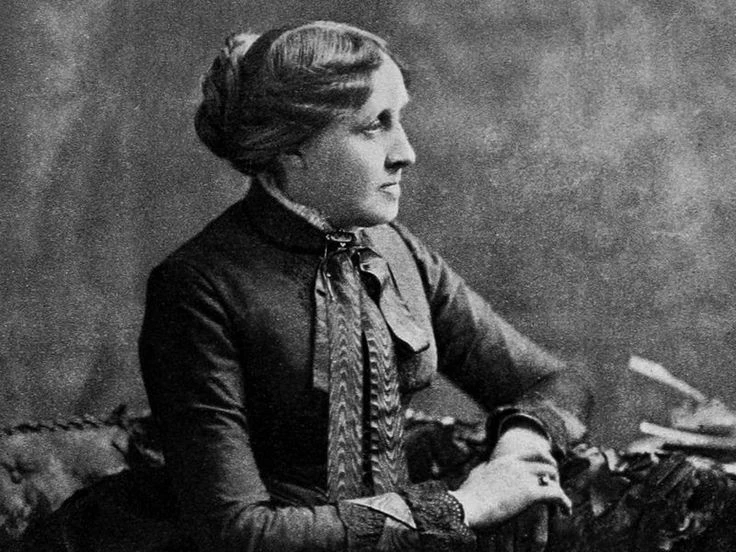
For some authors, a male pseudonym was not just a way to gain respect but also an opportunity to find creative freedom. Louisa May Alcott, famous for creating the warm world of "Little Women," also had a soft spot for darker fiction. 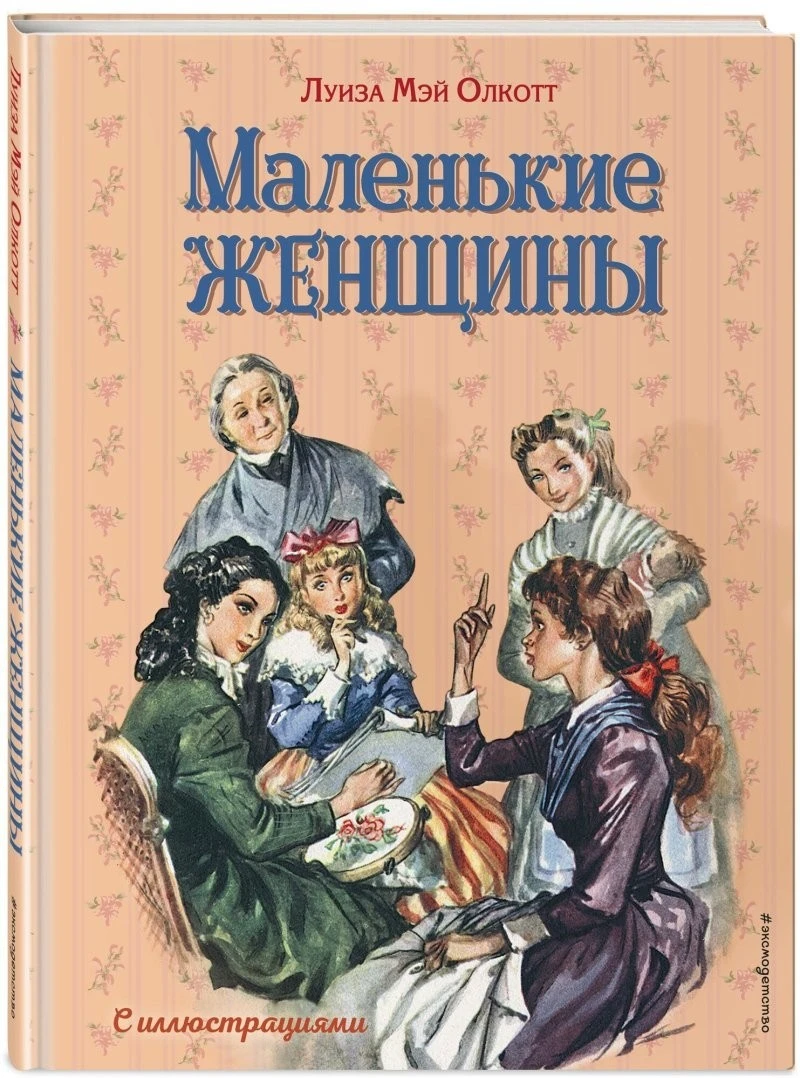
Under the name A.M. Bernard, she wrote thrilling stories of passion and mystery that belied her reputation. This pseudonym allowed her to be as inventive as she wanted without disturbing readers who expected traditional stories.
5. Amandine Lucile Aurore Dupin 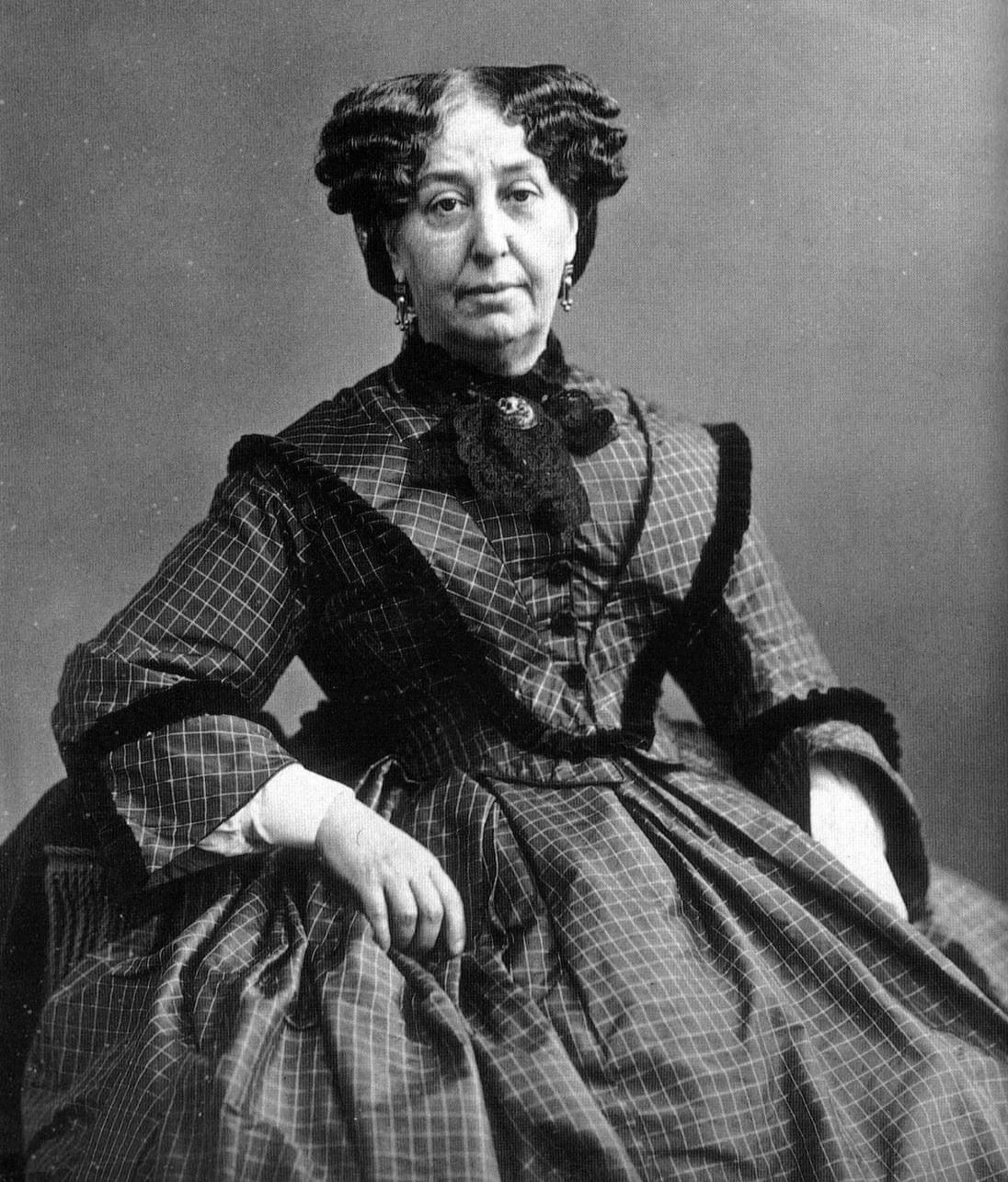
Meanwhile, in France, George Sand, whose real name was Amandine Lucile Aurore Dupin, author of the novel "Indiana," adopted a male pseudonym that suited her bohemian lifestyle. Moving in society, creating literary works, and even dressing unconventionally, Dupin used her literary name both as a manifesto and as a shield. 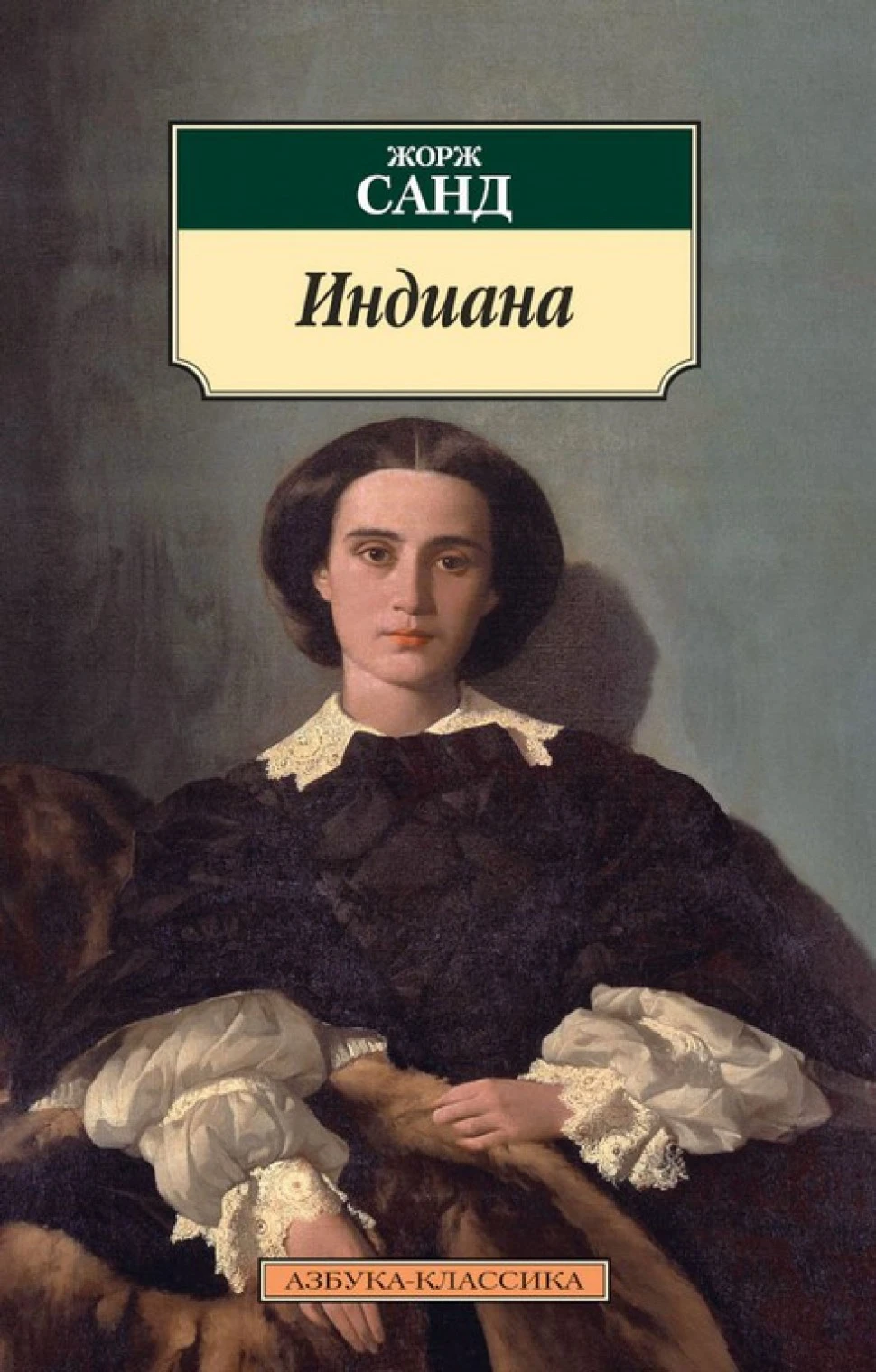
These literary luminaries didn't want to disappear. They wanted to be heard. Their pen names were tools, not masks, that helped them circumvent the societal barriers that hindered their talent. Today, we honor their true names and courageous spirits through the works they gave to the world, knowing that their voices continue to inspire change.