10 Facts That Will Shake Your Perceptions of the World (11 photos)
How can newborns cry without tears, why do people cling to unfinished business, and how do fish manage to survive on land for years? 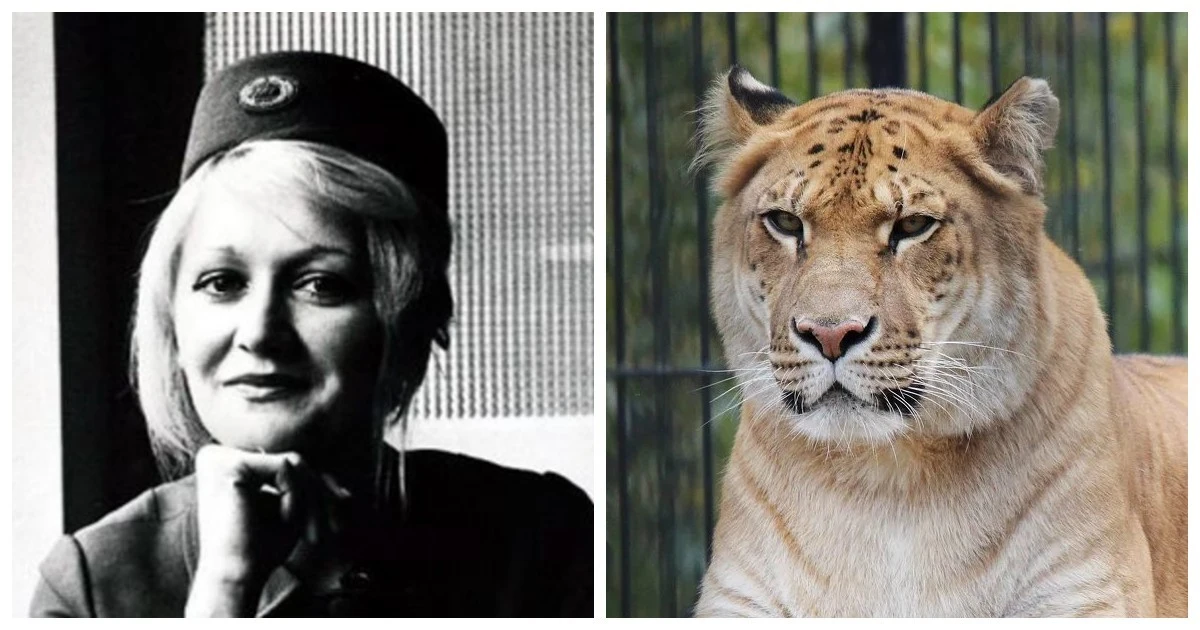
We've collected some surprising, surprising, and even shocking facts about nature, humans, and history that will make you exclaim, "It can't be!" Prepare to be amazed, because reality once again proves that it's far more interesting than any fiction.
1. A Historic Call 
Martin Cooper in 2007. He holds one of the first cell phone models.
On April 3, 1973, American engineer and physicist Martin Cooper of Motorola made the world's first cell phone call.
2. Newborns can't cry with tears 
A baby's tear ducts don't fully develop until 1-3 months of age. This is why newborns cry so loudly. They simply have no other way to communicate.
3. The Story of an Incredible Rescue 
Vesna Vulović, a Serbian flight attendant, holds the world record for surviving the highest fall – 10,160 meters – without a parachute. She was the sole survivor of the JAT plane crash in 1972. After the crash, she was in a coma and unable to walk for 10 months, but lived to the age of 66.
4. An Amazing Ability of an Amazing Fish 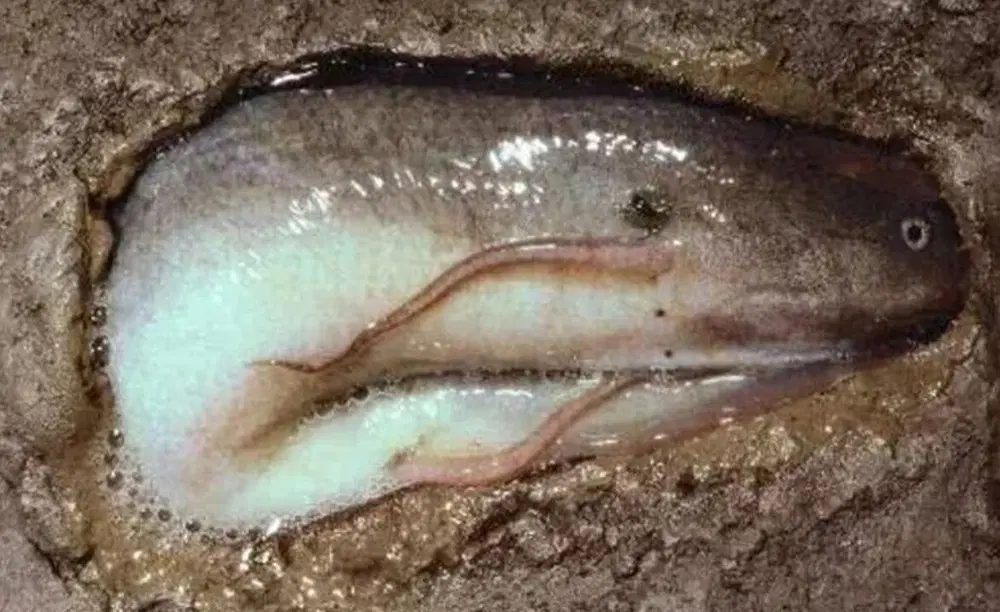
African lungfish (protopterans) hibernate (estivate) in dry mud during periods of drought, which can last up to 3-5 years. They surround themselves with a mucous cocoon that slows evaporation.
5. An Incredible Bunker 
Trent Crawford of British Columbia. He buried 42 old school buses on his property with a specific purpose. This wasn't an act of vandalism, but an attempt to create a unique underground bunker-shelter in the event of a global catastrophe or apocalypse.
6. The Value of Unfinished Work 
Two classic phenomena in psychology explain our obsession with unfinished business. Studying how people react to interrupted tasks, Soviet psychologist Bluma Zeigarnik discovered that unfinished actions are remembered twice as well as completed ones. It's as if our brains leave an open file for them.
At the same time, her colleague, Maria Ovsyankina, working in Germany, discovered a second aspect. She demonstrated that interrupting a task creates internal tension and a compulsion to return to it and complete it, even when no one asks us to.
Thus, the Zeigarnik effect explains the enhanced memory of unfinished tasks, while the Ovsyankina effect explains the resulting motivational tension that pushes us toward completion. Together, they describe the mechanism that causes us to mentally return to an unfinished TV series or an unsolved problem.
7. Special Properties of Milk 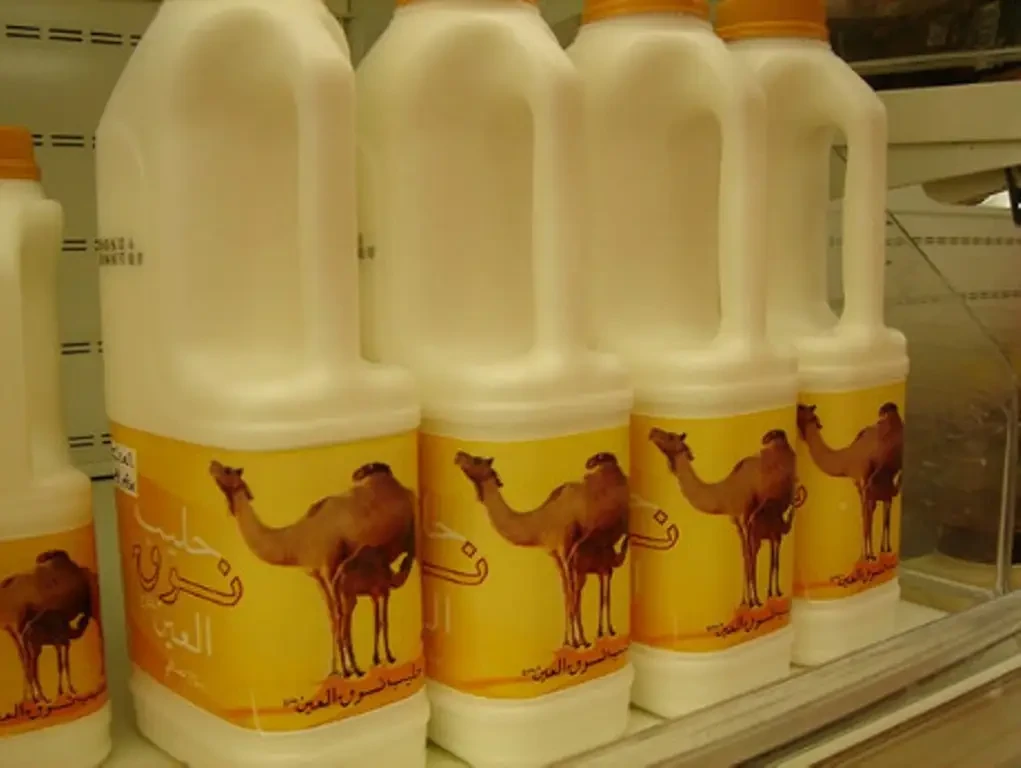
Camel milk doesn't curdle and has a longer shelf life than cow's milk. This is due to its special protein composition (casein) and antimicrobial substances (lactoferrin, lysozyme), which inhibit bacterial growth. Nomads could store it for up to a week in the heat, while cow's milk would sour within a day. Incidentally, it has a salty taste and is considered a superfood due to its high content of vitamin C, iron, and healthy fats.
8. Two Disasters in Two Days 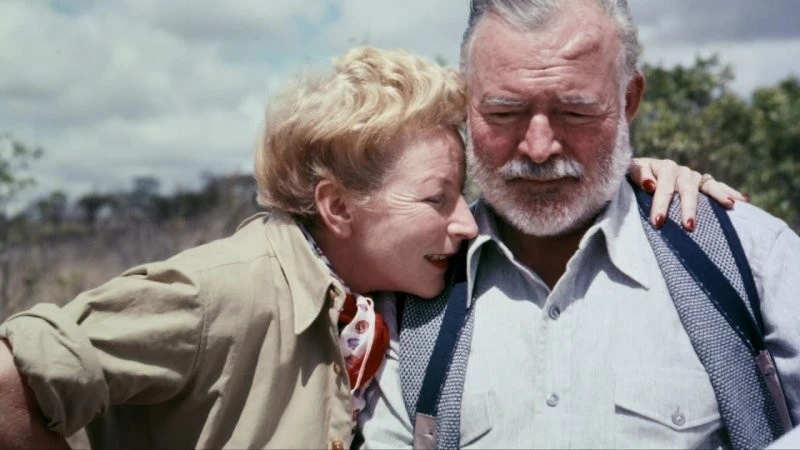
Ernest Hemingway with his wife
Two days, two crashed planes, and one body of an iron writer. In January 1954, in the skies over Africa, Ernest Hemingway endured a test of endurance no mortal could have withstood. He boarded a plane that crashed into a pole and was forced to board another, which exploded on takeoff.
The first accident occurred during a safari. Their light plane, flying low, struck a power line and crashed into the bush. Hemingway suffered a concussion, and his wife, Mary, broke a rib. It seemed they were in luck. But the next day, their luck ran out. The plane sent to rescue them lost control on takeoff, exploded, and burst into flames. Hemingway, who was helping pull others from the fire, suffered terrible burns, and a falling door struck him in the head.
Doctors later counted an incredible array of injuries in his body: broken vertebrae, a ruptured liver and kidney, a dislocated shoulder, second-degree burns, and a spinal fluid leak. But Iron Ham survived to receive the Nobel Prize in Literature just a few months after his discharge. Those two days in Africa weren't a defeat for him, but the ultimate test, one he bore with pride for the rest of his life.
9. A True Checkmate 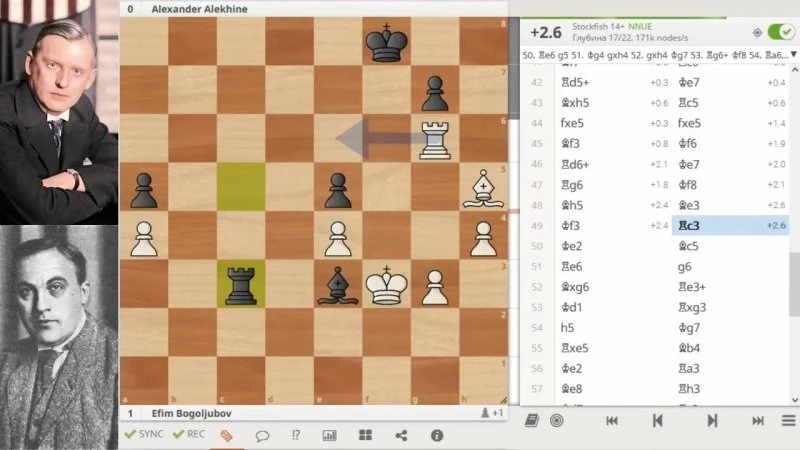
Game 8 of the 1929 World Chess Championship marks the only time in the history of the competition that checkmate was delivered live on the board.
This occurred in the match between reigning champion Alexander Alekhine and challenger Efim Bogoljubov. In that famous game, Alekhine, playing Black, announced checkmate with the queen on move 67. In all other World Championship finals, the games ended either with a draw, or with one player resigning before checkmate, or, in rare cases, with a stalemate.
10. Hybrids and Their Descendants 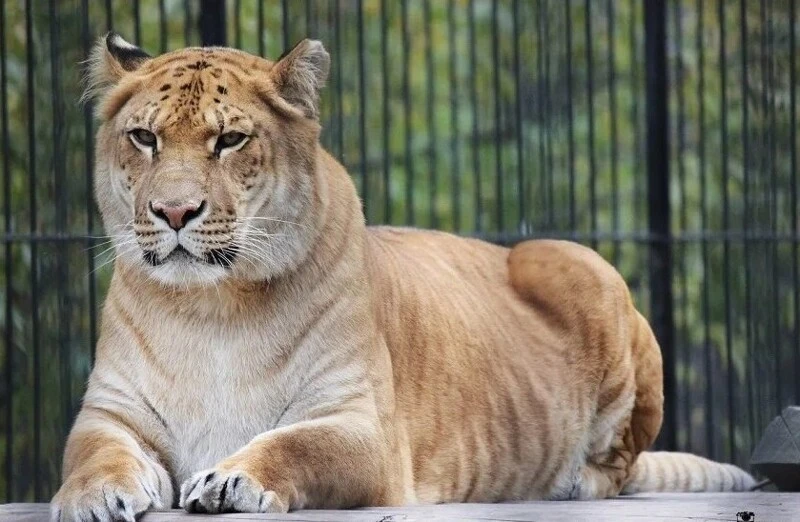
Liger
In the world of big cats, crossing lions and tigers produces true giants and genetic paradoxes. The hybrid between a male lion and a tigress is known to everyone as a liger—the largest feline on the planet. However, the offspring of a male tiger and a lioness is called a tigon (or, in Western parlance, a taigon), and is smaller than both its parents and the liger.
For a long time, science considered these predators a biological dead end, believing them to be sterile. However, nature proved more cunning: only the male hybrids are sterile. Females of both ligers and taigons retain the ability to reproduce.
They can breed with both lions and tigers, creating bizarre second-generation hybrids with even more complex names:
lithigon—from a male lion and a female taigon.
titaigon—from a tiger and a female taigon.
A liliger is the offspring of a male lion and a female liger.
A tiliger is the offspring of a male tiger and a female liger.
These rare animals, existing primarily in captivity, are living proof of the amazing flexibility of the genome and challenge our strict definitions of species.