The World's Largest Ship Graveyard: How It Came to Be 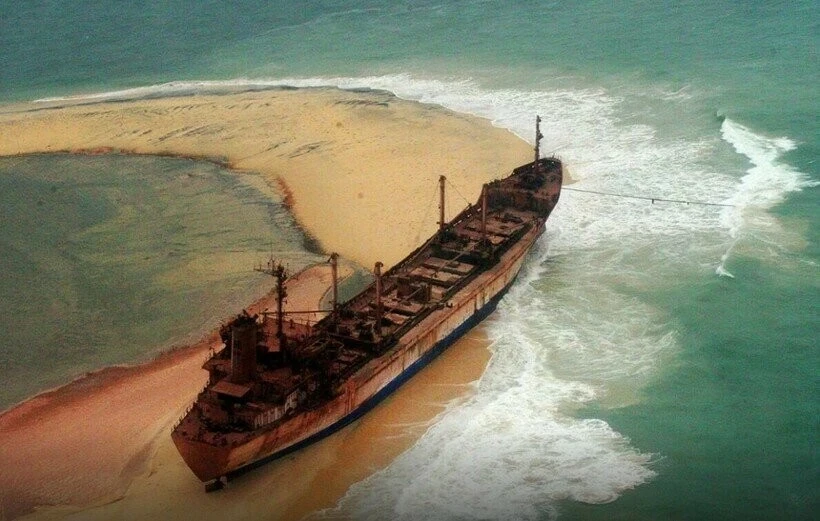
The World's Largest Ship Graveyard: How It Came to Be
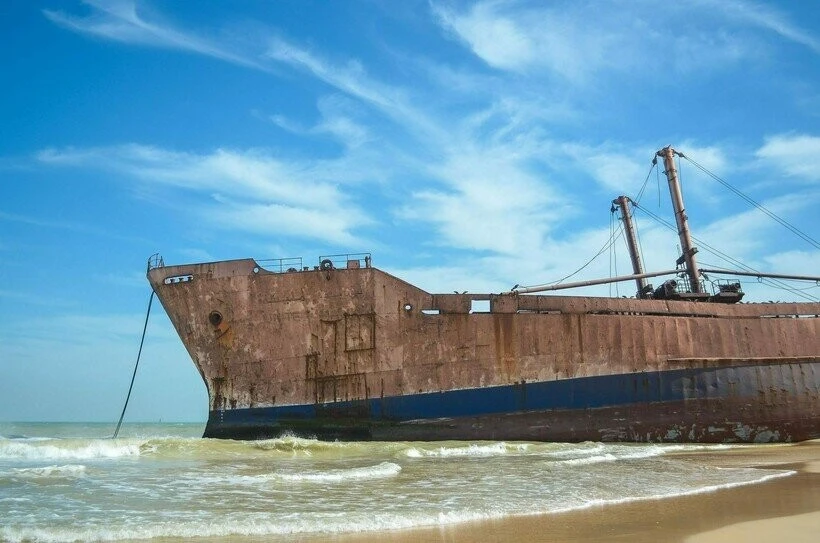
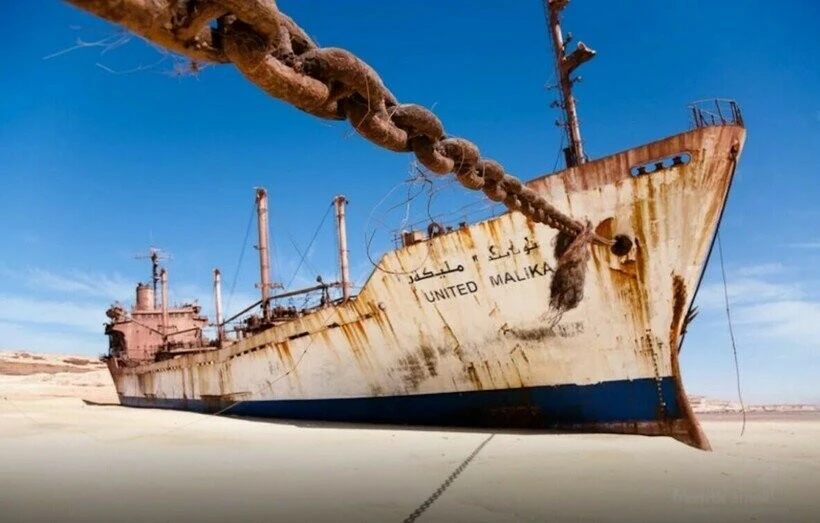
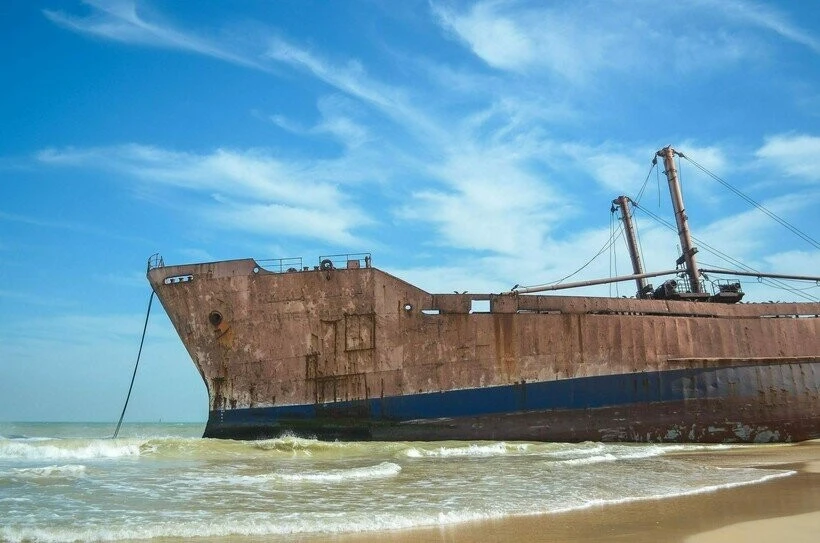
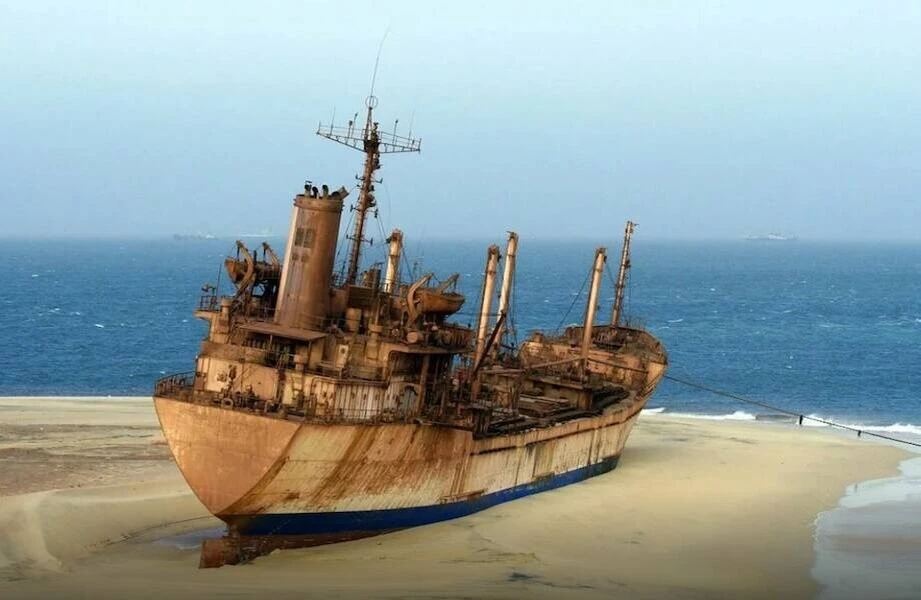
For many years, old, worn-out ships have been abandoned off the coast of Mauritania, condemned to gradual deterioration under the influence of wind, water, and time.
The Ras Naoudibou Peninsula is a long, narrow spit of land in West Africa, separating Western Sahara and Mauritania. In the past, this area was settled by French traders: the cape reliably protected their settlements from the stormy waters of the Atlantic Ocean. Thus, the bay became a safe haven for sailors. The region's main town, Naudibou, long prospered thanks to trade and fishing until large deposits of iron ore were discovered in Mauritania.
Due to its convenient location, Naudibou was chosen as the site of the country's main port, through which the ore began to reach world markets. Copper and iron mined inland are transported here via the country's only railway for sorting, processing, and loading onto ships. However, about forty years ago, the peninsula became not only a shipping point but also the final resting place for old ships.
The first "inhabitant" of this graveyard was a French Navy cruiser. In the 1920s, it was abandoned off the coast of Ras Naudibou, and for a time, it was even used as a makeshift venue for various events. Over time, other ships began to join it. But the number of abandoned ships really increased dramatically in the 1980s, and today, shipowners from all over the world send their worn-out vessels here on their final voyages.
The Mauritanians themselves were also involved in the creation of the cemetery. They purchased old ships at low prices, planning to use them for transporting ore. However, maintaining these nearly obsolete ships proved extremely difficult and expensive, often leading inexperienced entrepreneurs to financial ruin. After bankruptcy, the owners simply abandoned the vessels to rust in the harbor.
Like many port cities around the world, the initial rules in Naudibou were determined by large capital and legal uncertainty. Shipowners paid local authorities for "recycling," obtaining the necessary permits.
Currently, there are over 300 ships moored off the Ras Naudibu peninsula. This number continues to grow, as many companies continue to pay money to send their vessels on their final voyage to this bay. Here, they have been slowly deteriorating for decades, a process that goes virtually unchecked. 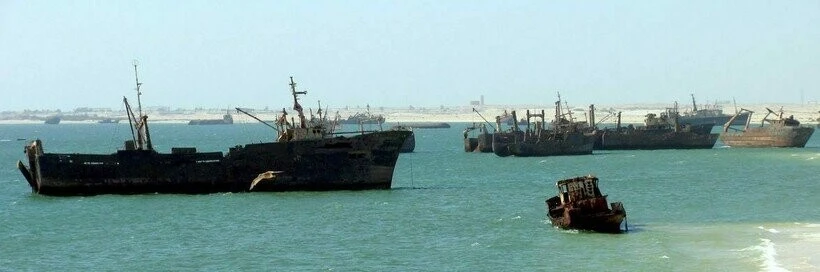
Add your comment
You might be interested in:














17 Photos That Will Stop You in Your Tracks (18 Photos)

Behind the Camera on 'Back to the Future' (45 Photos)

What Would Happen to a Human on Every Planet in the Solar
Stunning Views of the Martian Horizon from 400 Kilometers
20+ Fascinating Photos of Rare and Unusual Sightings (40
50 Incredible Treasures People Rescued From the Trash (51

22 Examples of Pure Design Genius That Deserve a Huge

Hard to Believe Your Eyes: 20 Unreal Photos With

The Sexual Customs of the Vikings: Why an Older Partner Was
