The Forgotten Port of Morwellham, Which Became the Copper Heart of the Empire and Conquered Queen Victoria (25 photos)
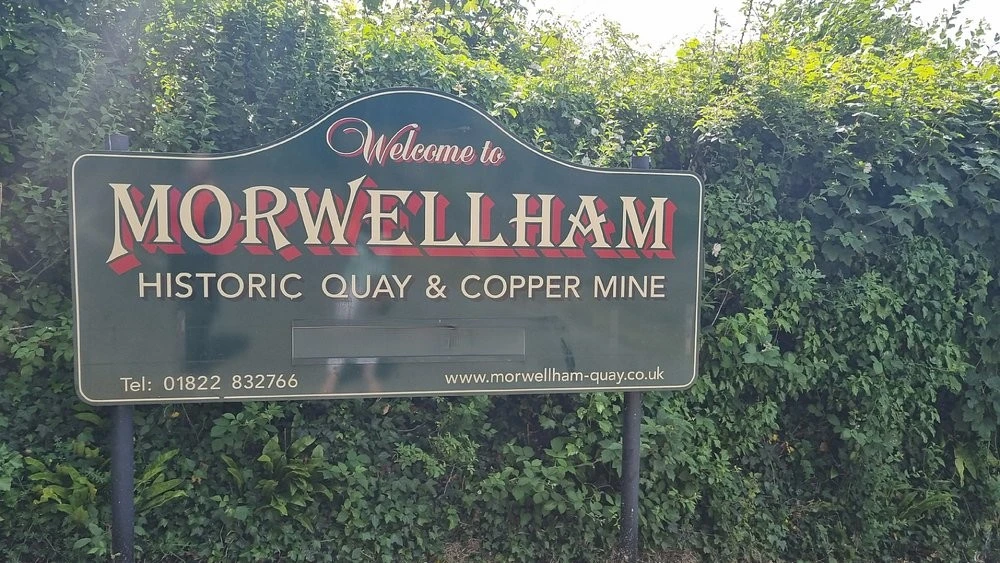
Tucked away southwest of Tavistock in Devon is Morwellham, an ancient river harbour. Its history began a thousand years ago with service to the local mines. 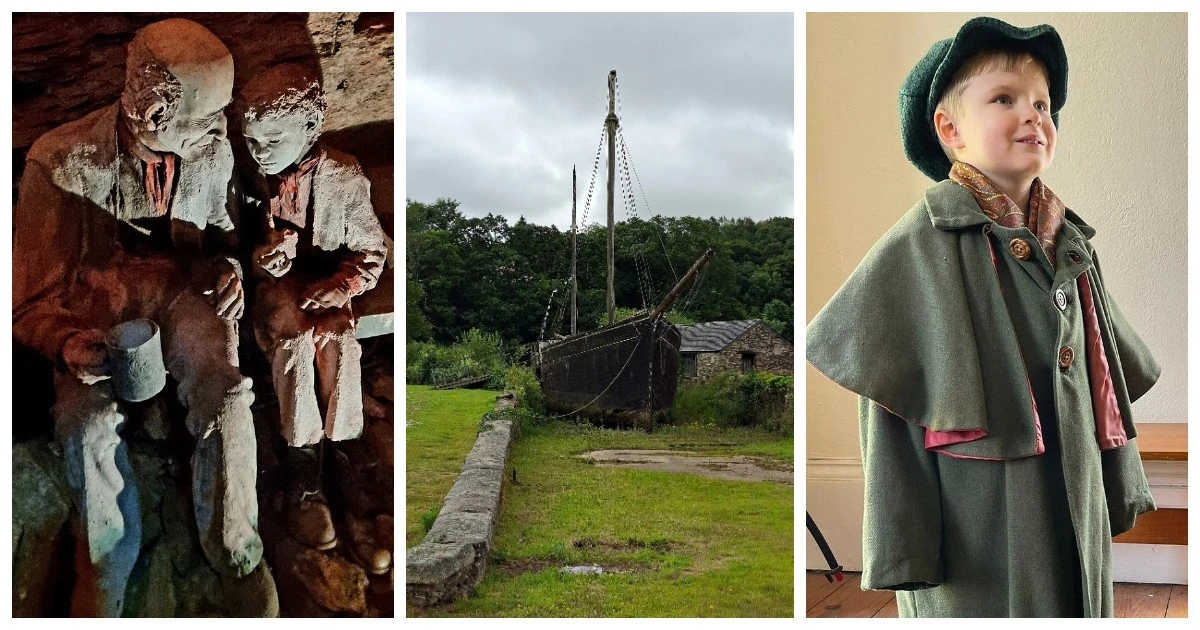
Located near Plymouth, this harbour, together with Tavistock, forms the eastern gateway. In its heyday, Morwellham was the richest copper port in Queen Victoria's empire. Its importance to the Crown was so great that the Queen herself visited in 1856. 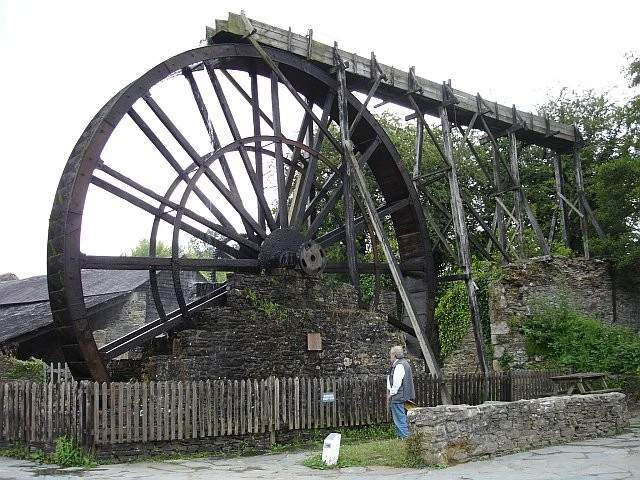
A waterwheel that once powered a mill
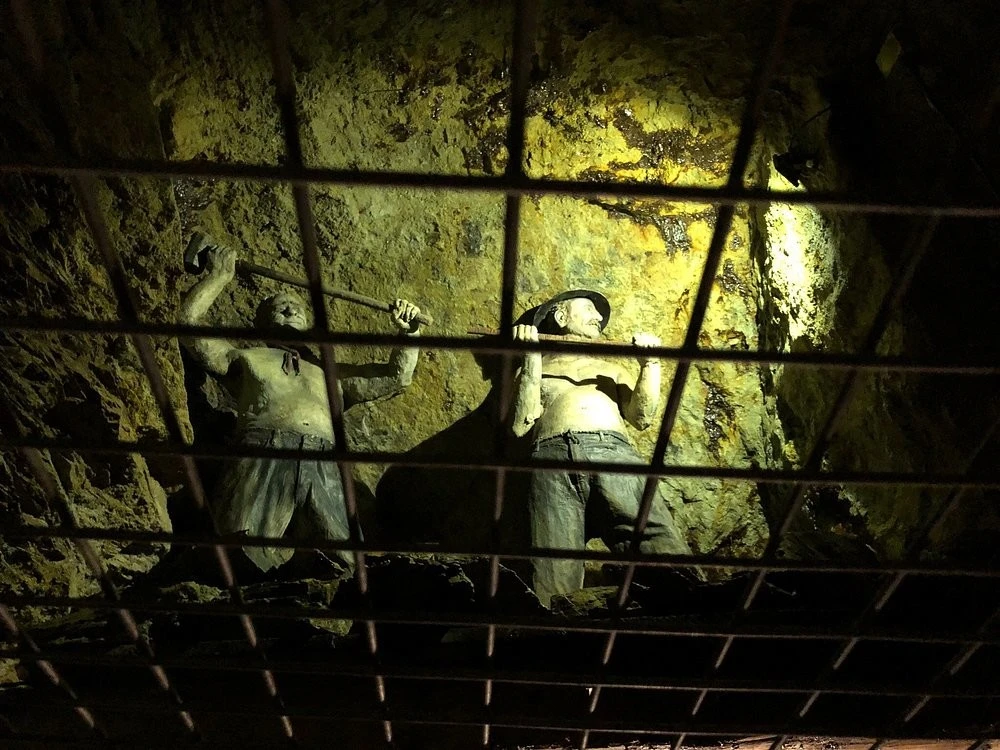
The wharf was originally founded in the 10th century by Benedictine monks from Tavistock Abbey to transport goods to Plymouth along the River Tamar. The growing mining industry of the early Middle Ages then recognized its usefulness. Initially, tin ore was exported from here, followed by silver and lead in the 13th century. Later, copper deposits were discovered near Morwellham, and a mine was opened. Naturally, the wharf became a convenient route for transporting copper ore to market. 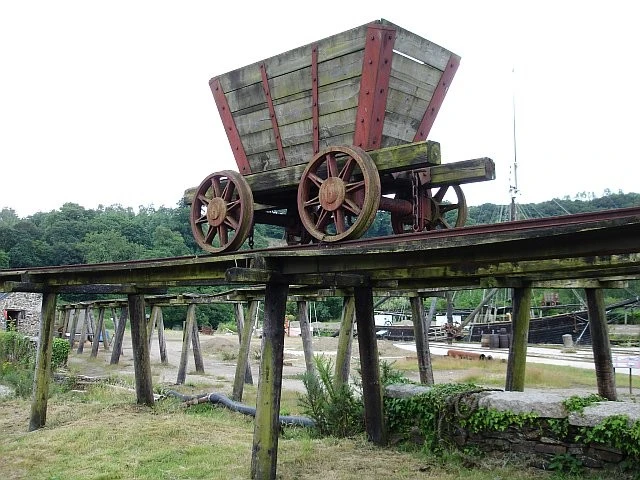
Elevated Railway on Morwellham Quay
Until the 19th century, goods were delivered to the pier by horse, but the growing traffic demanded a more convenient solution. This solution was the 7.2 km-long Tavistock Canal, opened in 1817. The canal included a tunnel cut through the hill above the pier and exited above the dock. From there, an inclined plane connected the canal to the pier, and a water wheel was built to launch iron barges into the water. 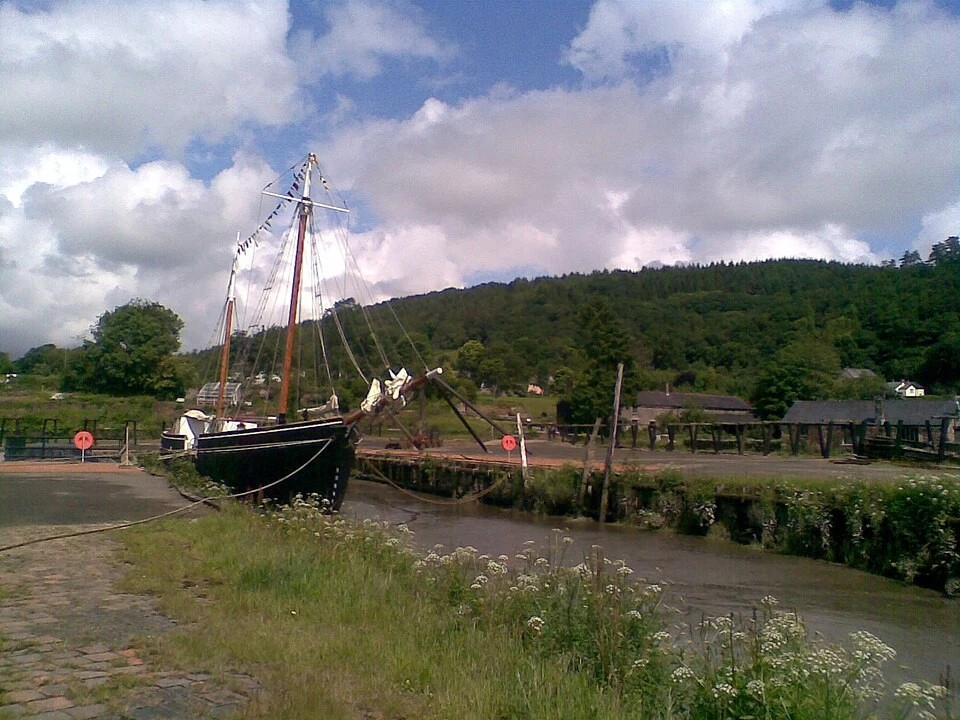
The Grand Dock and the restored sailing ship "Tamar"
In the mid-19th century, a huge new copper deposit was discovered near Morwellham. The volume of ore transported soared. To handle the additional 30,000 tons, a new pier was built. 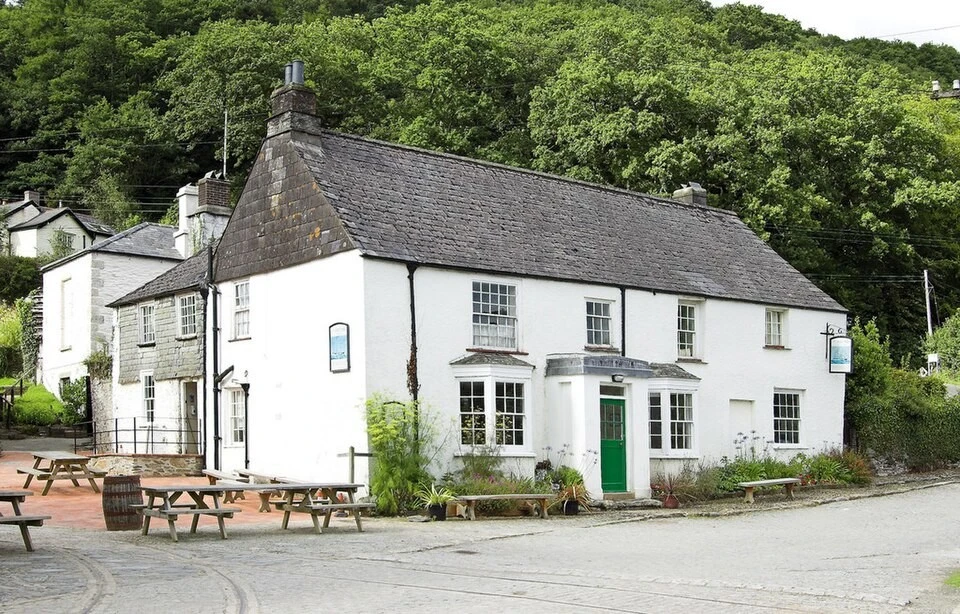
The Korabl Hotel
However, by the end of the century, the quality of the ore began to decline, and the company switched to arsenic production. It soon became the largest arsenic producer in the world. 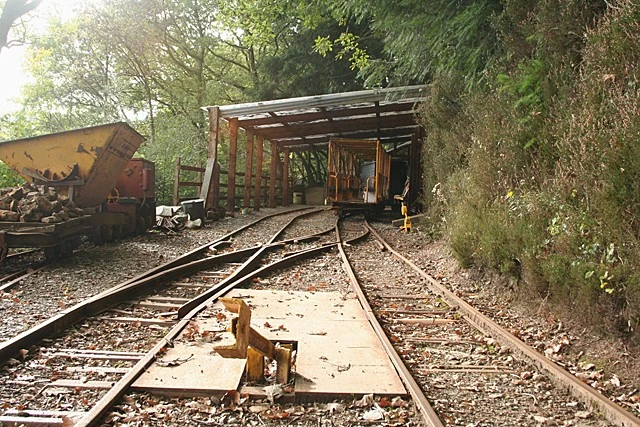
Railway
But at the turn of the 20th century, falling arsenic prices and a lack of capital ruined the company. The mines closed in 1903. By this time, the railways had taken over, and Morwellham's usefulness as a port had diminished. 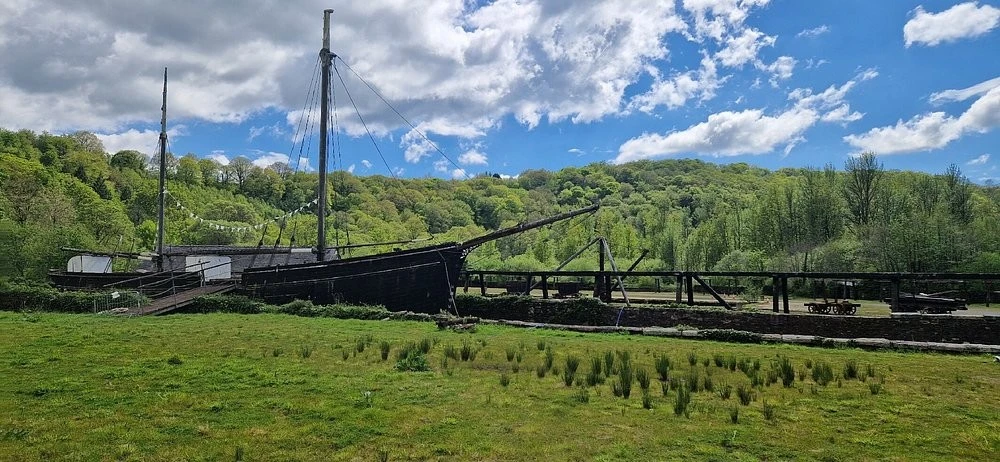
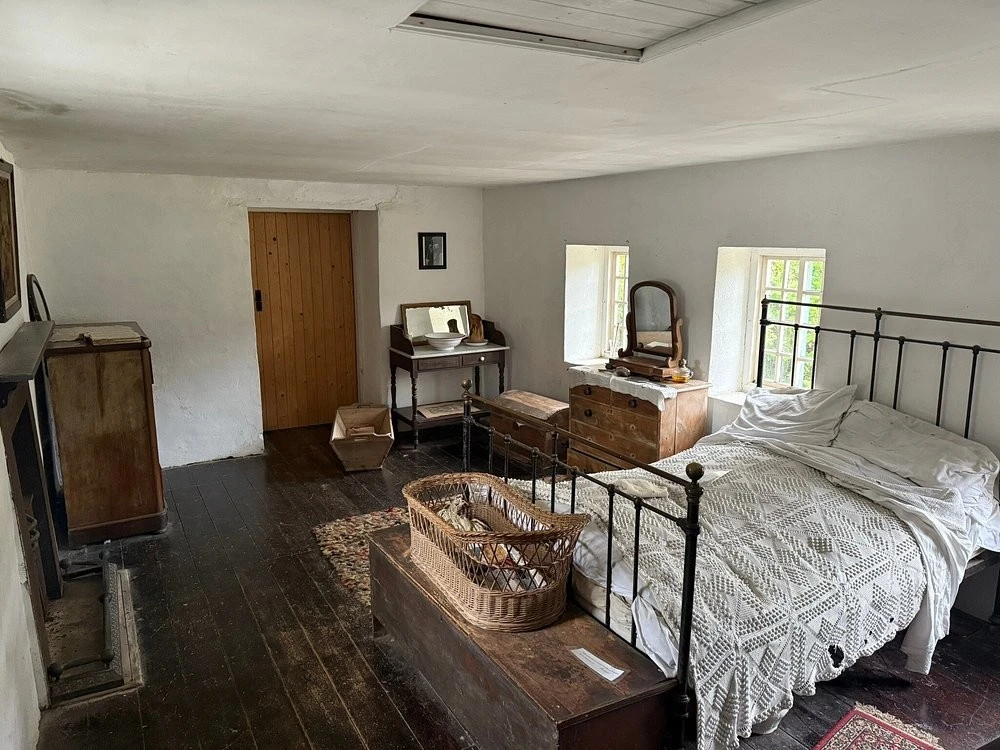
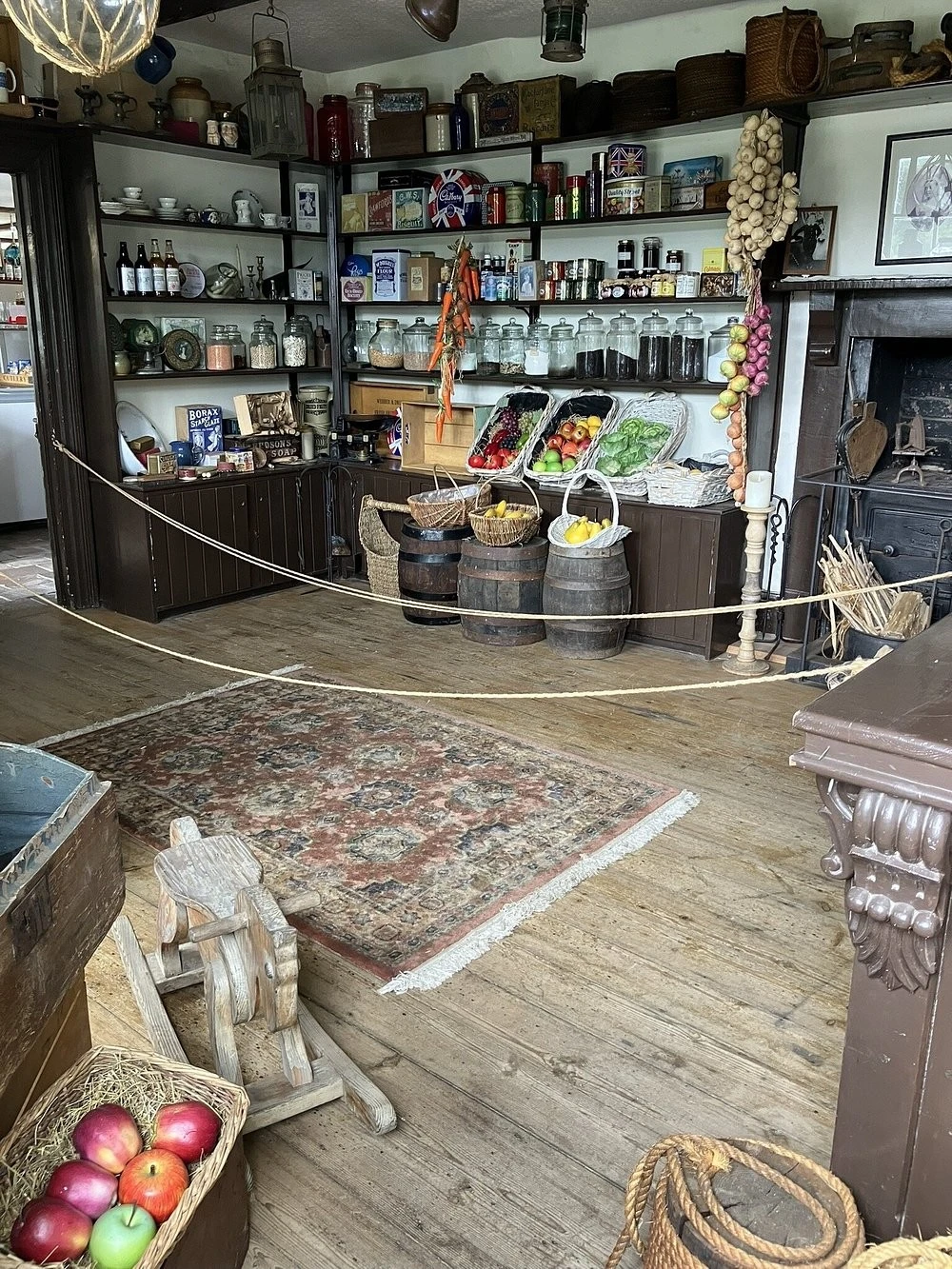
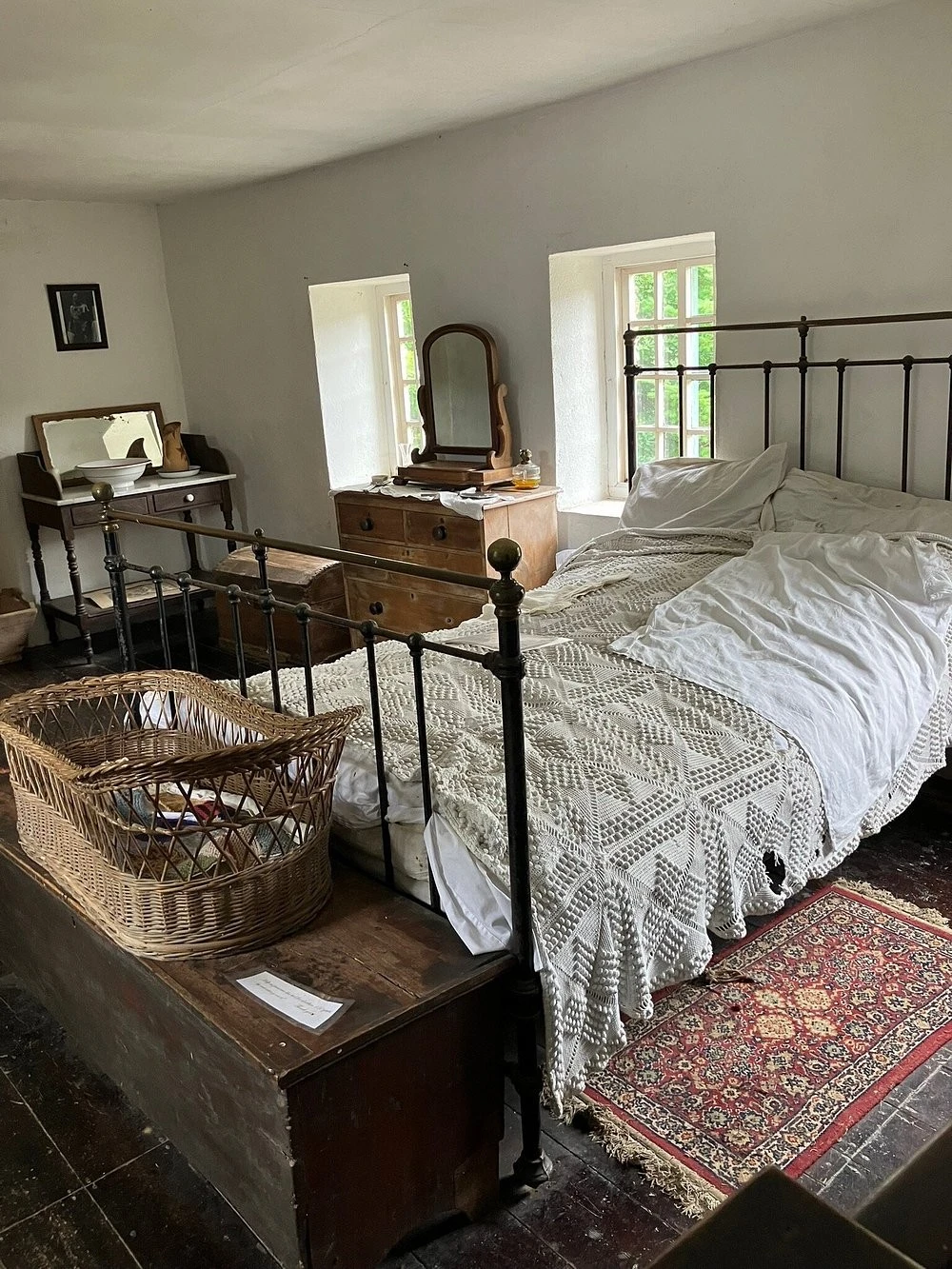
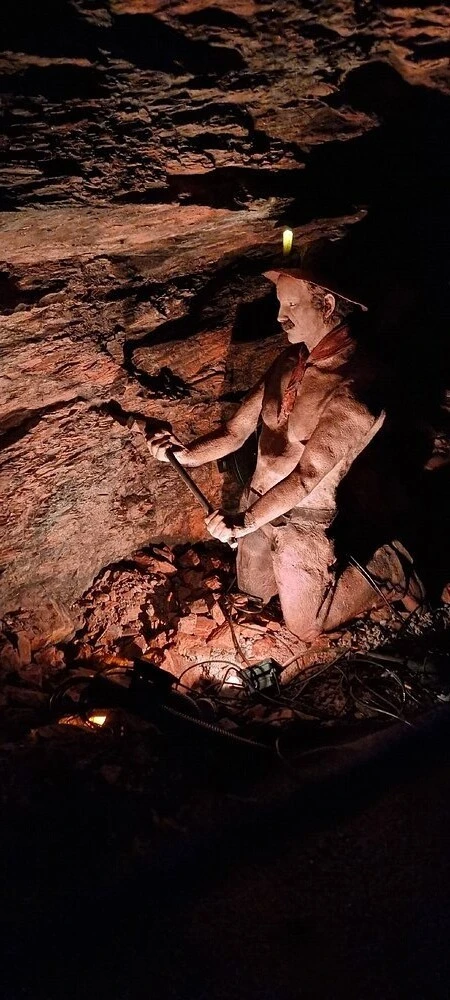
Today, this historic port has been restored as an open-air museum. Visitors can see a working Victorian farm with a railway, a miner's house, a water wheel, lime kilns, and other buildings, where actors in costumes bring the history of the area to life. 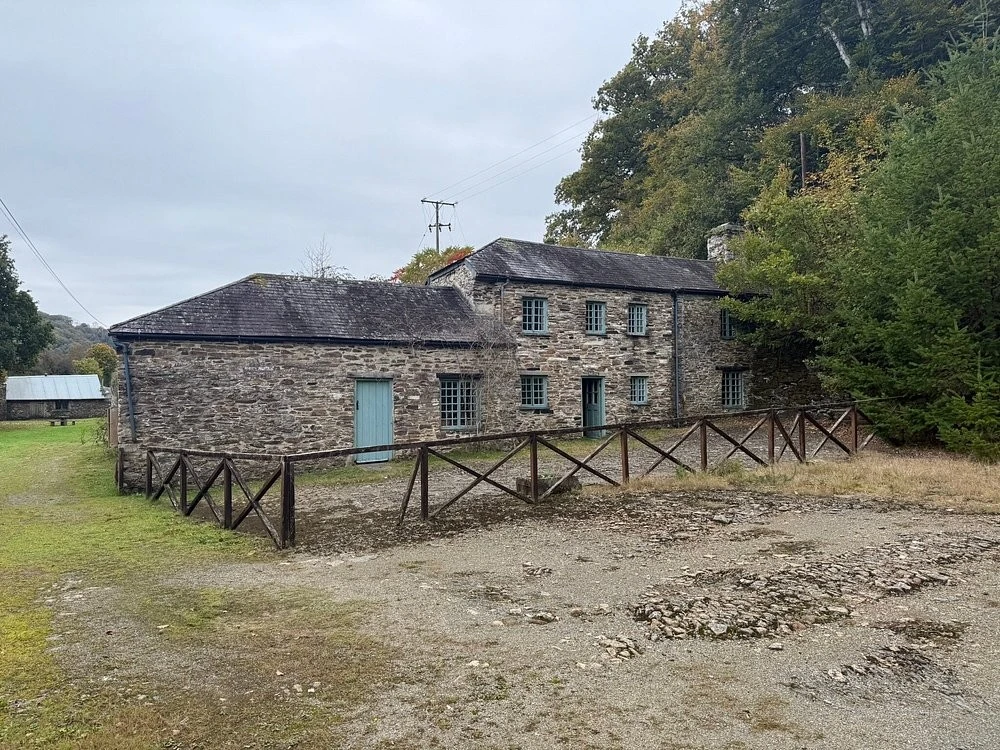
[thumb]https://cn22.nevsedoma.com.ua/p/29/2928/1 31_files/ad71093124148a23d1b61fb49f88fab8.webp[/thumb] 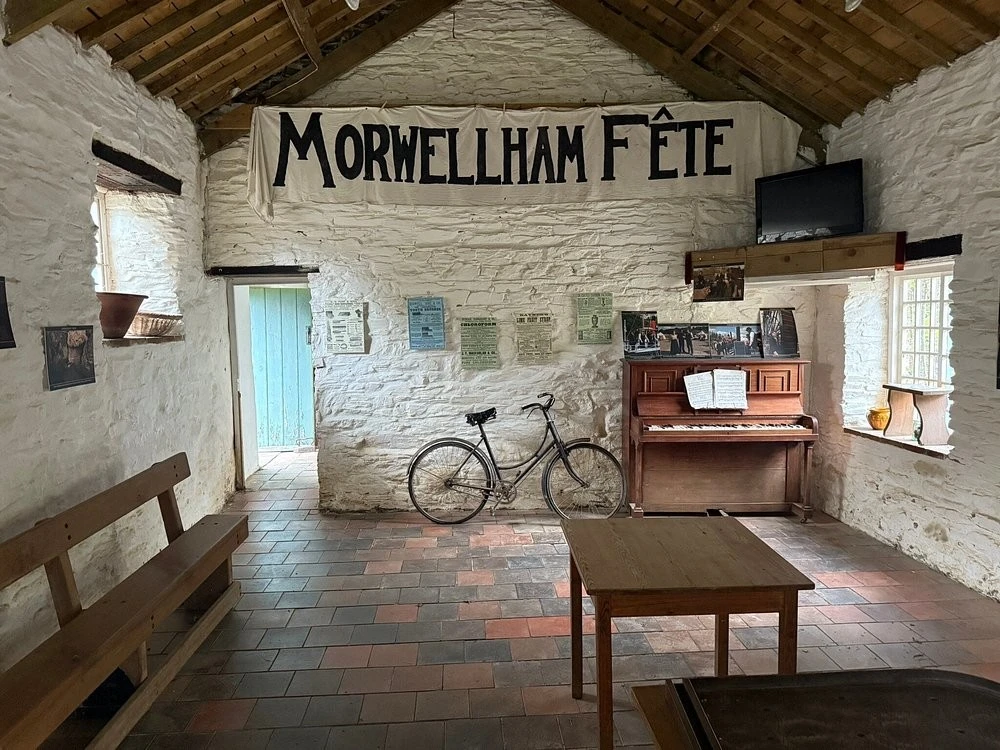
[thumb]https://cn22.nevsedoma.com.ua/p/29/2928/131_files/7f9bc74307 983a7c286475dd85080478.webp[/thumb] 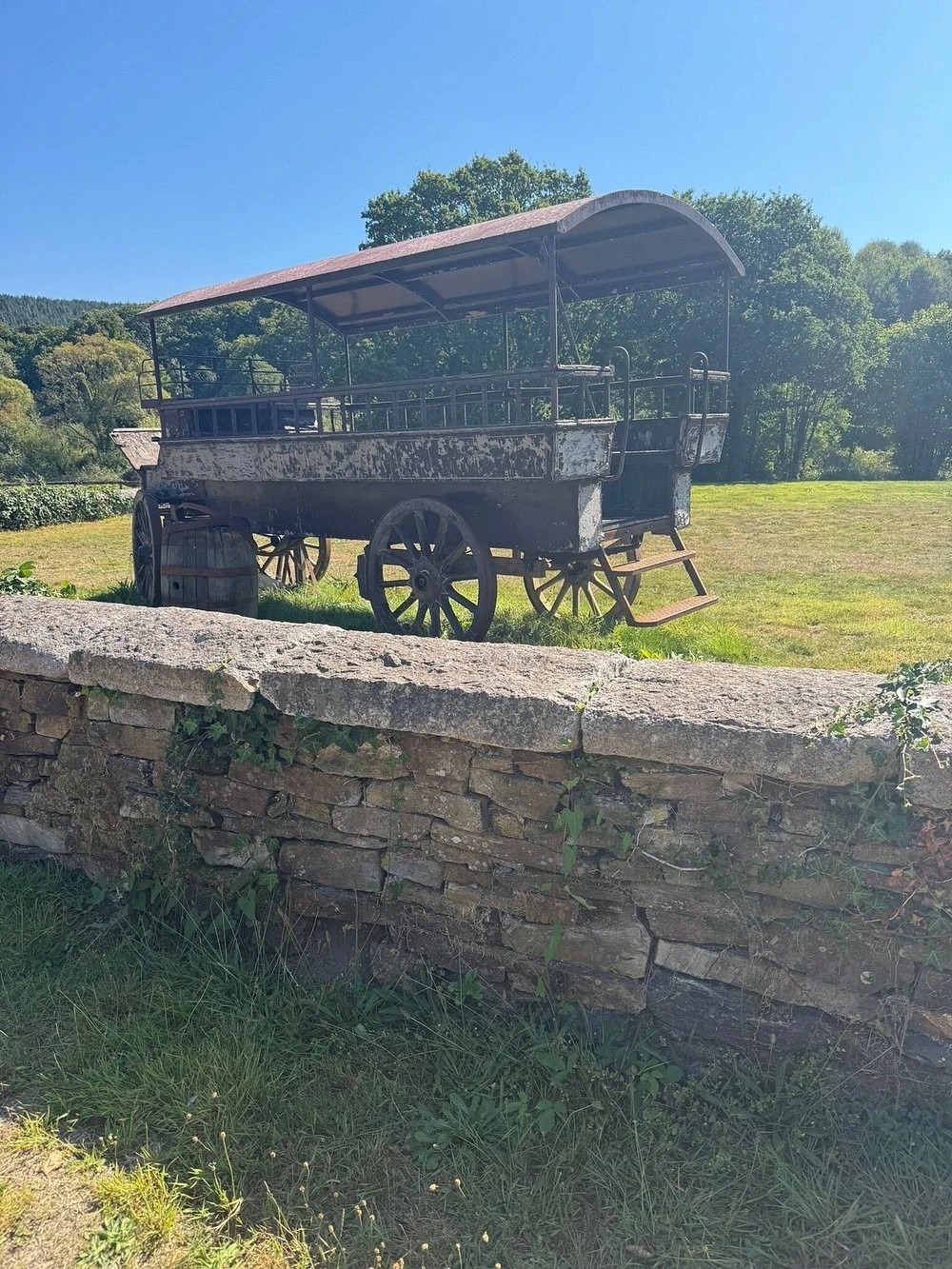
[thumb]https://cn22.nevsedoma.com.ua/p/29/2928/131_files/250607ea33bb21f4945d37d9bea3 5765.webp[/thumb] 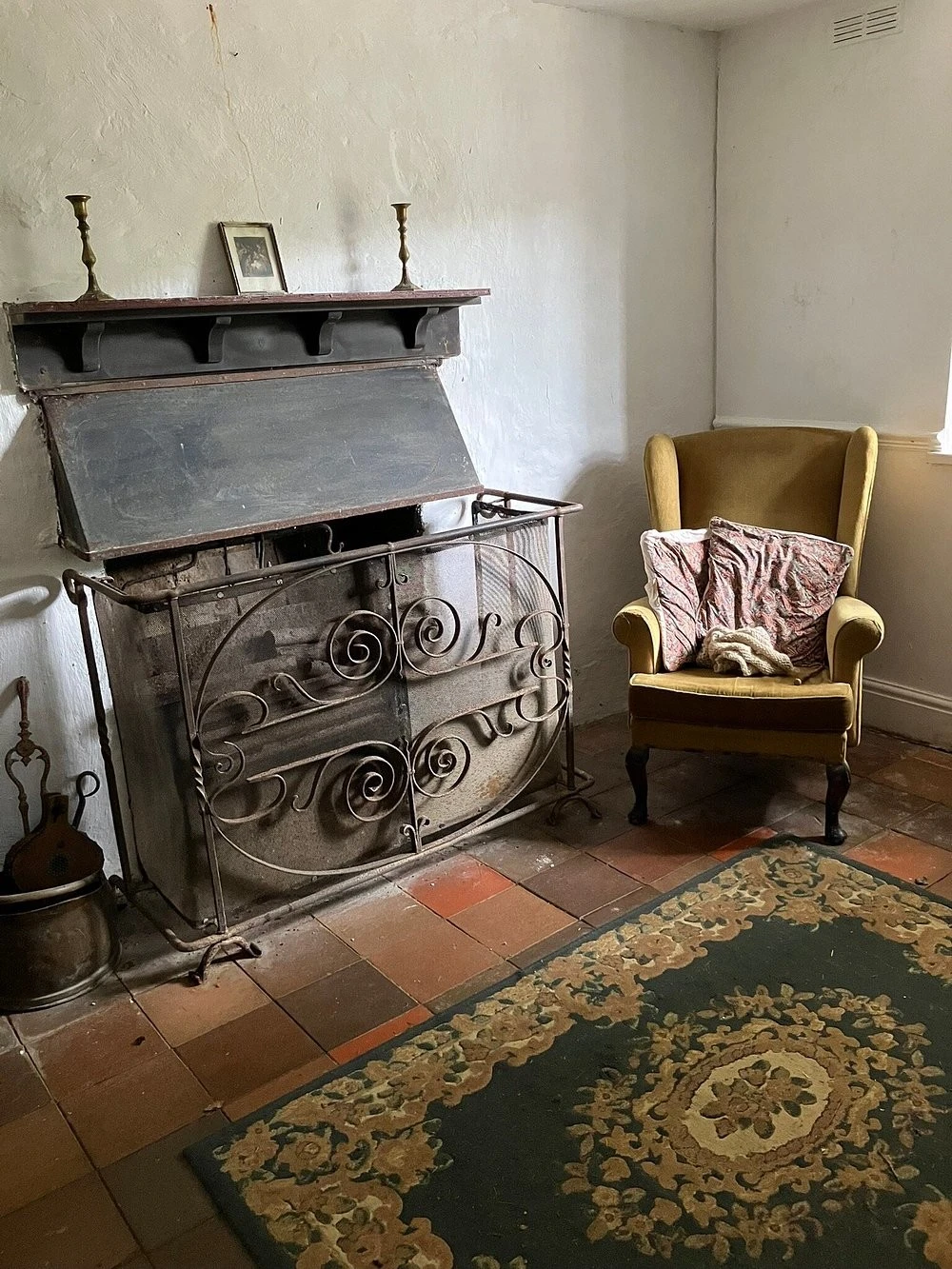
[thumb ]131_files/f79bf8bbb9fcfe4caf69b08f51a62206.webp[/thumb] 
[thumb]https://cn22.nevsedoma.com.ua/p/29/2928/131_files/cab8a4ef 4b2a9be7652e0b5491e26dd8.webp[/thumb] 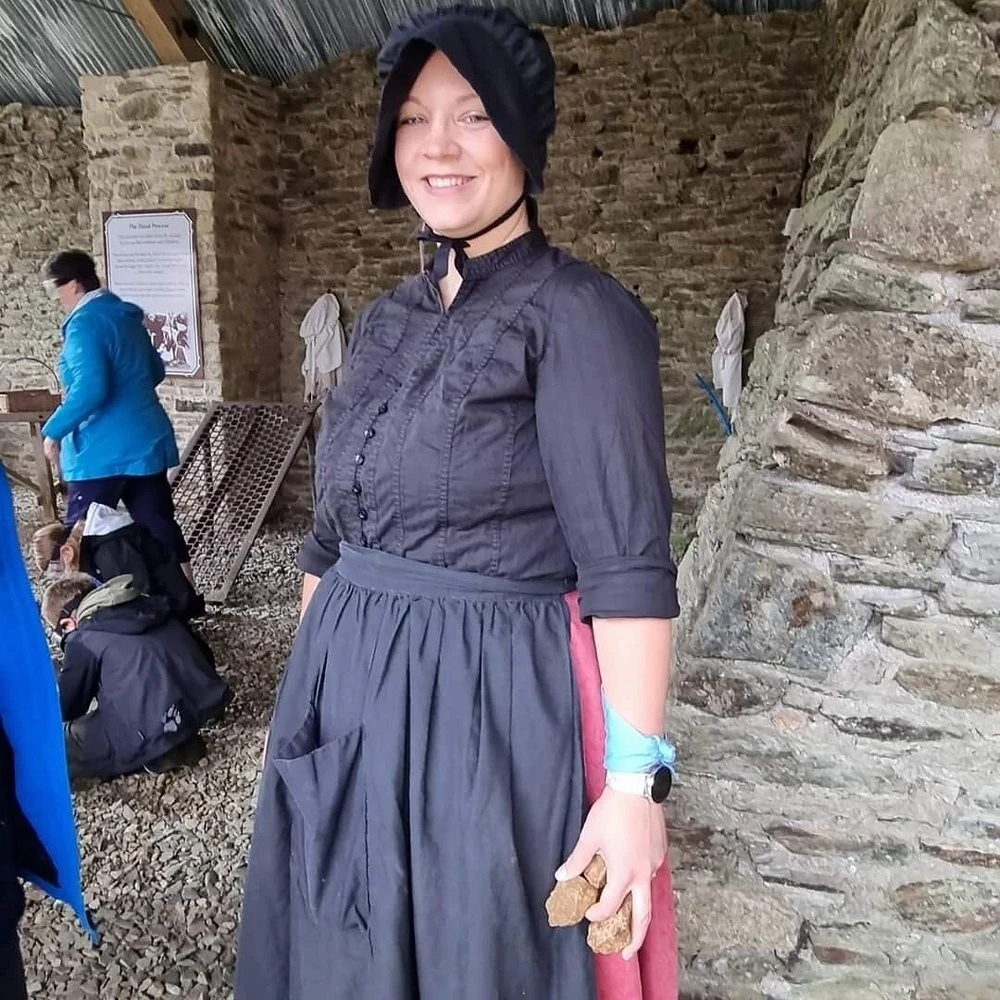
[thumb]https://cn22.nevsedoma.com.ua/p/29/2928/131_files/d00ff70a1fd7e808dba4d16548 3cab9a.webp[/thumb]