17 Historical Artifacts That Became the Voice of Ancient Cultures (18 photos)
Jewelry, interior design items, clothing elements, and the components of something fundamental allow us to learn more about the lives of people who lived decades and hundreds of years ago. 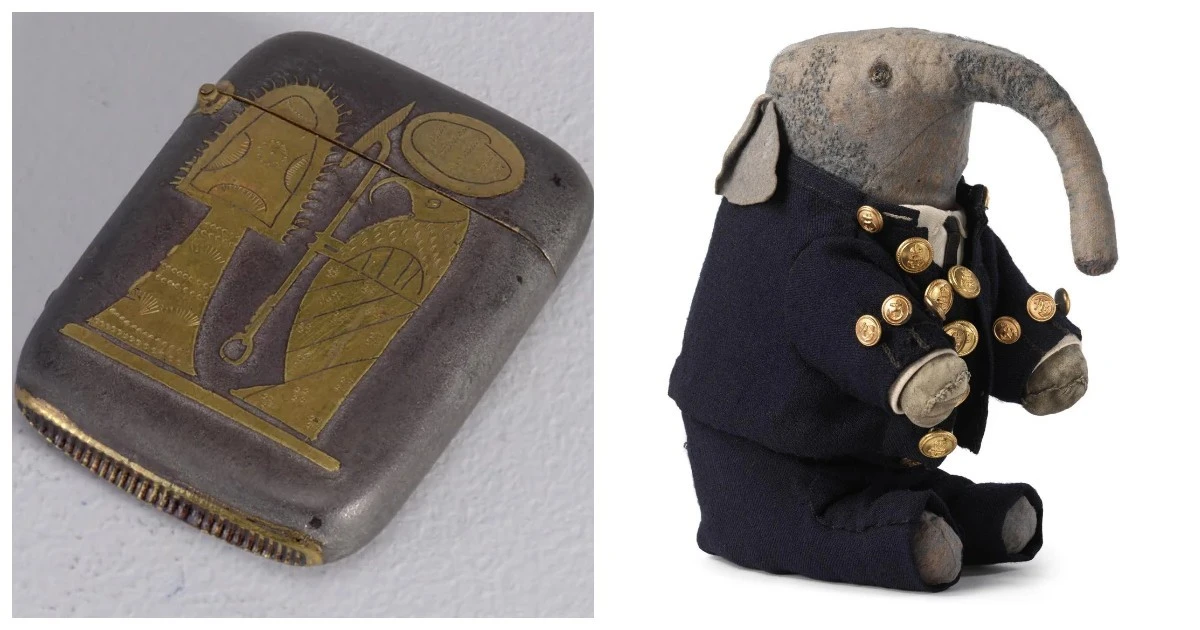
These objects help us understand that history is not only dry dates and facts, but also quiet conversations between civilizations. This collection brings together objects that have become silent witnesses to such encounters. Each artifact represents a kind of bridge across time and space. We look at how cultures communicated with each other through the languages of art, beliefs, and trade, and continue to do so today.
1. Gold genital ornament, Senu culture, Colombia, 1550 CE. 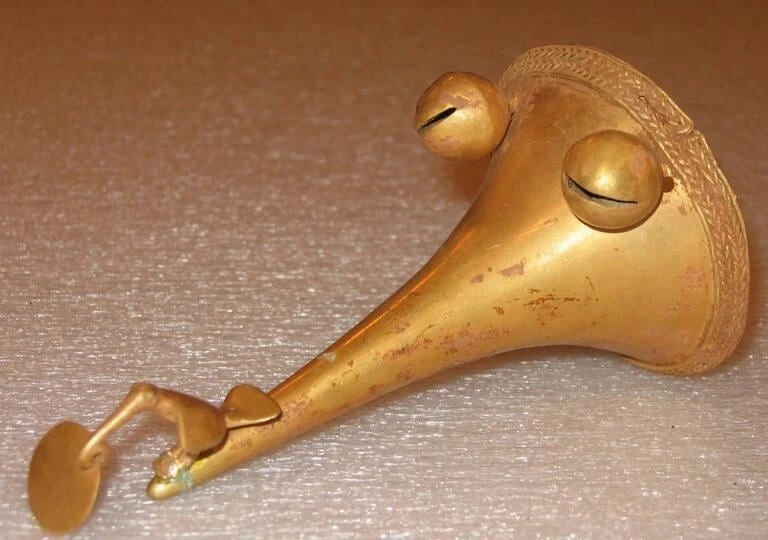
2. Iron greave with lining, Japan, 18th century 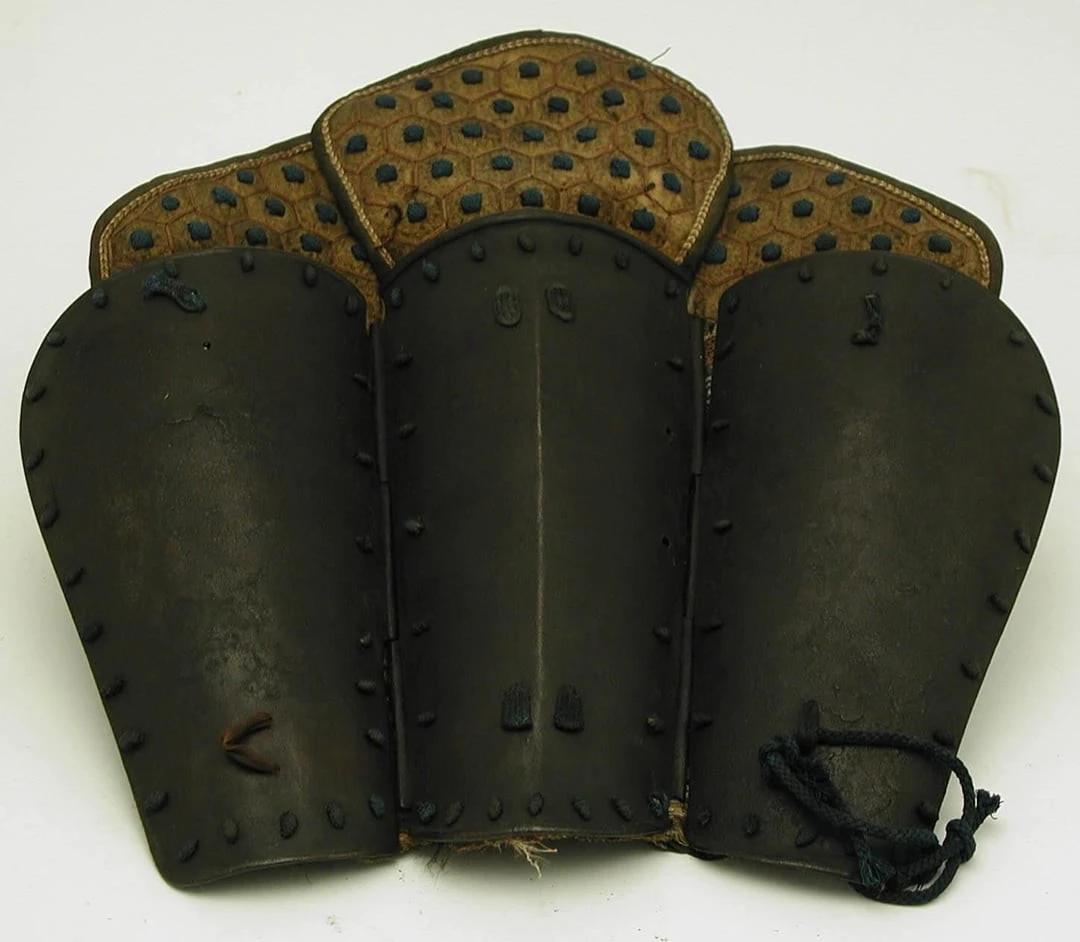
3. Ancient Greek coins from Syracuse, 5th century BC. CE, decorated with images of the octopus as a symbol of naval power. 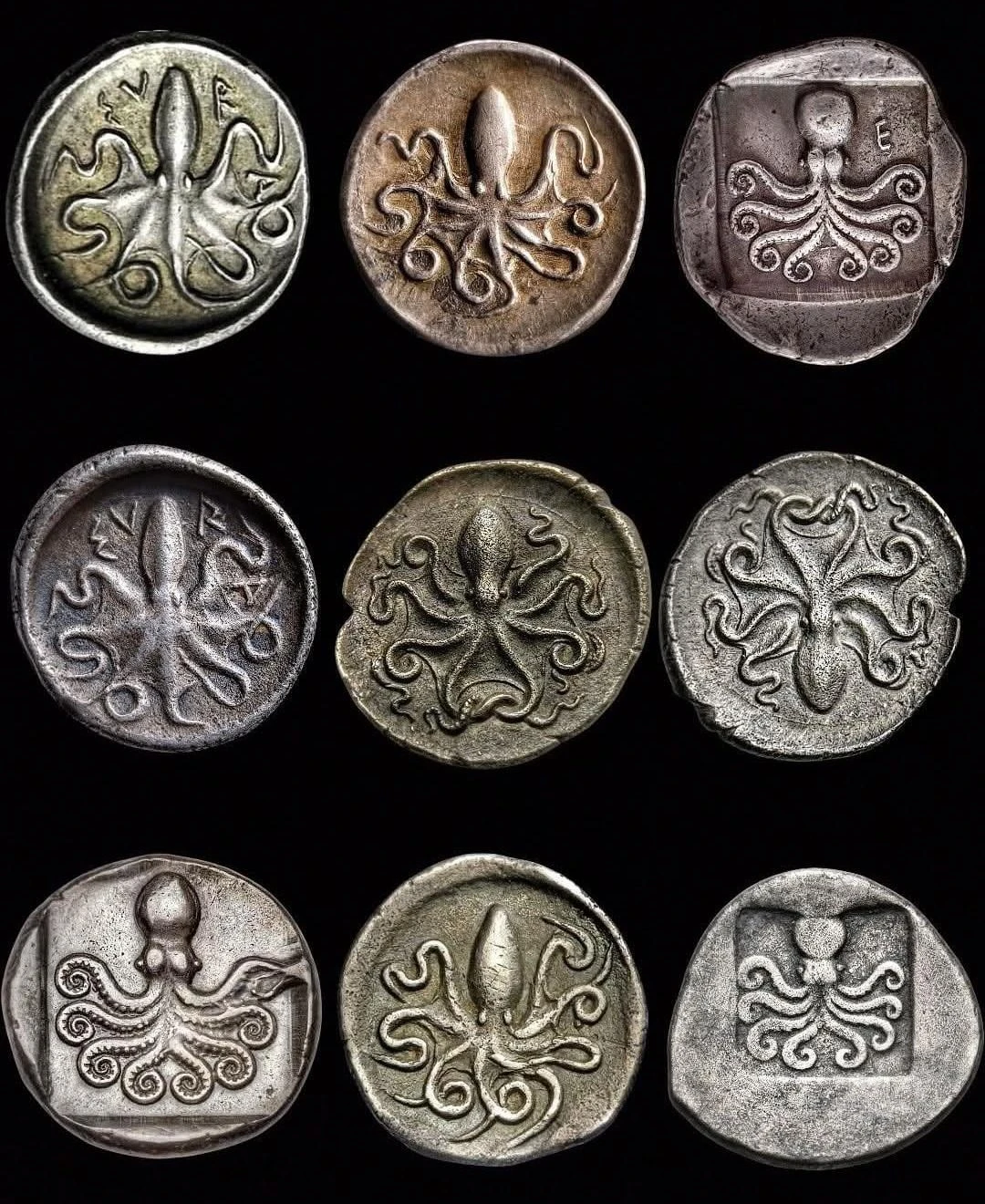
4. Goose-Shaped Vessel, China, Tang Dynasty (618–907 CE) 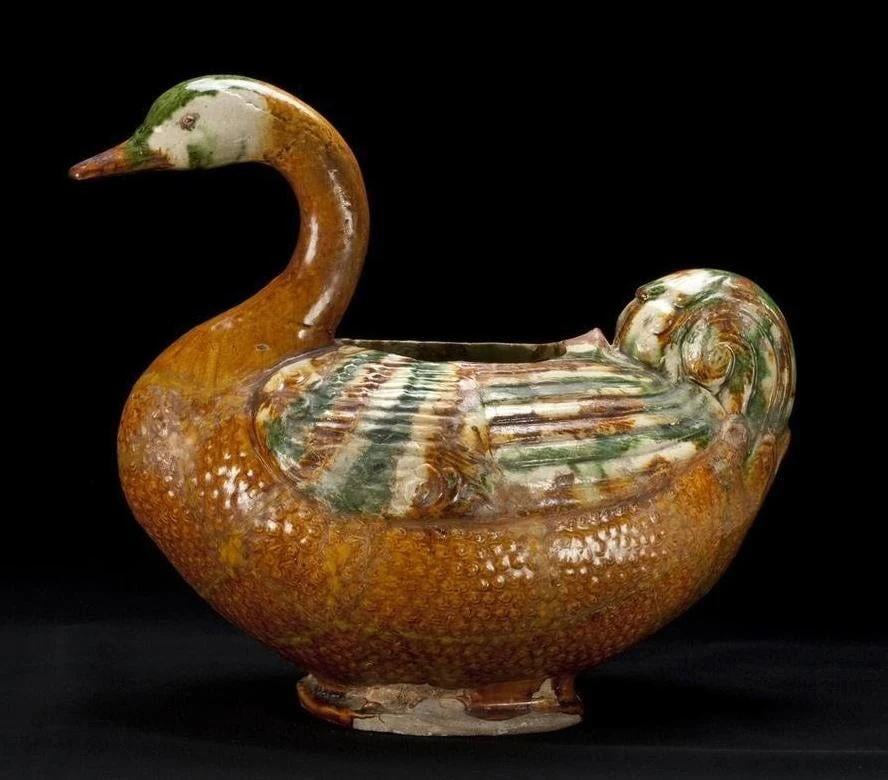
This vessel was likely used as a ritual object or as an elegant wine vessel in elite circles.
5. Bronze Buddha Heads, Thailand, Ayutthaya Period (16th-18th centuries) 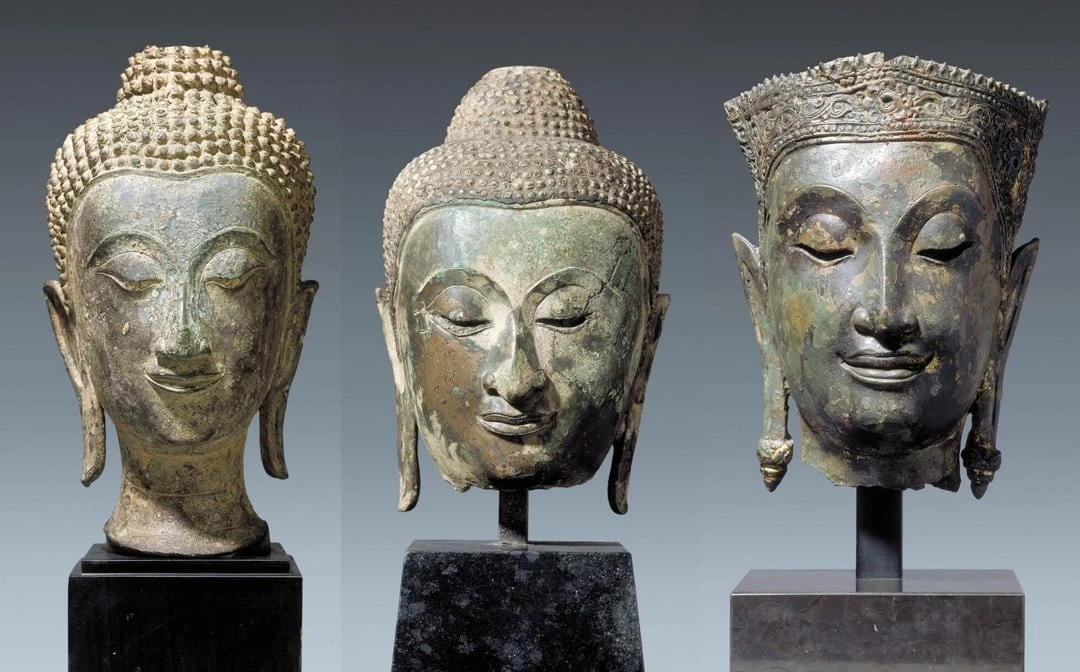
6. Menuki in the shape of the mythical sisshi lion-dog, Japan, late 18th - early 19th century 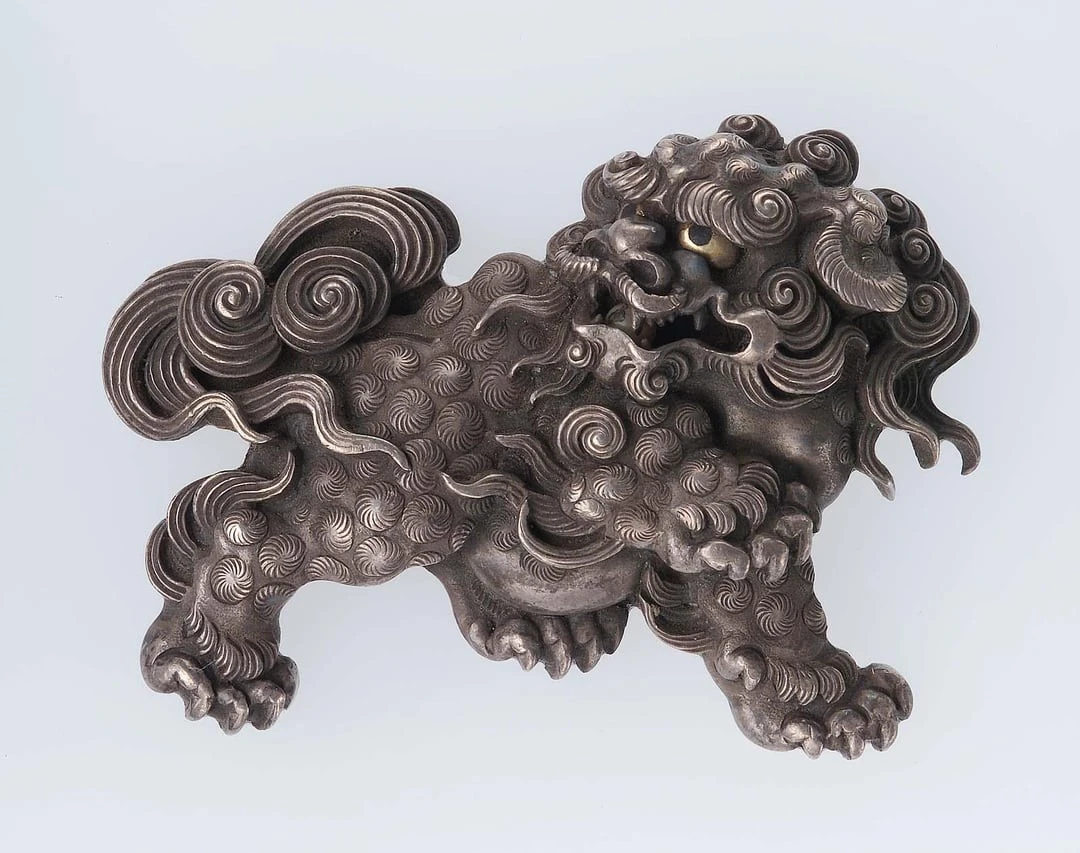
This paired decoration was placed under the handle covering on Japanese swords and daggers. Their main function was to improve the grip of the hand. The sissi, often called the Japanese lion or lion-dog, is a mythical creature that originated in Buddhist iconography via China. The sissi was believed to ward off evil spirits and bring good luck, so its depiction on weapons was particularly appropriate.
7. Table screen with stand, made of carved and gilded dark green jade, carved lacquer with inlay, and carved teak. China, circa 1800–1900. 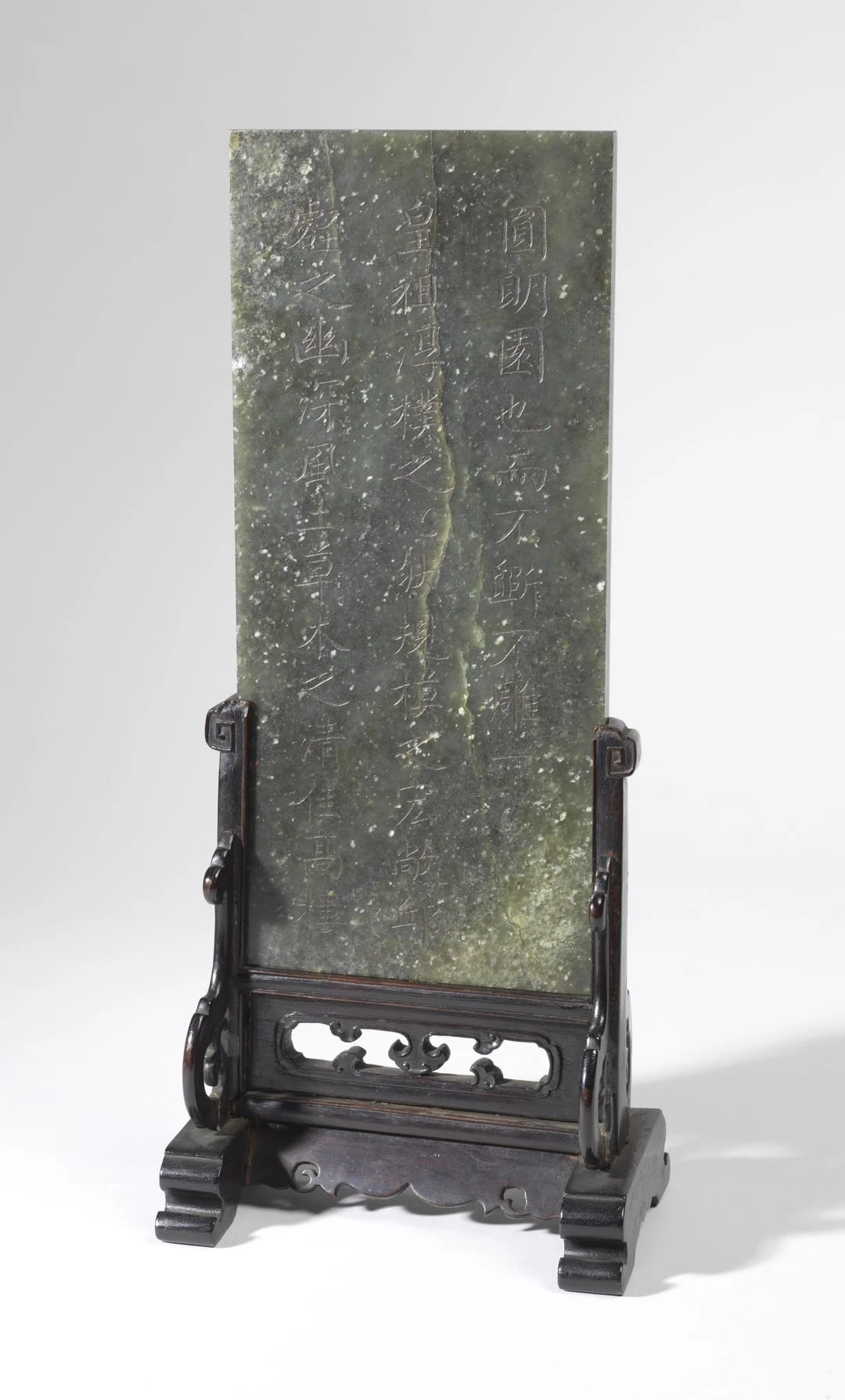
8. Hyakumanto darani, circa 764–770. — the oldest dated printed work in the world 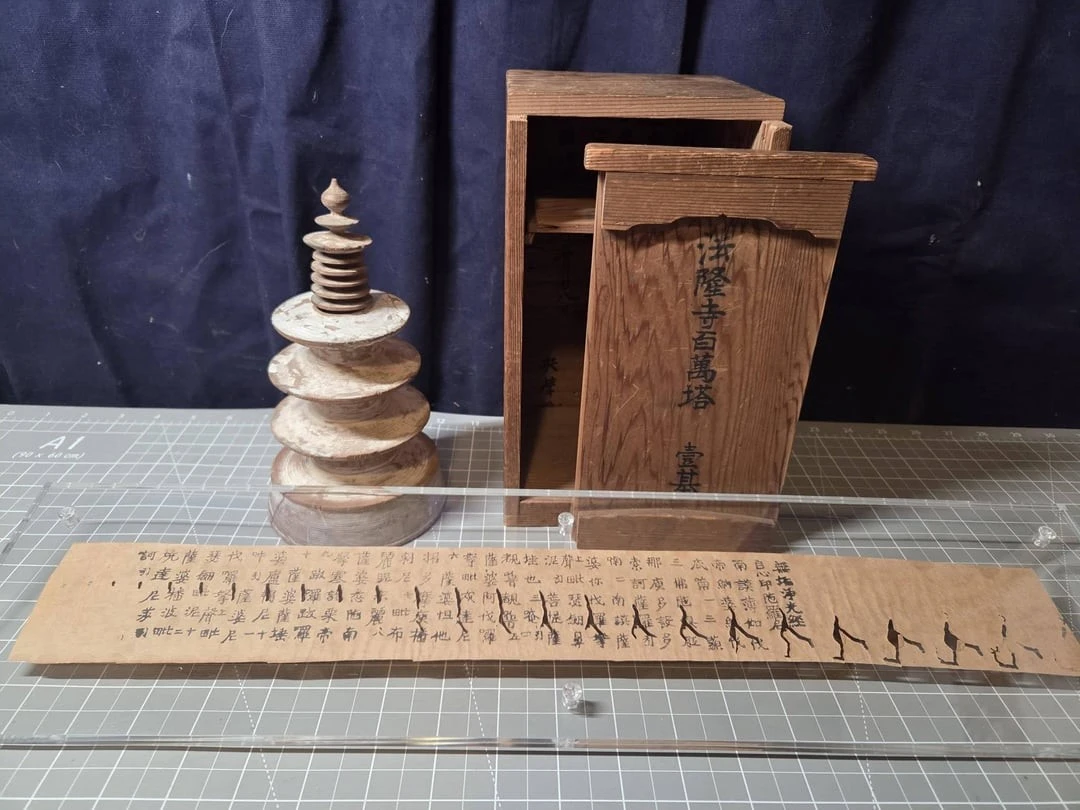
These are Buddhist prayer scrolls known as "Darani" (sacred incantation texts). The scrolls were produced using woodblock printing (raised printing on a wooden block).
9. Phoenix Crown of Empress Xiaodun, China, Ming Dynasty 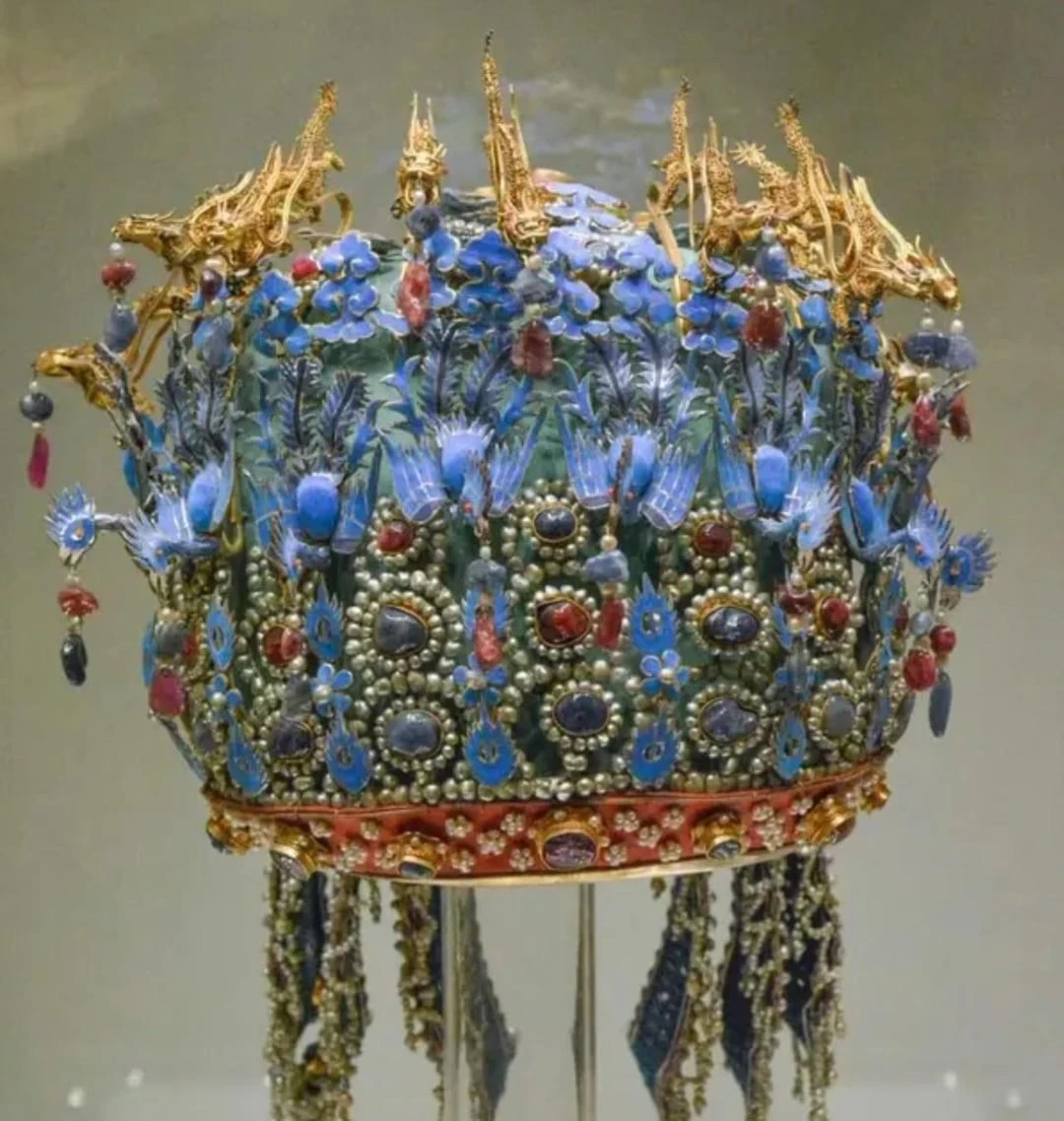
Phoenix crowns were decorated with figurines of phoenixes, dragons, clouds, and plants. Gold, kingfisher feathers, pearls, and other precious stones were used. A crown weighed 2–3 kilograms.
10. Head of a Central Asian figurine, Iran, 12th–13th century 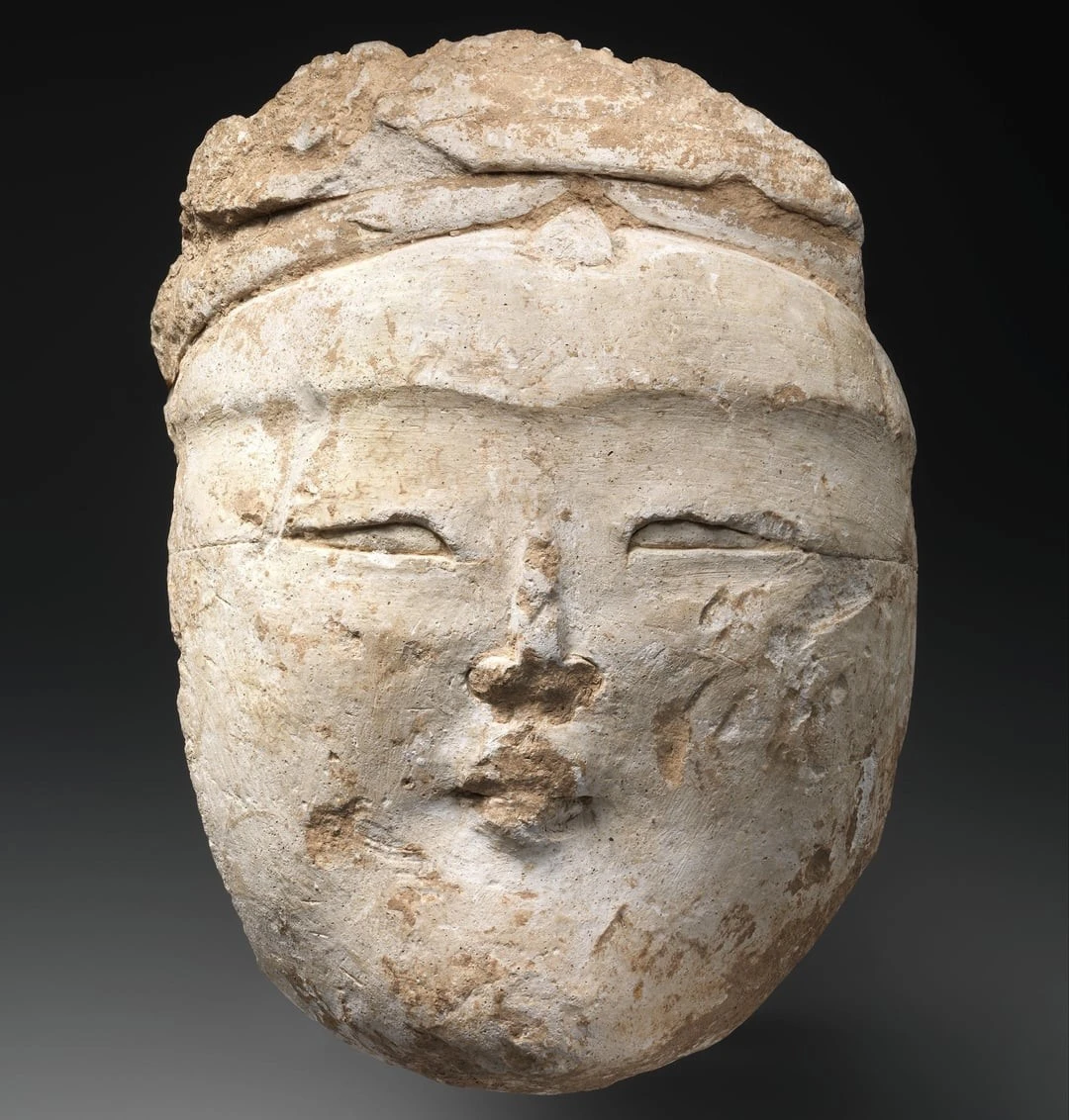
11. Venetian lace jabot collar, 17th century 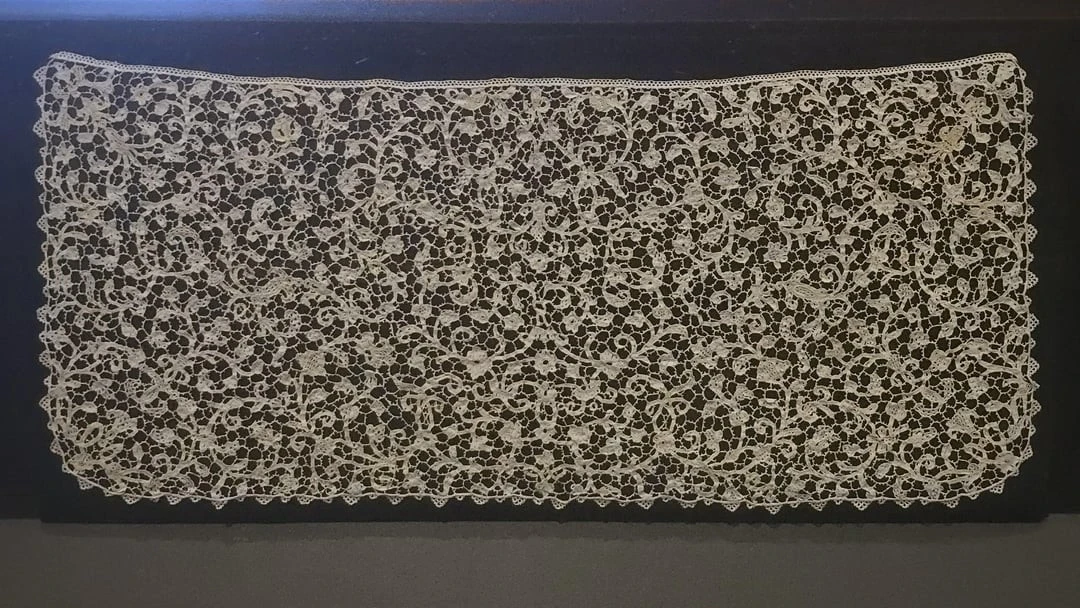
12. Brass matchbox in the Egyptian Revival style, circa 1900 years 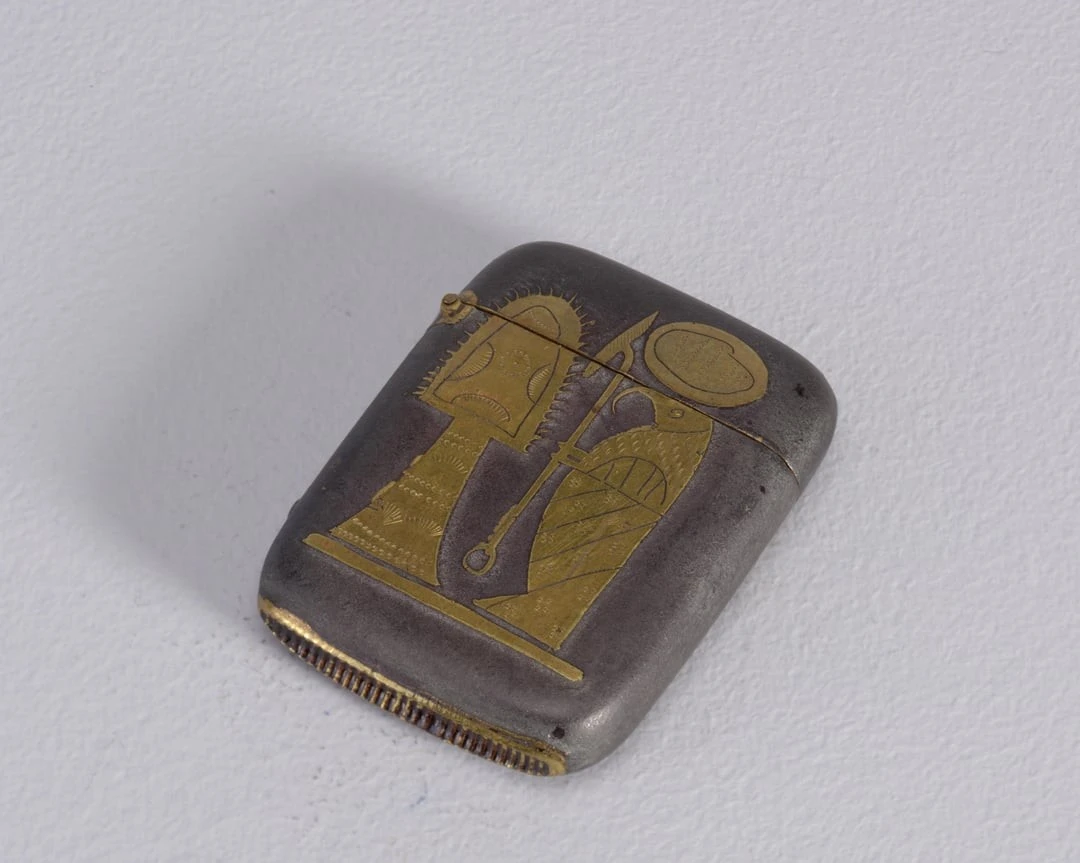
13. Architectural niche depicting Shakyamuni surrounded by followers and an elephant. Hadda, Afghanistan, 4th-5th century CE. 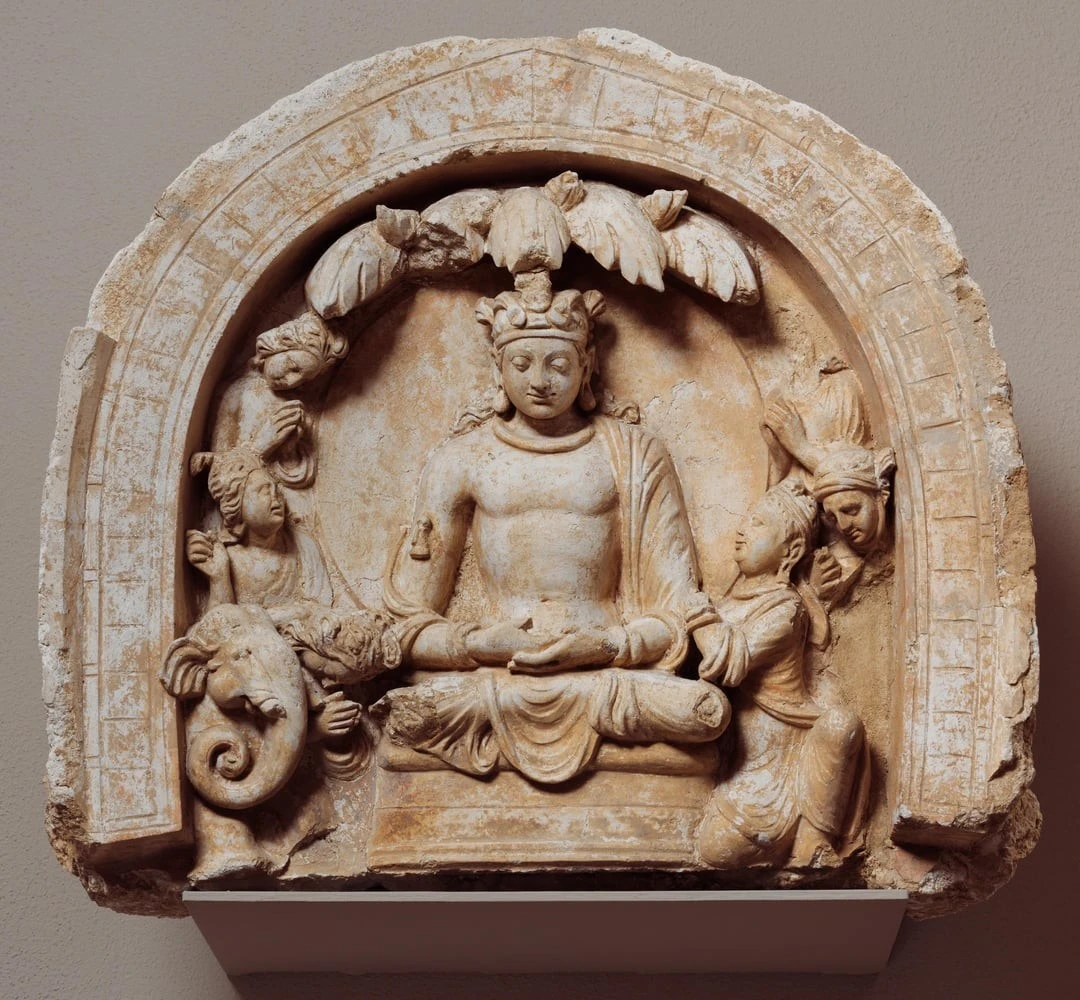
14. Tsuba (sword guard) with a web-like pattern, Japan, 17th century 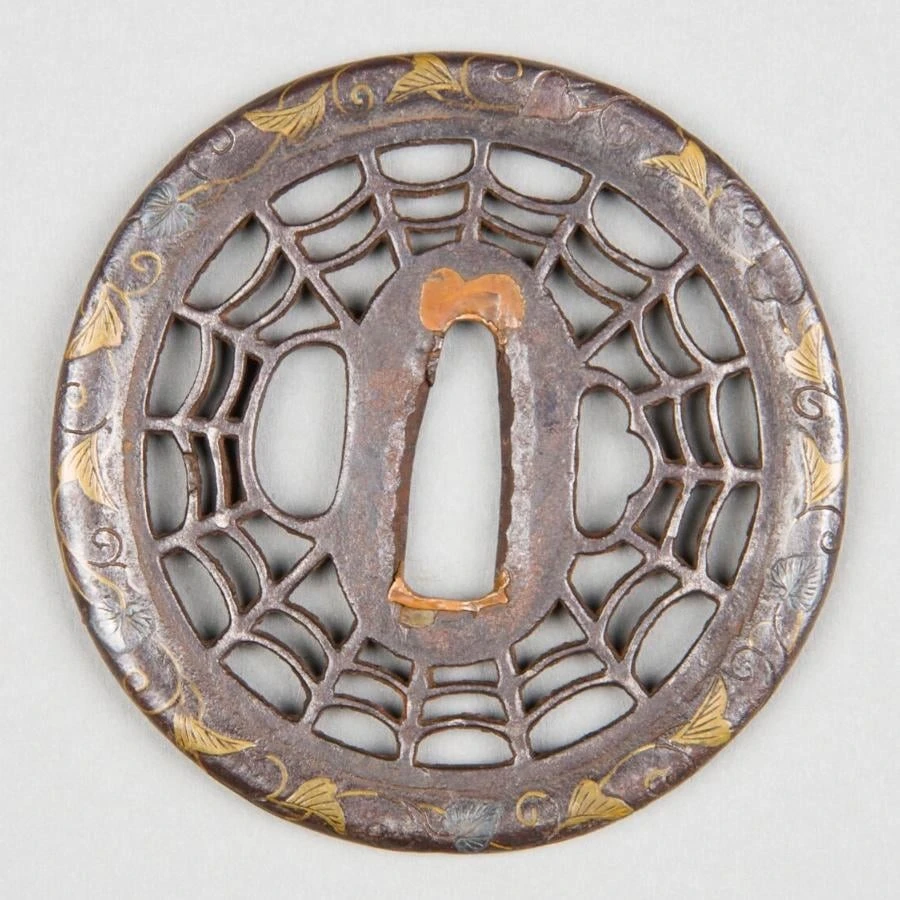
15. Clay Egyptian cup with the name of King Amenhotep IV, dated to his reign (c. 1353-1336 BC), found in Jericho (Palestine) 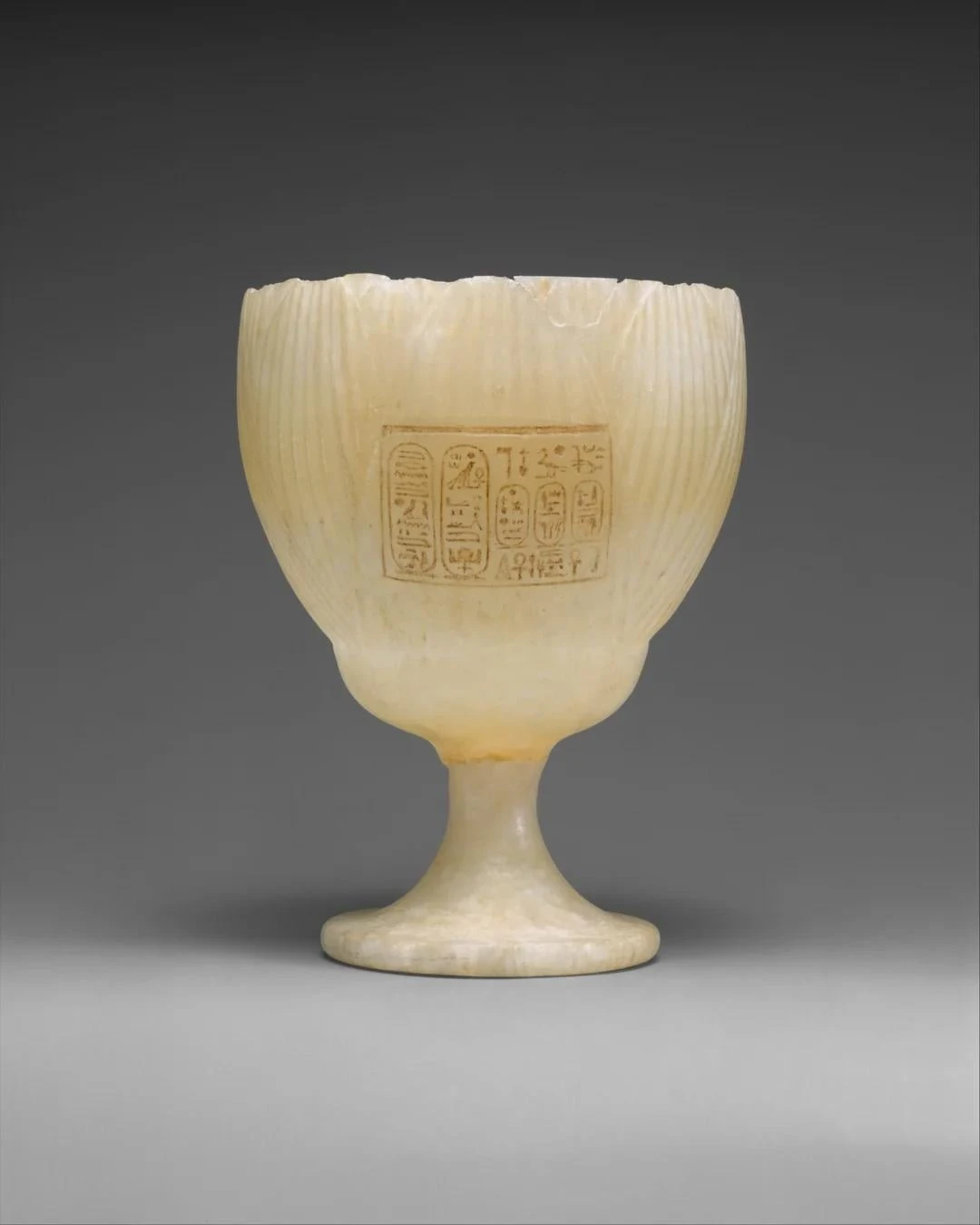
16. Pumpy the Elephant Stuffed Toy in a Navy Uniform, 1950s 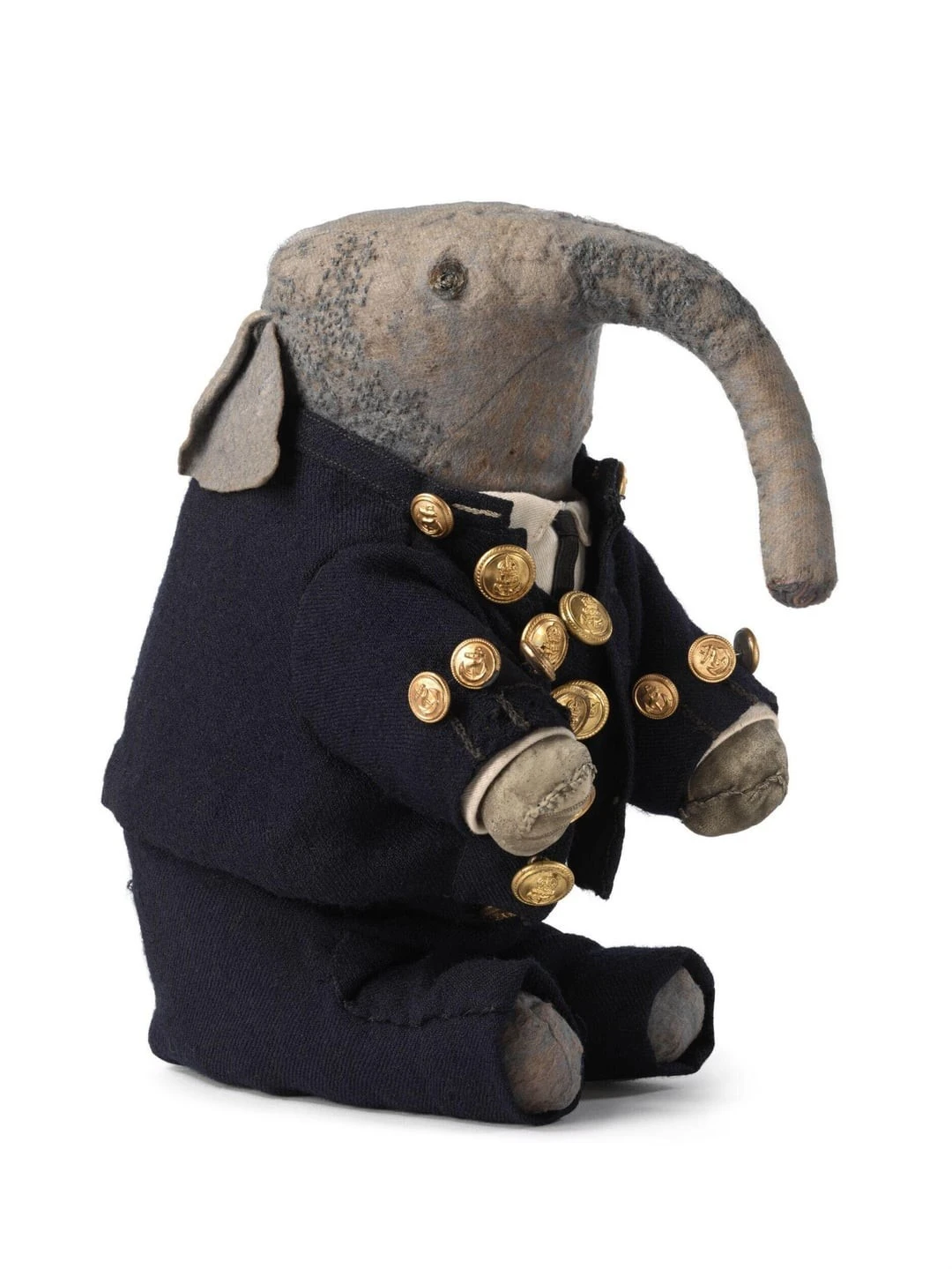
This item is typical of the post-war period in Europe or the United States, reflecting the social trends and children's culture of the time.
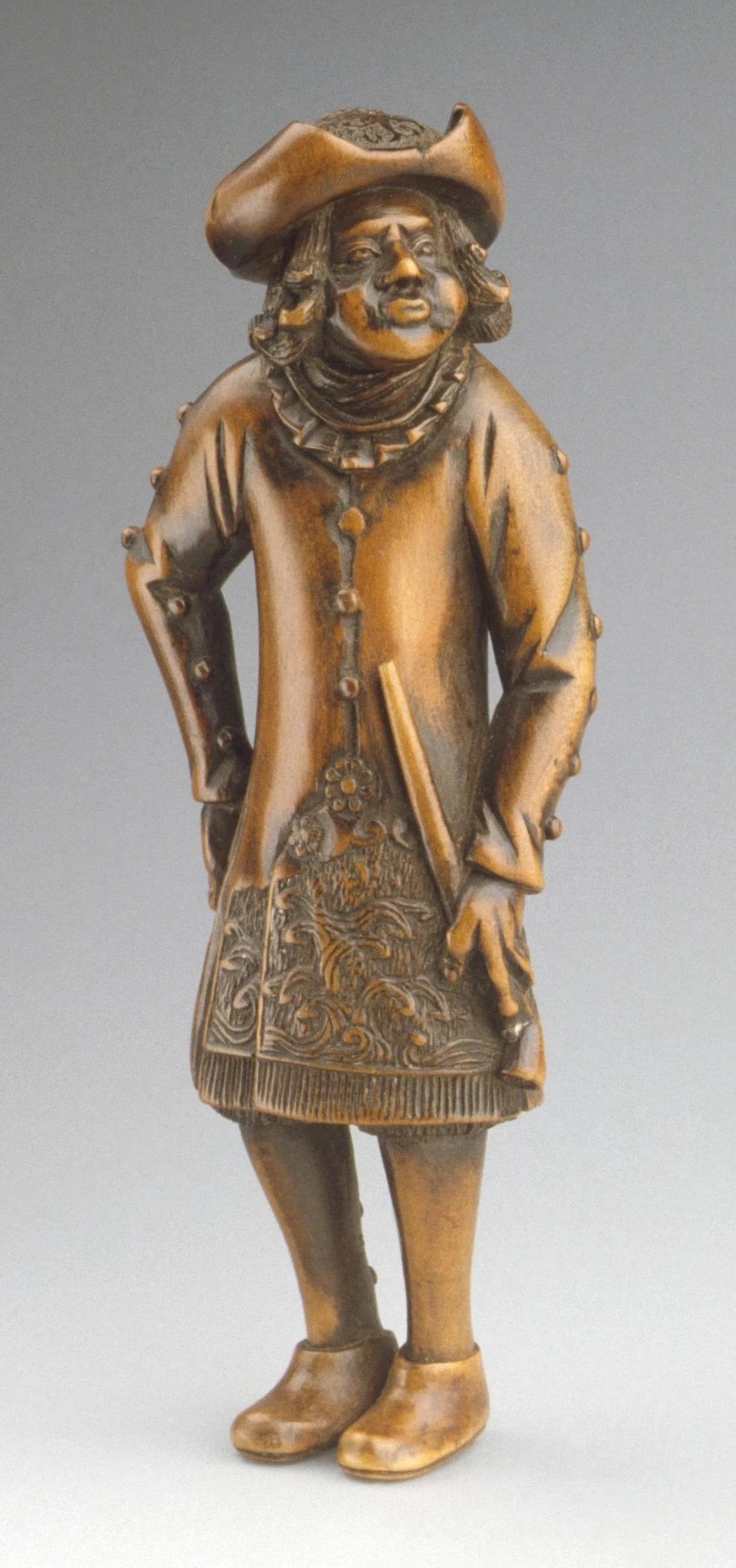
17. Carved Wooden Sculpture by a Dutchman, Japan, circa 1700–1800.