The highest garbage dump: Nepal no longer takes climbers at their word (4 photos + 1 video)
The dream of a clean Everest has officially been dashed by harsh pragmatism and laziness. Nepalese authorities have scrapped the "garbage deposit" program, admitting that over 11 years, the mountain had become a 50-ton warehouse of chewed-up tents and empty cylinders. 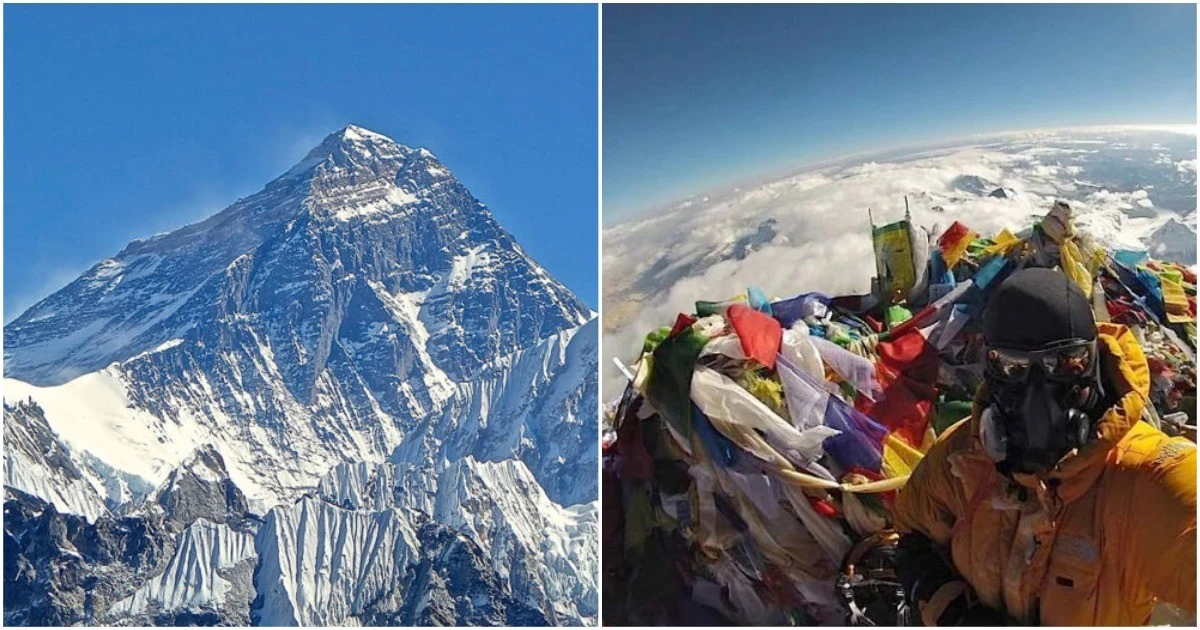
Nepalese officials have frankly admitted that over 11 years, the system has become a "bureaucratic nightmare" that has done nothing to help the mountain. The plan was simple: a climber pays $4,000, brings back 8 kg of garbage, and gets their money back. It looked good on paper, but in reality, it was a complete disaster.
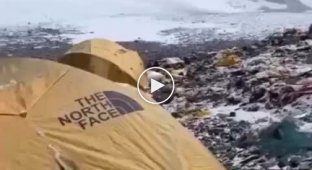
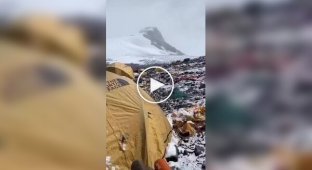
The main problem was that there was virtually no enforcement of the rules. Climbers quickly figured out how to cheat the system. They collected trash at lower camps, where it was effortless, returned their deposits, and flew home. Meanwhile, in the "death zone" at over 8,000 meters, tents continued to rot, empty oxygen tanks lay scattered, and tons of excrement, which, due to the cold, took decades to decompose, lay scattered about. 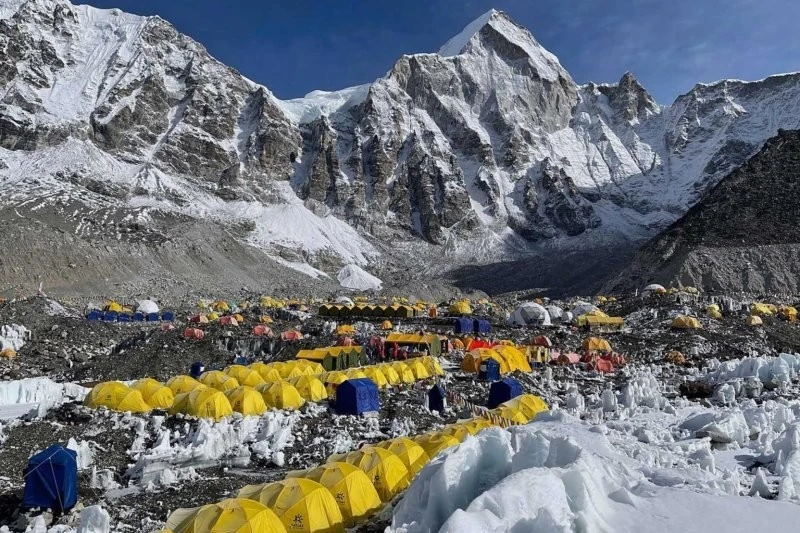
According to experts, the average climber produces about 12 kg of waste during an expedition. Even the few who dutifully handed in the required 8 kg of trash still left behind a "gift" for the mountain in the form of a remaining 4 kg of fresh trash. As a result, despite all the reports of success, the dump at the top of the world only grew, filling up with tons of microplastics and abandoned gear. 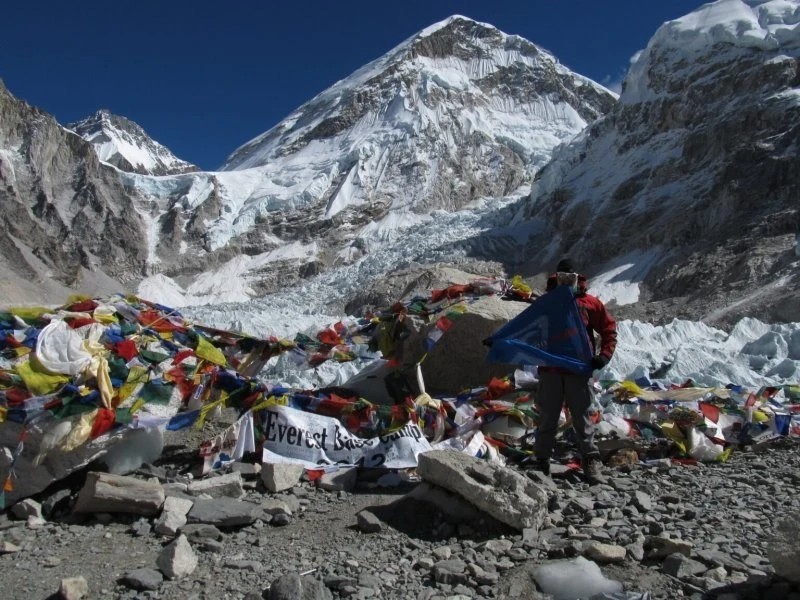
Starting in 2026, Nepalese authorities decided to change tactics and replace the "carrot" with a tough "stick." The $4,000 deposit will now be mandatory and non-refundable. These funds will no longer gather dust in accounts awaiting repayment, but will go to a special fund for the actual cleaning of the slopes. The funds raised will be used to hire professional high-altitude rangers who will be on constant duty at the upper camps and maintain order.
Furthermore, Nepal is betting on technology. By 2026, the program of using cargo drones capable of lowering up to 20 kg of trash at a time from dangerous areas is planned to be expanded to a mass scale.
For the climbers themselves, this means only one thing: the price tag on the dream has risen again.
Climbing Everest has become even more expensive, but now it's not just a fee for the attraction, but a cleaning tax that everyone who wants to stand on the roof of the world will have to pay.