Muses, Witches, Queens: 5 Women Who Turned Standard Fashion Concepts Upside Down (21 photos)
What is style? In a general sense, it is understood as a stable set of distinctive features, techniques, and expressive means that make a work, object, or person recognizable. 
But some people, in their quest to become recognizable, go so far as to become icons of this very style. The path is long, difficult, and thorny, and it's not always desirable to imitate them (except perhaps in individual elements). But in any case, they have written themselves into the history of world fashion. Public opinion interests them little, and these eccentric ladies continue to shape their own microcosm without regard for others. Do people like them or not? There's no definitive answer, but they deserve attention and respect in any case.
1. Michèle Lamy: The Avant-Garde Witch of Fashion 
Few people know that the muse and wife of designer Rick Owens is a legendary figure in her own right. Her life is a ready-made script: from a career as a lawyer and stripper in France to the owner of iconic restaurants in Los Angeles. It was she who, after selling her business, launched the Rick Owens brand, where she first worked as his cutter and later became his life partner and curator of the furniture line. 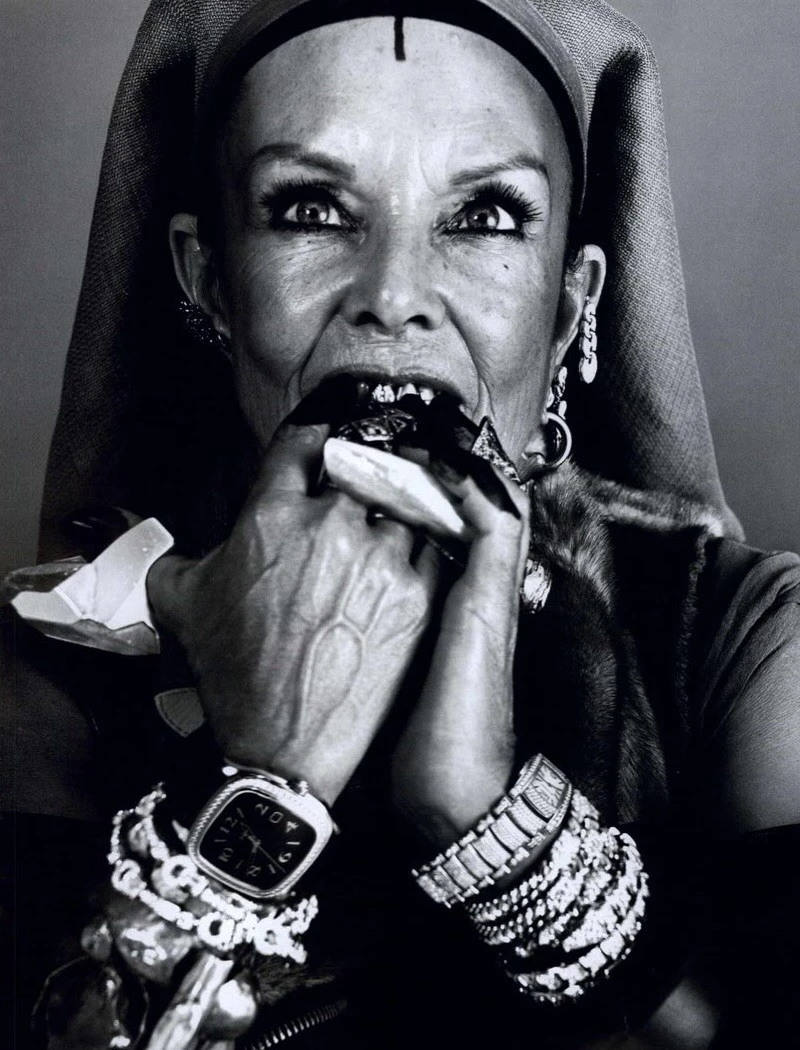
Her style philosophy defies modernity. Inspired by the tattooed Berber women of Tunisia, Lamy has created a unique image of a dark muse. Every morning, she applies black eyeliner and a line on her forehead, and has dyed her hair exclusively with henna for 40 years. She proudly wears wrinkles as "traces of life" and strictly avoids sunscreen and plastic surgery. 
Her most shocking accent is her teeth, which have gold crowns encrusted with diamonds, enhancing her mystical aura. A fan of the occult, she collects voodoo masks, and her hands are always covered in black paint and massive, primitive jewelry from Rick and around the world. 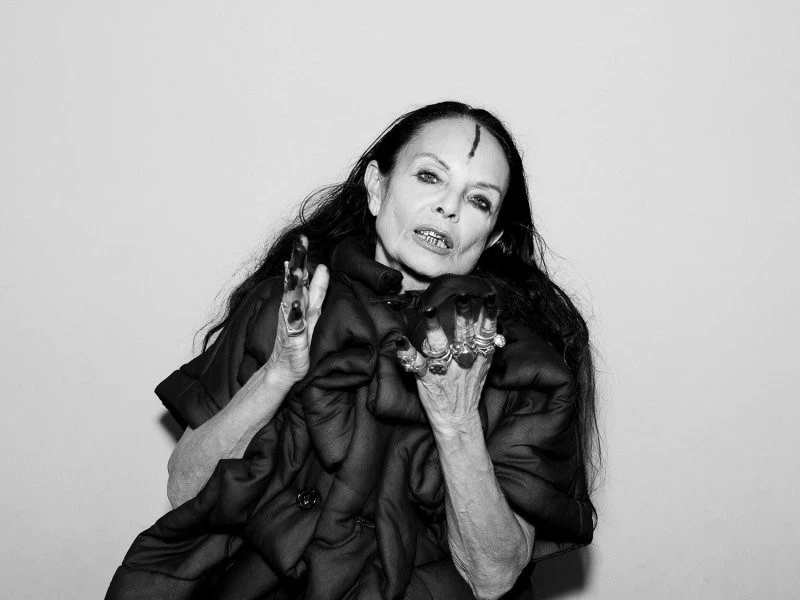
Her wardrobe is always Rick Owens or Comme des Garçons: deconstructed tunics reminiscent of ancient Greek or shamanic robes, interspersed with boxing boots. To stay in shape, Lamy boxes daily, seeing it as a metaphor for life's struggle. Incidentally, Parisian taxi drivers often mistake her for a gypsy fortune teller. And therein lies her unique, enigmatic style.
2. Lynn Yager: The Journalist Who Creates Fashion 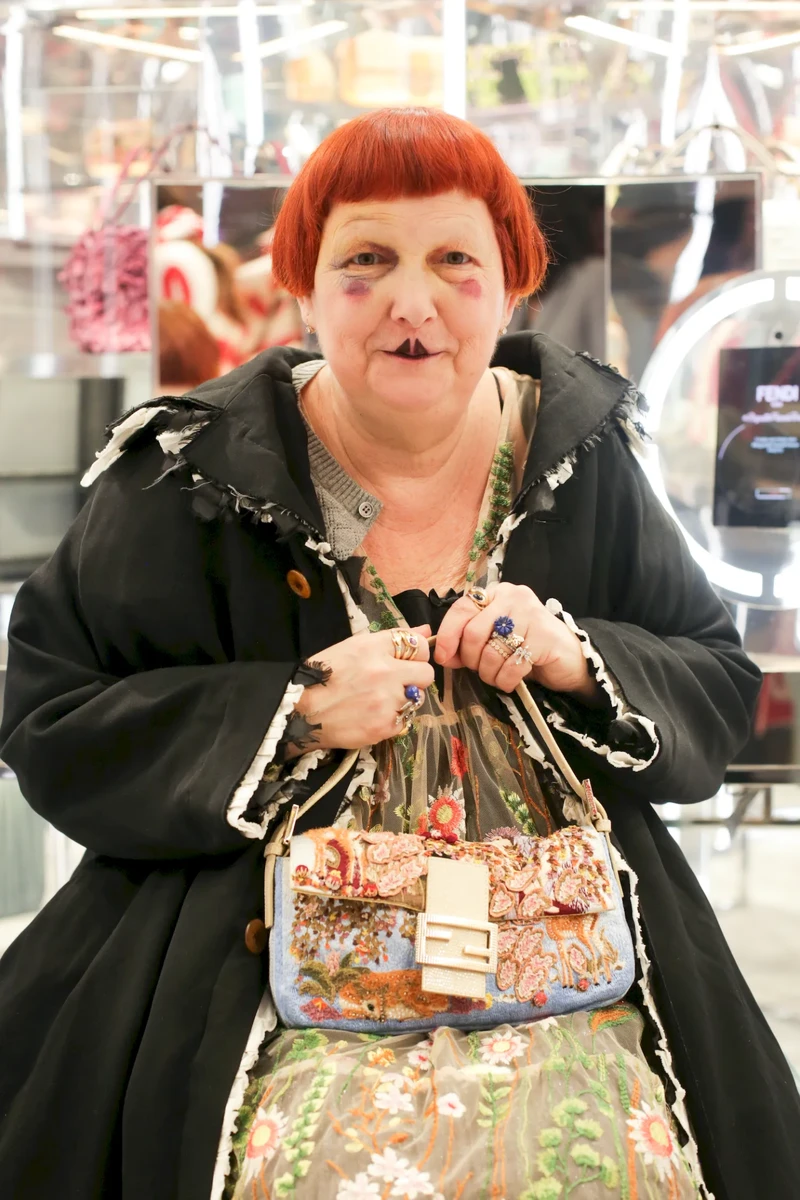
Lynn Yager is more than just a columnist. For three decades, she has transformed fashion journalism into an art of caustic, brilliant commentary. Her columns in The Village Voice, and now in Vogue, WSJ, and New York Magazine, are manifestos written with the same fearless individuality she wears. 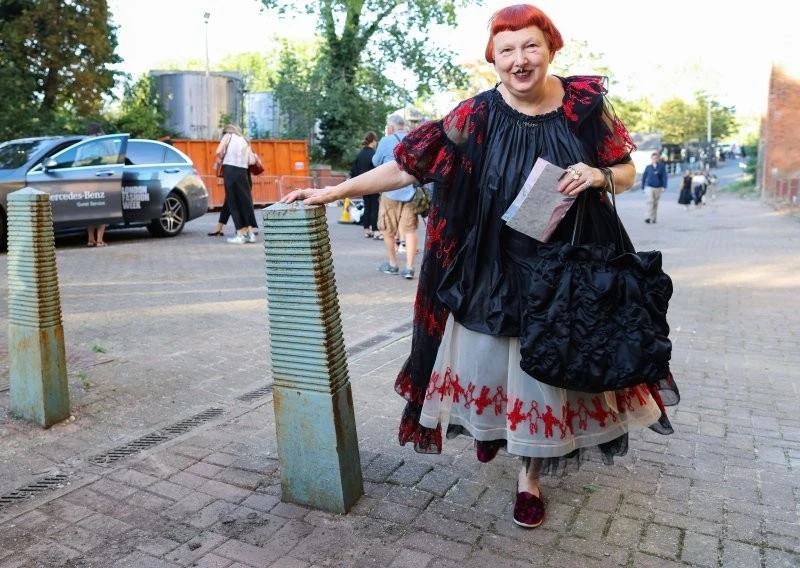
Her style is a signature. Short, henna-dyed hair, graphic doll-like makeup, and the main element—layered, almost architectural skirts that create a recognizable silhouette. This visual rebellion places her in the same league as legendary eccentrics like Isabella Blow. 
Her passion is Japan and collecting the bizarre (like original dolls). This unique taste made her a muse for Marc Jacobs and a source of inspiration for brands from Undercover to Alexander Wang. 
Yager's career began with a daring gamble: she took out a student loan and spent it not on tuition, but on six luxurious French dresses. To remedy this, she landed a job at The Village Voice. Soon, her humorous column caught the attention of Helen Gurley Brown of Cosmopolitan.
After 30 years, she was unexpectedly fired from The Voice in 2008. But fashion didn't let her go. Literally within moments, New York magazine offered her a position covering fashion shows, followed by an offer to become an editor at American Vogue. As Yager herself says, if Voice is a niche, Vogue is the premier league of integrity and quality. And she plays by her own rules.
3. Diane Pernet: "Black isn't a color, it's a statement" 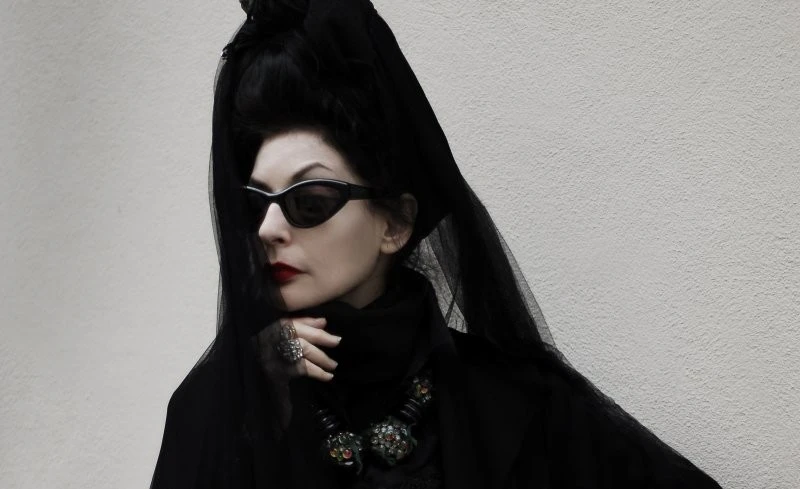
Journalists ask her the same question. Parisian schoolchildren call her "La Sorcière" (The Witch). Her look—cat-eye sunglasses, a black veil, and gothic jewelry in the form of spiders and toads—is like a Gothic novel heroine lost in the modern world. 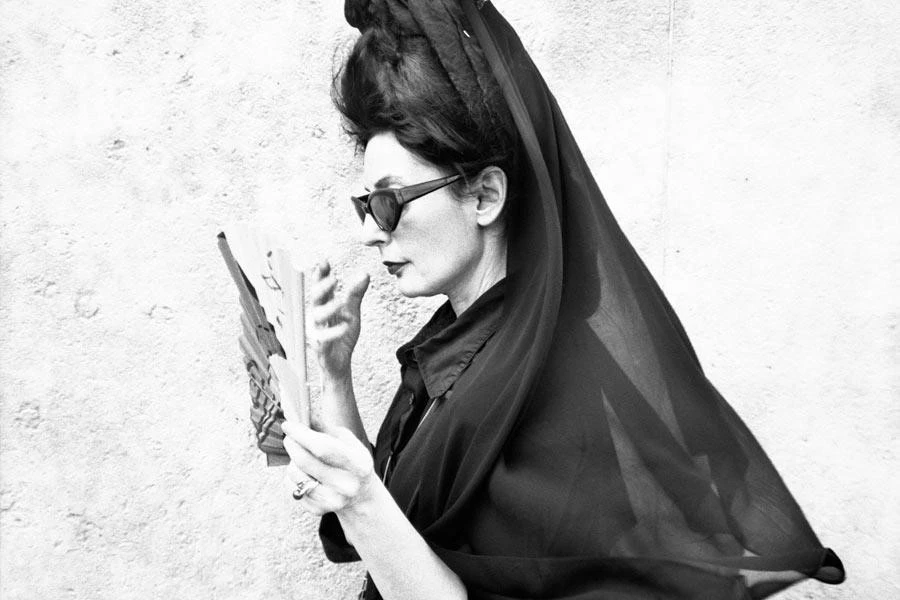
But Diane Pernet is more than just a ghost from the past. A former New York designer, she moved to Paris and in 2005 founded one of the first fashion blogs, ASVOFF, and later the prestigious fashion film festival of the same name. In the fall of 2017, she added another role to her list—perfumer, introducing a line of niche fragrances with telling names: "To Be Honest" and "In Pursuit of Magic." 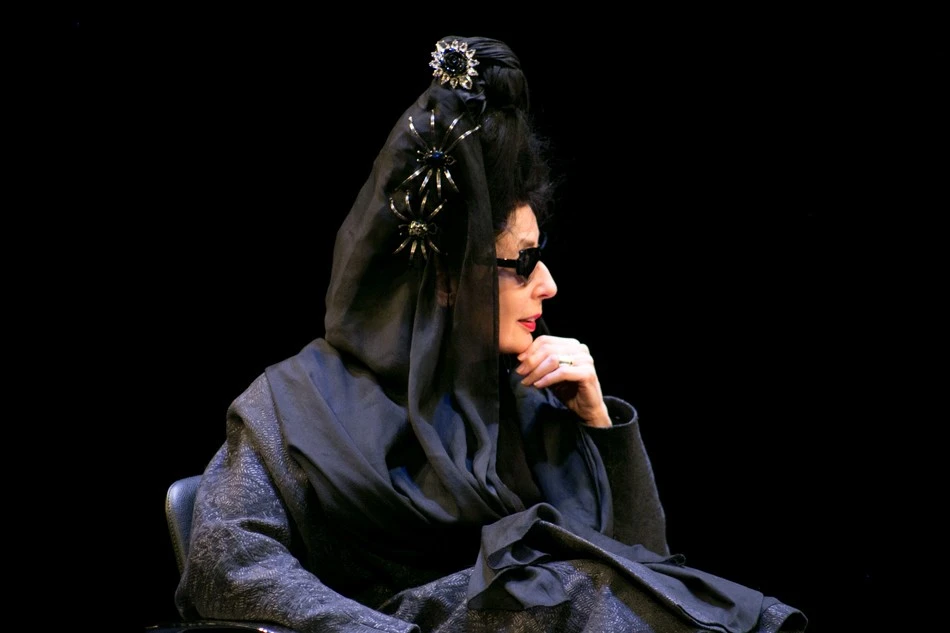
When asked, "Why only black?" she could have responded with a quote, but she prefers to talk about freedom. According to her, the time of fashion's dictatorship is over: "Some people do minimalism, others go for excess. The market is equal for everyone. Wear short or long—decide for yourself." 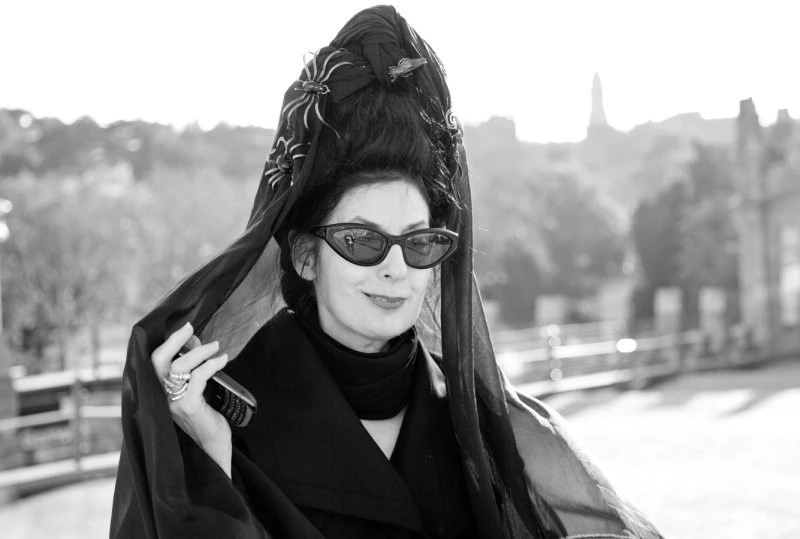
Her icons are passionate film divas: Anna Magnani, Charlotte Rampling, Jeanne Moreau. Her aesthetic is Fellini, Pasolini, the French New Wave. Her black is neither mourning nor rebellion. It is an entire universe in which there is room for magic, cinema, and absolute personal freedom.
4. Daphne Guinness: The Rebel Aristocrat Who Acquired the Entire Avant-Garde 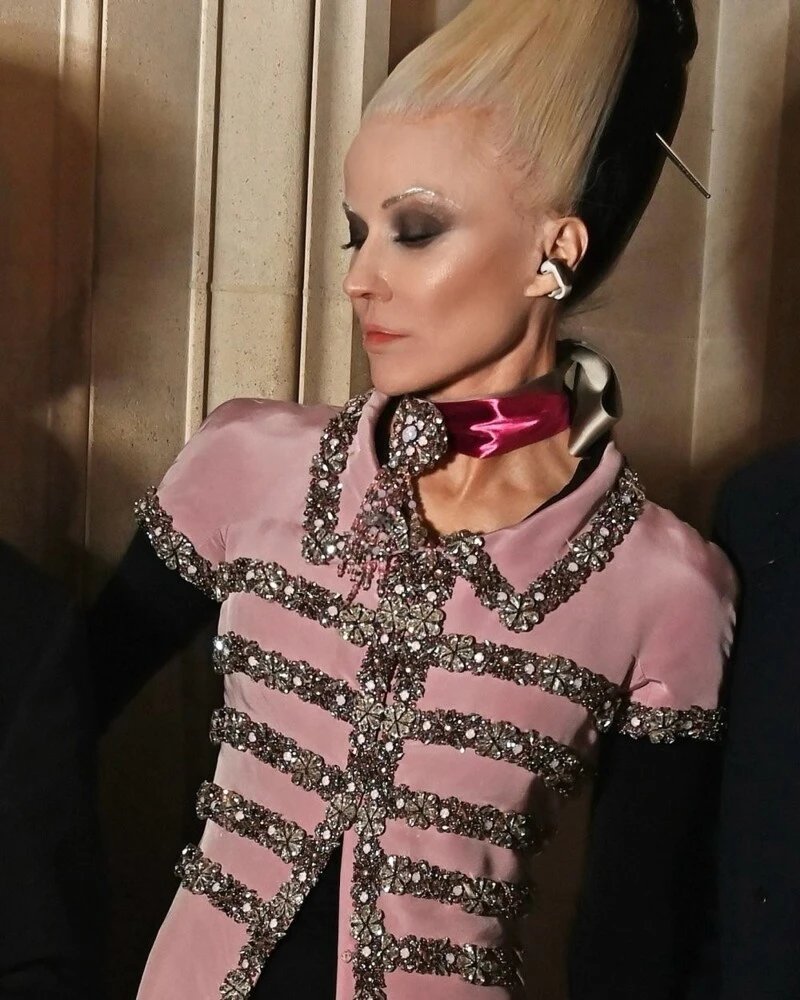
The heiress to a brewing empire, who grew up in Dalí's house and danced with Warhol at Studio 54, could have become just a socialite. But Daphne Guinness became a phenomenon. Alexander McQueen's muse, heir to Isabella Blow's mantle, and owner of a legendary wardrobe: 2,500 items of clothing, 450 pairs of shoes, and 70 Philip Treacy hats. 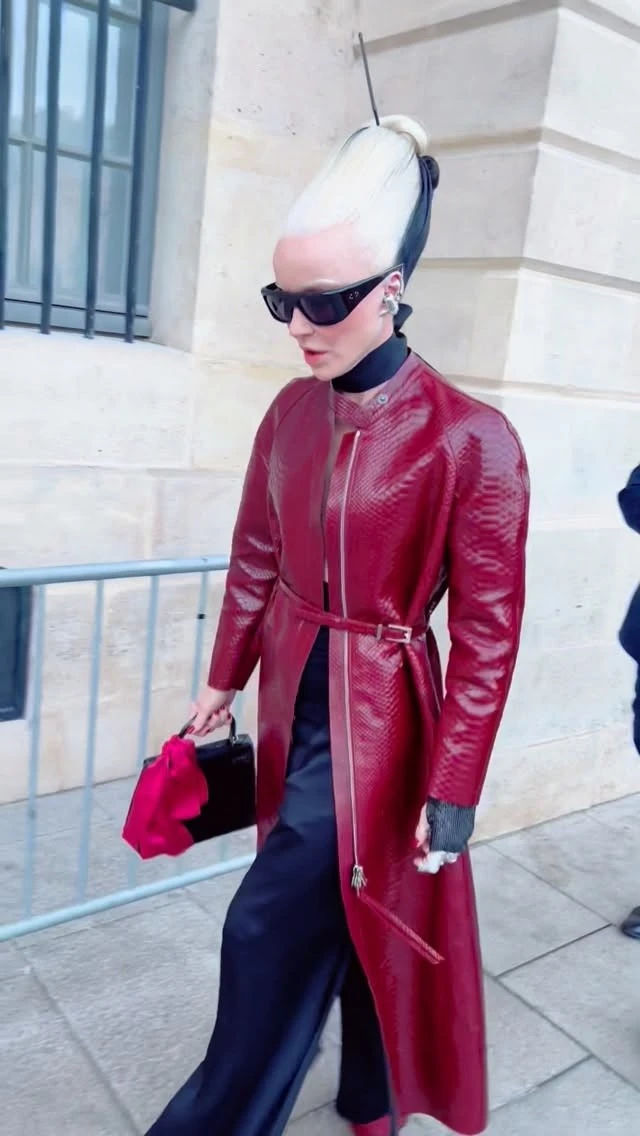
Her style is Disney's Cruella de Vil, who encounters an alien insect in McQueen's workshop. After her divorce from a conservative Greek tycoon and a £20 million settlement, Guinness let her aesthetics run wild. 
She doesn't buy ready-to-wear clothes, only unique pieces made to her measurements. Her collection includes Iris van Herpen's "molecular" dresses, Galliano's theatrical Dior, and Gareth Pugh's construction suits. In 2007, after Isabella Blow's death, Guinness bought her entire wardrobe at auction, preventing 90 McQueen outfits from falling into the wrong hands.
Her signature codes:
Armored footwear. She walks, dances, and lives in flats by Alexander McQueen and Noritaka Tatehana, the inspiration for Lady Gaga's "Bad Romance."
Prop jewelry. Her fingers are adorned with aristocratic silver, not gold. The only diamond fantasy is the $1.76 million "Contra Mundum" glove, created as an art object, not for wear.
Iconic bags. Practical Chanel Boy, Lady Dior, and Hermès Birkin bags, which she's worn for years, disdaining seasonal must-haves.
A hairstyle that's a statement. After her divorce, her hair changed from an aristocratic blonde to a "Mexican skunk" color and hasn't changed since. Japanese ribbons and sculptural hats complement her look. 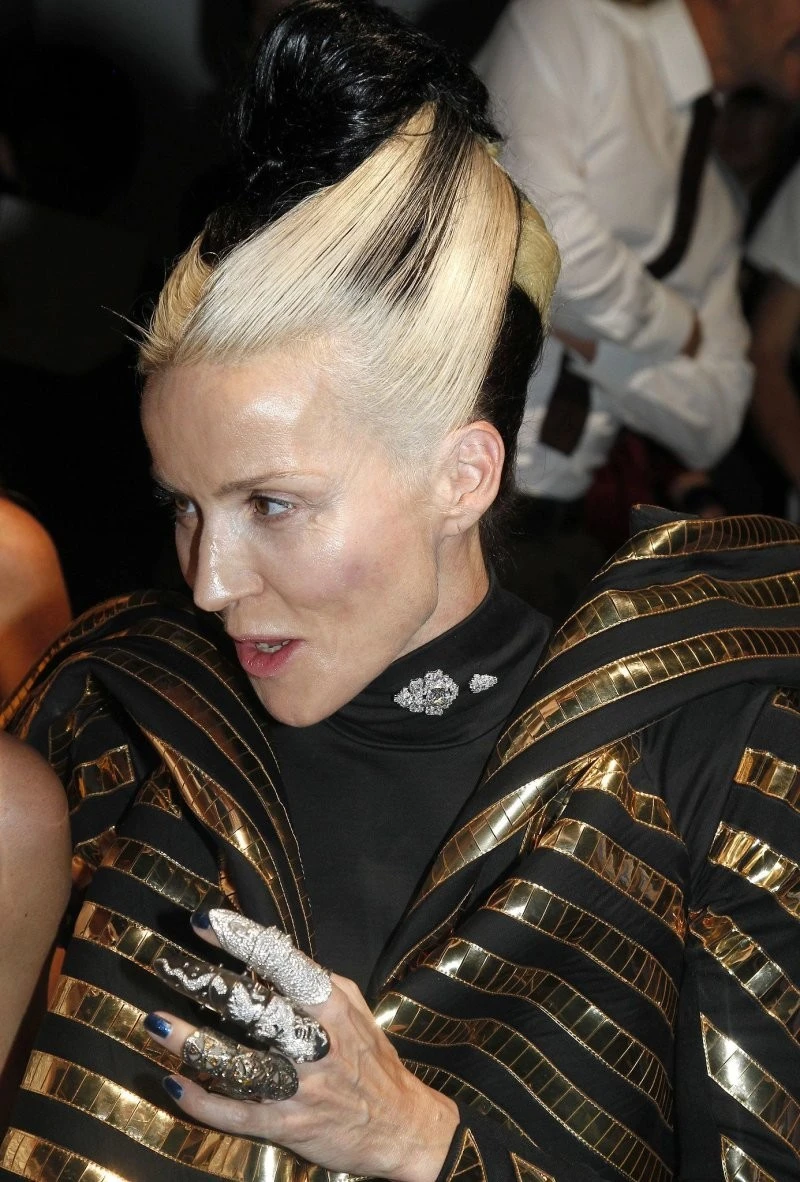
Daphne Guinness is more than just a clothing collector. She's a living archive of avant-garde fashion, a walking work of art, and the main heir to the title of "fashion icon" in a world where that status has been devalued. She doesn't follow rules; she creates them, remaining, despite everything, surprisingly friendly to everyone, from the doorman to the paparazzi.
5. Iris Apfel: The 100-Year-Old Style Dictator 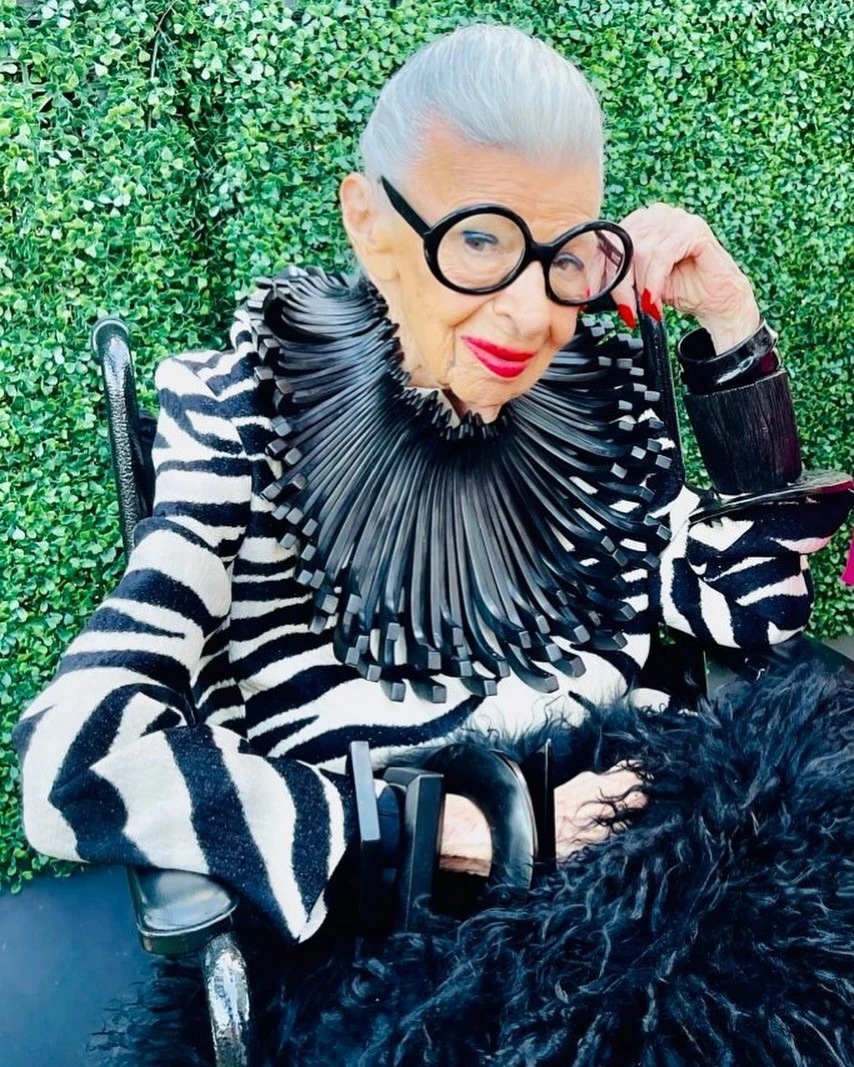
While the world was chasing youth, she turned old age into the most luxurious accessory. This woman is a tycoon, a White House restorer for nine presidents, and a refutation of all fashion dogmas.
Her formula is ingenious: silver bouffant + saucer-sized glasses + coral lipstick + three kilos of bazaar couture jewelry. This image became her uniform and manifesto. 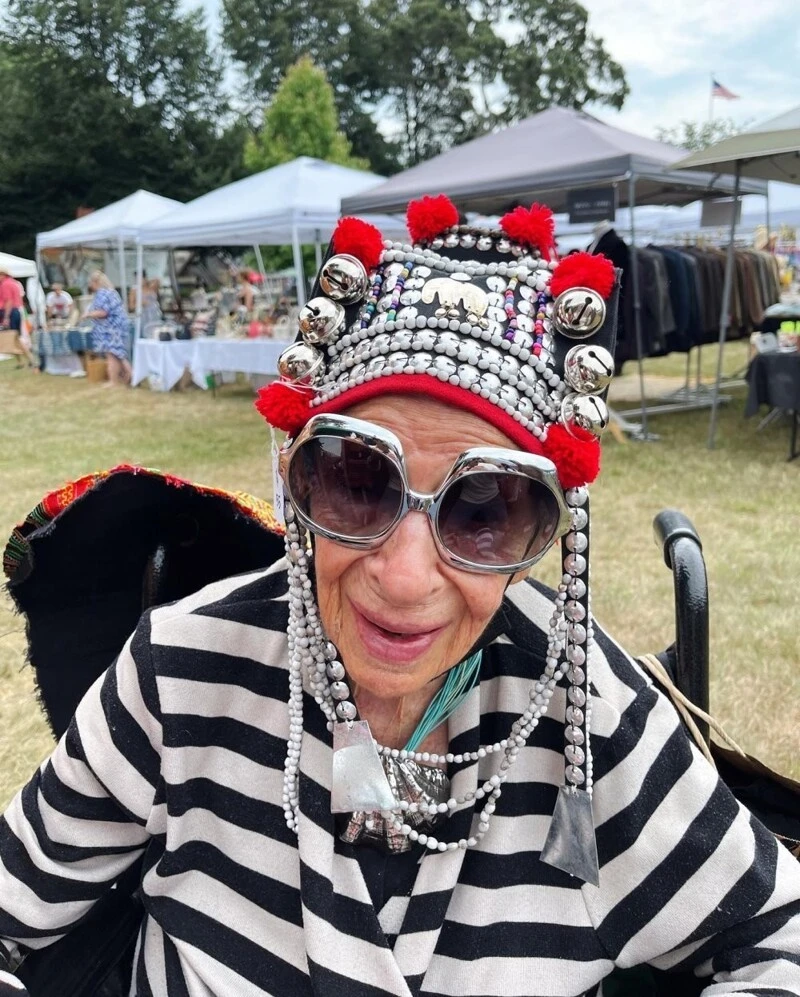
Along with her husband, Karl, she founded Old World Weavers, a company that wove history for America's most influential interiors. But Apfel's main project was herself.
Her philosophy: "Style isn't about perfect proportions. It's about courage, curiosity, and the ability to play." She wore African beads with haute couture, mixing centuries-old lace with flared jeans, proving that true luxury lies in individuality, not price. 
Iris didn't follow trends; she created them, becoming an icon for young people tired of glamorous monotony. Her centenary wasn't the end, but the pinnacle of her career: collaborations with brands, a documentary, and the status of the oldest model in history. 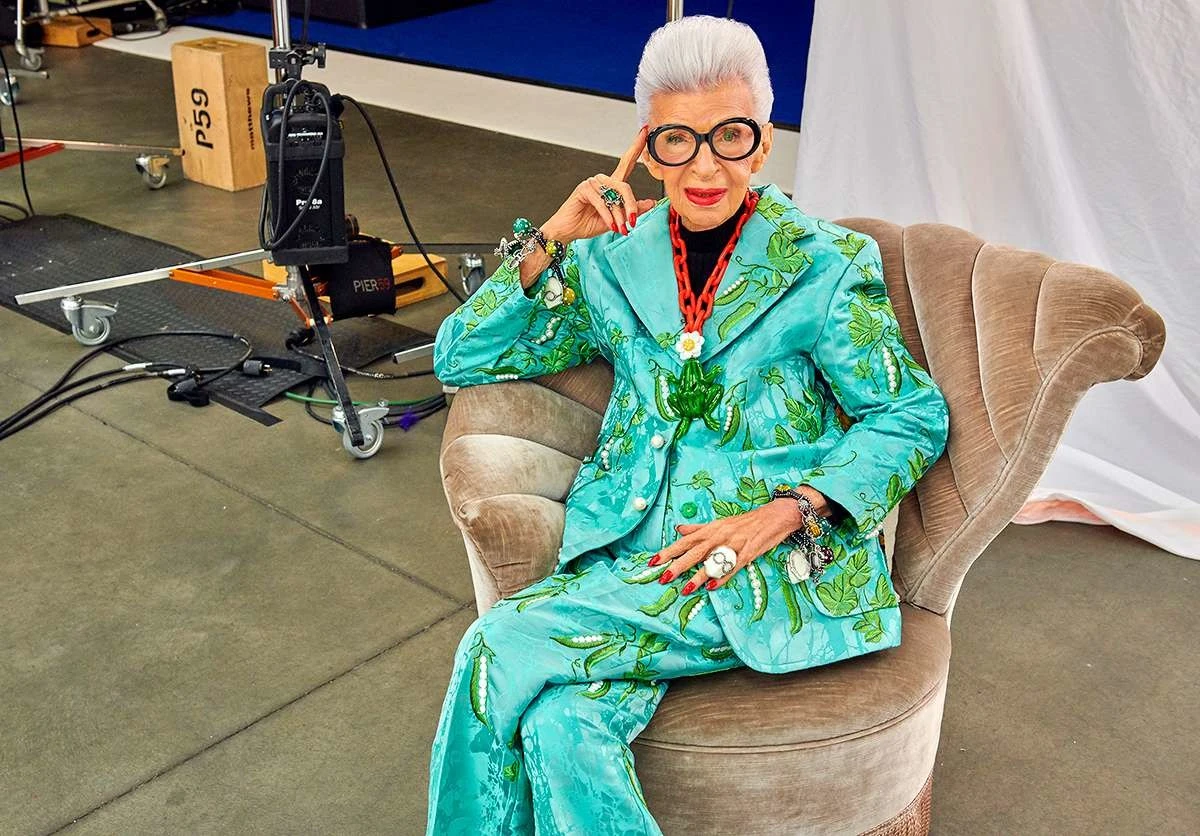
The legacy of Iris, who passed away last spring at the age of 102, lies not in the White House archives, but in a simple truth: style has no expiration date. The main thing is to maintain a zest for life and not be afraid to put on another ring.