What's most important when choosing a dog? Size, color, pedigree, personality? All of these are important, but the most important thing is that your mental health issues match! Yes, for those who didn't know, dogs can also suffer from OCD and ADHD, which are all the rage these days, self-diagnosing them from videos online. But in furry dogs, these are real, uncontrollable quirks that can be quite difficult to live with. 
Ward Number 1. OCD, or Obsessive-Compulsive Disorder
As in humans, canine OCD manifests itself as obsessive behaviors and rituals that are difficult to stop and can be harmful to the dog or others. For example, when a dog licks its paws until they bleed or scratches wounds on its body without apparent reason. OCD also manifests itself as tail-chasing, endless aimless pacing, as if the dog has a broken record, and hyper-fixation on shadows and invisible flies—like the animal snapping its teeth at nothing. 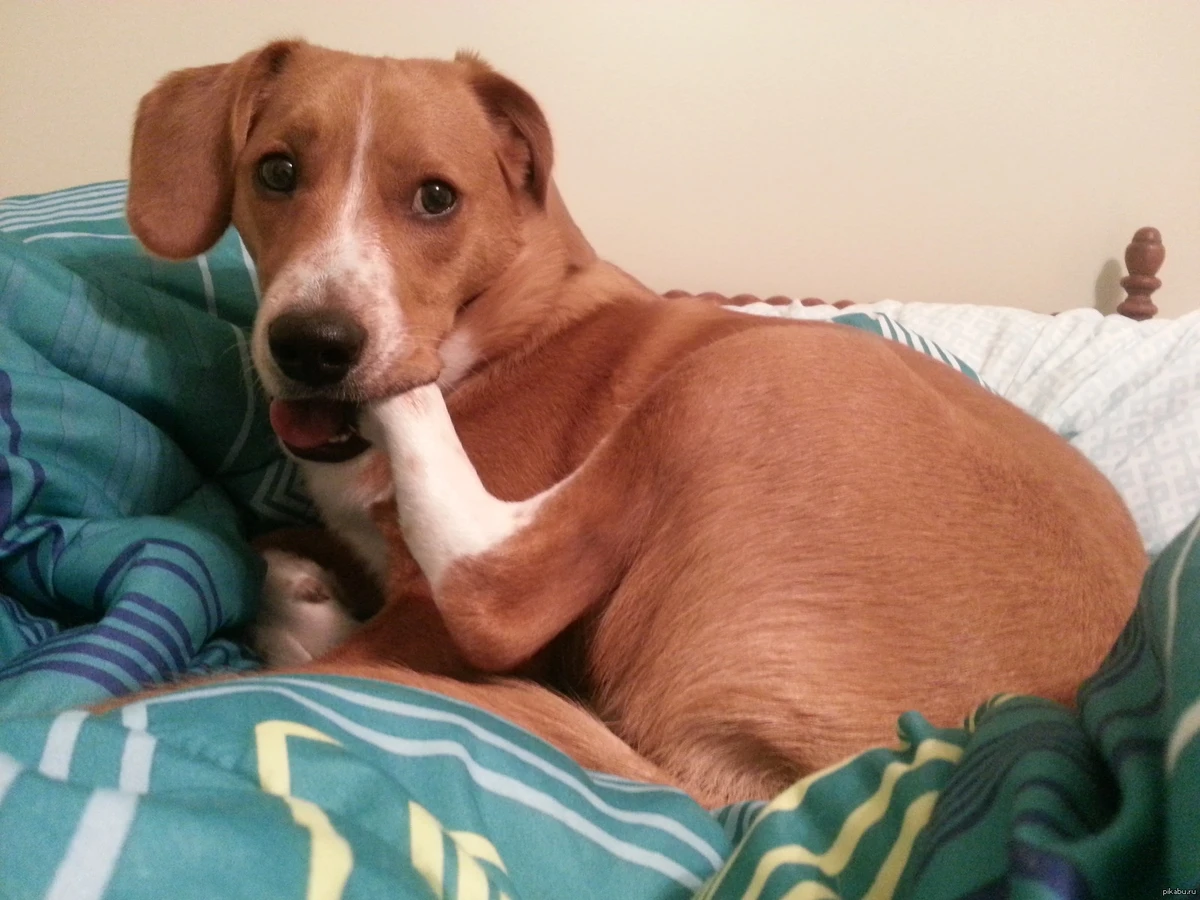
The stupid leg won't obey again.
It's difficult to distract the dog from such rituals, and even if you do, after a while everything starts all over again. OCD can be acquired, and it can be congenital. Dobermans, German Shepherds, Border Collies, Labradors, and Golden Retrievers are genetically predisposed to the disease. 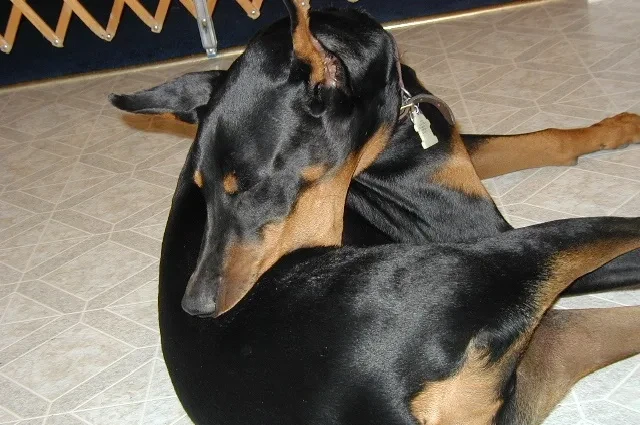
Want a good bite on your side? Do it yourself!
Ward No. 2. ADHD, or Attention Deficit Hyperactivity Disorder
It's often confused with poor training, as these dogs have poor concentration, struggle to complete a single task, and quickly switch tasks. Animals with ADHD have a "fast brain" and react instantly to all stimuli around them. This is partly due to selective breeding. Some tasks require a focused attention span, such as herding a large flock of sheep. Dogs have to: watch over the herd, listen to their owner's commands, and lead the animals to the right place. It's the same with hunting terriers. They tracked game, chased the beast, and never let their owner out of their sight! 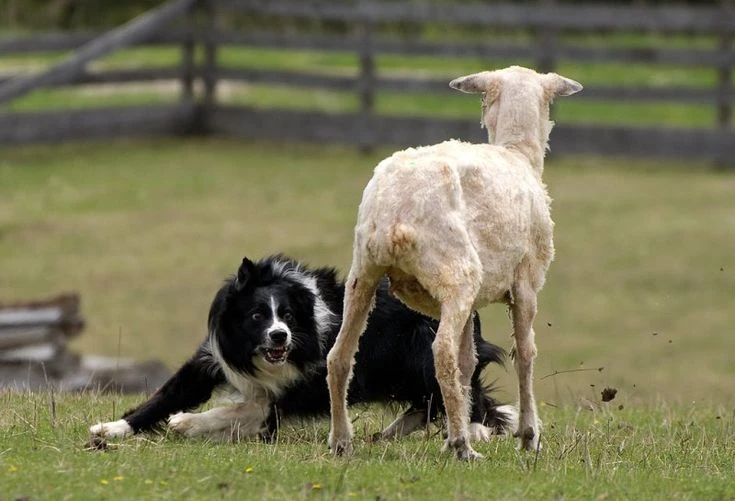
A typical Muscovite: he comes to St. Petersburg and is furious at how slow everyone is here.
Dogs with the fastest cuckoo were prized above all others, and therefore bred more. In the fields and forests, they are ideal workers. But apartment life with such pets turns into pure hell! That's why terriers—Jack Russells, Parson Russells, Jagdterriers, and fox terriers—are currently most prone to this mental disorder, as are herding dogs—Border Collies, Collies, and Aussies. 
You asked me to unfold the sofa? I broke it down into atoms!
A separate category of ADHD sufferers are Huskies. A reactive aboriginal breed bred for speed, these dogs are physically incapable of sitting still; their nature is to sprint through snowdrifts with their tongues hanging out. That's why, if kept in an apartment without proper exercise, they turn the house into a haven of chaos. They just have nowhere to put their excess energy! 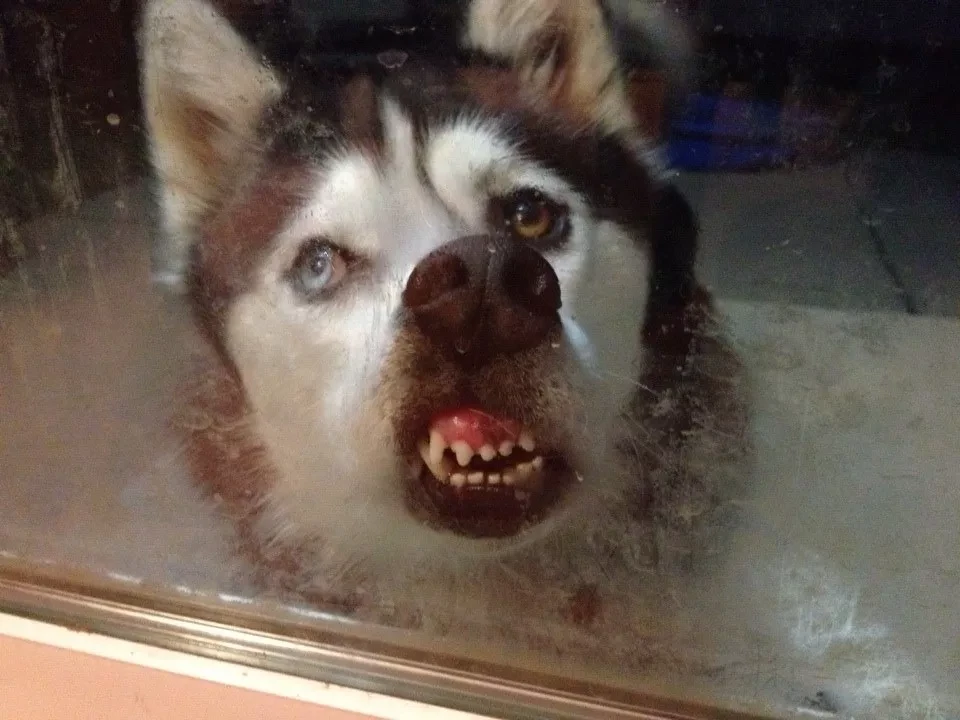
— So, when are we going for a walk? — We were just walking five minutes ago!
Ward No. 3 — Anxiety Disorders
This category includes dog breeds with all sorts of anxiety disorders, such as separation anxiety. These dogs have a hard time being separated from their owners and can't calmly remain home alone. This constant howling, toileting, and destruction of property are often attributed to "not yet used to being alone." 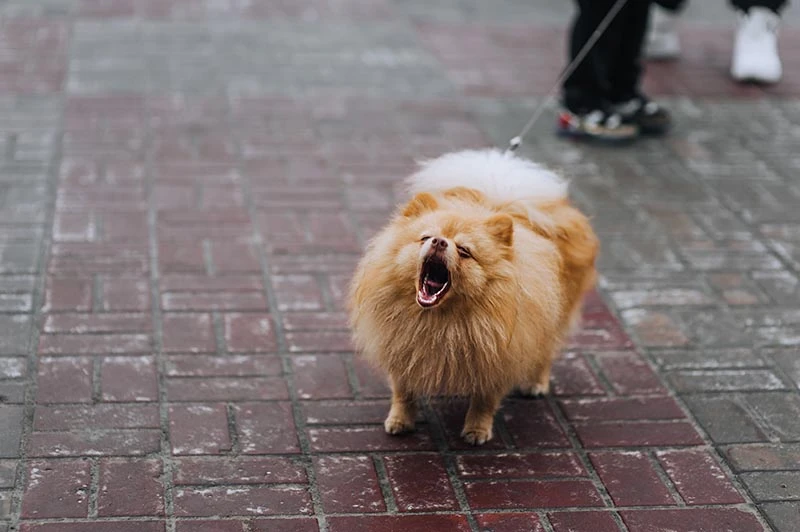
This song is dedicated to the owner who betrayed me (he was gone for 5 minutes).
Anxiety-prone dogs include small decorative breeds such as Pomeranians, Chihuahuas, Yorkies, and Cavalier King Charles Spaniels. In recent decades, they have been bred exclusively as companions, encouraging an insane attachment to humans. As a result, the dog cannot be left alone. 
When I cried until 4 a.m. and thought no one would notice.
Ward No. 4 – Impulsive Aggression
It's best not to just walk in here. The dogs in this ward can deliver a very painful bite. Patients can be irritated by anything, and their reaction to the stimulus is lightning fast. This disorder is often confused with a bad temper and "dominance" because it manifests itself in violent outbursts of anger, lashing out, and biting. These dogs offer no warning: they don't growl, bare their teeth, or make feints. They attack immediately. Some primitive aboriginal breeds are prone to uncontrollable fits of anger: Chow Chows, Akitas, Shiba Inus, Caucasian Shepherds, Tibetan Mastiffs, and Alabai. These are dogs bred to make independent decisions about protecting their home and owner. If a person isn't an authority figure for a representative of these breeds, the dog will decide for itself who needs to be protected and how. 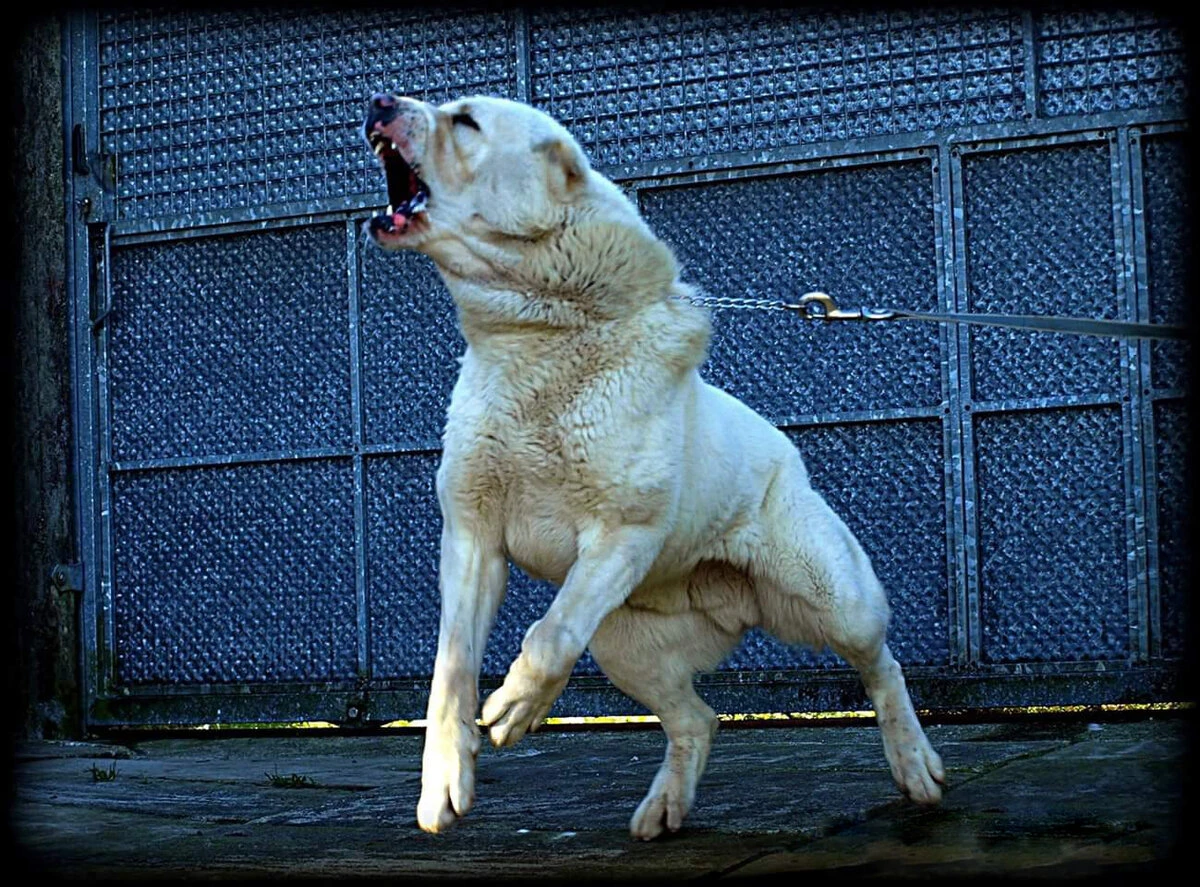
This pole looks really menacing! Let me give it a whack!
Service breeds can also make holes in someone. Dobermans, Rottweilers, Malinois, German Shepherds. These dogs were specifically bred to catch and bite people. Without proper training, socialization, and obedience, these breeds can exhibit protective tendencies where they are not needed. 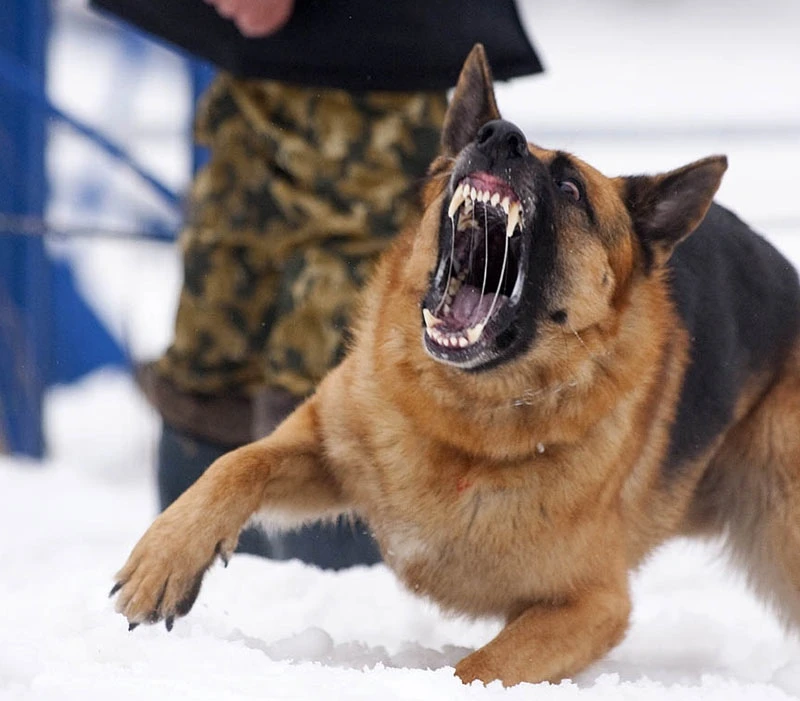
I don't understand why anyone would want a crocodile as a pet?
Another category of vicious dogs are bull-type dogs: English, French, and American bulldogs, bull terriers, American bullies, and pit bull terriers. These breeds are indifferent and even friendly toward people, but other animals can irritate them. 
Bull-type dogs play quite harshly with each other: their jaws are powerful and their pain threshold is high. Therefore, playing with these breeds can be dangerous for other dogs. Bulldogs can miscalculate their strength in the heat of the moment.
Originally, they were bred for spectacular fights. Bulldogs would enter the bull ring and bring down the giant beast. Bull terriers would squabble with their own kind. After decades of selective breeding, the function of these dogs changed—they became companions. However, their innate hostility and malice toward other animals can surface at any moment. It all depends on the dog's genes, personality, and upbringing. 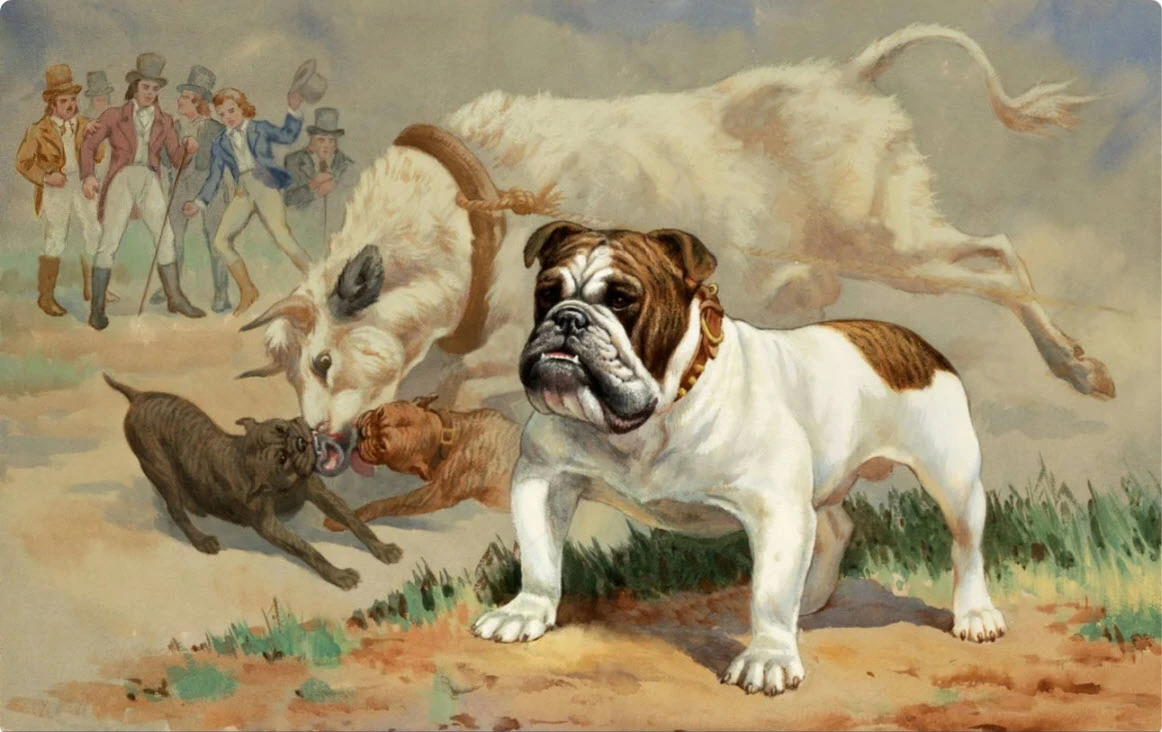
The word "bulldog" itself translates as "bull dog." In the 18th and 19th centuries, people were amused by cruel games in which a dog would knock a bull down by biting its muzzle.
Ward No. 5 - Sensory Hypersensitivity
There are no specific breeds in this category. And the problem itself seems trivial. Sensory hypersensitivity often seems harmless: "So what, he's afraid of thunder." But it is precisely this that becomes the breeding ground for previous disorders: OCD, ADHD, anxiety, and impulsive aggression. When the nervous system is constantly overloaded, the dog has nowhere to release the tension. This results in panic, fixation, or sudden outbursts of aggression. 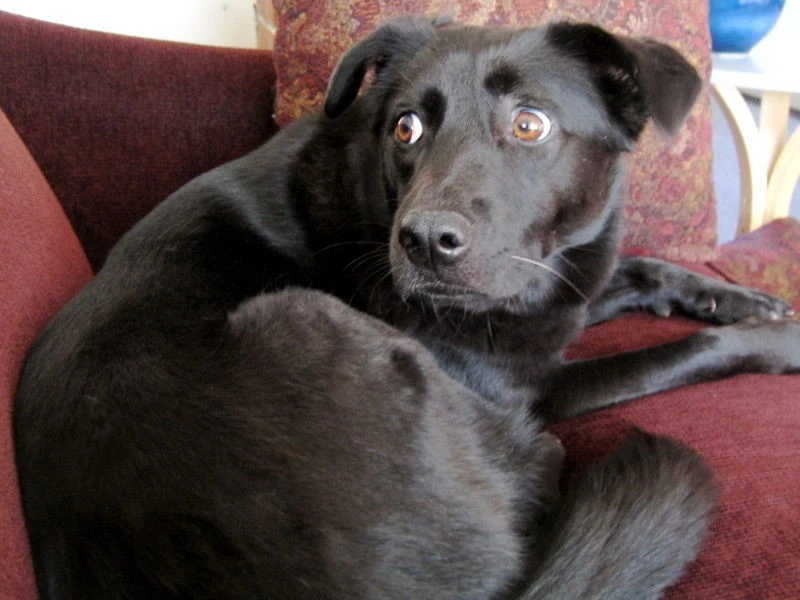
I'm not a coward, but I'm afraid.
Such dogs are easily broken by yelling, harsh training, and punishment, ultimately turning sensory sensitivity into chronic anxiety. Therefore, if you have a mutt who flinches at every sound, it's possible that it's not just a personality trait, but an overly sensitive nervous system that you'll have to live with carefully.
Add your comment
You might be interested in:














20 Personal Photos of Celebrities That Ooze Vintage

Protective film Removing it with a power screwdriver

Precision carpentry

Global Sex Symbol: Rare Photos of Monica Bellucci (26

Straight Out of the '80s: Band Posters No One Would Ever
Animal Paws and Claws: 50 Photos That Will Surprise Even

When a child plays hide-and-seek at a professional level

America's Cheese Caves: How and Why the US Government

Fascinating Facts to Blow Your Mind (10 Photos)
