Artificial sweeteners in Diet Coke and chewing gum are harmful to the heart and brain (4 photos)
New research suggests that frequent consumption of carbonated drinks with artificial sweeteners may increase the risk of heart and brain damage. Aspartame has long been linked to various health problems, including cancer, high blood pressure, and stroke. 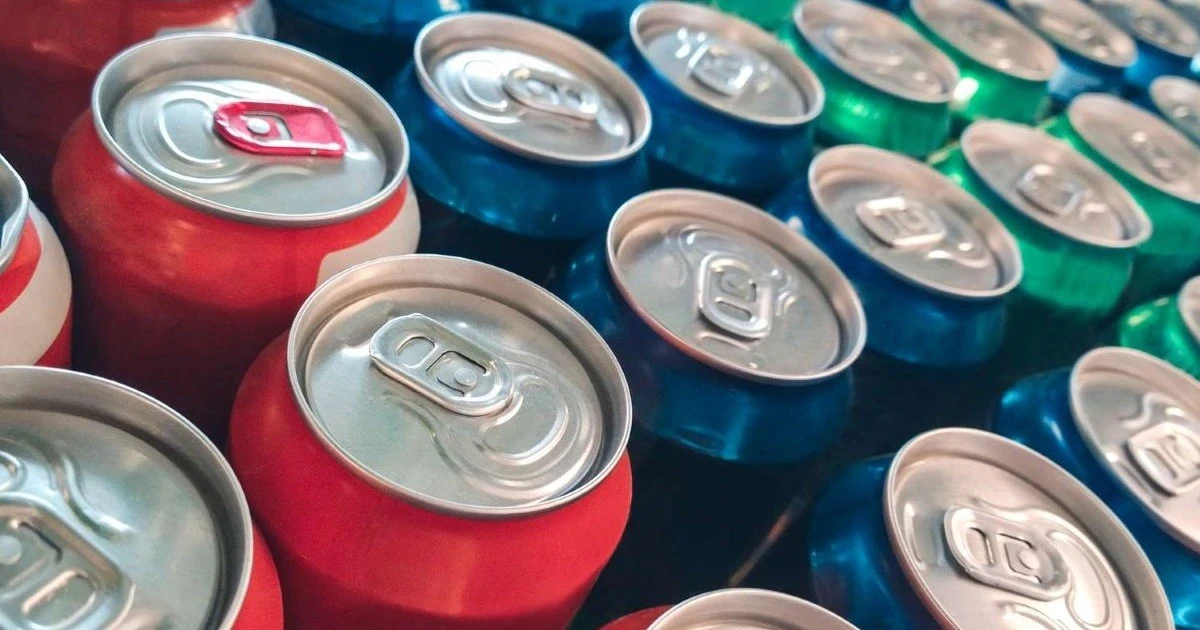
Spanish scientists warn that aspartame accelerates the aging of the brain and heart.
Experiments on mice have shown that regular aspartame consumption—about three servings every two weeks—increases the risk of cardiac hypertrophy by 20%. This is a condition in which the heart muscle thickens. Furthermore, the test animals experienced an accelerated decline in cognitive abilities.
It was also noted that the animals' body fat content decreased by approximately a fifth.
In an article published in the journal Biomedicine and Pharmacotherapy, researchers from the San Sebastian Collaborative Research Center for Biomaterials called for a review of current recommendations for aspartame consumption. 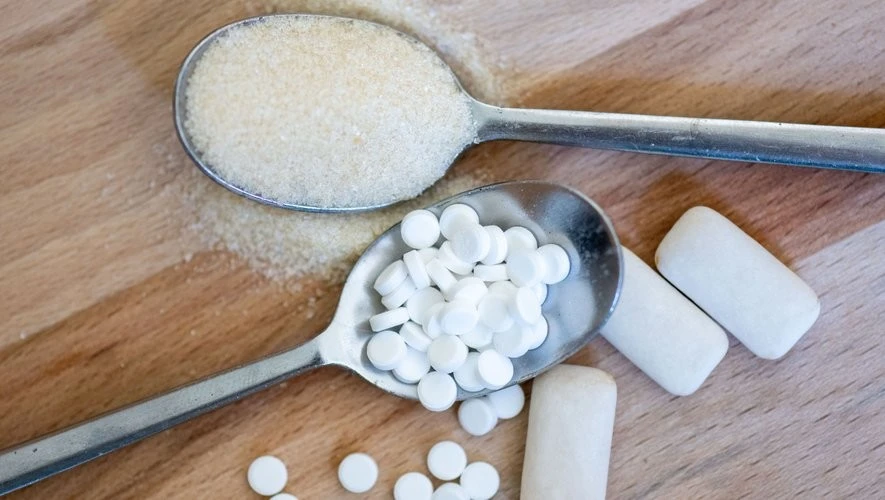
"Aspartame does reduce the weight of mice by 20%. However, this occurs at the expense of cardiac hypertrophy and cognitive impairment. These data indicate that aspartame in permitted quantities can negatively impact the functioning of major organs." "Therefore, it is worth reconsidering safe doses for humans," the experts explain.
Mice were given the sweetener at a dose of 7 mg per kilogram of body weight. Aspartame was administered for three consecutive days every two weeks.
For comparison, the World Health Organization, the European Medicines Agency, and the US Food and Drug Administration recommend that people consume no more than 50 mg per kilogram of body weight per day. 
Over the course of a year, the mice showed a decrease in cardiac output in both ventricles: by 26% in the left and 20% in the right.
The researchers also noted a 25% decrease in the curvature of the interventricular septum—the thick muscular wall separating the right and left ventricles of the heart.
The subjects were noted to have "signs of altered neurobehavioral function" and "possible pathophysiological changes in the brain."
The International Sweetener Manufacturers Association (ISA) cautions against jumping to conclusions, emphasizing that the study's findings cannot be automatically applied to humans.
Laurent Auger, head of the ISA, noted in an interview with the Daily Mail: "Key physiological differences between humans and mice, including metabolism, lifespan, cardiac function, and brain energy use, limit the relevance of the study's findings."
"Interestingly, the reduction in weight and fat mass in mice contradicts the results of human clinical studies, which show that aspartame and other low-calorie sweeteners alone have no effect on weight."
"Older mice showed cardiac and neurobehavioral changes, making it difficult to separate the effects of aspartame from natural aging."
"Aspartame has been the subject of numerous scientific studies, thoroughly examined, and approved by global food safety authorities." 
Concerns have previously been raised about a possible link between artificial sweeteners and cancer.
In 2023, the World Health Organization declared aspartame "possibly carcinogenic to humans." However, the UN agency stated that the risk is associated with excessive consumption. An adult weighing approximately 70 kg (155 lbs) can safely drink up to 14 cans of diet soda per day.