Superhuman on 60 Grams of Cabbage: Debunking the Kimchi Hype (4 photos + 1 video)
The other day, I came across some interesting news that regularly eating sixty grams of kimchi can literally make you superhuman. It's incredibly healthy. Well, let's find out if that's true. 
Kimchi is a traditional Korean dish made from fermented Chinese cabbage with red pepper, garlic, ginger, and other spices. It truly has a multitude of health benefits thanks to the lactic acid fermentation process. It's full of probiotics, vitamins, antioxidants, and fiber. Koreans eat it daily, and for good reason: research in recent years confirms that moderate kimchi consumption has positive health effects. 
For example, recent clinical trials have shown that kimchi helps regulate the immune system. Probiotics stimulate the body's immune cells while reducing excess inflammation. This is especially beneficial during cold and flu season and for chronic inflammatory conditions.
There's also good news for the cardiovascular system: regular kimchi consumption is associated with lower cholesterol, triglyceride, and blood pressure levels. Antioxidants and potassium from the vegetable help maintain vascular health, despite the dish's rather salty nature. 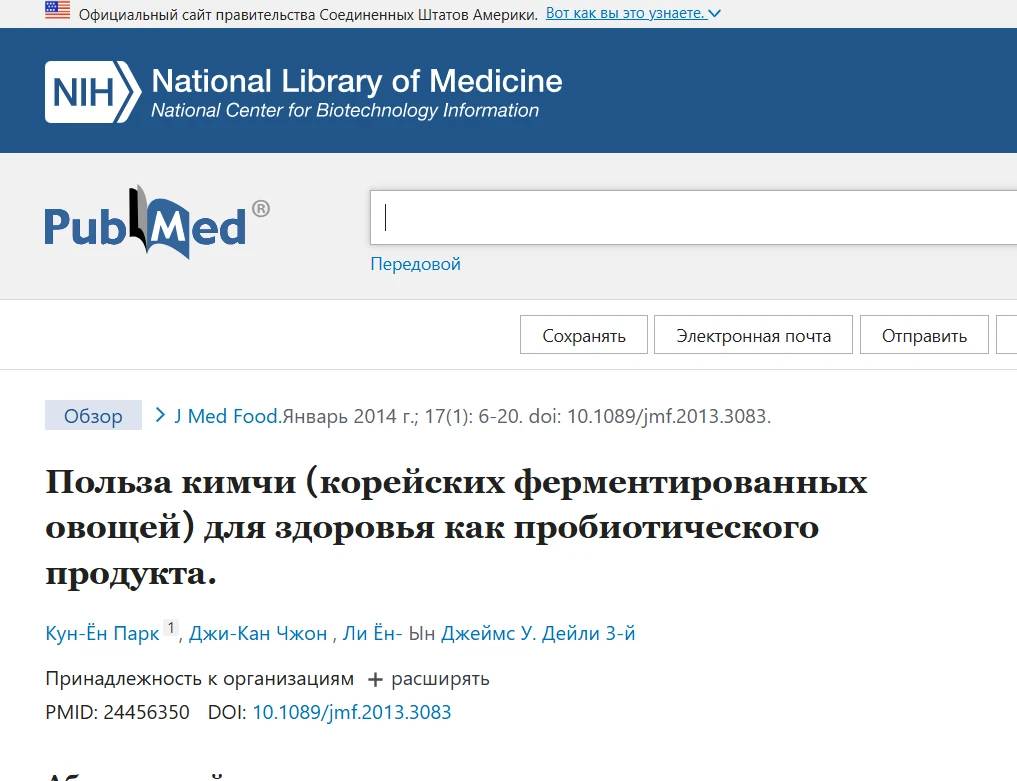
Kimchi is rich in vitamins B, C, and K1, as well as fiber, which is beneficial for digestion and bone health. Some studies note that people who regularly include kimchi in their diets have better weight control due to improved metabolism and reduced fat mass.
If anyone is interested, here's an original kimchi recipe from the Koreans themselves.
However, consuming 60 grams a day, unfortunately, won't make you a superhuman. The effects are real, but moderate and cumulative. They manifest themselves with regular consumption as part of a balanced diet, not as a magic pill. It's also important not to overdo it: due to the salt, experts recommend limiting yourself to 100 grams per day, and beginners should start with smaller portions.
So, yes, kimchi is a great and tasty addition to the diet, but it's not a panacea.

By the way, our sauerkraut offers almost the same benefits: the same probiotics, vitamins, and effects on the immune system, heart, and gut health, just without the hot spices and with a smaller variety of antioxidants. The main thing is to choose live, unpasteurized cabbage and eat it in moderation.