Muiderslot Castle, where the paths of counts, poets, and ghosts converged (24 photos)
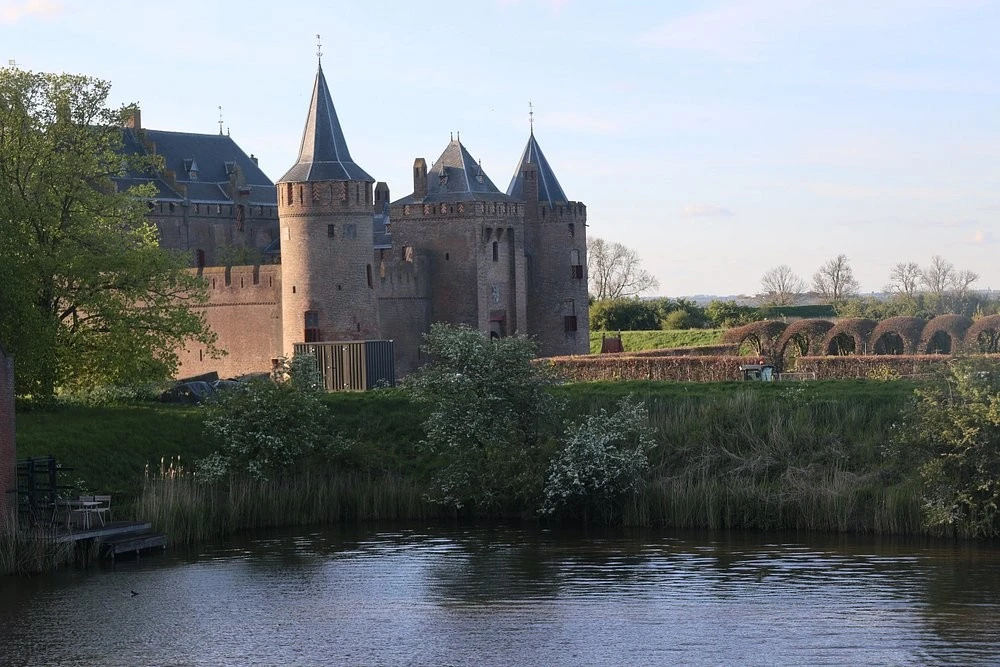
Just a few kilometers from Amsterdam stands one of the best-preserved medieval castles in the Netherlands. Behind its impenetrable walls lies a history of power, betrayal, brutal justice, and restless souls. 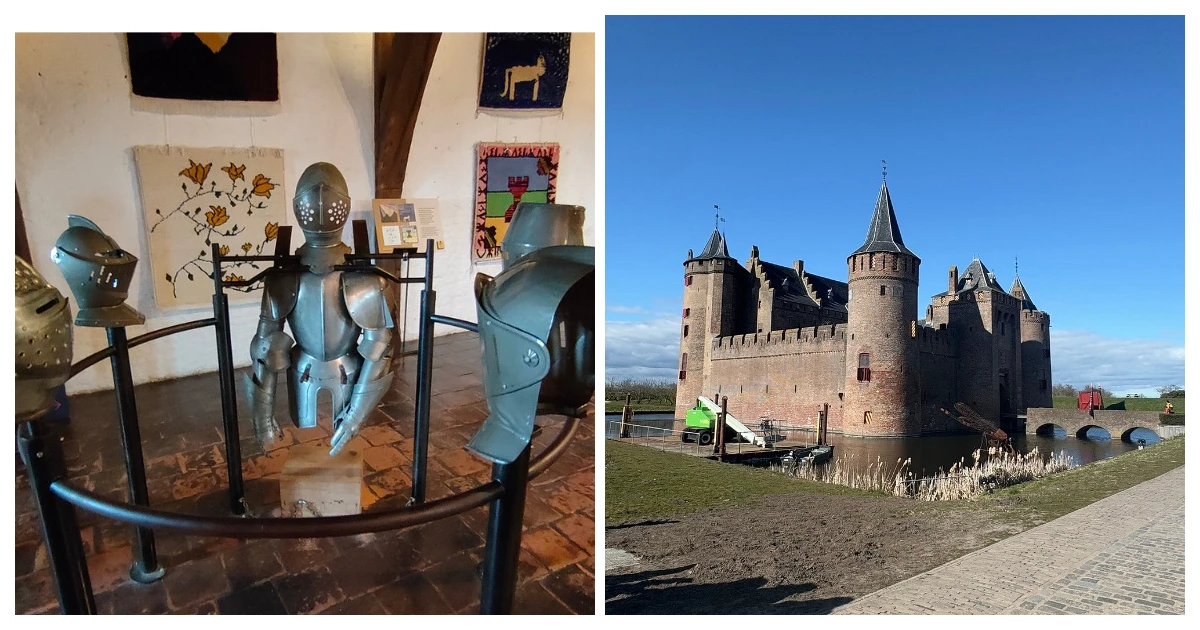
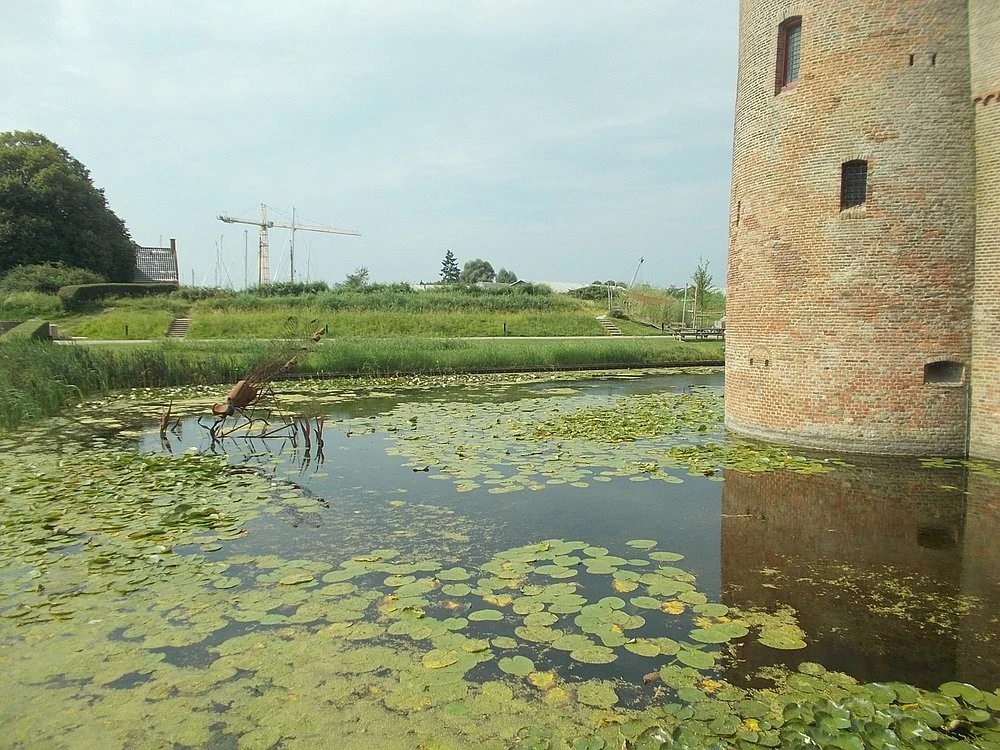
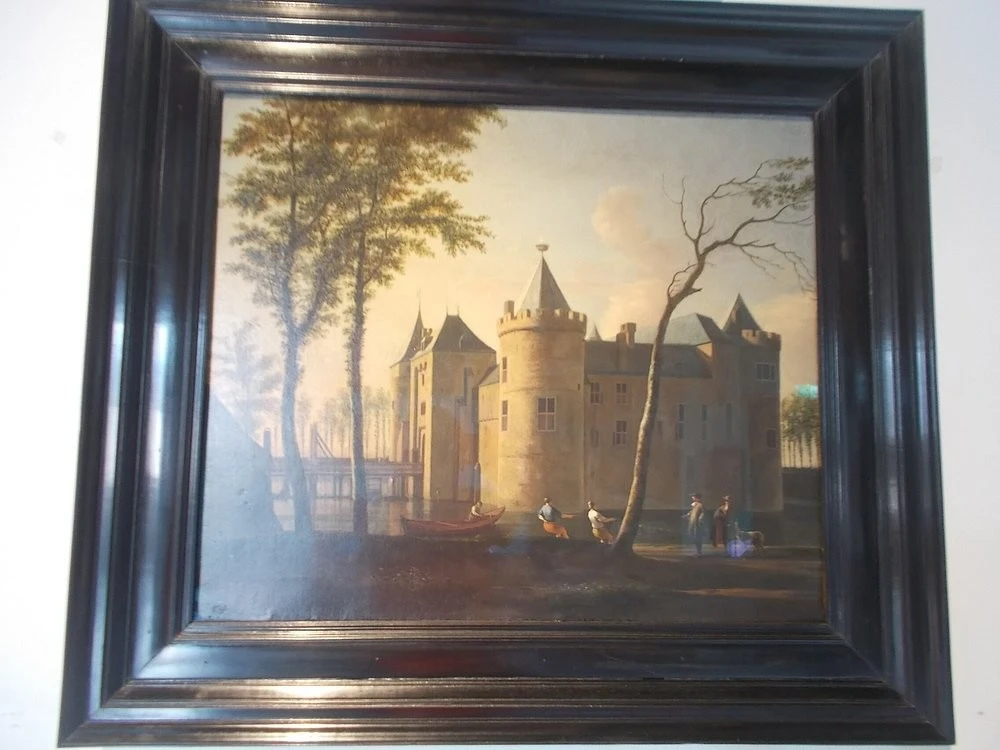
Count Floris V commissioned the stone fortress around 1280 to control the mouth of the Vecht River. Today, it is known as Muiderslot Castle, one of the best-preserved castles in the Netherlands. A visit offers a glimpse into the seven-hundred-year history of the castle and its inhabitants. 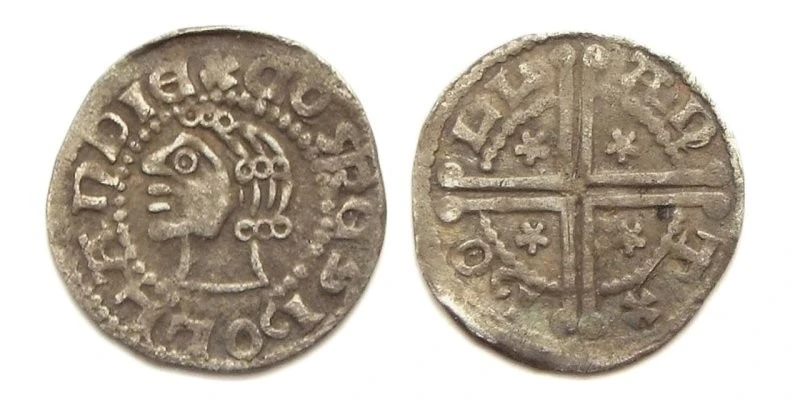
Image on a coin of Floris V
Count Floris V had many admirers, but he also had plenty of enemies. Among them was the Bishop of Utrecht, Willem van Mechelen, who considered the count's castle an eyesore. The Muiderslot not only protected the river, but also allowed Floris to collect tolls from all who entered "his" waters. In 1296, while hunting, the count was overthrown by his own nobles and imprisoned in his own castle. Was this an order from the bishop, or did the conspirators have their own motives? Floris was very popular with the common people, and when news of his capture spread, a rebellion broke out. 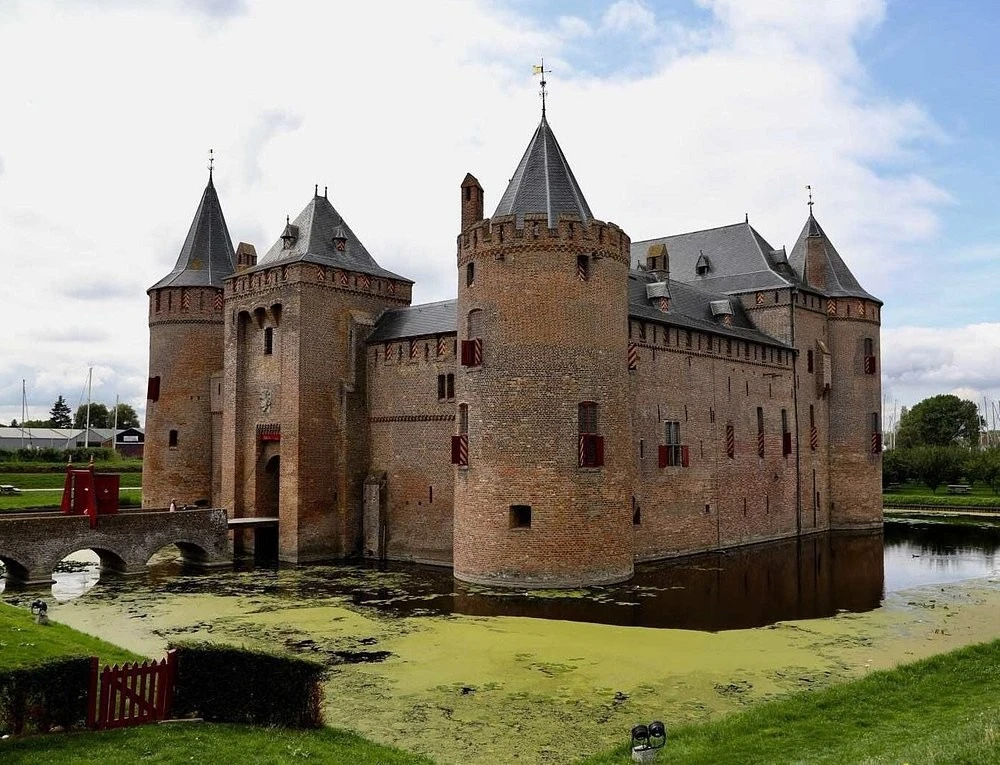
Five days later, the nobles fled with the captive count to Utrecht. Floris attempted to escape, but his horse slipped in the water. One of the nobles, Gerard van Veleen, cowardly stabbed the count to death. After Floris's death, the Bishop of Utrecht immediately stormed the castle with the intention of razing it to the ground. Fortunately, the castle remained standing, although seriously damaged. Floris had no successor, as his young son Jan was being raised in England.
A True Defensive Fortress 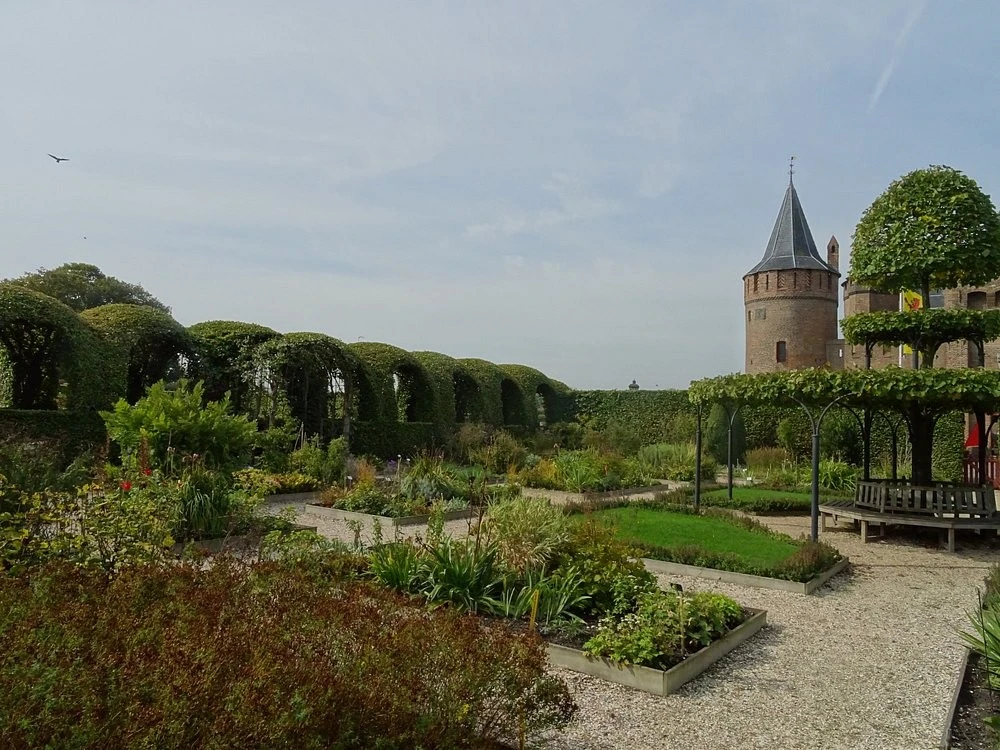
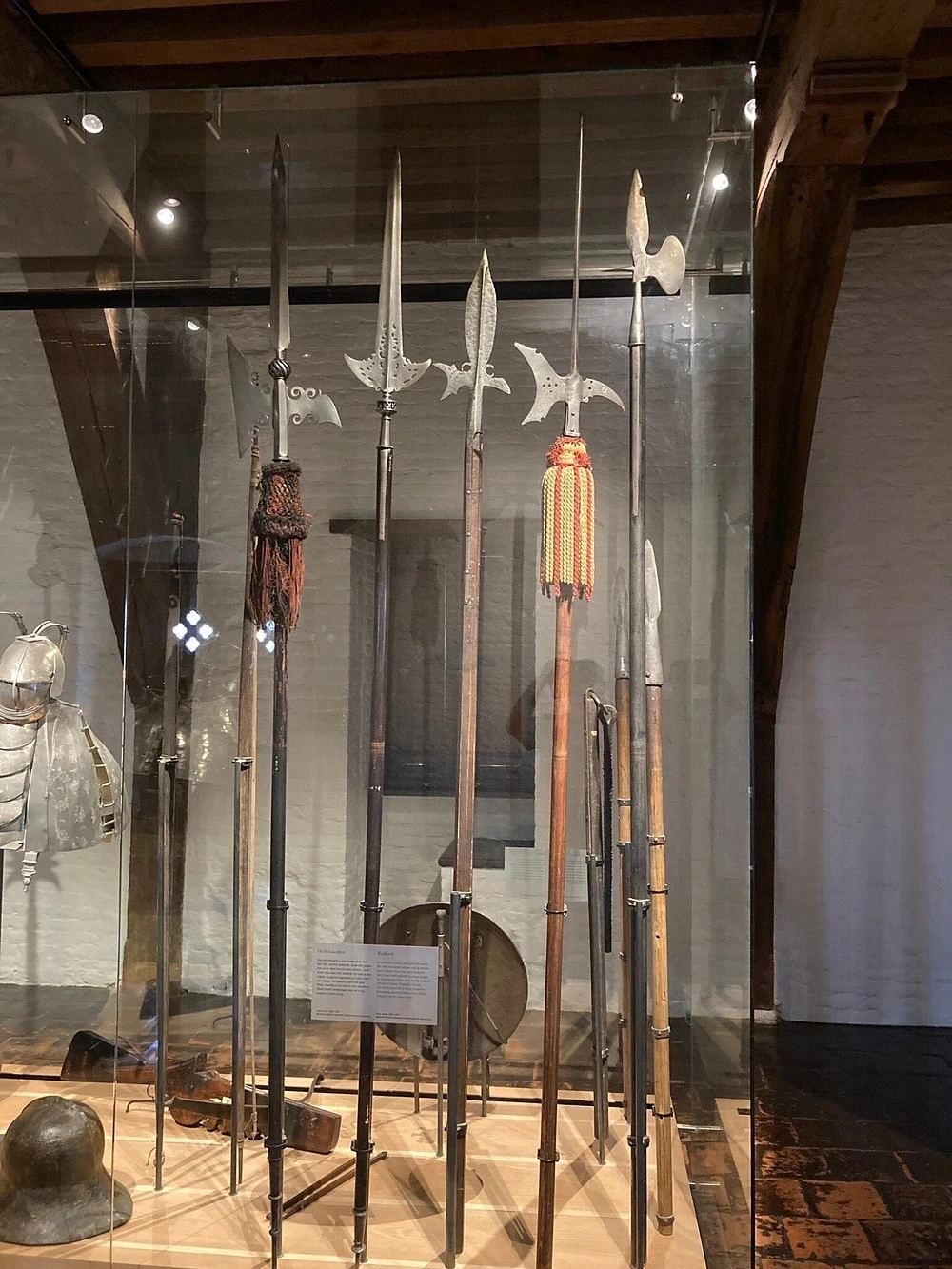
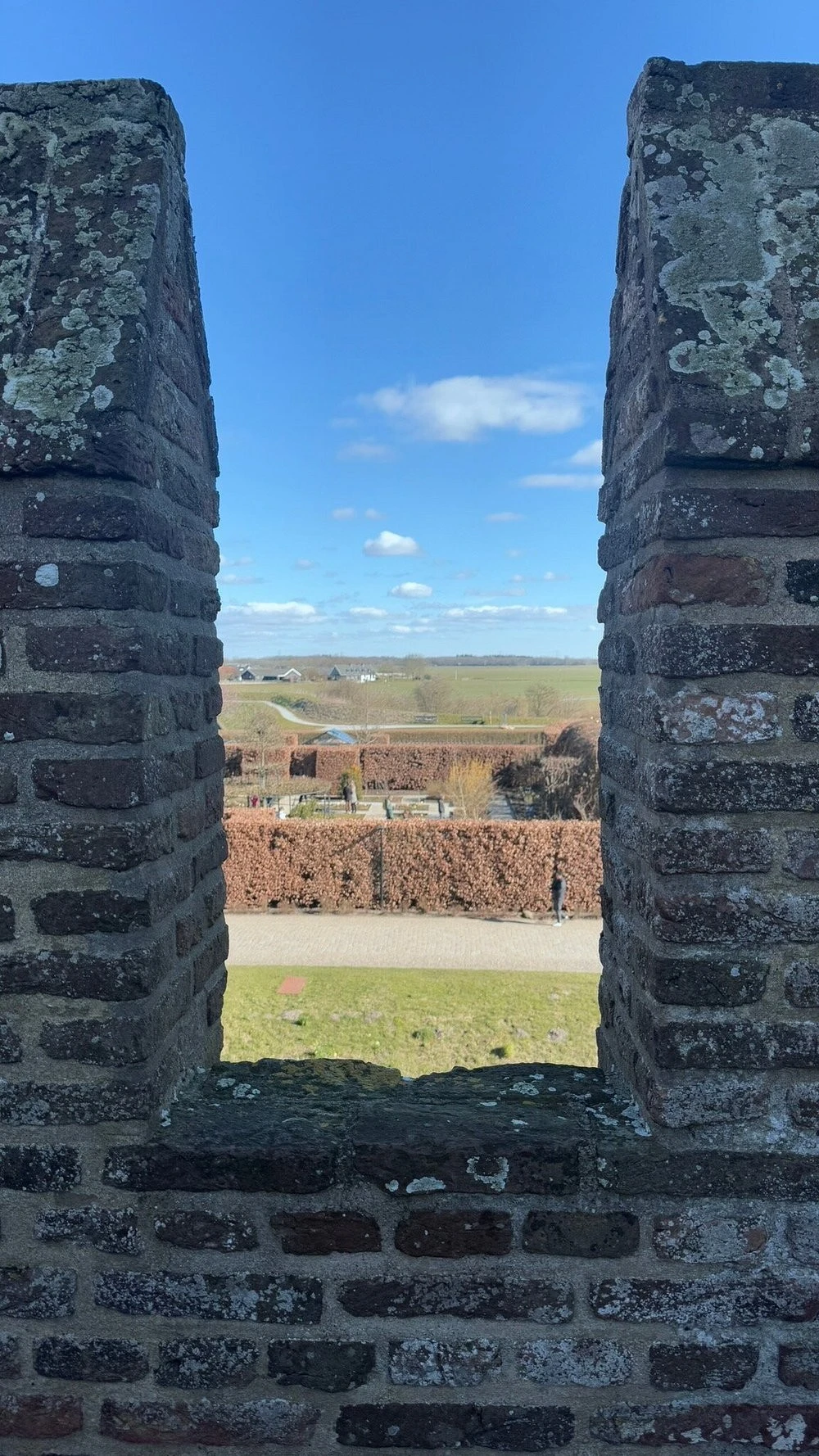
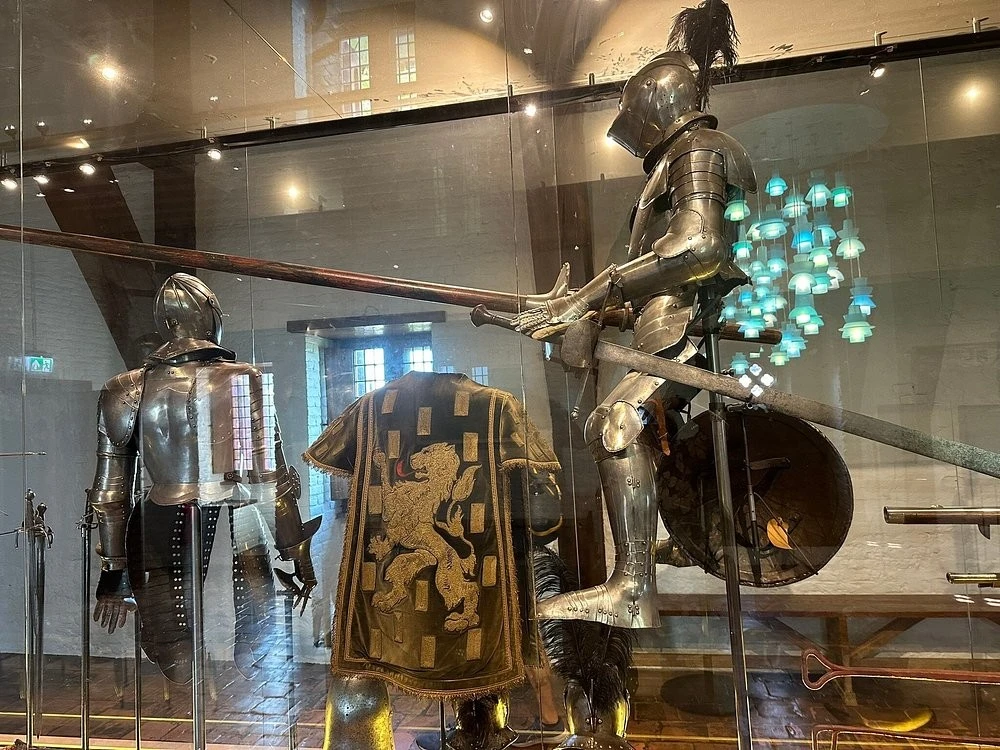
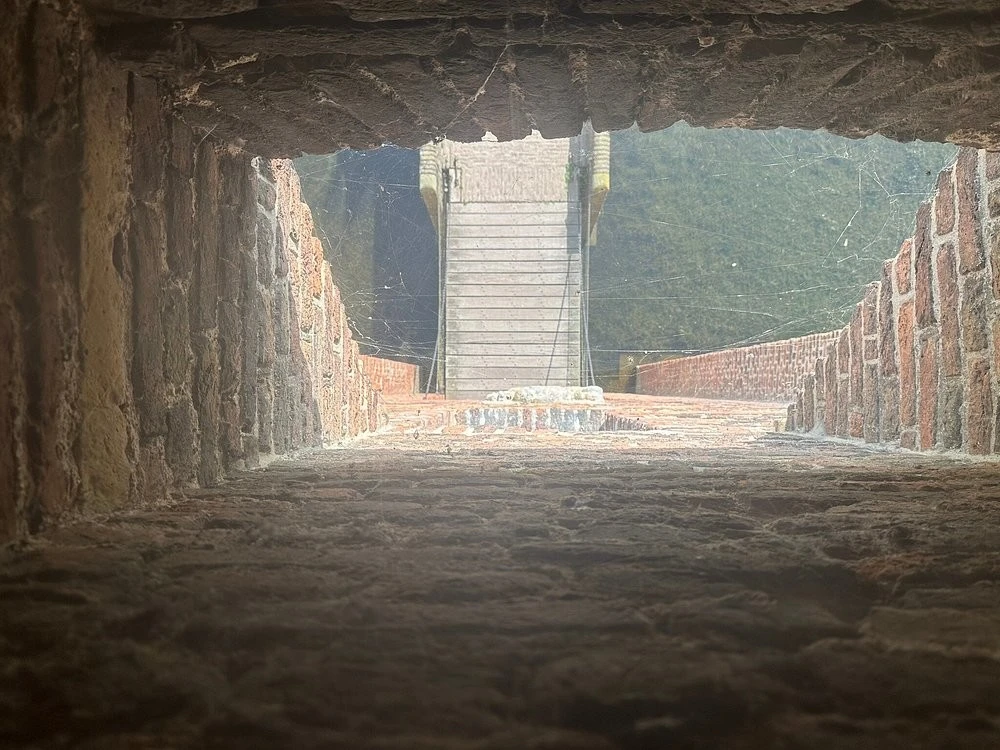
Eighty years later, the castle was restored, preserving its original defensive function. Forty-eight loopholes were cut into the walls. Soldiers could launch surprise attacks from above on unsuspecting enemies, dousing them with boiling oil, tar, and stones. Cavalry and infantry storming the castle had no chance: they were visible from afar. The fortress could only be approached via a drawbridge.
Justice and Retribution 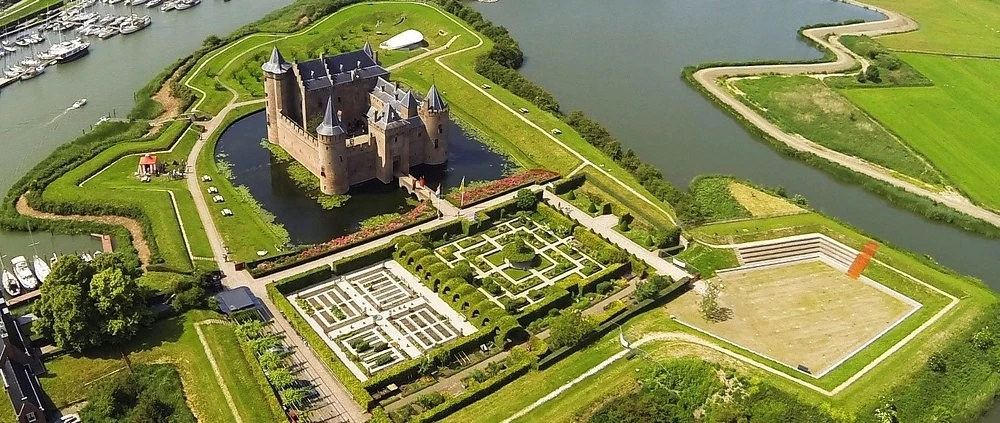
Besides serving as a defensive structure, Muiderslot served as the residence of the castle steward, who also served as a judge. This meant that justice was dispensed right within the castle. The nobles who captured and murdered Floris V were punished with merciless cruelty in Muiderslot. After torture, they were beheaded in the castle courtyard.
A Famous Tenant 
Pieter Corneliszoon Hooft – Dutch poet and playwright, one of the most typical representatives of the literary Renaissance ("golden age") during the era of merchant capital.
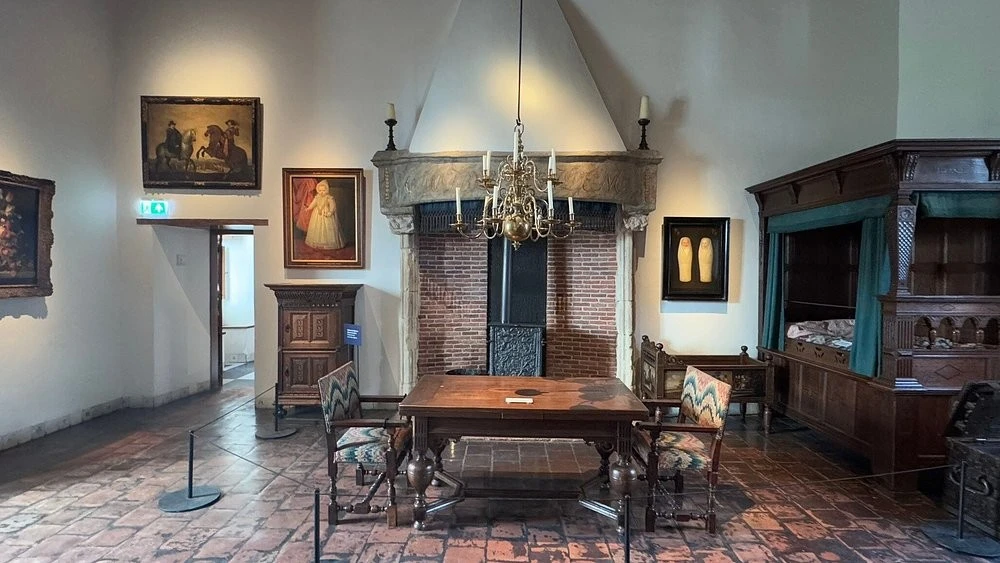
From 1280 to 1795, the castle had fifty-five administrators. After 1795, the castle lost its judicial and residential functions, and subsequent curators were, in effect, museum directors. However, even before that, people who did not hold official positions lived here. One such resident was the famous writer and poet Pieter Hooft. He lived in Muidersloot for thirty-eight years, until his death in 1647. It was here in 1613 that Hooft wrote his tragedy "Gerard van Weeleen." He was deeply moved by the murder of Floris V and decided to create a play on the subject, using historical songs, among other things, so the information was not always reliable. Nevertheless, this work has survived to this day.
Ghosts of Muidersloot 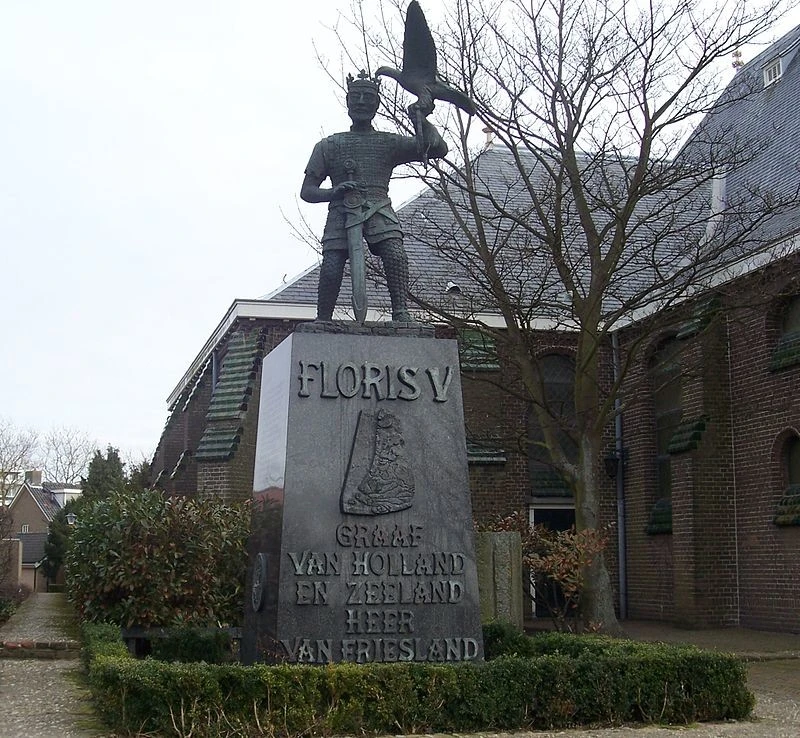
Monument to the Count in Katwijk
Pieter Hooft claimed to have seen the spirit of Floris V several times during his years in the castle. The ghost wandered restlessly from room to room, as if searching for something, and appeared very sad. 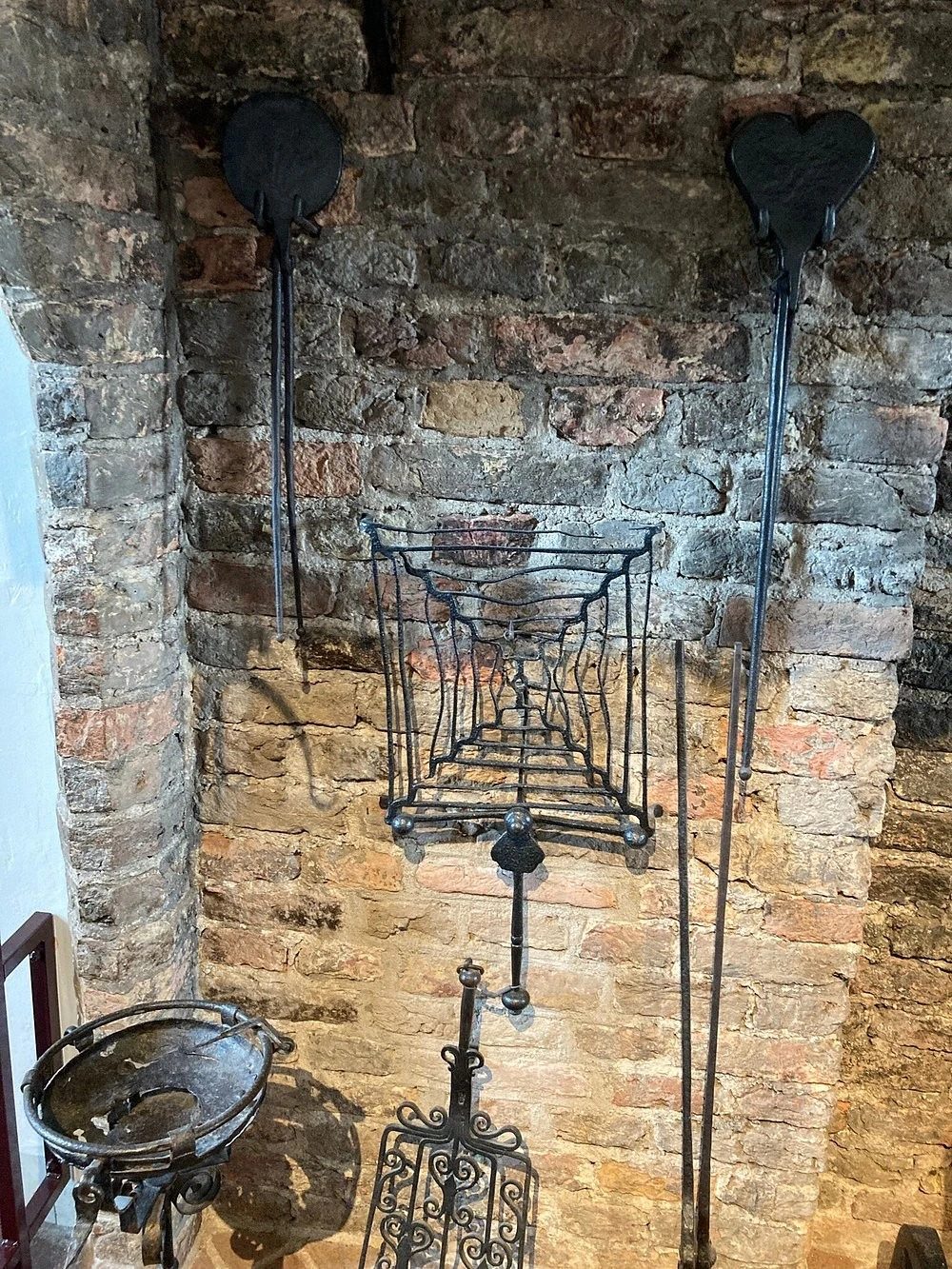
Furthermore, a laughing Englishman roams the dark corridors of the castle. He means no harm, but he really scares people. A ghost with a blue hand has also long haunted the castle. The history of this blue hand is unknown, but it is believed that this man is doomed to wander the halls of the castle for eternity for a monstrous betrayal. And how many tormented souls still wander the dungeons? It is said that dark silhouettes have been seen, touches felt, and whispers heard in the empty rooms. 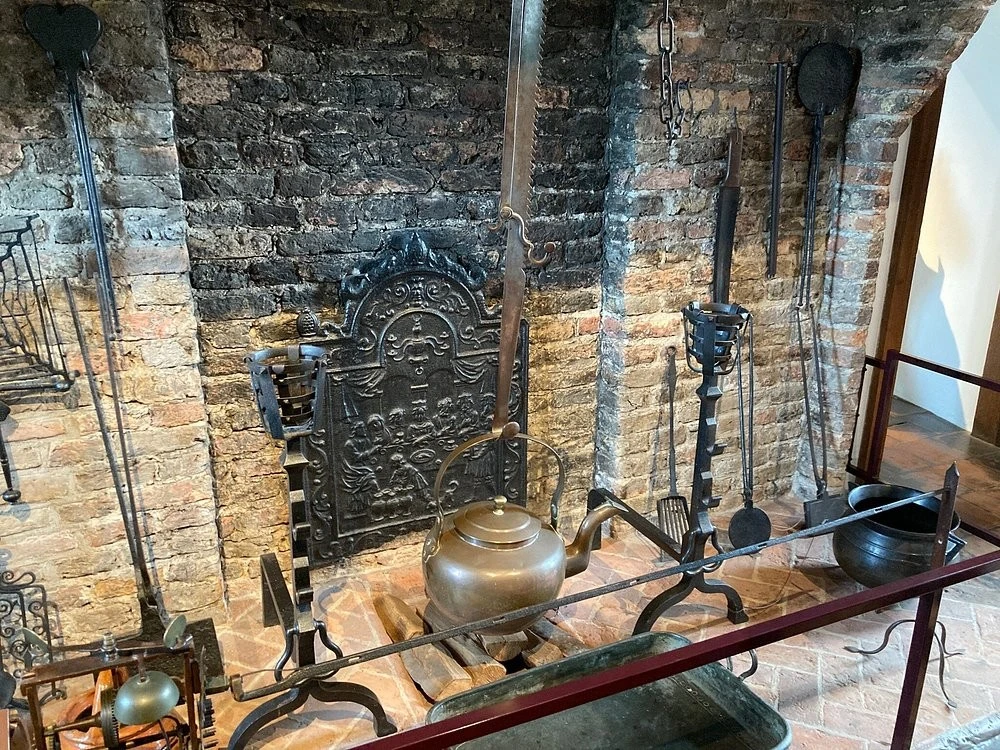
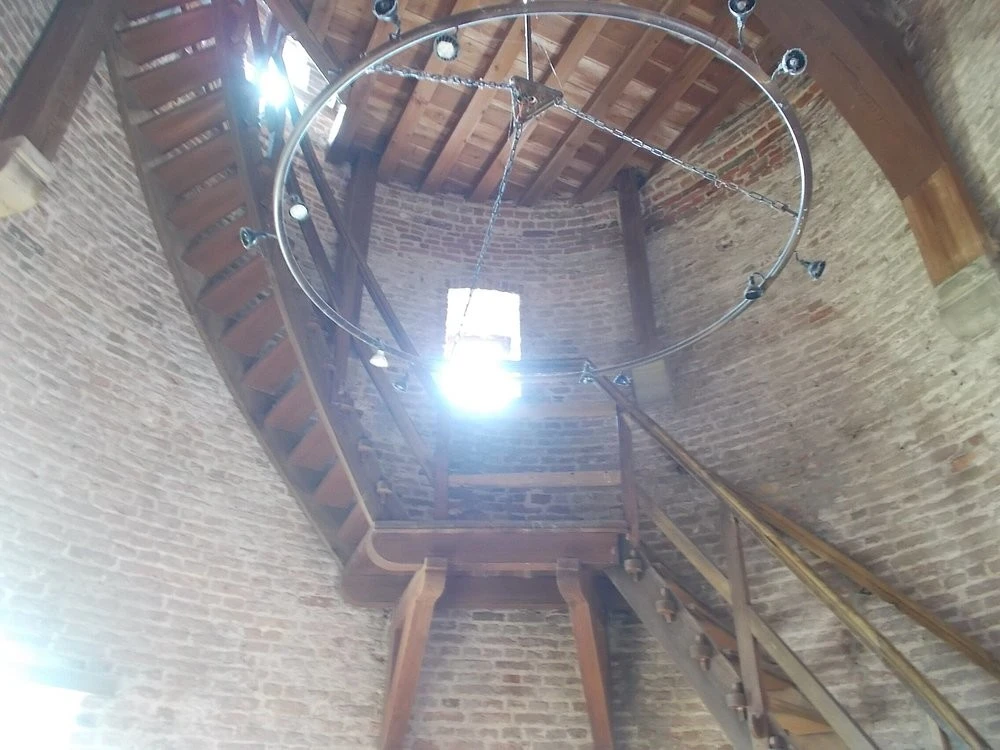
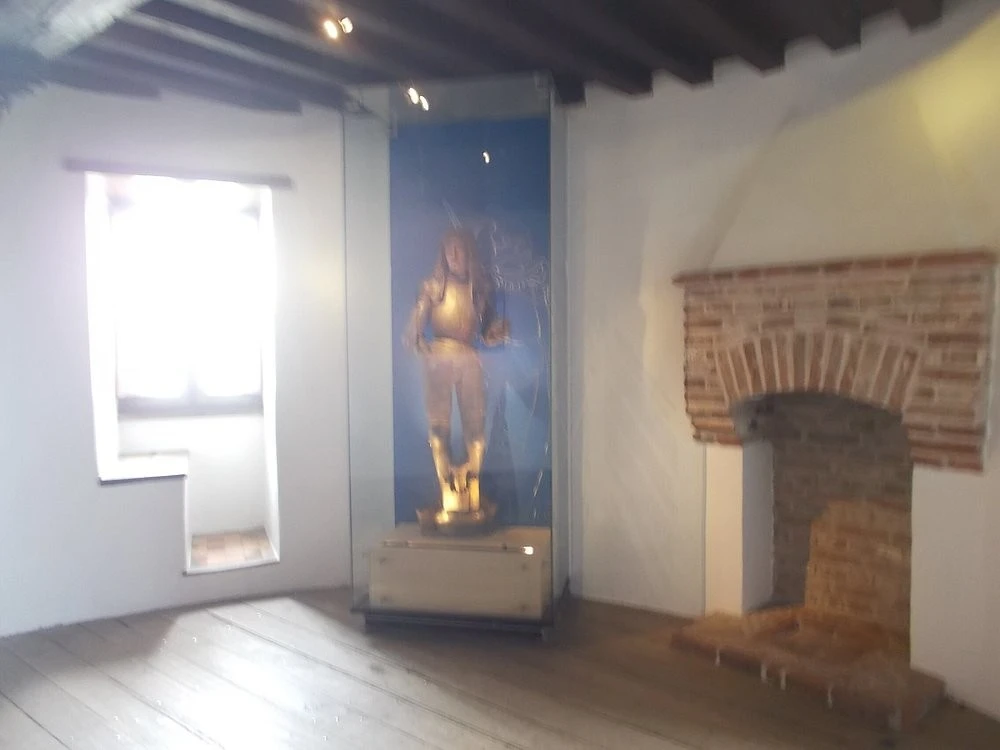
Muiderslot is now open to the public as a museum. A ticket grants access to the gardens and the castle itself. With an audio guide, you can explore the fortress on your own, following the castle or tower routes, including one of the dungeons.