Lycrayfish: Why Have Giant Crayfish Given Up Their Claws? (10 photos)
For most crustaceans, claws are the ultimate status symbol in the entire underwater kingdom: the bigger they are, the cooler you are. You can get the hottest female and protect yourself from predators. 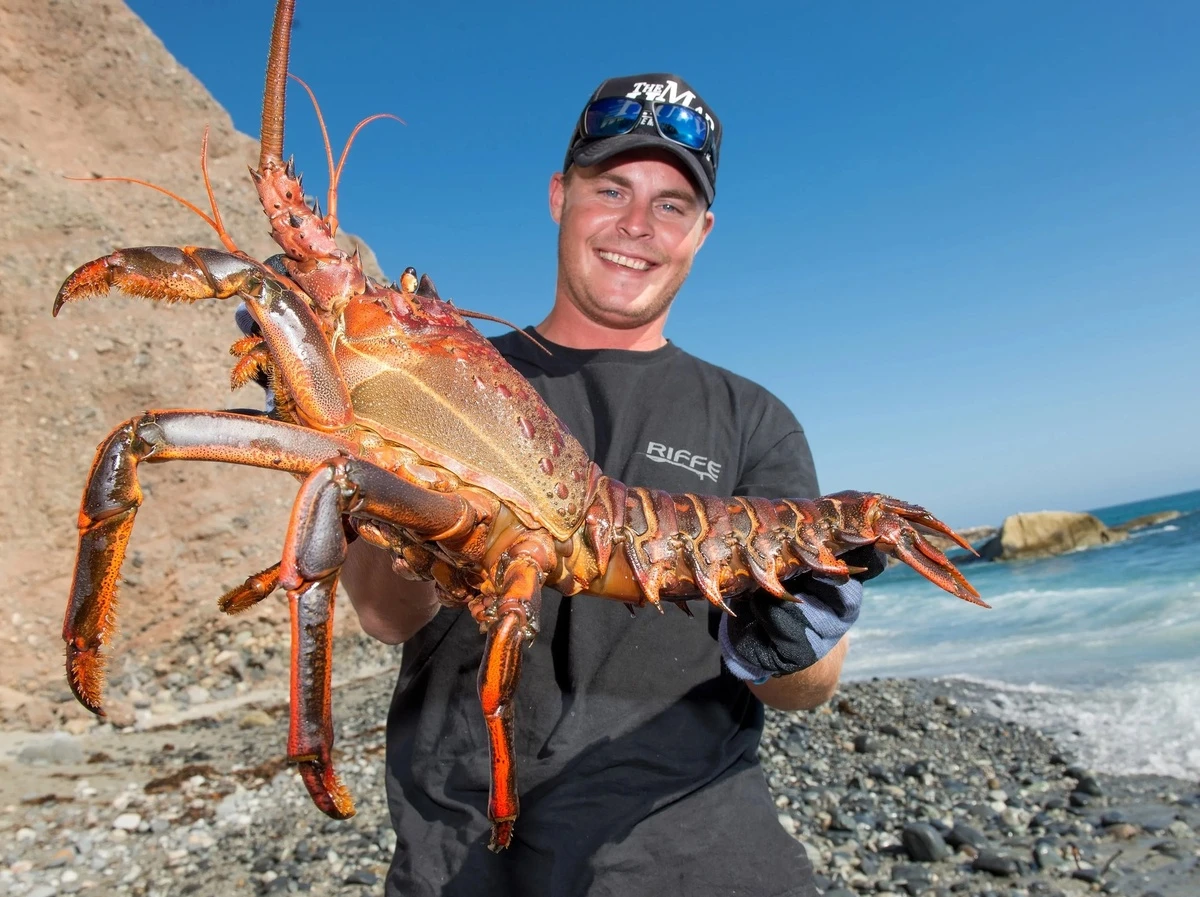
In the joke, they were celebrating a bucket of crayfish. But here's a crayfish the size of a bucket!
But 230 million years ago, spiny lobsters decided to be different and went against the evolution of their order. They traded the main advantage of all crustaceans for a pair of long antennae, fashionable spines on their shells, and bright colors. 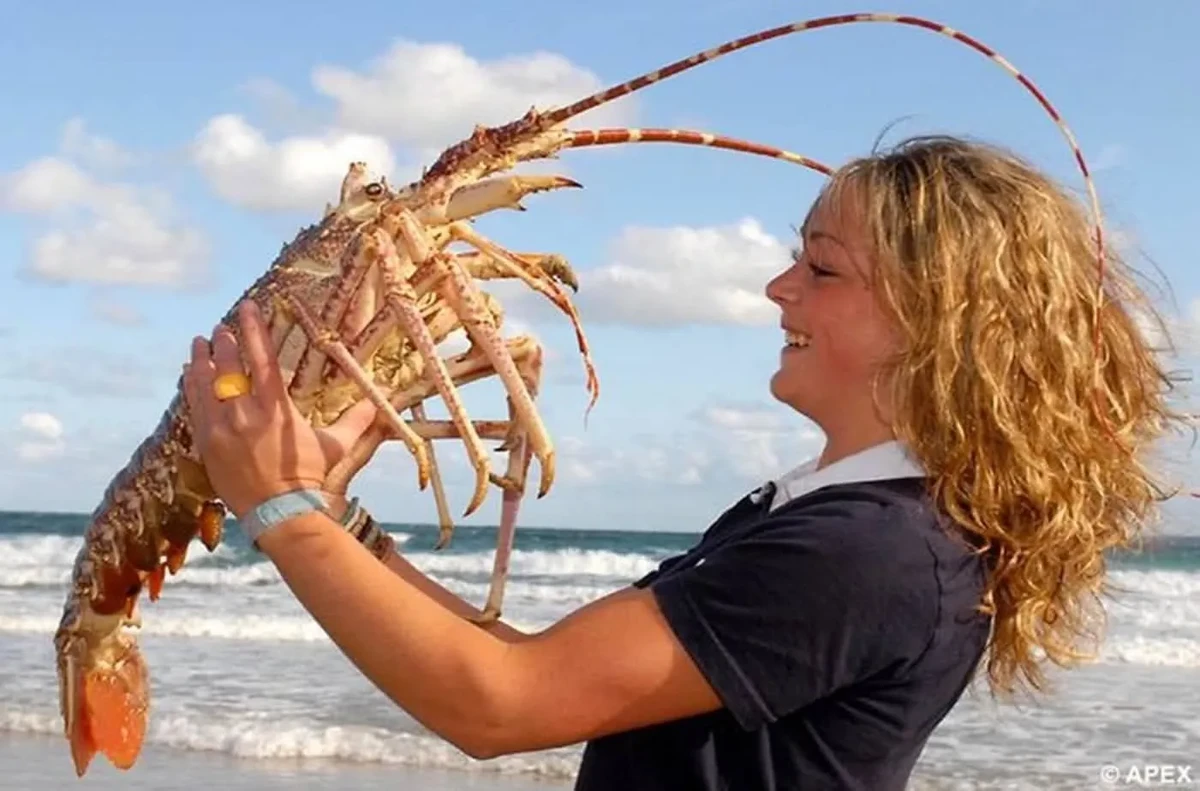
Parents: When are you going to have kids? What kind of kids do I want?
Dressed up like clowns, my grandmother would say. But people like that would never survive, everyone else would say in the Triassic period. Back then, massive and dangerous things were fashionable. And at 60 centimeters long and weighing over 15 kilograms, these unarmed, tasty crustaceans truly did seem like easy targets. 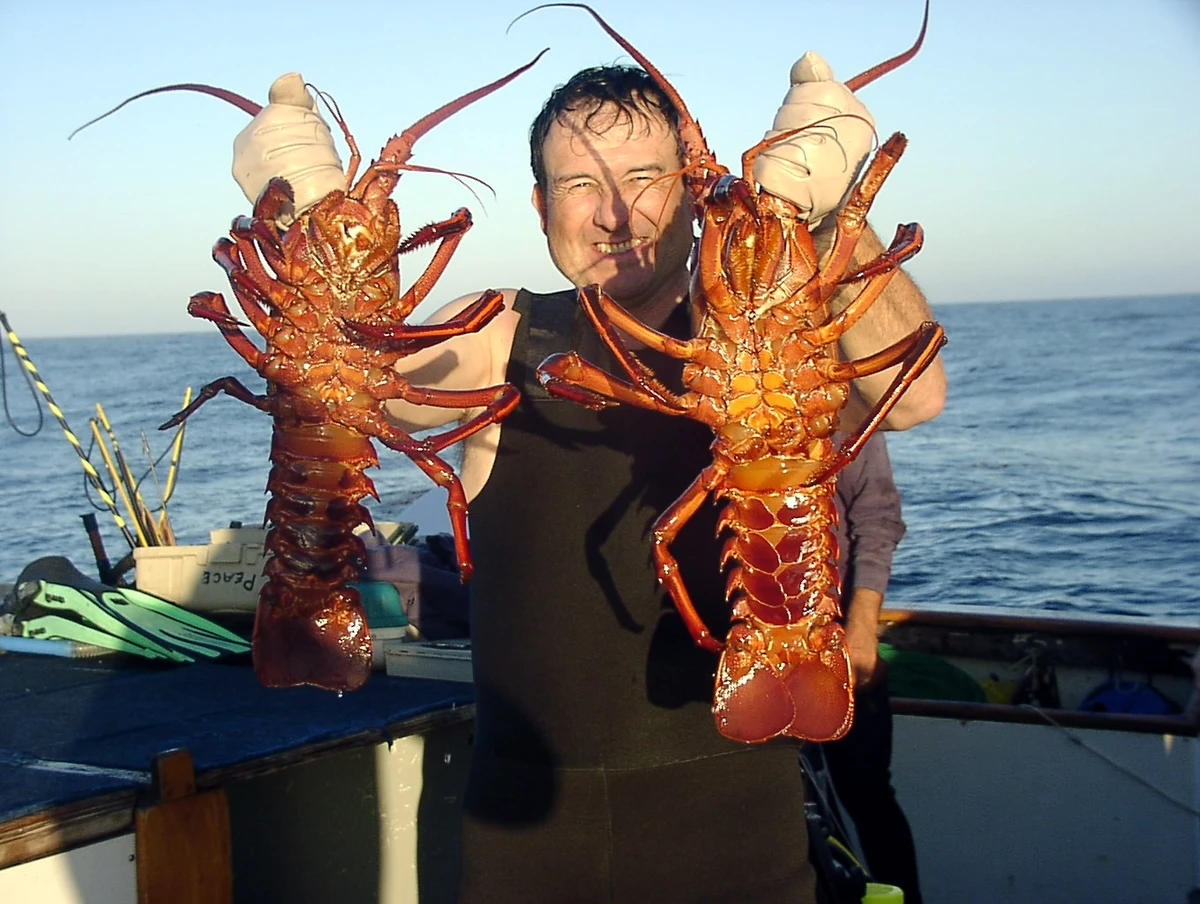
When Dad Decided to Braid His Daughters' Hair.
Parallel to the evolution of spiny lobsters, their cousins—lobsters—were evolving. They were the perfect little sons of a mom's friend: about the same size as spiny lobsters, but powerful, armored, with enormous claws and a perfect-student mentality. They were predicted to dominate the world. But what do we have today? The bare facts: unarmed spiny lobsters multiplied and conquered vast territories. Today, they can be found in all the warm tropical waters of the world's oceans, from the Caribbean to the coast of Japan. Meanwhile, lobsters are content with cold and temperate waters closer to northern latitudes. So, the unarmed clownfish proved more successful. But why? 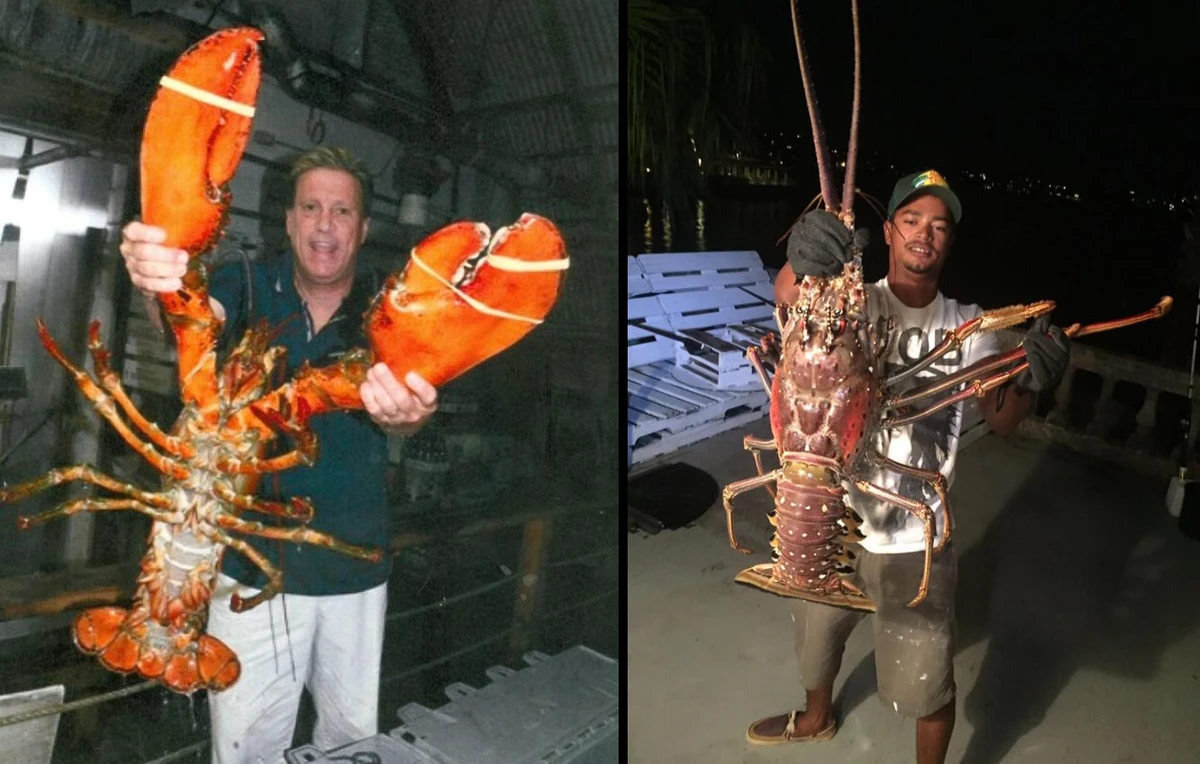
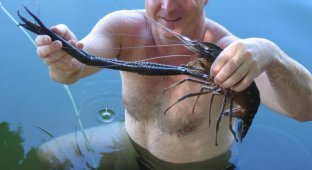
On the left is a lobster. On the right is a spiny lobster. To be fair, both are simply enormous!
Let's take a look at how they live. The lobster world is a constant struggle for survival. A harsh rocky bottom, boulders, cliffs. Convenient shelters are few, and food is often protected by tough shells and shells. Bivalves, sea urchins, and other crustaceans—none of these are easy to open without a tool. Claws are the perfect solution. Lobsters' claws aren't just large, they're diverse and highly specialized. One serves as a crusher, the other as a cutting tool for butchering prey. Convenient, yes. But! 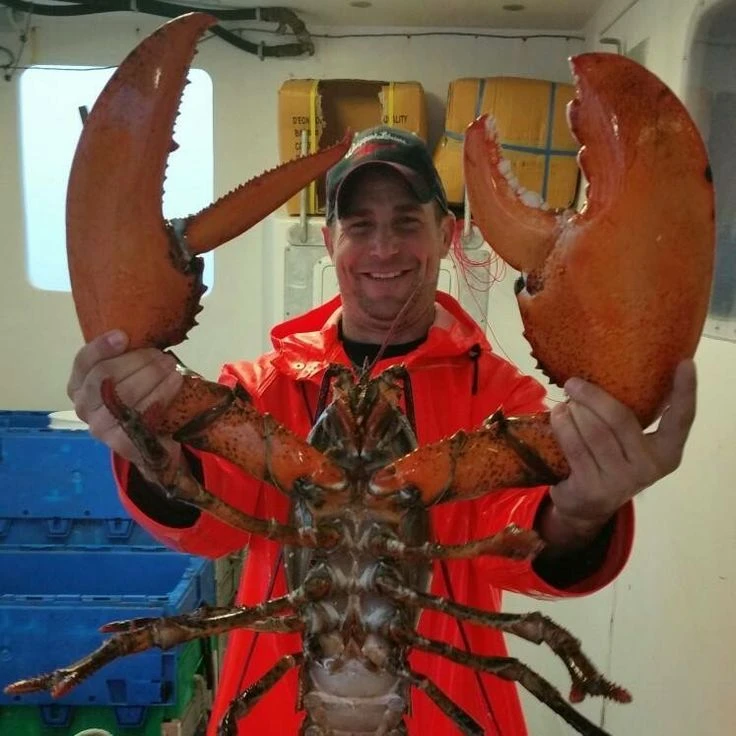
Note. The right hand is the crusher. The left hand is the cutter.
Growing two massive claws requires a huge amount of nutrients, like a human being having two extra bazooka arms. It's expensive and energy-consuming. Furthermore, every molt is a tragedy for a lobster. Precious claws take a long time to grow and harden after shedding their shell. And without weapons, a lobster cannot survive. 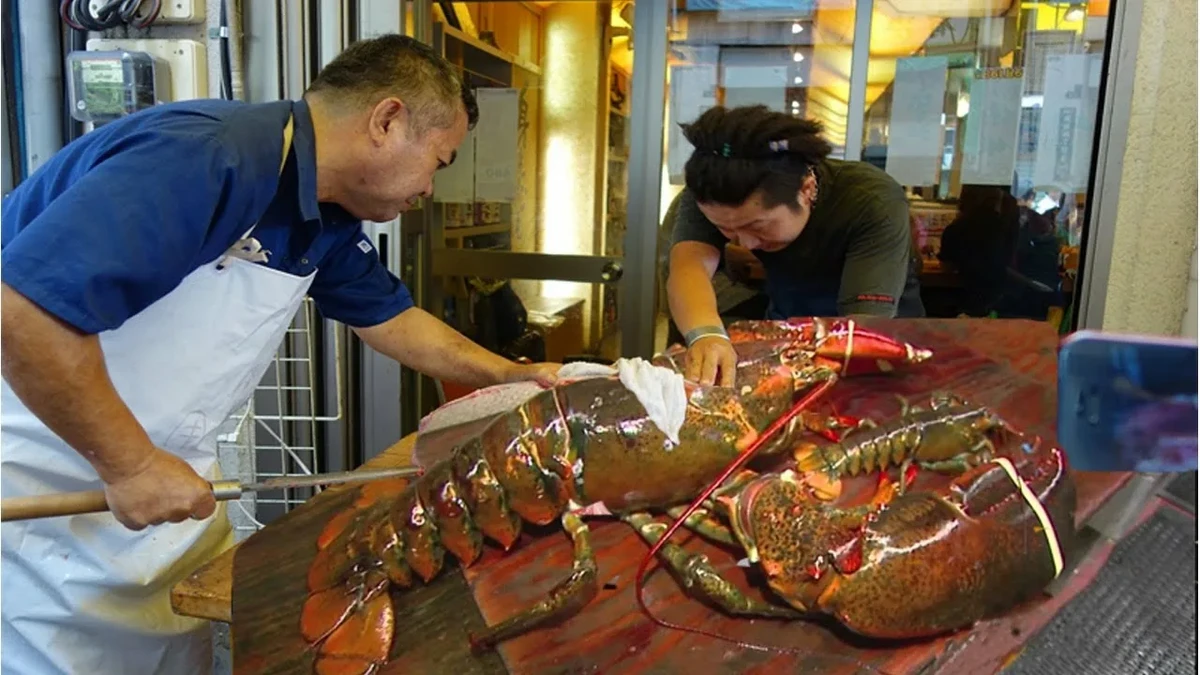
Cowards! Untie my claws, and I'll show you where the crayfish hibernate!
Now let's move to another ocean landscape, where the lobsters live. A completely different picture unfolds around us: beautiful coral reefs, rocky areas, a labyrinth of grottoes, shelters, and dark passages. You don't have to be the strongest here—ingenuity is enough to survive. 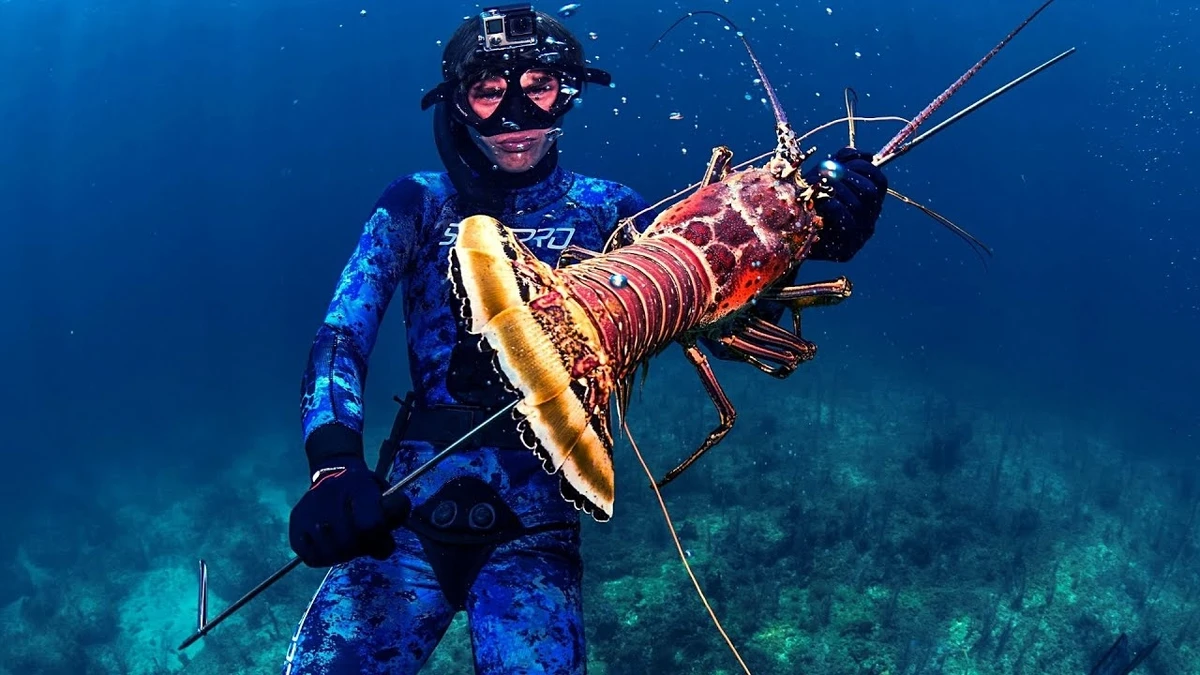
Is this a competition for the brightest costume in the ocean?
Langoustes aren't picky about their prey, but scavenge everything in sight: sea worms, juvenile crustaceans, thin-shelled mollusks, and carrion. Their apparent defenselessness is deceptive. Their bodies are covered in a hard shell-like armor, adorned with sharp spines. And a pair of antennae aren't just decorative elements; they're a fully-fledged weapon, more powerful than any claw. When the animal senses danger, it rubs its antennae against its shell, and the silence of the ocean is broken by a piercing sound. This scares predators and gives the lobsters a head start to hide in the nearest cave. 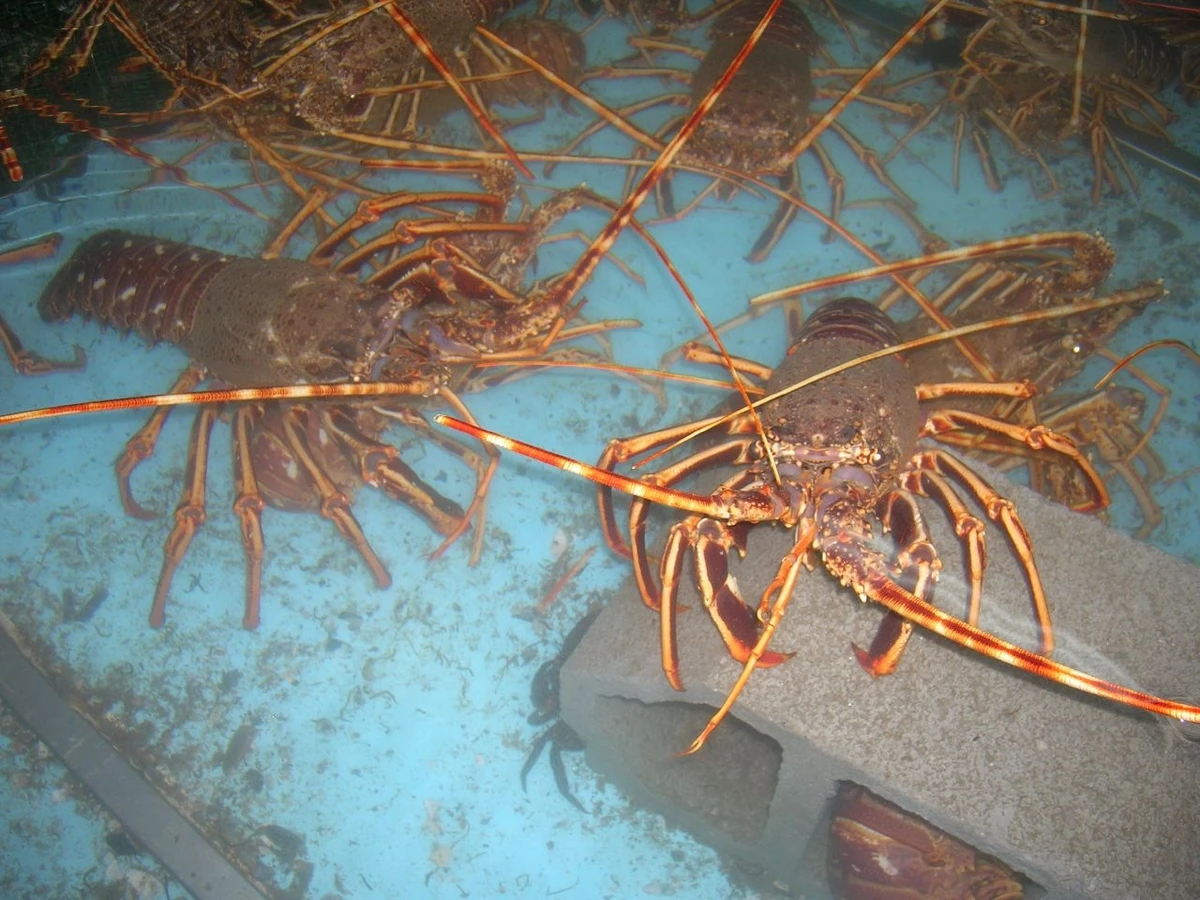
I'll yell at you so hard right now, even the old ladies at the hospital will be scared!
Growing two huge claws in such living conditions is unprofitable. First, remember the energy costs. Why bother with anything if the system is already working perfectly? Second, the claws would interfere with hiding and maneuvering among the reefs, where every nook and cranny can be a lifesaver. The lobsters would have been eaten 230 million years ago if they hadn't gone their own way. 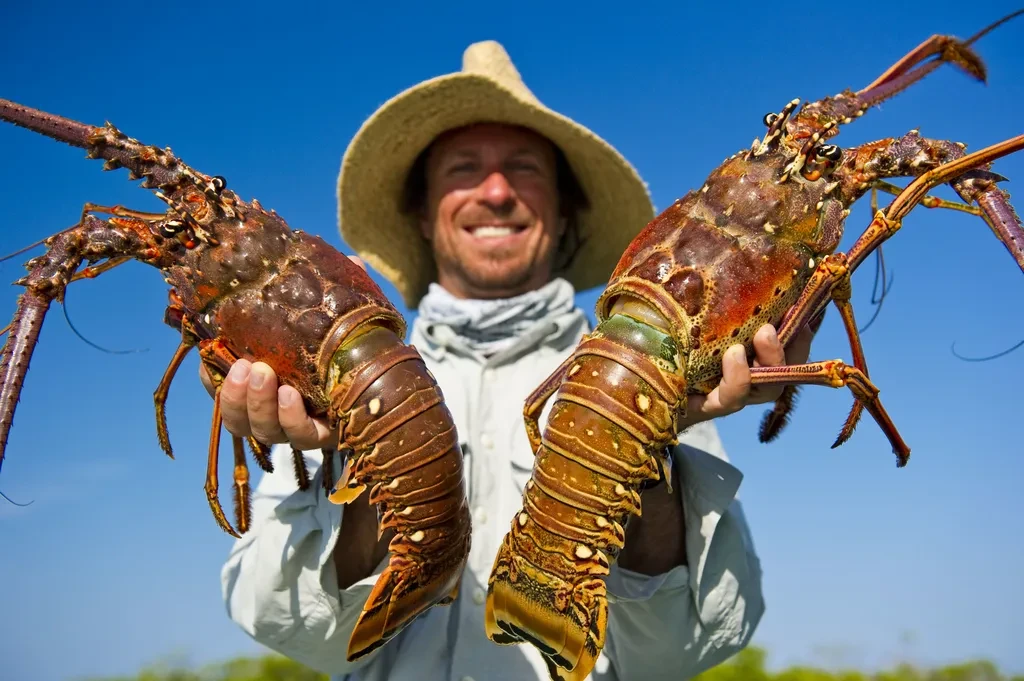
The only downside to lobster is that it's too tasty!
Let's summarize. First: evolution doesn't aim to make all creatures maximally armed, fearsome, strong, or intelligent. This is an illusion created by our human perception. We think that true strength is always aggression and weapons. Evolution, however, thinks differently. It has only one filter: whoever survives, makes right. Second: claws are an expensive organ. For their growth to be worthwhile, they must: genuinely increase survival, help obtain food, and increase the chances of having offspring. Spiny lobsters are already such handsome creatures. 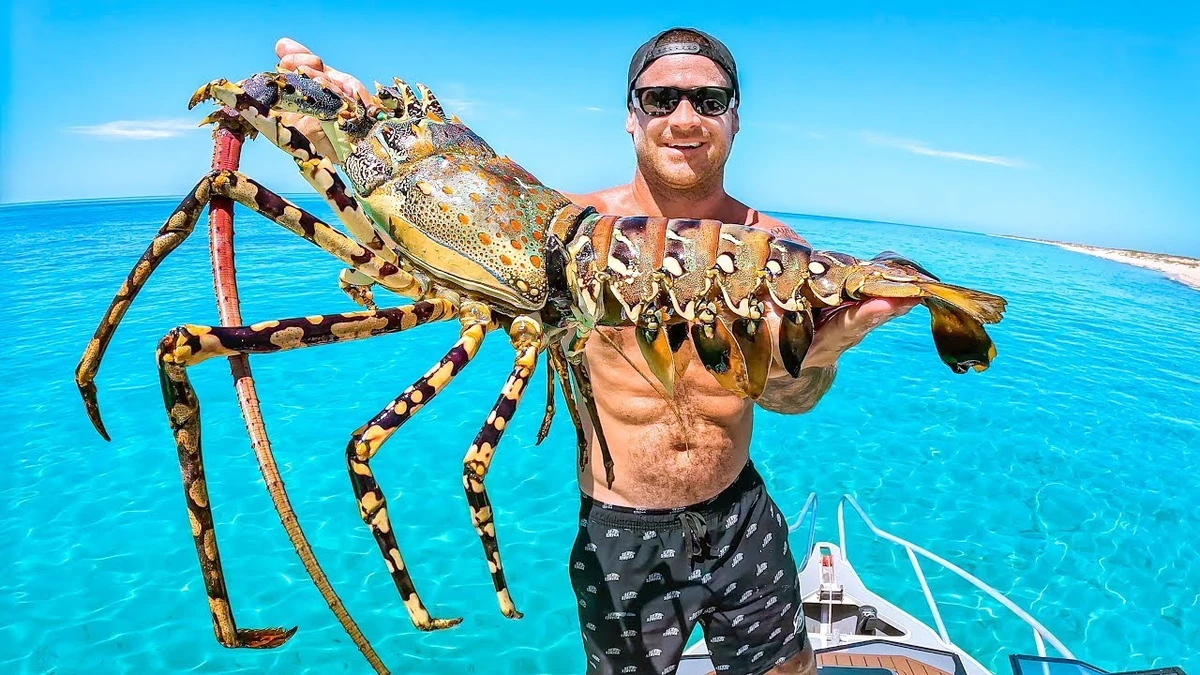
The largest spiny lobsters weigh up to 20 kg! That's the weight of an empty barbell, by the way!
Three: you need to find your place in life and not be afraid to go against the system. The story of spiny lobsters and lobsters is a clear illustration of how the same evolutionary challenge can be solved in different ways. If happiness can be achieved in ways different from those accepted by society, go for it. Move to Jamaica, get a pony, study to be a microbiologist. Spiny lobsters did it, so how are you any worse than crustaceans?