15 real-life miracles that look like figments of your imagination (16 photos)
Our world is full of magic and wonder. 
Sometimes, just by looking closely or by chance, you can stumble upon such amazing and unusual curiosities that they simply take your breath away. For example, have you ever seen a tree with ears or a mushroom that resembles human fingers? This collection contains the amazing surprises Mother Nature has in store for the attentive observer.
1. This mushroom is called Xylaria polymorpha, but it's popularly known as "Dead Man's Fingers." 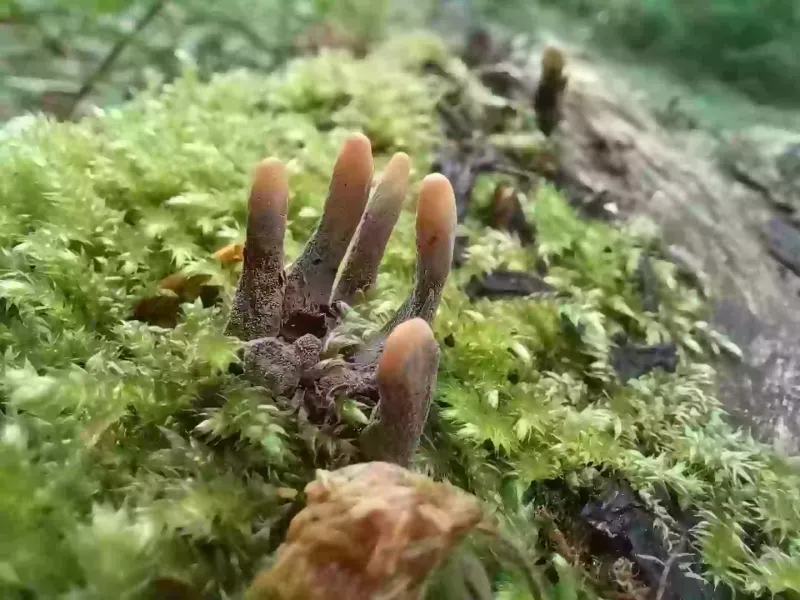
And deservedly so, as its shape truly resembles a human hand sticking out of the ground.
2. This monstrous zucchini weighed over 20 kg. 
3. I hear you! 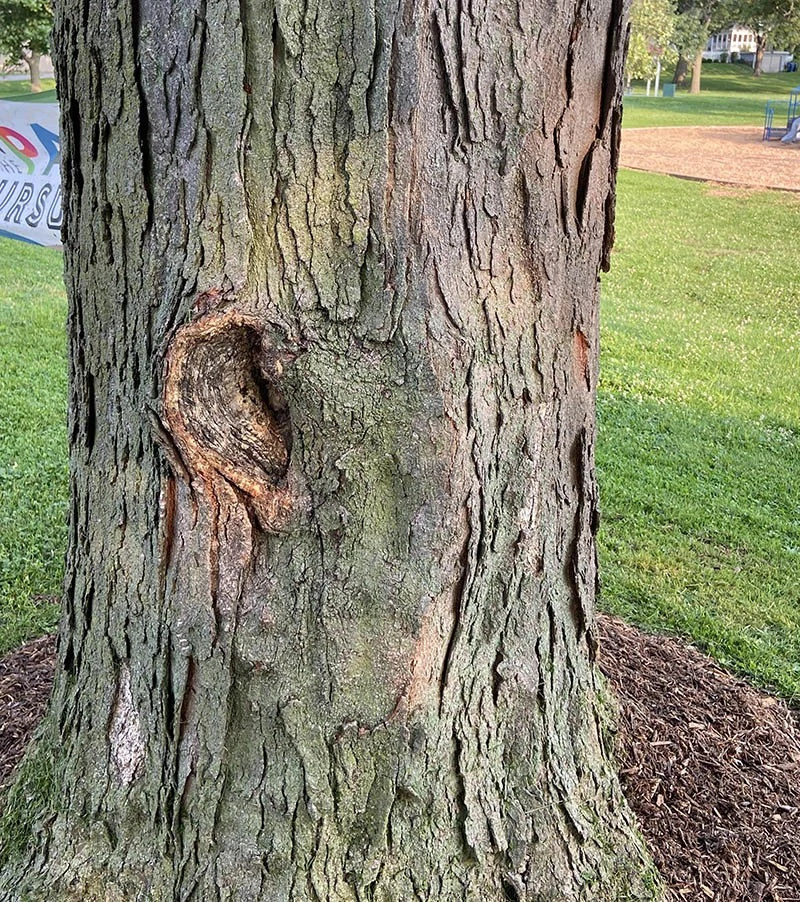
4. This is a strangler fig, which twines around other trees, stealing sunlight and nutrients. 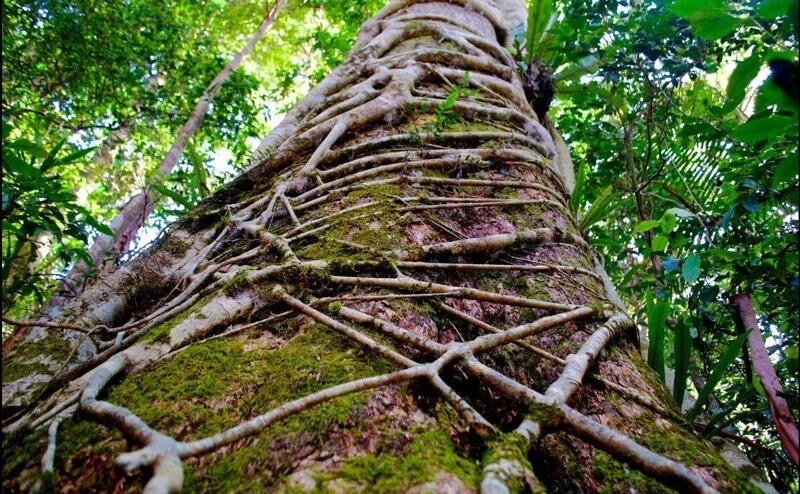
The host plant often dies, leaving the fig tree standing with a hollow center.
5. The Great Power of Life 
6. Lithops - Living Stones 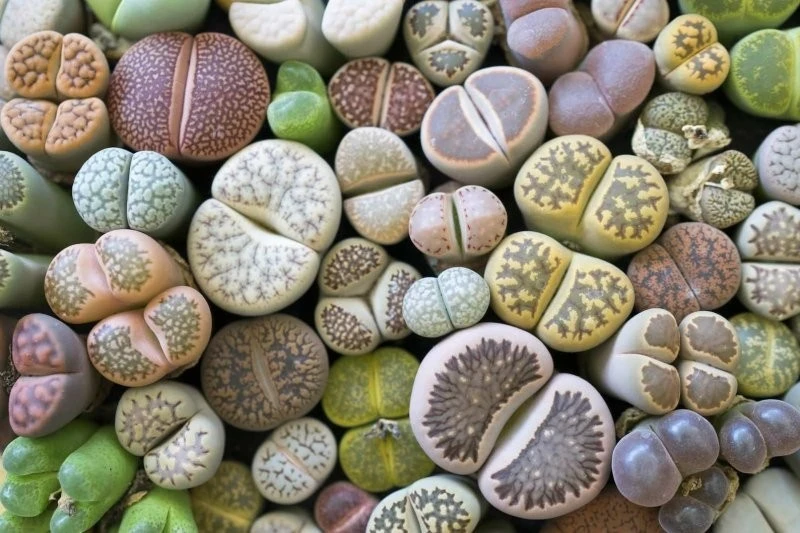
This South African plant is popularly called the living stone because it pretends to be a stone to avoid being eaten. Some species also produce small flowers.
7. A perfectly camouflaged log 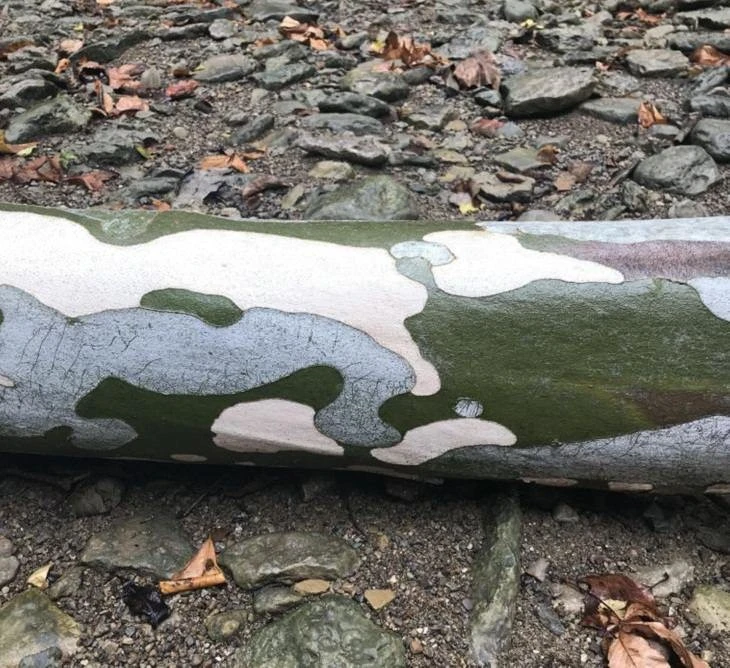
8. Just frost patterns on a car window 
9. A hedgehog mushroom Crested Mushroom 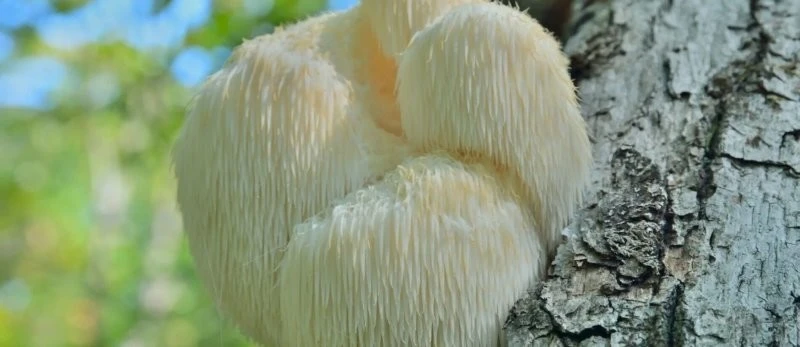
This mop-shaped mushroom grows on dead or dying tree trunks. It's edible and has been shown to stimulate nerve growth, help kill roundworms, and fight cancer cells.
Besides its potential health benefits, it's also prized in cooking. Its texture and flavor are often compared to seafood, especially crab or lobster, making it a popular ingredient in vegetarian and vegan dishes.
10. Have you ever seen such a perfect white leaf? 
11. Elephant Yam 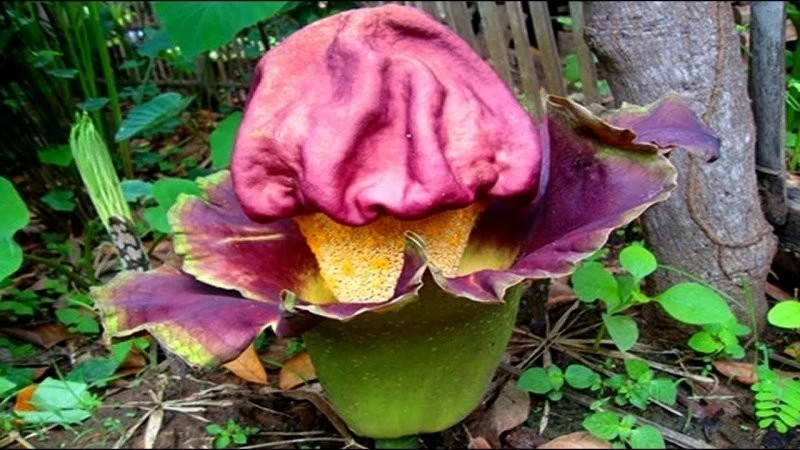
Amorphophallus paeoniifolius is known as elephant yam. This plant is famous for the smell of rotting flesh. However, unlike its relative, the corpse flower, it is considered a delicacy in many regions of Southeast Asia, where it is cultivated.
Besides its culinary uses, it is also valued medicinally. In traditional practices, it is used to treat various ailments, including asthma, arthritis, and abdominal pain.
12. Monotropa uniflora - Ghost Plant 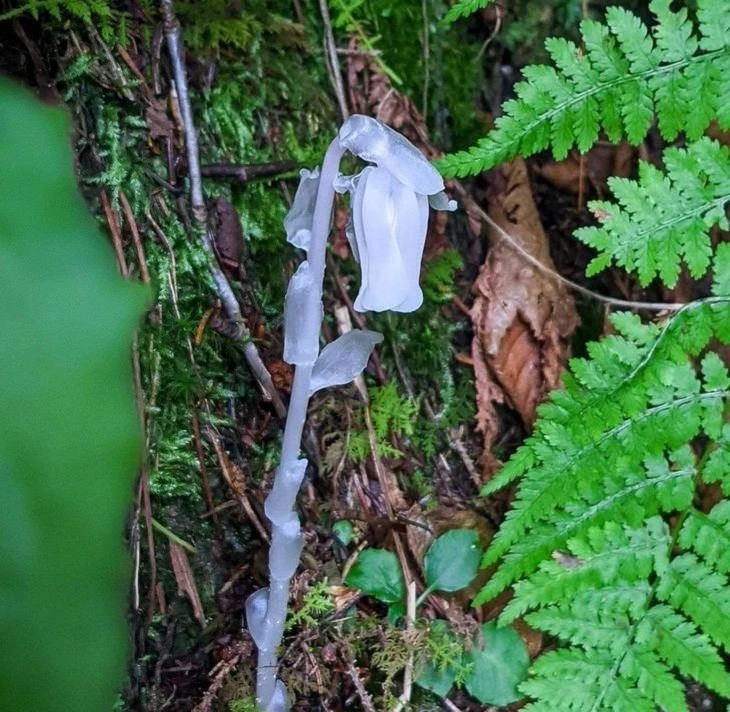
Monotropa uniflora is also known as the ghost plant. It is a mycoheterotroph. It does not photosynthesize, but obtains nutrients by parasitizing fungi, which, in turn, form mycorrhiza with tree roots.
13. Hydnora africana is a parasitic plant from the Hydnoraceae family, native to the arid regions of South Africa. 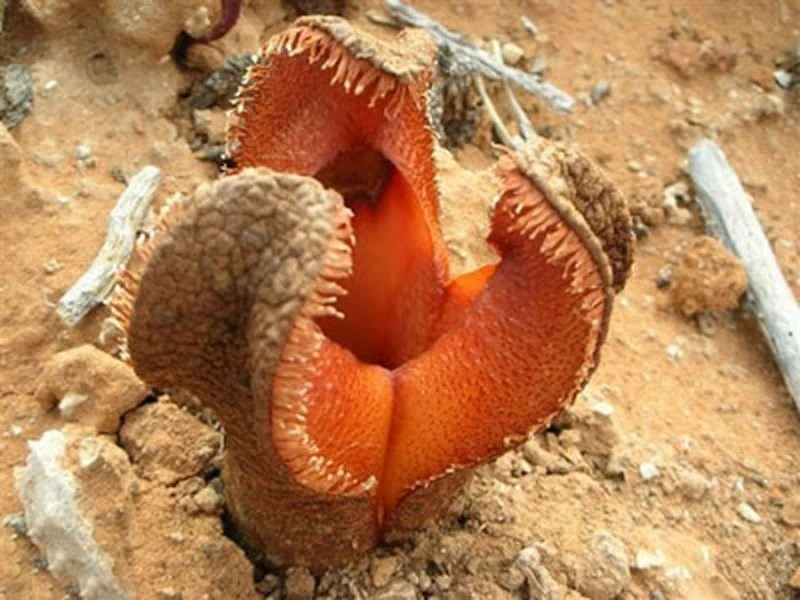
This strange-looking plant lives underground, with only its flower breaking through to the surface. Its bizarre shape and fecal-like odor are designed to attract dung beetles, which pollinate it. This parasite is surprising not only in its appearance but also in its mode of existence: lacking its own chlorophyll, it attaches itself to the roots of its host plants, sucking water and nutrients from them.
14. The Portuguese Man-of-War is a species of colonial hydrozoan from the order Siphonophora, whose colonies consist of polypoid and medusoid individuals. 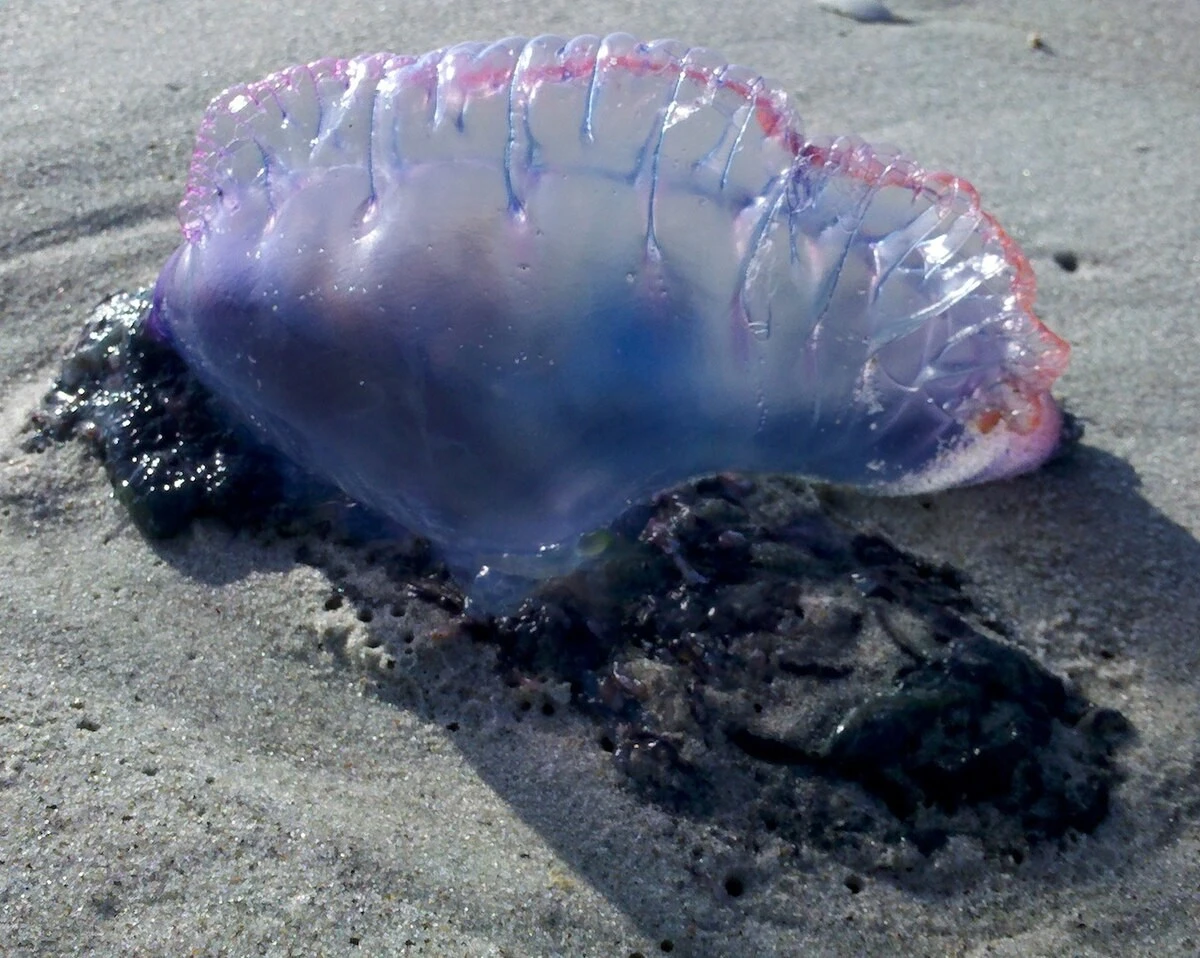
15. Parhelia or Sun Dogs 
These are colored spots of light that arise from the refraction of sunlight in ice crystals in the atmosphere. They are a type of halo, an atmospheric optical phenomenon. The chance of seeing it is higher in frosty weather with cirrus clouds.