In South Australia, residents are urged to eat more oysters (3 photos)
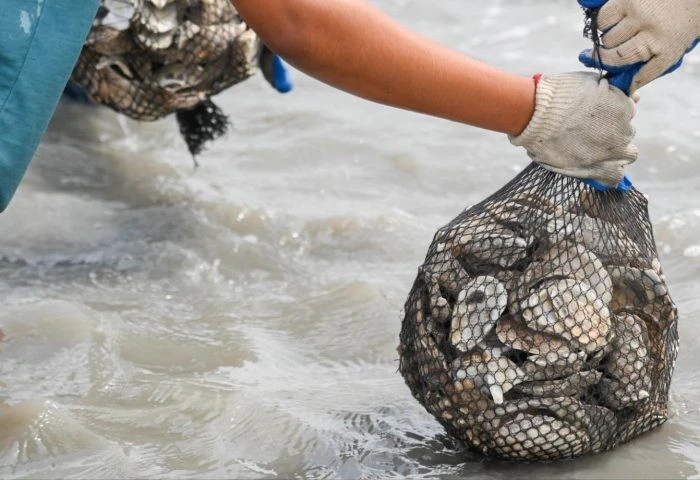
South Australians are being urged to actively purchase and eat local oysters and then donate their empty shells, which will be used as building material to restore degraded oyster reefs. 
A new environmental program aims to improve seawater quality and combat the devastating toxic algal blooms that led to mass mortality of marine animals this spring. According to University of Adelaide marine ecologist Dominic McAfee, approximately 1,500 square kilometers of oyster reefs existed along the state's coastline before colonization. Today, they are virtually extinct: over two centuries, fishing has completely destroyed the natural substrate on which oysters built their colonies.
A single oyster can filter up to 100 liters of water per day, so large reefs play a key role in ecosystem restoration. Scientists believe it is their disappearance that has left South Australia vulnerable to toxic algal blooms, which have been compared to "underwater wildfires." 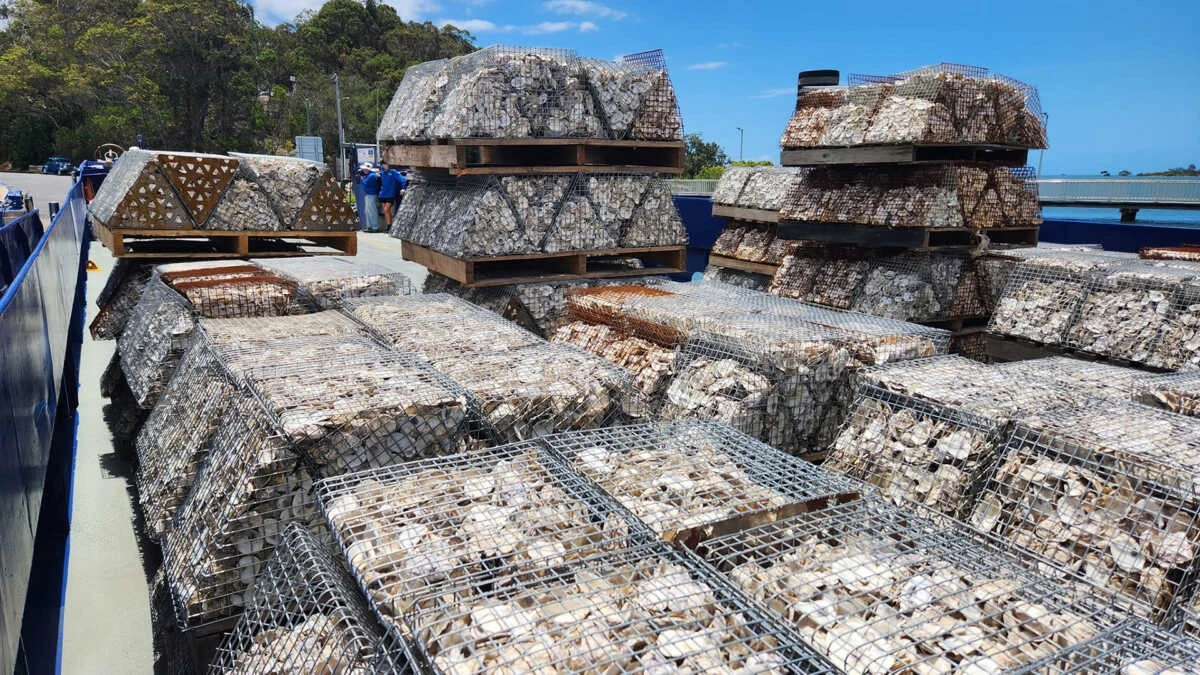
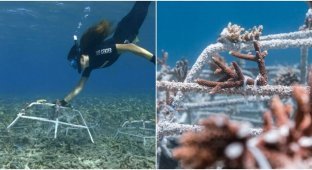
The Australian Senate has already recommended funding for large-scale projects to restore marine ecosystems, including reefs. One such initiative is a program involving local residents. Residents are encouraged to purchase oysters and drop off the cleaned shells at designated collection points. They are then sterilized and placed in biodegradable cages, which are then lowered to the seafloor.
The young oysters—larvae, which can produce up to 3 million shells from a single female—settle on the shells and begin to form new reefs, cementing them together with natural "cement." In addition to attracting oyster lovers, limestone blocks with underwater speakers playing the clicking sounds of shrimp are placed in the sea to attract young oysters.
State Climate and Environment Minister Lucy Hood announced that the government is funding the creation of 25 public reefs and four large limestone structures. "People have experienced a profound sense of grief over the loss of marine life. They want to help. This program gives them that opportunity," she noted.