Tattoos carry serious long-term health risks (3 photos)
Tattoo enthusiasts are unknowingly putting their health at risk. Swiss scientists have reached alarming conclusions after studying the effects of tattoo ink on the body. Although the toxicity of tattoo inks has already been studied, their impact on the immune system needed to be determined. 
Professor Santiago González and his team conducted an experiment on 40 mice. They tattooed the animals' paws using black, red, and green ink. The researchers then observed how the ink spread throughout the rodents' bodies using electron microscopy. The results were published in the journal Proceedings of the National Academy of Sciences.
The scientists discovered that the ink quickly penetrated the lymphatic system of mice. Within hours, significant amounts of the substance accumulated in the lymph nodes.
According to Gonzalez, white blood cells called macrophages engulf and metabolize dangerous pathogens. In this case, they absorbed the ink, triggering a severe inflammatory reaction in the animals. 
The macrophages died within 24 hours, releasing the ink. New macrophages then appeared, and the process repeated. Researchers believe this vicious cycle causes chronic inflammation that can last for years.
After two months, levels of inflammatory markers in the test subjects increased fivefold. And this is alarming news for tattoo enthusiasts.
Research has also shown that tattoo ink not only causes irreversible changes to the immune system but can also affect how you respond to vaccines.
Mice with tattoos were injected with the mRNA COVID-19 vaccine. Their immune response was weakened due to the presence of ink in their lymph nodes.
"A tattoo isn't just about injecting ink into the skin; it's about affecting the body," Gonzalez explained in an interview with New Scientist. "It's not just a visual change; it also affects the immune system."
"The problem is that chronic inflammation weakens the immune system, increasing the risk of infections and certain cancers." 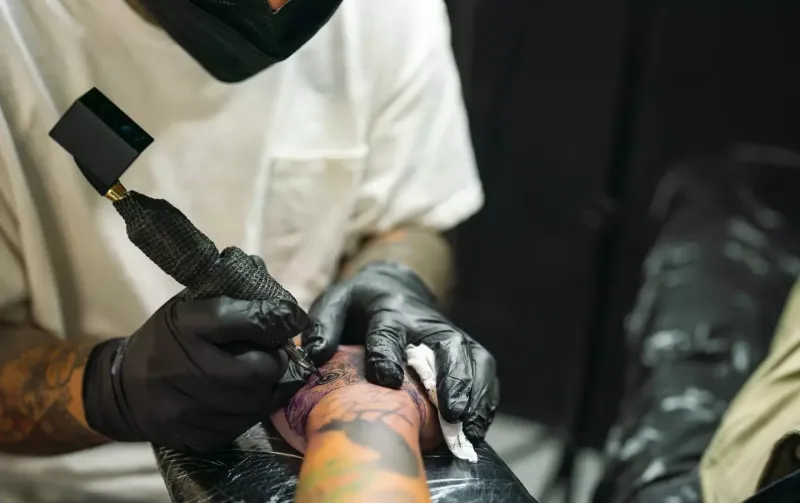
The team examined lymph node biopsies from people with tattoos. They found that the nodes were "completely covered in ink," similar to those in mice.
Gonzalez noted that tattoo removal doesn't solve the problem. He emphasized, "You can remove ink from the skin, but not from the lymph nodes."
The study authors noted, "Our study, the largest to date, examines the effects of tattoo ink on the immune system. It raises serious health questions. We emphasize the need for further research to inform public health policy and regulate the safety of tattoos. Given the growing popularity of tattoos, our findings are important for educating the public about potential risks to the immune system."
Earlier, Sweden's Lund University warned that the risk of developing lymphoma is 21% higher in people with tattoos.