A Chinese Lake That Brings Rainbows, Wealth, and Emotions (12 photos + 2 videos)
In summer, it shimmers with all the colors of the rainbow, and in winter, it turns into a kingdom of crystals. This salt lake has inspired battles, built temples, and filled the hearts of people with awe for centuries. 
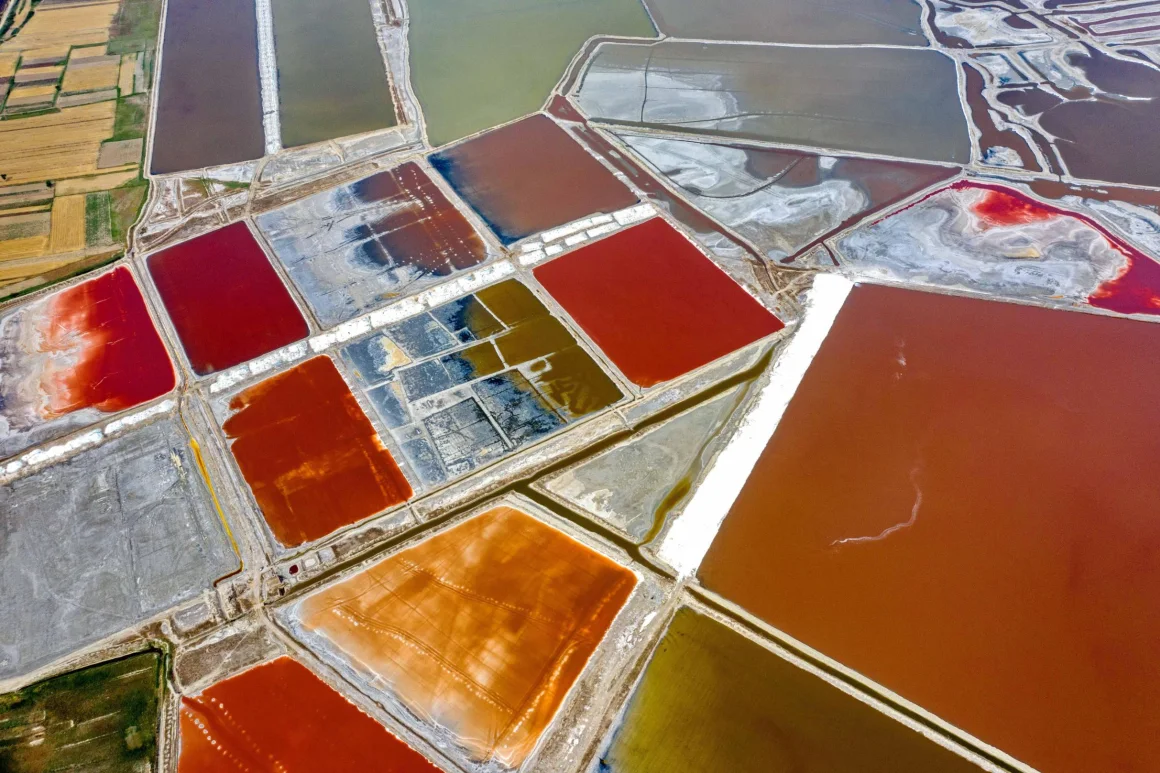
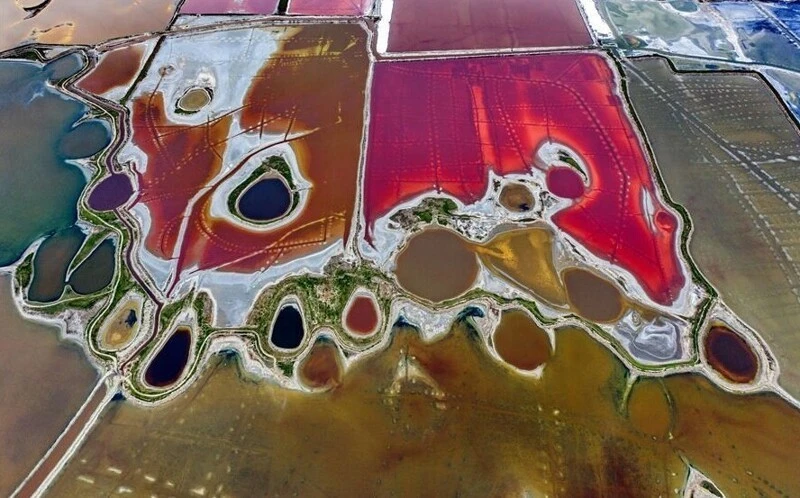
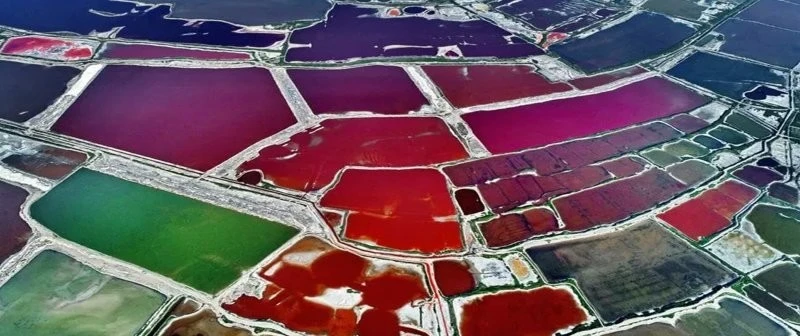
With the arrival of summer, the mirror-like surface of Yuncheng Lake in Shanxi Province is transformed, becoming a dazzling rainbow. From above, the lake resembles an artist's palette, adorned with brushstrokes of purple, emerald, and turquoise. 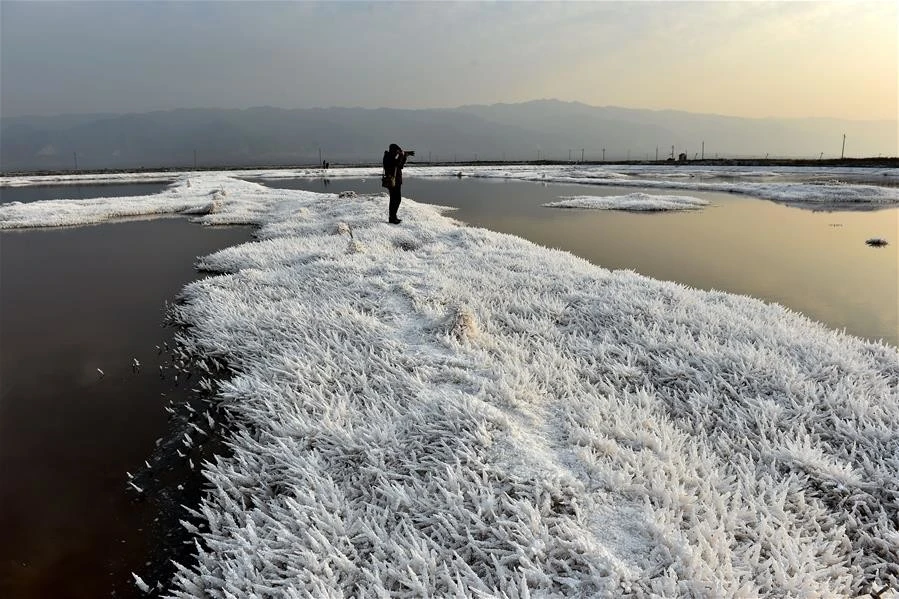
And on its surface, the same ritual has been repeated for millennia. Workers slowly and meticulously shovel out the white mountains of salt left behind by the evaporation of water. These white crystals have given Yuncheng cultural and political significance, and the chemical reactions create a fantastical landscape that captivates both locals and tourists, phones at the ready. 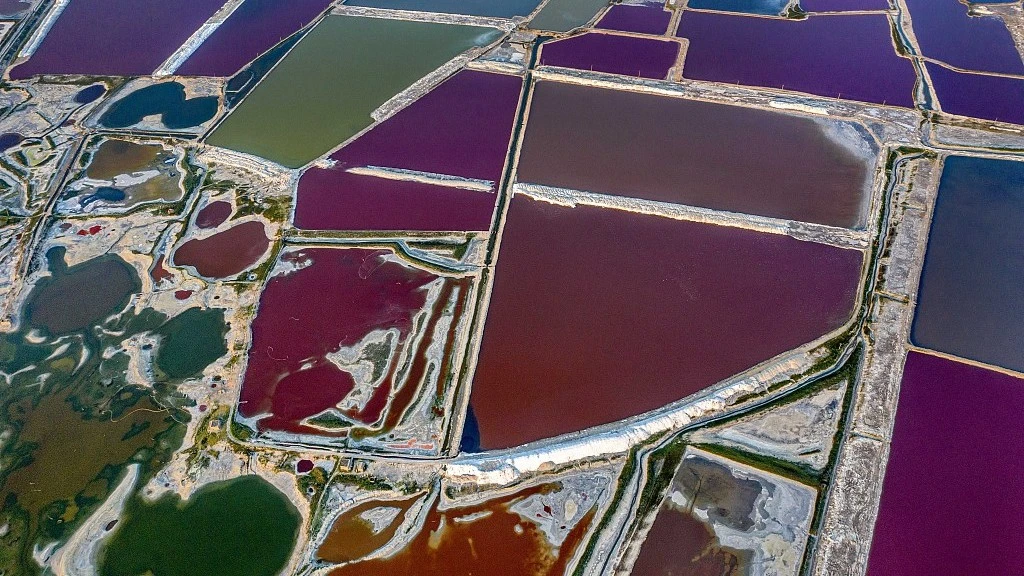
Known as the Chinese Dead Sea for its salinity, this lake has always been the center of the region's economy and culture. Historians believe salt mining has been going on here for approximately 6,000 years, and ancient remains found nearby suggest that people appreciated the benefits of salty water even earlier. By the sixth century, the lake accounted for a quarter of China's salt production. Local legends tell of wars over the lake, and salt gods are venerated in the surrounding temples. The lake is associated with a distinctive, piquant flavor in Shanxi cuisine, renowned for its salty soy sauces. 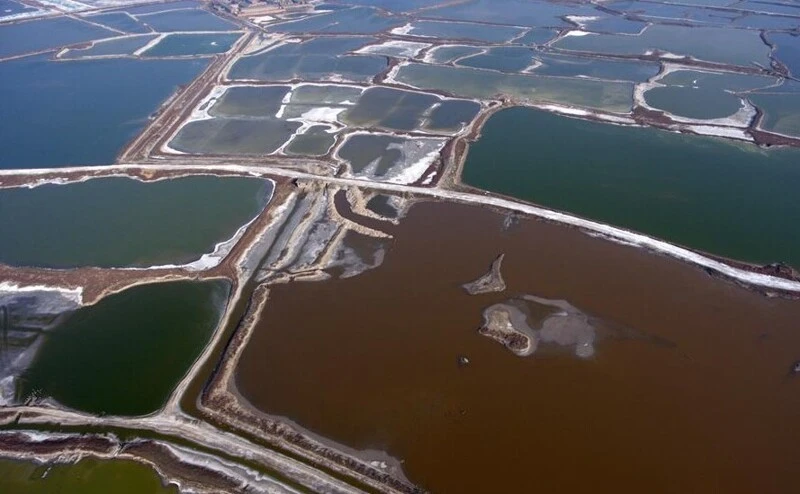
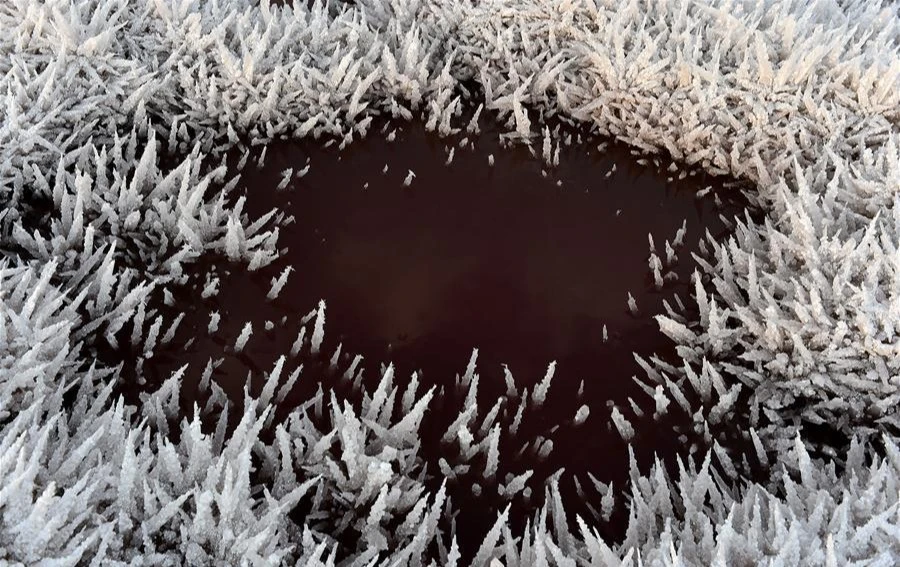
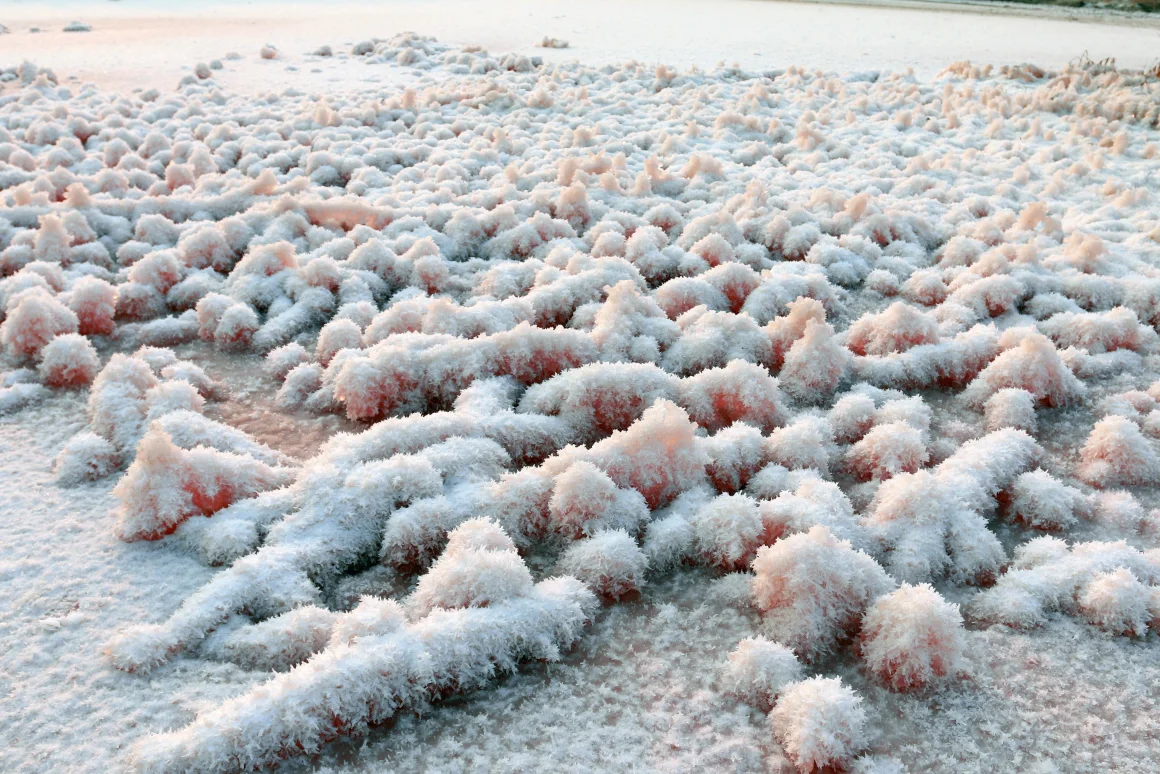
Today, most travelers come here not to worship the gods, but to admire the surreal, otherworldly beauty. Unlike the Dead Sea, where high chloride concentrations are detrimental to life, Yuncheng Lake is rich in sulfates, supporting a diverse ecosystem. In summer, the water takes on neon hues due to blooms of Dunaliella salina algae, which change pigments in reaction with salt. In winter, when temperatures drop below -5°C, the salt crystallizes into mirabilite (Glauber's salt), transforming the shores into a sparkling icy wonderland. 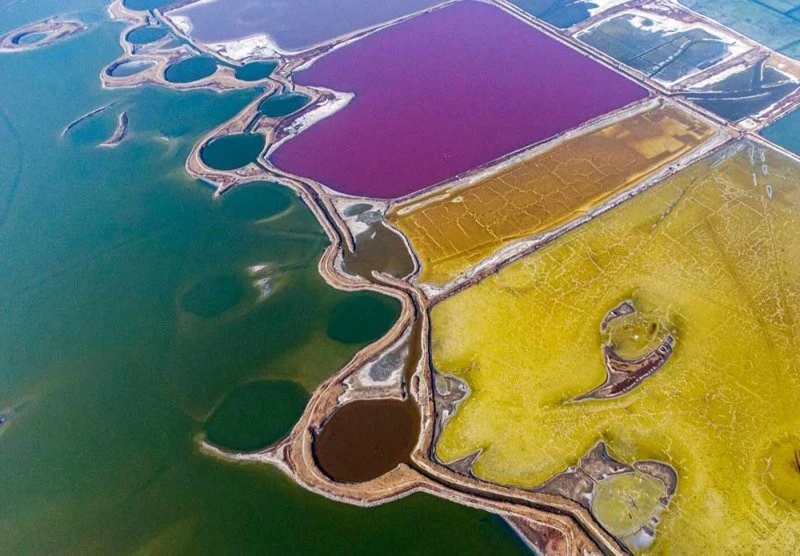
Traditionally, Yuncheng salt was extracted for culinary purposes using a five-step process, recognized as an intangible heritage of Shanxi Province. However, since the 1980s, this method has been abandoned in favor of industrial production. Locals hope that the influx of tourists eager to see this natural wonder will also help preserve the ancient saltmaking traditions and the fragile ecosystem that gave birth to this extraordinary beauty. 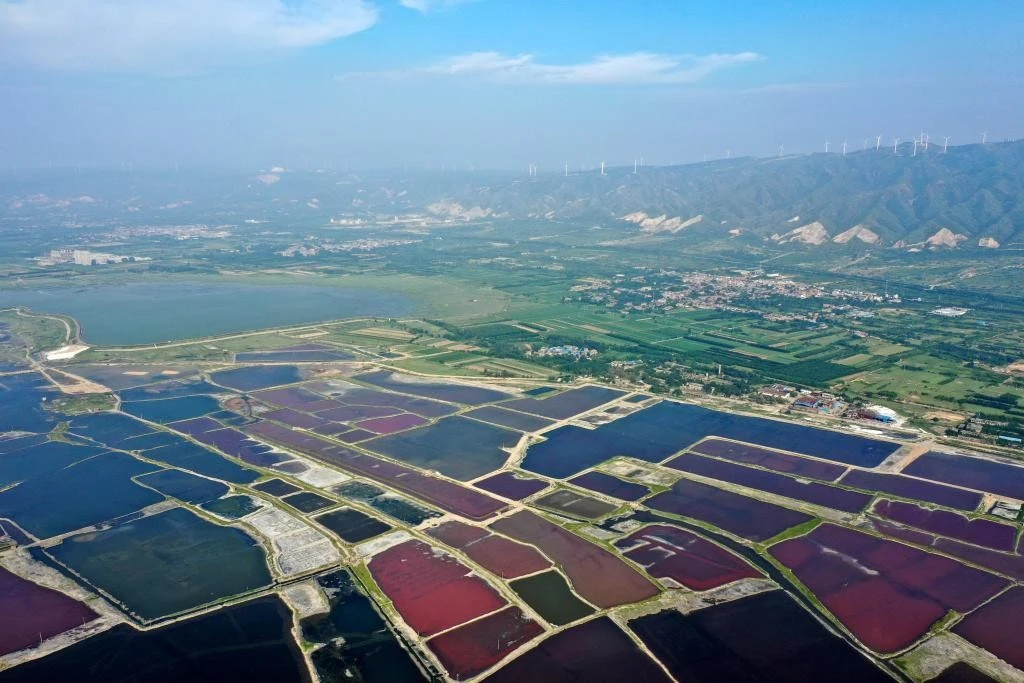
[thumb]https://cn22.nevsedoma.com.ua/p/29/2919/214_files/5f0132e0 f45092f141126f5b29839160.webp[/thumb]