Bentley's strategy to completely switch to electric vehicles has failed, and that says a lot (3 photos)
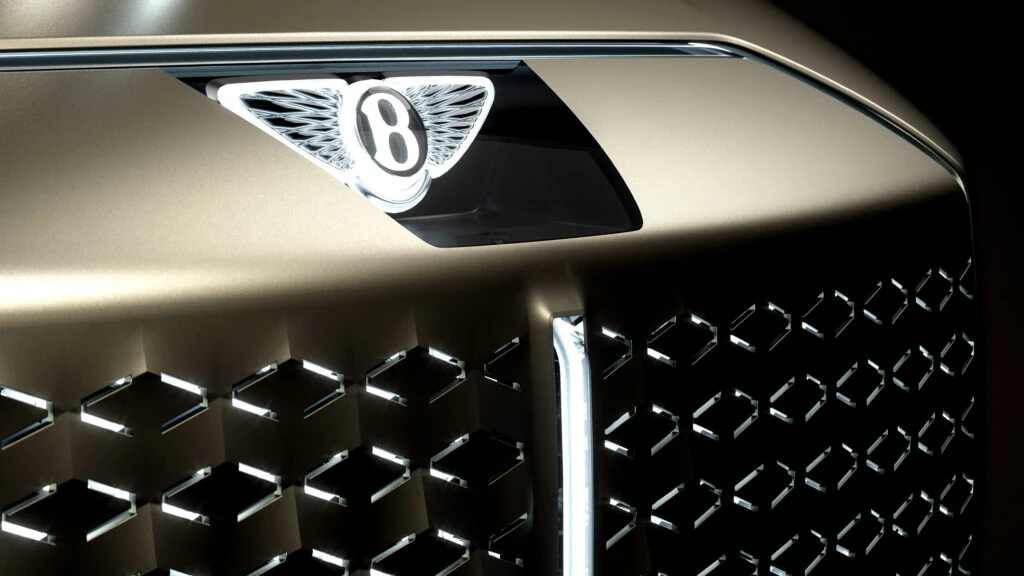
Bentley’s new strategy takes another twist
Bentley’s future has taken another unexpected turn. Spy photographers caught the brand’s electric crossover testing this morning, but the company is abandoning its plans to go all-electric. It’s another change of course for Bentley, which originally planned to sell only electric cars by 2030. The ultra-luxury brand then pushed that date back to 2035, and now everything is uncertain again.
More: Bentley confirms first electric car in 2026, but delays full electric goal by 5 years
Partners influence decision
Speaking to Autocar, Bentley CEO Frank-Steffen Walliser seemed to blame Audi and Porsche for the changes. The three brands are closely related, as they share platforms, powertrains and components. As a result, their decision to continue offering internal combustion engines has affected Bentley.
Petrol engines remain
This means we can expect petrol versions of the next-generation Bentayga, Continental and Flying Spur. It is said that this is a concession to North America and the Middle East, which are not very interested in ultra-luxury electric cars. As Walliser explained:
“There is a decline in demand for luxury electric vehicles and customer demand is not yet strong enough to support a full electric strategy.” 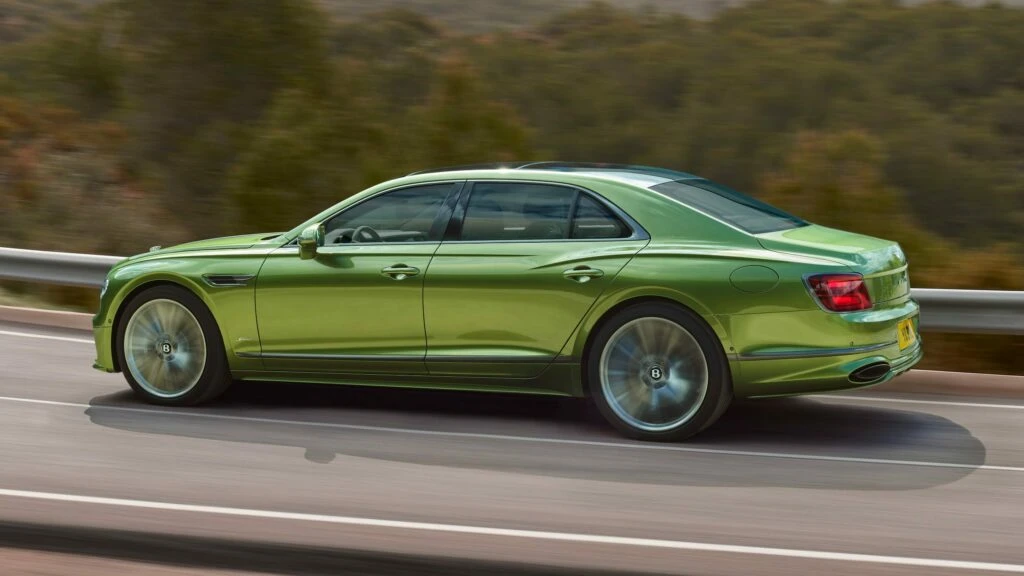
Continuing Electrification
Despite the changes, Bentley is continuing to push for electrification and plans to launch a new hybrid or electric vehicle every year starting in 2026. This will start with their electric city SUV and will likely continue with a greater emphasis on hybrids.
Performance with a charge
While the future is still uncertain, spy photographers have already captured a high-performance version of the Continental GT Speed. It is expected to revive the Supersports name and receive a high-performance hybrid system consisting of a 4.0-liter twin-turbocharged V8 engine, an electric motor and a 25.9 kWh battery. This setup should give the model a combined output of more than 771 hp. 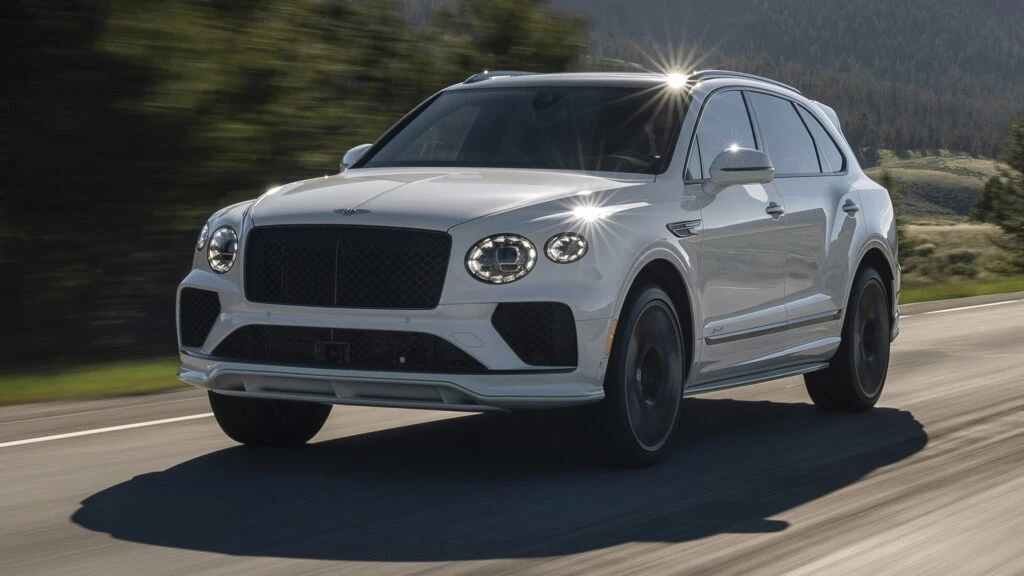
This change in strategy reflects broader trends in the automotive industry, where many manufacturers are reevaluating the pace of the transition to electrification. Market conditions, particularly in key regions for luxury cars, show that consumers are not yet ready to completely abandon traditional engines. Bentley is therefore demonstrating flexibility in its efforts to balance innovation with the real needs of its customers.