An Era of Glamour: 10 Fashion Designers Who Redefined the 1980s (30 Photos)
Many of our readers remember the 1980s and the iconic fashion of that decade. While Soviet fashion was a far cry from the haute couture of leading global houses, the impact of the era's top designers remains undeniable. It was the golden age of Ralph Lauren, Giorgio Armani, and Calvin Klein. The trends set by these visionaries didn't just transform the fashion industry—they reshaped how people dressed all across the globe. 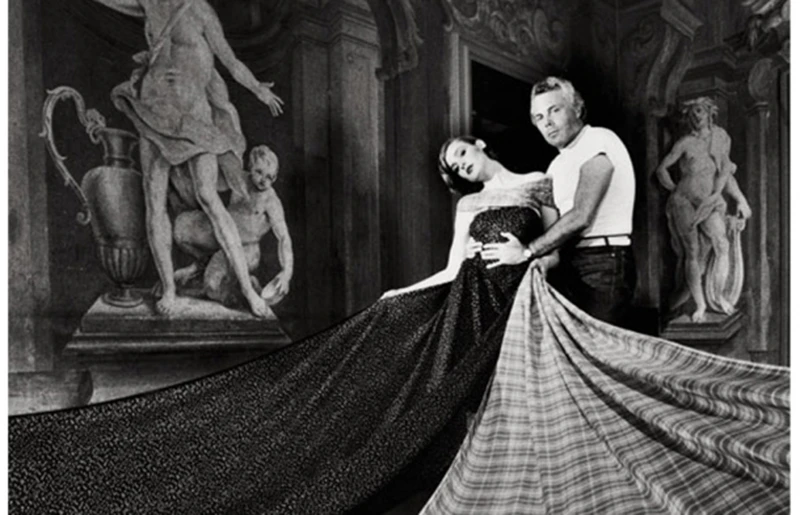
Calvin Klein 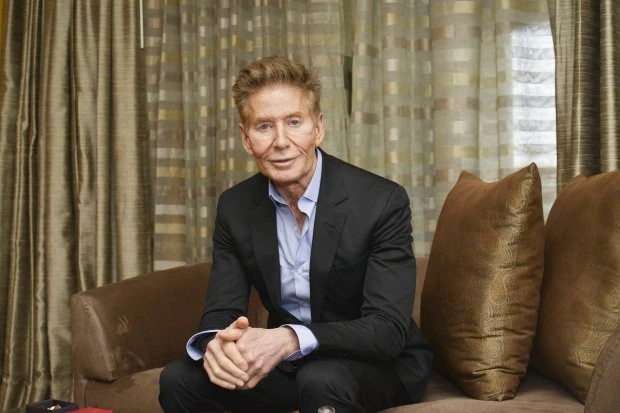
Calvin Klein’s big breakthrough came in the mid-1970s with the launch of designer jeans featuring the brand’s logo proudly stitched onto the back pocket. This bold branding sparked a craze among fashion enthusiasts, laying the groundwork for what would become known as "logomania." 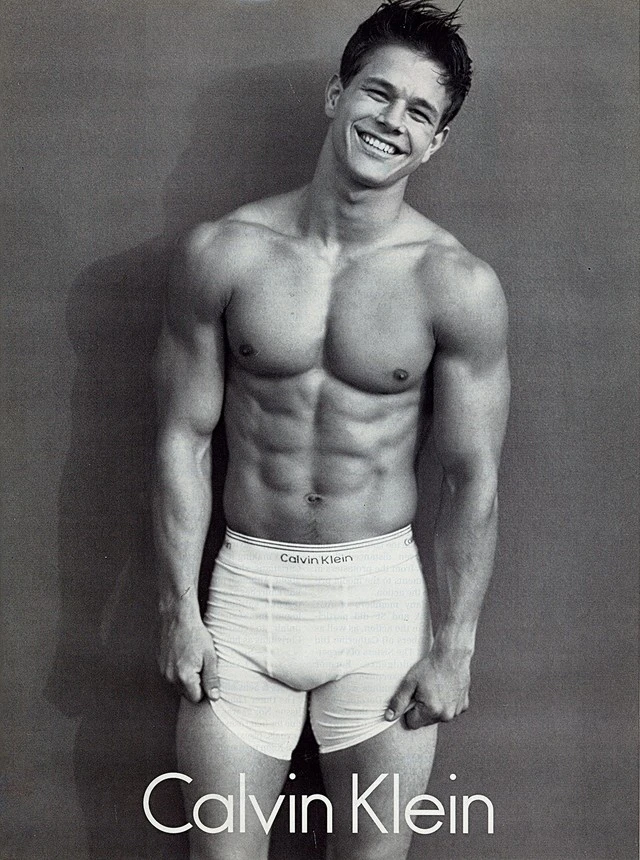
Mark Wahlberg in a Calvin Klein ad campaign.
In the 80s, Calvin Klein launched an underwear line that became an instant sensation, fueled by provocative ad campaigns featuring scantily clad models. 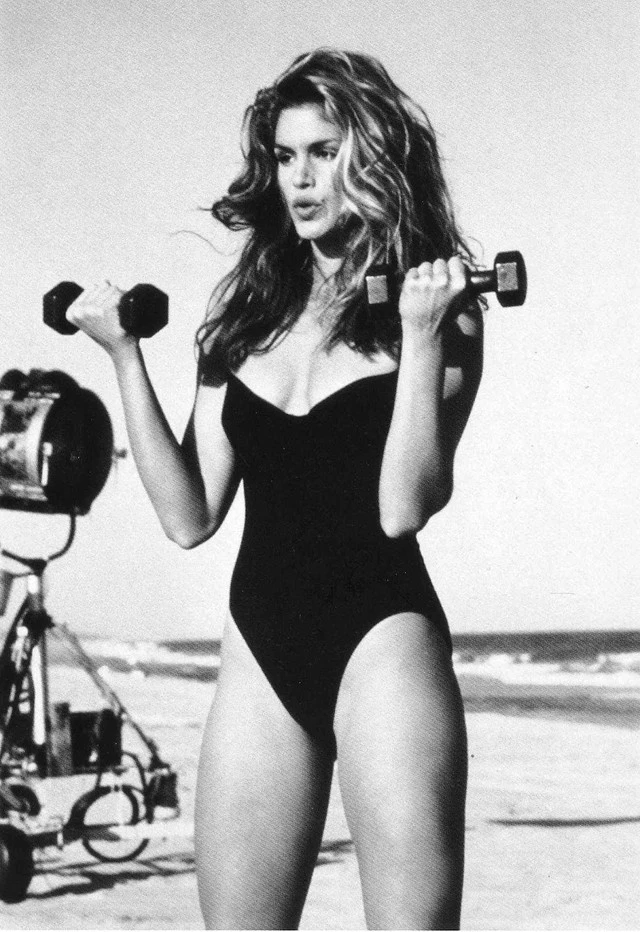
Cindy Crawford in a Calvin Klein campaign.
Ralph Lauren 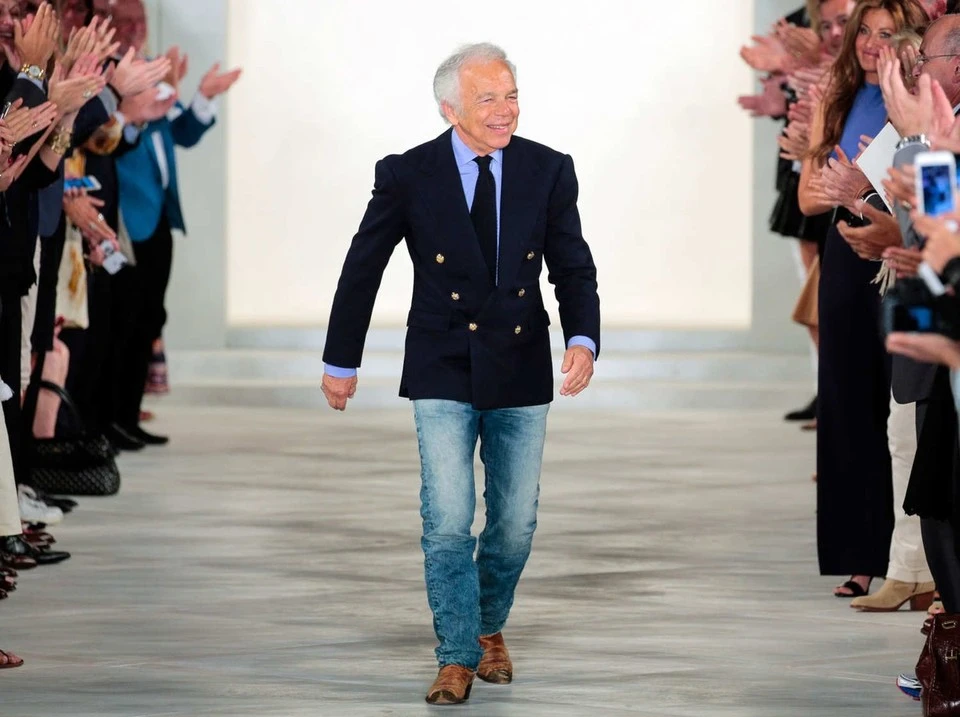
In the 80s, sleek and sophisticated suits by Ralph Lauren became the ultimate hallmark of good taste. Ralph Lauren’s personal style served as a blueprint for high-society sophistication: classic polo shirts (the Polo line featuring the iconic polo player logo remains immensely popular today), casually draped blazers, and luxury accessories. 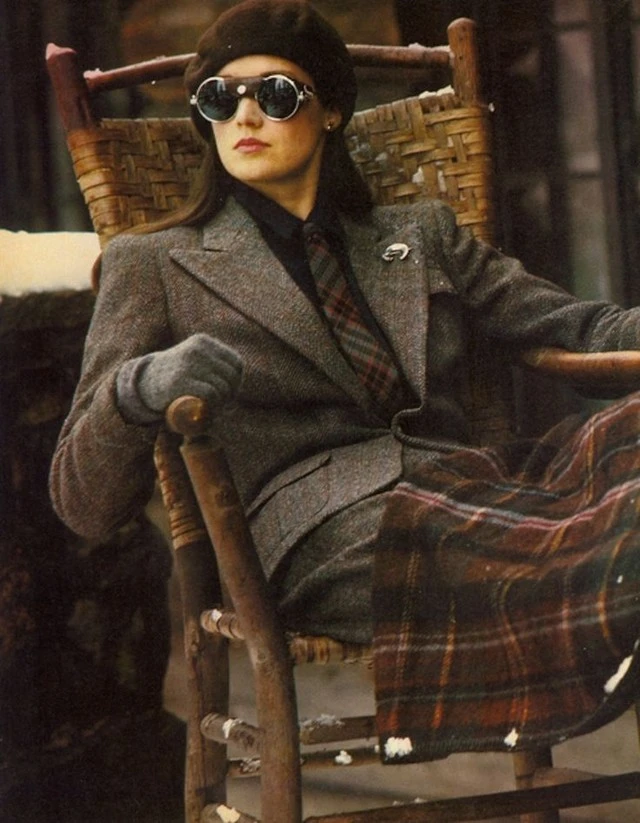
A Ralph Lauren advertisement from the 1980s.
During the 1980s, Ralph Lauren redefined what wealth looked like: no longer overly stiff or manicured, but effortlessly confident—letting premium designer wear subtly signal one's status. 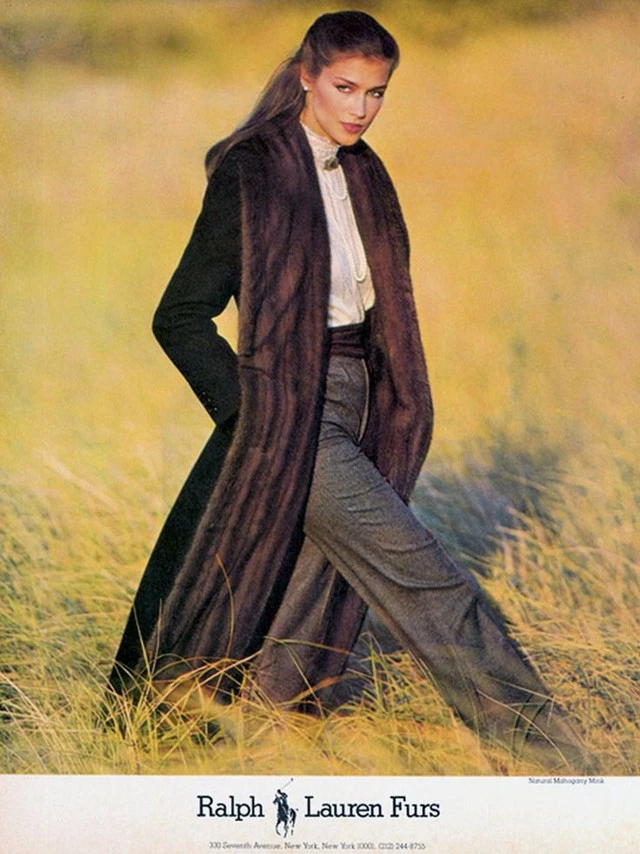
1980s Ralph Lauren style.
Jean Paul Gaultier 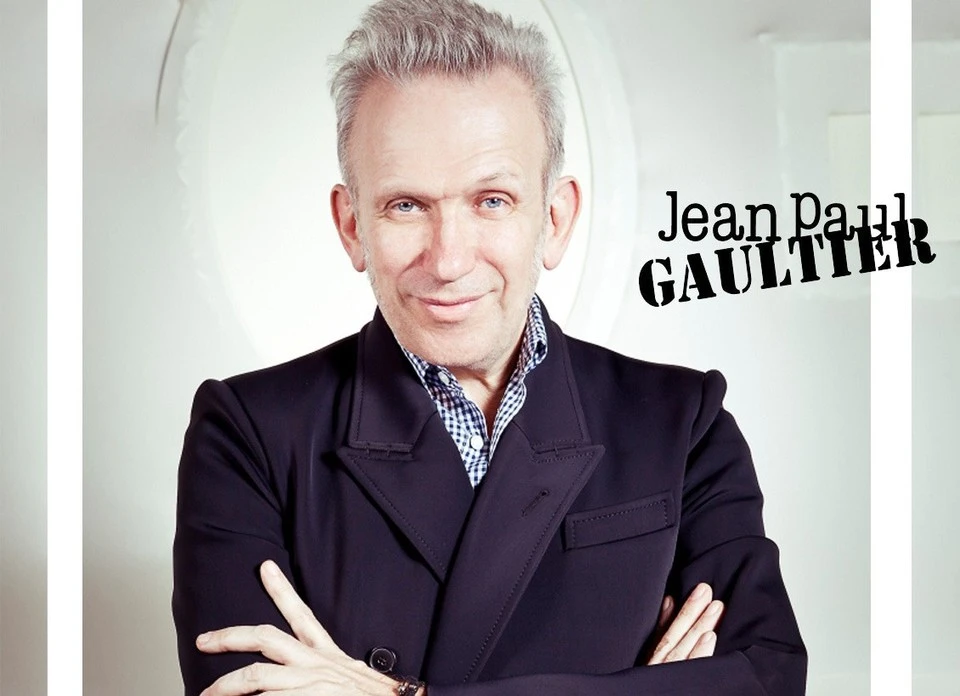
At just 18, Jean Paul Gaultier sent his sketches to top couturiers, landing a job with Pierre Cardin. Despite lacking formal fashion training, Gaultier launched his own collection by the mid-70s, and by the 80s, his name had become a household word—largely thanks to his provocative, boundary-pushing designs. 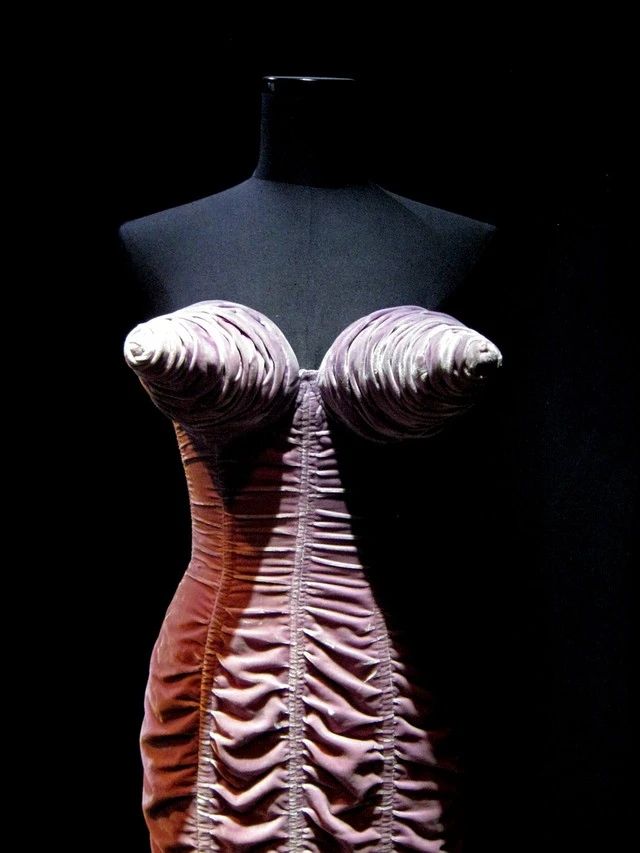
A Jean Paul Gaultier design.
Gaultier fearlessly blurred gender lines, creating collections featuring skirts for men and avant-garde, high-tech looks for women. In the 80s, he also designed the iconic cone bra dress that would become Madonna’s signature look in the early 90s. 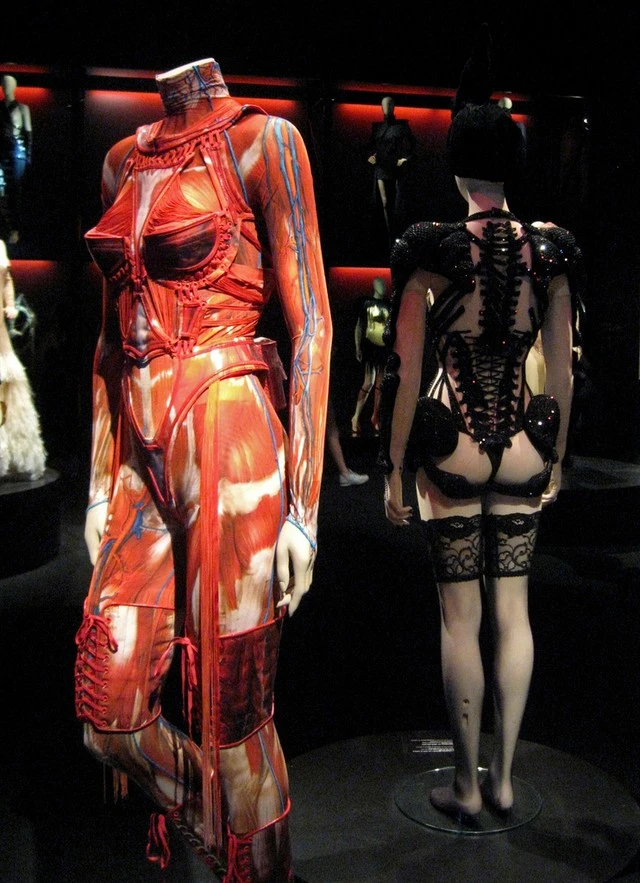
A muscle-print outfit designed for Mylène Farmer's tour, alongside his "Merry Widow" ensemble.
Karl Lagerfeld 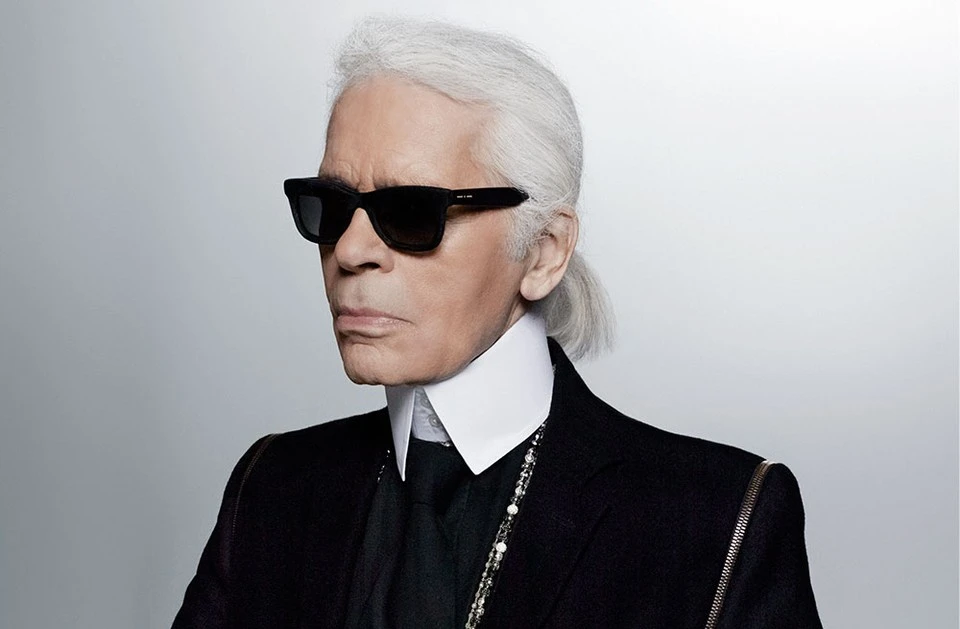
From the start of his career, Lagerfeld juggled roles at four different fashion houses at once, designing distinctly unique collections for each. In the early 80s, he became the creative director of Chanel while simultaneously developing his own clothing line, KL. For Fendi, he designed the iconic double-"F" logo, launched an eyewear line, created a denim collection, and spearheaded the brand's very first fragrance line. 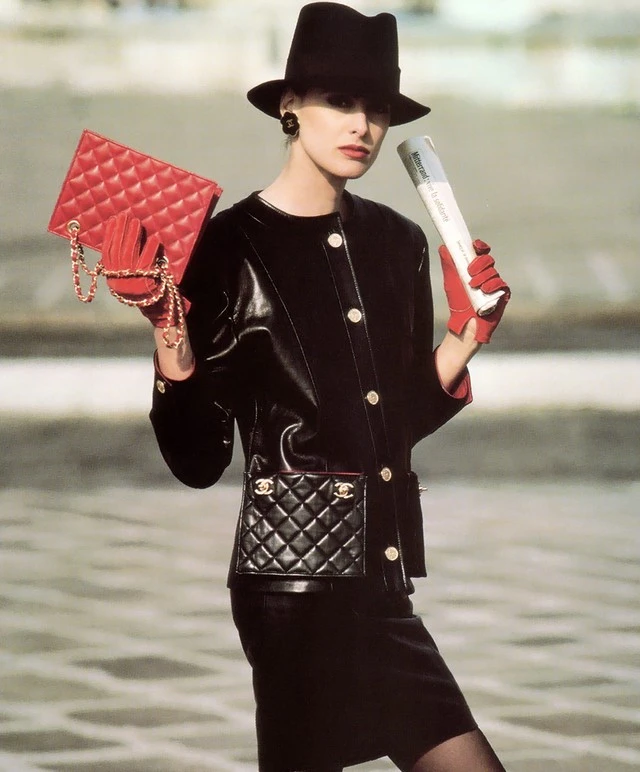
Karl Lagerfeld for Chanel, 1987. 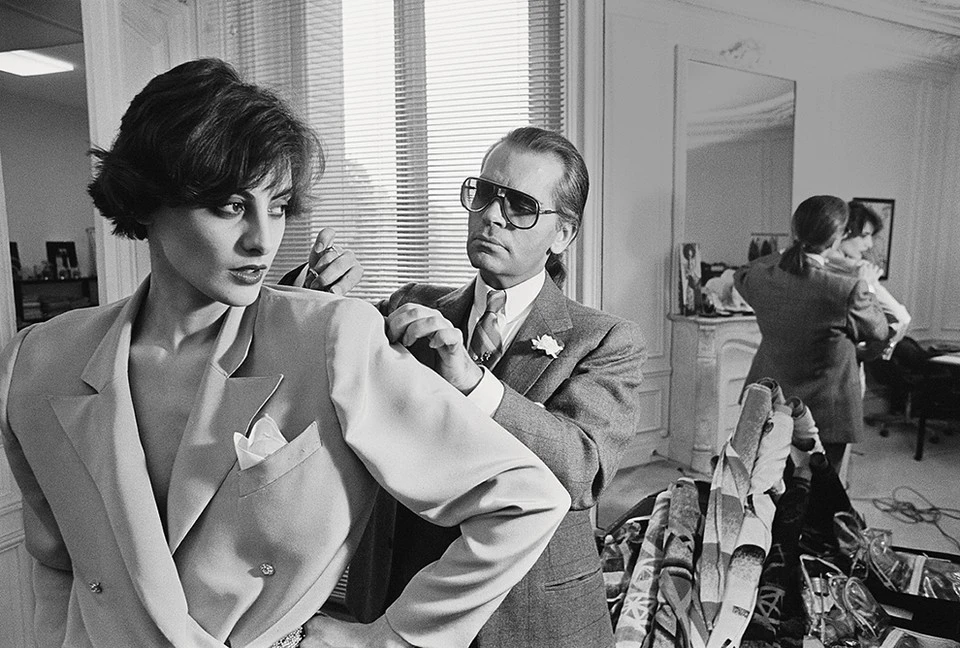
Karl Lagerfeld and Inès de La Fressange.
Gianfranco Ferré 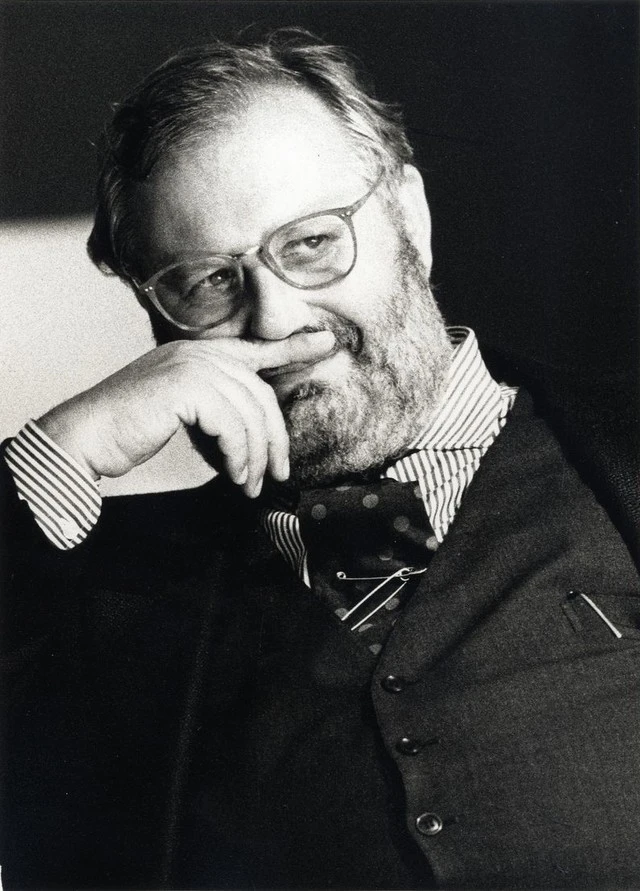
Trained as an architect, Gianfranco Ferré later earned the nickname "the architect of fashion." He debuted his first collection in 1978, followed by a menswear line under his own label in the early 80s. In the late 80s, Ferré was named artistic director of Christian Dior, where he was given a mere nine weeks to craft his debut collection for the iconic house—a feat he pulled off to critical acclaim. 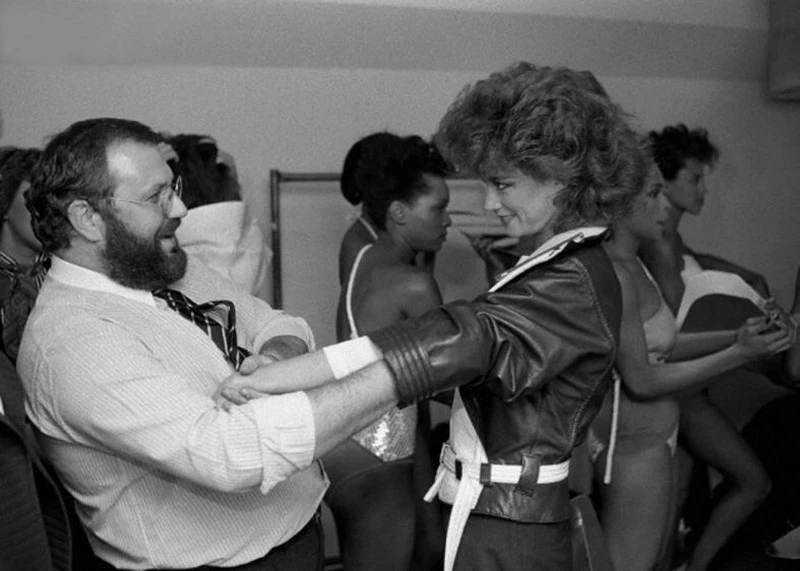
Gianfranco Ferré with a model, 1982. 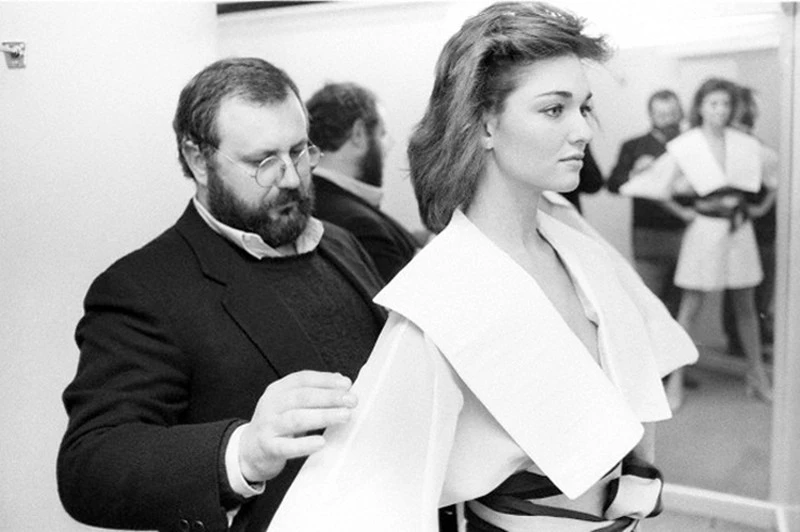
Gianfranco Ferré with a model backstage before a fashion show, 1982.
Gianni Versace 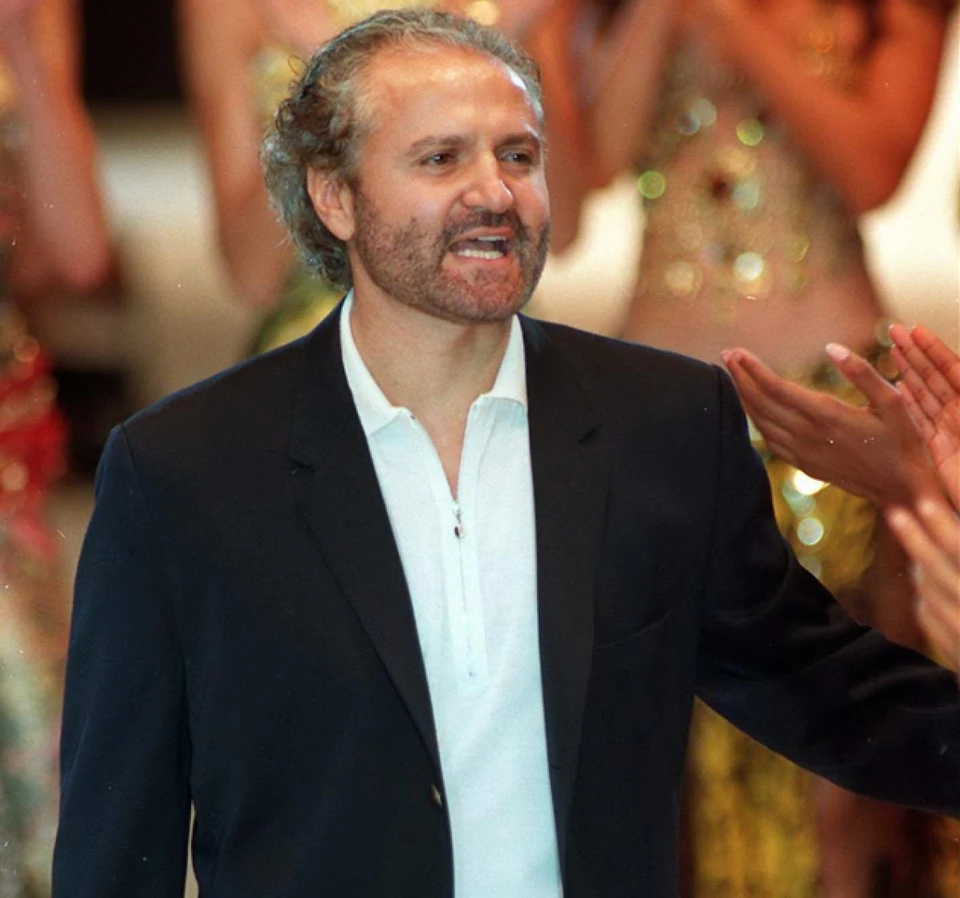
Gianni Versace launched his eponymous brand in Milan in the late 1970s. His brother Santo took charge of business administration, while his sister Donatella oversaw photoshoots and creative direction. In the mid-80s, the release of the men's fragrance L’Homme sparked a new wave of success for the brand. Like Lagerfeld, Versace championed the era of the supermodel, paying top runway stars unprecedented fees. 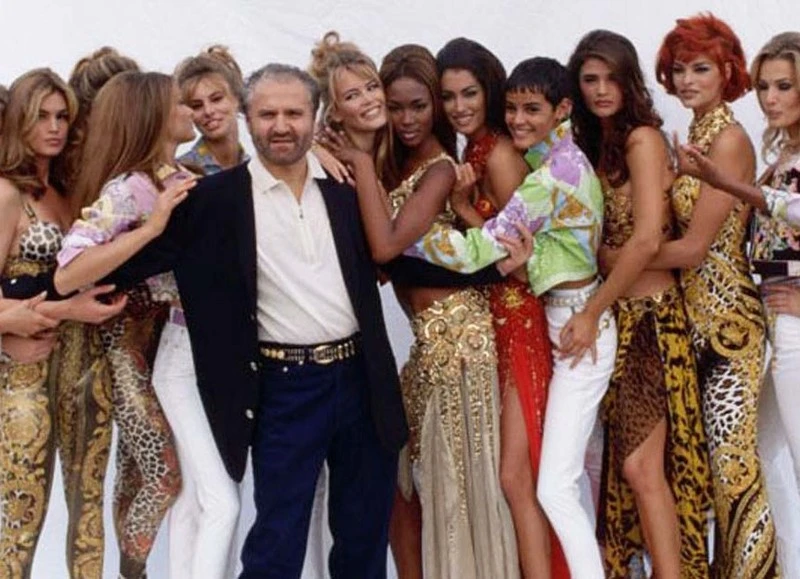
Gianni Versace surrounded by supermodels.
In 1997, Versace was tragically murdered by a serial killer, who committed suicide days later without ever revealing a motive. 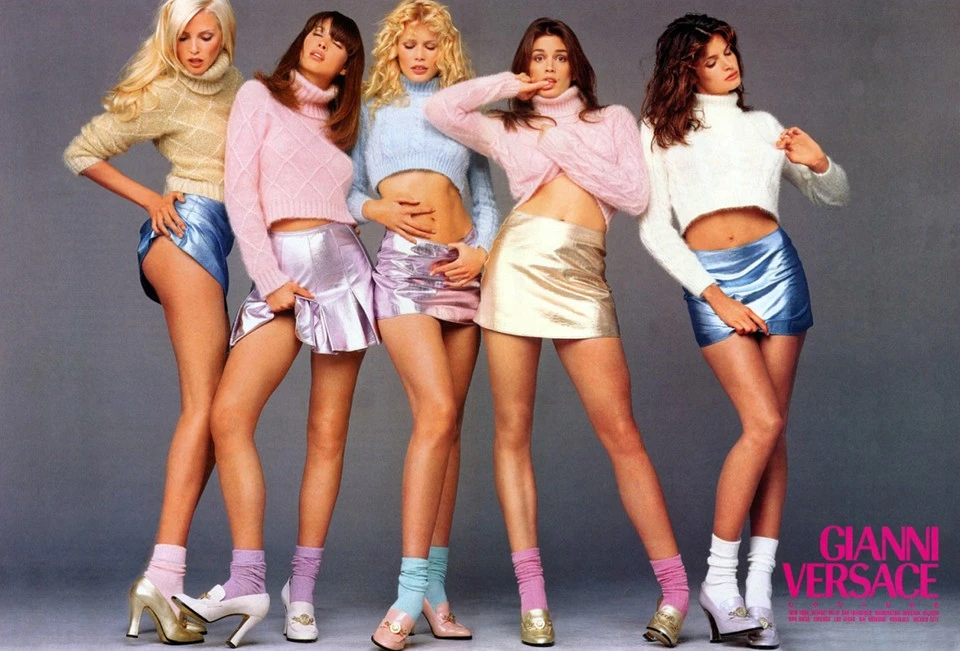
Gianni Versace's supermodels.
Donna Karan 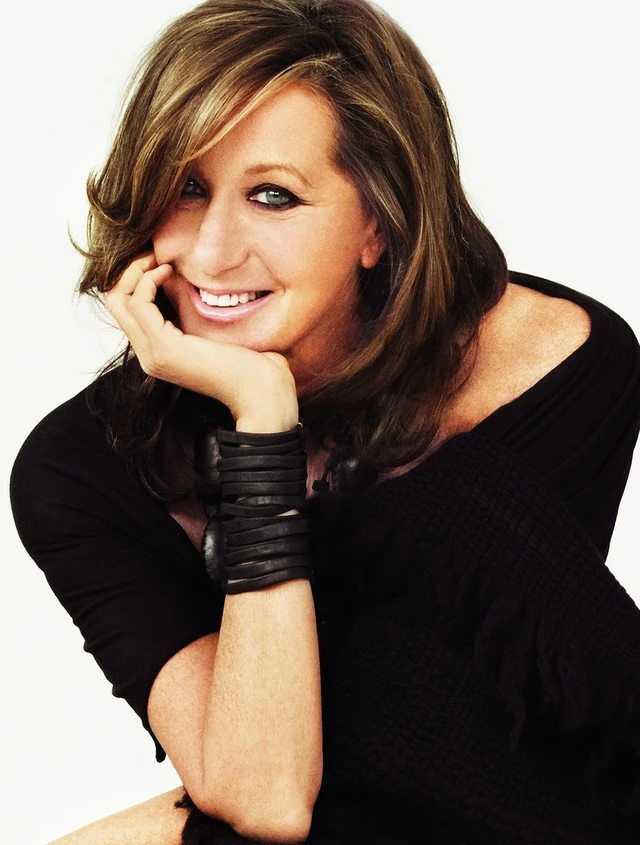
Donna Karan started her career at Anne Klein, rising to head designer by the late 70s. In the 80s, she launched her own brand tailored to everyday women. Rejecting overpriced couture, Karan focused on accessible fashion aimed at a younger demographic. It proved a massive success: skyrocketing profits and soaring popularity led to her induction into the Coty Hall of Fame in 1984. 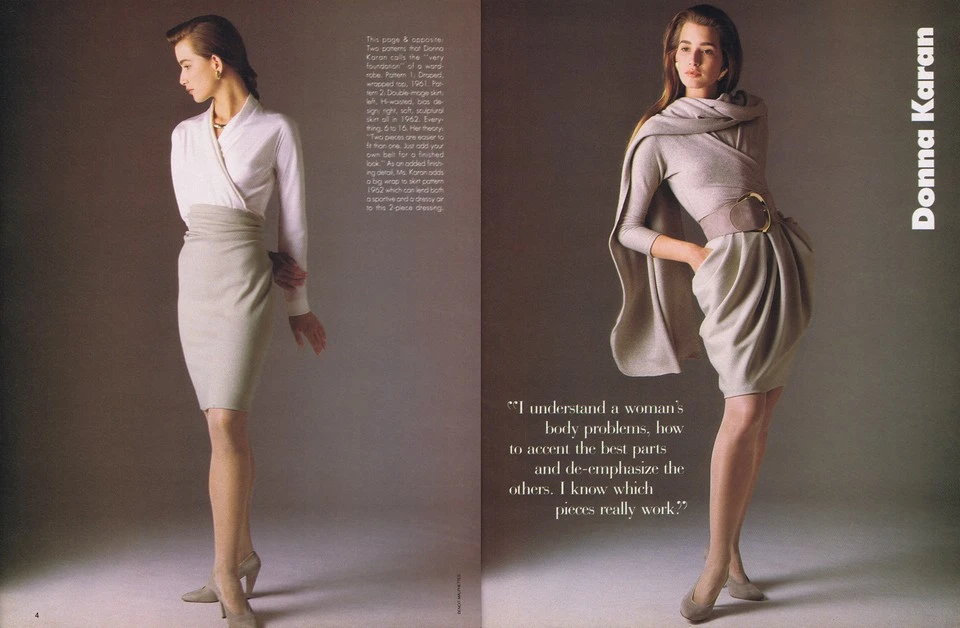
Donna Karan models, 1987.
Karan popularized opaque black tights paired with short skirts—a game-changer for women of all body types looking to wear minis. She also introduced the revolutionary "Seven Easy Pieces" concept, showing that a woman needed just seven versatile items in her wardrobe to create endless everyday outfits.
Giorgio Armani 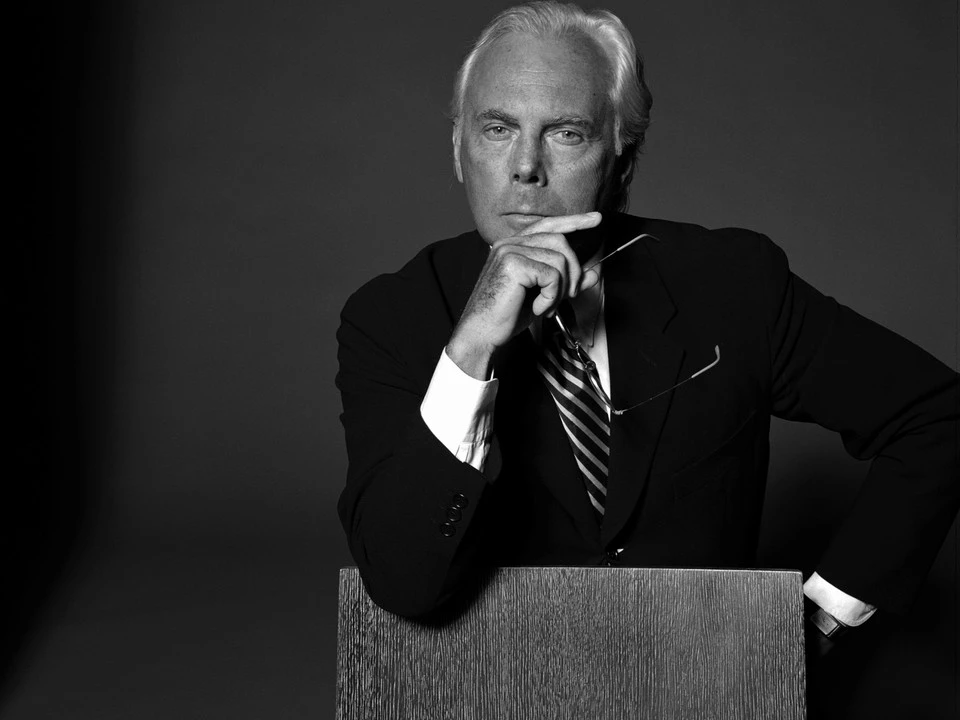
Italian designer Giorgio Armani launched his first collection in the mid-1970s, quickly earning renown for his tailored menswear blazers. In the mid-80s, Armani partnered with L’Oréal, launching scent and diffusion lines including Armani Junior, Armani Jeans, and Emporio Armani. 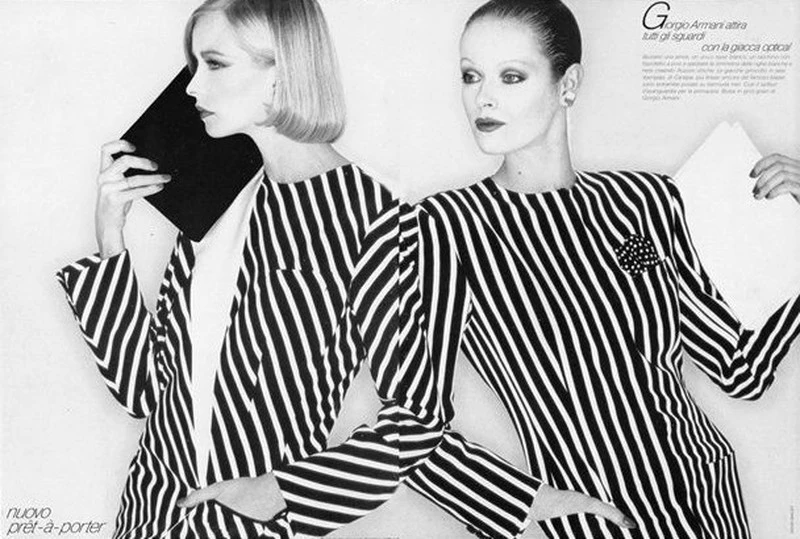
Giorgio Armani suits.
Armani also left his mark on Hollywood as a costume designer for films such as American Gigolo starring Richard Gere, The Comfort of Strangers, and The Untouchables. 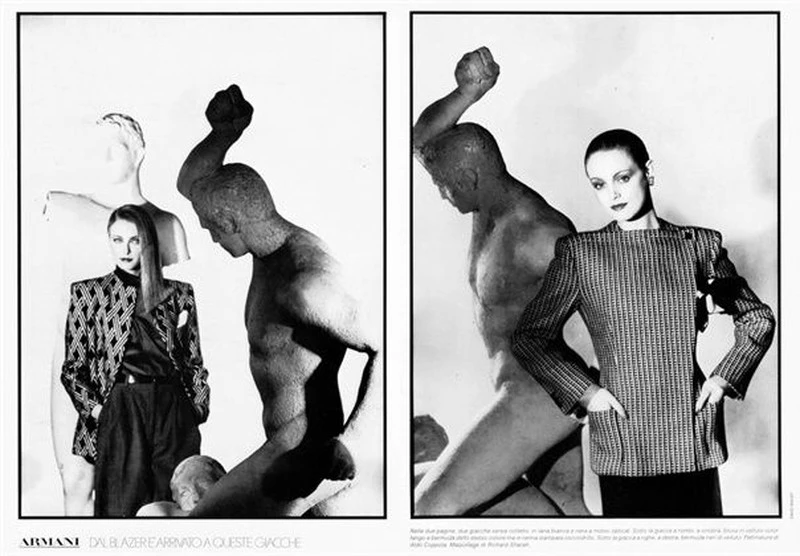
Giorgio Armani suits.
Franco Moschino 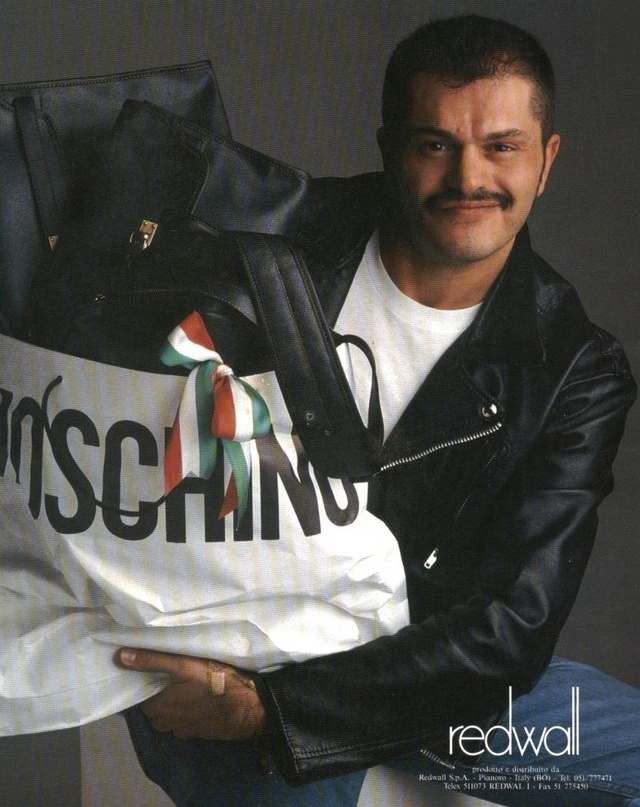
Franco Moschino began his career as an illustrator for Gianni Versace. In the early 1980s, he founded his own company, Moonshadow, debuting with a high-end luxury collection before shifting focus to the more accessible Cheap and Chic diffusion line. 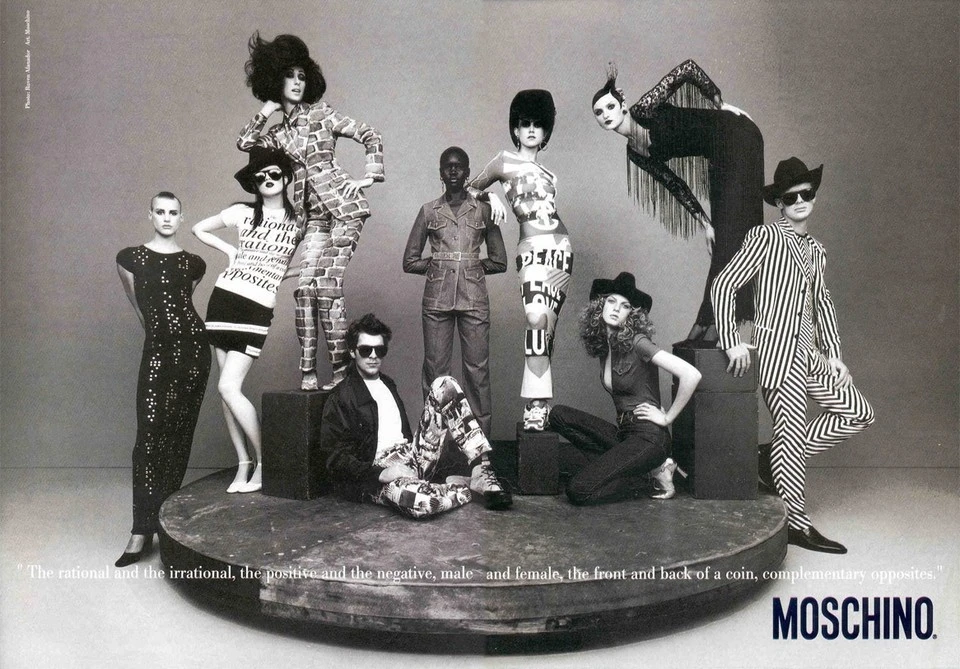
Franco Moschino designs.
Moschino delighted in satirizing the pretentiousness of haute couture with playful absurdity. Belts came stamped with "Waist of Money," while jackets bore the literal slogan "Expensive Jacket," alongside cheeky phrases like "Ready to Wear?" He prominently showcased his bold, often gold "MOSCHINO" logo front and center. Ironically, this tongue-in-cheek approach catapulted him into fashion royalty, creating a brand that others now emulate. 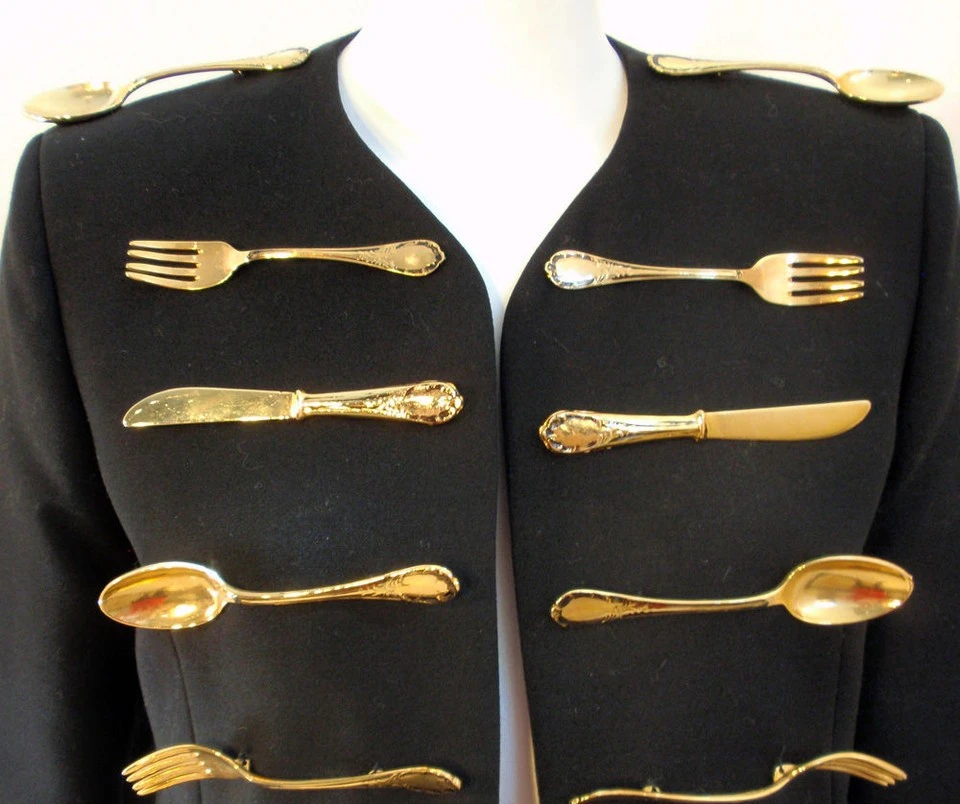
A jacket by Franco Moschino.
John Galliano 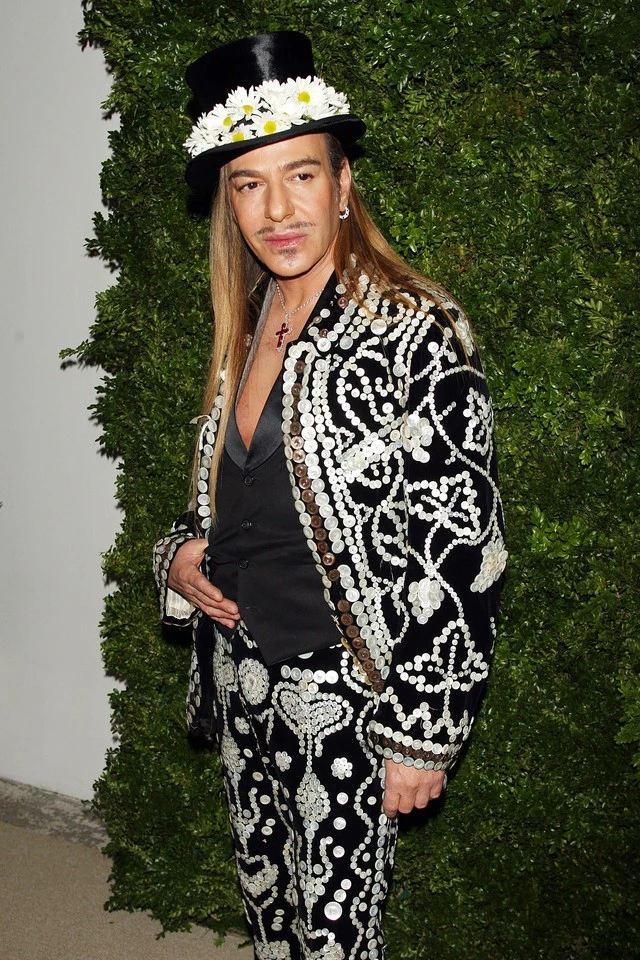
John Galliano’s breakthrough came fresh out of college with his French Revolution–inspired graduate collection. Avant-garde boutique Browns bought the entire collection to display in their windows, which helped Galliano secure the backing he needed to showcase his work at London Fashion Week.
Known for theatrical showmanship, Galliano shocked audiences by dousing all his models with water right before sending them down the runway. 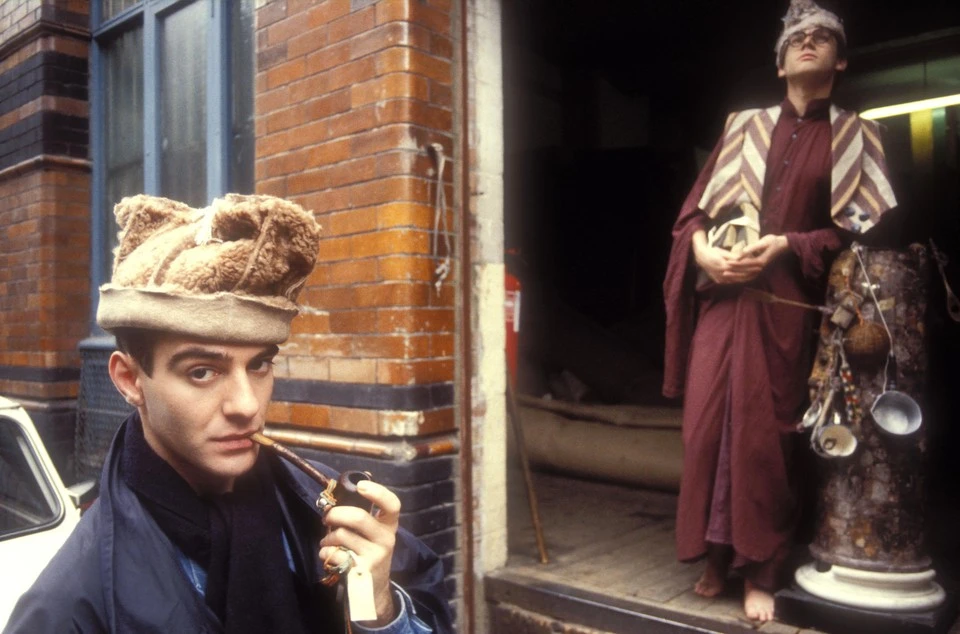
John Galliano outside his studio. 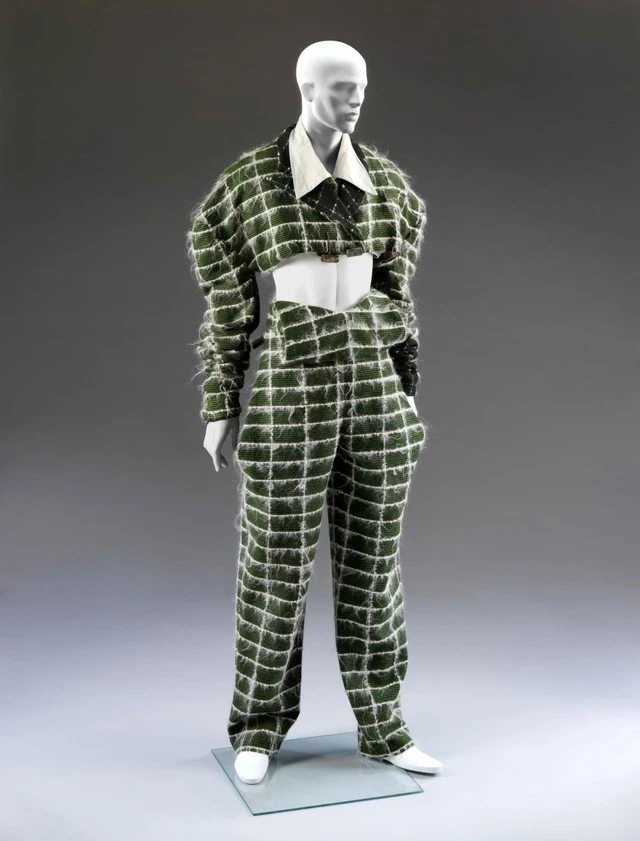
A design from John Galliano's collection.