How Mosquitoes Bite and Why Their Bites Itch So Much (6 Photos)
It is no secret that dealing with mosquitoes at any hour of the day or night is an exercise in pure misery. Their shrill, relentless whining, their constant hovering right before your eyes, and, worst of all, their infuriating, itchy bites have earned them a spot as the ultimate summer nightmare. These flying pests can effortlessly ruin an outdoor barbecue or rob you of a good night's sleep, leaving behind red welts that itch for days. But why do mosquitoes torment us with such an itch in the first place? Why can't they just drink their fill and fly away? 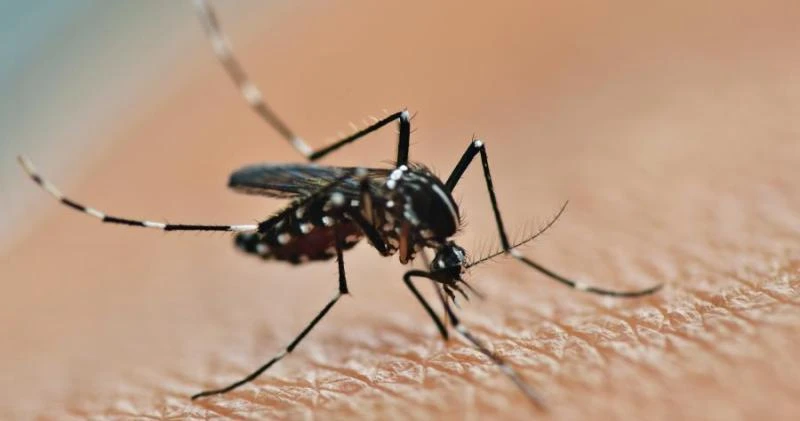
Science has long established that only female mosquitoes drink blood. The males are strict vegans, feeding exclusively on floral nectar and plant juices. Females, on the other hand, require a rich source of proteins and lipids to develop their eggs and produce the next generation. Blood is a concentrated, accessible cocktail of nutrients containing everything a female mosquito needs. 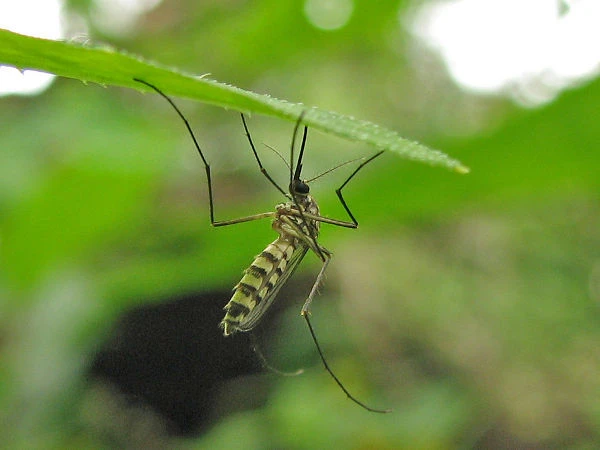
To track down a target, the female mosquito deploys a suite of sophisticated detection systems that would make modern military targeting tech look primitive. First, she locks onto the plume of carbon dioxide exhaled by all warm-blooded creatures. Think of this as her long-range radar.
Once she enters the carbon dioxide plume, she switches to thermal sensors and chemical analyzers for precision targeting. Mosquitoes navigate using 72 olfactory receptors on their antennae, 27 of which are fine-tuned to detect specific chemicals present in human and mammalian sweat. 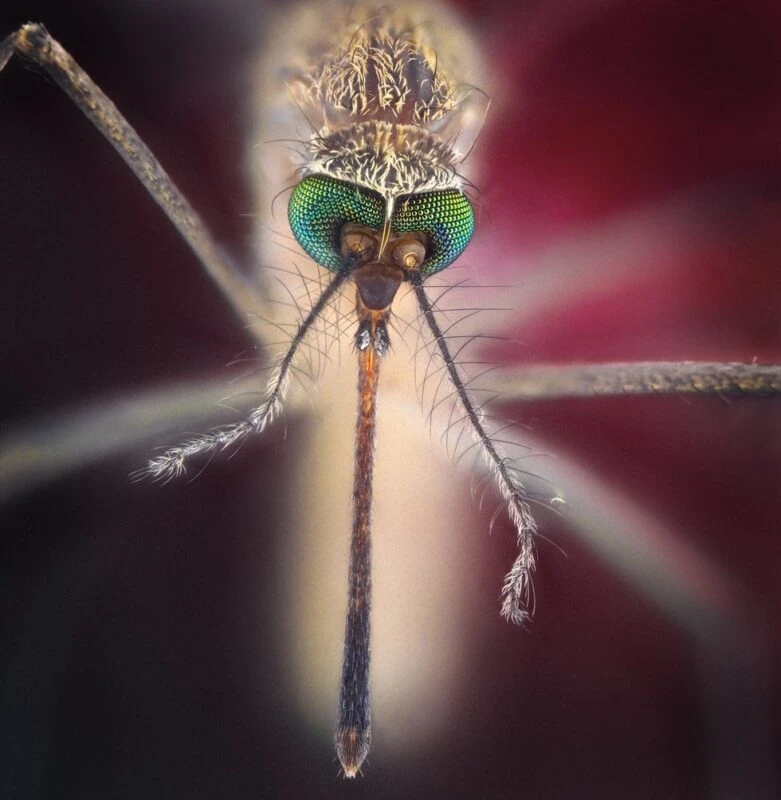
Nature spared no effort or imagination when engineering these bloodsuckers. The thermal sensors other insects use to avoid freezing have been repurposed in mosquitoes to home in on warm-blooded prey. Harvard researchers found that a mosquito's heat sensors are remarkably accurate, tuned to temperatures ranging from 30 to 37 degrees Celsius (86 to 98.6 degrees Fahrenheit). In short, their built-in thermal cameras are custom-built to detect warm-blooded animals, humans included.
Once the target is selected and the landing site chosen, the mosquito faces another challenge: piercing the skin. Children's skin is far easier to puncture, but these bloodsuckers aren't picky. They will feed on almost anyone, including animals with hides vastly thicker than adult human skin.
To pierce the surface, the mosquito uses serrated mouthparts called maxillae. It saws away with precision, carefully avoiding nerve endings to keep you from noticing. To hold the skin taut during this delicate operation, it anchors itself with its mandibles. It is very much like a tailor cutting a hole in fabric with shears while holding the cloth steady with the other hand. 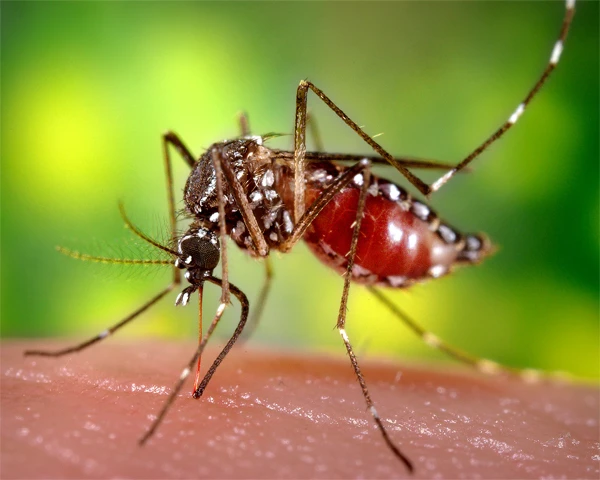
Once the opening is made, the labrum comes into play—a slender, flexible probe designed to seek out and pierce a blood vessel. Once struck, the blood travels up the proboscis, which is actually a bundle of microscopic needles, directly into the mosquito's gut. Technically, calling them "bloodsuckers" is a bit of a misnomer; the mosquito doesn't actively suck blood out. Instead, your own blood pressure pushes the fluid straight into its body.
To keep the blood flowing freely, the insect uses a specialized channel called the hypopharynx, which creates suction much like a nursing infant. But this feast would quickly grind to a halt without an anticoagulant defense. Through the hypopharynx, the mosquito pumps saliva packed with anticoagulants directly into the wound.
It is these very anticoagulants, preventing the blood from clotting, that trigger our body's immune response. The moment foreign proteins enter the tissue, white blood cells, platelets, and antibodies rush to the scene to neutralize the intrusion. 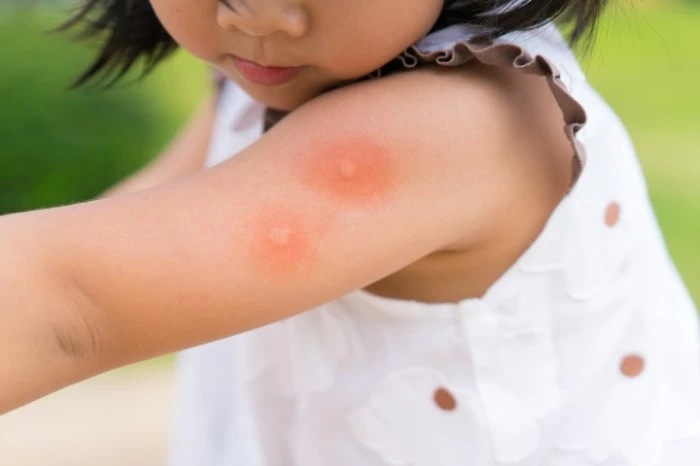
The ensuing battle against these foreign proteins produces the familiar welt—red, swollen, and maddeningly itchy. And that is just the standard reaction; in some cases, mosquito bites cause severe allergic reactions marked by extensive swelling and fever that require medical treatment and prescription medication.
Mosquitoes, of course, couldn't care less about our misery. By the time you start scratching the bite, the culprit has already moved on, scouting for its next meal to nourish another brood of offspring.
As for that irritating high-pitched whine, it too serves a reproductive purpose. While it sounds to our ears like an annoying buzz caused by rapid wingbeats, male mosquitoes use this pitch to distinguish mature, fertile females from younger ones that aren't ready to mate. 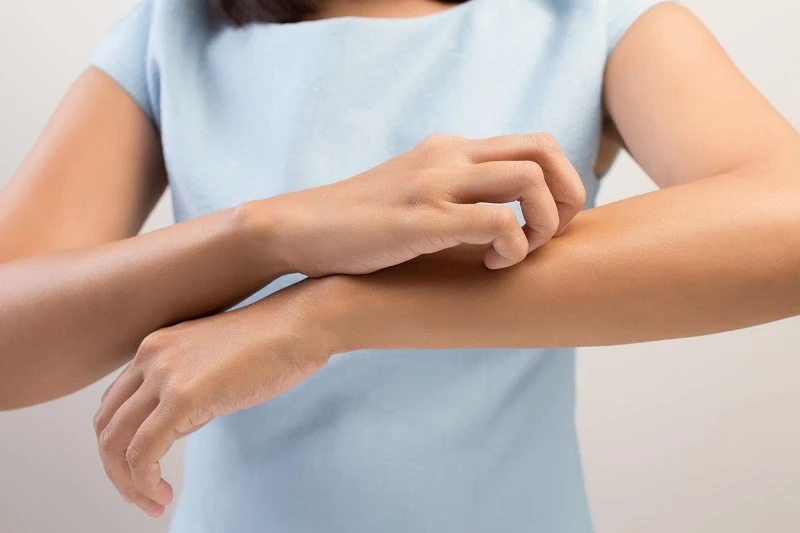
That leaves us with only two real options: fool their high-precision sensors by masking our scent with repellents, or devise ever more creative ways to wipe out these tiny bloodthirsty pests.