Behind the Lens of 'Alien' and 'Aliens' (40 Photos)
We previously took a look behind the scenes of
Alien
. Here are 40 more rare photos from the sets of the original film and its sequel,
Aliens
, along with stories from the crew on how they lit the cramped
Nostromo
and built the Alien Queen. 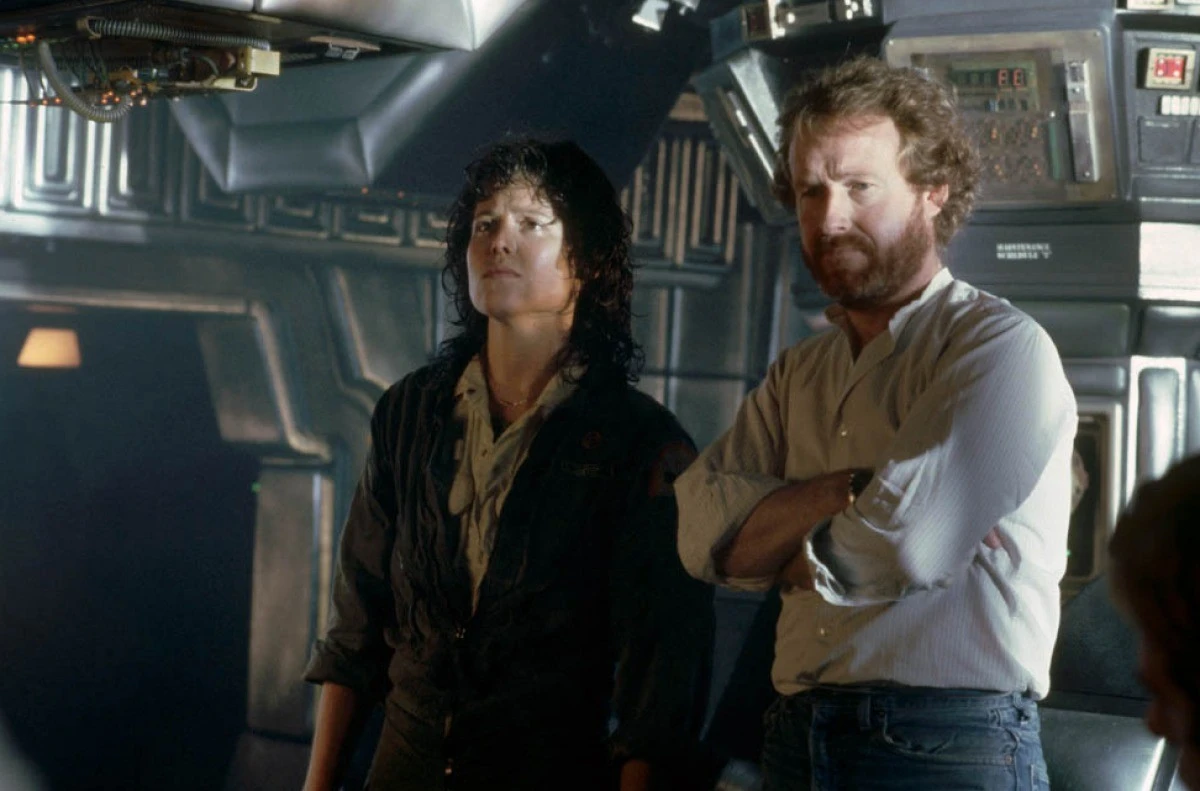
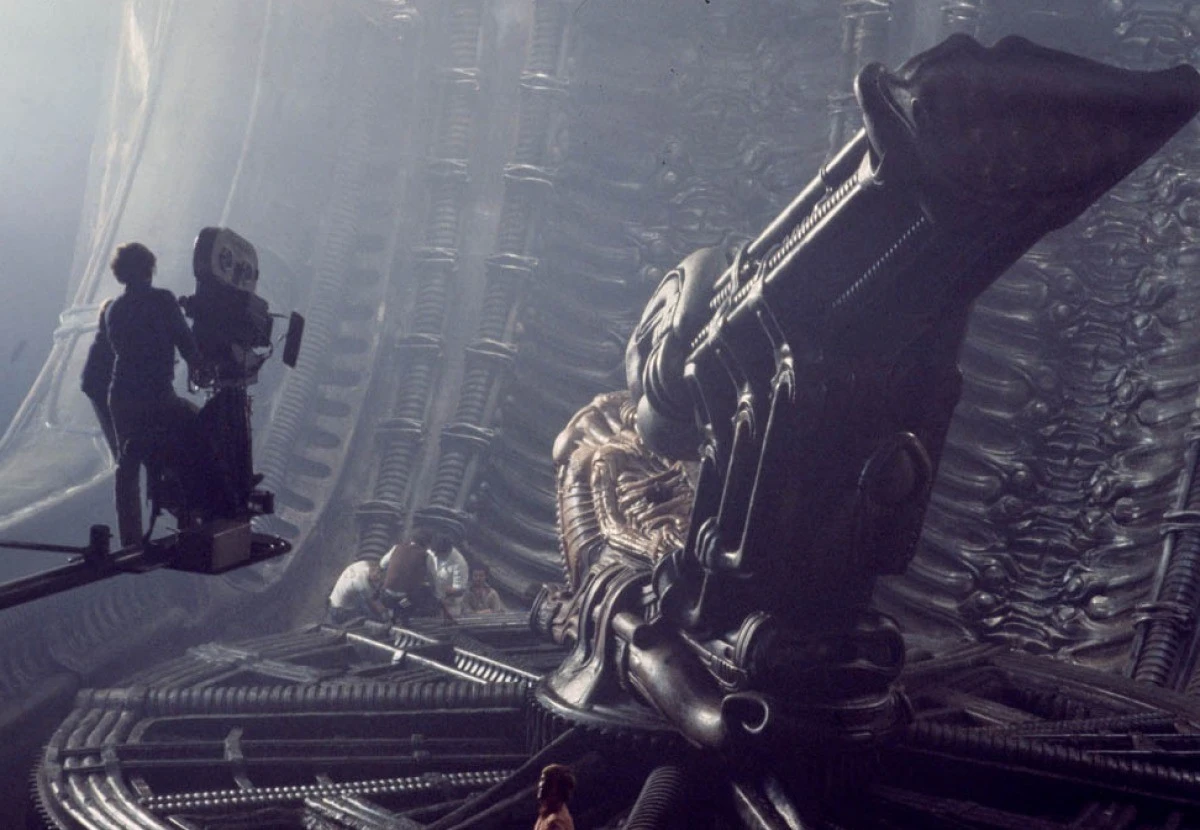
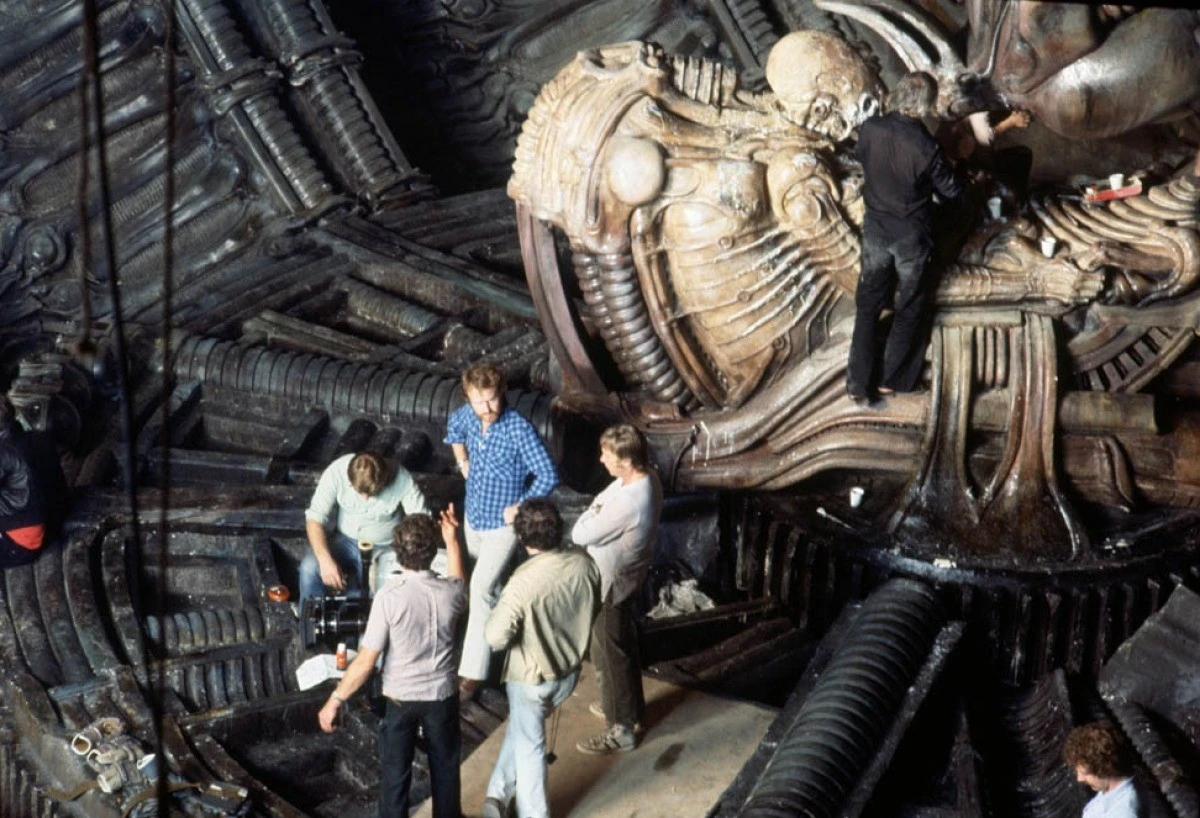
'Alien' (1979): Scott, Giger, and the Cramped 'Nostromo'
Before shooting began on
Alien
, Ridley Scott spent five to six weeks storyboarding the entire film. The master storyboards were followed by detailed shot lists for every single filming day. In an interview with
American Cinematographer
, Scott recalled that the stack grew to nearly four inches thick. The visual effects crew needed to know well in advance what the camera would see—and what rigs could be safely hidden just out of frame. 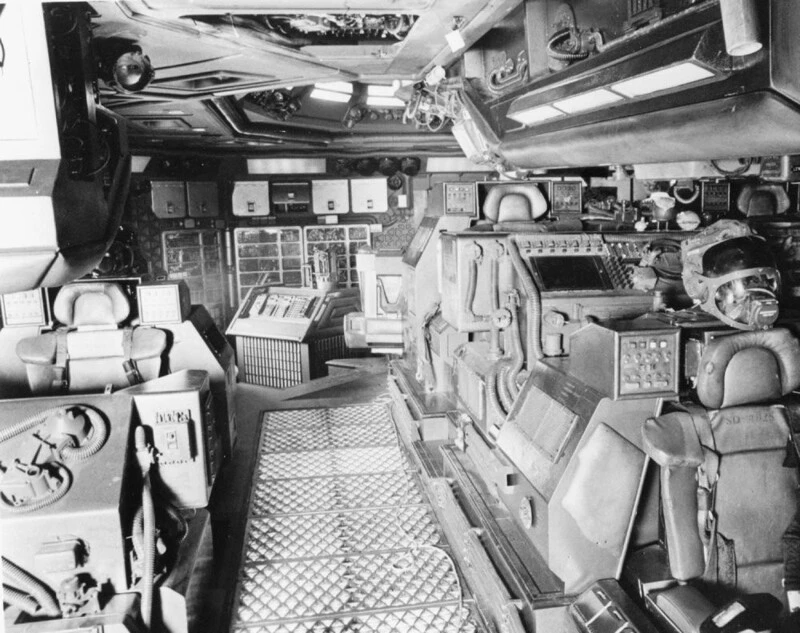
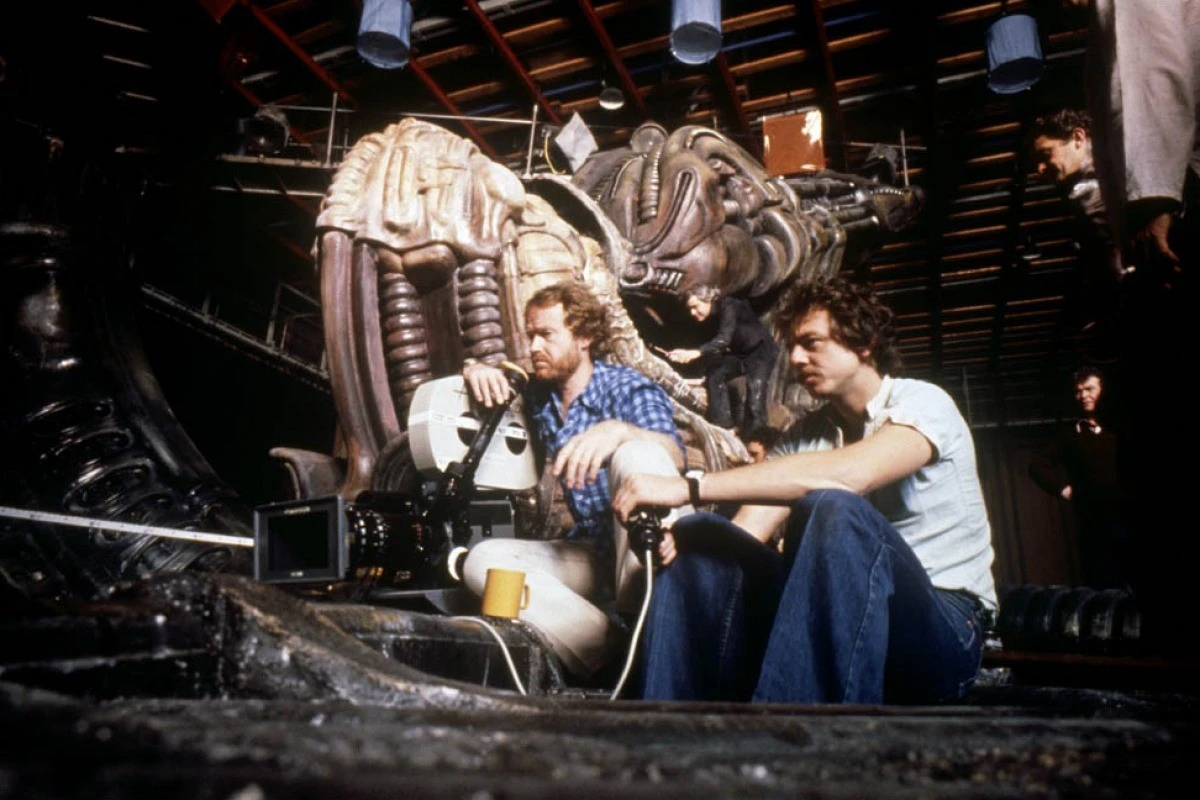
The sets for the
Nostromo
were built with claustrophobically low ceilings and enclosed compartments, forcing the lighting crew to hide fixtures behind grates and build them directly into the set dressing. Cinematographer Derek Vanlint even resorted to using aircraft landing lights. Scott personally operated the A-camera while Vanlint handled the B-camera. Handheld shooting often required Scott to run backward down narrow corridors ahead of the cast—a maneuver Vanlint recalled ending in a few nasty falls. 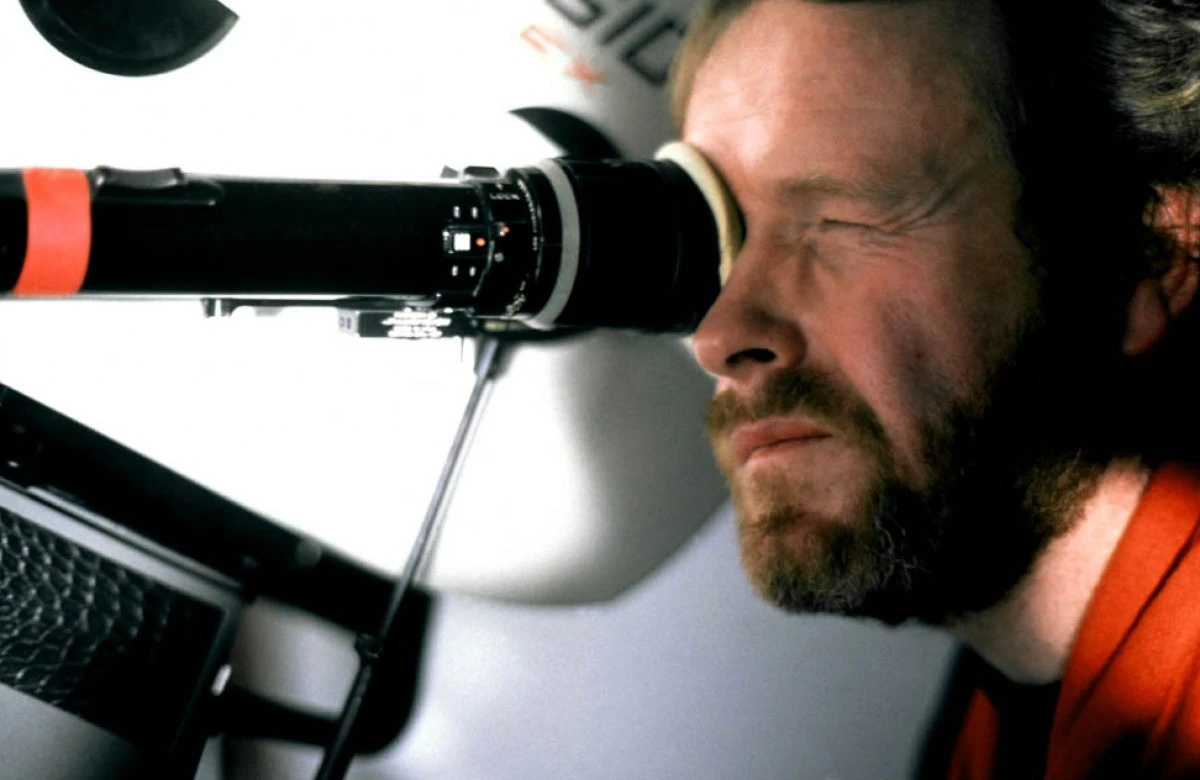
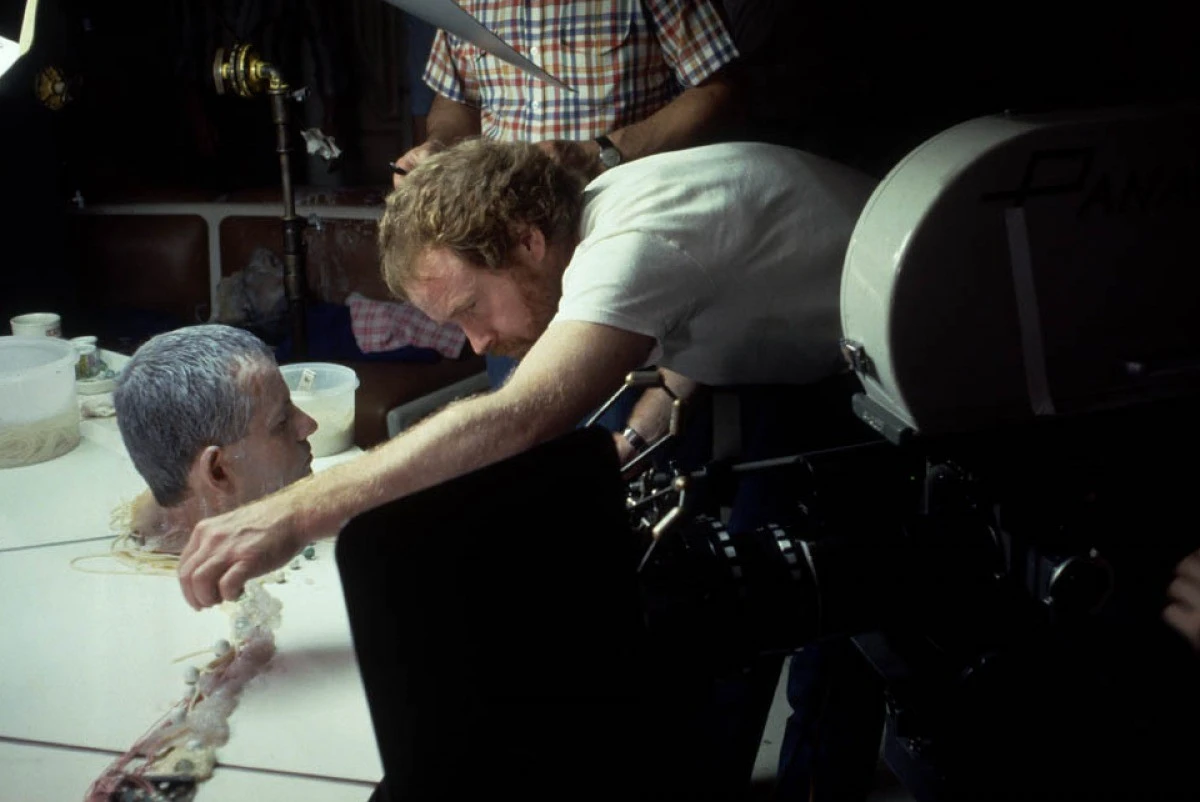
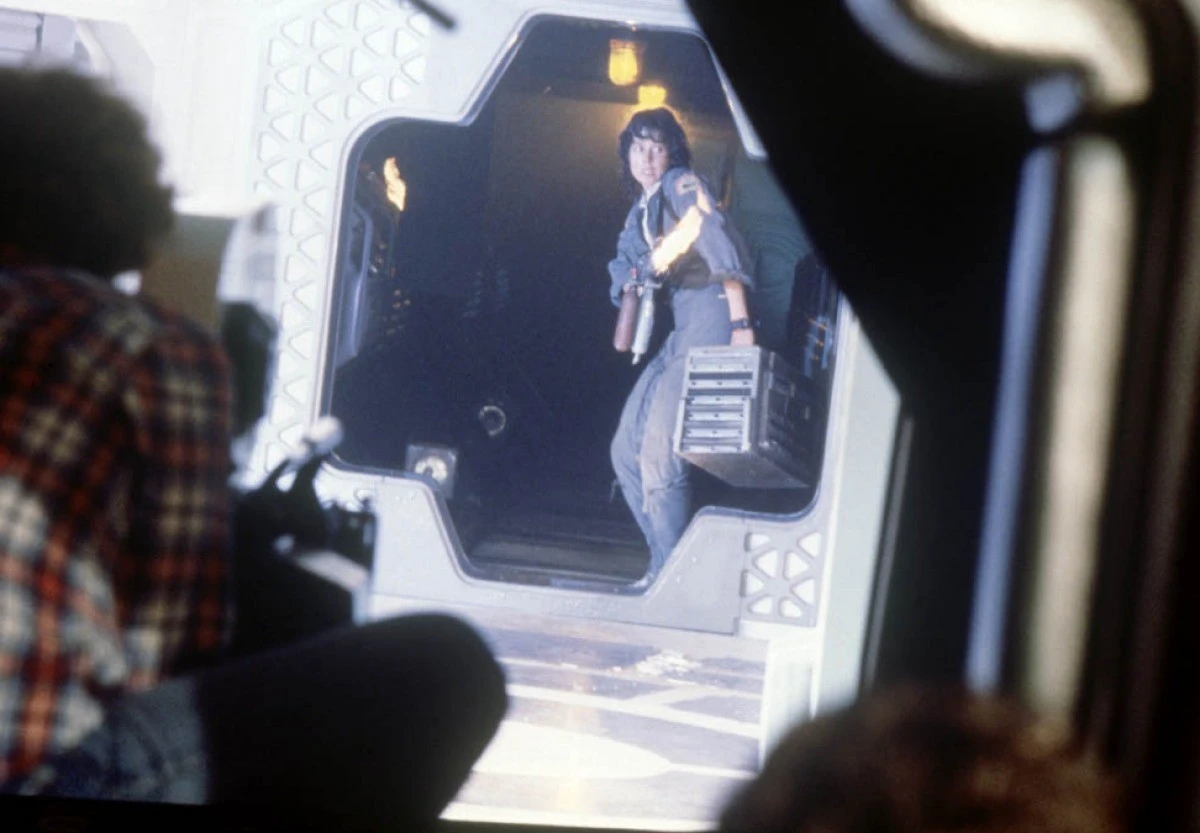
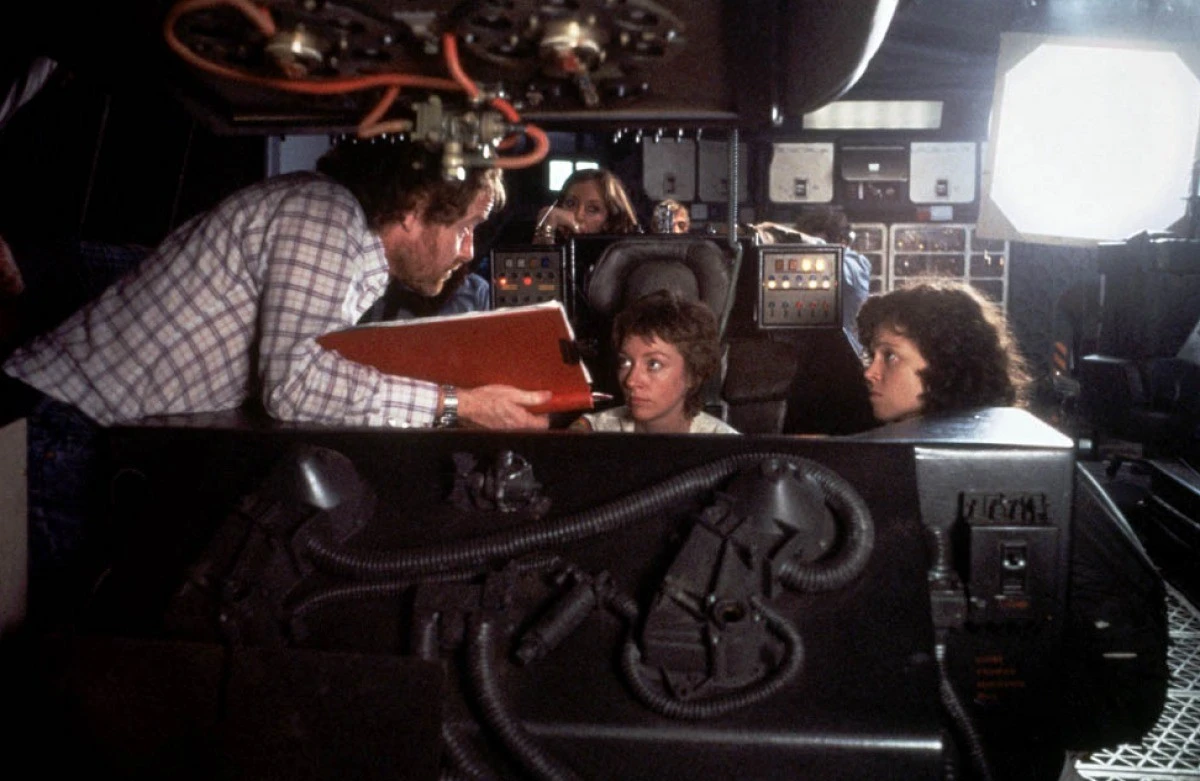
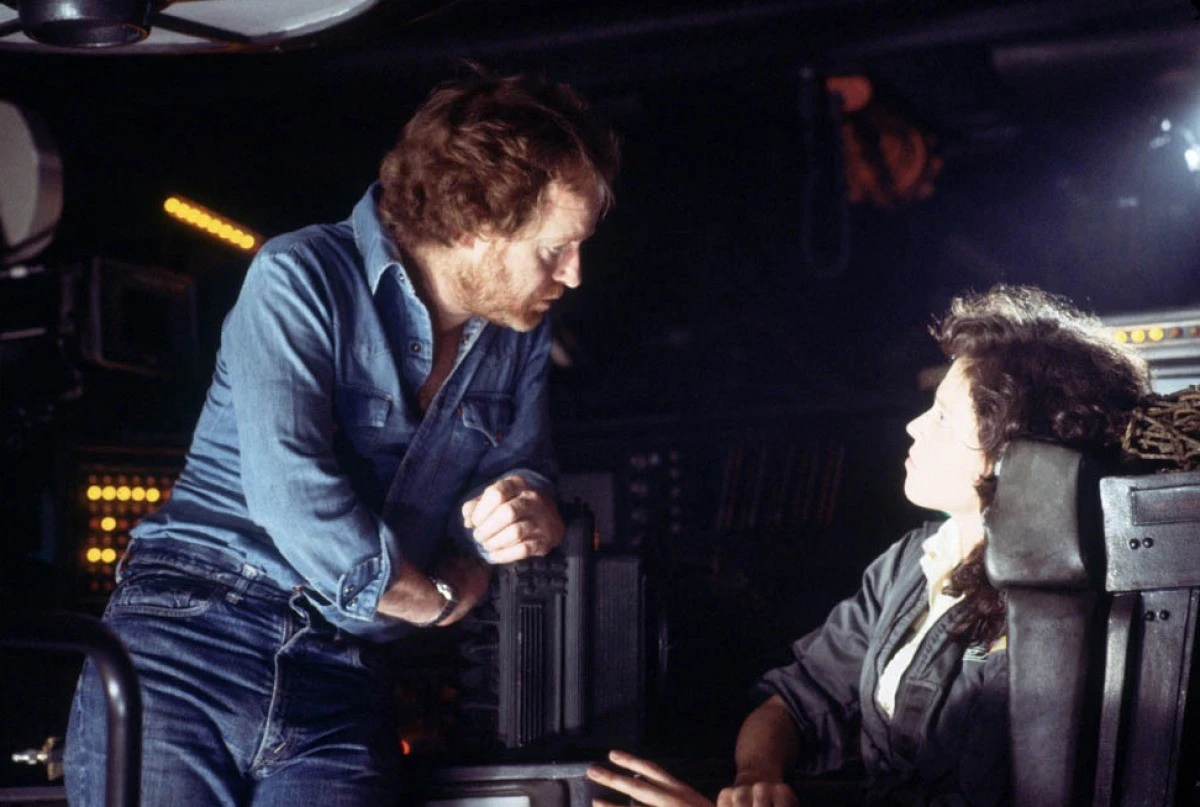
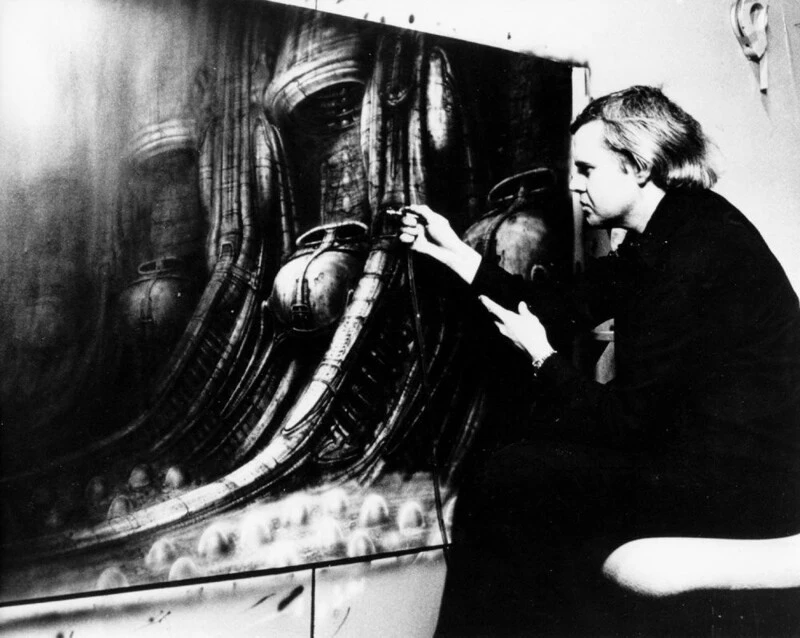
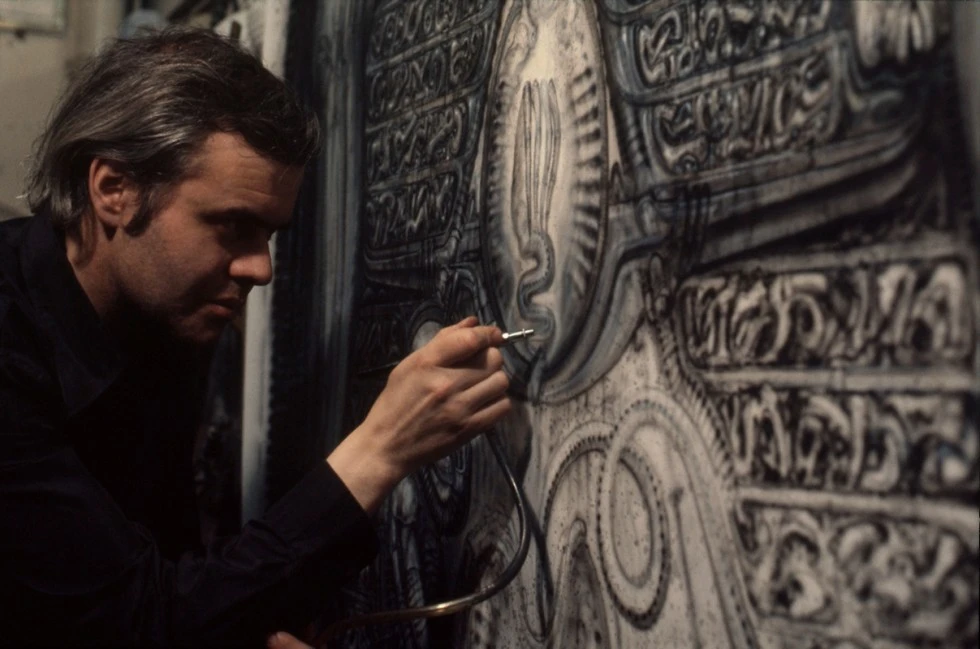
The iconic look of the Alien and its terrifying extra-terrestrial world was designed by H.R. Giger. Fusing rib cages, conduit pipes, and elongated skulls, Giger created a biomechanical universe where the line between organic flesh and industrial machinery became disturbingly blurred. 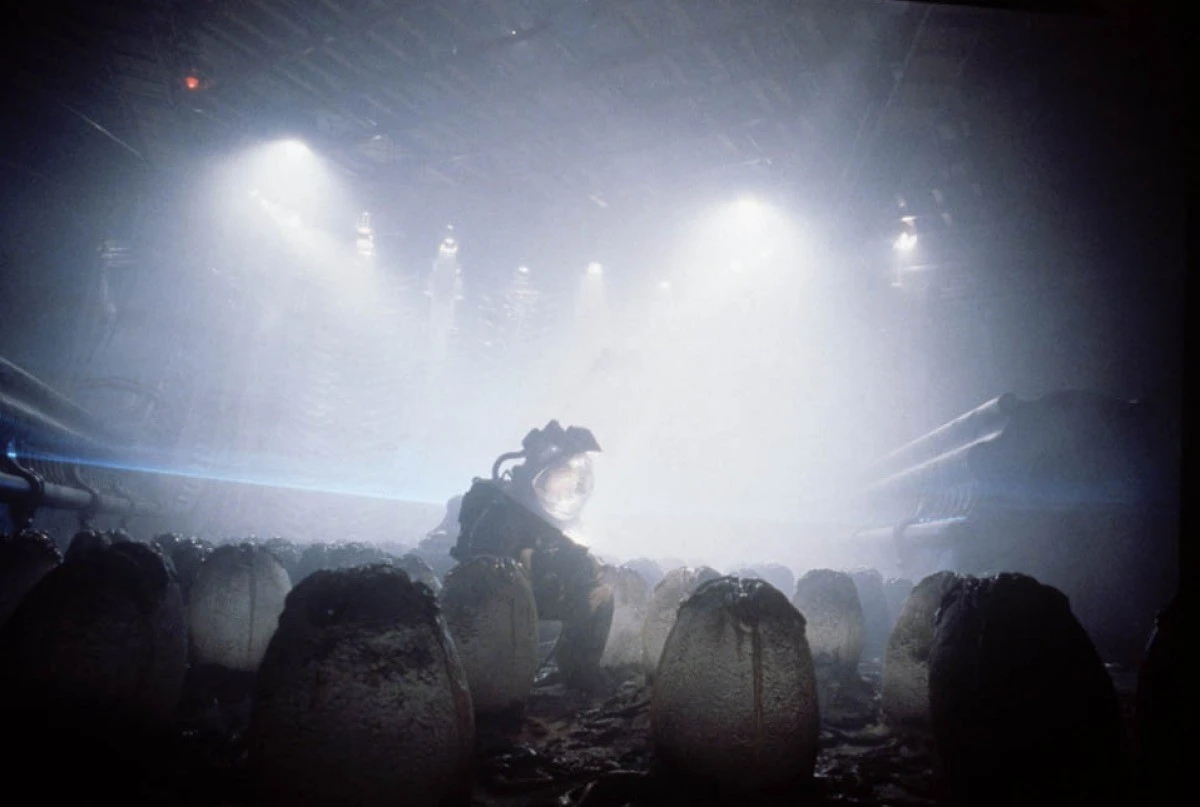
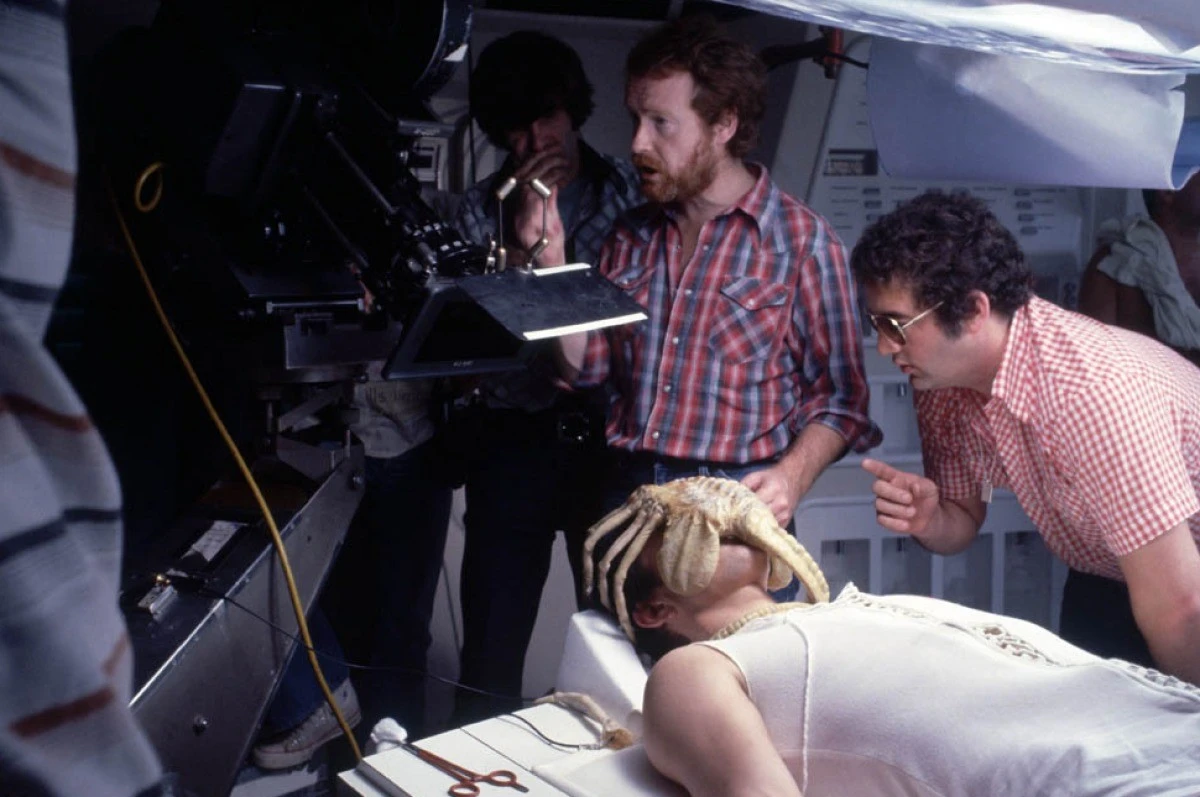
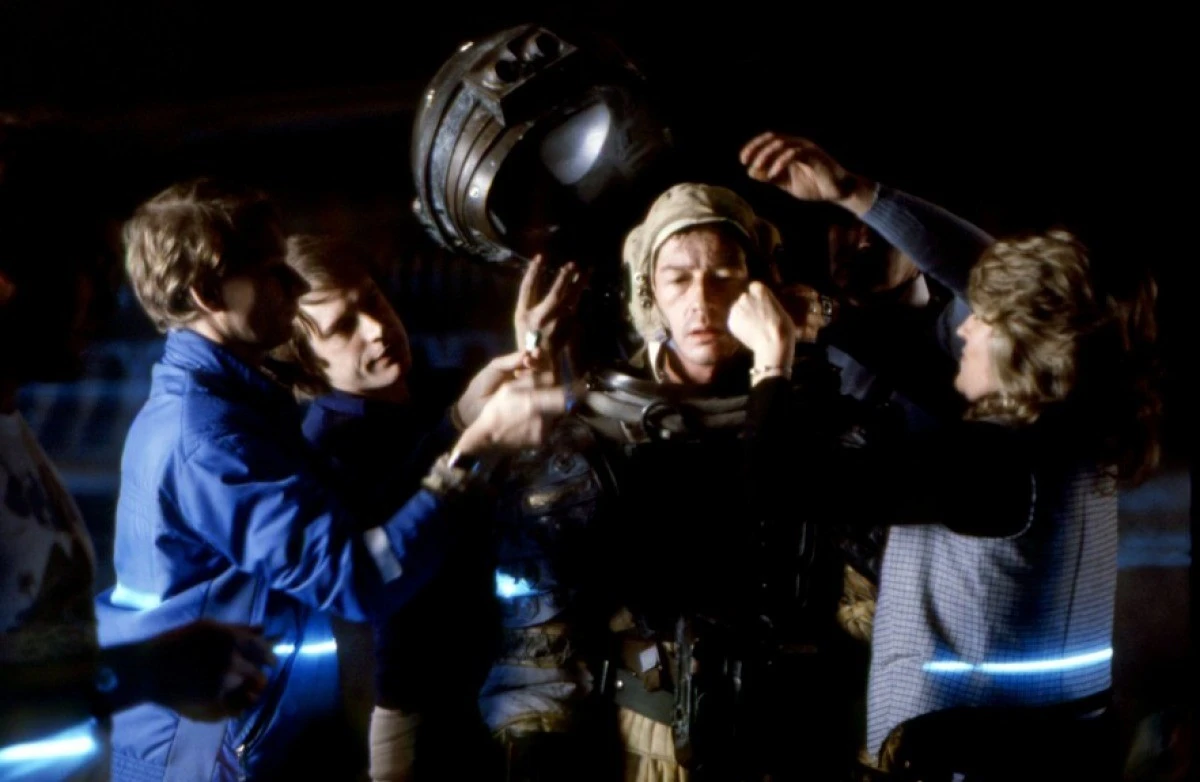
The facehugger scene featuring John Hurt as Kane, with Ridley Scott personally operating the camera. 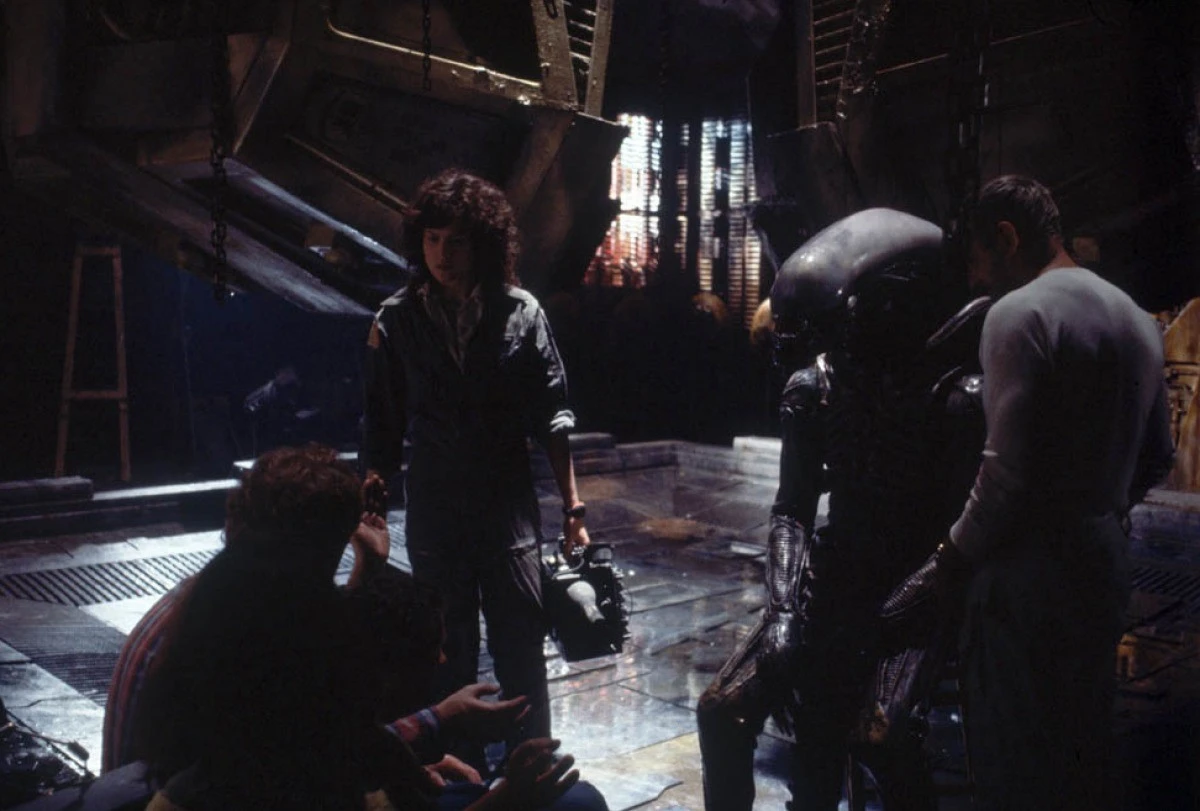
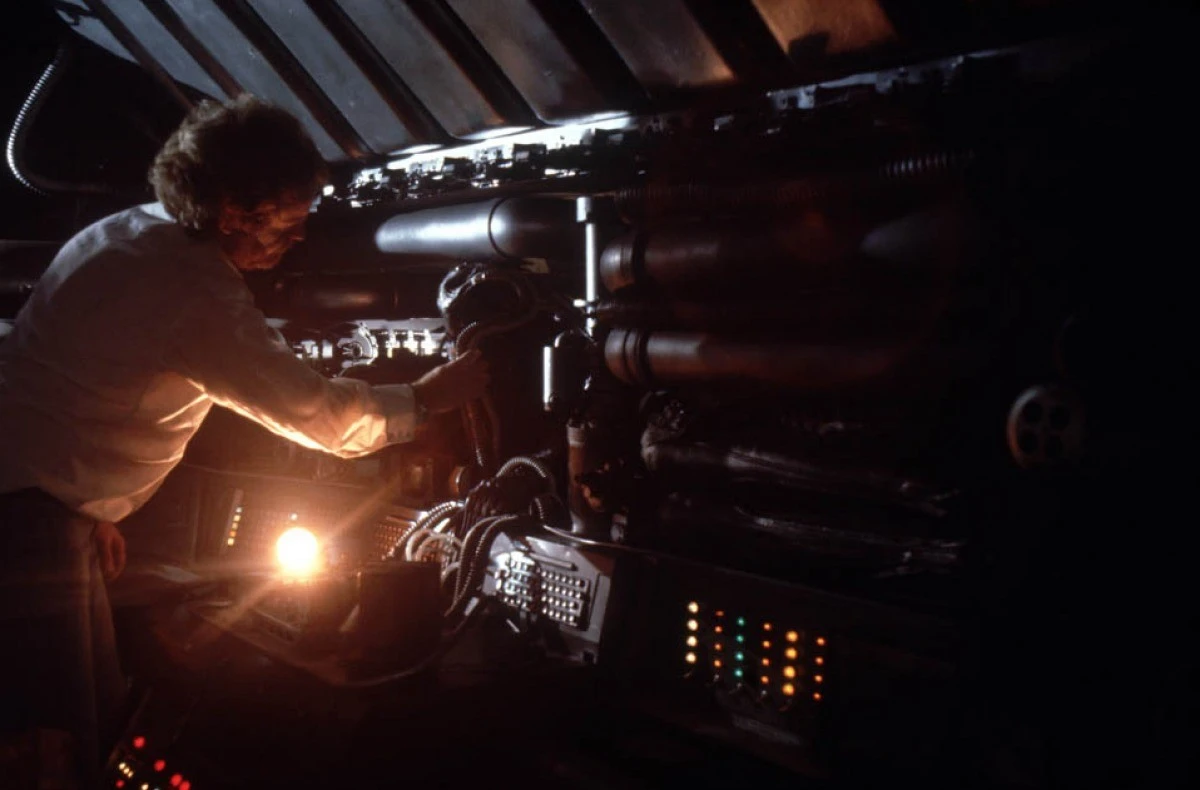
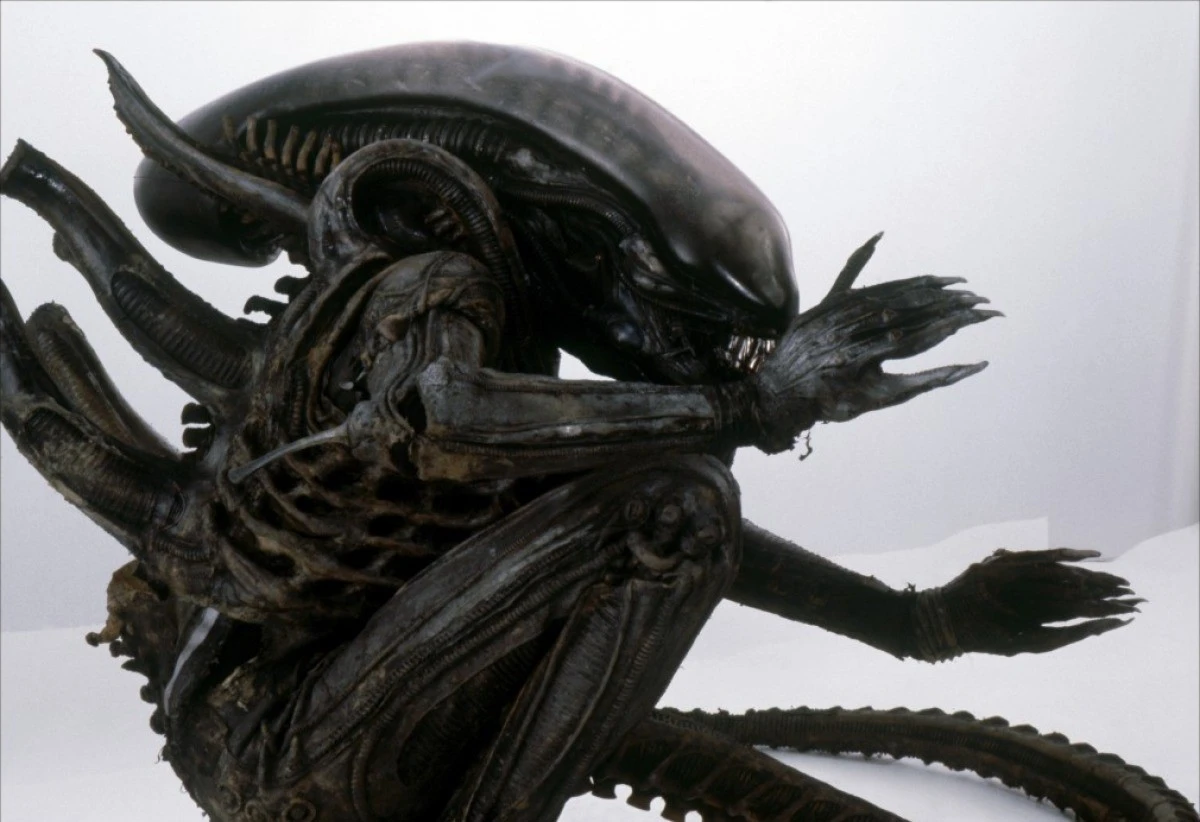
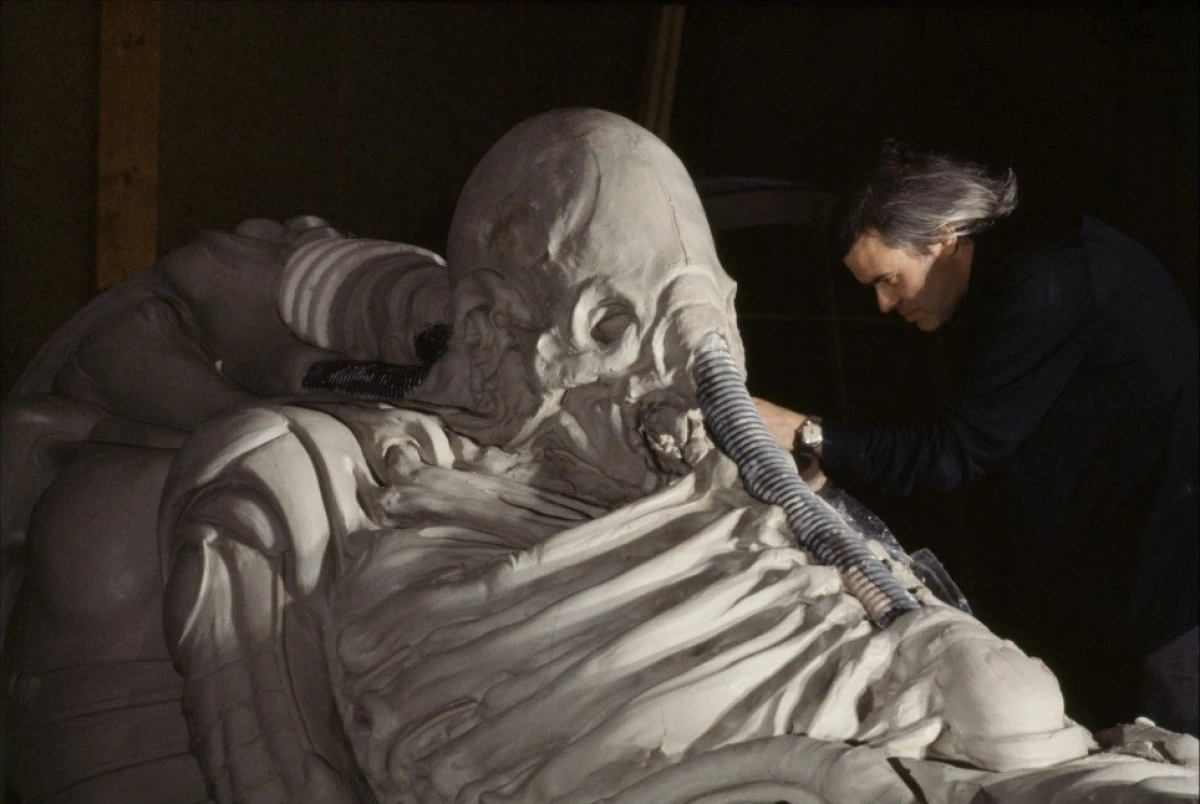
Some scenes proved tough to watch even for the crew. Vanlint admitted that during the dailies for the infamous chestburster sequence, he had to walk out—he simply couldn't stomach watching Veronica Cartwright being drenched in blood, even though he was the operator who had shot the footage himself. 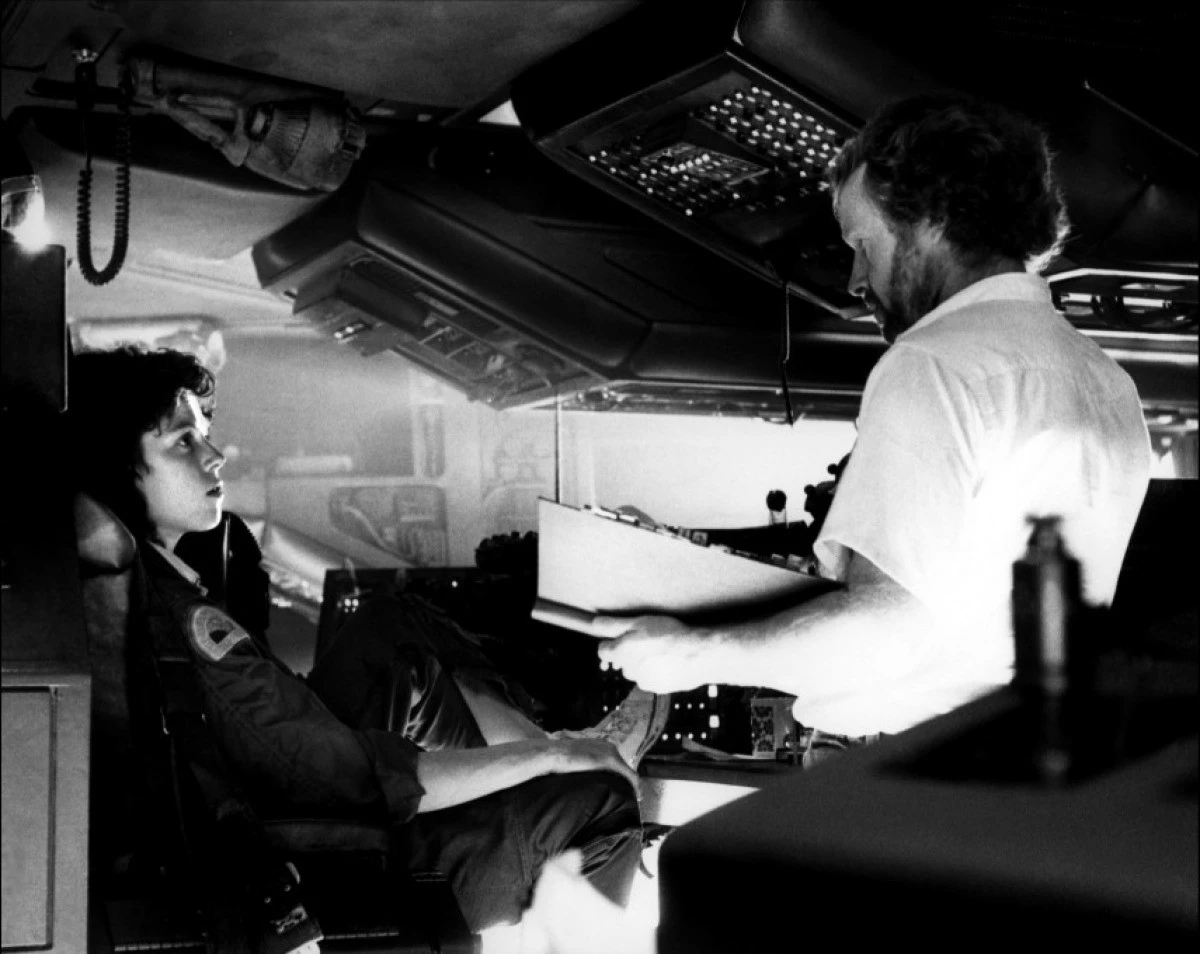
'Aliens' (1986): Bringing the Monsters to Life
For
Aliens
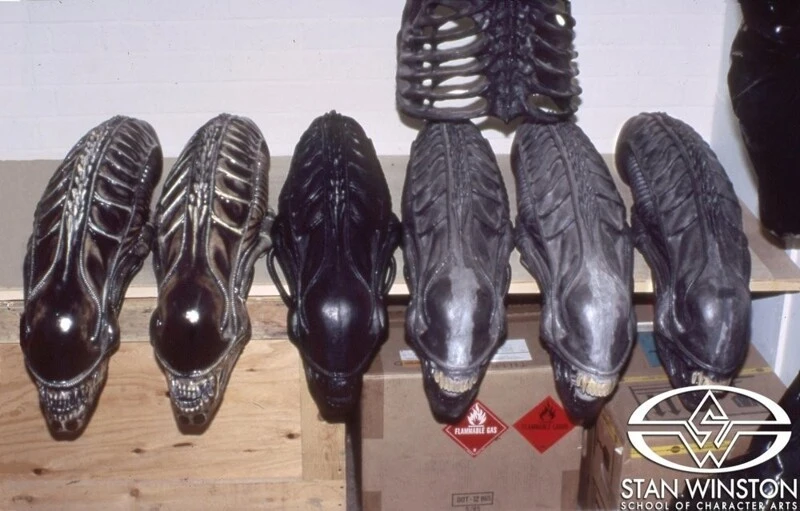
, James Cameron envisioned a Queen featuring four arms and a massive, crown-like head. Stan Winston's practical effects shop was tasked with bringing the beast to life. To test whether such a giant puppet could actually move, they built a crude prototype out of black trash bags, suspended it from a crane, and squeezed two puppeteers inside to operate the arms. 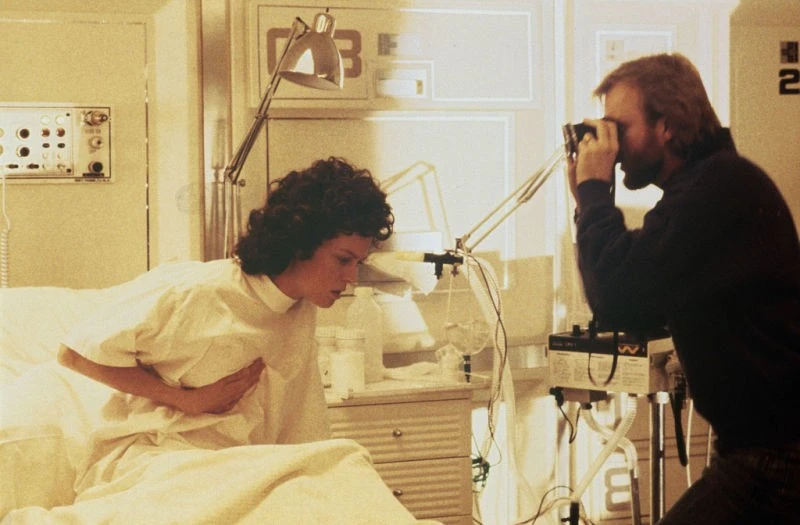
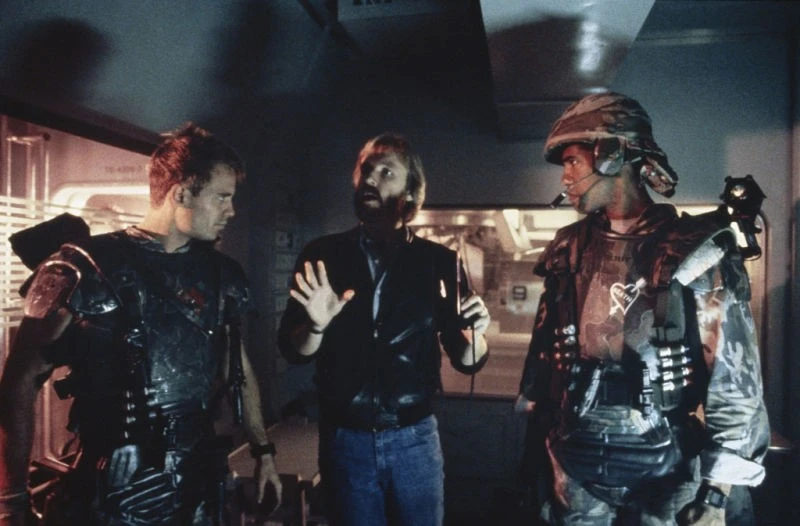
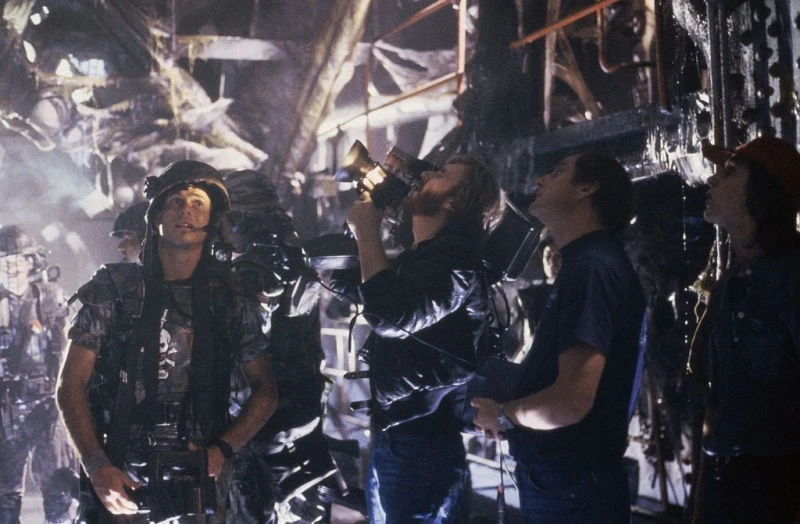
Behind the polished studio promotional photos lay grueling work under tight deadlines. Howard Berger of the Winston crew recalled working alongside Rick Lazzarini until 3:00 a.m. preparing facehuggers for immediate shipment to the UK—without even knowing at the time why the production needed so many of them on set. 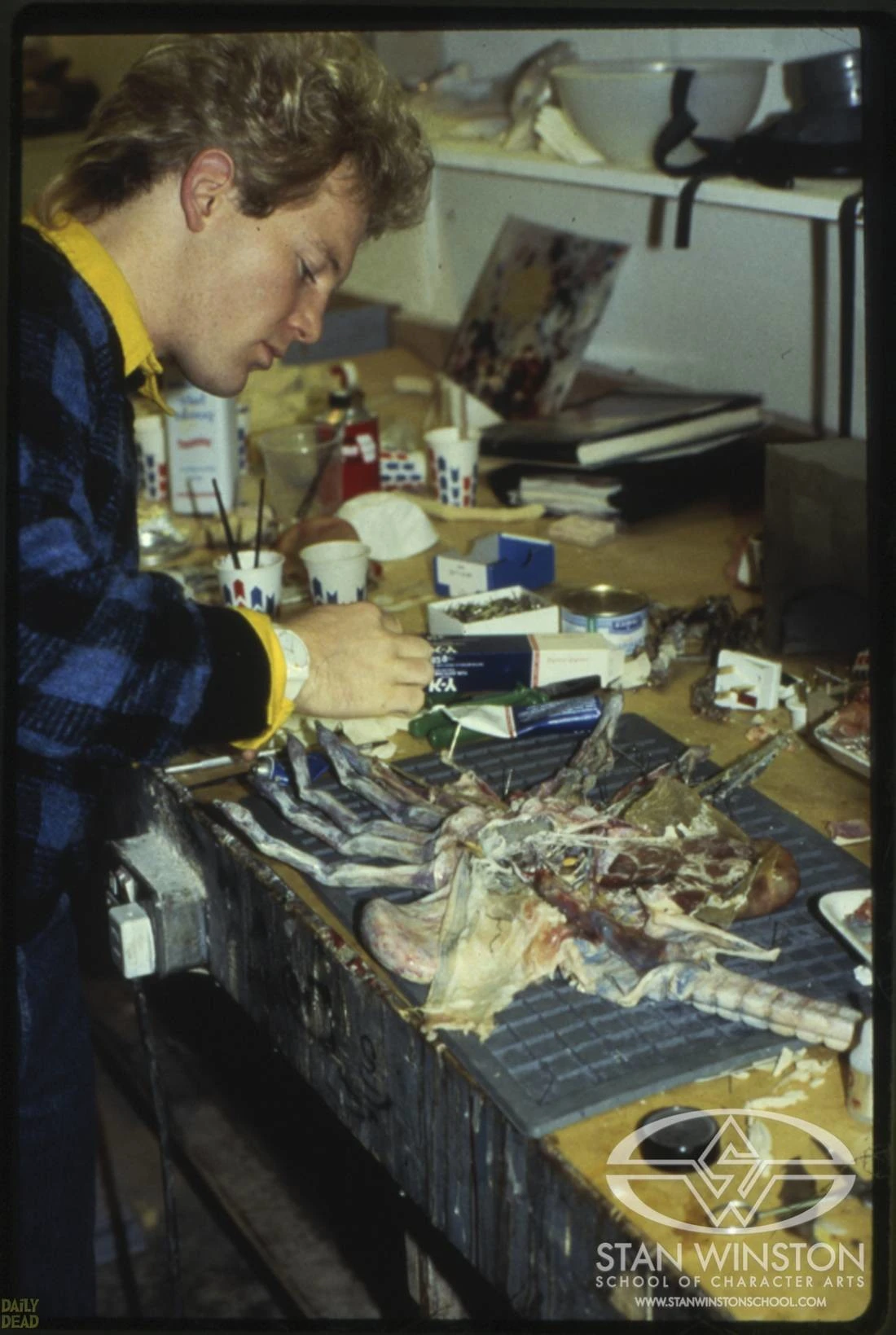
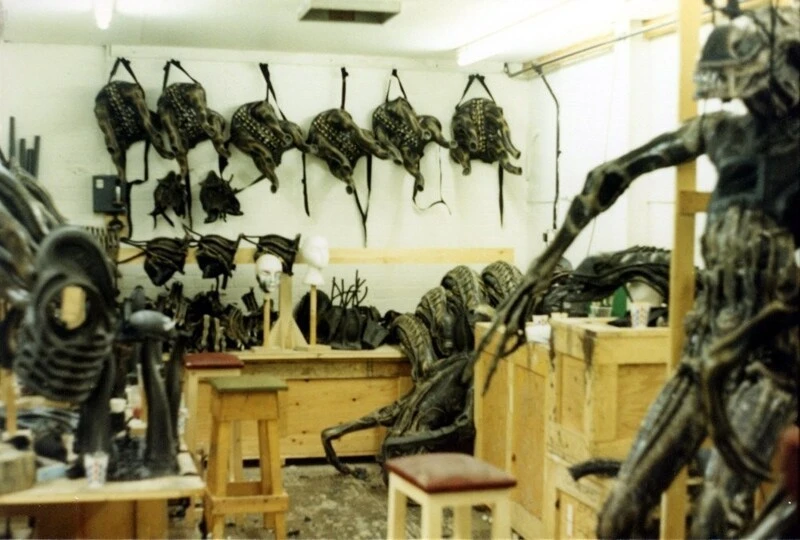
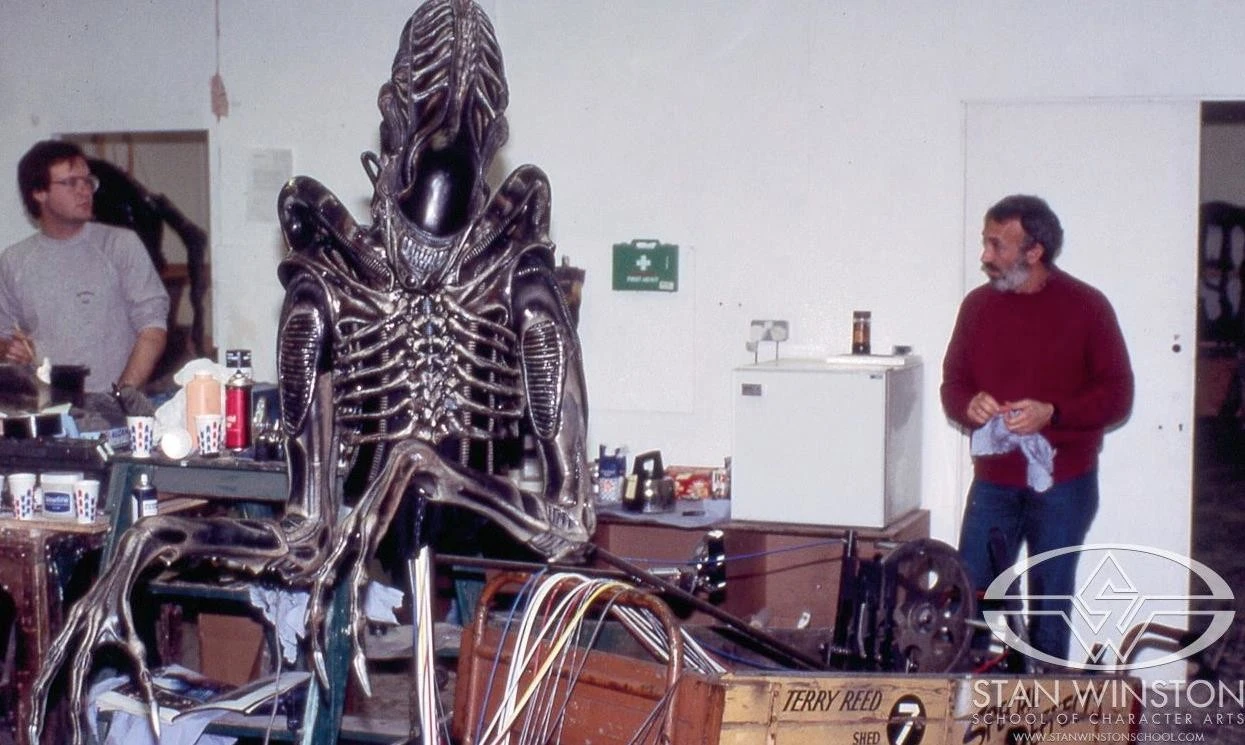
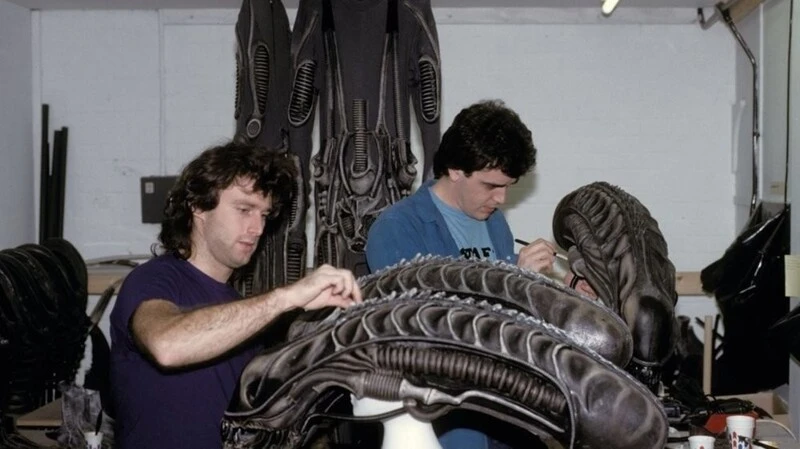
The Full-Scale Queen and Miniatures
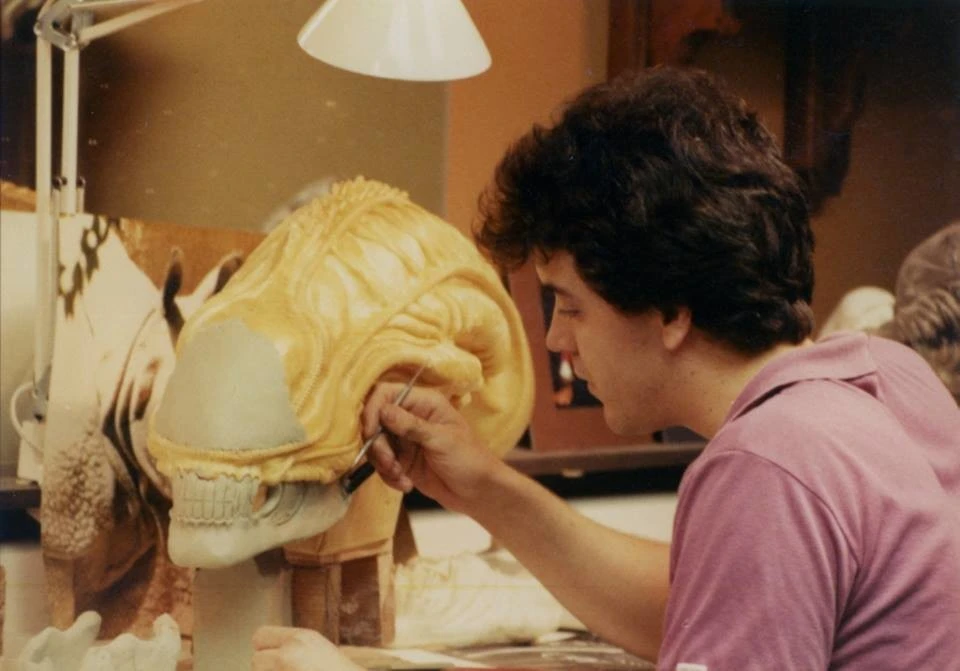
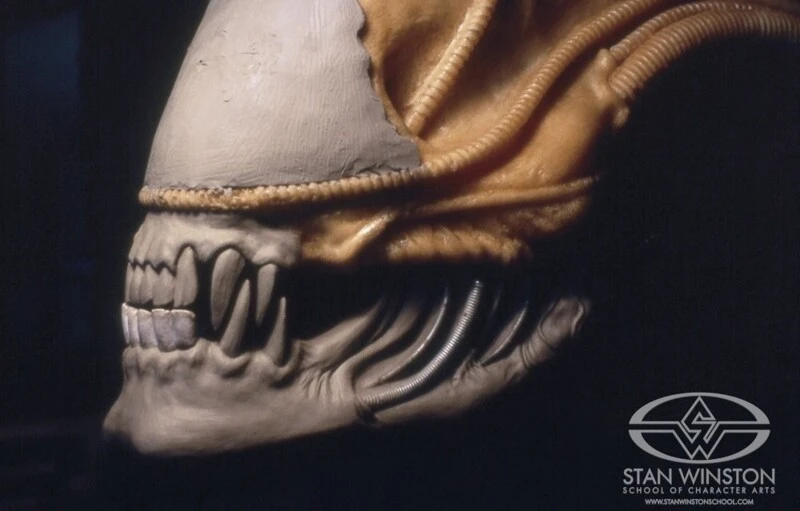
The Queen was first sculpted as a 1:4 scale maquette, which served to refine the creature's design and act as a reference for the full-sized build. Different sculptors tackled different components; for instance, Shane Mahan sculpted the head for both the scale model and the full-size beast. 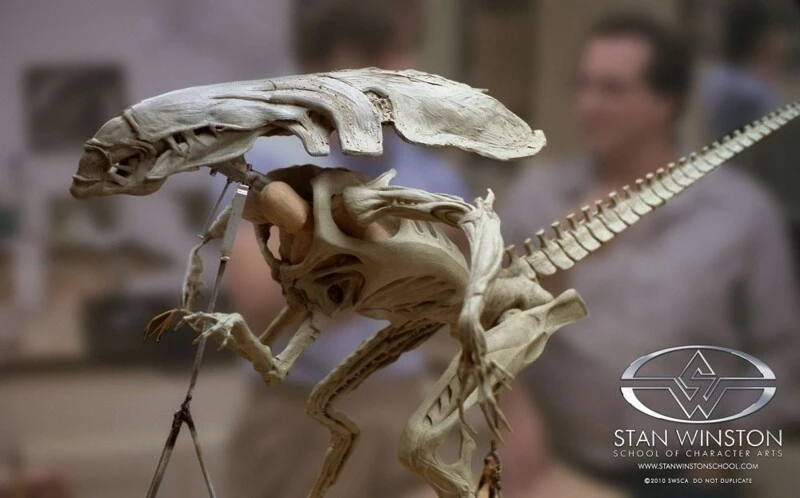
Two wooden figures inside the scale model demonstrate how the puppeteers would be positioned inside the full-size Queen. 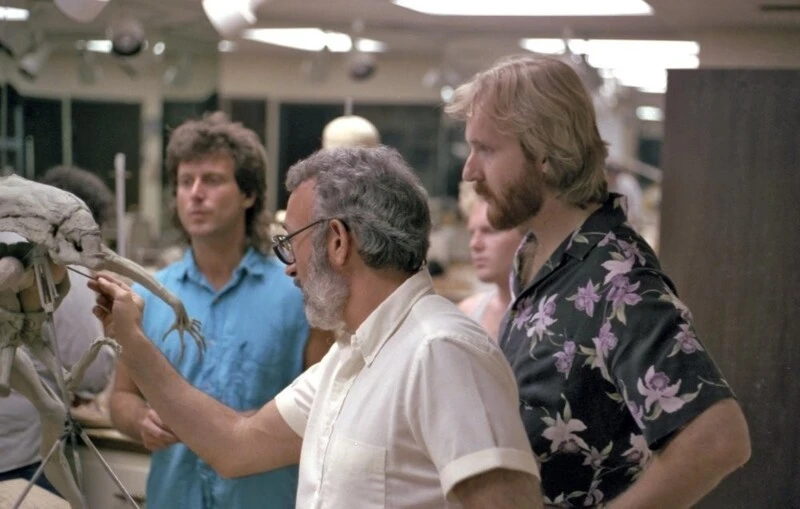
Stan Winston shows James Cameron the Queen maquette. Photo from the Stan Winston Studio archives. 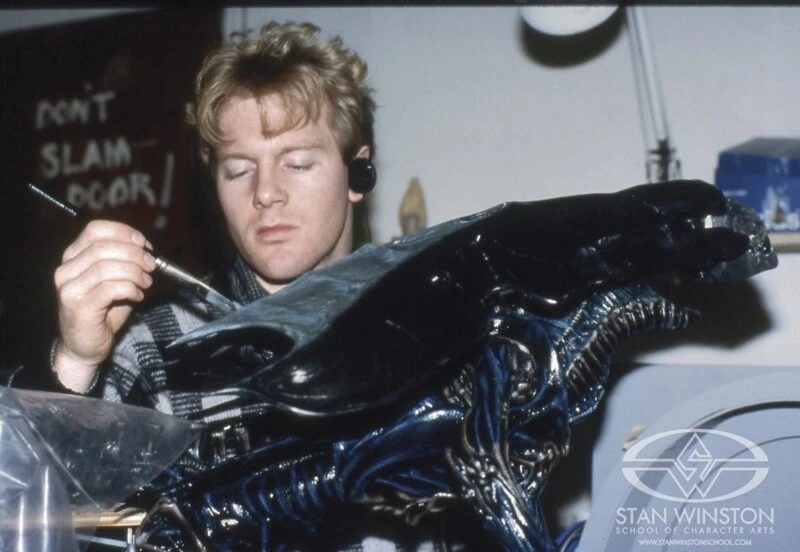
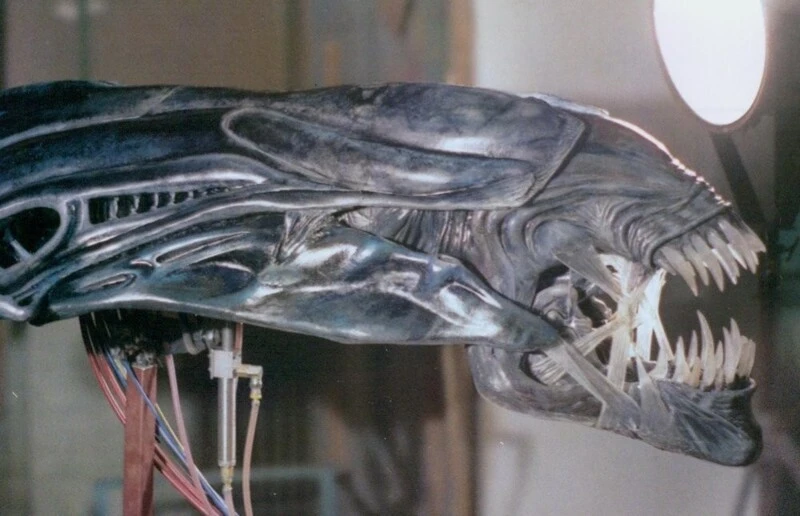
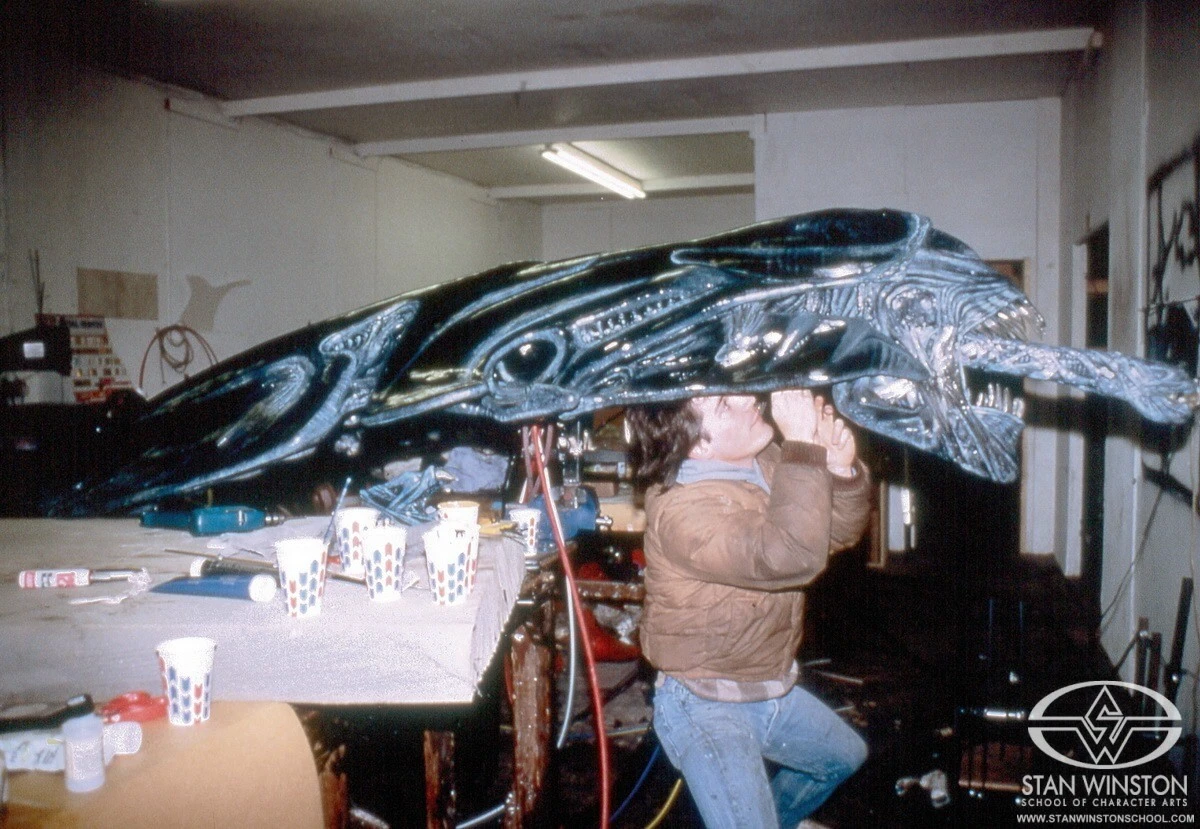
The massive puppet had to accommodate two operators inside to handle its four arms, so mannequins were placed into the body structure during the sculpting stage to reserve space. External puppeteers and mechanical rigs controlled the rest of the creature's movements. In fact, the monster's overall size and shape were dictated in part by whether the human operators could fit inside. 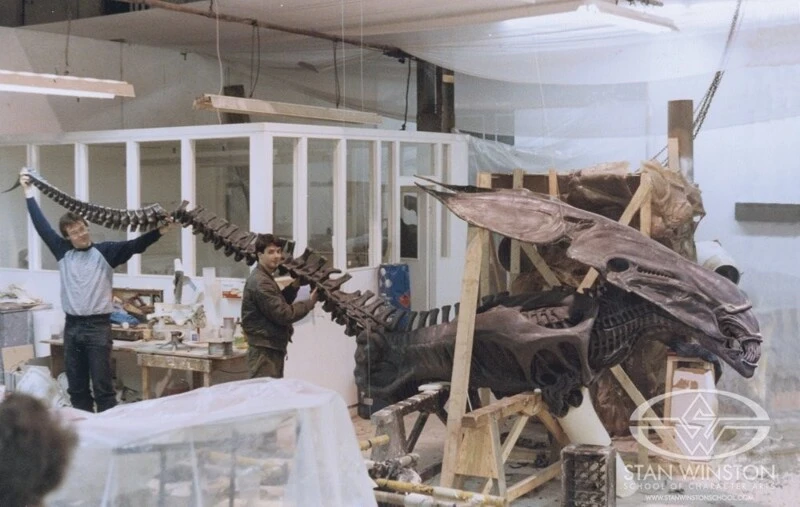
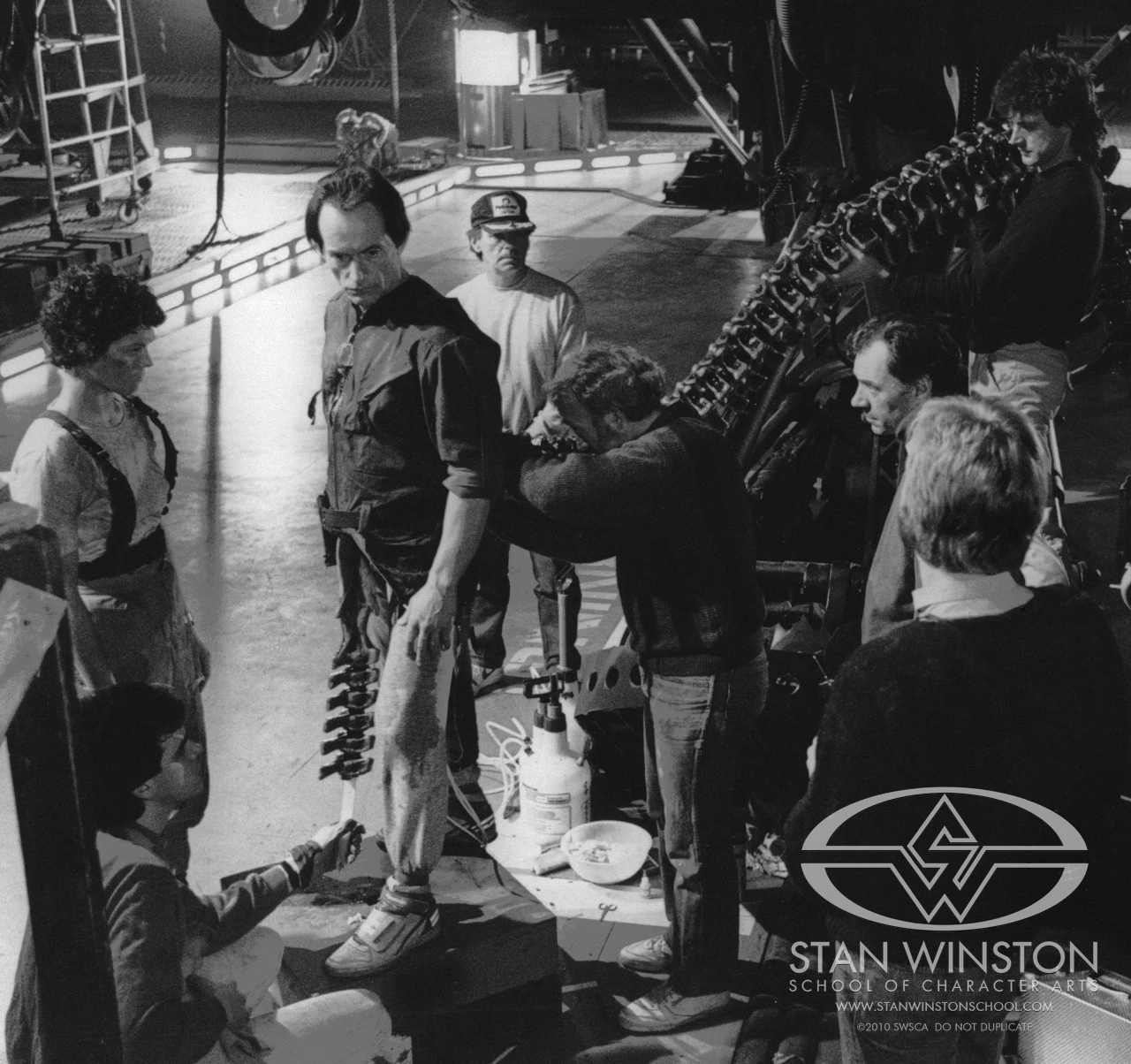
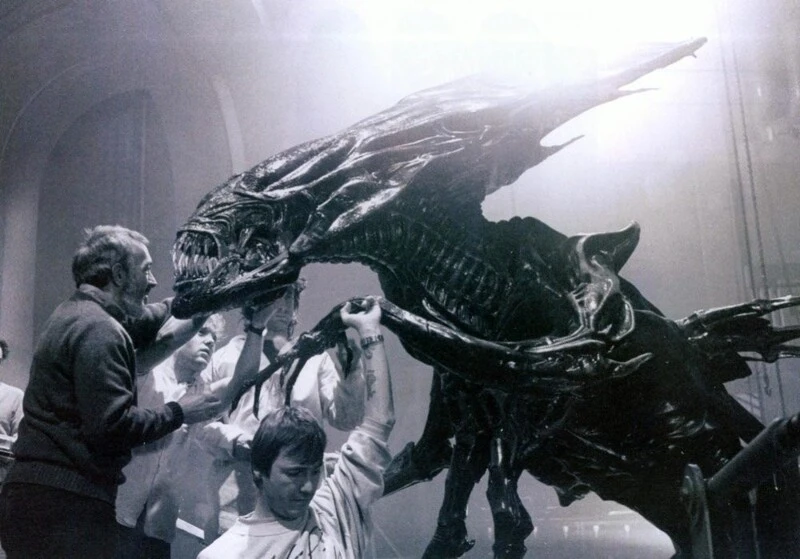
The final showdown with the Power Loader required a separate miniature Queen puppet, crafted by Doug Beswick's team. Rods passing through slots in the miniature set floor controlled the legs, while cable mechanisms operated the head and body. A staggering 49 cables had to be routed through a narrow section of the torso—all while ensuring the puppet could bend at the waist without binding. 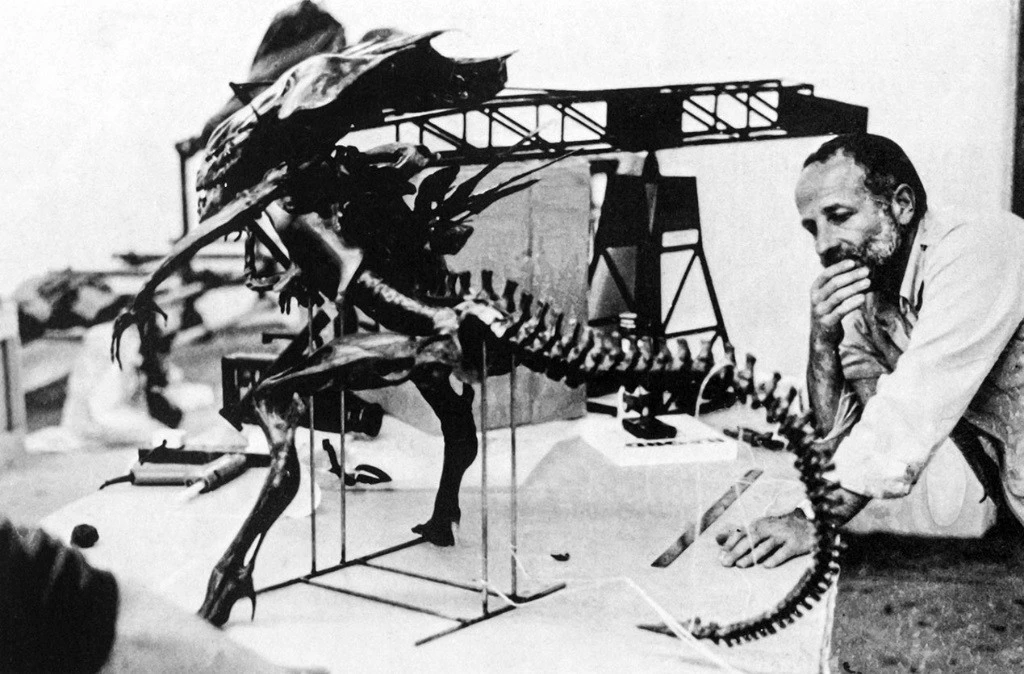
The scale Queen puppet built for miniature sequences. 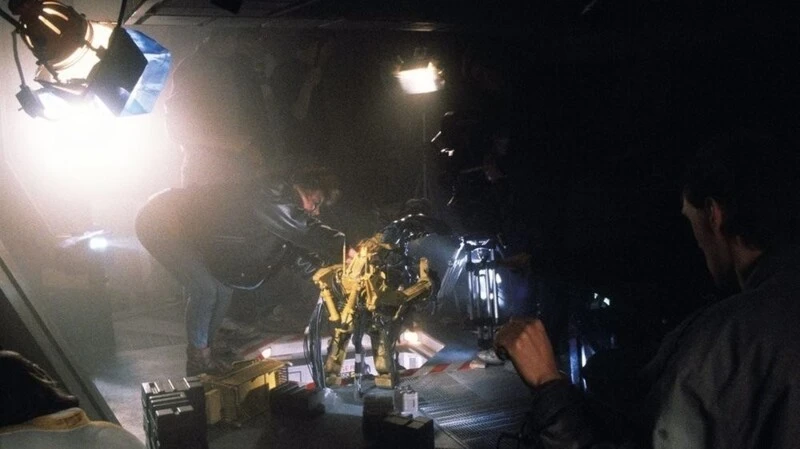
Photos: 20th Century Fox, Stan Winston Studio archives; AvPGalaxy and Monster Legacy collections.