22 Archaeological Artifacts That Rewrite History (23 photos)
August 15 marks Archaeology Day—a celebration of those who bring the past to light. Beneath the Earth’s surface lie not only precious minerals, but echoes of forgotten eras. Ever wonder how discoveries made underground reveal the intricate lives of entire civilizations long before written history existed? And while it is easy to assume all the world's great treasures have already been found, researchers are constantly unearthing remarkable new insights. Today, we have rounded up a fascinating collection of artifacts that showcase the ancient world in an entirely new light. 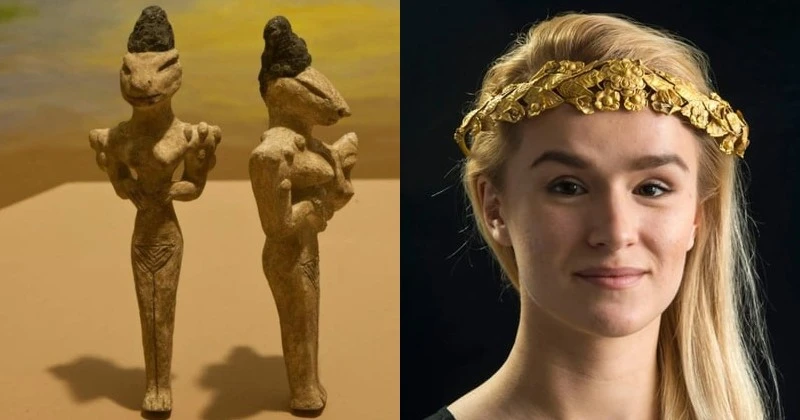
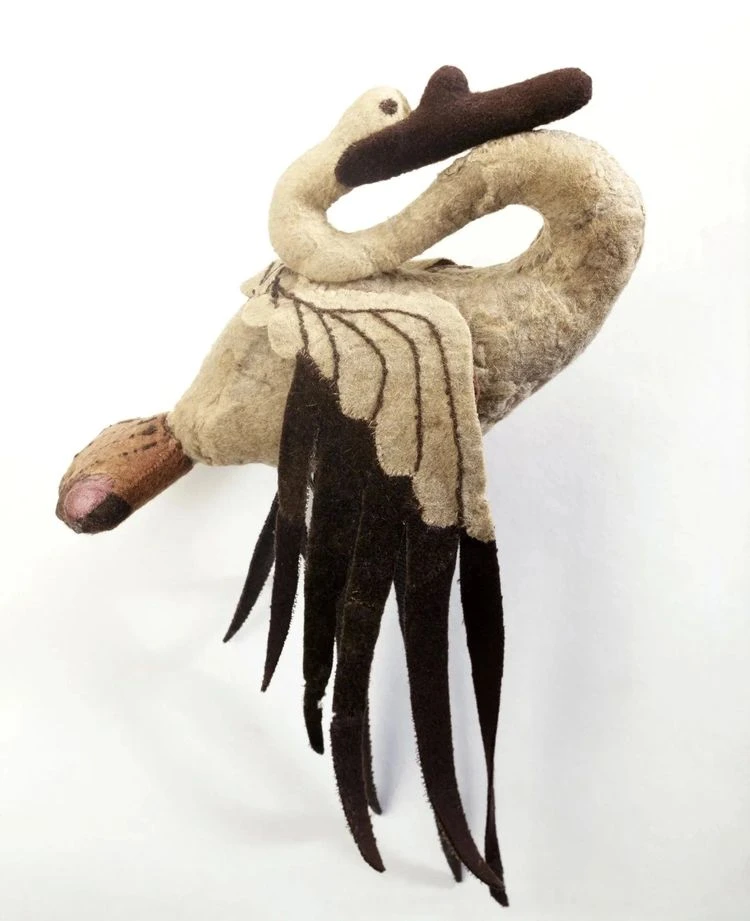
A 2,300-year-old plush bird from the Gorny Altai region in Siberia, circa 400–300 BCE. This artifact was fashioned from felt and stuffed with deer hair. 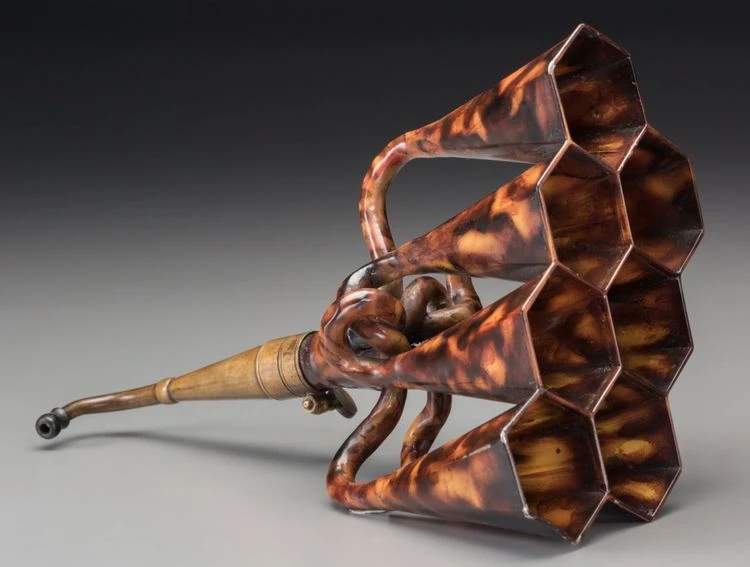
An English ear trumpet from the Regency era, 1820s. 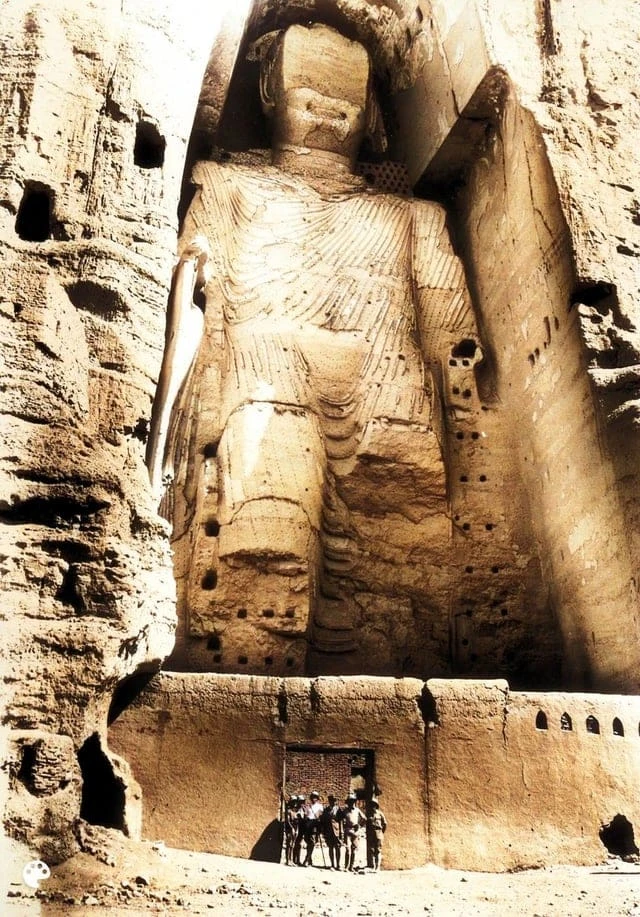
A Bamiyan Buddha statue, 6th century CE, Afghanistan. Only two such monuments exist, with some theories suggesting they date back to the Kushan Empire in the 3rd century. 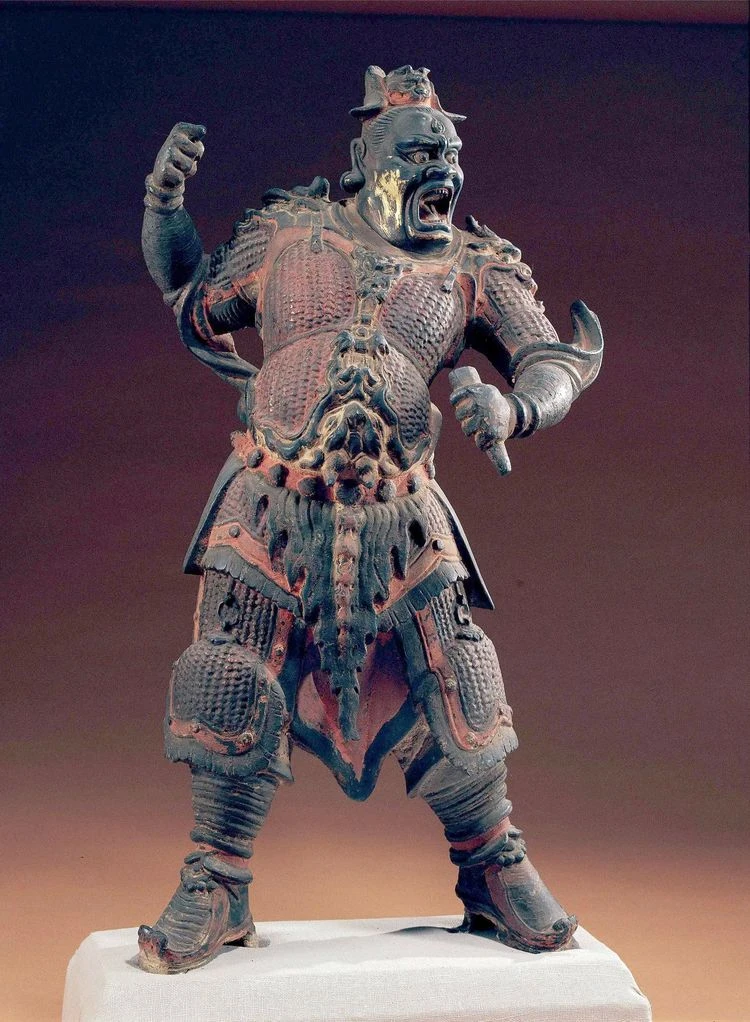
A bronze statue of the Sovereign of the Nine Stars, Ming Dynasty, 1368–1644. 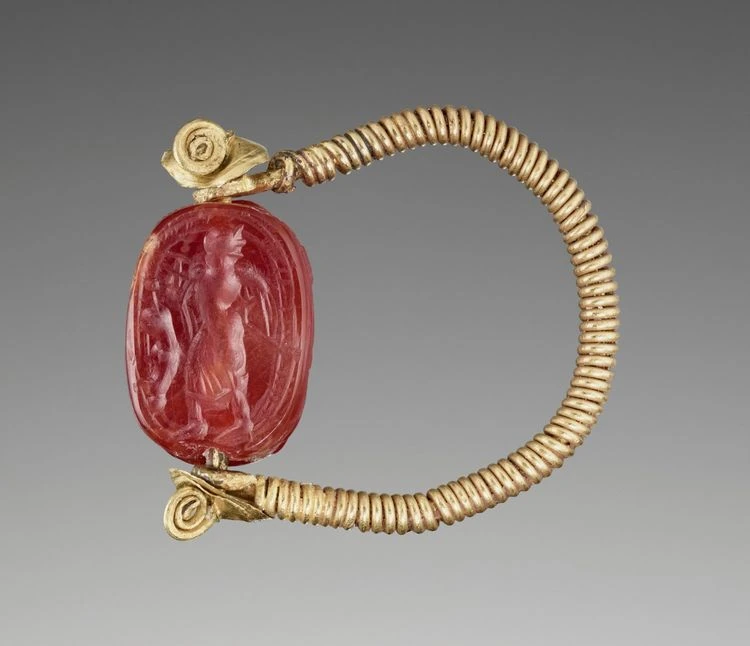
An Etruscan gold swivel ring featuring a carnelian scarab intaglio, 4th–3rd century BCE. 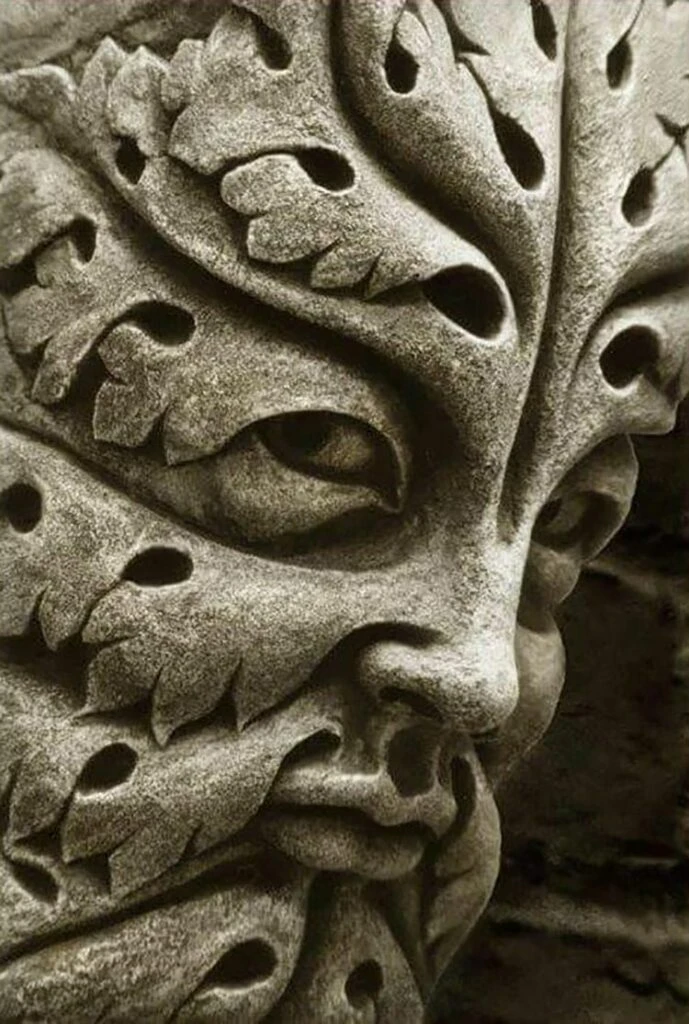
Detail of the Green Man at Bamberg Cathedral, Germany; early Gothic, circa 1237 CE. 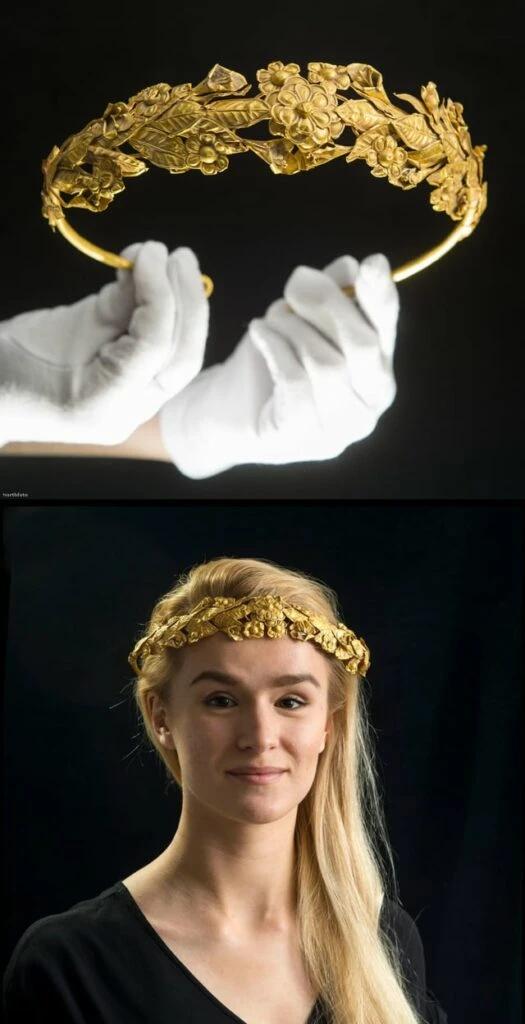
An ancient Greek gold wreath, 2,300 years old. 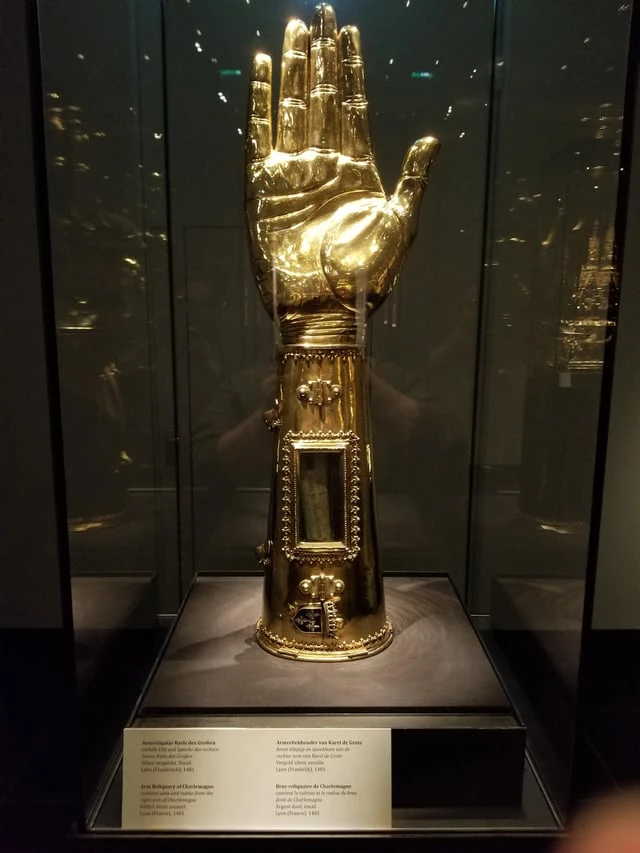
The Gold Arm Reliquary of Charlemagne, a prized 15th-century artifact crafted in Lyon at the behest of Louis XI. It is currently housed in the Royal Chapel in Aachen, Germany. 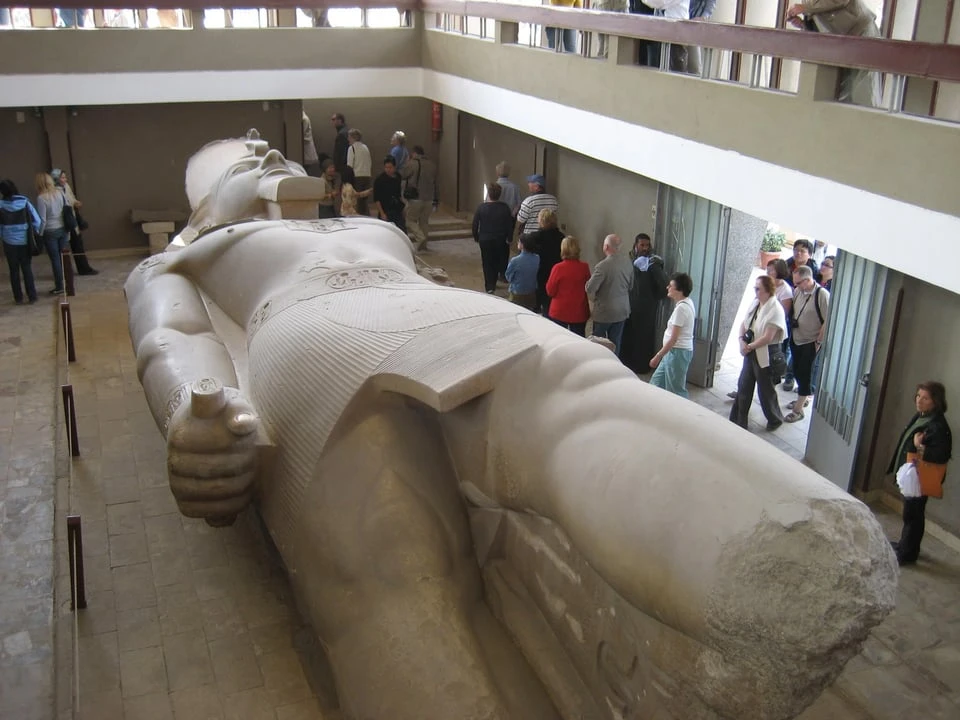
The Colossus of Ramesses the Great, unearthed in 1820 near the Great Temple of Ptah. This colossal limestone monument towers at ten meters. Because its lower legs are missing, the statue has been kept in a recumbent position. It is approximately 4,500 years old. 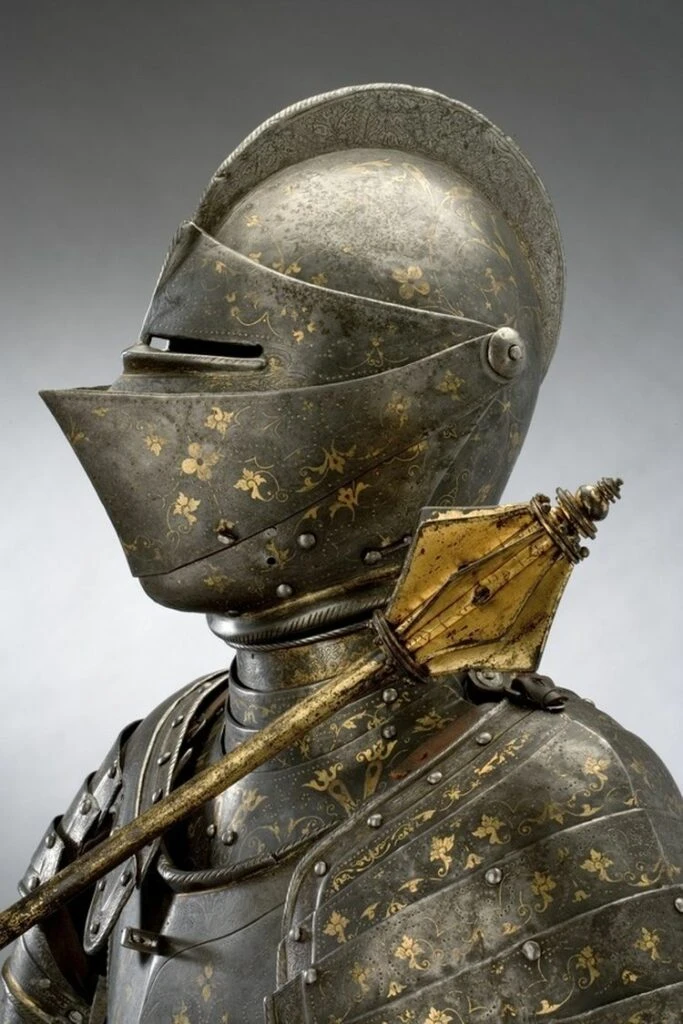
Royal parade helmet of King Eric XIV of Sweden, early 1500s. 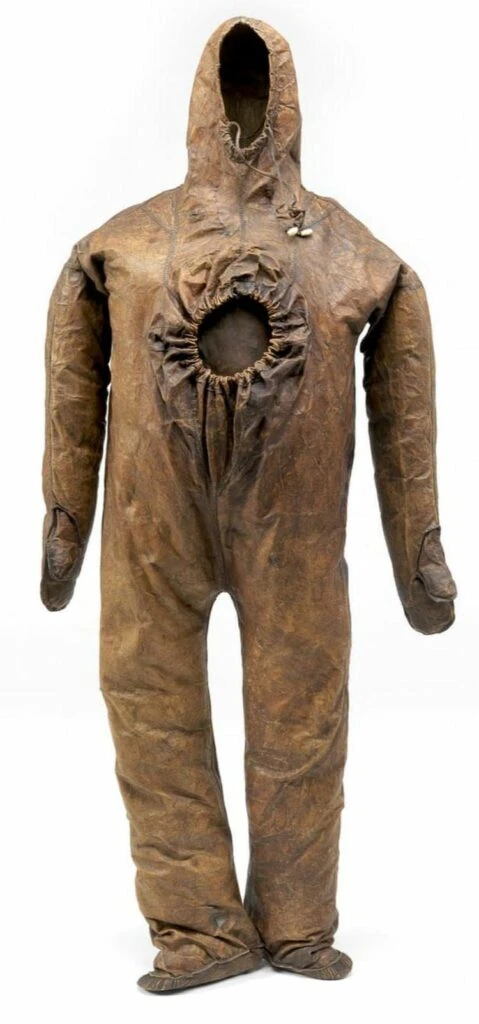
A whaling suit from Greenland, crafted shortly before 1834. It is the only surviving suit of its kind in the world. The hunter climbed inside the sealskin suit through a central opening and sealed it tight to make it completely waterproof. It is preserved today at the National Museum of Denmark. 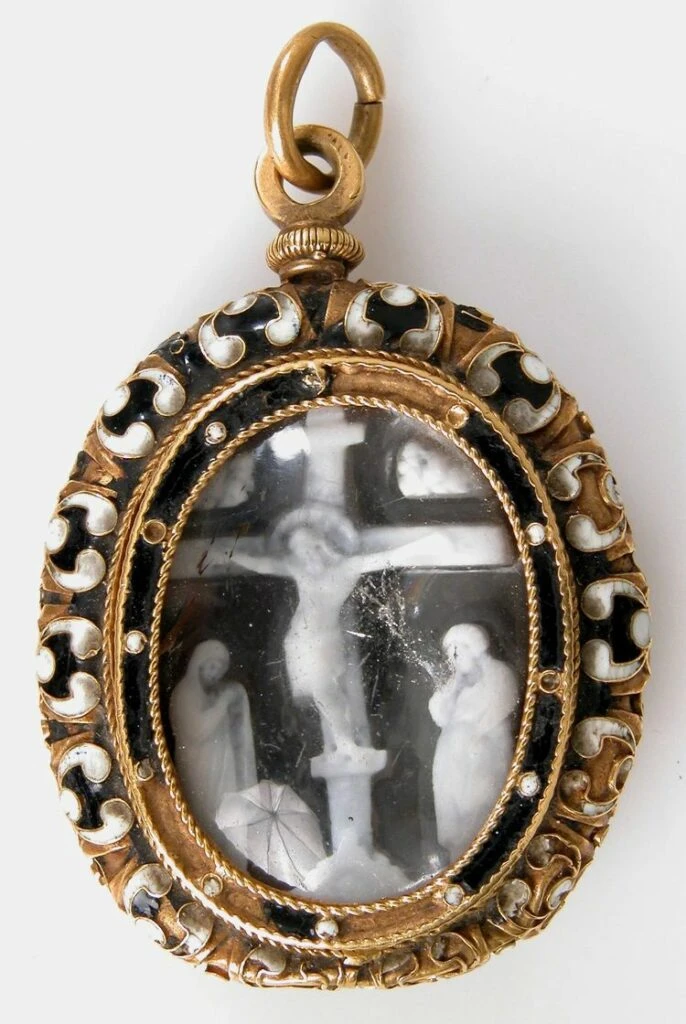
A pendant showing Jesus Christ crucified, accompanied by the Virgin Mary and St. John, likely from 14th-century France. 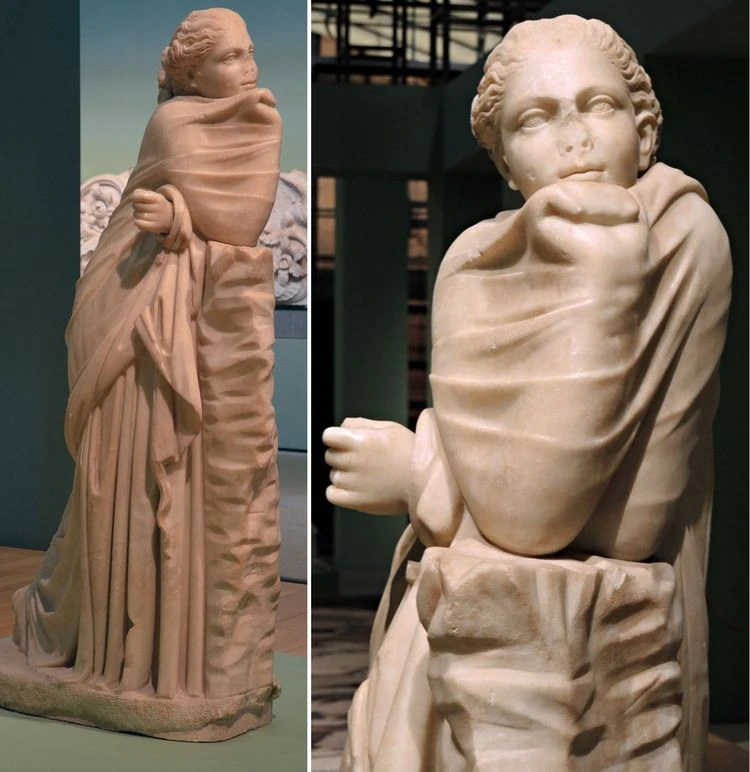
A marble statue of the muse Polyhymnia, discovered in Italy, 2nd century CE. 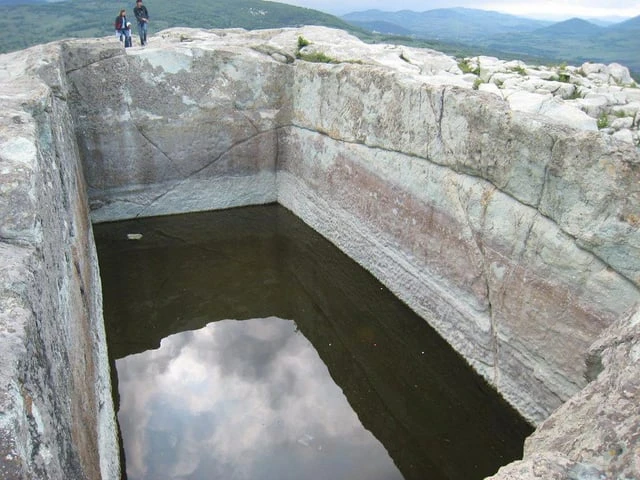
A massive ancient water cistern carved directly into the rock sanctuary of Perperikon. It held up to 432,000 liters of water. 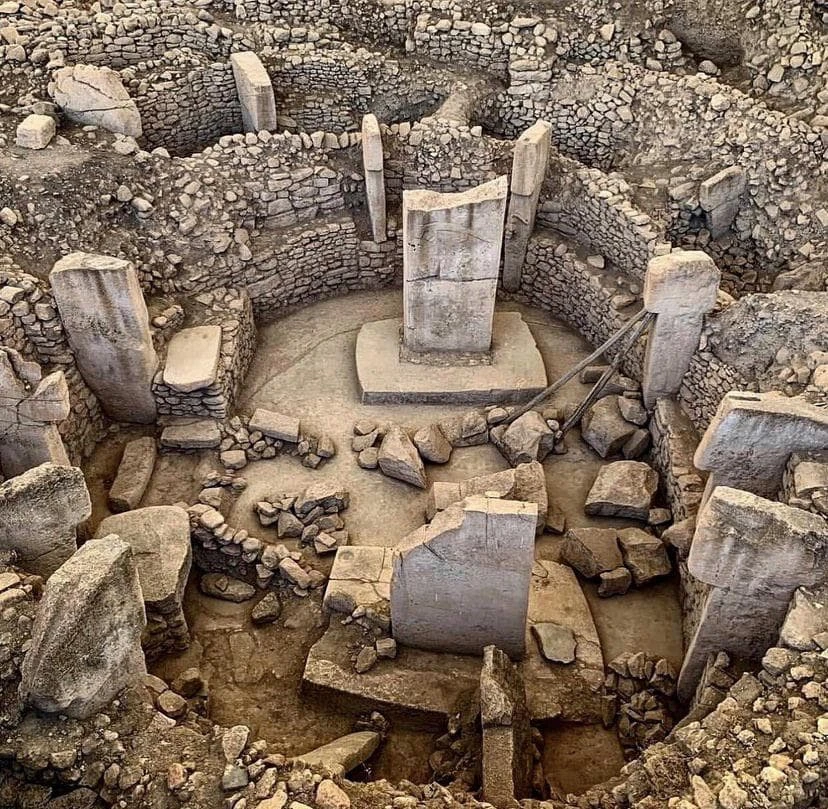
The enigmatic archaeological site and sanctuary of Göbekli Tepe in modern-day Turkey. Discovered in 1994, it is estimated to be at least 12,000 years old. 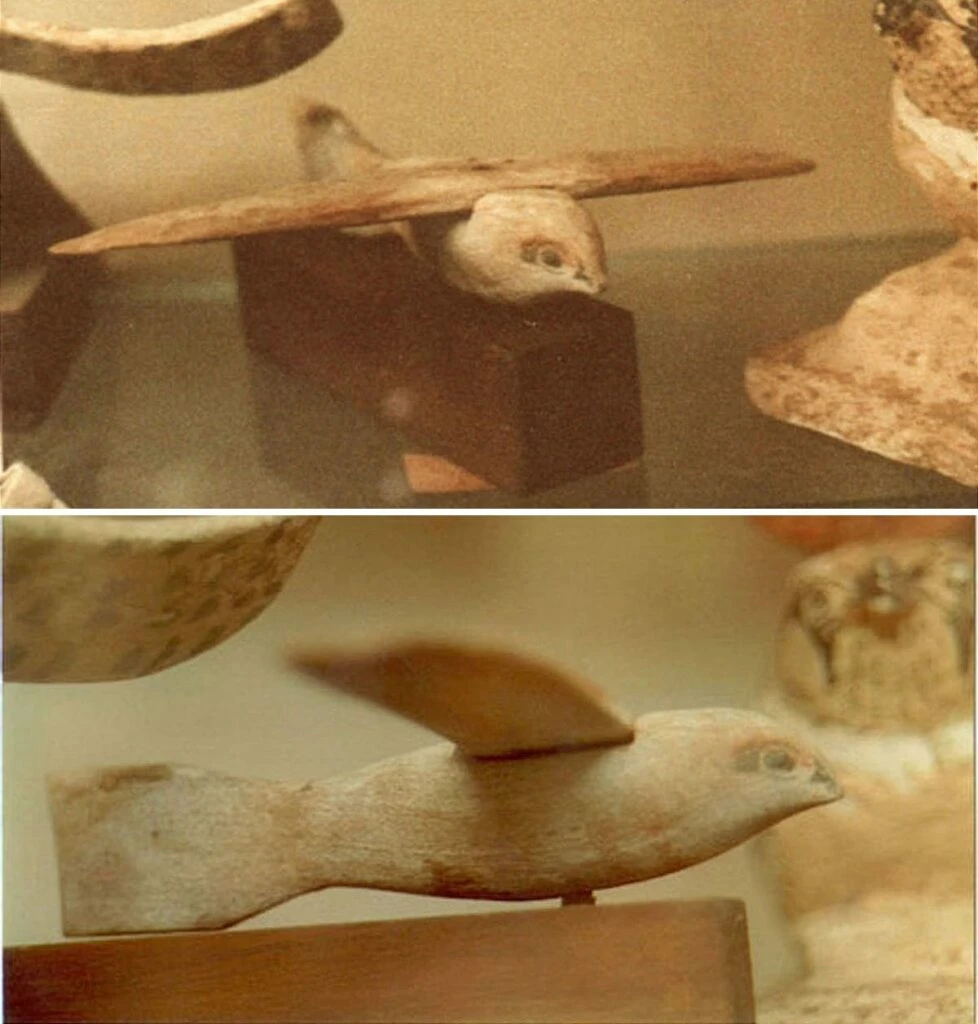
The Saqqara Bird from Egypt, dating to the 3rd–2nd century BCE. The small figurine has sparked intense debate: Egyptologist Khalil Messiha famously claimed it represents a miniature model of an ancient Egyptian glider. However, specialist Martin Gregory refuted this theory, pointing out that the bird would never have achieved flight without a horizontal tailplane. Other theories propose it was a ceremonial object linked to the falcon god, a boomerang, or simply a child's toy. 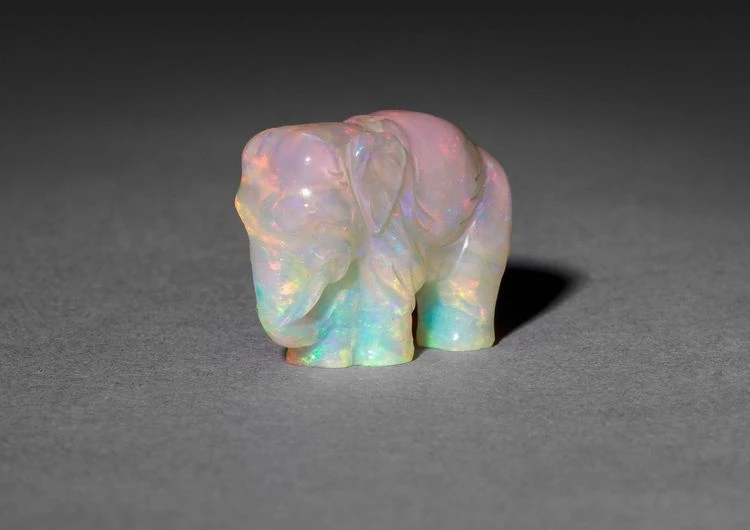
Carved opal elephant, Saint Petersburg, circa 1880–1920. 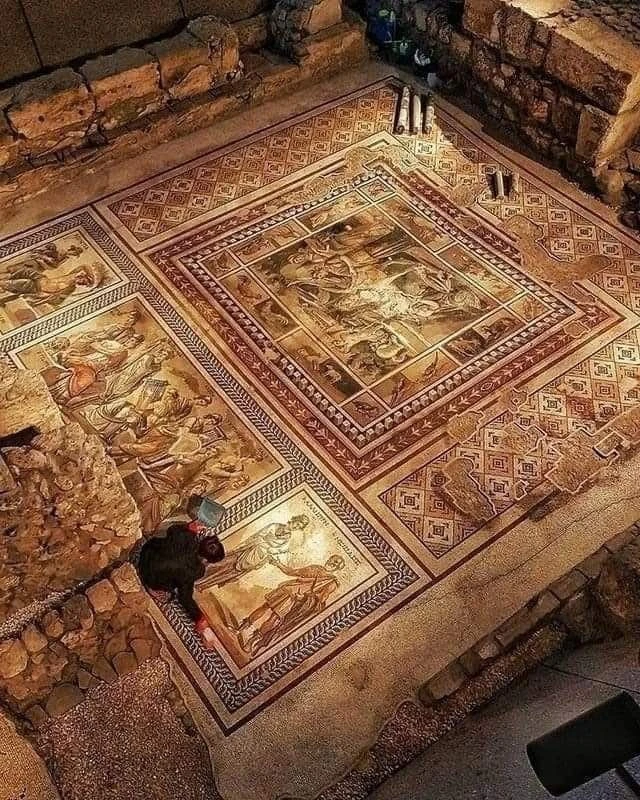
The world's largest ancient mosaic discovered in the Antakya district of Hatay Province, southern Turkey. 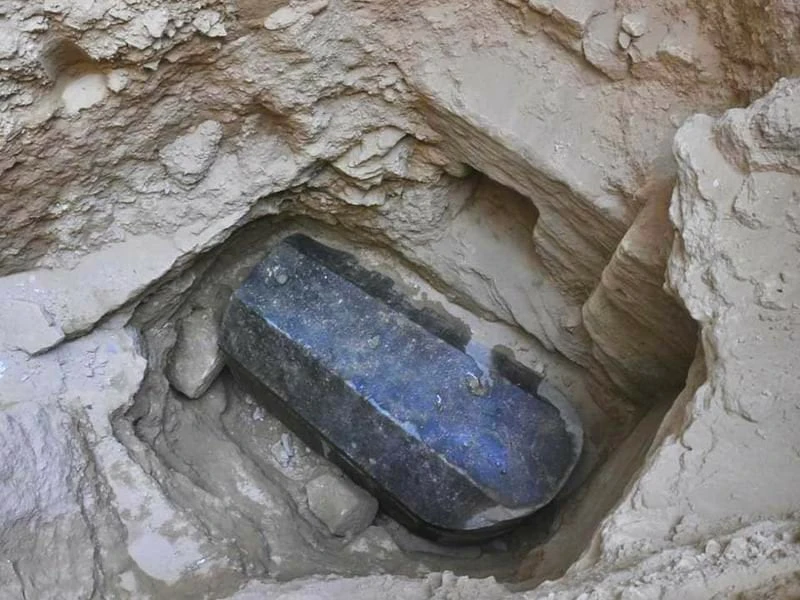
This black granite sarcophagus was discovered in Egypt. Weighing several tons, it is the largest sarcophagus ever unearthed in Alexandria. Inside, archaeologists found the remains of three Egyptian military officers. 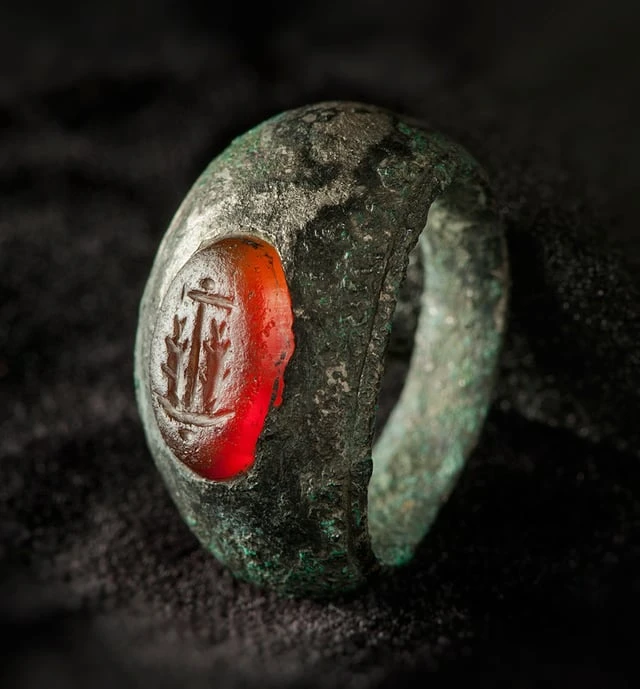
A silver ring featuring two fish suspended from an anchor, crafted around the 3rd century CE. 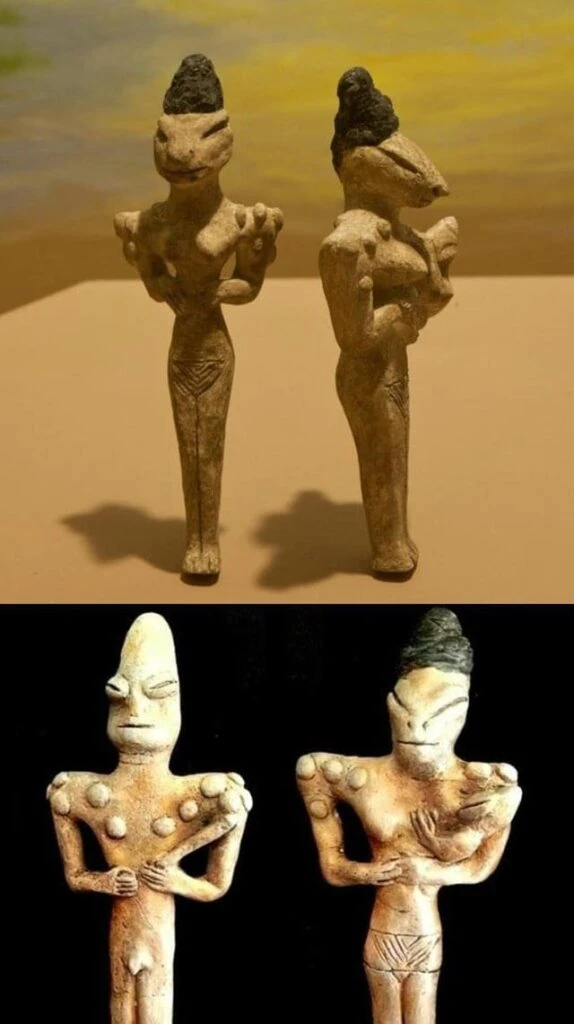
Excavations at Tell al-'Ubaid yielded 7,000-year-old figurines depicting humanoid beings with reptilian features. 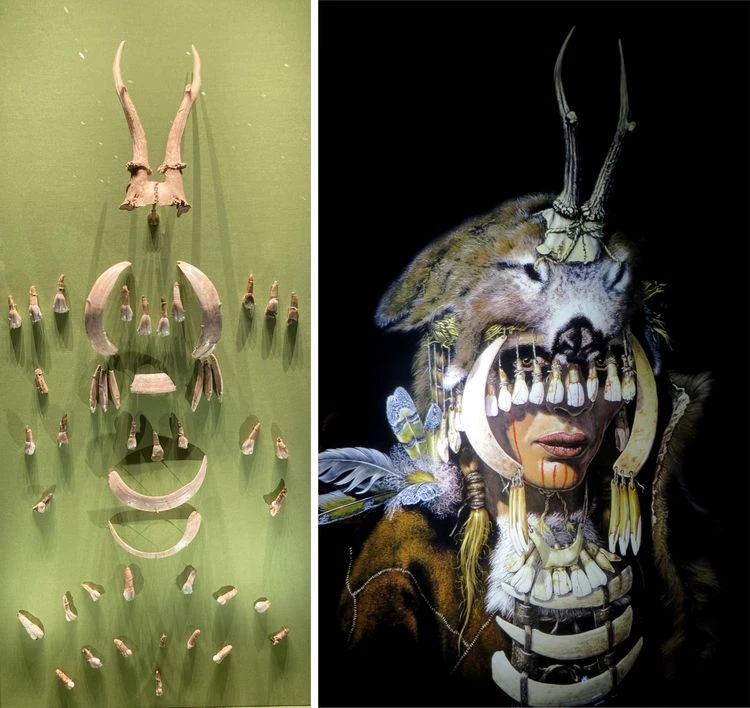
The Shaman of Bad Dürrenberg: the burial of a 25- to 35-year-old woman interred 8,600 to 9,000 years ago in Germany. Discovered alongside her were the remains of an elaborate headdress crafted from the bones and teeth of various animals and birds.