10 Unexpected Ways to Use Your Microwave (12 photos)
On October 8, 1945, Percy Spencer, a Massachusetts resident, filed a patent application. This self-taught engineer dropped out of school at age 12, yet figured out a way to cook food using invisible waves. The first microwave oven stood nearly six feet tall (1.8 m), weighed 750 pounds (340 kg), and required a plumbing connection. Today, a standard kitchen microwave sits neatly on your countertop and can do far more than just reheat last night's leftovers. Here is a look at how it all began, along with 10 surprising and practical ways to make the most of your microwave. 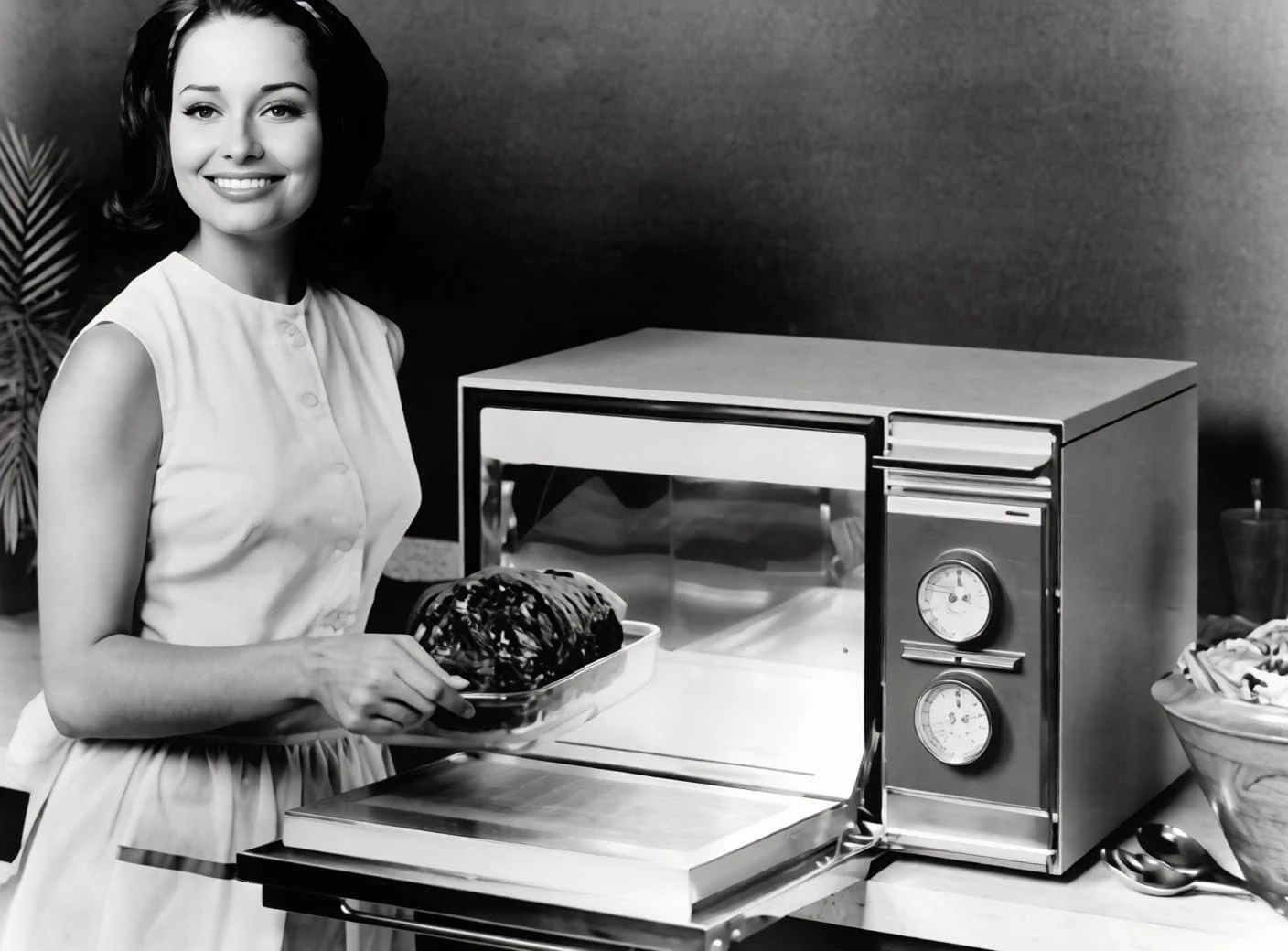
A Chocolate Bar in a Pocket and a Microwave That Needed Plumbing
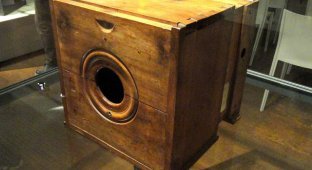
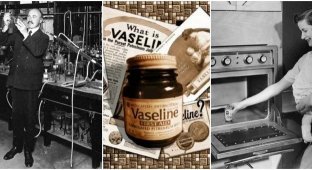
Percy Spencer was born in Maine in 1894. After leaving school at 12 to work at a spinnery, he taught himself physics and calculus from textbooks. During World War II, he worked at Raytheon, a defense contractor manufacturing magnetrons—vacuum tubes used in military radar systems. In 1945, a candy bar in Spencer's pocket melted while he was standing near an active magnetron. Intrigued, he held the emitter next to popcorn kernels, and they began to pop. 
Percy Spencer, Raytheon engineer and patent holder for microwave cooking
Raytheon filed the patent application on October 8, 1945. Titled "Method of Treating Foodstuffs," patent no. 2,495,429 was officially granted on January 24, 1950. The first commercial microwave, the Radarange, hit the market in 1947 with a hefty price tag of around $5,000. Because its magnetron relied on water cooling, it had to be connected to plumbing. The microwave didn't become a household staple until 1967, when a countertop model debuted at $495.
Reviving Spices and Stale Bread
The microwave has long been a kitchen mainstay, but it can do a lot more than just warm up soup. Here are 10 clever hacks for everyday use, starting with staples you probably already have in your pantry.
First up: ground spices and seasonings. Over time, essential oils evaporate, leaving them dull and flat. Zap your spices on high power for 30 seconds to wake up their aroma—just keep a close eye on them to prevent burning. (Note that this won't save spices that have lost their flavor completely.) 
Heat releases the essential oils that hold a spice's aroma
The second hack brings stale bread back to life. Wrap a slice in a slightly damp paper towel and microwave on high for 10 to 30 seconds. The bread will regain its fresh, soft texture. Don't go over 30 seconds, or it will dry out. Eat it right away, as it will harden again once it cools down. 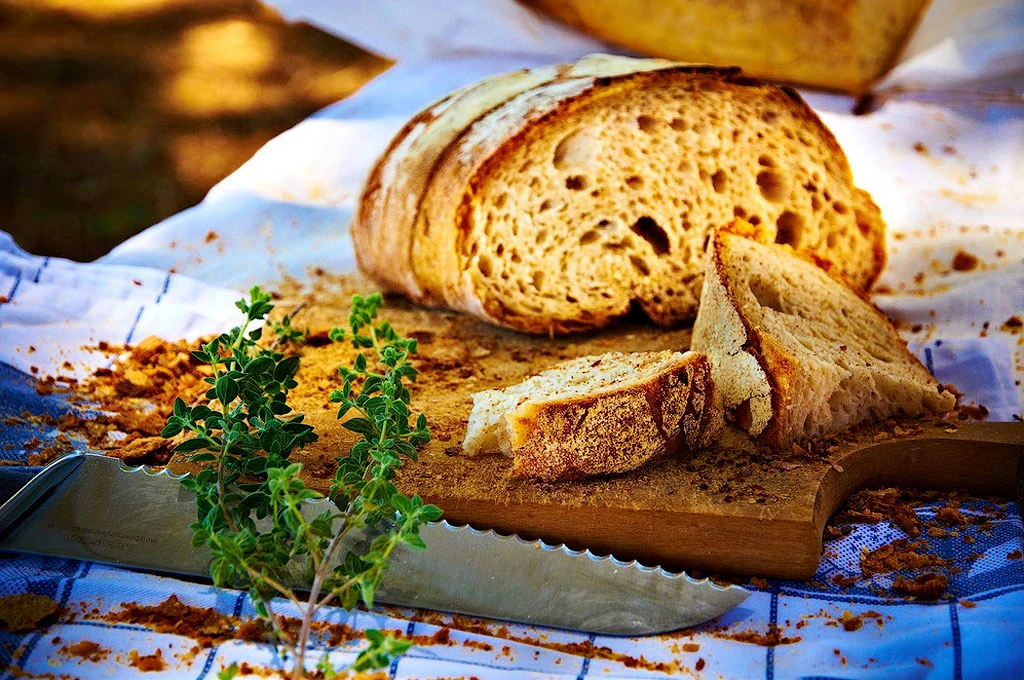
Steam from the damp towel restores softness to the crumb
This trick works best for individual slices or small pieces; a whole loaf is better revived in the oven.
Bitter-Free Blanching for Nuts
The third tip makes peeling almonds effortless. Almond skins can be slightly bitter and ruin the flavor of a dish. Boil water in the microwave, pour it over the nuts in a bowl, and heat them on high for 30 seconds. Drain the water and slip the skins off between your fingers—they will slide right off. 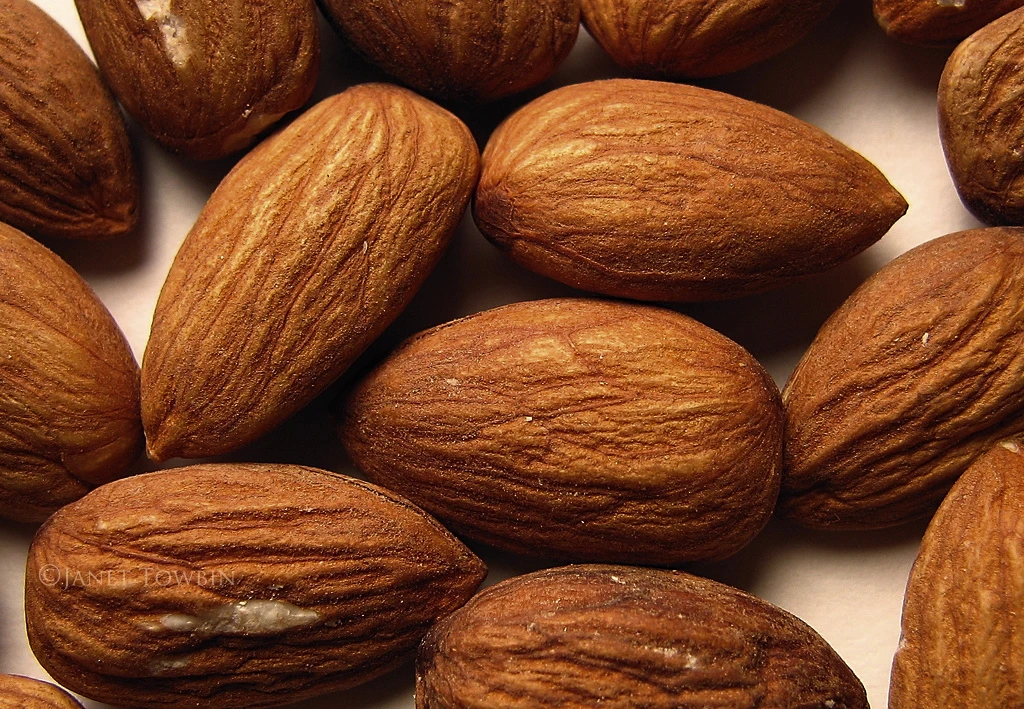
Hot water loosens the skin, allowing the almond to slip out easily
Hack number four works for walnuts. Microwave them submerged in water on high for four to five minutes, and the skin will peel off effortlessly. 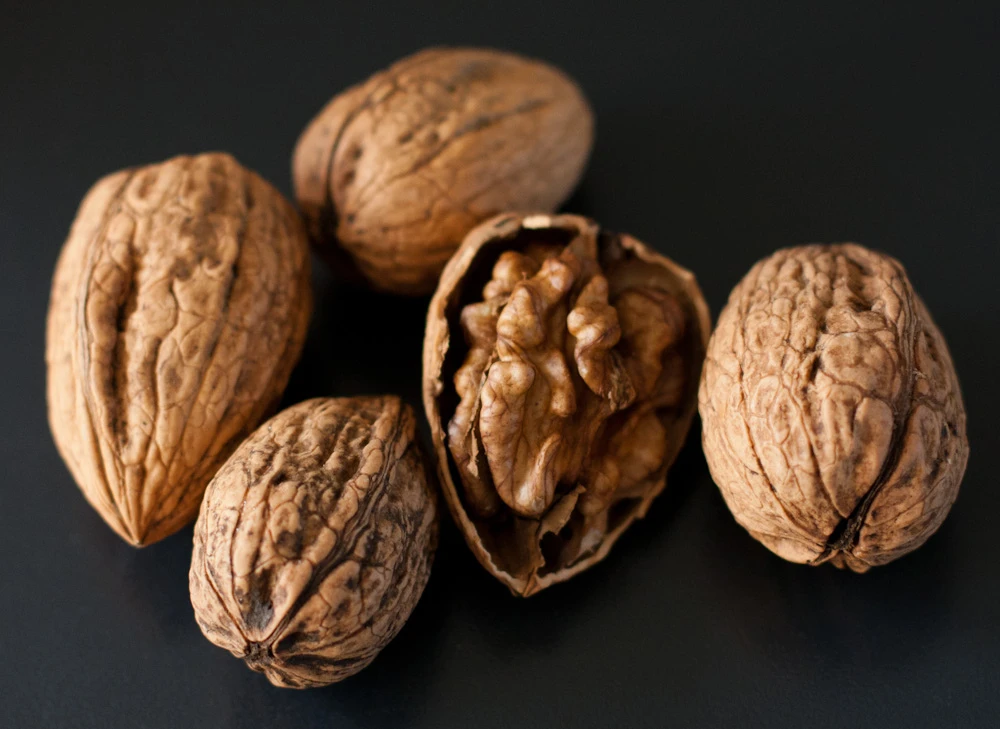
Walnut bitterness is concentrated in the papery skin, which is why removing it helps
Tannins are responsible for the bitter notes in nuts, much like in red wine. Warm water loosens the skin where most of these compounds reside.
Citrus Hacks: Peel, Dry, and Juice
The fifth trick makes peeling oranges and grapefruits much easier while reducing the bitter white pith. Microwave a whole fruit for 30 seconds to loosen the peel. Avoid heating it any longer, or the fruit might burst. (You don't necessarily have to toss all the pith, as it is rich in fiber and flavonoids.) 
Heat weakens the bond between the peel and the pulp, making the citrus easier to peel
Hack six is all about making dried citrus zest. Spread orange or grapefruit zest on paper towels and heat on high for two minutes, stirring occasionally. Once cooled, it will turn crisp and dry. Store it in an airtight container. Stay close to the microwave while doing this—zest contains high amounts of essential oils and heats up rapidly once dry. 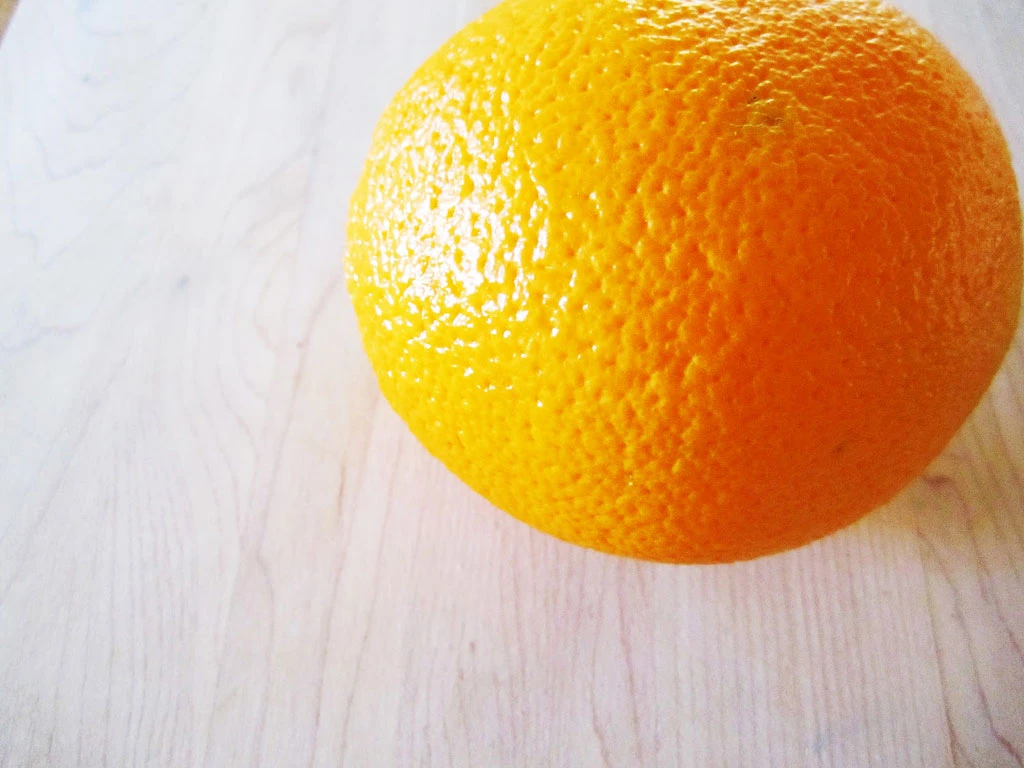
Crisp dried zest makes a perfect homemade citrus seasoning
The seventh trick helps extract maximum juice even from thick-skinned citrus. Warm a whole lemon or orange for 20 to 30 seconds, let it cool slightly, and squeeze. Heat breaks down the internal membranes holding the juice, working much like rolling the fruit on a countertop. 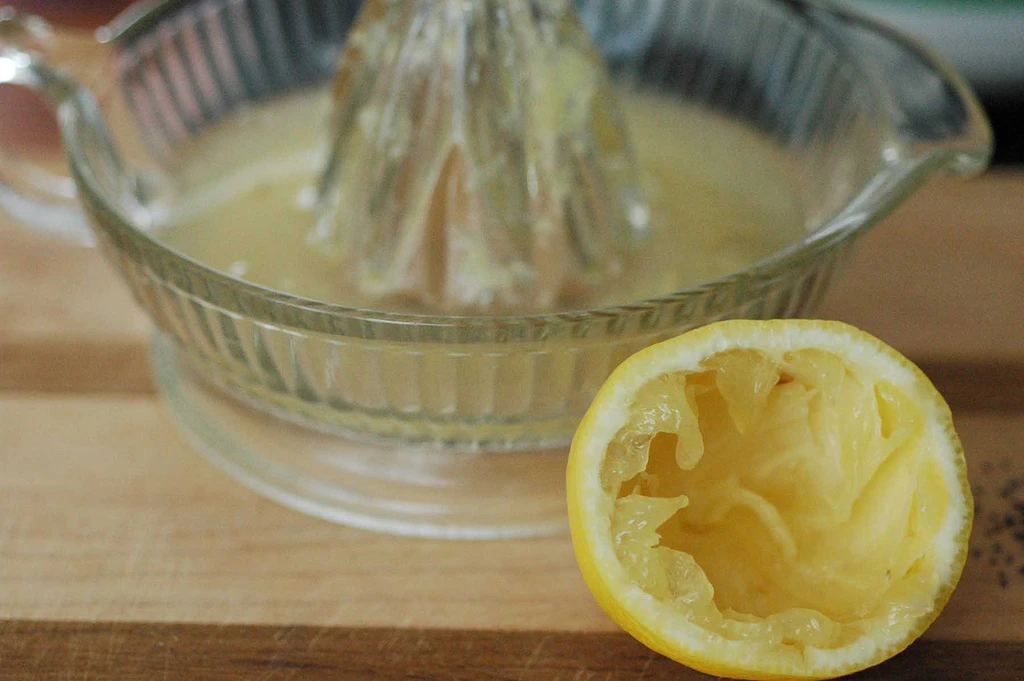
Warmed citrus yields every last drop of juice, even with a thick rind
The extracted juice will be warm, so let it cool down first if you plan to use it in a fresh salad dressing.
Drying Herbs and Decrystallizing Honey
The eighth hack is drying pantry staples. Herbs, vegetables, croutons, and nuts can all be dried right in the microwave. Sandwich herbs between two paper towels and heat on high for one to three minutes, checking every 30 seconds. Sturdy herbs like rosemary, thyme, sage, and oregano yield the best results. 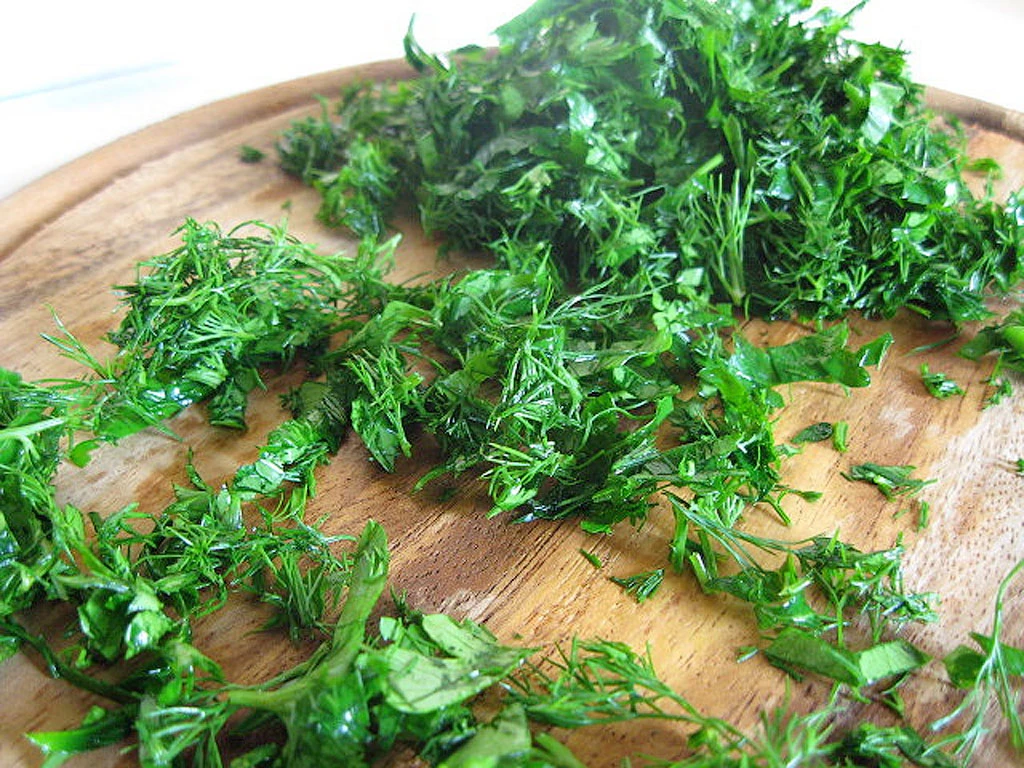
Woody herbs dry quickly, while delicate greens require extra care
Be cautious with delicate greens. During testing by Cook’s Country magazine, paper towels holding basil and dill caught fire. For croutons, toss bread cubes in the microwave on high for five to seven minutes.
Hack number nine restores runny consistency to crystallized honey. Crystallization isn't spoilage; it's just glucose separating out. Remove the lid, transfer the honey to a microwave-safe glass container, and warm it on 50% power, checking every 15 seconds. One to two minutes is usually all it takes. 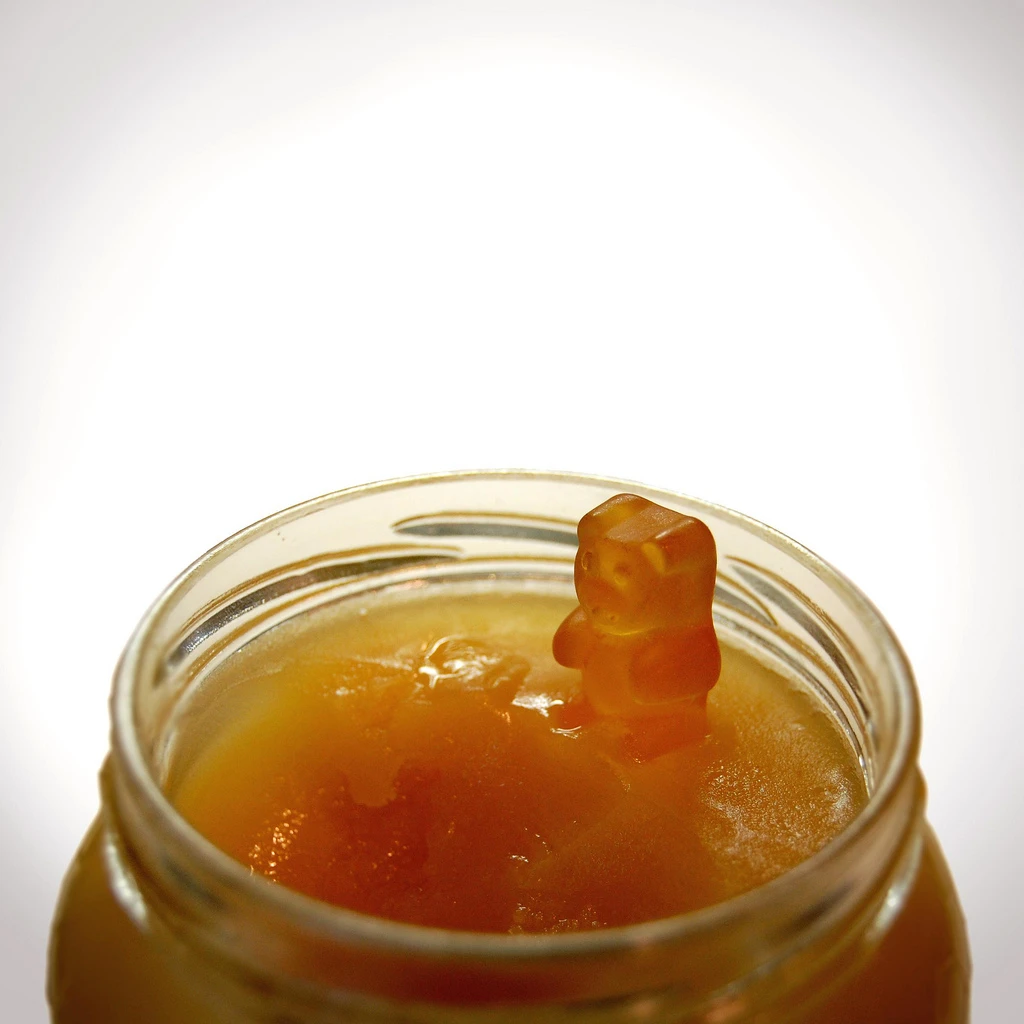
Crystallized honey is completely safe to eat, and gentle heat restores its smooth texture
Avoid overheating honey, as excessive heat can degrade its natural nutrients. If your honey is in a plastic bottle, liquify it in a bowl of warm water instead.
Deodorizing Cutting Boards
The 10th tip will rescue cutting boards that have absorbed stubborn garlic, onion, or fish odors. Wash the board, rub it with a lemon, and microwave it. Appliance manufacturer Toshiba recommends microwaving a wet board at 1,000 watts for about one minute. Make sure the board contains no metal components. 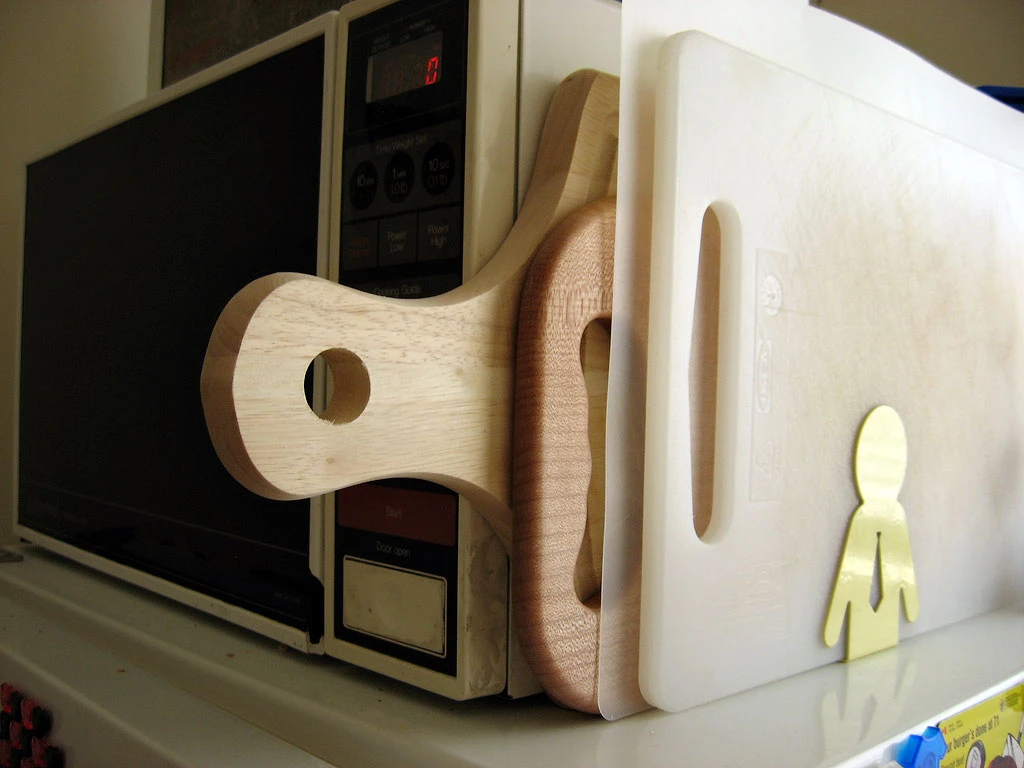
Lemon juice helps lift stubborn onion and garlic odors from porous wood
Wooden boards are sensitive to heat and moisture, which can cause them to warp or crack. Check the board closely after each cycle. For extra-stubborn smells, try sprinkling coarse salt over the wood and scrubbing it with half a lemon.
While you're at it, sanitize your kitchen sponge. In 2007, USDA researchers reported that microwaving a wet sponge for one minute eliminated almost all bacteria. By comparison, soaking in lemon juice, water, or even bleach solution only killed 37% to 87% of bacteria. Always make sure the sponge is completely wet and free of metallic scrubbers.
From reviving stale bread and peeling nuts to squeezing citrus and drying herbs, your microwave is capable of far more than just reheating food. The key is working in short intervals and never leaving the appliance unattended.
Have you tried any of these hacks? Which one surprised you the most?