Why Pork Became Forbidden Food for Jews and Muslims (6 Photos)
Ask almost anyone why Jews and Muslims don't eat pork, and you’ll likely hear the same explanation: in a hot climate, pork spoiled quickly, harbored parasites, and killed people, so ancient lawmakers banned it just to be safe. It sounds logical—almost scientific—which is precisely why this explanation has been repeated in article after article for centuries. 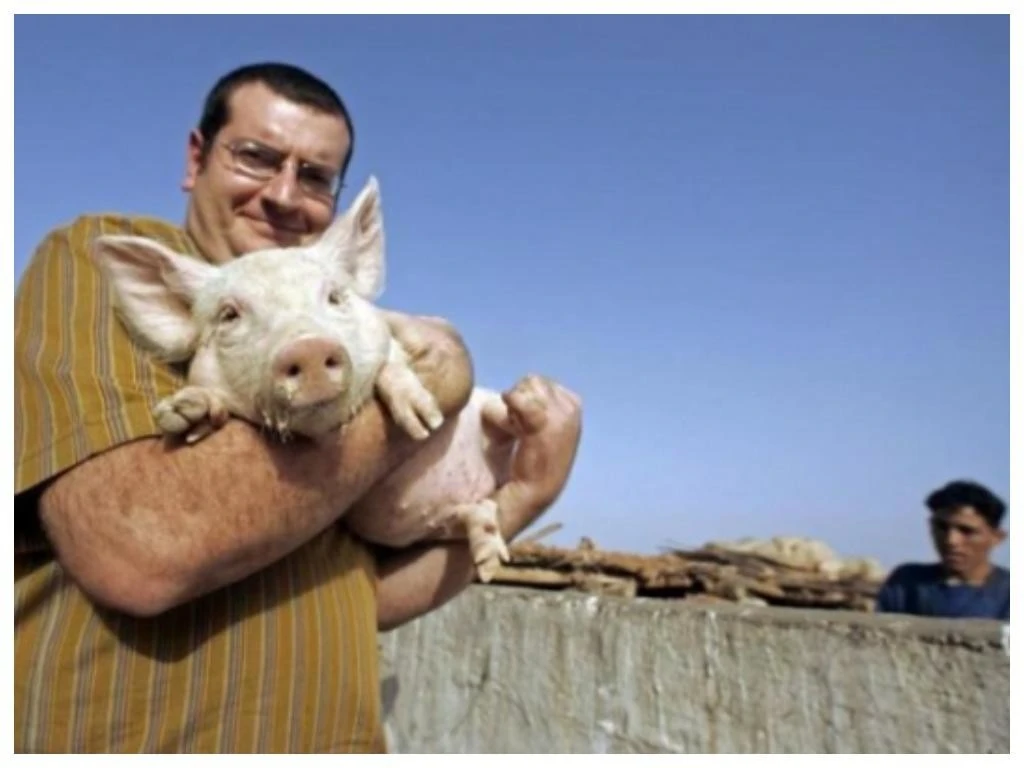
The problem is, under closer scrutiny, this theory completely falls apart. 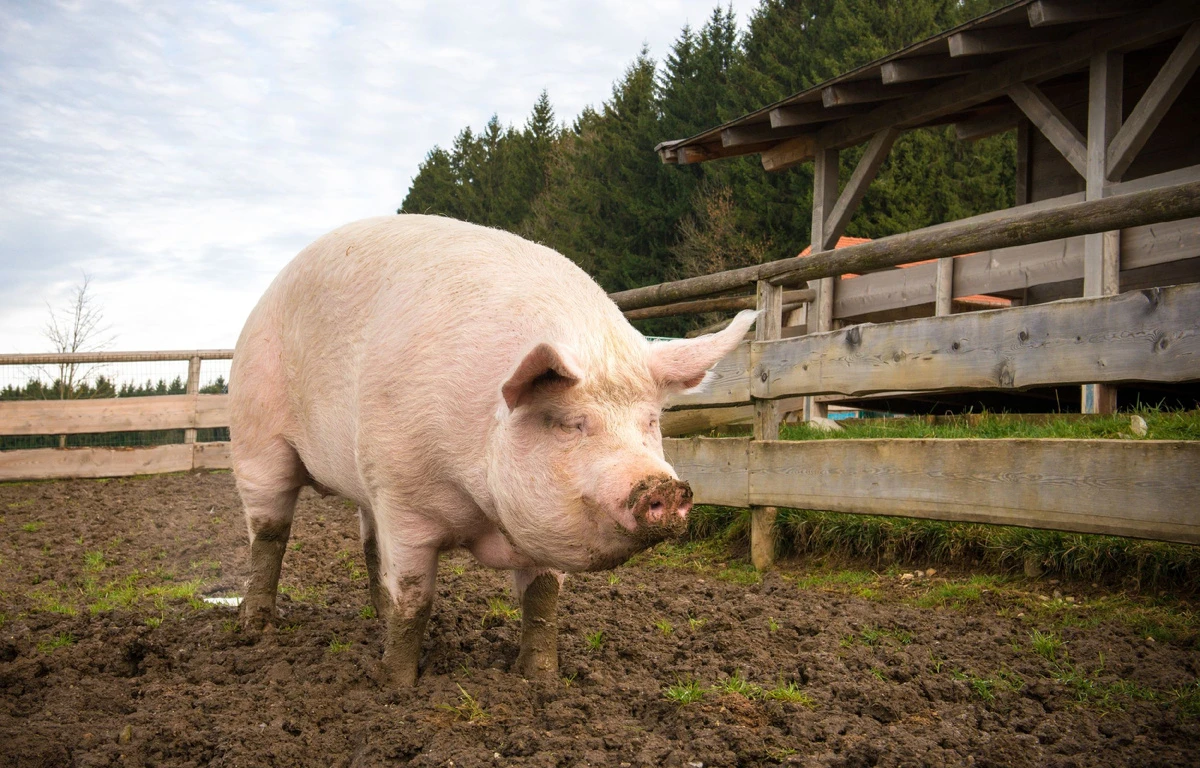
Oh look, chocolate-covered pork. Marketers, have you completely lost your minds?
Parasites are very real, and pigs can indeed host some nasty guests. The most notorious is Trichinella, a microscopic roundworm whose larvae form cysts in muscle tissue. Anyone who consumes undercooked, infected meat contracts trichinosis—causing fever, muscle pain, swelling, and in severe cases, damage to the heart and nervous system. An even scarier guest is the pork tapeworm. The adult worm in the gut isn't even the biggest problem; its larvae are. If a human ingests tapeworm eggs, the larvae can spread throughout the body and settle in the brain. Known as neurocysticercosis, this condition remains a leading cause of acquired epilepsy in impoverished regions around the world today. So yes, pork isn't exactly risk-free. But that’s where the logical plot holes begin. 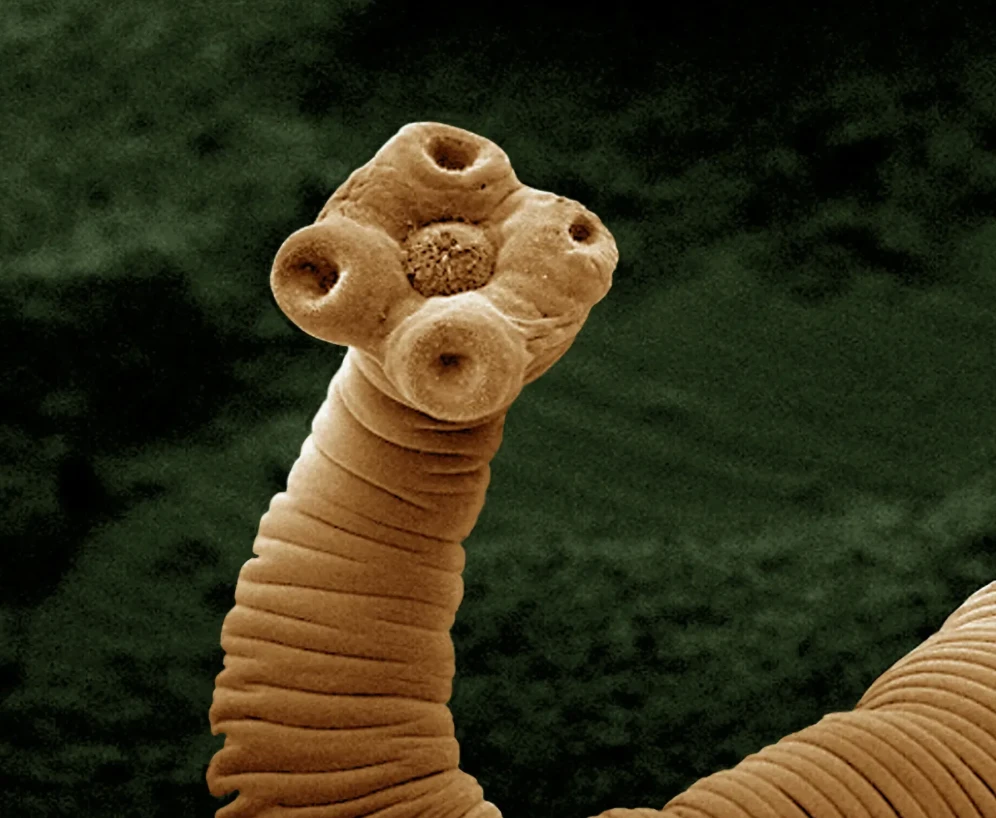
Pork tapeworm: definitely one guest you wouldn't want crashing your party.
First question: why single out the pig? Beef can carry the beef tapeworm, lamb and goat meat transmit brucellosis and echinococcosis, and camels—which Islam permits—are hardly sterile. If ancient lawmakers were guided by medical science, the ban list would look vastly different. Singling out pigs as uniquely dangerous makes little sense from a public health standpoint. Second question: how could they have even noticed? Trichinosis doesn't develop immediately; symptoms appear days or weeks after ingestion and mimic dozens of other illnesses. Linking a fever to a meal eaten a week ago would have been virtually impossible back then. In fact, Trichinella in human muscle was only discovered in the 1830s, and its link to pork consumption wasn't proven until the 1860s. For this theory to hold, Old Testament authors would have needed medical knowledge that European science wouldn't discover for thousands of years. Interestingly, the "hygiene theory" wasn't cooked up by modern science communicators. Medieval philosopher Maimonides wrote that pork was bad because pigs are filthy animals. However, the sacred texts themselves contain no medical justification whatsoever. 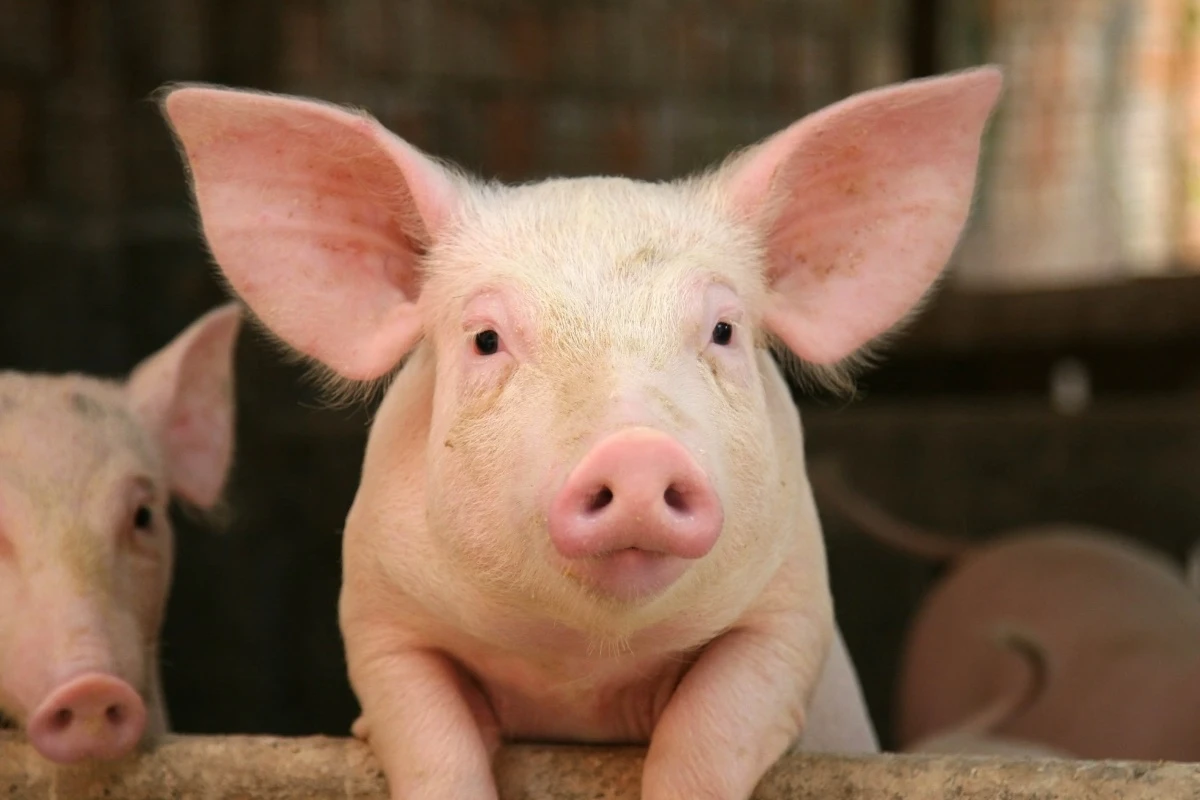
"Just don't eat it." End of discussion. Stop digging deeper.
So what do the scriptures actually say? The Torah offers a taxonomy rule, not a medical explanation: you may eat animals that have split hooves and chew the cud. Cows, sheep, and goats fit both criteria. Camels chew the cud, but lack the right kind of hoof. The pig is an anomaly: it has split hooves, but doesn't chew the cud. Thus, pigs simply fail the scriptural checklist. The Quran also explicitly forbids pork, declaring it impure, without detailing the mechanics of that impurity. For believers, it is a matter of divine commandment, not medical safety—and that faith deserves respect. But for historians and biologists, a fascinating question remains: why did this rule take shape in the first place? 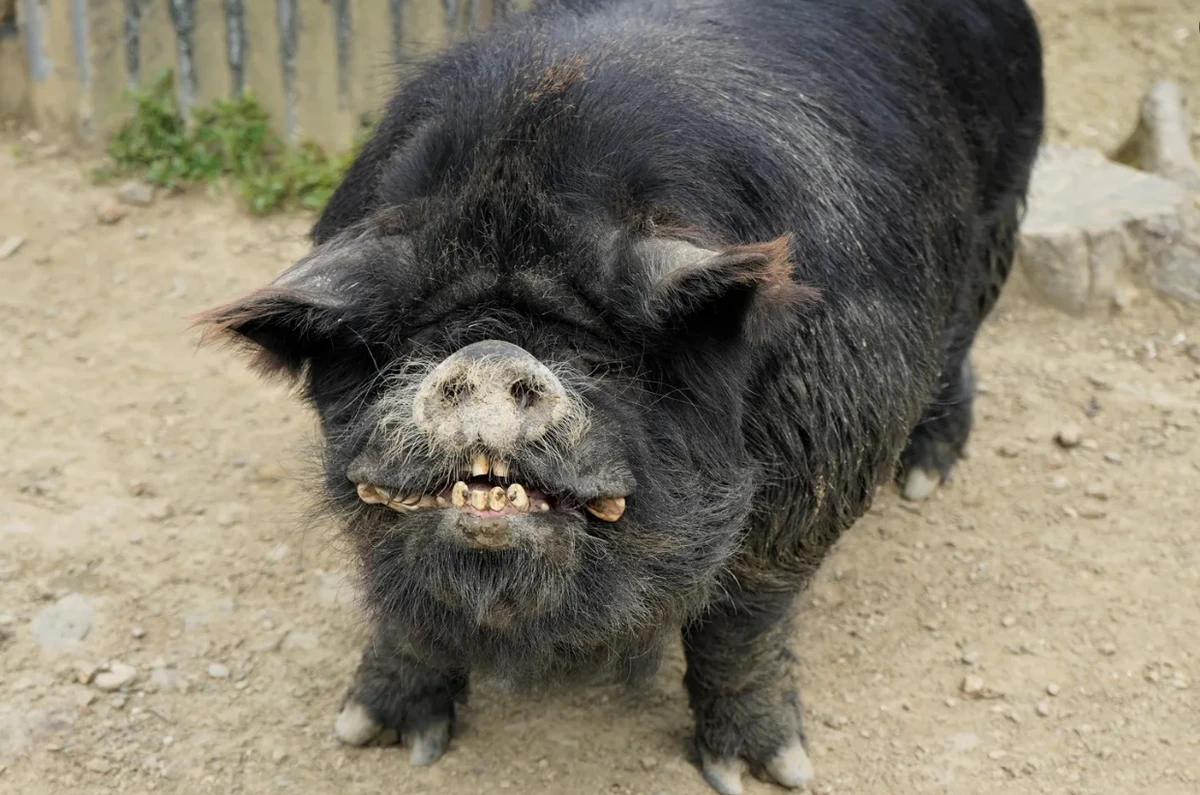
Boss Boar is not in a good mood.
The anthropological view: pigs aren't suited for the desert. Pigs are native to forests and marshlands. They tolerate heat poorly because they barely sweat, relying on shade and mud to cool down. You can't herd them on long journeys like sheep, and they yield neither milk nor wool. Most importantly, pigs consume the same diet as humans: grain, roots, and food scraps. For nomads and farmers in the arid Middle East, pigs weren't profitable livestock—they were dietary competitors. In such an economy, raising pigs was a luxury, if not financial ruin. Under this theory, the taboo simply codified practical economic reality. The archaeological view: cultural identity. Excavation findings are even more compelling. In Iron Age Israelite settlements in the Canaanite hills, pig bones are virtually nonexistent, while neighboring coastal sites—like those of the Philistines—are full of them. Refusing pork seems to have become an early marker of identity: "we are the people who do not eat this animal." In short, it was a way to define cultural boundaries and stand out as a distinct society. 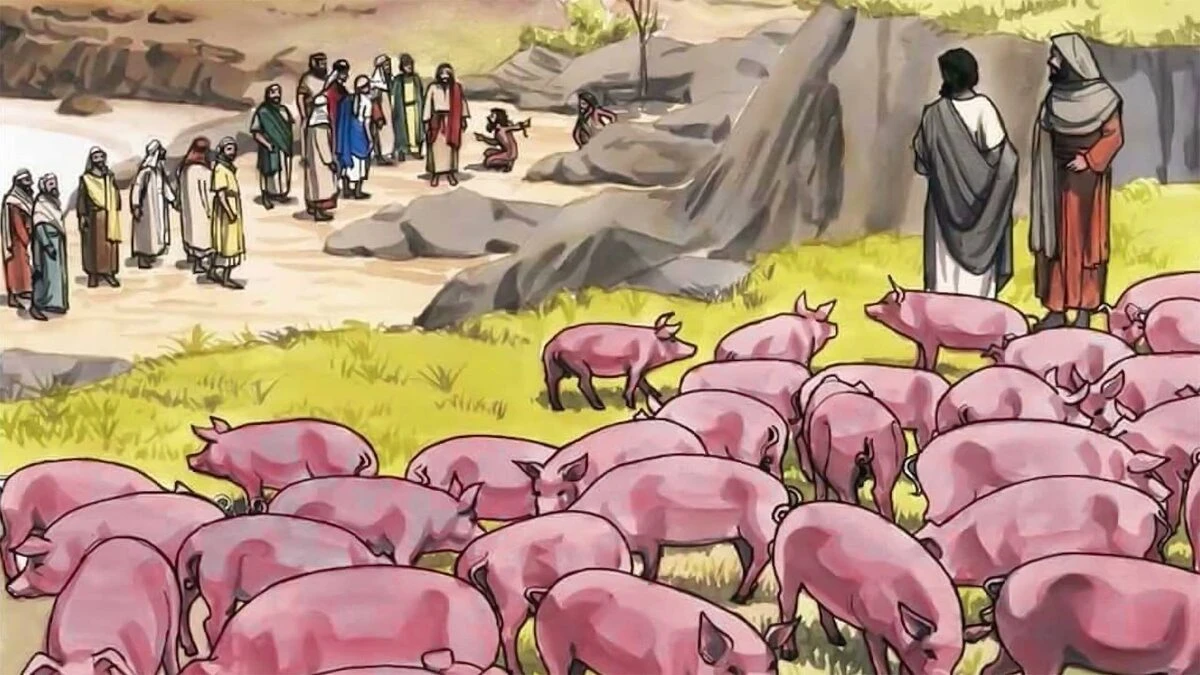
Dear neighbors, you can have all our pigs. Don't mention it.
In short, there probably wasn't a single silver-bullet reason. The parasite theory is most likely a late rationalization rather than the true cause. Instead, the geography of the Middle East and the evolving identity of its ancient peoples played the central role. As a side note, trichinosis hasn't vanished today—though people rarely contract it from store-bought pork, which undergoes strict veterinary inspection. Instead, infections usually come from wild game like wild boar, bear, or badger. So it's best to avoid uninspected meat altogether—or, at the very least, make sure it's cooked thoroughly at high temperatures.