20 of the World's Most Mysterious Landmarks (21 Photos)
We explore deep space, race to build soaring skyscrapers, clone living organisms, and accomplish feats that seemed unthinkable just a short while ago. Yet, we remain utterly baffled by the mysteries left behind by ancient builders and thinkers thousands of years ago. Today, a hundred-ton ancient boulder mesmerizes us far more than a palm-sized computer. 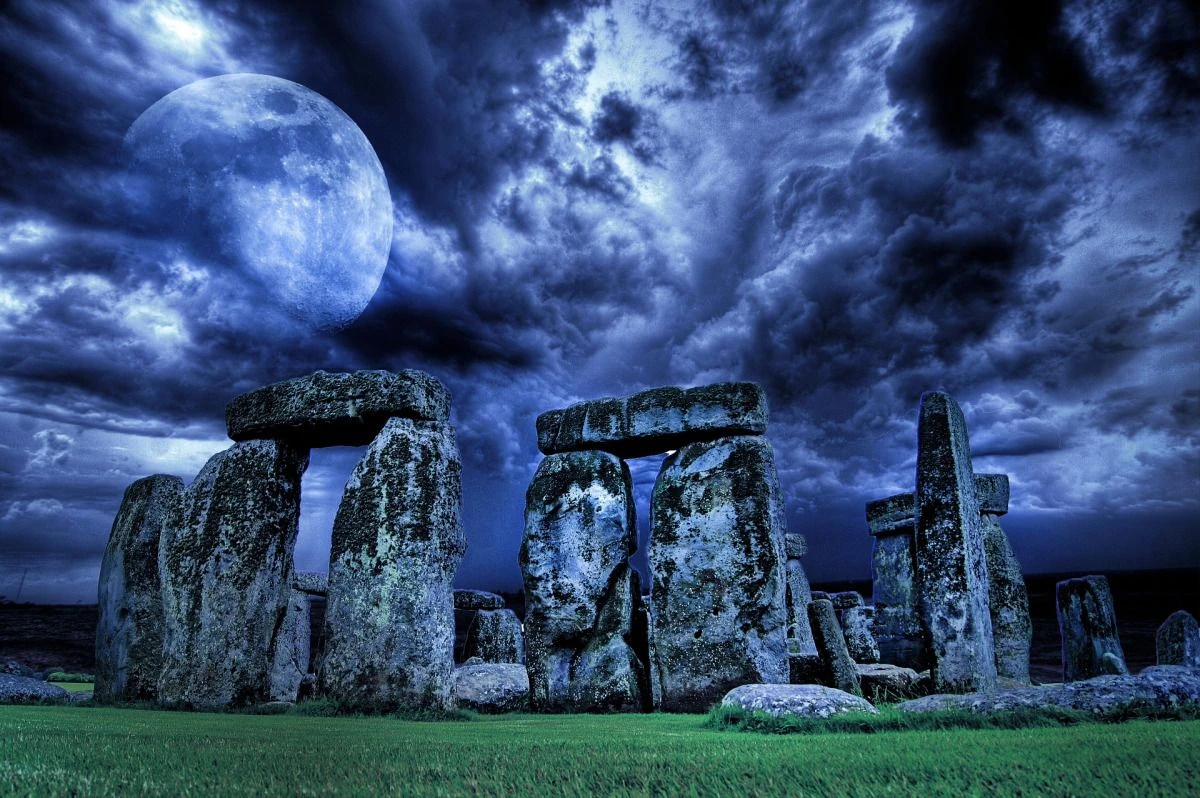
1. El Castillo (Pyramid of Kukulkan), Chichen Itza, Mexico
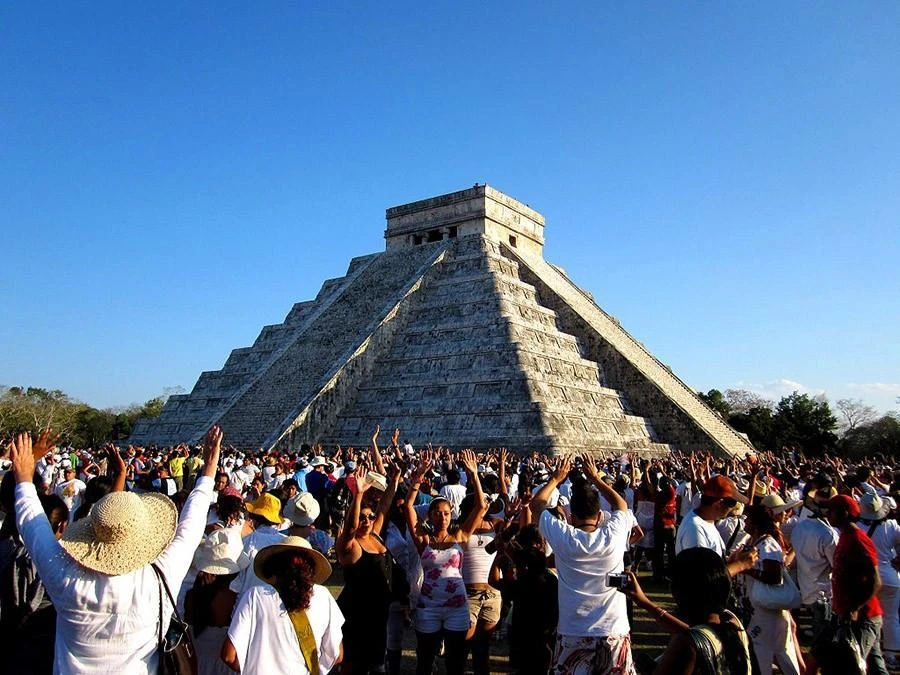
Every year during the spring and autumn equinoxes, thousands of tourists gather at the base of this shrine dedicated to the Feathered Serpent, the supreme Mayan deity. They witness the illusion of Kukulkan "descending" as a shadow snake slithers down the main staircase balustrade. This phenomenon is created by the play of triangular shadows cast by the pyramid’s nine tiers as the setting sun illuminates its northwestern corner for about 10 minutes. Had the sanctuary been misaligned by even a single degree, the illusion would never occur. 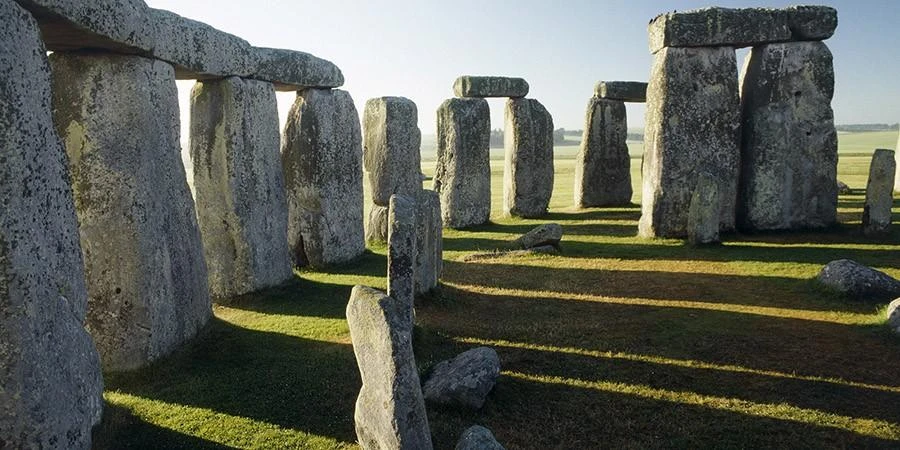
2. Stonehenge, Salisbury, United Kingdom
An altar, an observatory, a burial site, or a calendar? Scholars still cannot reach a consensus. Five thousand years ago, a circular ditch and bank measuring 115 meters in diameter were constructed here. Centuries later, ancient builders transported 80 four-ton bluestones to the site, followed two hundred years later by 30 massive 25-ton sarsen stones arranged in a circle and a horseshoe shape. Much of what we see today is actually the result of modern human activity: over the centuries, local farmers chipped away pieces as protective amulets, tourists carved graffiti into the stones, and restorers pieced together their own visions of how the monument originally stood. 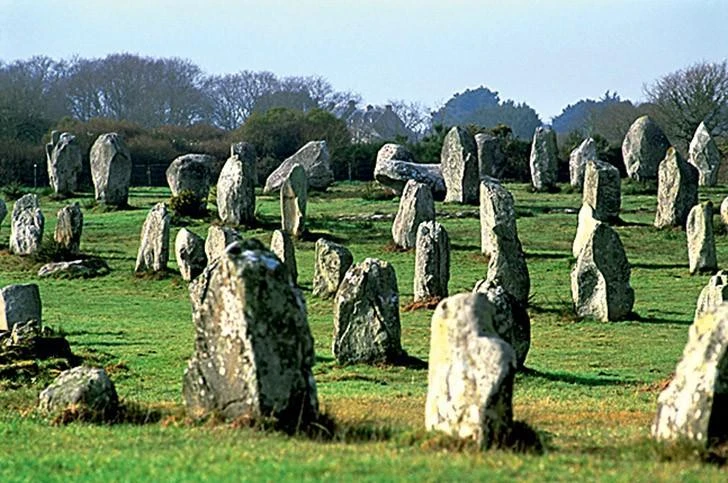
3. Carnac Stones, Brittany, France
Totaling nearly 4,000 megaliths standing up to four meters tall, these ancient stones are arranged in neat avenues near the town of Carnac. The rows run parallel, fan out, or form intricate circles, dating back to the 5th–4th millennium BC. According to local Breton legend, the wizard Merlin turned rows of marching Roman legionnaires into stone. 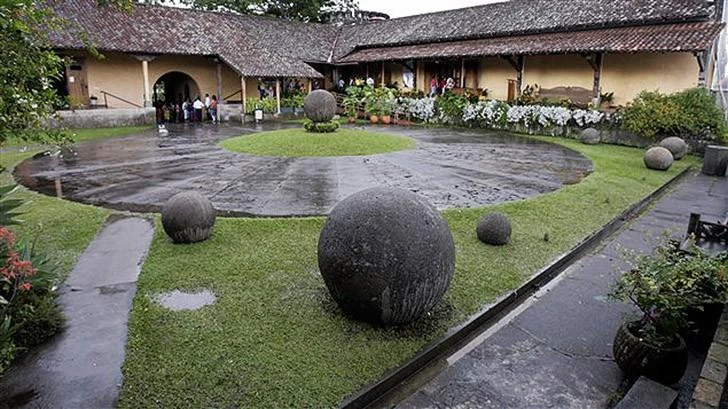
4. Stone Spheres of Costa Rica
Discovered in the 1930s by banana plantation workers near Costa Rica’s Pacific coast, these pre-Columbian artifacts remain shrouded in mystery. Believing gold was hidden inside, treasure hunters destroyed many of the spheres; most surviving specimens are now preserved in museums. Some measure up to 2.5 meters in diameter and weigh as much as 15 tons, yet their true purpose remains unknown. 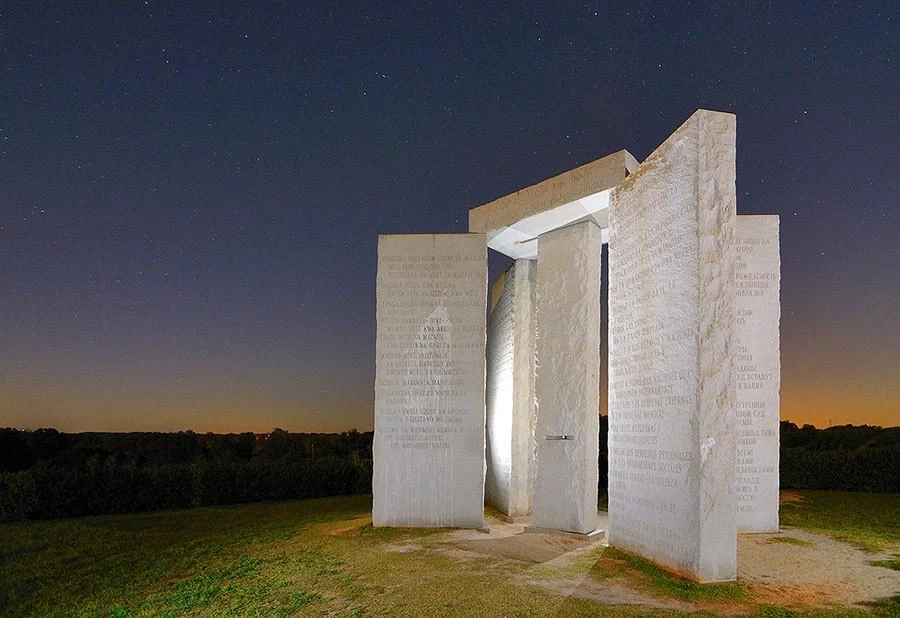
5. Georgia Guidestones, Elbert County, Georgia, USA
In 1979, a mysterious figure using the pseudonym R.C. Christian commissioned a local granite company to erect a massive monument—a structure made of six granite monoliths weighing over 100 tons in total. Engraved on four outer stones were ten guidelines for humanity in eight modern languages. The final line famously urged: "Be not a cancer on the Earth — Leave room for nature!" 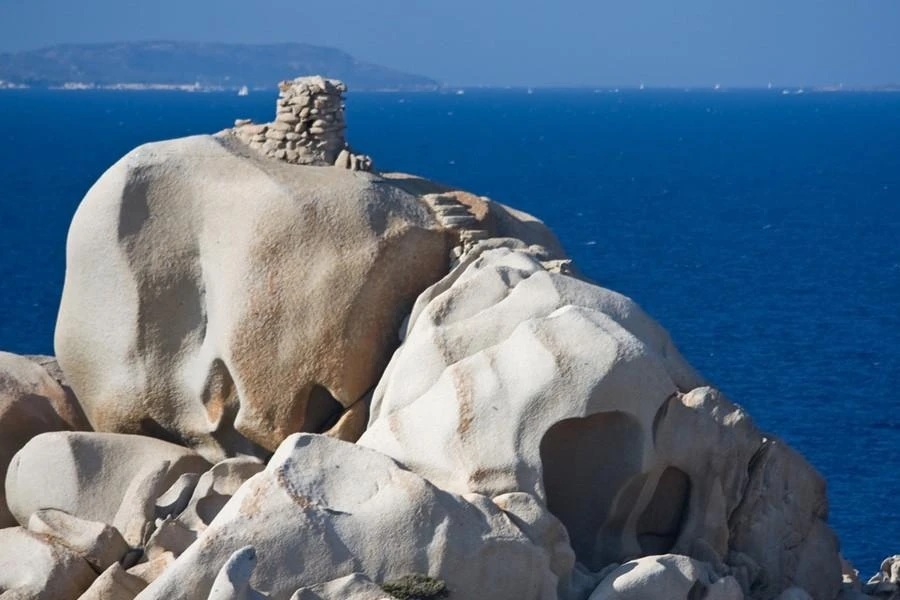
6. Nuraghi of Sardinia, Italy
These beehive-shaped, semi-conical stone structures—standing up to 20 meters tall—appeared across Sardinia in the late 2nd millennium BC, long before the Romans arrived. Built without foundations or mortar, the towers were held together solely by the sheer weight of stacked stone blocks. Their precise function remains unclear, though archaeologists have frequently unearthed miniature bronze models of the towers during excavations. 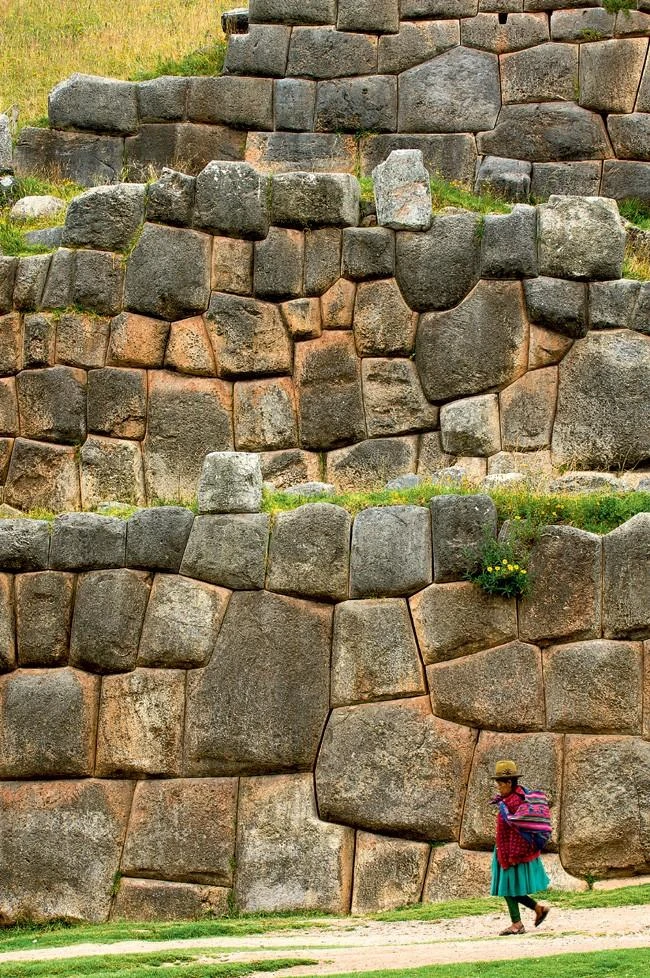
7. Sacsayhuamán, Cusco, Peru
Situated at an altitude of 3,700 meters and spanning 3,000 hectares north of the former Inca capital, this complex served as both a citadel and a sanctuary. Constructed at the turn of the 16th century, its zigzagging walls reach up to 400 meters long and six meters high, crafted from massive stone blocks weighing up to 200 tons. Exactly how the Inca transported and seamlessly fitted these colossal stones together remains a mystery. From above, Sacsayhuamán resembles the jagged head of a puma—the sacred animal after which Cusco was originally shaped. 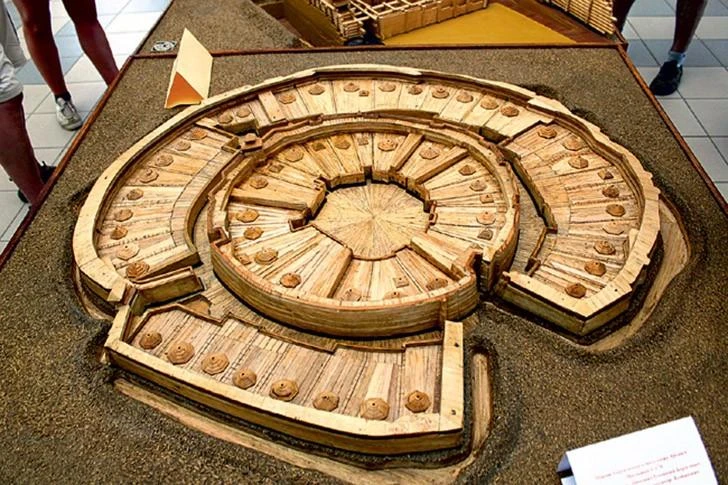
9. Newgrange, Ireland
The Celts referred to it as a fairy mound, believing it to be the home of one of their chief deities. Built over 5,000 years ago, this circular mound made of stone, earth, and timber spans 85 meters in diameter. A long corridor leads into a central chamber that is dramatically illuminated for 15 to 20 minutes during the winter solstice, as a single beam of sunlight enters through a roofbox above the main entrance. 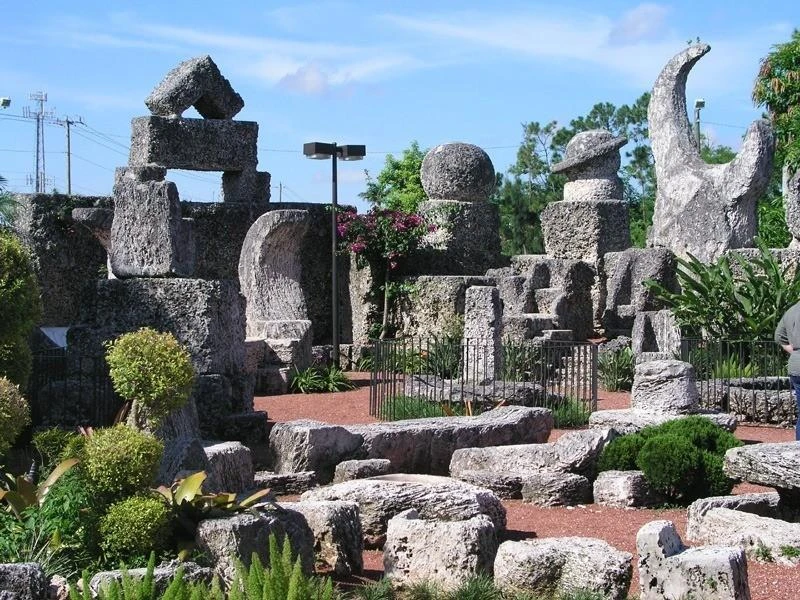
10. Coral Castle, Homestead, Florida, USA
Latvian immigrant Edward Leedskalnin single-handedly built this whimsical stone structure over 28 years (1923–1951) as a monument to lost love. How a man of modest stature and strength managed to carve, move, and position massive blocks of stone without heavy machinery remains an unsolved mystery. 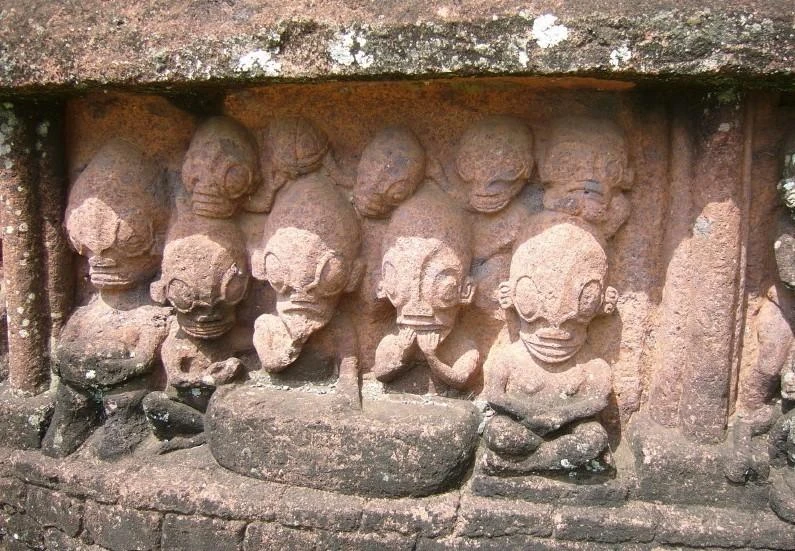
11. "Reptilian" Statues of Nuku Hiva, French Polynesia
Located at Temehea-Tohua on Nuku Hiva in the Marquesas Archipelago, these statues depict bizarre figures reminiscent of pop-culture aliens. They vary in appearance: some are large-mouthed, reptilian-like beings, while others feature small bodies with disproportionately elongated, helmet-like heads and bulging eyes. The one trait they all share is a menacing facial expression. Whether these carvings represent ancient visitors or mask-wearing priests remains unknown, though they date back to around the turn of the 2nd millennium. 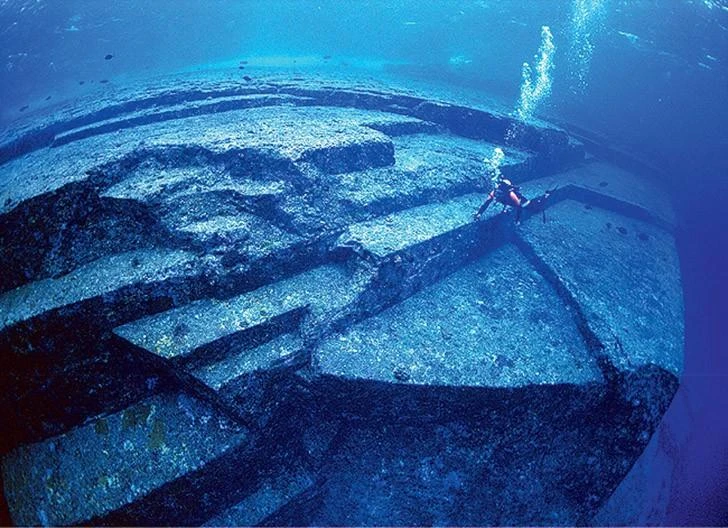
12. Yonaguni Monument, Ryukyu Islands, Japan
Discovered in 1986 off the coast of Yonaguni, these underwater formations feature massive stone platforms, steps, and columns submerged at depths between 5 and 40 meters. The centerpiece resembles a stepped pyramid, situated near a wide flat plaza with terraced steps that look remarkably like an amphitheater. Another structure resembles a giant carved head, akin to the Moai of Easter Island. Geologists debate whether these formations are natural rock structures shaped by currents or man-made ruins; however, researchers like Masaaki Kimura, a marine geologist who has dived the site extensively, firmly believe they are man-made structures. 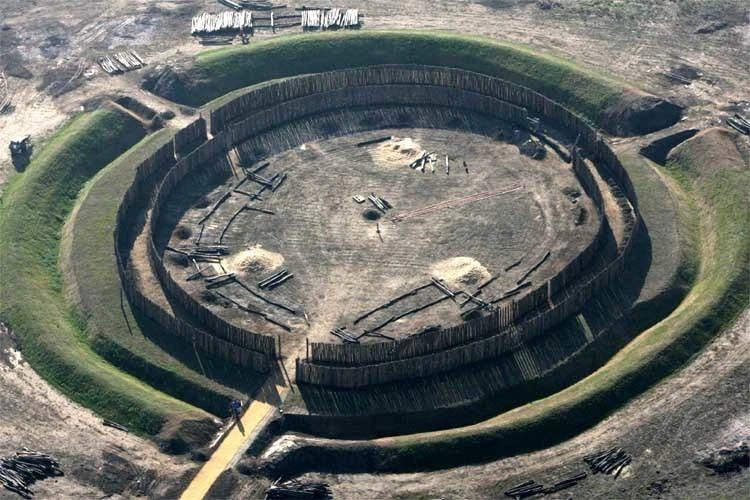
13. Goseck Circle, Goseck, Germany
Built between 5000 and 4800 BC, this concentric ring structure of ditches and wooden palisades is considered one of the world's oldest solar observatories. Now fully reconstructed, the site was likely used as a calendar to track agricultural seasons and perform solar rituals. 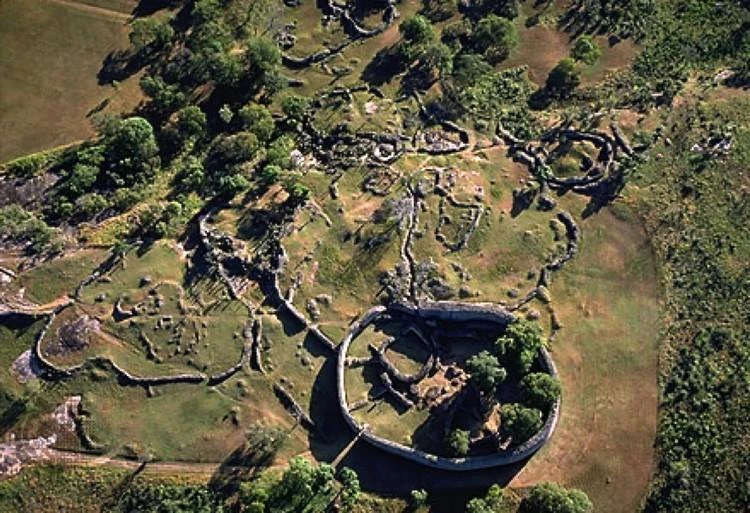
14. Great Zimbabwe, Masvingo, Zimbabwe
As one of Southern Africa's largest and oldest stone structures, construction of Great Zimbabwe began in the 11th century before being mysteriously abandoned in the 15th century. Built entirely using dry stone masonry without mortar, some walls stand up to 11 meters high and stretch over 250 meters. At its peak, the city is estimated to have housed up to 18,000 residents. 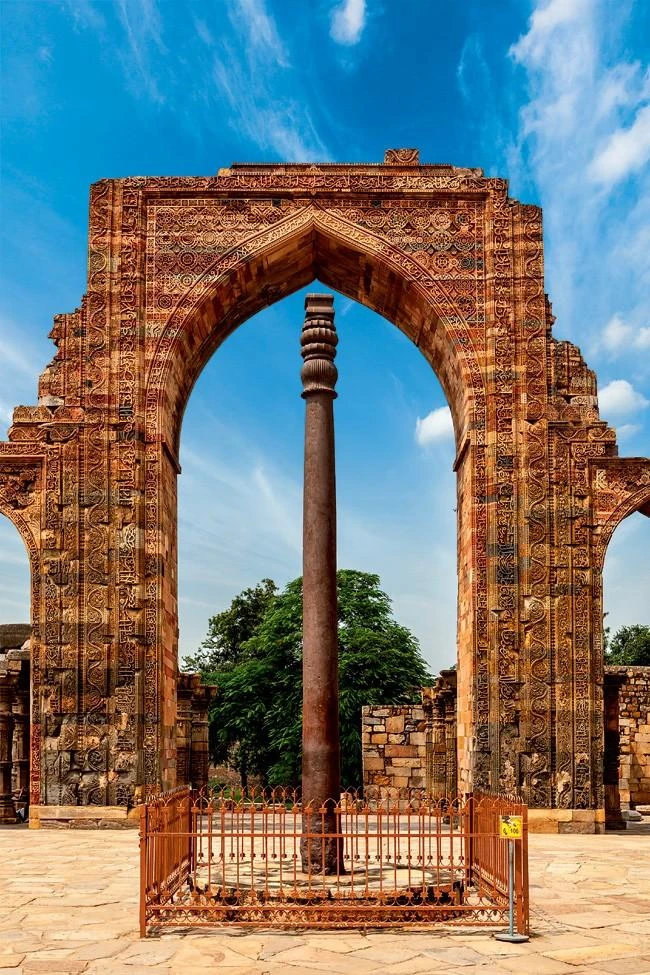
15. Iron Pillar of Delhi, New Delhi, India
Standing over 7 meters tall and weighing more than 6 tons, this iron pillar in the Qutb Minar complex was forged during the reign of King Chandragupta II around 415 AD. Remarkably, despite being composed of nearly pure iron, the pillar has defied corrosion for over 1,600 years. Scientists attribute its rust resistance to several factors: the extraordinary metallurgy of ancient Indian blacksmiths, Delhi’s dry climate, and a protective passive film formed over centuries—partly aided by religious rituals involving oil and incense. While ufologists tout it as proof of extraterrestrial intervention, the precise metallurgical secret remains a subject of ongoing study. 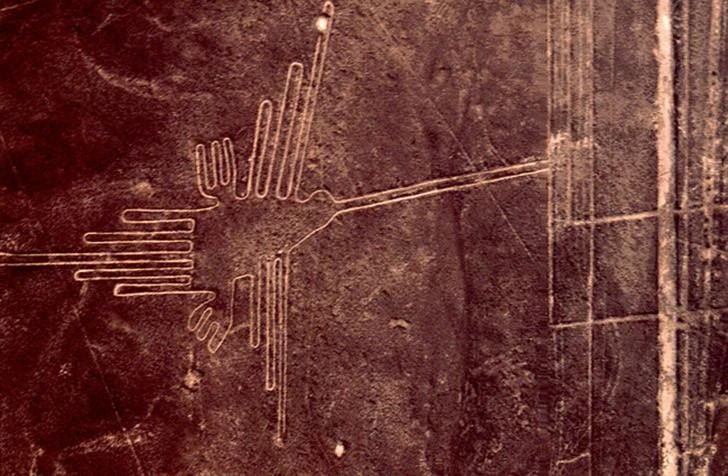
16. Nazca Lines, Nazca Desert, Peru
A 47-meter spider, a 93-meter hummingbird, a 134-meter eagle, along with lizards, alligators, snakes, and stylized human figures... When viewed from above, these giant geoglyphs appear etched into the barren desert floor as if drawn by a single hand. In reality, these shallow trenches—up to 50 cm deep and 135 cm wide—were created progressively between 500 BC and 500 AD by removing reddish-brown pebbles to reveal the light-colored clay beneath. 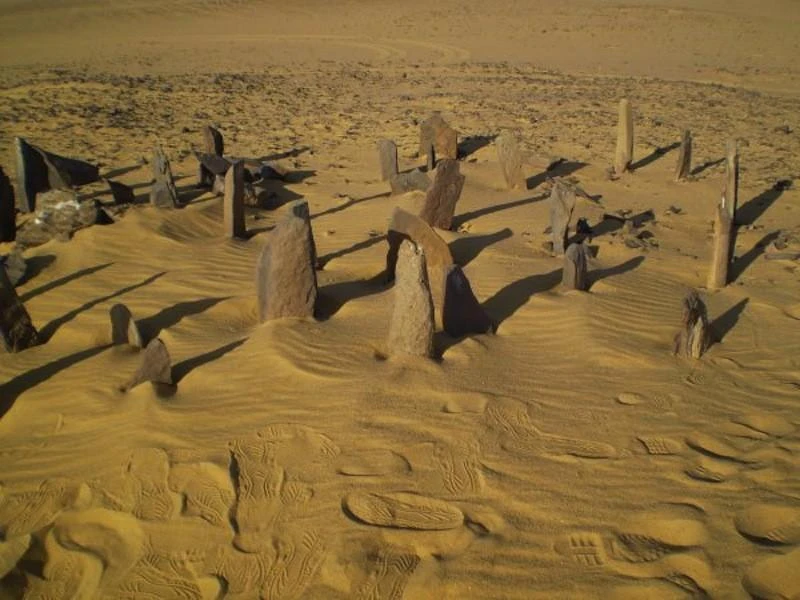
17. Nabta Playa, Nubian Desert, Sahara
Hidden in the sands near an ancient dry lakebed lies the world's oldest known archaeoastronomical monument, predating Stonehenge by a thousand years. The alignment of its megaliths allowed prehistoric pastoralists to mark the summer solstice. Archaeologists believe nomadic tribes gathered here seasonally when water filled the basin, relying on the stone calendar to track seasonal migrations. 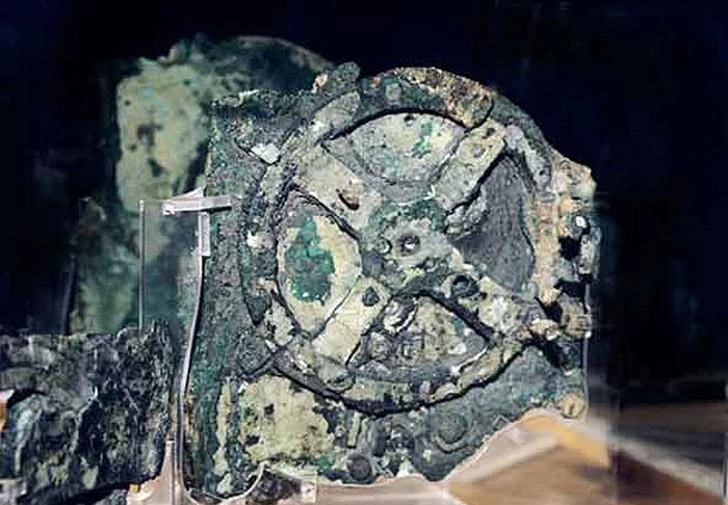
18. Antikythera Mechanism, Antikythera, Greece
Recovered in the early 20th century from an ancient shipwreck near the island of Antikythera, this intricate mechanical device featuring gears, dials, and hands dates back to around 100 BC. Following decades of imaging and research, scientists confirmed it to be an ancient analog computer used to predict astronomical positions, eclipses, and track celestial cycles with remarkable precision. 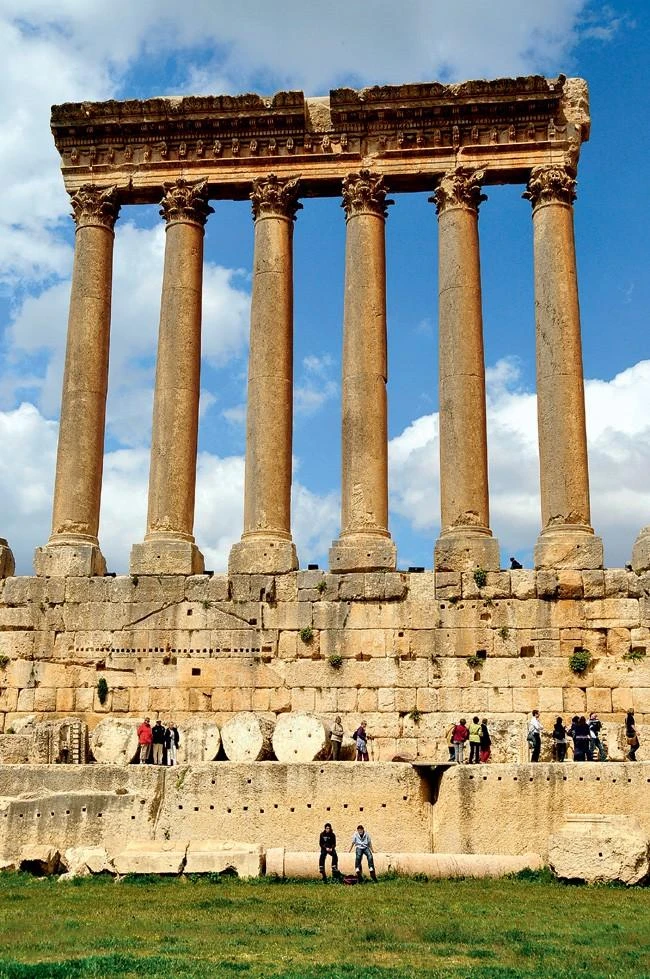
19. Baalbek Megaliths, Lebanon
The majestic ruins of the Roman temple complex at Baalbek date to the 1st–2nd centuries AD, but the Romans constructed their sanctuaries atop a far older foundation. Beneath the Temple of Jupiter lie massive stone blocks weighing over 300 tons each. The western retaining wall features three colossal limestone blocks known as the Trilithon, each measuring over 19 meters long, 4 meters high, and weighing nearly 800 tons. Roman engineering alone cannot account for moving such weight. Nearby lies an even larger unquarried stone monolith weighing nearly 1,000 tons, left untouched for millennia. 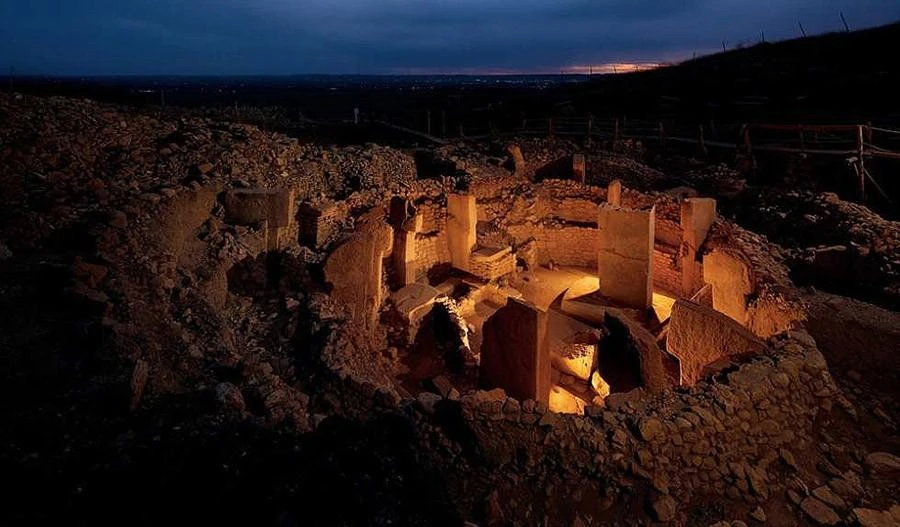
20. Göbekli Tepe, Turkey
Located in southeastern Turkey, Göbekli Tepe is widely considered the world's oldest known megalithic temple complex, dating back to the 10th–9th millennium BC. Long before the dawn of agriculture or metallurgy, hunter-gatherers erected massive circular stone structures featuring T-shaped pillars intricately carved with reliefs of wild animals.