6 Animals Whose Sex Lives Will Feel Surprisingly Familiar (7 photos)
It is widely believed that, with the exception of dolphins, certain primates, and humans, animals engage in sex purely out of instinct—mating strictly to reproduce. But that’s not entirely true. Several animal species also have sex for pleasure, often in surprisingly familiar ways. 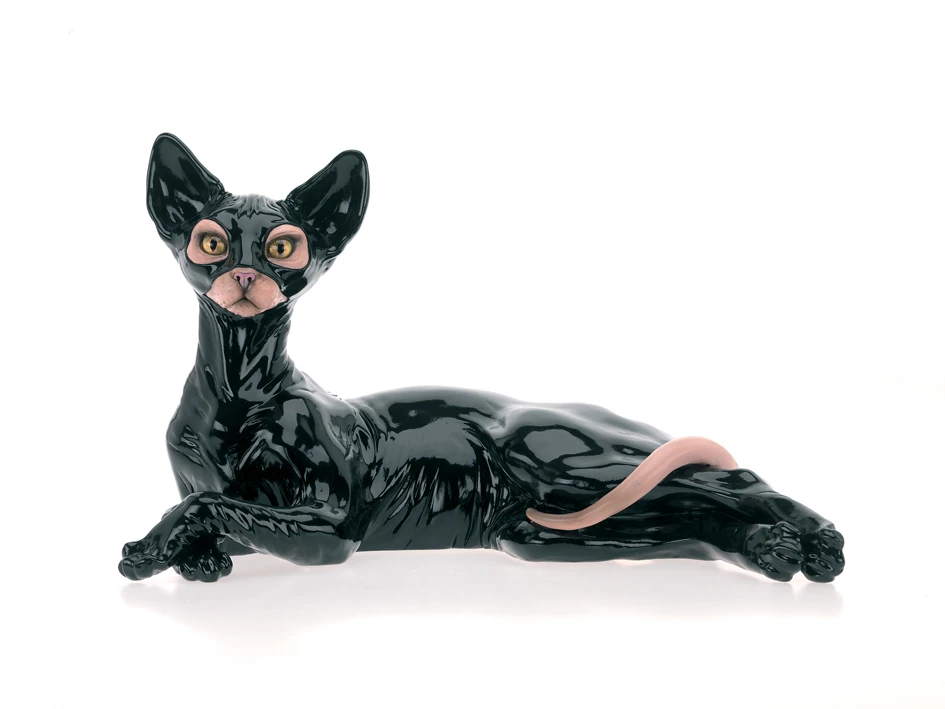
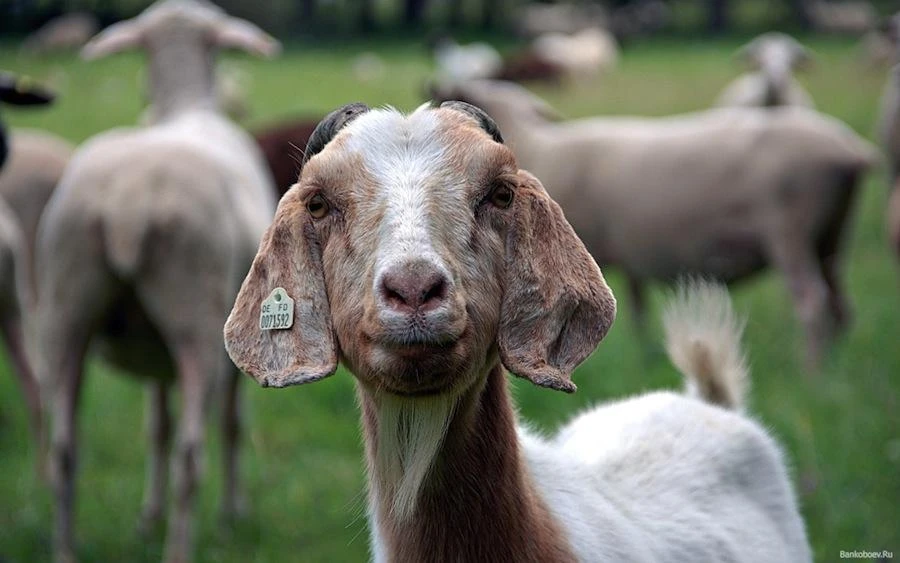
1. Goats Engage in Lesbian Sex
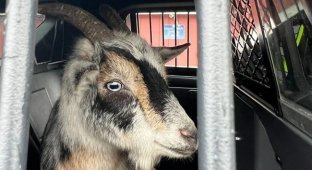
Homosexuality is surprisingly common in the animal kingdom. But as far as we know, males of only two species get aroused by watching females engage in sexual acts: humans and goats.
That’s right: male goats love watching females go at it. In most cases, the male gets so aroused that he tries to join in as a third partner—assuming the females don't chase him off.
However, lesbian sex isn't entirely routine for female goats. It is often a last resort when the male isn't showing interest in mating, used as a tactic to grab his attention. On top of that, things can get into urolagnia territory: the females will start urinating on each other in the hope that the male will drink some of it.
Incidentally, it doesn't work the other way around: male goats don't mate with each other to attract a female. 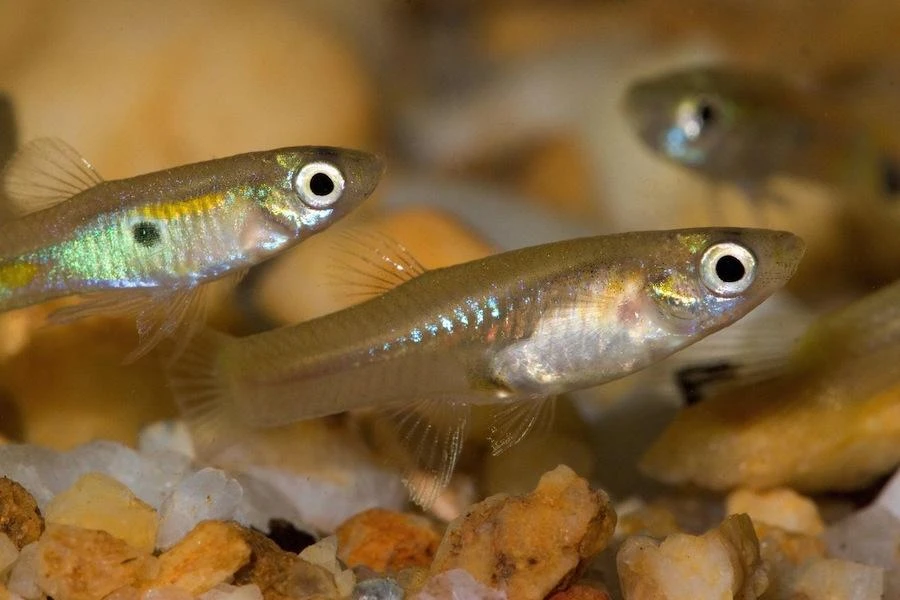
2. Guppies Use Less Attractive Friends to Look Better
Heading out in public with less attractive friends is a classic human trick—not necessarily to be friendly, but to make ourselves look better by comparison. As it turns out, guppies do the exact same thing.
Female guppies prefer brightly colored males. From an evolutionary standpoint, this makes sense: vibrant males are seen as stronger and more fertile. Meanwhile, drab-looking males are left on the sidelines.
Yet researchers noticed that duller guppies manage to pass on their genes just as often as their flashier counterparts. How? They intentionally hang around even uglier males to boost their relative appeal. This tactic is especially fascinating because it hints at a level of self-awareness rarely seen in the animal kingdom. A less attractive guppy seems to realize his own physical shortcomings and immediately goes hunting for an even less attractive wingman. 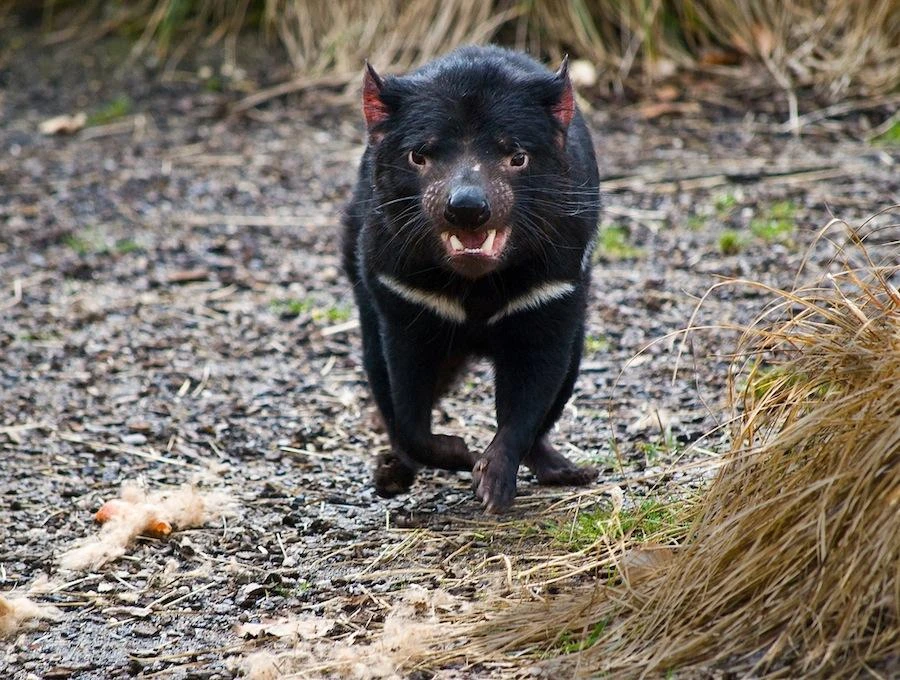
3. Tasmanian Devils Practice BDSM
Sure, plenty of animal species feature rough mating where one partner hurts the other. But Tasmanian devils engage in this behavior as a form of foreplay: the female plays the part of the victim, while the male rarely inflicts any real harm.
Still, a female Tasmanian devil won't even entertain a mate unless he proves his stamina. Instead of fighting rival males or bringing her food, he attacks the female—scratching, biting, dragging, and slamming her around. The rougher he gets, the more receptive she becomes. And if his performance falls short? They swap roles, and she gives him a beating instead.
This intense foreplay involving biting and scratching can last over an hour, repeating over the course of two days. Once the deed is done, the male simply passes out.
But the female wants to be certain she got the best possible mate, so she wanders off to find another. She will repeat this process until she's completely satisfied with her options. Ultimately, a female can carry a litter of up to four joey pups—each potentially sired by a completely different father. 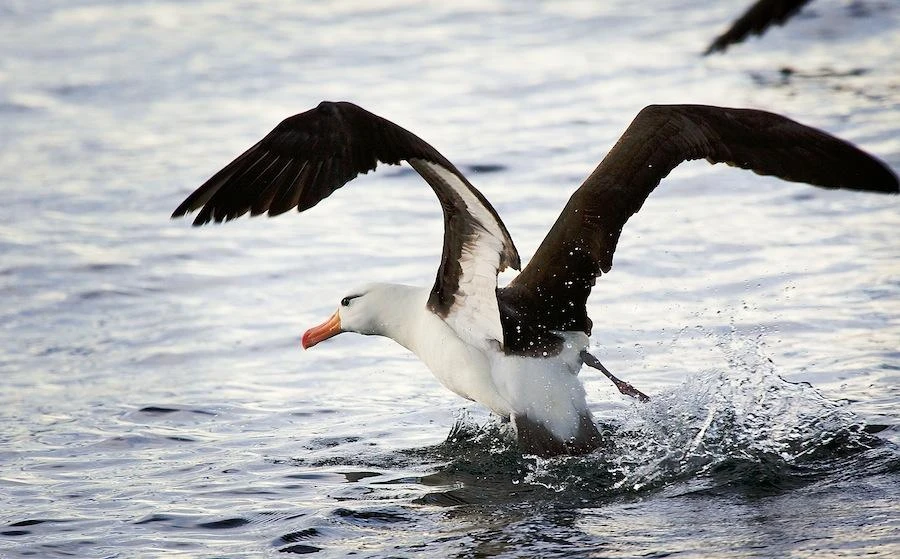
4. Albatrosses "Date" for Years Before Mating
Long-term dating is often considered a uniquely human behavior. But albatrosses do it too. While some humans think two dates are enough, albatrosses are far more selective: given their long lifespans, their courtship process can stretch on for years.
That's because every albatross has a specific sequence of movements hardwired into its brain. Only when a prospective pair can synchronize these dance moves perfectly will they commit to reproducing.
An average albatross dance lasts several hours, featuring complex sequences of bowing, hopping, beak-clacking, and mutual nuzzling. Some couples practice their dance ritual for up to two years before sealing the deal. Amazingly, it almost always pays off with a successfully laid egg.
And much like many human couples, once the baby arrives, the dancing stops. Both parents raise the chick together, having thoroughly vetted each other during their lengthy courtship. 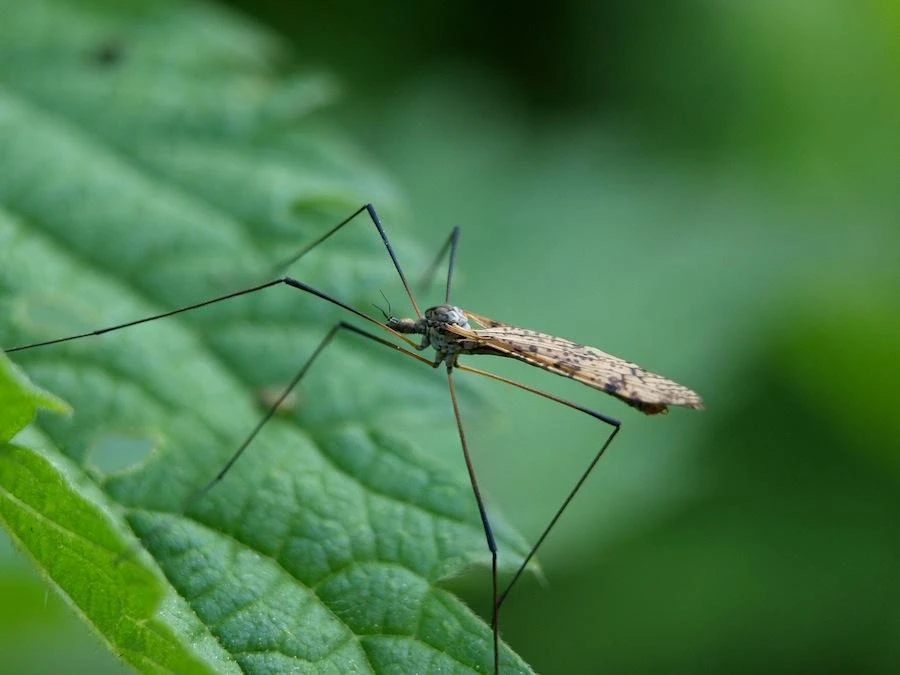
5. Female Daddy Longlegs Can Tell Males Exactly How They Like It
For most animals, sex is just a way to pass on genes. But female daddy longlegs have a way of telling their partners exactly what turns them on—and they aren't shy about using it.
A female daddy longlegs can store sperm from multiple males at once, but she ultimately chooses only one male's sperm to fertilize her eggs. Her decision hinges on how much pleasure she derived during mating.
During mating, the male inserts his pedipalps—specialized appendages near his mouth—to transfer sperm. The female responds by stroking his pedipalps with her own, producing a sound akin to squeaking leather.
This squeaking acts as feedback, guiding the male on how to maneuver so she gets maximum enjoyment. If he hits all the right notes, her body accepts the sperm, giving him a high chance of fathering her offspring. If he ignores her cues, she simply rejects his sperm. 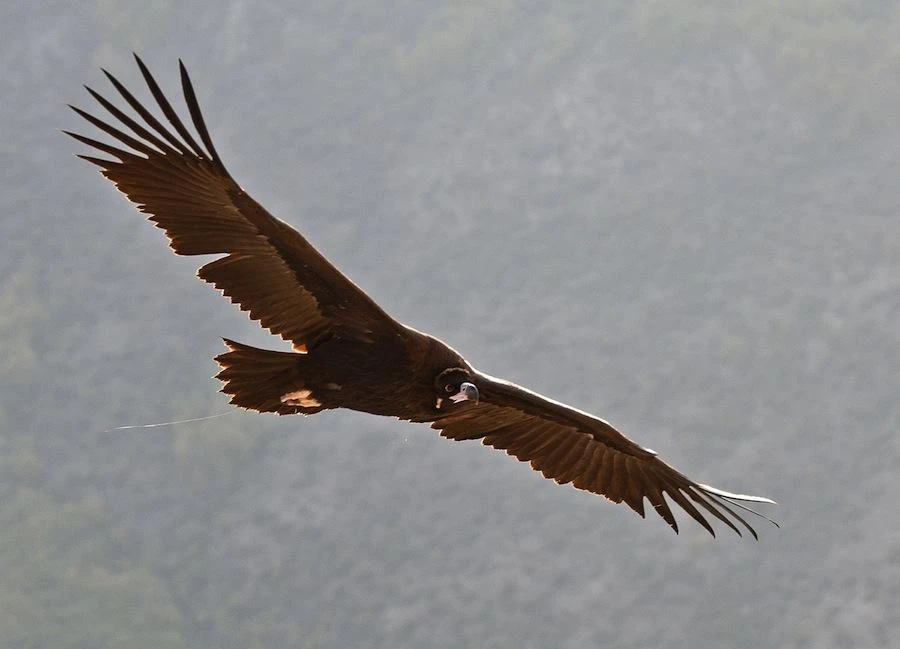
6. Black Vultures Despise Infidelity
Nobody likes a cheater. Humans hold a strong grudge against those who break promises behind their back, and black vultures feel much the same way—harshly punishing any local "Don Juans."
Black vultures mate for life and take monogamy extraordinarily seriously: if a vulture attempts to woo an attached female, the rest of the flock will gang up on him and beat him up. This mob mentality stems from necessity—raising a vulture chick requires round-the-clock commitment from both parents. They take turns incubating the egg in 24-hour shifts and share feeding duties during the chick's first year. Therefore, a straying male isn't just flirting; he's actively putting a chick's survival at risk.