Sheila Wysocki became a private investigator to find her friend's killer after a quarter of a century (11 photos)
The body of college student Angie Samota, bearing stab wounds, was discovered in her apartment in the autumn of 1984. At the time, the police were unable to locate the killer, and the case remained unsolved. However, two decades later, a friend of Angie’s named Sheila Wysocki became a private investigator and solved the crime. 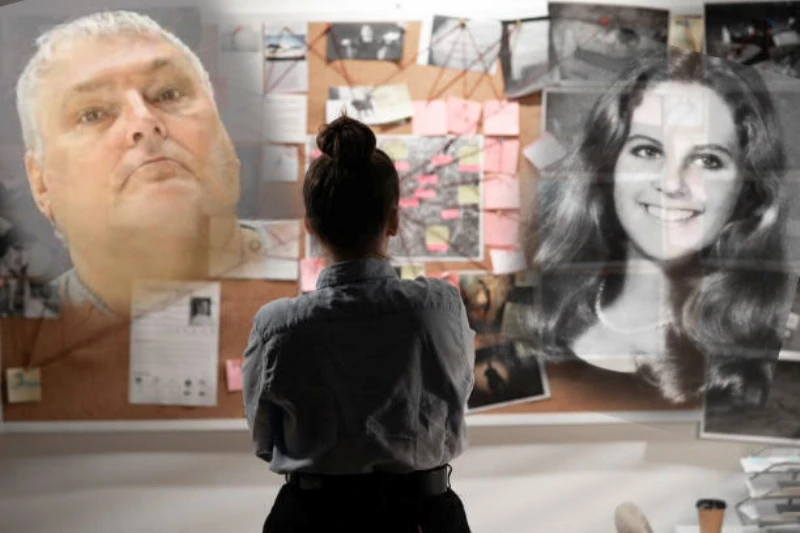
Murder in Dallas
Late on the evening of October 12, 1984, 20-year-old student Angie Samota returned home from a fair held at Fair Park in Dallas. Her friend Anita Kadala and a new acquaintance, Russell Buchanan—with whom she had spent the evening—also headed home. On her way, Angie stopped by to see her boyfriend, Ben McCall; she chatted briefly with him at the door and said goodnight. 
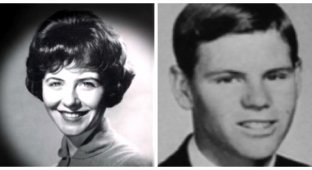
Angie Samota
Ben McCall later told investigators that Angie called him at 2:00 a.m. She was frightened and reported that a stranger was in her apartment, asking to use the restroom and the telephone. Angie asked Ben to stay on the line and talk to her, but the connection was cut off almost immediately. Worried, Ben drove to her home, but no one answered the door. He then called 911 and summoned the police.
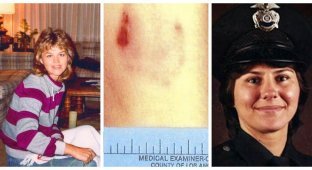
The call was answered by 20-year-old police officer Janice Crowther, who had only recently joined the force. She and her partner arrived at Angie’s home. Her car was in the driveway, but there was no response to their knocking. The officers obtained a spare key from the building manager. Crowther later recalled:
"My legs were shaking. I felt that something was wrong. It was a surreal night." 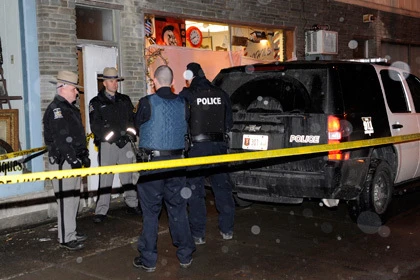
Inside the house, the officers found the victim's shoes scattered across the kitchen floor. Angie Samota’s body was lying in the bedroom in a pool of blood. She had been stabbed 18 times, and her heart had been nearly cut out. It was later revealed that she had been raped prior to the murder.
An Unsuccessful Investigation
The first suspect was the victim's boyfriend, Ben McCall. However, analysis of biological evidence found at the crime scene proved his innocence. Suspicion also fell on 23-year-old architect Russell Buchanan, who had been with Angie at a fair before the murder. Forensic testing revealed that his blood type matched that of the killer. 
Russell had no alibi because he lived alone. No one could confirm that, after parting ways with Angie, the architect had actually gone to bed and stayed home all night. The police also found it suspicious that the young man left town on the morning of October 13. Russell traveled to visit relatives in Houston—located 400 km from Dallas—and returned two days later. He claimed that, throughout this time, he was unaware of the tragedy that had occurred.
Russell told the police that he had met Angie and her friend at Andrew’s restaurant in Dallas on the day of the murder. The young women had invited him to join them at a fair. Later that evening, Angie drove him home, and they did not see each other again. Although he successfully passed a polygraph test, the police did not believe him. They continued to monitor him, visiting both his home and his workplace daily. 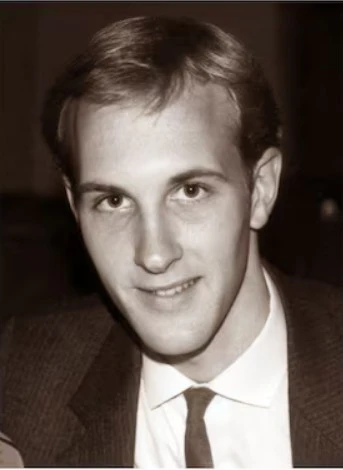
Russell Buchanan
Russell described being under constant, intense pressure:
"They would say: 'She gave you a ride. You got angry because you wanted to have sex with her. You went to her place, and you raped her. She started screaming, and you stabbed her 18 times.'"
They only left him alone after the young man's parents hired a skilled lawyer. The lawyer demanded that the authorities either formally charge his client or drop the investigation. Investigators were forced to change tactics and adopt a more delicate approach. They turned to Sheila Wysocki—a friend of the deceased—for help.
The Persistent Sheila
Sheila had roomed with Angie for a time, and the two had become best friends. The young woman's death came as a profound shock to her. When the police asked for assistance with the investigation, Sheila agreed. She was asked to speak with Buchanan, and a wiretap was installed on her phone. 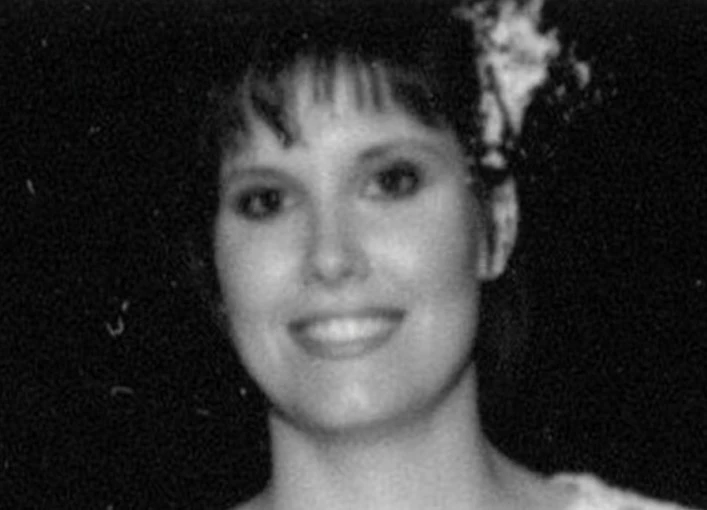
Sheila Wysocki
She spoke with Russell on the phone several times. She even met him for lunch at a restaurant. Wysocki was extremely nervous, knowing she was interacting with a suspected killer. However, they were ultimately unable to prove the young man's involvement in the murder. Some time later, the Angie Samota case was closed.
The mysterious death of her friend weighed heavily on Sheila Wysocki. Even years later, she stayed in touch with the detectives who had worked on the case. She became such good friends with one of them that she invited him to her wedding in 1988. Even in the 2000s—more than two decades after Angie’s death—Sheila kept calling the Dallas police and city administration, hoping the case could be reopened. 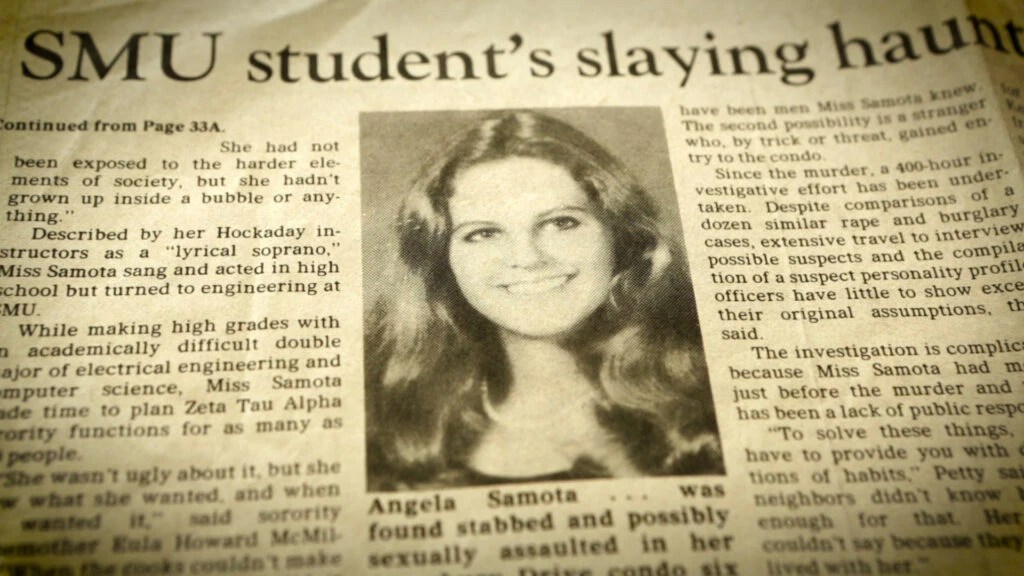
Sheila demanded that the case be reopened and the killer found. By her own account, she made over 700 calls. Wysocki urged investigators to re-examine biological evidence using modern genetic testing methods. However, she was told it was impossible because all the evidence had been destroyed in a flood.
How a Housewife Became a Detective
In 2004, Sheila Wysocki moved from Dallas to Tennessee. One day, while reading the Bible, Wysocki saw Angie appear before her.
"I thought, 'Is this a dream or reality? What is this?' There was no conversation—just her and her smile. At that moment, I was certain the time had come." 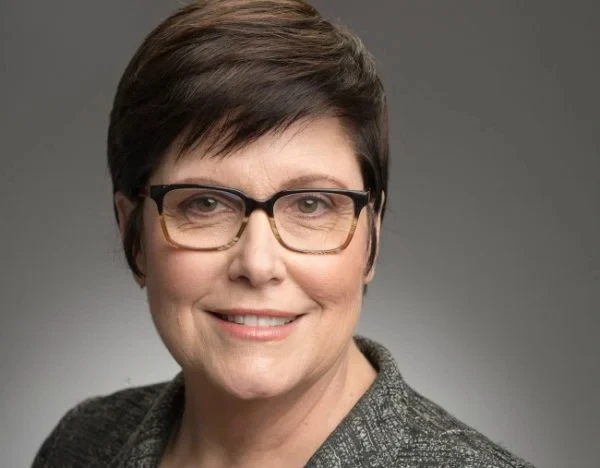
Sheila Wysocki
By this time, the Dallas police no longer wanted to speak with Sheila. So, she decided to launch her own investigation. Determined, the woman went to the library and gathered every newspaper clipping reporting on rapes in Dallas during the 1980s. The head of her neighborhood security service advised her to obtain a private investigator's license to make her work easier.
Wysocki hit the books. Her son would read state laws to her at lunch and before bed, and she spent her weekends at the computer. Sheila prepared seriously, as if she were applying to Harvard. Ultimately, she passed the exams and obtained the coveted license. In 2006, she succeeded in convincing the Dallas police to reopen a case that was already over 20 years old. 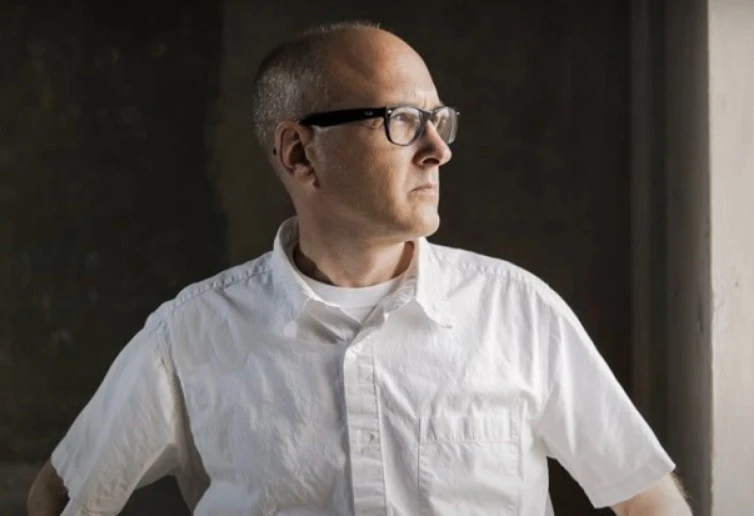
Russell Buchanan
The case files were handed over to an experienced detective, Linda Crum. She managed to locate Angie’s fingernail samples in the police archives. She was also able to extract the perpetrator's DNA from semen and blood found at the crime scene.
"I knew they had biological evidence from Angie’s rape. But I had been told it was lost. And then, after all those years, it suddenly turned up. I was shocked when I heard that."
Killer Found!
By the early 2000s, technology made it possible to learn a great deal about a killer through their DNA. Despite this, it took another two years to find the perpetrator. Sheila Wysocki had long suspected Russell Buchanan, but Detective Linda Crum named a different person. The killer turned out to be a repeat offender named Donald Bess. Prior to attacking Angie, he had just been released from prison, where he had served time for rape. 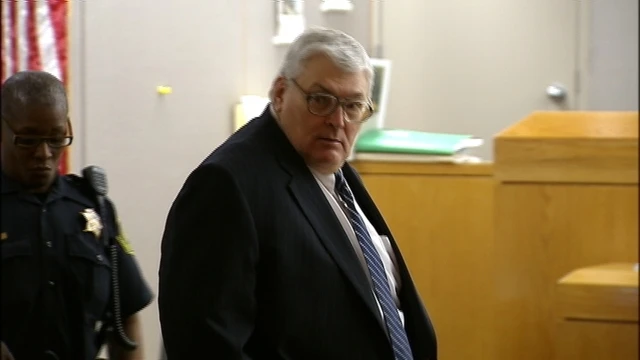
Killer Donald Bess in court
A year after Angie's murder, in 1985, Donald Bess received a life sentence for rape and attempted murder. By the time the investigation into Angie's case concluded, he had already spent a quarter of a century behind bars. During a trial on June 8, 2010, Bess was sentenced to death. However, the killer did not live to see the sentence carried out; he died in his cell in October 2022 at the age of 74.
The Dallas police apologized to Russell Buchanan, who had remained a suspect in the murder for over 20 years. By the time the crime was solved, he had become a prominent architect. Sheila Wysocki also met with him and asked for forgiveness:
"After all those years of anger—and I truly hated him, believing he was the killer while he lived a full life and was doing well—I asked him for forgiveness. We visited Angie's grave together." 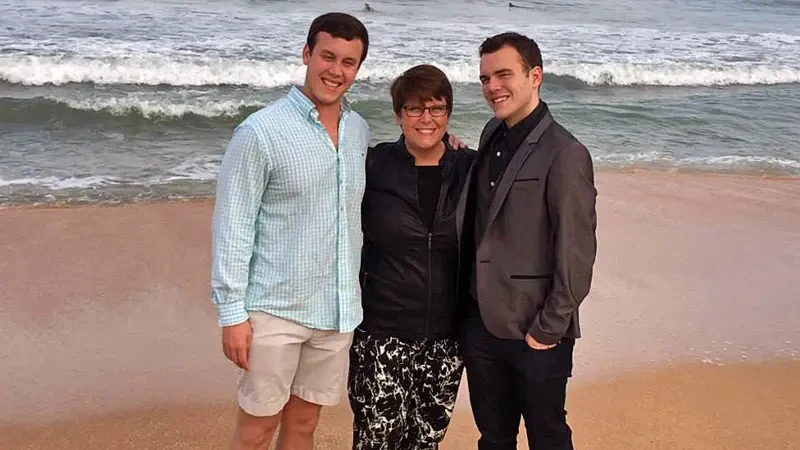
Detective Sheila Wysocki with her sons
Sheila considered her mission accomplished and had no intention of continuing to work as a detective. However, thanks to the media, her story became known worldwide, and she was literally flooded with letters asking for help. Wysocki continued her work, and to date, she has solved over 100 cases. She was recently named the best private investigator in Nashville.
Sheila Wysocki’s story is an example of an indomitable pursuit of justice. What do you think about this story? Can personal tragedy serve as a catalyst for great deeds? Share your thoughts in the comments!