What Is the "Dead Man's Chest" from the Famous Pirate Song? (4 photos)
Almost everyone knows the classic pirate chantey "Fifteen men on the dead man's chest" from Robert Louis Stevenson's iconic novel
Treasure Island
. While Stevenson penned the lyric himself, he drew inspiration from real sea shanties of the era. But what exactly was this "dead man's chest" that could hold fifteen men? 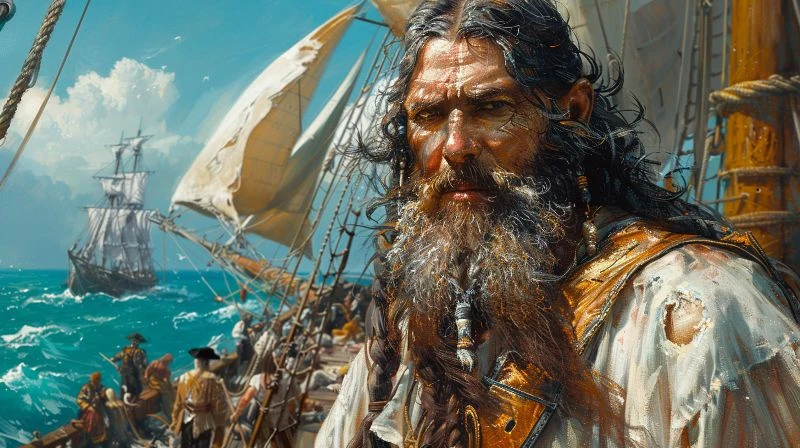
The infamous "Dead Man's Chest" wasn't a treasure trunk or a coffin—it is actually a small island in the British Virgin Islands, located in the northeastern Caribbean Sea. Calling it an island is a bit of a stretch: Dead Chest Island is little more than a barren rock, devoid of fresh water and sparsely covered in grass and stunted scrubland. 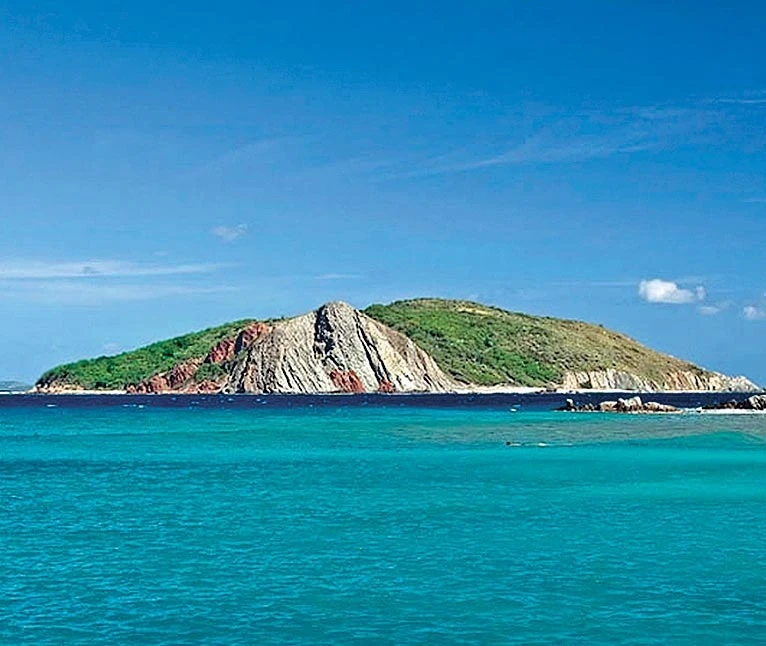
To 18th-century mariners, this tiny outcrop was completely useless, inhabited only by seabirds, snakes, and lizards. It likely would have remained an obscure speck of land in a remote corner of the Caribbean were it not for a single infamous event. In the early 1700s, the notorious pirate Edward Teach marooned 15 mutinous crew members on the island after they rebelled aboard his flagship, the
Queen Anne's Revenge
.
Edward Teach, better known as Blackbeard, was one of the most ruthless pirates of his time. Sparing mutineers from immediate execution—the standard penalty under pirate law—might seem like a rare act of mercy, but don't be fooled. Marooning during the Golden Age of Sail was a terrifying punishment. The captain was sentencing these 15 men to a slow, excruciating death. The island offered no water, no food, and no shelter from the scorching tropical sun. 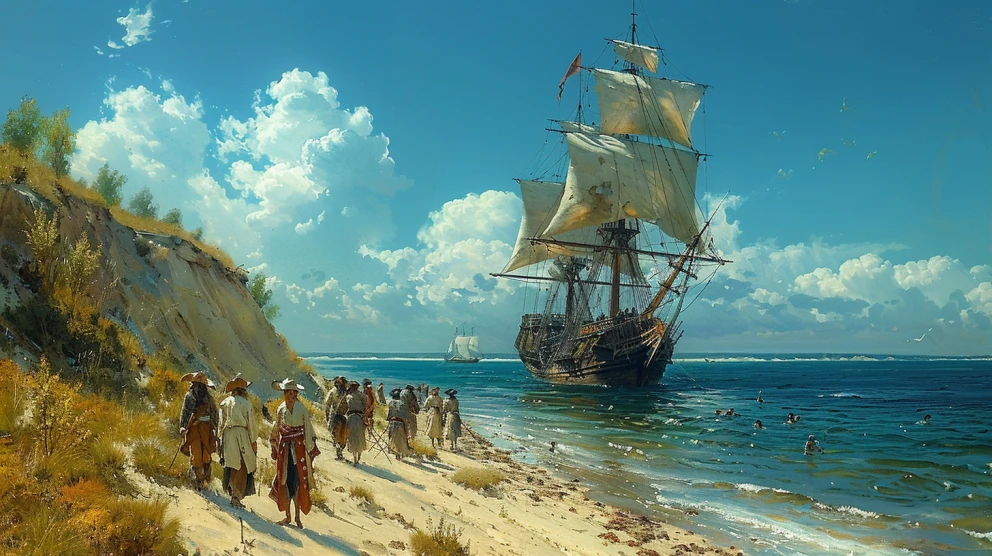
To make matters worse, Blackbeard ordered that each man be given a single bottle of rum. This was a cruel psychological twist, as alcohol only accelerates dehydration. Confident that his former crewmates were doomed, Blackbeard sailed away. The stretch of water surrounding Dead Chest Island was notoriously desolate and far off any standard trade routes.
An Incredible Story of Survival
The chances of anyone finding the mutineers alive were virtually zero. Even if a passing French, Spanish, or British vessel had spotted them, the pirates would have simply been swung from the yardarm. A month later, Teach's ship returned to the island so the captain could confirm that his former crewmates were dead.
To Blackbeard's complete shock, all 15 men were still alive. They had survived by eating lizards and bird eggs, and gathered fresh water at night by spreading out an old sail to catch condensation. Astonished by their incredible resilience, Teach's crew demanded that the men be pardoned, and they were brought back aboard. 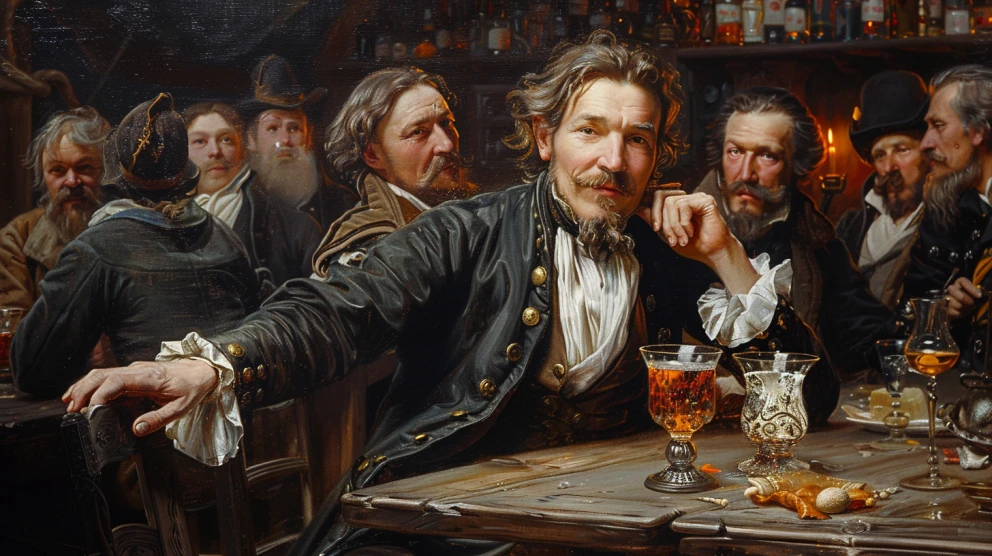
Decades later, Stevenson heard a version of the song from sailors in a port tavern. They claimed it had been composed by Bosun William Thomas Bones, one of the marooned mutineers. This very man became the inspiration for old Billy Bones, the owner of the treasure map in Stevenson's story. Rather than using the authentic sailors' verse verbatim, the author created his own iconic lyrics—the ones millions of readers around the world know by heart today.