Anthony Bourdain Before the Fame: The Real Biography vs. A24’s Movie Plot (9 photos)
Imagine a TV host slurping street noodles in a back alley in Vietnam, sharing a meal with an Amazonian shaman, and shooting vodka with locals in a remote Siberian village—all without a single ounce of pretension. That was Anthony Bourdain (1956–2018): a former New York chef, international bestselling author, and travel show host who journeyed across dozens of countries.
On September 3, 2026, the biopic "Tony" hit theaters—a film by the independent American studio A24 about the summer a 19-year-old Bourdain spent washing dishes at a coastal restaurant, completely unaware of what the future held for him. Here is a look at who the man really was, and which parts of the silver-screen story are fact versus artistic license. 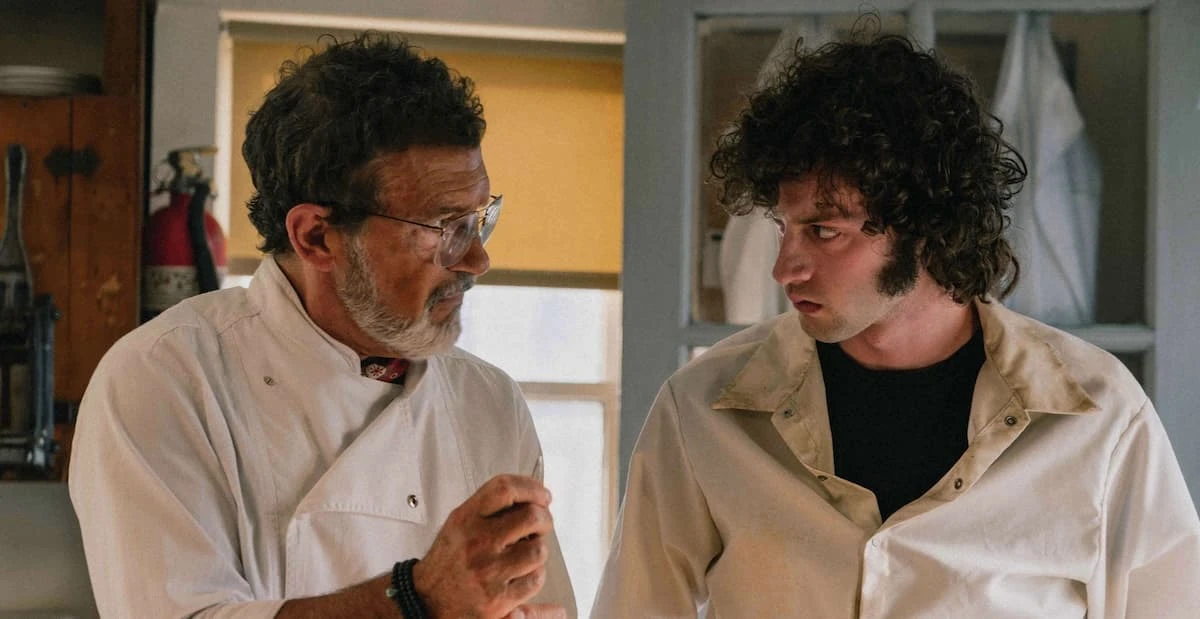
The Chef Who Traveled the World
Anthony Michael Bourdain was born on June 25, 1956, in New York City. He grew up in Leonia, New Jersey, and credited a family trip to France for sparking his lifelong passion for food, where he tasted his first oyster as a young boy. In 1978, Bourdain graduated from the Culinary Institute of America and spent the next twenty-five years working in New York restaurant kitchens. 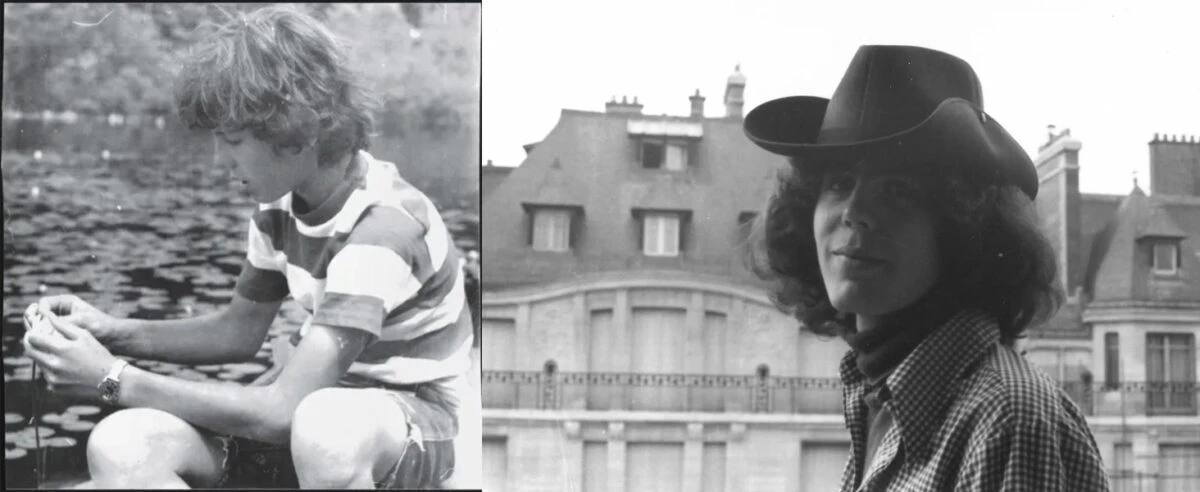
The future chef and author long before the fame: an ordinary New Jersey teenager with French roots.
Bourdain achieved global fame with his book "Kitchen Confidential," published in 2000: a gritty, honest behind-the-scenes look at the restaurant industry that instantly became a bestseller. Afterward, Bourdain began hosting travel and food shows for the Travel Channel and CNN, sampling local cuisine in the most unexpected corners of the globe, from the markets of Southeast Asia to villages in West Africa. 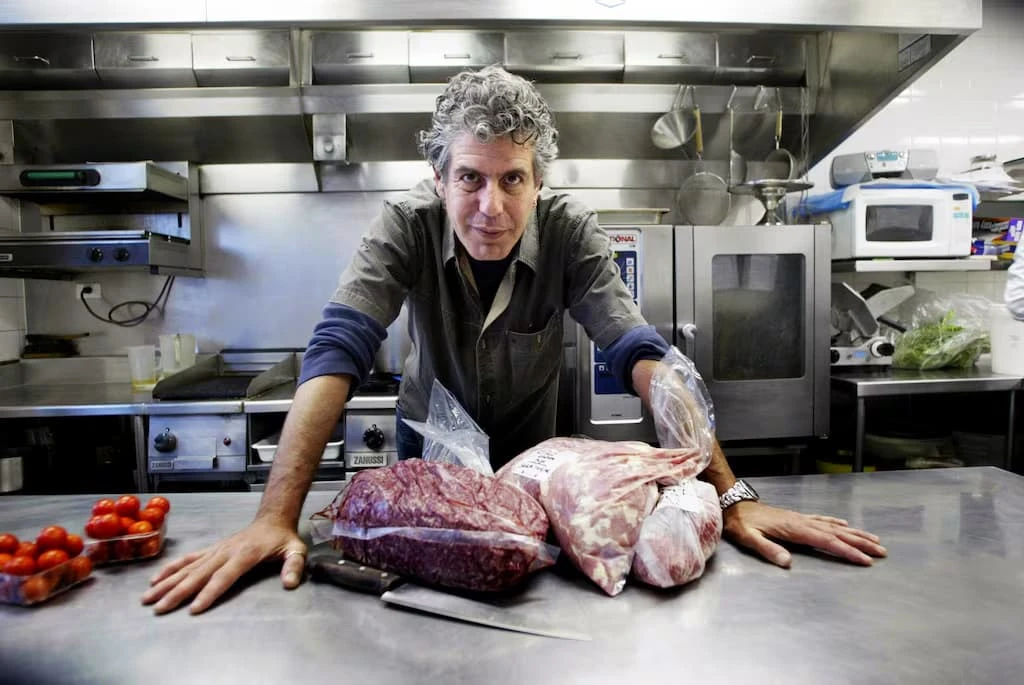
From dishwasher to culinary superstar: Bourdain in a professional kitchen in Australia, 2005.
On June 8, 2018, Bourdain tragically passed away in Kaysersberg, a town in eastern France, while filming an episode of his CNN series "Parts Unknown." He was 61 years old. The news sent shockwaves through the culinary and media worlds, with colleagues and fans remembering him as a gifted storyteller who could talk about different cultures without condescension or clichés. The biopic "Tony" deliberately sidesteps this chapter of his life, transporting viewers back to the summer where it all began—before the books, before the travel shows, and before the global fame.
The Summer That Never Happened
In the movie, the story unfolds across a single summer in 1975: Tony fails to win a literary fellowship, impulsively follows his girlfriend Nancy to Provincetown, and ends up there dead broke. Screenwriters Todd Bartels and Lou Howe structured the story as a classic coming-of-age tale, complete with a neat beginning and a decisive ending. 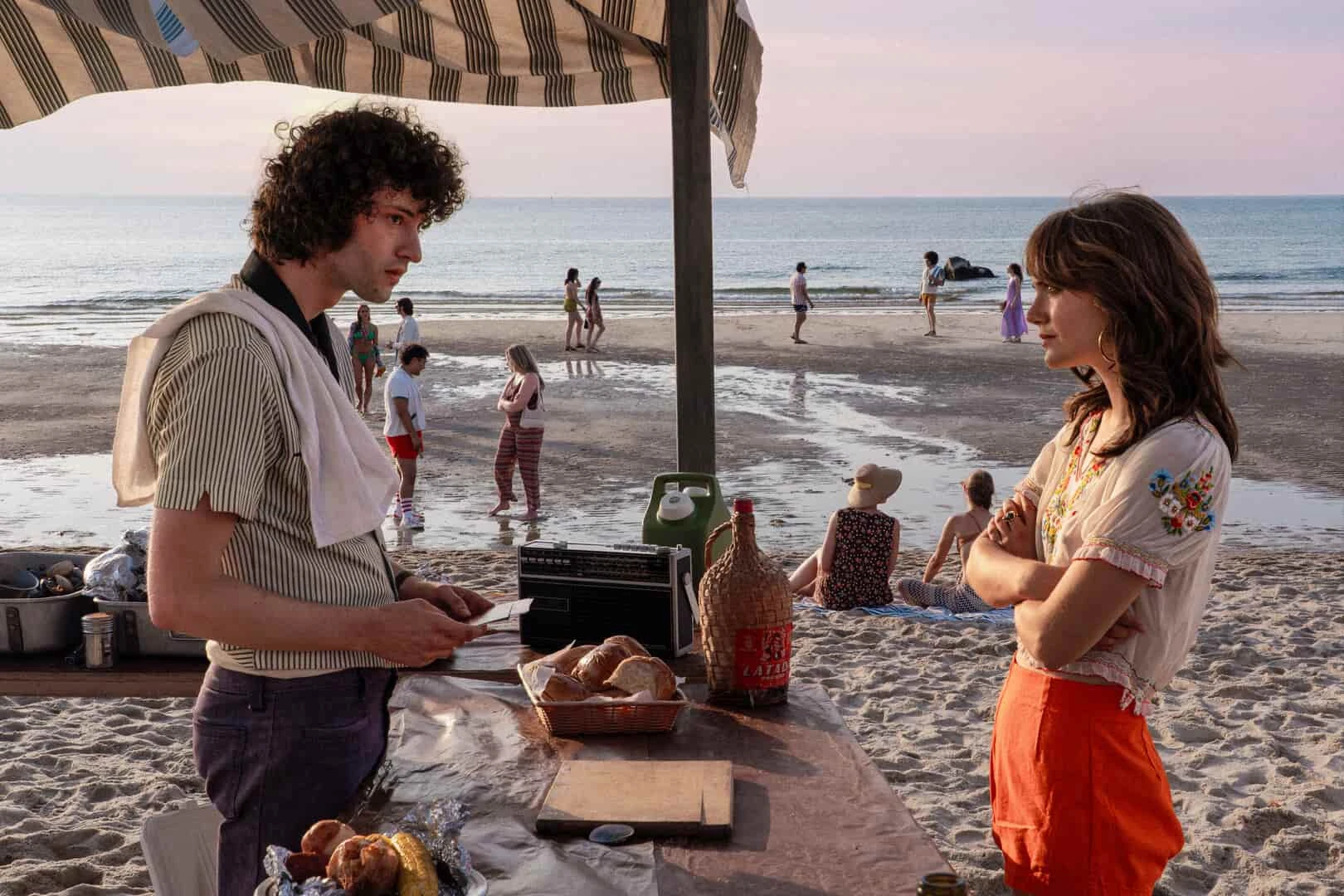
A still from the film "Tony": the screenwriters condensed several real-life summer seasons into a single storyline set in 1975.
In reality, the timeline was far more spread out. Bourdain never lost out on a literary fellowship—that twist was manufactured for cinematic drama. Furthermore, Nancy Putkoski was already his girlfriend at the time of the trip, rather than a high school crush as portrayed on screen. Bourdain also worked kitchen jobs across Cape Cod over several summer seasons, which the film compresses into one for narrative simplicity.
Provincetown: More Than Just a Resort Town
At the very tip of the Cape Cod peninsula in Massachusetts lies Provincetown—a former fishing village that evolved into a bohemian sanctuary for artists and writers in the early 20th century. Playwright Eugene O'Neill and dozens of New York creatives moved there to live and work, and author Michael Cunningham later dedicated a book to the town. 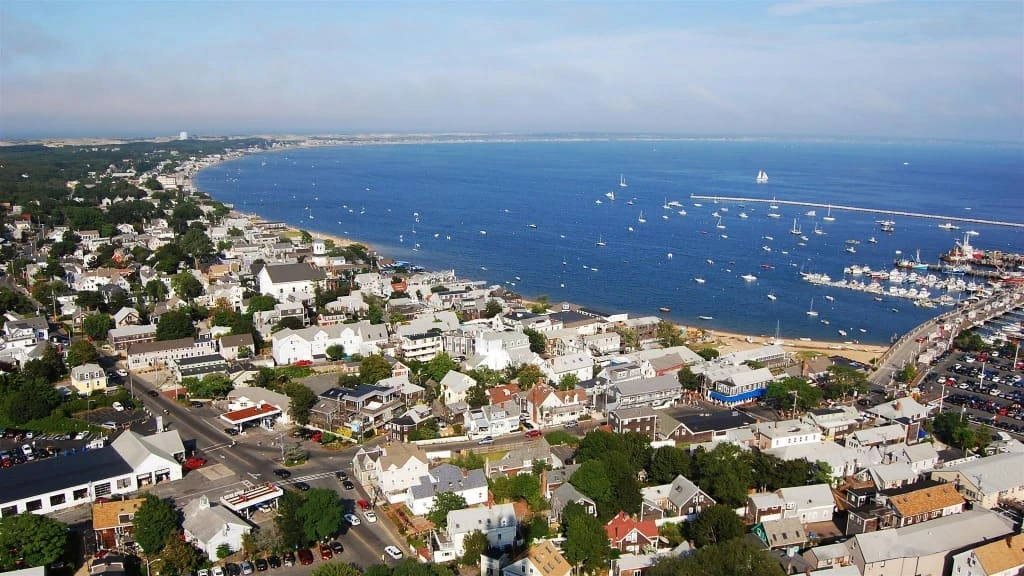
Provincetown on the Massachusetts map: a fishing village that became the summer capital of the American bohemian scene.
During the summer, Provincetown's population swells dramatically as tourists and seasonal workers flood in. Meanwhile, waterfront restaurants work around the clock, powering through mountains of seafood and dirty dishes. It was in just such an establishment, as Bourdain recounted in "Kitchen Confidential," that he got his first tough lesson in kitchen discipline.
The Kitchen That Changed Everything
On screen, the restaurant's chef—played by Antonio Banderas (the Spanish actor famous for "The Mask of Zorro")—is portrayed as a tough but fair mentor. He is the one who inspires the young dishwasher to see the kitchen not just as a temporary gig, but as a craft with its own strict rules and hierarchy. 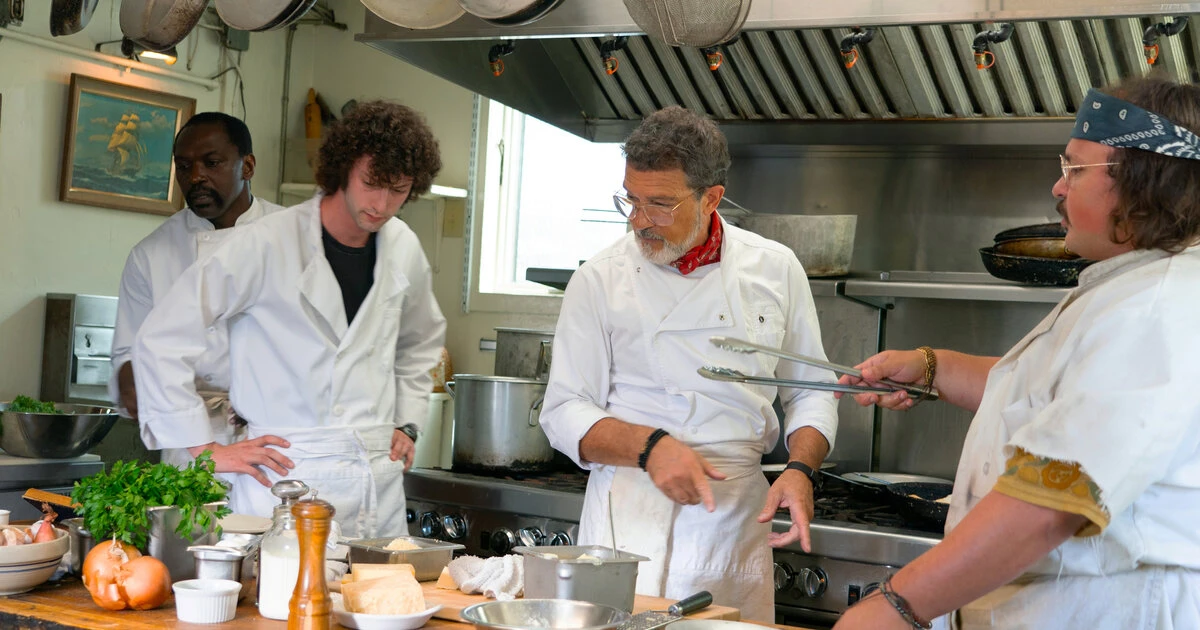
A restaurant dishwasher in the 1970s: backbreaking work that Bourdain would later describe as a major turning point in his life.
In his memoir, Bourdain described the experience quite differently—unvarnished and without any noble mentor figure. The work was brutal: relentless heat, constant rush, and sharp clashes between shift cooks. Yet by Bourdain's own admission, this gritty reality captivated him far more than any literary ambition, shaping his career path for the next forty years.
From Dishwasher to Bestselling Author
After that summer in Provincetown, Bourdain didn't commit to cooking immediately; it took another three years before he enrolled in the Culinary Institute of America. However, working with his hands rather than just a pen defined his literary voice: Bourdain’s books and shows always relied on an authentic insider’s perspective rather than that of a mere tourist. 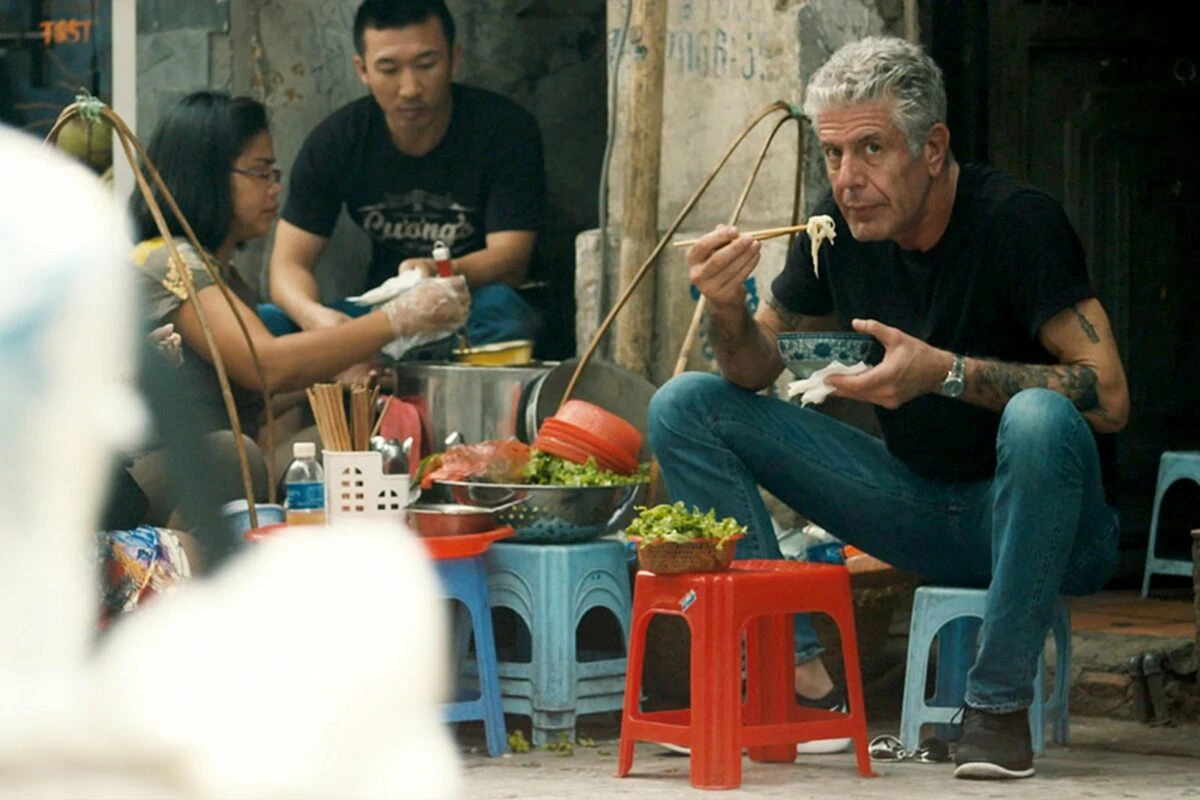
Anthony Bourdain filming one of his travel shows: the journey from dish pit to global stardom took nearly three decades.
By the time "Kitchen Confidential" was published in 2000, Bourdain had spent years working as an executive chef in several New York restaurants, including the brasserie Les Halles (French for "The Markets"). Fame arrived when he was 44—late by entertainment industry standards, but right on time for a man who actually had something to say.
What Critics Are Saying About the Movie
Western critics greeted "Tony" with warm, if somewhat measured, reviews. Lifestyle magazine Esquire called the film a poignant coming-of-age story, indie film site IndieWire highlighted its nostalgic tone, and industry trade Variety emphasized that the film is less about cooking and more about the people who shaped Bourdain during his formative years. 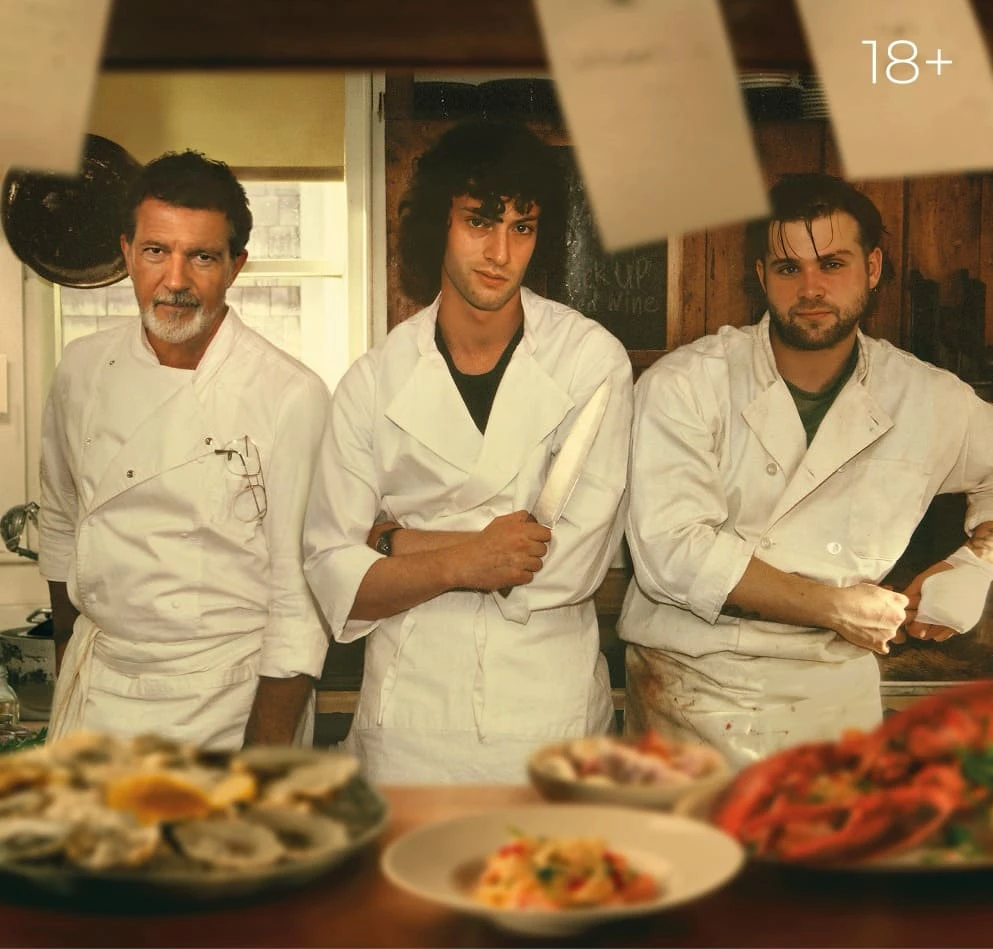
The premiere of "Tony": critics praised the film for its emotional sincerity rather than its historical precision.
Historical accuracy was clearly not the filmmakers' top priority. Yet a kernel of truth remains: grueling kitchen work under a demanding chef genuinely proved to be a turning point in Bourdain's life, even if that transformation unfolded over years rather than a single summer. 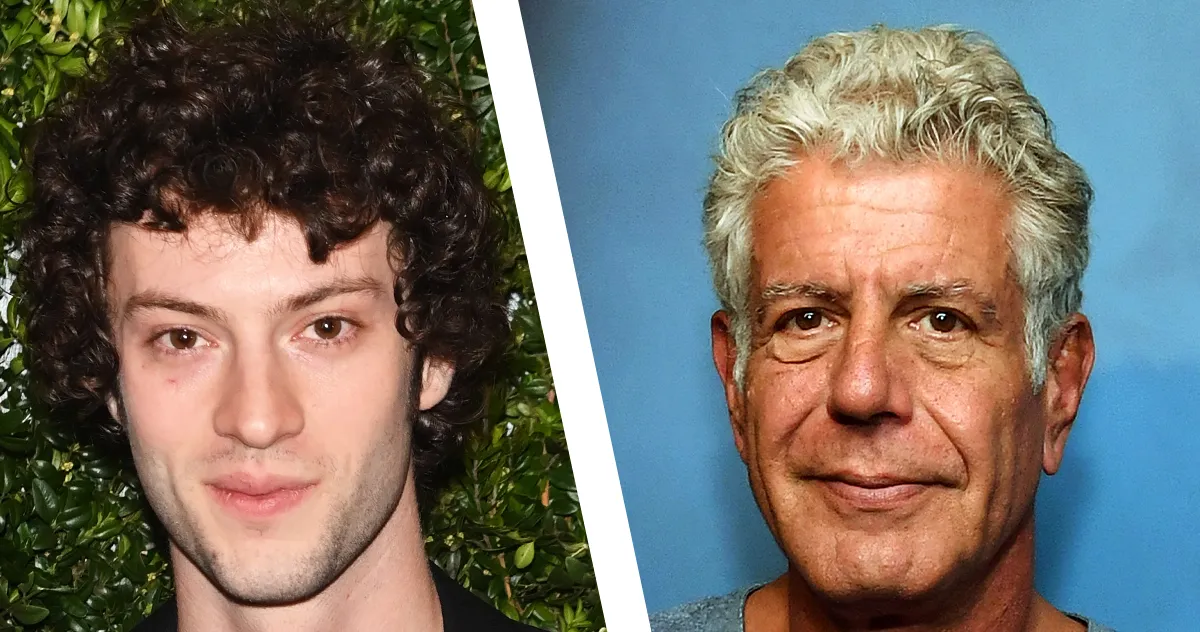
Film critics gave "Tony" a measured reception, but agreed: the film's core strength lies not in biographical exactness, but in capturing the bittersweet mood of growing up.
The bottom line: "Tony" is not a documentary account of Bourdain's youth, but a loose cinematic reimagining of one of his own origin stories. The factual liberties don't diminish the central truth: a restaurant kitchen on the edge of America truly altered the trajectory of a life—and gave the world one of its most iconic voices on food and travel.
Would you take a leap of faith like the young protagonist in the movie? Or do you prefer biopics that stick strictly to the facts? Have you watched the trailer or seen "Tony" yet?