How a Bow-Wearing Cat Became the Iconic Brand Hello Kitty (8 photos)
It's hard to find anyone who hasn't encountered the adorable Hello Kitty. She is everywhere—on clothing, bags, wallets, cartoons, and video games. Seoul even boasts a chain of themed cafes named after her. In 2019, Hello Kitty was ranked the world's second highest-grossing media franchise, right behind Pokémon. But who actually created this global icon, and what is the secret behind her massive success? 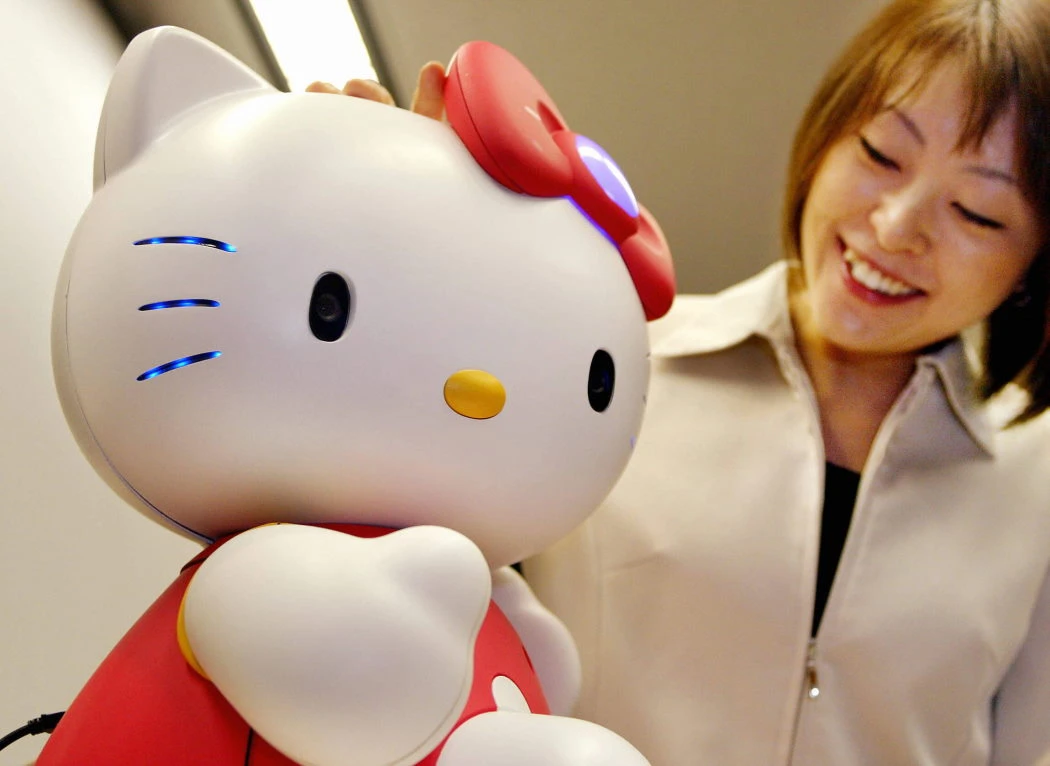
Believe it or not, this ageless kitty with her iconic red bow celebrates her 50th anniversary in 2024. She was created back in 1974 by Japanese illustrator Yuko Shimizu. The character didn't appear by accident—she was commissioned by Shintaro Tsuji, the founder of the novelty and gift company Sanrio. 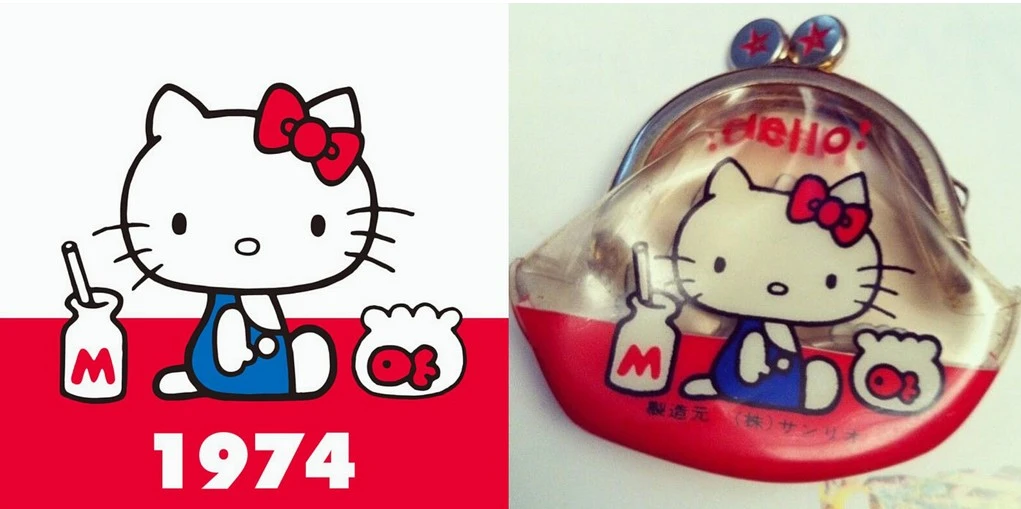
The original drawing of Hello Kitty and the very first product featuring her
Tsuji had specific guidelines for the design: it had to be simple, memorable, endearing, and pull at the heartstrings. Sanrio’s motto was "Small Gift, Big Smile," and the new character needed to fit that philosophy perfectly. 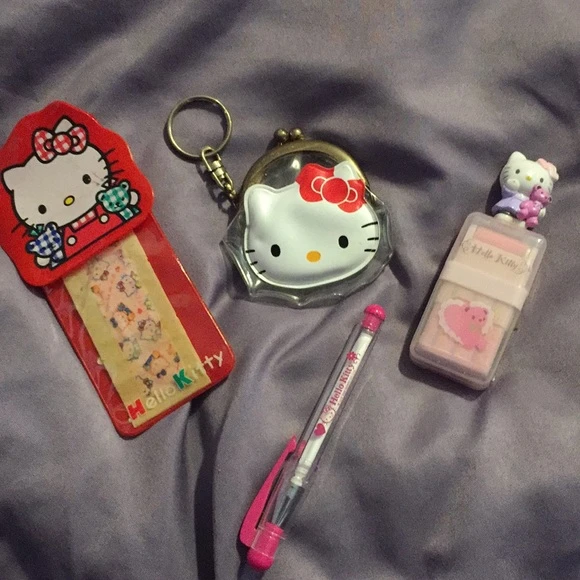
Tsuji planned to use the image to decorate a new line of goods, including handbags, wallets, and pencil cases. Hello Kitty made her debut on an inexpensive vinyl coin purse, and shoppers instantly fell in love with it. As Sanrio rapidly expanded, its product range grew to include apparel, toys, home appliances, and even fine jewelry—all featuring the white cat with her famous bow and button nose.
Symbol of the "Kawaii" Era
Over time, Hello Kitty starred in animated series, TV shows, and dozens of video games. Many consider the brand's meteoric rise a phenomenon, but there is no mystery to it—the character was simply in the right place at the right time. The 1970s, which saw the first wave of Hello Kitty mania, was a unique era. While gritty punk subculture was taking off in the West, Japan was leaning heavily into the opposite extreme, embracing everything cute, whimsical, and sweet. 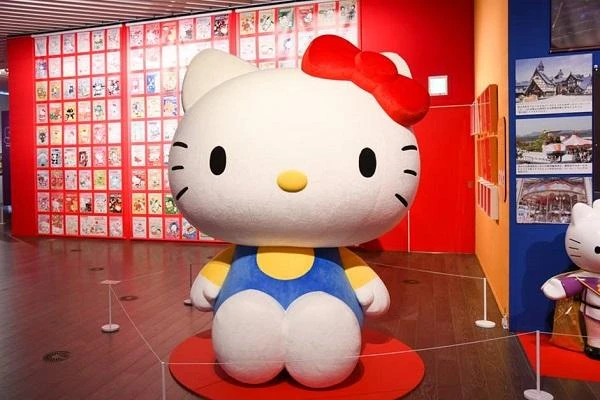
It was during the mid-70s that Japan gave birth to "kawaii" (cute) culture, which remains central to the country's global identity today. The little white cat fit this aesthetic seamlessly, and Shintaro Tsuji struck while the iron was hot, turning the brand into a global hit in record time. 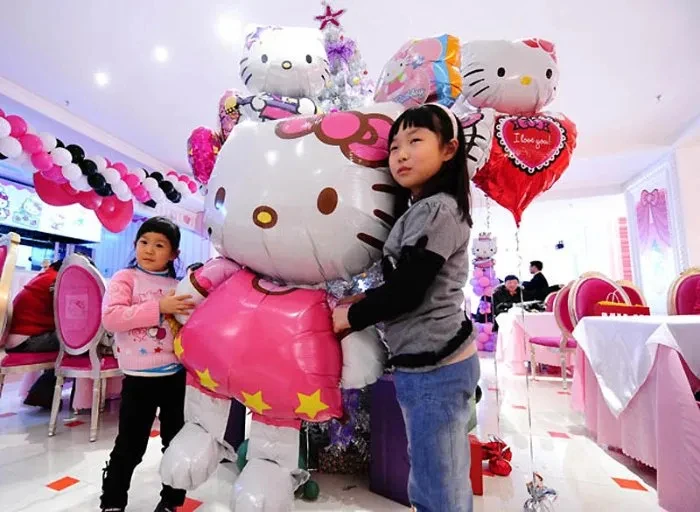
Many people wonder why Hello Kitty doesn't have a mouth in any of her illustrations. The reason is surprisingly simple: leaving out the mouth keeps her facial expression neutral. This allows people to project their own emotions onto her. To some, Kitty looks cheerful; to others, thoughtful or even melancholy. It all depends on the viewer.
How the Bow-Wearing Cat Changed Her Name and Became an Urban Legend
Interestingly, the character was originally named Kitty White, only becoming Hello Kitty a couple of years later. Over the decades, she has been depicted in countless disguises and outfits—dresses, pants, chef's whites, doctor's scrubs, soldier gear, and even miner outfits. Yet, despite being a cat, Hello Kitty has never once been drawn on all fours. 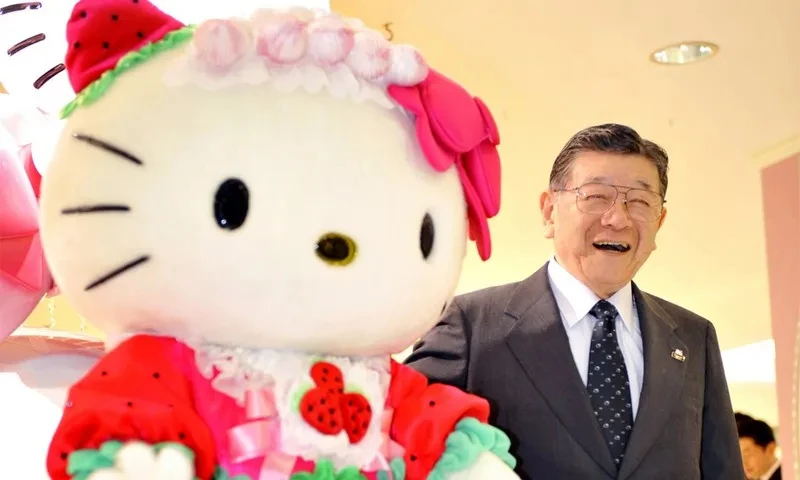
Shintaro Tsuji
After riding high through the 1980s, the brand began to lose its luster in the 90s. To turn things around, Sanrio tapped into nostalgia, targeting adults who grew up with the character. The company launched a massive wave of products aimed at children, prompting parents to buy them out of fond memories of their own childhoods. The strategy worked like a charm, saving the brand and restoring Hello Kitty to a dominant market position by the early 2000s. 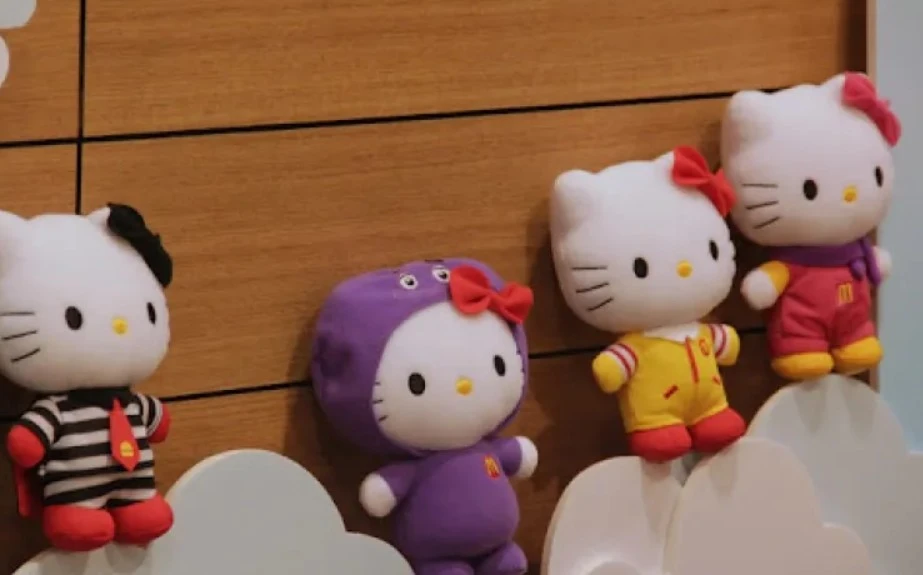
Famous brands often spark strange rumors and urban legends, and Hello Kitty is no exception. At one point, a bizarre myth claimed that the character was created by a Chinese occultist who made a deal with the devil. Fortunately, most people put more faith in smart marketing than black magic, so the foolish rumor had no lasting impact on the brand's reputation.
Where Is Hello Kitty's Creator Today?
While the pop culture icon created 50 years ago continues to thrive, whatever became of her creator, Yuko Shimizu? You might assume that crafting one of the world's most recognizable characters made her a multi-millionaire. Surprisingly, Hello Kitty didn't make the illustrator rich. 
Yuko Shimizu
Shimizu signed away all rights to her design to Sanrio early on. In 1976, she married an American and relocated to the United States. Today, Shimizu and her husband run a boutique jewelry business, crafting stunning fine jewelry. The couple is comfortably off and harbors no hard feelings toward Sanrio—even though Hello Kitty has generated over $100 billion in revenue for the Japanese company to date.