Iconic photographs often capture the essence of our past far better than any history textbook—whether documenting pivotal historic events, groundbreaking scientific discoveries, or technological milestones. This collection features powerful, evocative, and deeply significant images that speak louder than words. 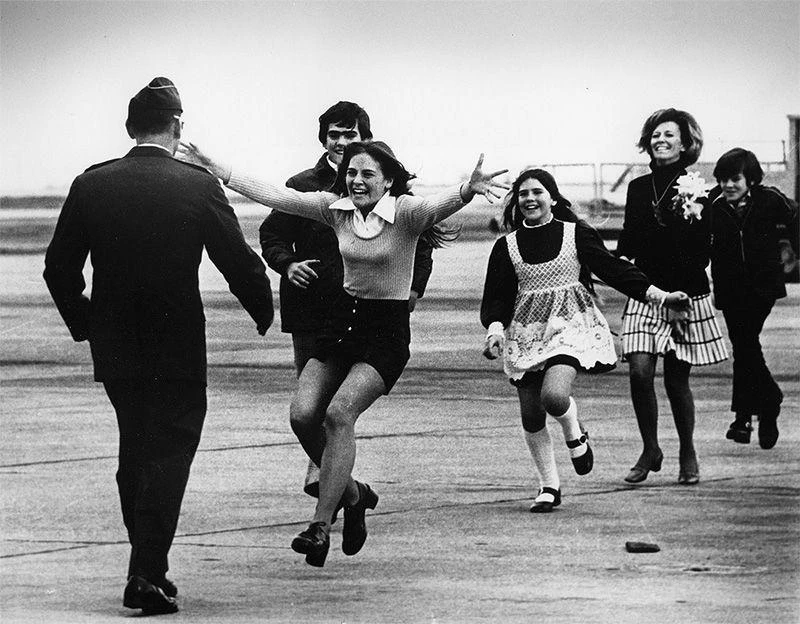
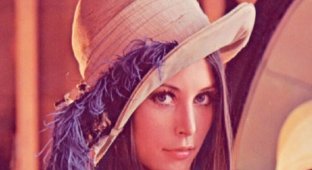
The First Lady of the Internet
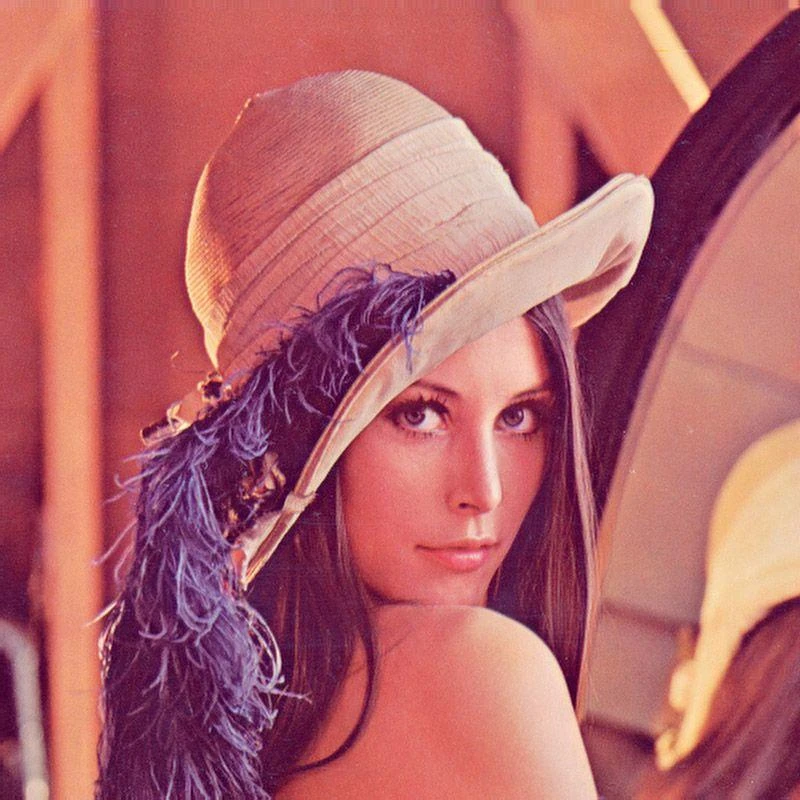
In 1973, a team of researchers at the University of Southern California was searching for a test image with a strong dynamic range to study digital image compression. They settled on the centerfold from the November issue of Playboy lying around their lab. Alexander Sawchuk, one of the researchers, scanned a section of the poster at 100 lines per inch, creating a 512x512-pixel image. The file was named after the model: Lenna.
Over time, Lenna became an industry standard and is still used in academic research to test and illustrate image processing algorithms (such as compression and noise reduction). It was also the very first image transmitted digitally over ARPANET, the precursor to the modern internet.
Playboy initially threatened legal action over unauthorized use of the photo, but later changed course, celebrating the phenomenon in its promotional materials instead. Unsurprisingly, that November issue became the best-selling edition in the magazine's history, moving 7,161,561 copies. 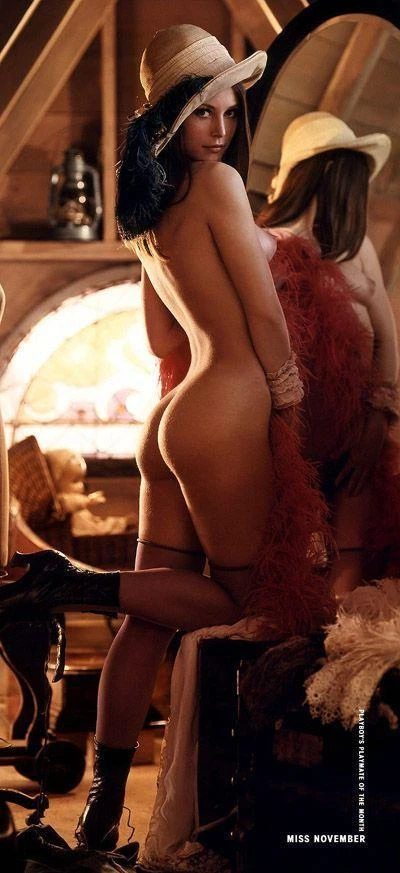
Nubian Wrestlers
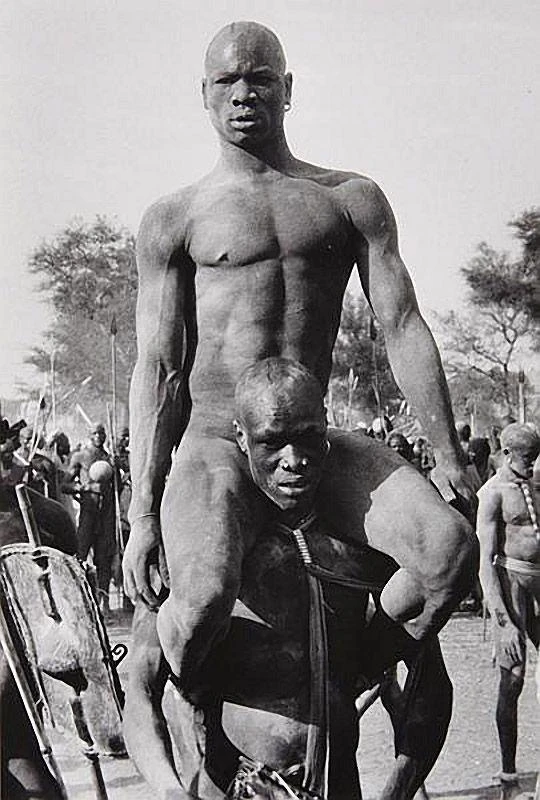
The Nuba, or "people of the hills," is a collective term for the ethnic groups inhabiting the Nuba Mountains along the border of Sudan and South Sudan. In 1947, photographer George Rodger and his wife were traveling through Africa on assignment for National Geographic when they learned of the Nuba, who were still living much as their ancestors had a thousand years prior. Rodger obtained permission from the Sudanese government to document their way of life. In 1949, the couple became the first photographers to capture the daily life and traditions of these hill people.
While many of their photos were staged, their most famous work remains the candid documentary shots of athletic events, tribal ceremonies, and traditional dances. The photograph of two Nuba wrestlers, published in National Geographic in 1952, became iconic. It was reproduced everywhere—from postcards to textbooks—and for decades, it defined the Western perception of Africa. 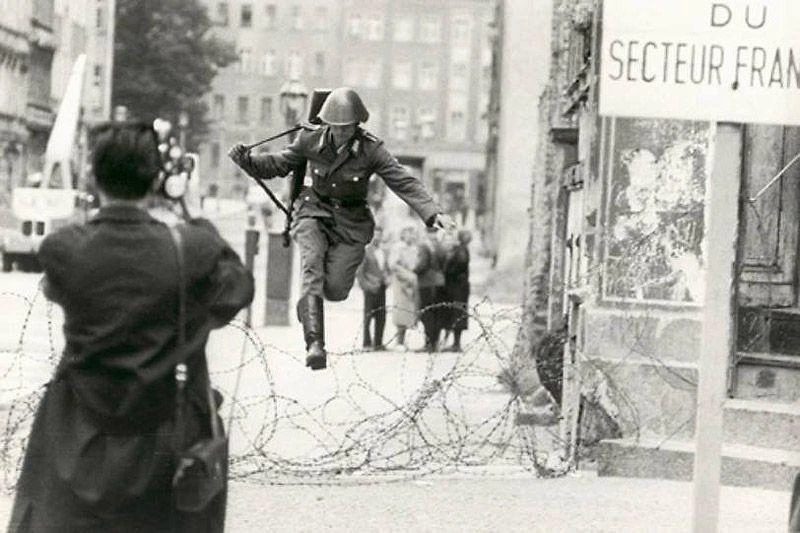
Leap into Freedom
August 15, 1961. Hans Conrad Schumann, a 19-year-old East German border guard, was stationed at the intersection of Ruppiner Straße and Bernauer Straße to guard the construction of the Berlin Wall, which had begun just two days earlier. At that stage, the wall was merely a barbed-wire fence. Pretending to inspect the barrier, Schumann stepped on the wire to press it down. His actions caught the eye of bystanders on the West side, who began shouting, "Jump!" Meanwhile, a West Berlin police car pulled up 10 meters away, holding its door open in anticipation.
Peter Leibing, a 19-year-old photographer sent to cover the wall from the West German side, had spent an hour and a half watching the nervous guard. "I didn't take my eyes off him for over an hour. I had a feeling he was going to jump. It was a kind of instinct... I had learned the technique at a horse racing derby in Hamburg: you take the photo the moment the horse leaves the ground, right before it crosses the fence. And that moment came. I pressed the shutter, and it was done."
Leibing's photograph won the Overseas Press Club Award for Best Photograph of 1961. Conrad Schumann settled in West Berlin, eventually moving to his native Bavaria after the fall of the Wall. However, his parents, brothers, and sisters shunned him, condemning his defection. Tormented by depression, Hans Conrad Schumann took his own life on June 20, 1998, hanging himself in his garden. 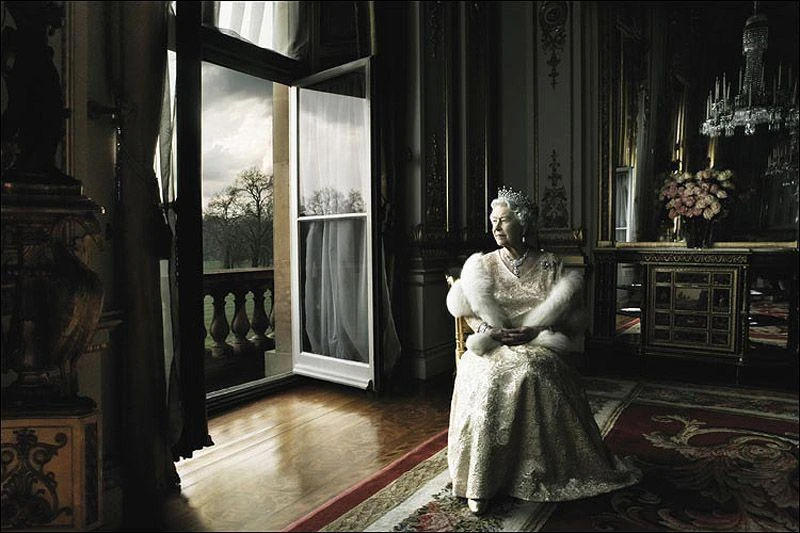
Queen Elizabeth II
In March 2007, renowned American celebrity portrait photographer Annie Leibovitz took a series of portraits of Queen Elizabeth II. In the photograph shown above, the Queen—wearing a white-and-gold evening gown, a fur stole, and a diamond tiara—is seated in the White Drawing Room of Buckingham Palace. Leibovitz drew inspiration from Thomas Gainsborough's portrait
Queen Charlotte
, on display at the National Gallery.
Leibovitz later recalled the shoot: "She [the Queen] came into the room as fast as her heavy regalia would allow and grumbled, 'Why do I have to wear all these heavy clothes in the middle of the day?!' And I was just in awe of her." 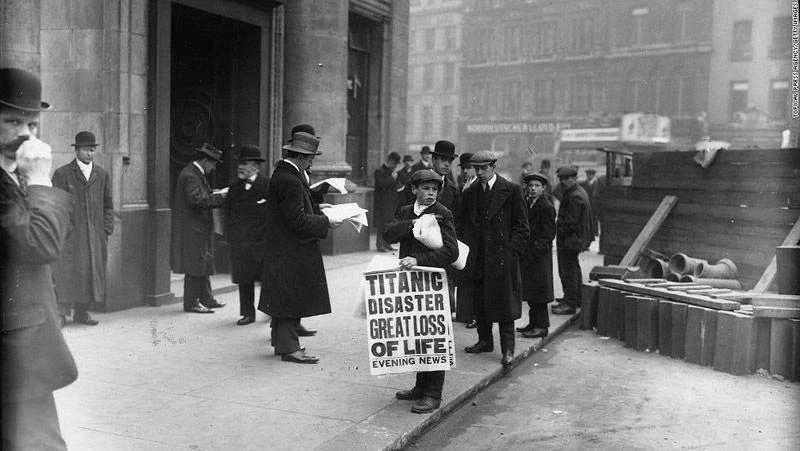
The Titanic
The RMS
Titanic
, a British passenger liner built for the White Star Line, was laid down on March 31, 1909, at the Harland and Wolff shipyard in Northern Ireland and launched on May 31, 1911. The ship was widely considered unsinkable. So when
The New York Times
ran the headline "Titanic Disaster," it sent shockwaves through the world. Other newspapers, relying on reassuring updates from White Star Line, merely reported "minor issues following a collision with an iceberg."
Ned Parfett, the 15-year-old newsboy in the photograph, is pictured selling papers outside Oceanic House, headquarters of the White Star Line. 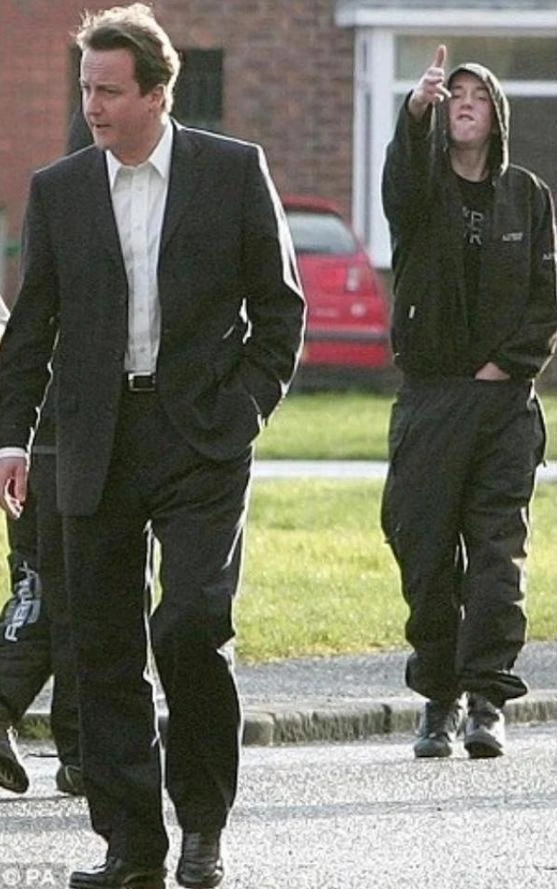
Hug a Hoodie
It is no secret that the UK has one of the world's densest street surveillance networks. As a result, the hooded sweatshirt—or "hoodie"—became the informal uniform of youth offenders seeking to conceal their faces. By 2006–2007, the garment had evolved into a political lightning rod.
Following a 2006 ban on hoodies in certain public spaces, Conservative Party leader David Cameron delivered a speech at Iain Duncan Smith's Centre for Social Justice, outlining his strategy for youth crime prevention.
Though Cameron never actually used the phrase, the media quickly dubbed his compassionate conservative initiative "Hug a Hoodie." In 2007, Cameron visited one of Manchester's most deprived housing estates. In the iconic photograph, 17-year-old Ryan Florence makes a "finger gun" gesture behind the future Prime Minister's back to impress his peers. 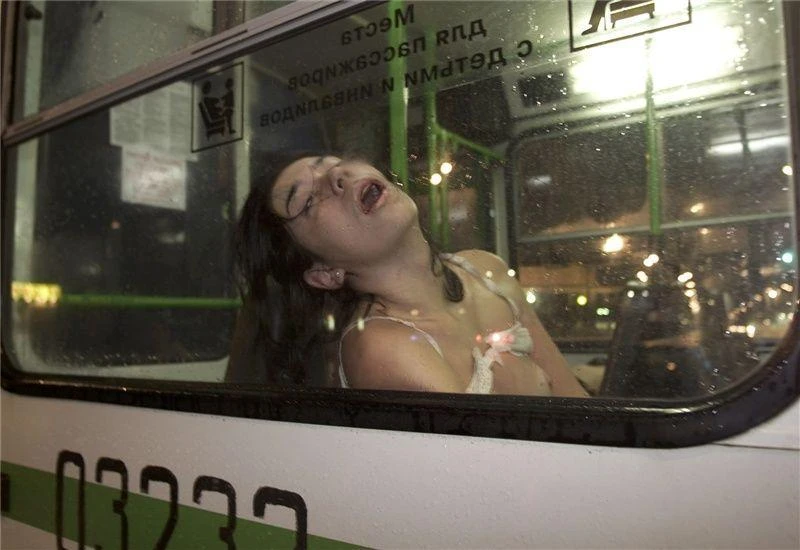
The Nord-Ost Siege
On October 23, 2002, a group of armed militants led by Movsar Barayev seized the Dubrovka Theater in Moscow during a sold-out performance of the musical
Nord-Ost
. The tense standoff lasted three days. On October 26, Russian special forces pumped an incapacitating gas into the theater through the ventilation system. Experts believe the agent was a fentanyl-based chemical compound, but its exact composition was kept secret—even from the medical teams treating the hostages.
According to official figures, 130 hostages lost their lives, including 10 children. Five were shot by terrorists prior to the raid; the rest died from the effects of the gas following their rescue. Despite heavy restrictions on media coverage,
Sunday Telegraph
photographer Justin Sutcliffe captured a striking image of an unconscious woman aboard a bus immediately after the rescue operation.
The photo won a World Press Photo Award in 2003. Reporters from
The Sunday Telegraph
later tried to trace the woman's fate, but it remains unknown whether she survived. 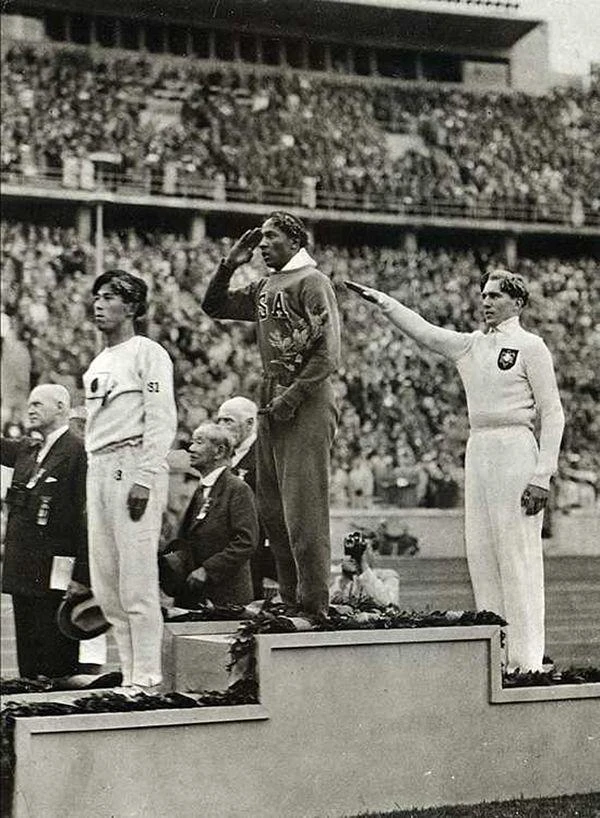
Jesse Owens
The 11th Summer Olympic Games were held in Berlin from August 1 to 16, 1936. Adolf Hitler used the event as a massive propaganda tool: the opening ceremony was broadcast live on television for the first time, and the events were captured in Leni Riefenstahl's film
Olympia
. However, the regime could not control the athletic outcomes. Black American track and field star Jesse Owens won four gold medals, dealing a devastating blow to Hitler's theories of Aryan supremacy. 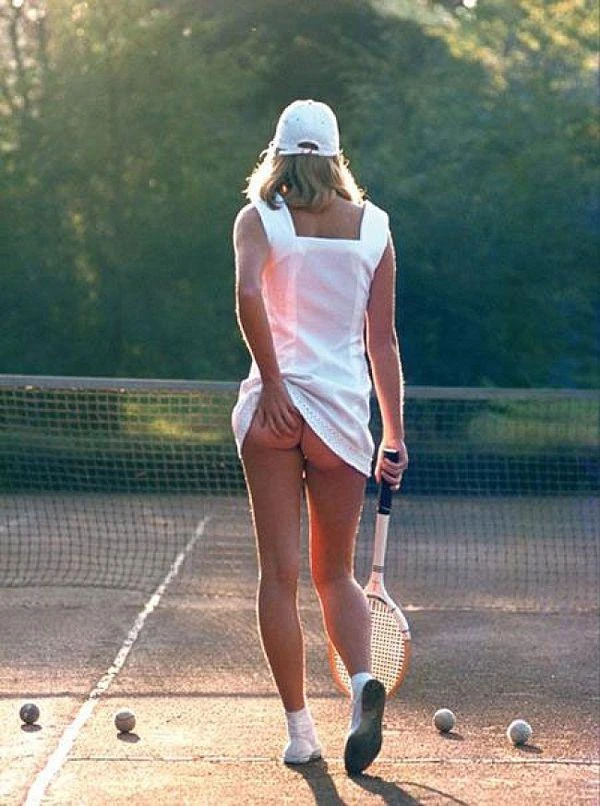
Tennis Girl
If a single photograph could capture the spirit of Britain's sexual revolution in the 1970s, it would be Martin Elliott's
Tennis Girl
.
Shot in early September 1976, the photo features Fiona Butler, Elliott's 18-year-old girlfriend at the time. The image was carefully staged: Elliott persuaded Butler, who had never played tennis, to borrow an outfit and pose on a court. As she walked away, she hitched up her skirt to reveal she was wearing no underwear. Mild by today's standards, the cheeky photo caused a sensation when art retailer Athena released it as a poster for Queen Elizabeth II's Silver Jubilee calendar. It went on to sell over two million copies.
The iconic shot made Elliott a fortune. Butler, who received no royalties from the sales, eventually married a millionaire and later insisted she felt no regret over the shoot or the missing profits. The famous image became pop-culture lore, endlessly spoofed and homaged over the years. 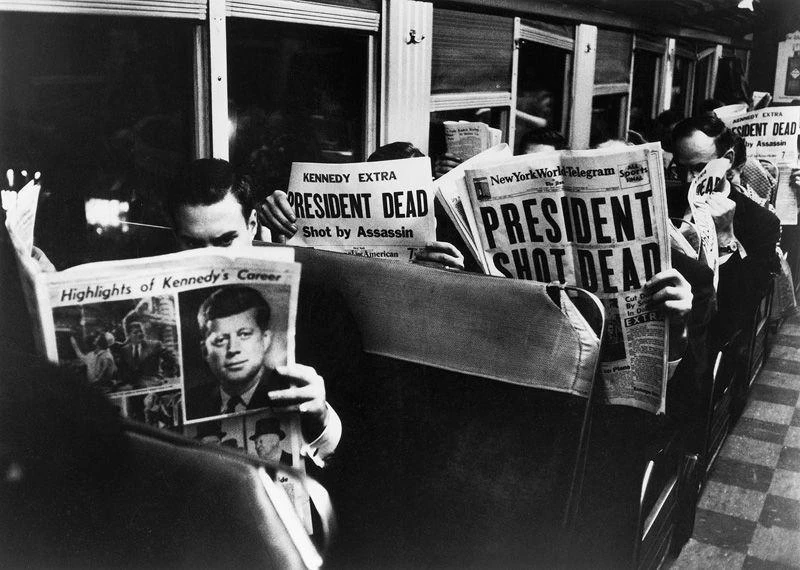
Front Pages After November 22, 1963
Carl Mydans spent 36 years as a staff photographer for
LIFE
magazine, documenting history throughout the publication's weekly era (1936–1972). His lens captured iconic moments: French women accused of collaboration being shamed, the liberation of prisoners at Santo Tomas, Japan's surrender aboard the USS
Missouri
, and the 1948 Fukui earthquake. The photo above was taken on a commuter train to Stamford, Connecticut, the morning after the assassination of John F. Kennedy. 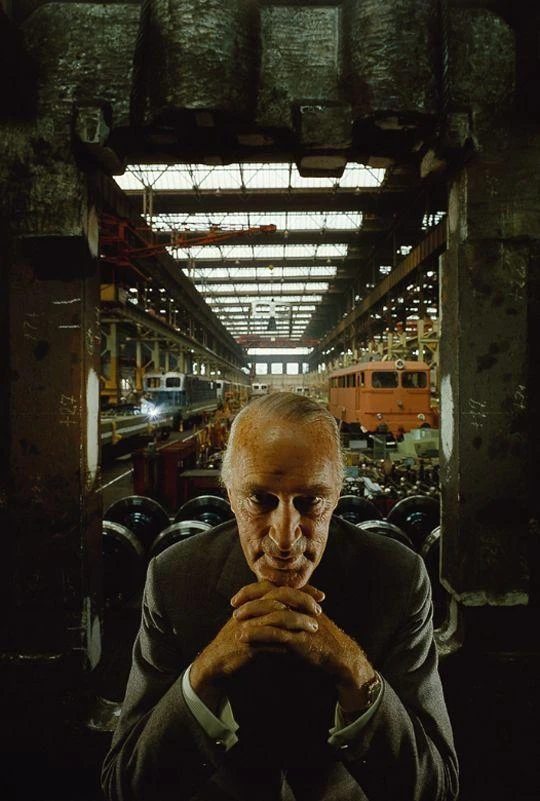
Alfried Krupp
On assignment for
Newsweek
, photographer Arnold Newman reached out to the industrialist Alfried Krupp. Beyond his status as a titan of industry, Krupp was a convicted war criminal who had used slave labor to build weapons for the Nazi war machine.
Learning that Newman was Jewish, Krupp initially refused to pose. Newman urged Krupp to review his portfolio before making a final decision, and upon seeing the work, Krupp reconsidered. On July 6, 1963, they met at Krupp's factory in Essen—the very site where slave laborers had once been forced to work.
When Krupp finally saw the sinister portrait, he was furious. Newman replied simply: "I'm a Jew, and that's my little revenge."
Burst of Joy
Slava Veder's Pulitzer Prize-winning photograph
Burst of Joy
, taken on March 17, 1973, at Travis Air Force Base, came to symbolize the end of American involvement in the Vietnam War. The image captures U.S. Air Force Lieutenant Colonel Robert L. Stirm reunited with his family after more than five years as a prisoner of war in North Vietnam. Stirm's F-105 fighter-bomber was shot down over Hanoi on October 27, 1967, and he was held captive until March 14, 1973.
At the center of the photo is Stirm's 15-year-old daughter, Lorrie, running toward her father with open arms, followed by the rest of his family. Yet despite the jubilation captured on camera, heartbreak lay beneath the surface: just three days before returning to the States, Stirm had received a "Dear John" letter from his wife stating that their marriage was over. They divorced in 1974.
After the photo won the Pulitzer, every family member received a copy. Robert Stirm, however, never displayed it in his home, admitting he simply "couldn't bear to look at it." 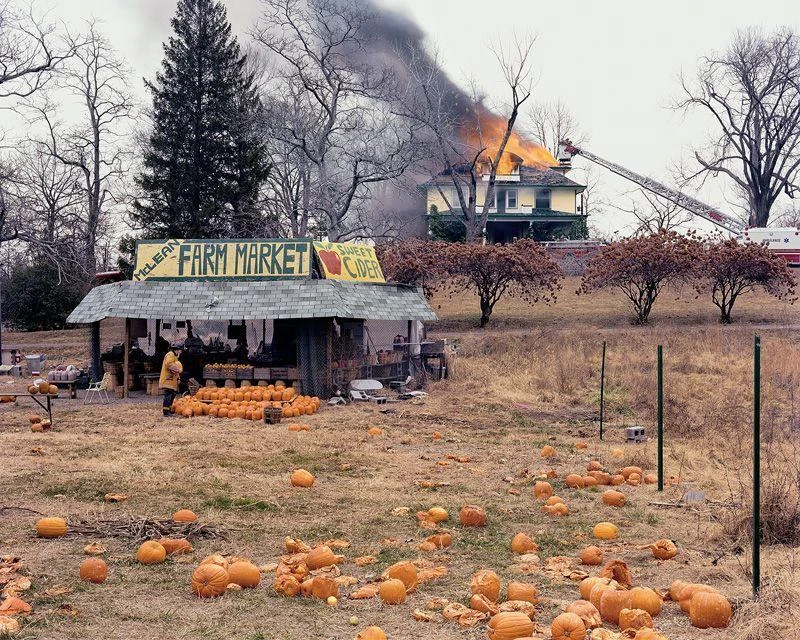
Fireman Buying a Pumpkin
A bizarre photograph graced a cover issue of the liberal magazine
The American Prospect
dedicated to roadside America. A firefighter is pictured casually buying a pumpkin while a farm building—presumably the emergency that summoned him—burns in the background. The shot was captured by photographer Joel Sternfeld while driving his Volkswagen through McLean, Virginia.
In reality, the blaze was a controlled training exercise, and the firefighter was on his official break. However, that key detail was lost on the public. When the photo appeared in
LIFE
and subsequently in galleries and periodicals worldwide, it was captioned simply: "Joel Sternfeld. McLean, Virginia. December 1978." Sternfeld relished the ambiguity. In a 2004 interview with
The Guardian
, where he was described as a chronicler of "modern America's sinister curiosity," he noted:
"Photographs have always been a medium of manipulation. Every time you place a frame around the world, you are interpreting it. I can point my camera at two people standing together and completely exclude a homeless person lying to their right or a murder happening to their left. You take 35 degrees out of 360 and call it a photograph. There are infinite ways to make an image. A photographer is always an author."
The post contains material for an audience over 18 years of age. Please make sure that you really want to see this and that you are over 18 years old.
Add your comment
You might be interested in:










When You Realize Your Parents Were Way Cooler Than You (31

9 Essential Georgian Wines (10 Photos)

An "Odyssey for every day"

Disliked a TikToker

A mime played an unexpected prank on a woman

You Probably Had No Idea: 10 Photos Showing How Everyday

How to Grow an Avocado from Seed on Your Windowsill (4
Mind-Blowing Historical Facts That Will Change Your

In Japan, tiny kei cars are now being transformed into
