Some of the Craziest Ways to Show Love from Different Countries and Eras (8 photos)
Have you ever done something crazy for love? Perhaps given a crazy gift or amazed your beloved with a spectacular gesture? Even if so, you'll still lose in the marathon of extreme pranks that has been going on for centuries and spans the globe. Here's a look at the craziest acts ever committed for the sake of loved ones. 
BC. Greece
In Ancient Greece, love was treated very liberally, and even same-sex romances were not frowned upon. But the Greeks were especially sensitive to women. This is illustrated by a charming custom common in the 9th-1st centuries BC. Men would throw apples at the object of their affection to show their affection. This strange tradition has two possible explanations. 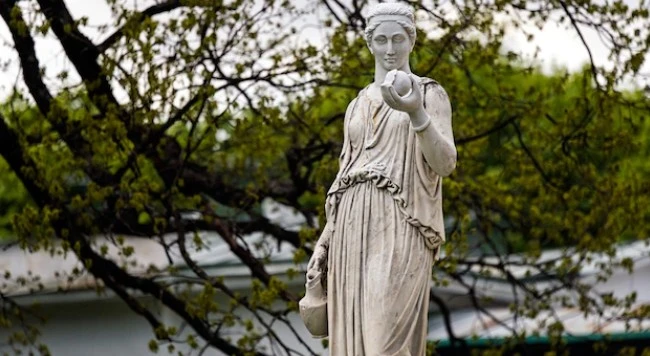
Some historians believe it all stems from the so-called "apple of discord" that sparked the Trojan War. According to legend, the apple was intended for the most beautiful goddess, and Hera, Athena, and Aphrodite fought over it. Thus, the apple became a symbol of the most beautiful woman, and throwing it, especially if it hit her in the head, could be considered an excellent compliment.
The second version says that a warrior maiden named Atalanta once lived in Greece. She chose suitors by racing them. The loser, due to the harsh conditions of the race, faced death at the hands of the beauty's spear. But a young man named Hippomenes knew a thing or two about beauties. He scattered golden apples along Atalanta's path. Upon seeing the treasure, she immediately forgot about the race and began collecting them. Ultimately, she lost the race and became the wife of the cunning Greek.
Early Middle Ages. Scandinavia
Vikings were stern but romantic. To show his love for a girl, a warrior would sing love songs (mannsong) and slap her in the face with a bouquet of wildflowers. Most likely, these two actions occurred simultaneously, to enhance the effect. Any random song would not be suitable for such an occasion—the lyrics had to be unique. Therefore, the most gifted men composed their own songs. But the less talented had to turn to professional poets and singers—skalds. 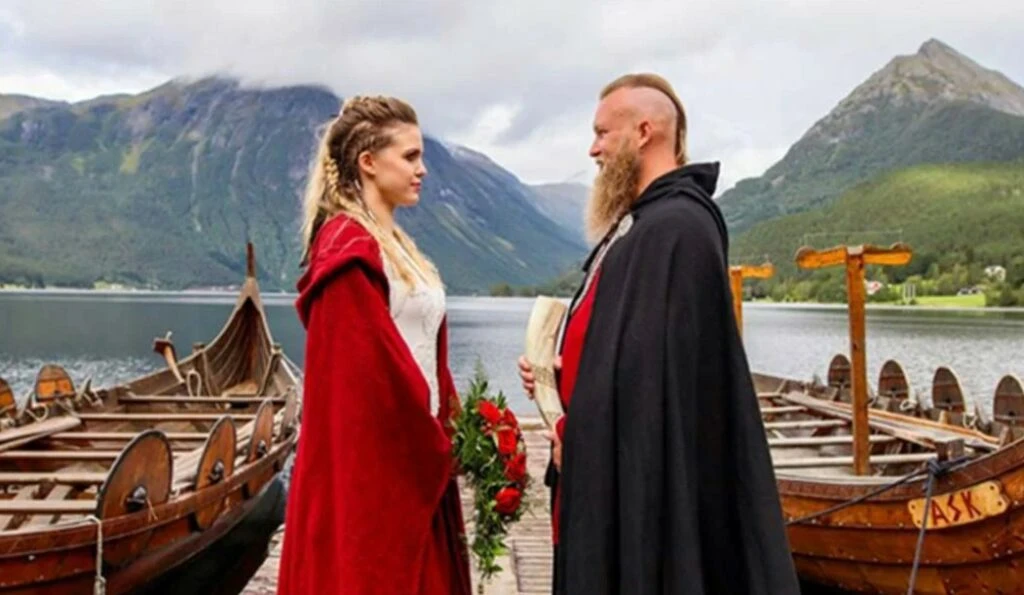
In Iceland, poetry was considered a powerful tool of seduction. Therefore, skalds, as the most knowledgeable in this matter, were forbidden, under penalty of death, from dedicating poems to other women in their own name. Of course, a simple warrior with an axe and a shaggy red beard wouldn't stand the slightest chance against an expert heartbreaker.
Late Middle Ages. Europe
In small and cramped Europe, many exotic love customs coexisted. Take, for example, the Welsh with their "love spoons." These inhabitants of the British Isles would give their lady love a huge wooden spoon on their first date. The spoon, up to 1 meter long, was intricately decorated with symbols and patterns. The Welshman would write all his feelings and torments on the surface of the spoon. 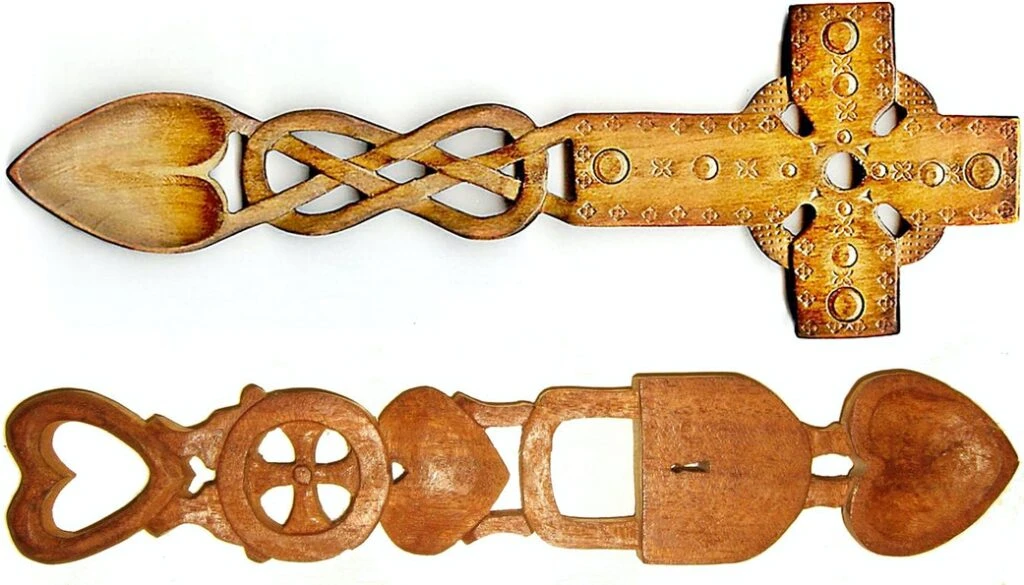
A Celtic knot signified eternal love, a dragon a commitment to faithful protection, and a flower a symbol of fidelity until death. No one knows when the custom of carving spoons began. But the earliest example found by scientists was made in 1667. If a couple found marital happiness, the spoon was kept at home as a family heirloom.
In the same 17th century, Protestant men performed incredible feats in the name of love. In England, couples about to marry were placed in the same bed. Touching was strictly forbidden. To strengthen the lovers' morality, they were sometimes sewn into linen, with a sack of rags placed between them. The man who resisted temptation was considered worthy of being the girl's husband.
Until the 19th century. Taiwan
All these apples, spoons, and miracles of abstinence seem trivial compared to the love customs of the Taiwanese. As early as the first half of the 19th century, Atayal men gave their ladies the dried heads of their enemies. This was a visual way to demonstrate a man's valor and his suitability as a protector of the hearth. 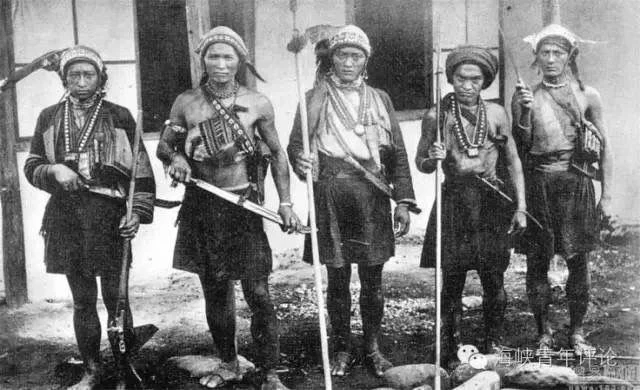
Visiting a beautiful woman's heart was a real competition to remove the heads of enemies. Particularly popular women received gifts in bundles, like dried garlic. After marriage, newlyweds covered their faces with black tattoos. It was incredibly difficult for an Atayal man to conceal his marital status—it wasn't a wedding ring or even a stamp in his passport.
19th century. Europe
One of the most famous love stories of the 19th century was the tragedy of the Dutch artist Vincent van Gogh. During a quarrel with his friend Paul Gauguin, the mad genius cut off part of his ear. For some reason, the artist decided there was no point in wasting it, packed the ear in an envelope, and sent it to his favorite brothel. 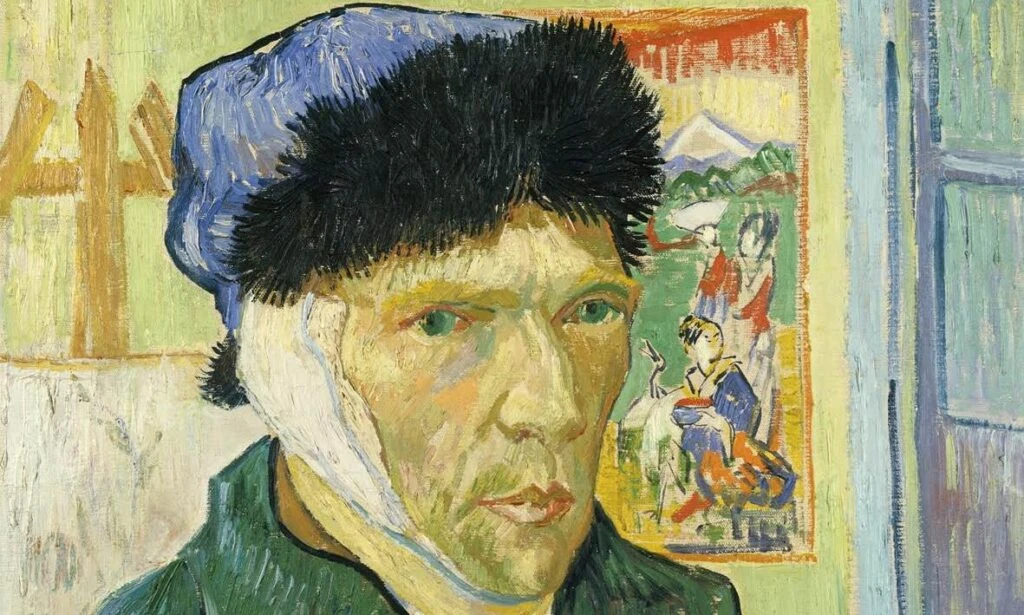
The letter was addressed to a servant named Gabrielle. Van Gogh had long been in love with this woman, and sent her a part of his body as a gift as his most precious possession. Biographers and psychiatrists are still studying the details of this story. They have been unable to reach a consensus for over a century. Some believe the artist's madness was to blame, while others are convinced it was a deliberate performance.
Early 20th century. Georgia
The beautiful song "A Million Scarlet Roses," performed by Alla Borisovna Pugacheva, is more than just a romantic fantasy about unrequited love. This 1980s hit is dedicated to the love story of Georgian artist Niko Pirosmani. He was in love with the French singer-songwriter Marguerite de Sèvres. When the star arrived in Georgia on tour, an incredible gift awaited her. 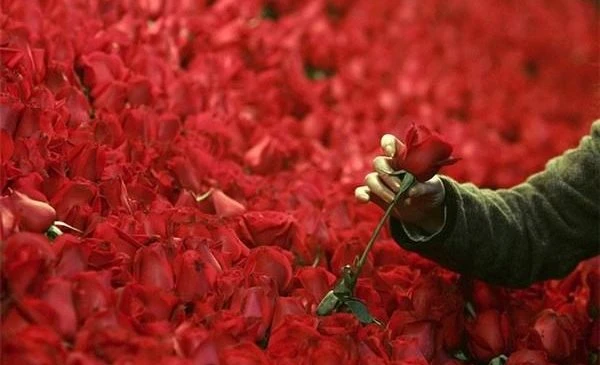
Pirosmani spent all his money and ordered nine carts of roses. The flowers were delivered to the window of de Sèvres' hotel room that morning. It's unknown whether all the roses were red—there might not have been that many in Tbilisi. But dozens of eyewitnesses confirmed that there were a huge number.
Present Day. New Guinea
Flowers are a pleasure to give and, of course, to receive. But every man has heard a woman say at least once: "Why bother? It would have been better if you had bought something useful." This phenomenon is familiar to men all over the world, except for the Papuans of New Guinea. Practical people live in the jungles of this tropical island. Men come to their lady loves with... a piglet. 
Girls are happy to receive a simple piglet instead of inedible and quickly fading flowers. For Papuans, a pig is a pet, food, a family member, and the main currency. In some tribes, women breastfeed piglets along with their babies. This good old hunter-gatherer custom arose centuries ago and is still in vogue.
However, the Papuans, like everyone else in the world, experience inflation. Therefore, in villages these days, giving a single animal isn't enough. To attract a woman and her family, a whole herd of pigs is sometimes given. Nowadays, 10 animals are considered an acceptable sign of affection.
There were many other love traditions in the past that would make even a modern person blush.