12 Most Mystical Places in Europe (25 photos)
The Old World. It seems there's not a town, castle, or narrow cobbled street here that isn't associated with stories of ghosts, terrible bloody secrets, or mystical events. In terms of the unknown, the inexplicable, and the surreal, this part of the world still leads the rest of the world. Meet a dozen of Europe's top places associated with the unidentified. 
Prague, Czech Republic 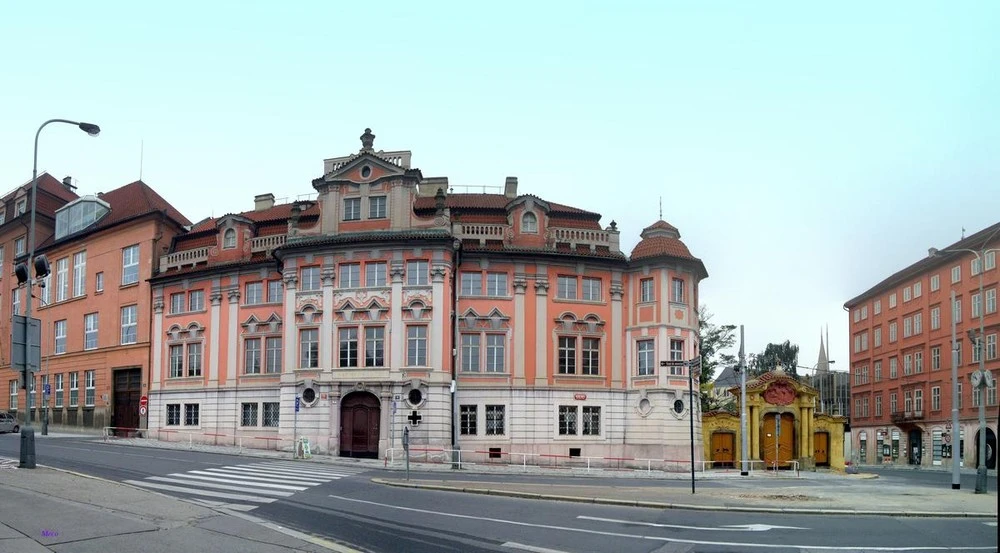
The mystical capital of Europe, especially the Old Town, offers the widest selection of supernatural encounters. Let's start with the famous Golem of the Jewish Quarter, the first in a series of Frankensteins.
In March 1580, the High Rabbi Lev ben Bezalel created a clay figure approximately five feet tall, then breathed life into it using Kabbalistic incantations.
Then things didn't go according to plan, and the Golem escaped its creator's control. Tamed, it was kept in effigy in the attic, but disappeared during the war. Rumor has it that it sometimes strolls through Prague at night.
And one of the most famous alchemists of the Middle Ages, Edward Kelly, lived and worked in the Faust House. A visit to this building guarantees financial success. 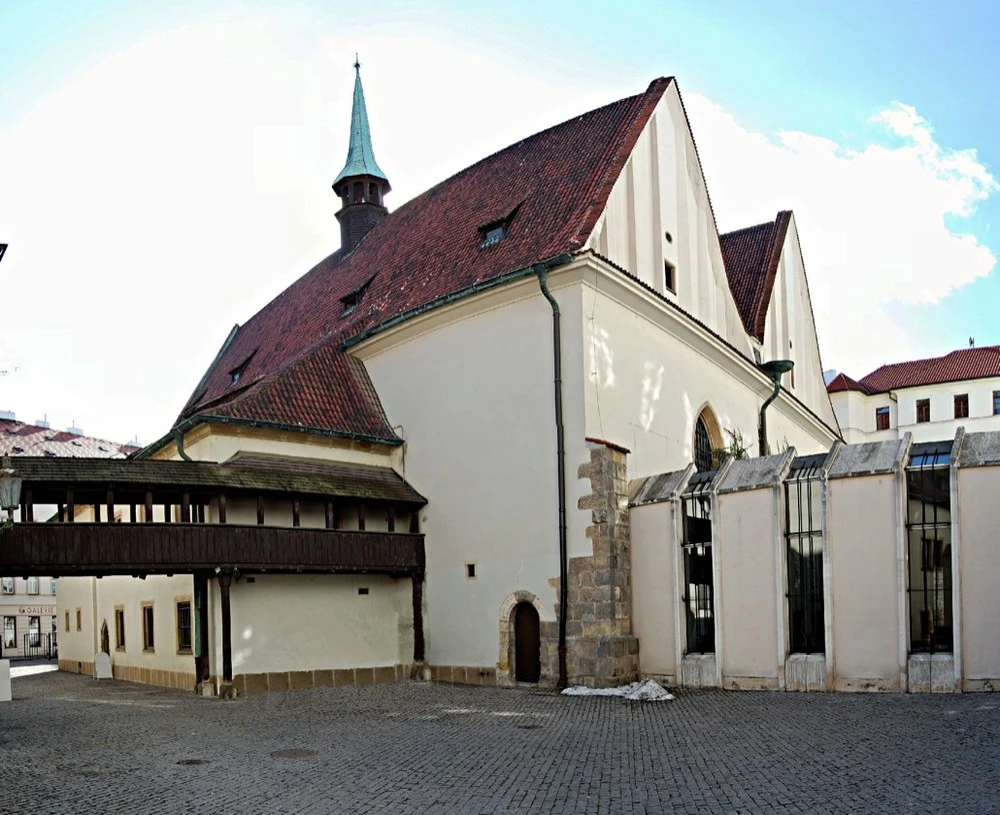
Prague's most famous ghost—the spirit of Jan Hus, who was burned along with his works on June 6, 1415—appears on moonlit nights near the Bethlehem Chapel, where Hus preached during his lifetime.
The second ghost and symbol of Prague is the spirit of Jáchym Berka, who strangled his own fiancée and then hanged himself. Now, once a month, he stands sullenly on Platněřská Street, hoping to speak with an innocent girl. It is believed that if this happens, the ghost will finally be at peace.
Altamira Cave, Santillana del Mar, Spain 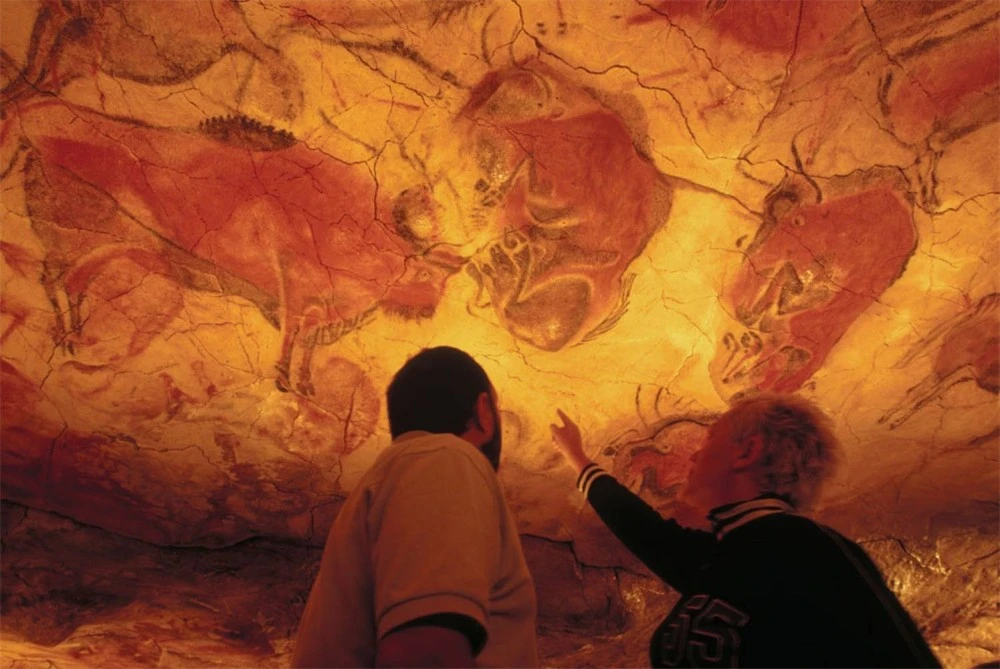
There are countless diamonds in the stone caves... But in this one—one of Europe's most famous caverns—instead of diamonds, you'll see a Stone Age "3D cinema." The cave paintings feature numerous colorful images of bison, horses, deer, wild boars, and a few humans.
Furthermore, the artists used the relief of the walls to make the animals appear "alive," almost like computer graphics, and when illuminated by firelight, they created the effect of movement, in three dimensions at once. 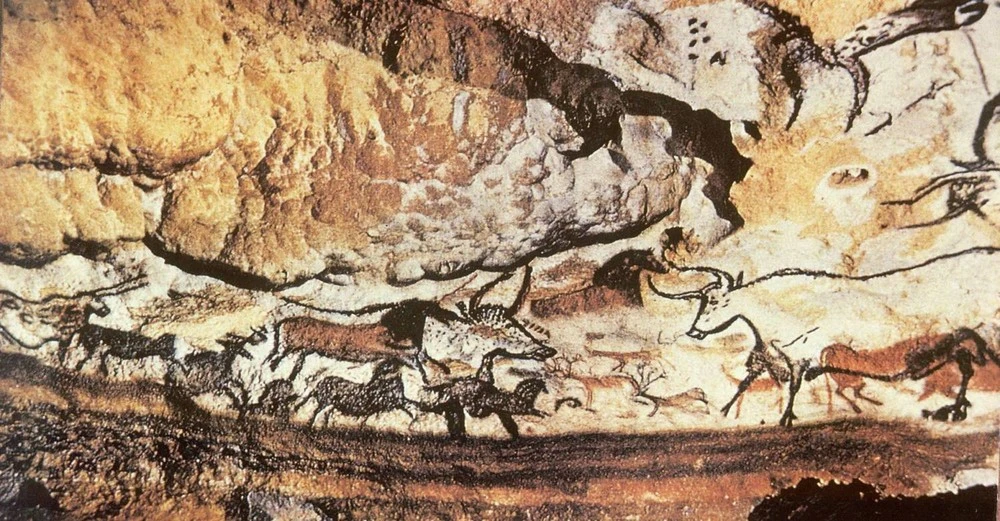
Some consider this the work of "space travelers," while others insist that our ancestors should not be offended, as they too were well-versed in the arts. They also possessed excellent artistic skills. According to various sources, these masterpieces were created between 32,000 and 19,000 years ago, and the first depictions of humans on cave walls date back to the same era.
The effect of contemplating these drawings is so stunning that reality recedes, and you want to fly and brandish a spear. Perhaps, both a primitive man and an alien live within each of us at the same time.
Loch Ness, Inverness, Scotland 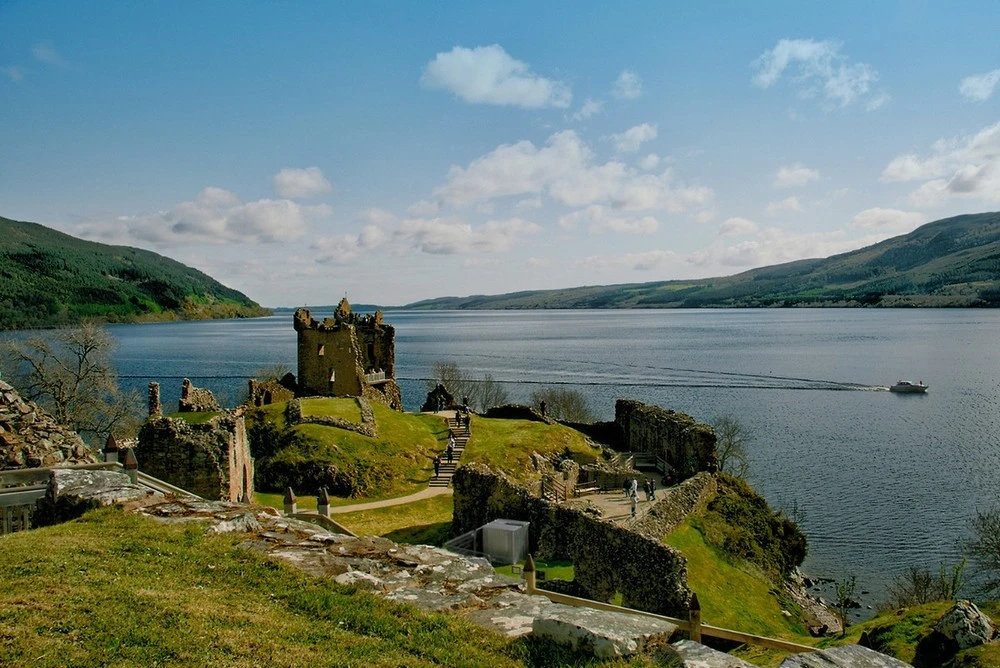
This loch is the largest body of water along the entire Great Glen fault. It contains more fresh water than all of Britain. But that's not why people come here from all over the world. They want to see the monster, the famous Nessie: perhaps a plesiosaur that has survived since time immemorial, or perhaps an entirely unknown life form.
There are legends that in the Middle Ages, a graceful, swan-necked lizard loved to feast on hapless fishermen, but recently it hasn't been seen. However, photographs, albeit blurry and fuzzy, appear regularly. 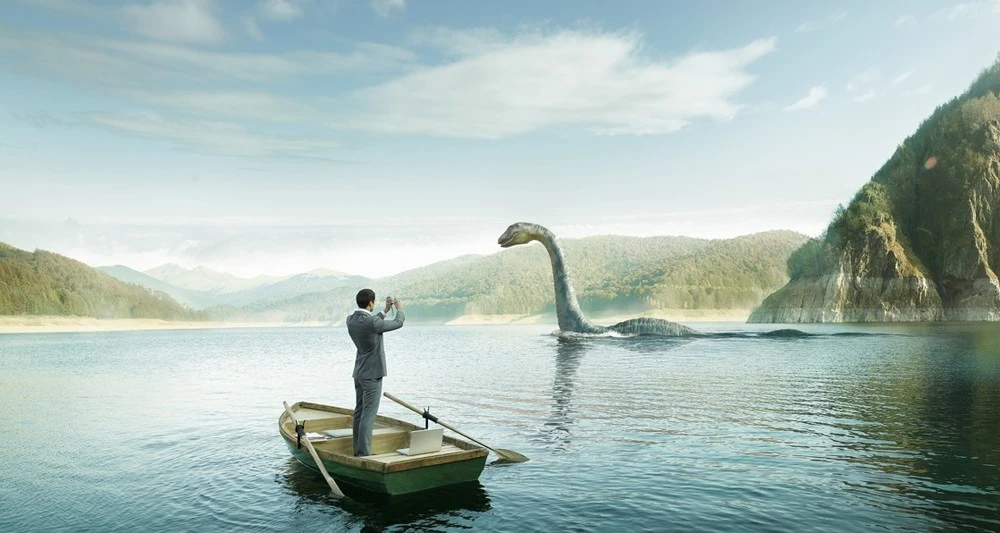
This photo is, of course, a collage, but tourists constantly photograph strange objects in the lake.
While you're unlikely to capture Nessie, the sense of something strange in the waters of the lake is powerful. You can't shake the feeling that you're being watched by a pair of attentive and wise eyes—the eyes of a serpent that has long known all the secrets of this world.
Bojnice Castle, Slovakia 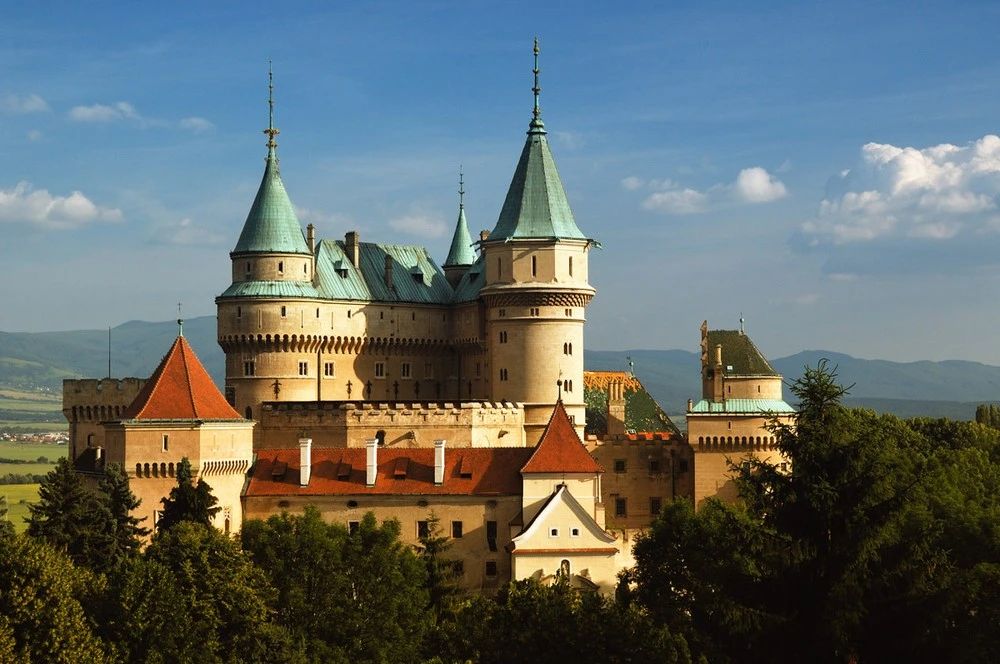
A fascinating male ghost lives in this strikingly beautiful and austere Gothic complex, founded in the 12th century on the site of an ancient volcano.
A certain lieutenant and businessman, Jan Palfiy, the castle's then owner, was rejected by a beautiful French aristocrat. The distressed retiree never married, and later threw himself into the moat, having bequeathed his entire fortune to orphanages… 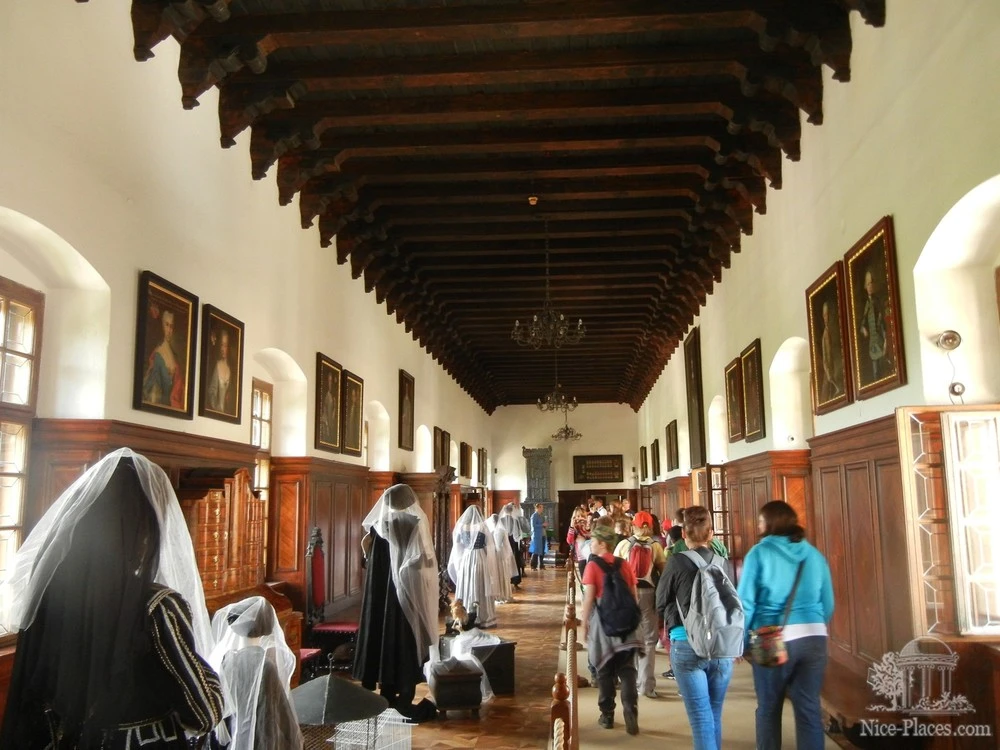
As a suicide, Jan was buried not in a cemetery, but in the castle. Perhaps that's why his restless soul still wanders the winding corridors in our high-tech days. Sometimes, the ghost is seen in the company of a woman in white.
But this isn't a proud French mademoiselle, but a native Slovak, Anna Berna, who, during the senseless Thirty Years' War, fell in love with a German officer and revealed some strategic secrets to him. She was hanged, as was customary at the time, but during the investigation, she was held in Bojnice Castle. It was here that she "made her home" after her death.
The castle complex is in excellent condition (partially thanks to Jan's own money), and for those with strong nerves, there's no better place for a tour. The fact that some visitors ended up in the hospital with heart attacks doesn't matter.
Mary King's Close, Edinburgh, Scotland 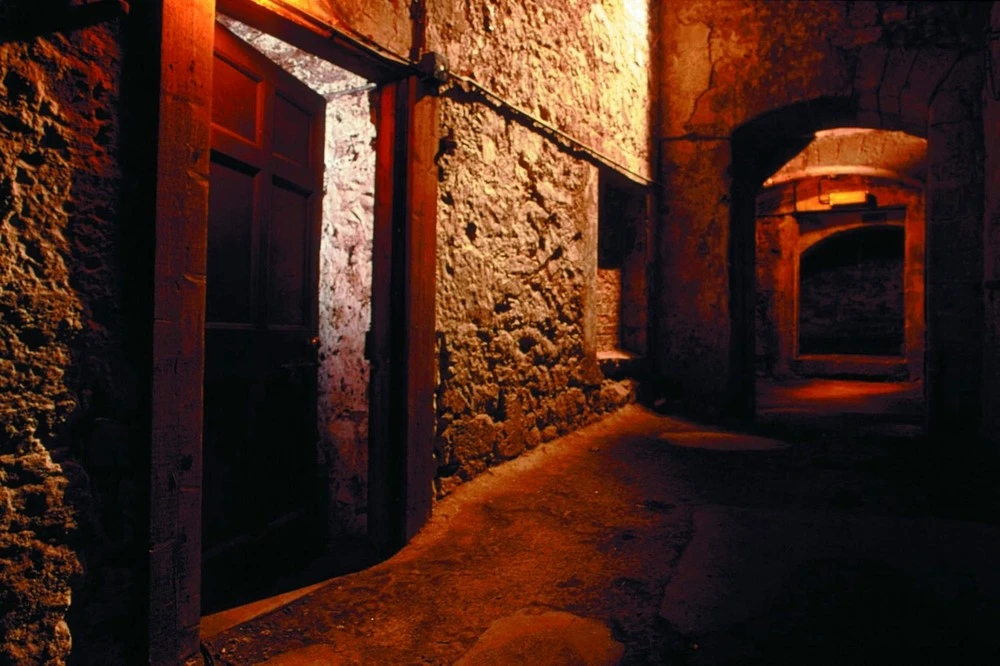
This place in the Old Town district evokes both horror and awe. In the 17th century, during another European plague, the Scottish authorities took a radical decision: they brought here those who had fallen ill with a terrible and, at the time, virtually incurable disease from all over the city and surrounding villages.
The halberd-wielding doctors probably considered themselves almost humanists: after all, they didn't burn the sick alive, as in Saxony, or sprinkle them with quicklime, as in Hungary. They simply locked them up and waited until they themselves departed for heaven.
The plague in Scotland wasn't as widespread as in continental Europe, but it still claimed many victims. According to one archival record, in 1645, at the height of the epidemic, Patrick and Jane McConnechy left their daughter to die here, after which Annie's ghost haunted the city's damp and gloomy streets forever. 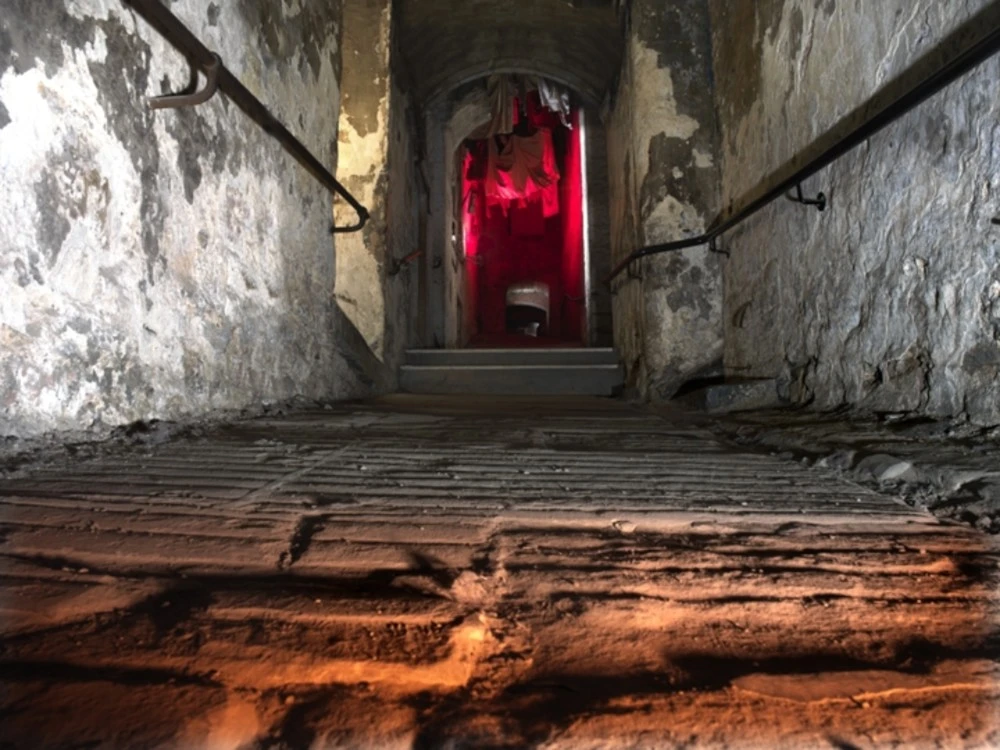
To this day, little Annie touches the hands or clothing of those passing through the ominous alley. Her restless soul flits through the rooms of ancient buildings, singing Scottish children's songs in a thin, plaintive voice.
Enterprising Edinburgh residents have set up large-scale exhibitions in the cul-de-sac depicting the lives of plague patients of that time. They are striking in their realism, and it seems you can hear groans of suffering and cries for help...
Ospidale Città Nuova, Trieste, Italy 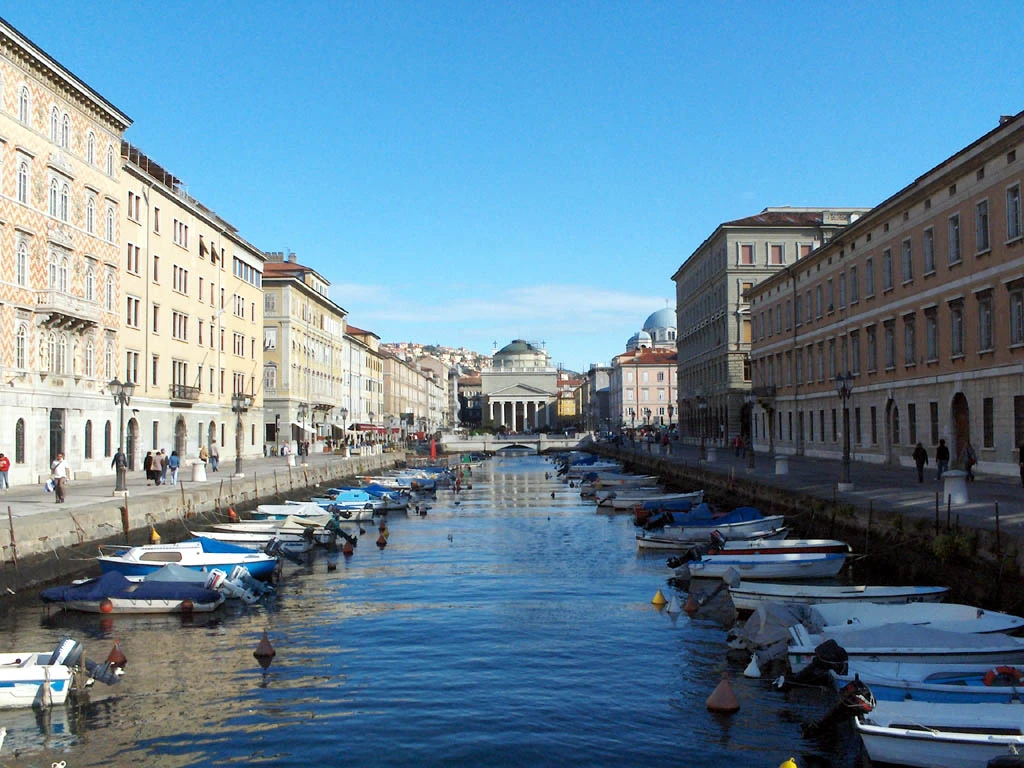
It so happened that in the last century, this port city began producing an abnormally large number of talented people endowed with incredible abilities. But in everyday life, they were, as a rule, completely helpless and, from the perspective of the average person, were considered insane.
That is why the largest hospital in Italy for the mentally ill and developmentally disabled was built here.
The years passed, and the number of patients only increased. Then a certain Professor Rampini, apparently not exactly a sane logical thinker himself, proposed a sensational treatment method: opening a gigantic entertainment center where only his patients would work. And the idea was realized! 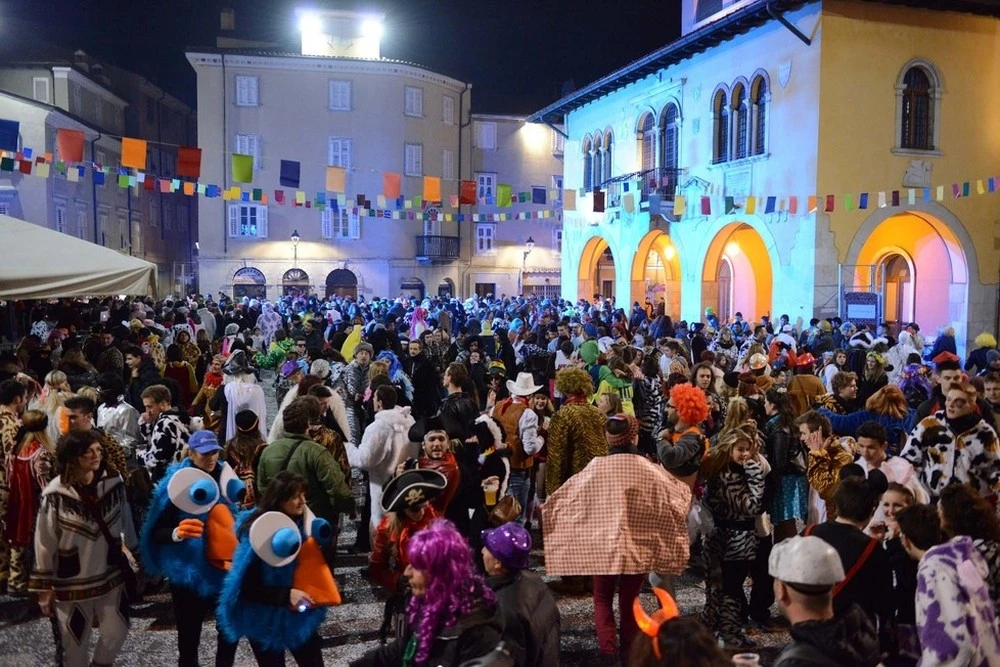
Today, the geniuses the professor thus sought to adapt to everyday life continue to work in shops, boutiques, cafes, and clubs.
DJs, bartenders, waiters... It's as if you're in the company of true Martians who read your thoughts, speak their own incomprehensible dialect, play alien music, and prepare magical cocktails. And no one is surprised that they can walk through walls, move objects, and see in the dark.
This practice appears to be producing good results since the last psychiatric clinic in Trieste closed in the early 1980s. Suicide rates and hospitalizations have decreased. The city has a mental health rate of approximately 13.5 per thousand residents, and four mental health centers provide care.
Carnac, Brittany, France 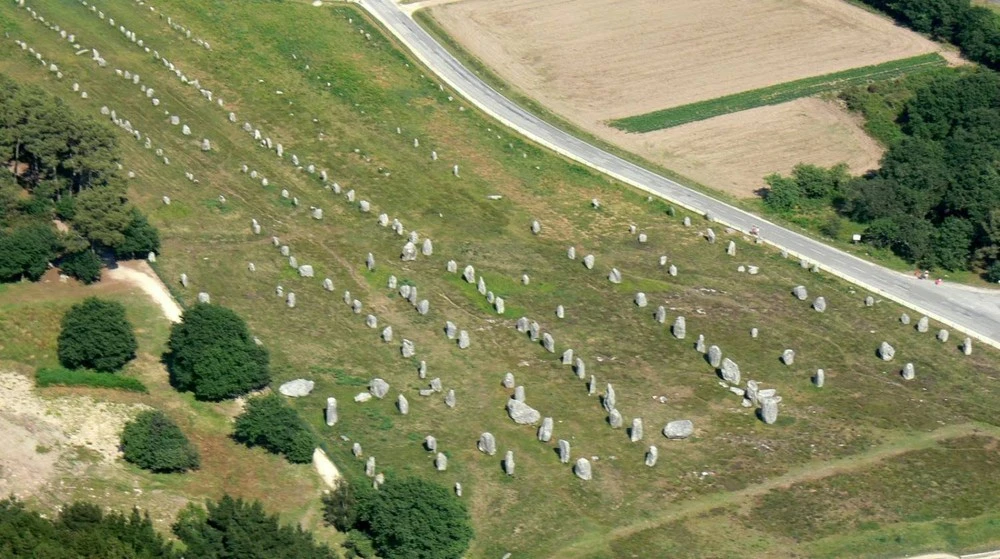
The word "carnac" was coined by the Bretons, a Celtic tribe that fled the Anglo-Saxons to the coast of France. It literally means "road of stones." The structure in question already existed at that time, but it had no name.
This is a seemingly endless labyrinth of menhirs, dolmens, and cromlechs—that is, ritual stone structures that create bizarre patterns, obey their own laws, and drive the uninitiated mad. It is estimated that there are around four thousand of them, divided into three groups, although it is believed that they were once all one. 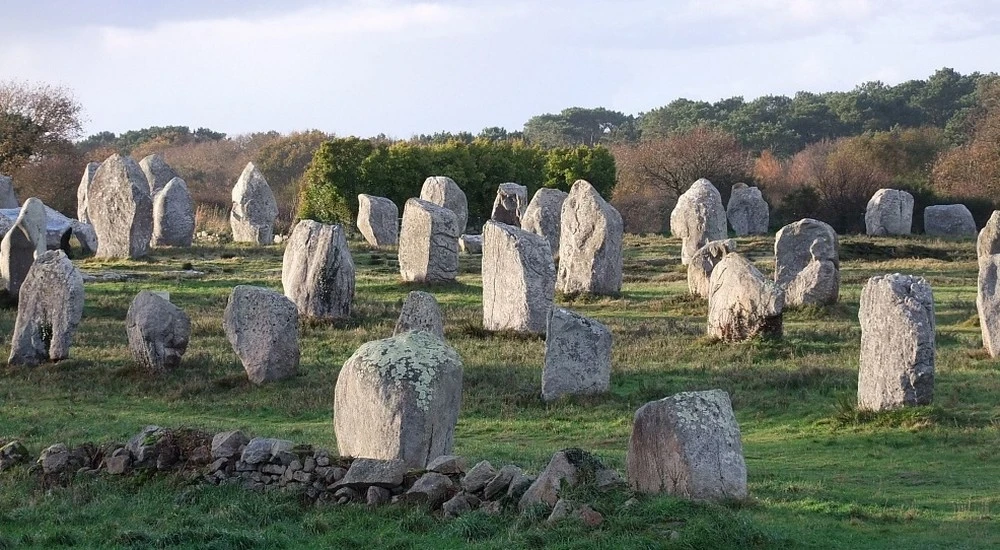
The stones seem to offer a quest of sorts to anyone willing: starting at the southern end, reach the tomb known as "Kerkado" with the mound raised above it—consider yourself lucky. Fame, money, and personal happiness await you. If not, time will tell. Some, according to old-timers, wander the winding paths forever under the rays of the inhospitable Breton sun.
Scientists estimate that the structures are approximately 5,000 years old, but the purpose of the Christian cross and crescent moon, which simply didn't exist back then, remains unknown. Nevertheless, Carnac is extremely popular with pilgrims: for the past quarter century, proposals have been made to declare it a closed territory. So, hurry to navigate this stone labyrinth.
Delphi, Greece 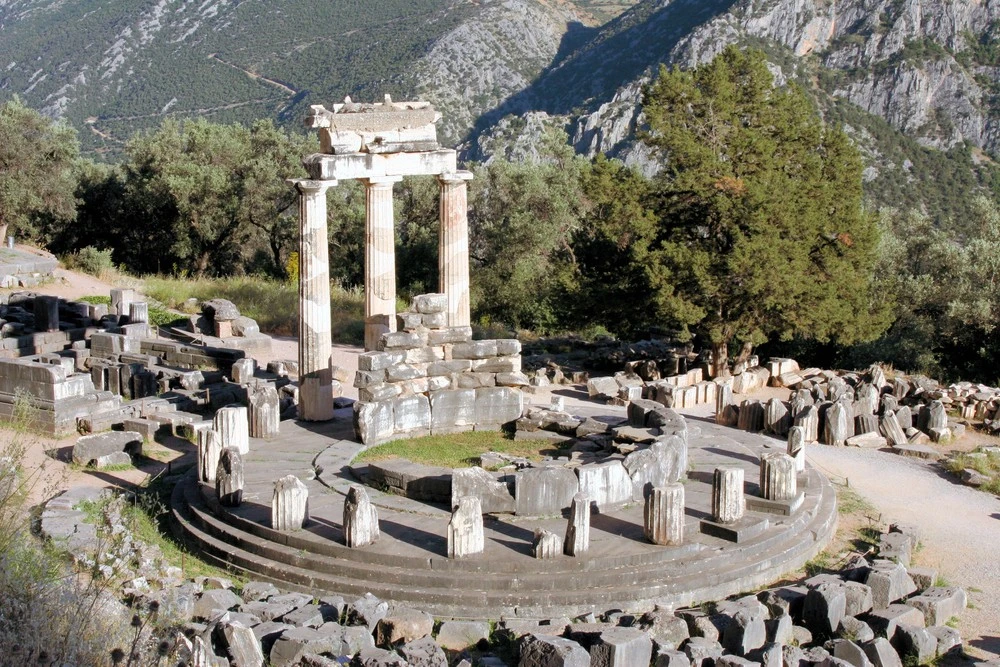
A city on the Gulf of Corinth on the slopes of Mount Parnassus—it sounds like a quote from Homer, doesn't it? People once flocked here from all over Greece. And not just for fun, but to consult the mega-oracle of the ancient world.
It all began when Apollo killed the wise but evil serpent Python and replaced him with his own priestess, Pythia. She easily entered a trance, muttering incoherently, albeit beautifully, while specially trained priestesses interpreted the "messages of the gods."
It seemed it would always be this way: without the oracle's advice, wars wouldn't begin, peace wouldn't be concluded, travel wouldn't be undertaken, and marriages wouldn't be registered. But in 398 CE, the Christian Emperor Arcadius arrived, not alone but with an army, and abolished the sanctuary. Fortunately, Delphi itself wasn't destroyed, merely abandoned. 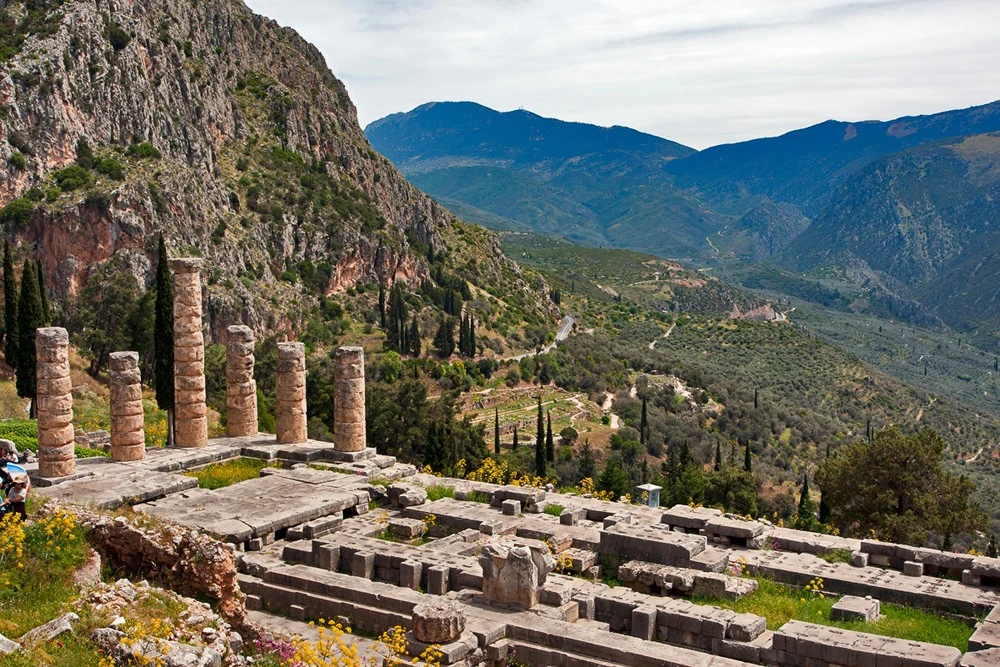
Today, the restored city looks impressive and gives a clear idea of its greatness in ancient times. An explanation for the Pythia's strange behavior has also been found: geologists have detected hallucinogenic vapors emanating from a nearby spring.
Although, if everything were that simple, one could go to the nearby disco for advice. Even today, visitors to this place experience prophetic powers. Perhaps the god Apollo personally whispers to them what to expect from the future.
Hvítcerkur, Huna, Iceland 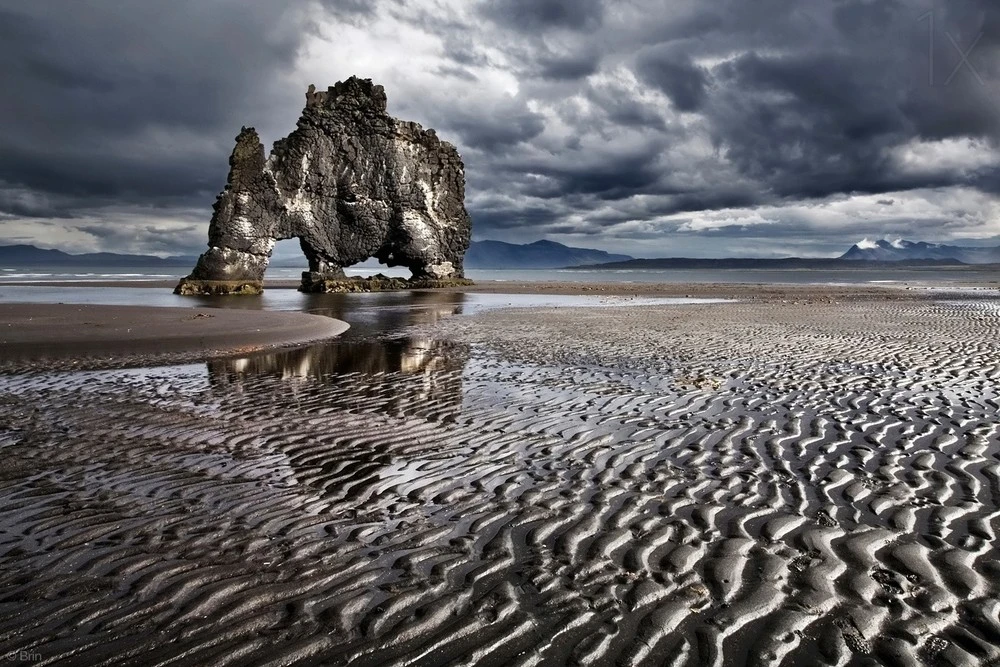
Hvítcerkur means "white shirt" in Icelandic—that's the name given to this stone-crystal "monster" on the shore of a deserted bay because of the hundreds of snowy gulls that perch on it in the morning hours.
But in the rays of the setting sun, it seems to move, come to life, and amaze even more with its eerie beauty. Look at it from one side—an unknown beast, a werewolf, bending over to quench its thirst with seawater. And if you look at it from another angle, it looks like a giant needle's eye with jagged edges. 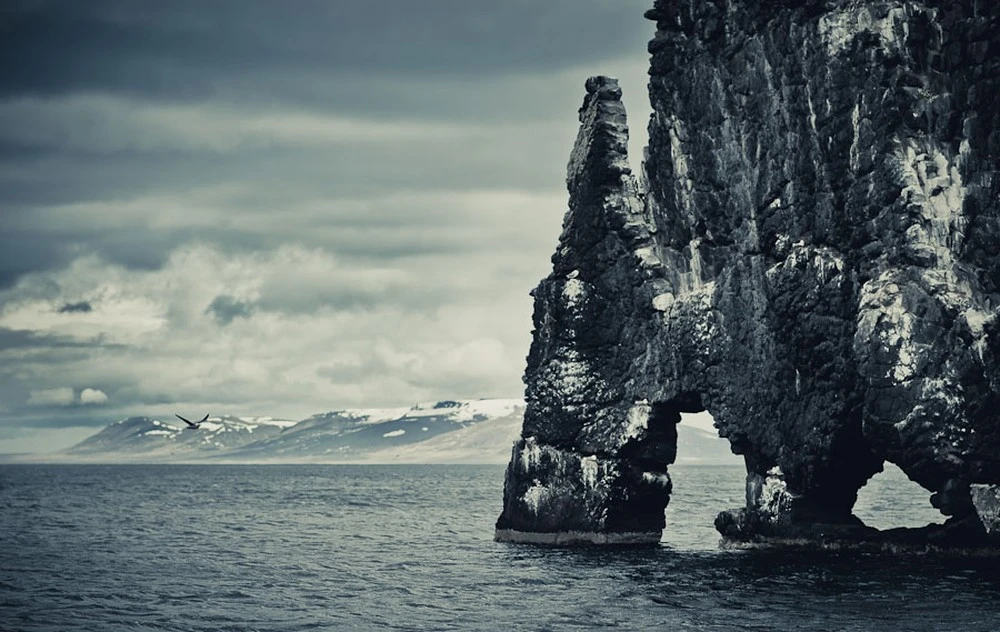
This place has always attracted locals. Icelanders believed that time and space flowed through it directly to Valhalla—the residence of the gods and the paradise of the ancient Vikings. Therefore, Hvítserkur grants wishes, especially if you make them during the Northern Lights, which occur here five times more often (it has been calculated!) than in other polar regions.
Dracula's Castle, Bran, Romania 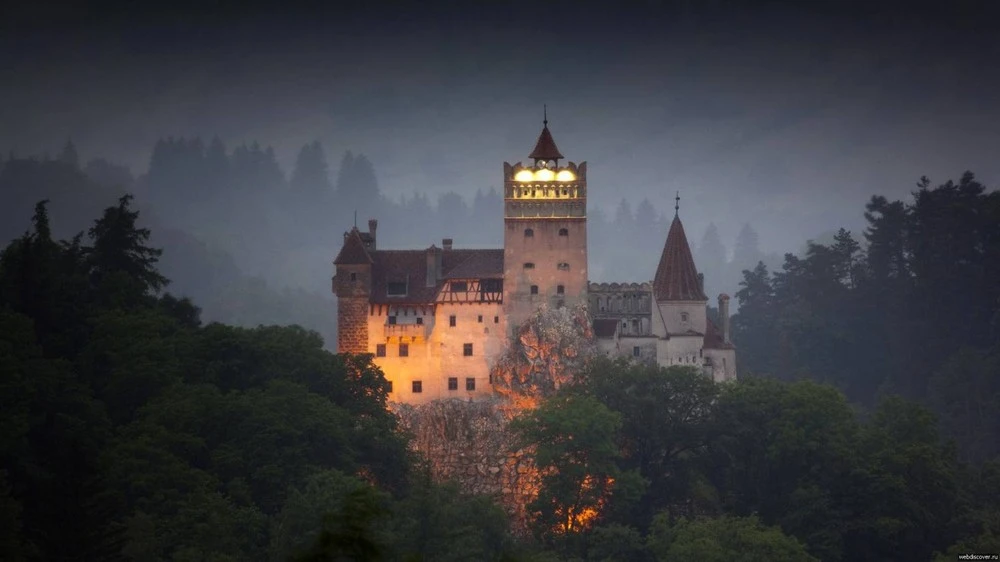
On a high hill in the mountainous region of Southern Transylvania, a medieval "high-rise" – Bran Castle, better known as Dracula's Castle – nestles comfortably. In the 14th century, it was conceived as a fortification complex to defend against the ubiquitous Turkish invaders.
However, as a result of behind-the-scenes manipulation and palace coups, the castle became the personal residence of the ruler Vlad the Impaler, known throughout Europe as Count Dracula thanks to mystical novels.
Everyone knows what he did: impaling, flaying, boiling, successfully fighting the Turks (no, that's not it!), drinking the blood of his victims. Thanks to Bram Stoker, he became not only a villain, but also a vampire. 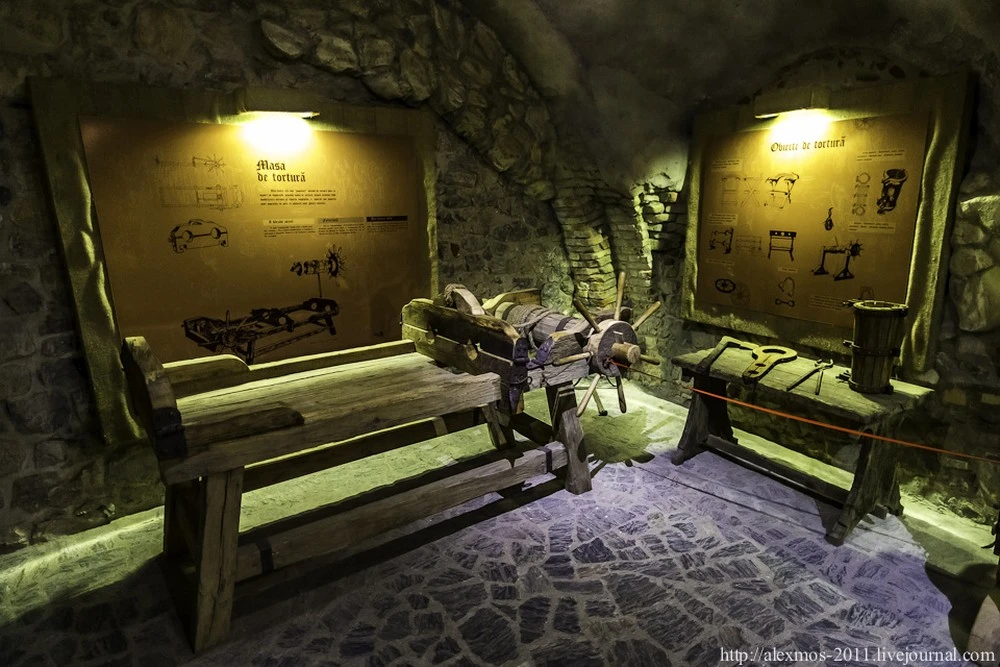
Either way, Vlad was an extraordinary figure. Nothing is known about his ghost appearing within the walls of Bran, but the castle itself, especially at night, makes a terrifying impression.
And the thoughts of the atrocities committed here, which come after visiting the torture chambers, can deprive even the most level-headed person of sleep. And if you fall asleep here, you're sure to encounter the Count.
Gruyères, Switzerland 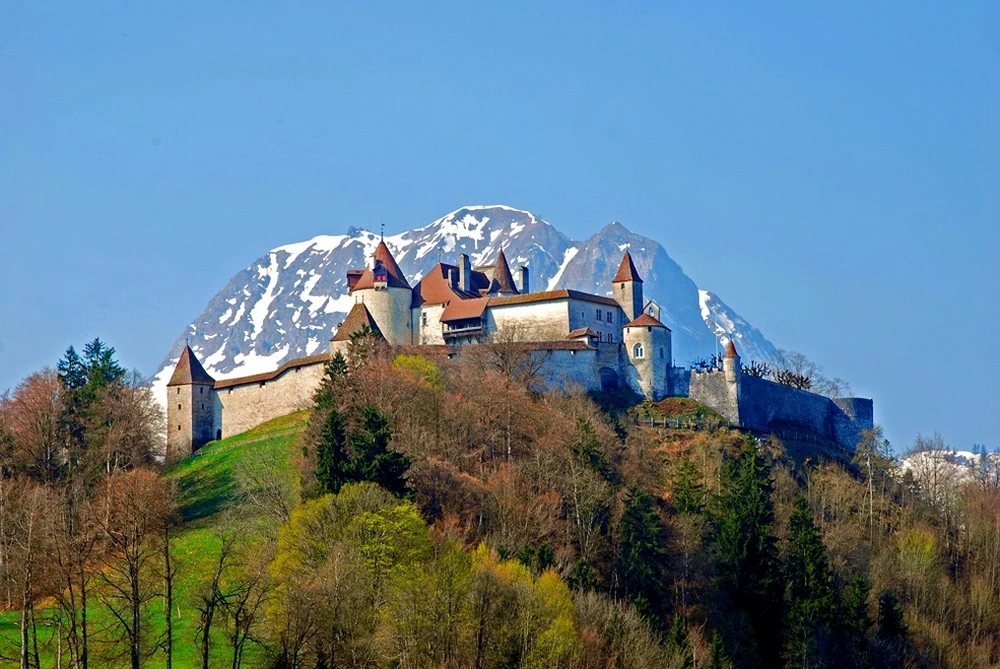
Oddly enough, this picturesque country is known as the birthplace of witches. Of course, everything is relative, but there have always been more Satanic servants per capita here than in Europe as a whole.
Mount Gruyères and the town of the same name, with its Black Tower and the monastery of the Black Madonna, remain much as they were almost 500 years ago. Just as then, on a full moon, you can perform a ritual ablution in an alpine lake (also in Gruyères) by torchlight and hear the chants of ancient incantations from the nuns. 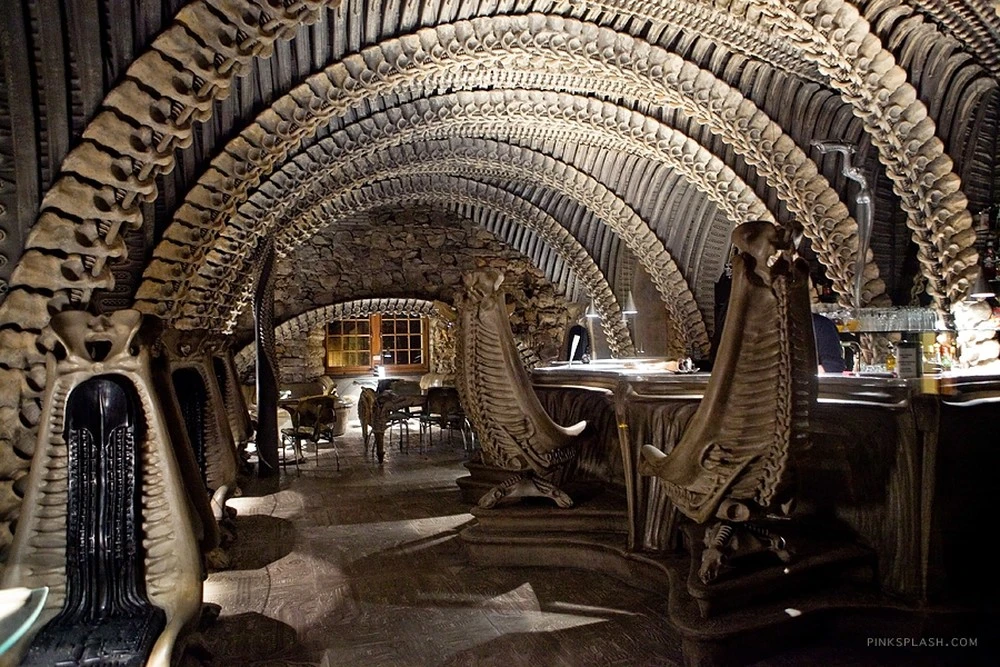
Gruyères is also home to a museum dedicated to the famous "father of Alien," Hans Giger, an artist and designer with a rather strange and terrifying view of art.
It is believed that ablutions unlock the subconscious and grant incredible superpowers, prolong life, and reveal the secrets of true friend and foe. After this ritual, some begin to levitate and speak languages they didn't know before. The Black Madonna is especially kind to women, granting them unlimited power over men.
Rock of Cashel, Tipperary, Ireland 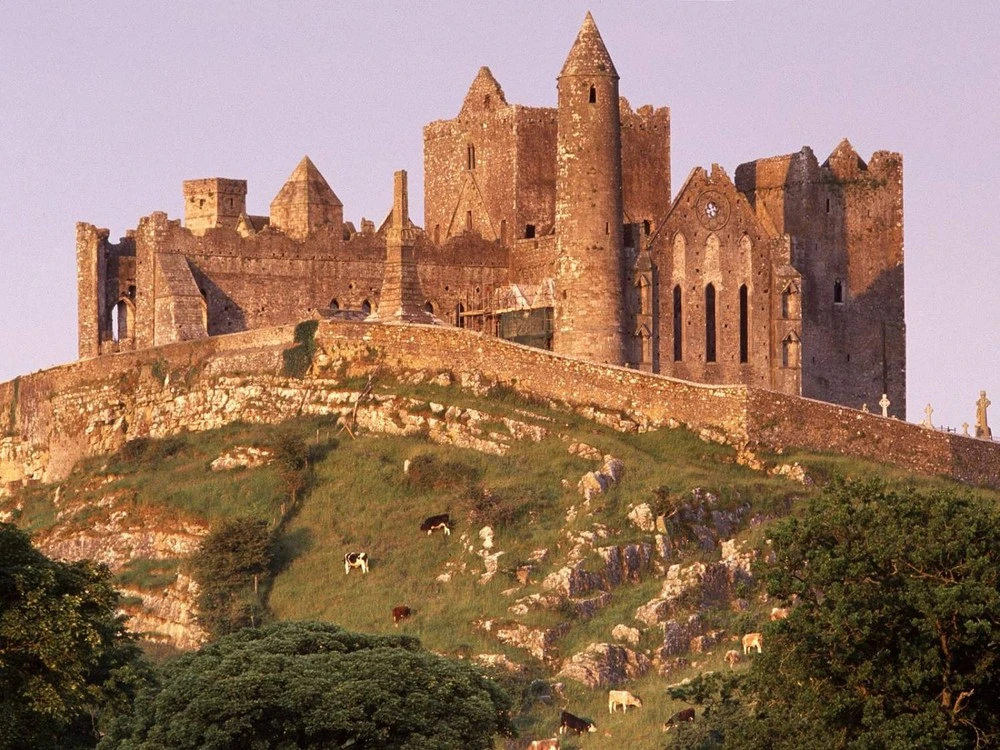
The Irish say of this massive piece of granite: "The devil bit off a piece of the Earth and spat it out. That's how Cashel was formed." Literally translated from Gaelic, the name means "stone cake." Nothing more terrifying or mystically terrifying can be found on the Emerald Isle.
A rock, shaped like an ugly donut several kilometers in diameter, stands amidst green meadows, and a black castle, about a thousand years old, atop it, despite the abundance of Celtic crosses, offers no protection from the invisible presence of the enemy of mankind… 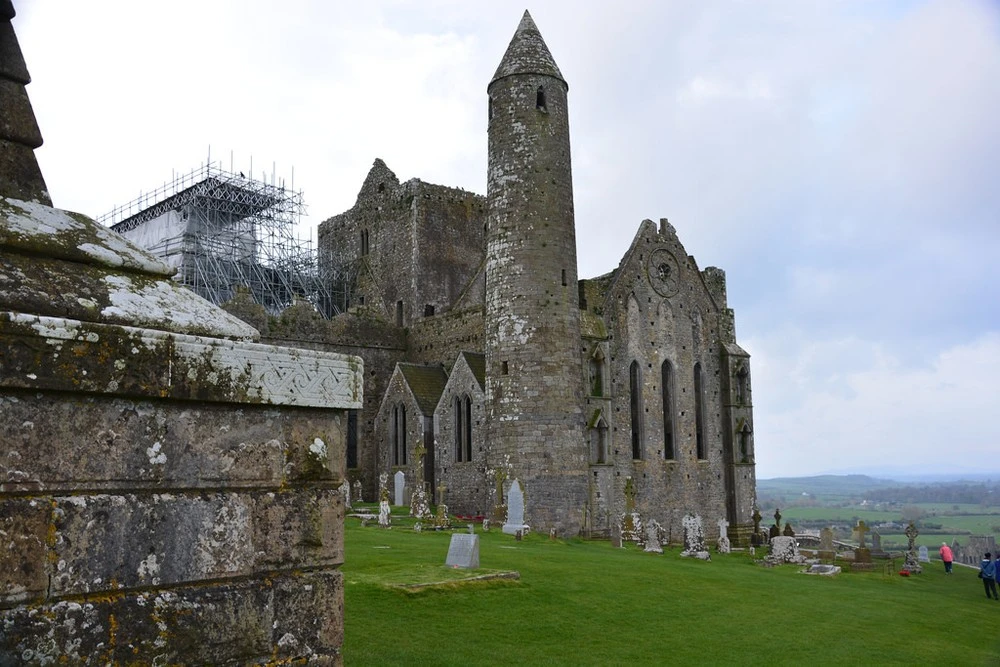
And what about ghosts? They say the Green Lady haunts the place—a magically beautiful woman in a long, elegant dress. She is believed to be Elizabeth Connor, the daughter of one of the owners. The Green Lady is said to be so melancholy that upon encountering her, a person is also overcome with a profound sadness, which can develop into melancholy with a fatal outcome…