The Jocasta Complex, or Why Loving Your Son Can Only Hurt (6 photos)
The story of King Oedipus and Queen Jocasta is one of the most complex and unique in ancient Greek mythology. This legend has many symbolic and moral aspects that continue to inspire and attract people to study it. In this article, we will examine the origins of the Jocasta complex and its impact on modern mental health. 
The Myth of Oedipus
To understand the origins of the Jocasta complex, it's necessary to delve briefly into ancient Greek mythology.
Queen Jocasta and King Laius ruled Thebes. One day, Laius received a dire prophecy from an oracle: "If you bear a son, you will die by his hand." It so happened that the king later did indeed have an heir, and remembering the prophecy, Laius took the son from his mother and gave him to a shepherd. The ruler ordered the boy taken to the mountain pastures and thrown to the wild animals. 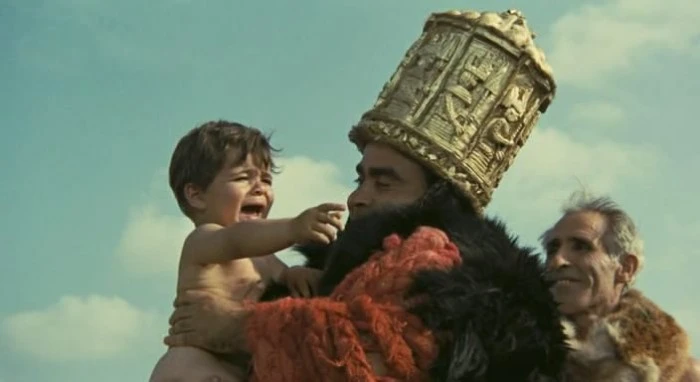
Still from the film "Oedipus Rex"
The shepherd felt sorry for the poor baby and decided to spare his life. On Ciphron, he met a shepherd from the Kingdom of Corinth and gave the child to him, concealing his noble origins. He, in turn, took the infant to his king. The ruler, childless, happily adopted the boy, whom they named Oedipus.
When Oedipus grew up, rumors began to reach him that he was "adopted." So the young man went to an oracle, wanting to know who his real father was. Instead of a direct answer, the oracle said:
"Whoever he is, you will have to kill him and marry your mother."
The prophecy horrified Oedipus, so he decided not to return home and wandered off. On the way, he encountered an old man in a chariot, surrounded by several servants. Oedipus stepped out of the way at the wrong time, angering the old traveler. A quarrel eventually broke out between them: the old man struck Oedipus with a goad, and Oedipus responded by fatally striking him with a staff. As you might have guessed, the old man was King Laius himself.
Oedipus Complex
When Oedipus reached the city of Thebes, he saw the Sphinx, a monster terrorizing the entire region. A woman with a lion's body asked riddles to passersby, and those who could not solve them were brutally killed. The wise Oedipus was able to answer the Sphinx's question, thereby freeing the city from the monster—the defeated Sphinx threw itself off a cliff. The grateful people appointed Oedipus their king and gave him Laius's widow, Jocasta (his mother), as his wife.
Later, upon learning the identity of her new husband, Queen Jocasta, unable to bear the shame, killed herself. Oedipus, deeming himself unworthy of death, gouges out his own eyes, thereby condemning himself to eternal blindness. 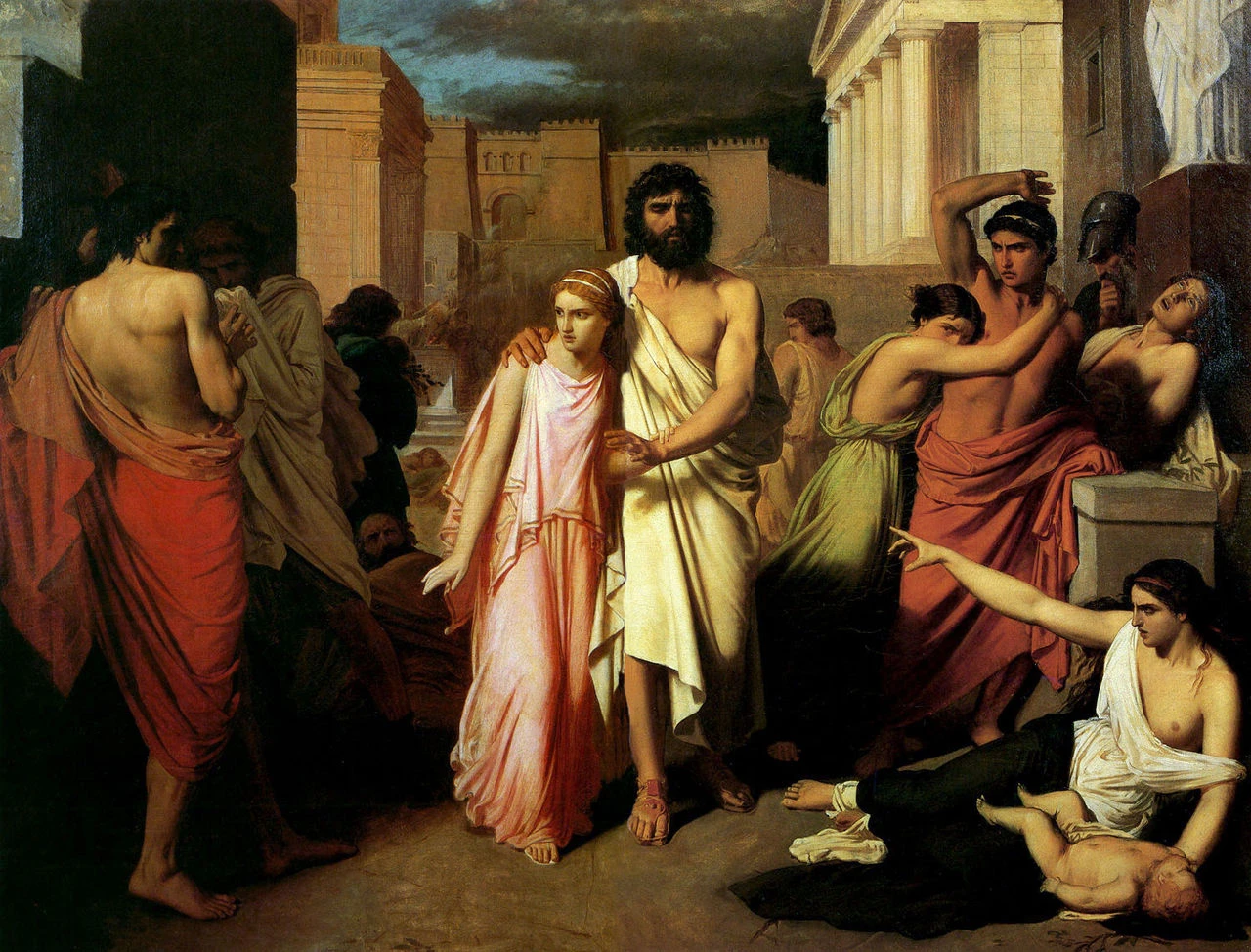
Blind Oedipus is led out of the city
Now you know where the name "Oedipus complex" comes from. The term itself was introduced into psychoanalysis by Sigmund Freud. It refers to an unconscious or conscious sexual attraction to one's parent. The Oedipus complex occurs in both boys and girls (in relation to their father).
It should be noted that attraction to one parent is simultaneously accompanied by hostility and even hatred towards the other parent. A boy may be jealous of his mother's relationship with his father, while a girl may see her mother as a rival.
Jocasta Complex
As you may have guessed, the Jocasta complex is a manifestation of a mother's heightened interest in her son. Indirect signs of this phenomenon are observed to varying degrees in many families. These include:
excessive care for the child;
a desire to completely control the child;
jealousy of the son's friends;
an almost animalistic devotion to the child;
a cool relationship with the husband, amid the feeling that "all the love goes to the son";
Strained relationship between father and child. 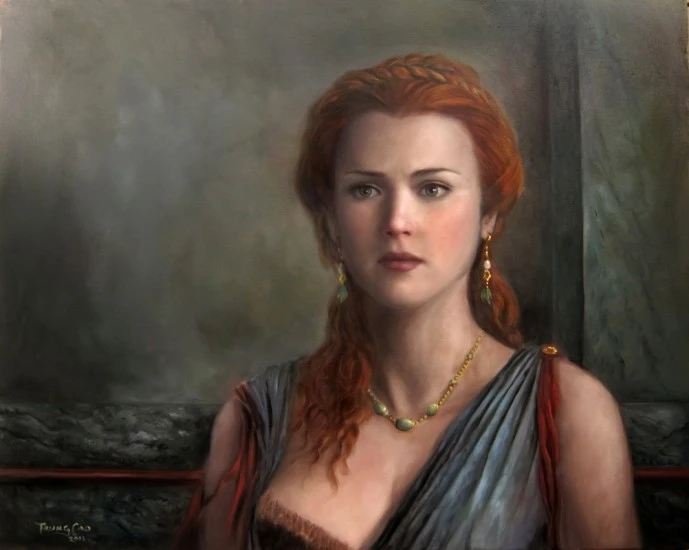
The Oedipus complex typically peaks in women when their child reaches 3-5 years of age. During this period, the mother often begins to address her son with words like "My man," "My knight," "My protector," and so on.
However, the "symptoms" of the Oedipus complex are often observed in women even after their sons become adults. This is why mothers-in-law often dislike their daughters-in-law, and some even go out of their way to destroy a perfectly happy marriage.
Although Sigmund Freud emphasized the sexual nature of the Oedipus complex, the Jocasta complex is extrapolar. It implies precisely exaggerated maternal care. It almost never reaches the point of outright incest. The exception is cases of obvious clinical pathology.
Causes of the Jocasta Complex
Experts identify several reasons for the development of this complex in women:
unsuccessful romantic relationships;
sexual dissatisfaction;
a woman's preoccupation with her appearance and attractiveness;
conservative gender attitudes. 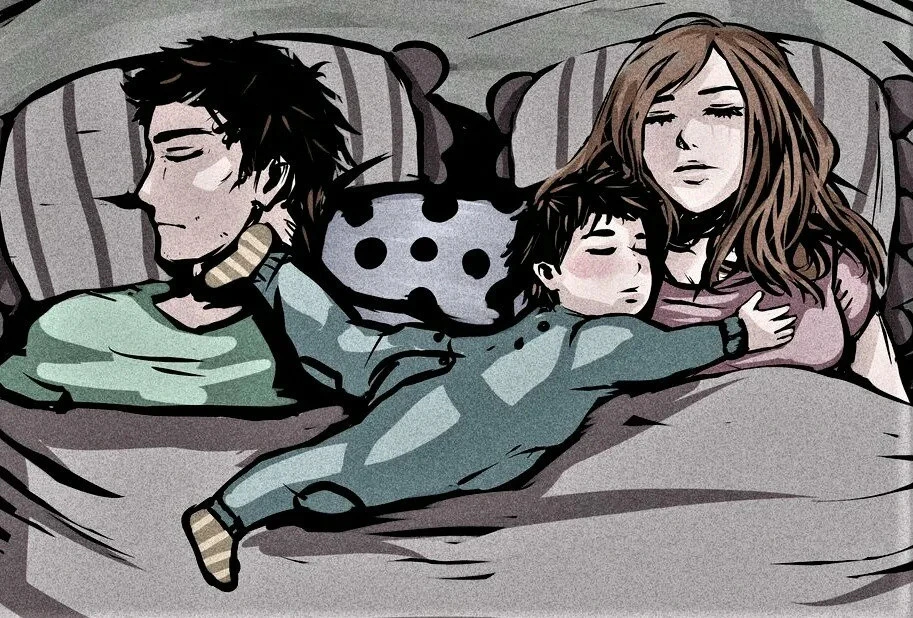
The Jocasta complex is often associated with a woman's desire to compensate for a lack of love from her husband by having a good relationship with her son.
Impact on the Child's Life
Ironically, with her overprotectiveness and overprotectiveness, a mother with a Jocasta complex only makes her child's life worse. In such unhealthy conditions, the child's psychological adaptation is disrupted, which can lead to many problems in the future. 
Such a person will have an extremely difficult time building relationships with the opposite sex, and indeed with people in general. Due to the fact that their mother took on all the care during childhood, they will have a rather infantile outlook on life. Often, such people continue to live with their parents until late adulthood, having failed to find their "soulmate."
This doesn't mean you should completely stop showing warm feelings towards your son. Of course not. You just need to learn how to build healthy relationships with him without violating his personal boundaries. You need to understand your childhood traumas, internal deficits, and fears. In other words, seek help from a psychologist.