Don't celebrate your 40th birthday, or you'll be out of luck: fact or myth? (8 photos)
No other date in a person's life is associated with as many superstitions as turning 40. They say it's forbidden to celebrate this date, and those who break this rule face various problems. We even have a tradition: not to celebrate a 40th birthday. Many people follow it—even those who are usually far from superstitious. But why is this so? And is it worth adhering to? 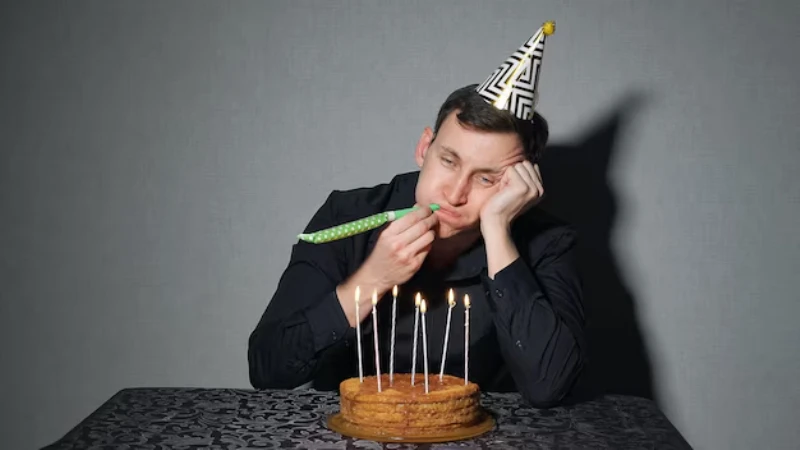
Where does the superstition about turning 40 come from?
The ban on celebrating a 40th birthday has deep historical roots. In Slavic tradition, the number 40 has always been considered special, even mystical. Remember: Lent lasts for forty days, the soul spends forty days between worlds after death, and the forty thieves of Eastern fairy tales. 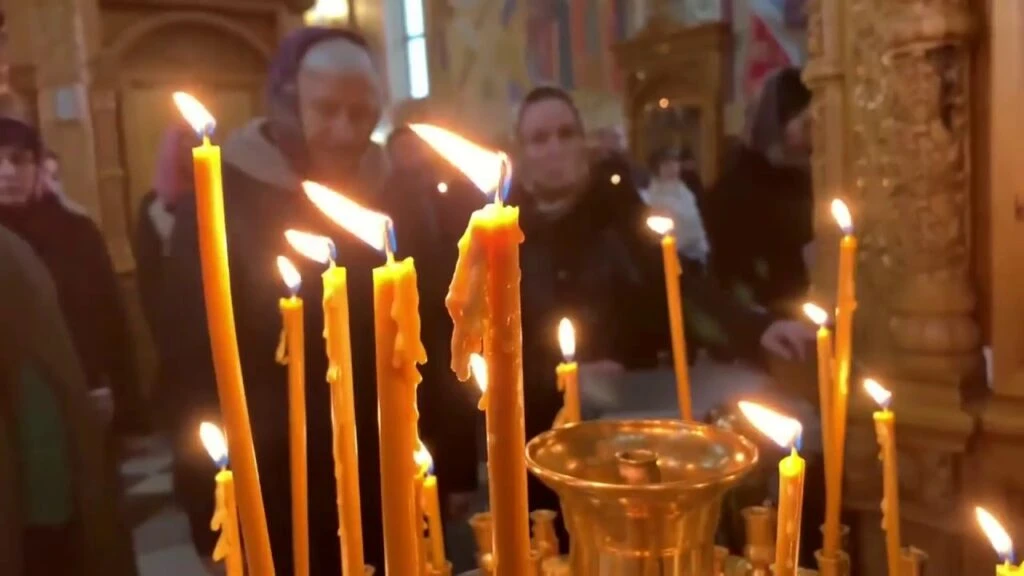
In Orthodox culture, the number 40 symbolizes transition, testing, and purification. This is why many generations of our ancestors treated this age with particular caution. It was believed that a person at 40 experiences a spiritual crisis and becomes especially vulnerable to negative influences. However, there is no mention of the dangers of celebrating a 40th birthday in sacred texts. And from the perspective of the Christian Church, there is nothing objectionable about this date for a believer. Biblical misfortunes have nothing to do with age, much less congratulations.
Myths Around the 40th Birthday: What Are People Afraid of?
Superstitions about turning 40 often stem from mystical fears and ancient beliefs. Many believe that a noisy celebration on this day can anger higher powers or bring bad luck. Some believe that celebrating in a big way can shorten your life. Others believe this is a time for reflection, not for fun. They believe it's better to spend the day in silence, reflecting on the years you've lived and thinking about the future. 
Another common myth is that 40 is a milestone after which life supposedly begins to decline. Such ideas are especially persistent in small towns and villages, where traditions and prejudices are passed down from generation to generation almost unchanged. In these places, people tend to treat their 40th birthday with special reverence. But does this age really mean anything? Or are these simply relics of the past, with no basis in reality?
Is 40 about old age?
There's another explanation, which some consider far-fetched, but for the sake of objectivity it's worth mentioning. To understand superstitions from the past, we must consider the realities of that time. Everyone knows that people in the past lived much shorter lives than they do today. 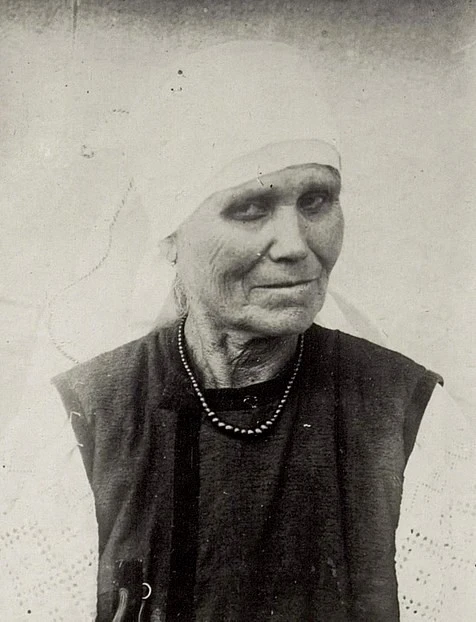
Forty-year-old peasant woman. Photo from the early 20th century
In those days, 40 was considered a ripe old age, a kind of "twilight of life." Celebrating such a date was hardly associated with joy, but rather with thoughts of fading and the approach of death. This could have reinforced the negative perception of the 40th birthday and cemented the ban on its celebration. Today, when life expectancy has increased significantly, this explanation seems outdated, but it helps explain why superstition has become ingrained in culture.
What Psychology Says About the Fear of Turning 40
Psychologists explain the fear of turning 40 quite rationally. At this age, a rethinking of life truly occurs—a "midlife crisis." A person begins to reflect on what they've accomplished and what remains to be done. This internal reassessment can cause anxiety, as the past can no longer be changed, and the future seems less certain. 
Fear of celebrating 40 often reflects an internalized fear of aging and approaching death. Many people perceive this anniversary as the boundary between youth and maturity. Forgoing the celebration becomes a psychological defense mechanism, helping them avoid acknowledging the fact of growing older. People seem to be trying to delay the realization that their lives are moving forward, while time is inexorably slipping away. Interestingly, in Western culture, turning 40 is perceived as a time of blossoming and new opportunities. The phrase "life begins at 40" is the direct opposite of our superstitions.
Cultural Differences: How Do People Celebrate 40 in Other Countries?
Interestingly, the ban on celebrating a 40th birthday is primarily a Slavic tradition. Other cultures don't have such superstitions. For example, in the US or Europe, turning 40 is a reason for a grand party. People happily celebrate this anniversary with themed parties or trips. In Asian countries like China or Japan, the number 40 also doesn't carry negative connotations, and celebrations depend on local customs. 
This shows that attitudes toward a 40th birthday are a matter of cultural context. If your family or community doesn't have strict taboos, perhaps it's worth viewing this day as a cause for joy rather than fear.
Psychologists believe that men and women should banish the irrational fear of turning 40. The best way to overcome this fear is to celebrate it in style, despite superstitions. Then you'll see that there's nothing scary about it. Despite the many myths and alarming associations, 40 is just a number, not imbued with mystical power.
The opinion of clergy
Interestingly, the modern Orthodox Church does not prohibit celebrating 40th birthdays. Priests explain that superstitions contradict the foundations of the Christian faith. A person's life is in God's hands and does not depend on whether a person celebrates or ignores their birthday. It's important to understand that numbers themselves have no magical power, and fear of them is a relic of pagan times. 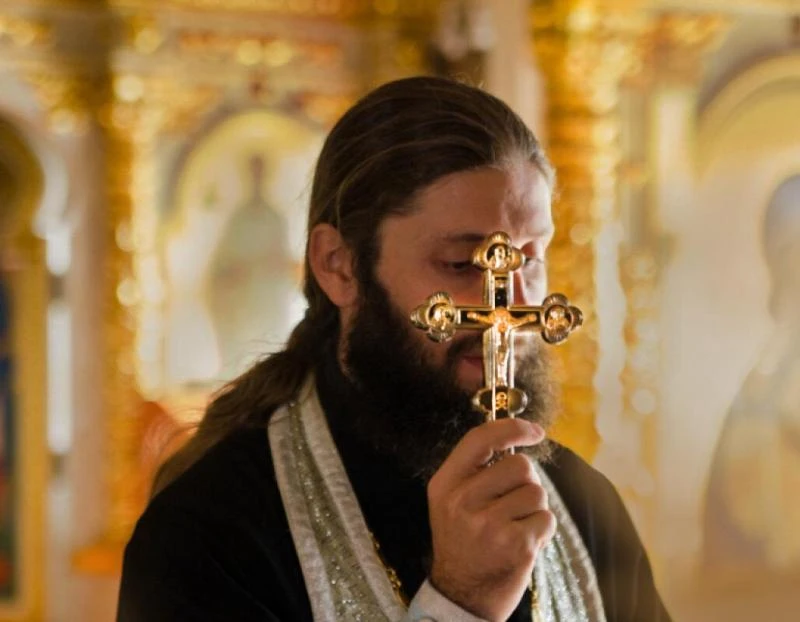
Furthermore, many clergy insist that people be grateful for the years they've lived and rejoice in every day given by God. They believe that succumbing to pagan fears means apostasy from the true faith. Joy, gratitude, and an awareness of divine providence are the feelings that a believer should have. These feelings help one better understand the meaning of life and accept each stage of it with peace of mind.
How to celebrate your 40th birthday if you're superstitious?
If you're still wary of celebrating your 40th birthday because of superstitions, there are ways to circumvent the "ban" and still celebrate. For example, you could host a small family celebration instead of a raucous party. Or, instead of celebrating the birthday itself, you could celebrate, say, as a "farewell to your 39th birthday"—this approach is often used by those who want to avoid bad omens. 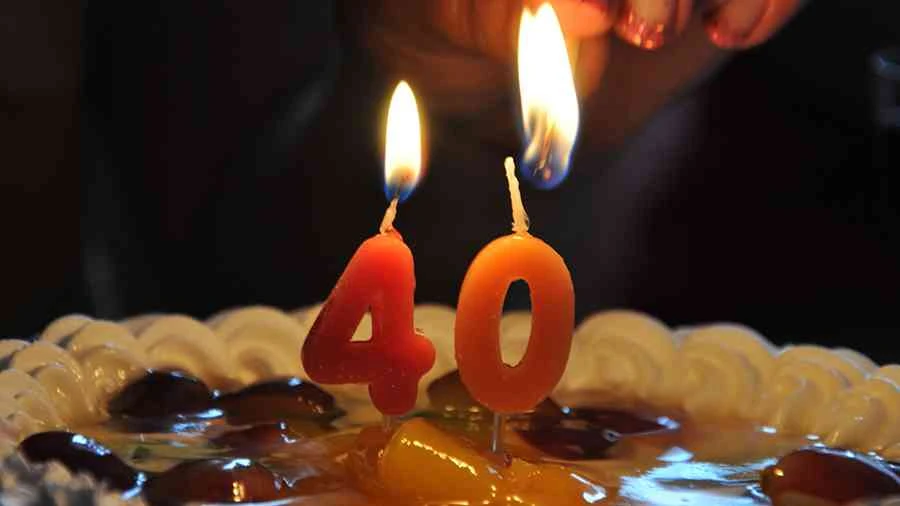
Another option is to focus on the inner meaning of the celebration. Make this day special: go on a trip, do something you love, or host an evening of gratitude for all you've accomplished. The main thing is to listen to your heart and not give in to fears.
Superstitions about turning 40 are part of our culture, but they shouldn't dictate how you live your life. Myths about the taboo of celebrating are rooted in ancient beliefs, but in the modern world, they're losing their power. Turning 40 is a time for joy, new plans, and bold steps forward. Celebrate this day the way you want, and don't let fears overshadow your celebration.
Do you believe in superstitions about turning 40? How are you planning to celebrate this milestone—or maybe you've already celebrated it? Share your thoughts in the comments!