We love animals—and we love learning new and surprising things about them. Habits, personalities, interesting details about their lives, instincts, and much more—there are many more facts about our smaller brothers that you probably never knew. Let's take a look at some of the little-known animal facts! 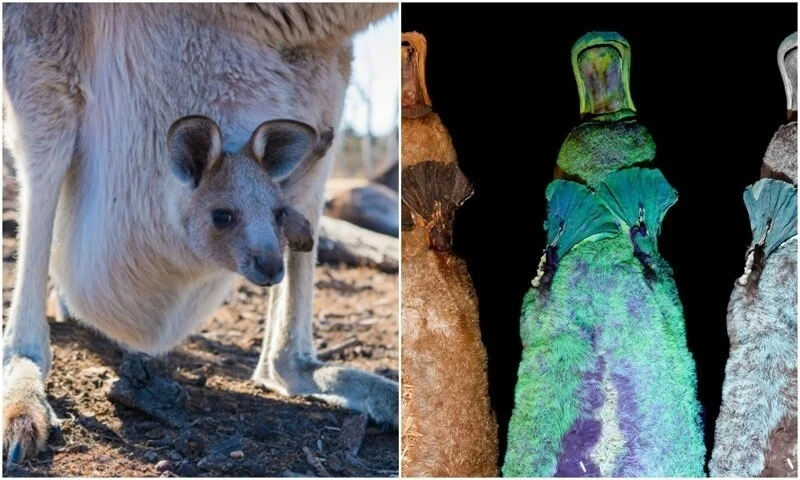
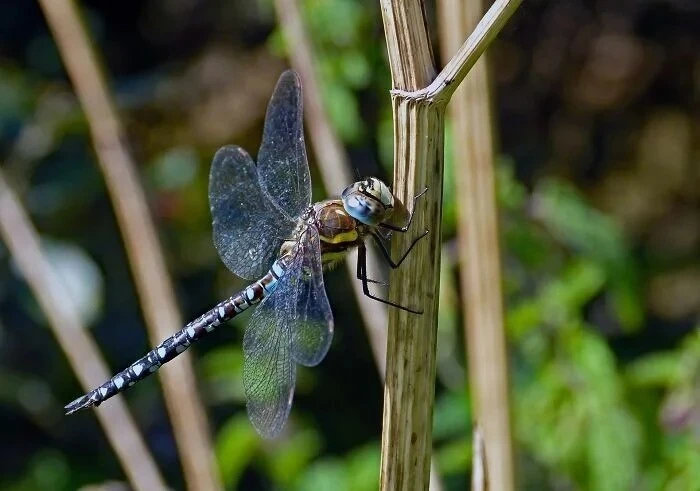
Female dragonflies can feign death to stop unwanted advances Males 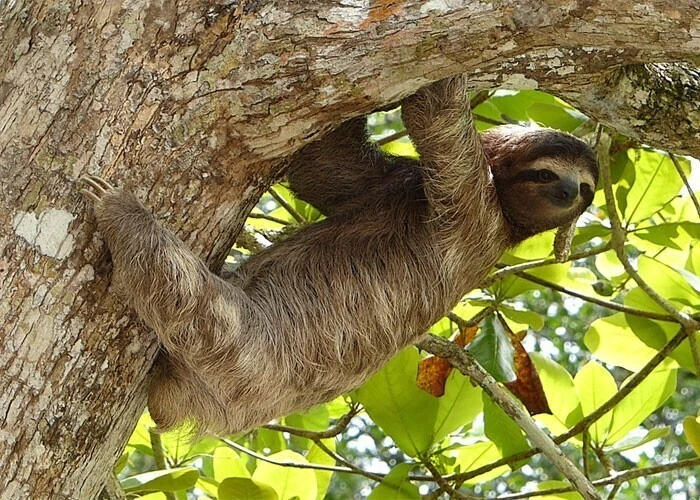
Sloths are too lazy to even look for a mate. During mating season, a female may sit in a tree and scream until a male hears her and comes to mate. 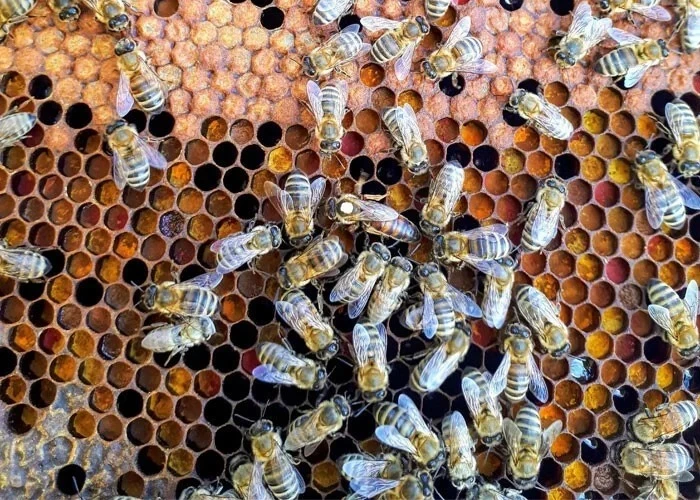
The smell of bananas can provoke aggression in bees. They have a special "alarm pheromone" that they secrete to alert their fellow spiders. This pheromone contains substances very similar to those found in bananas. 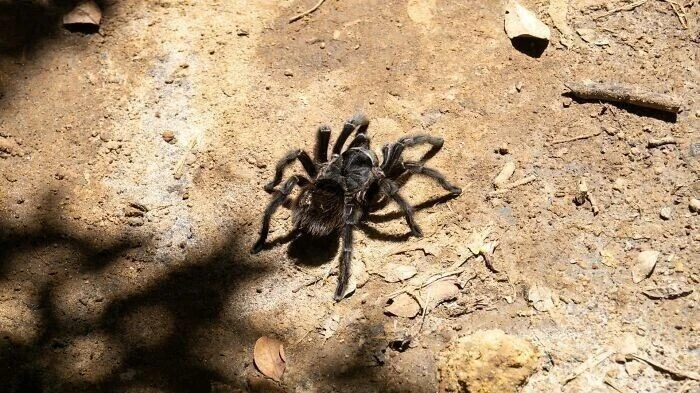
Tarantulas and frogs have a mutually beneficial relationship. Frogs eat insects and parasites that can harm the spider's eggs. The spider, in turn, protects the frog from danger (even after the spiderlings are born). 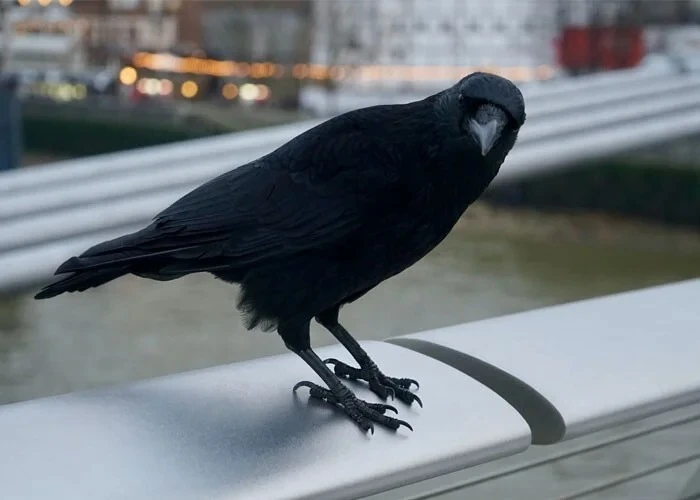
Crows can remember faces and recognize people, even years later. 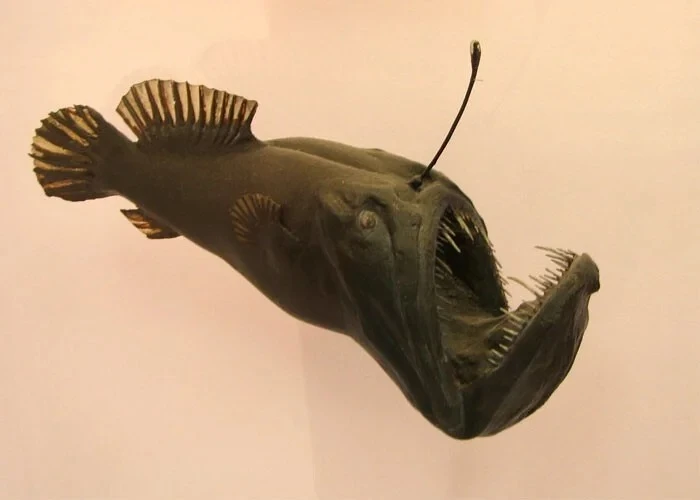
Deep-sea anglerfish with a small "flashlight" on their head are female. Males are much smaller in size and have less developed jaws. 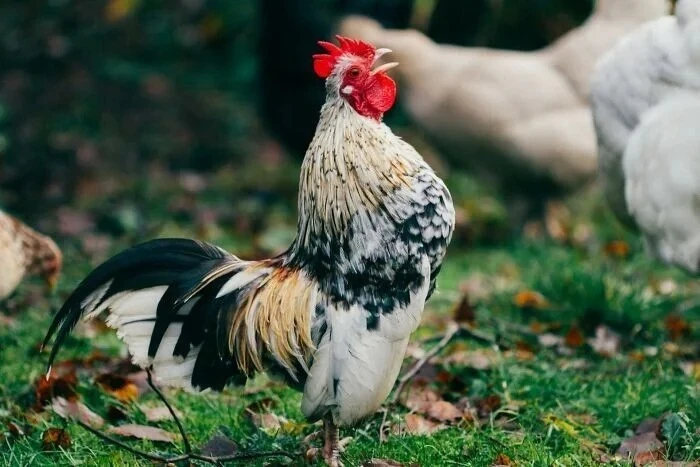
Roosters' hearing does not deteriorate over time, despite their very loud crowing. They are born with "natural earplugs" - when they crow, half of their eardrum is covered with soft tissue, which muffles the sound. 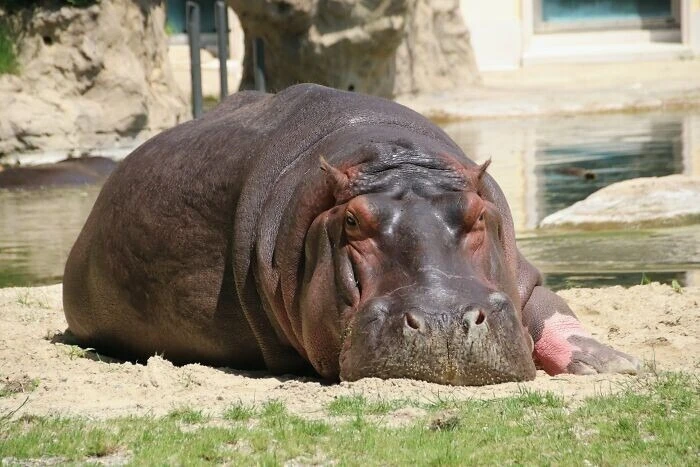
Hippopotamus sweat is red 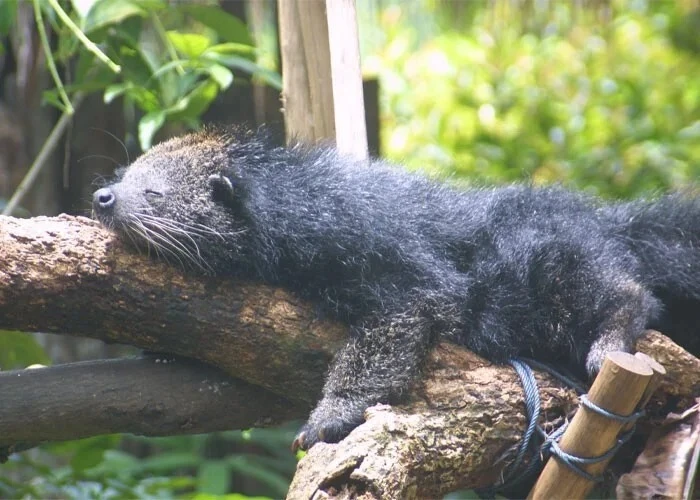
In captivity, a small animal called a binturong (also known as a "cat bear") can hide its resentment towards a person 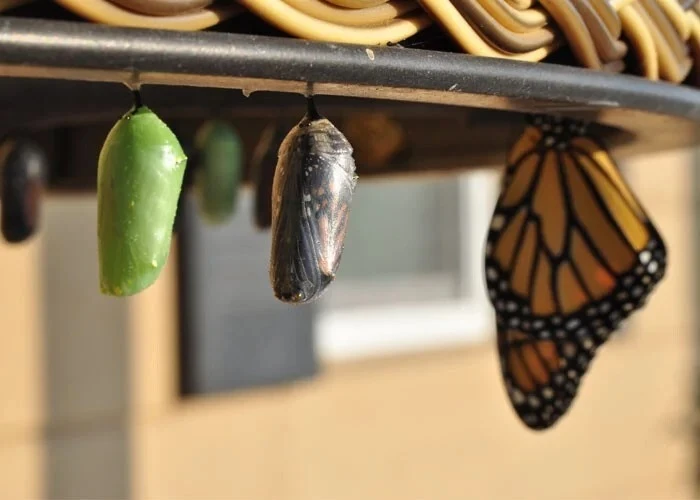
When caterpillars enter the pupal stage, their entire body first disintegrates and turns into a liquid mass. 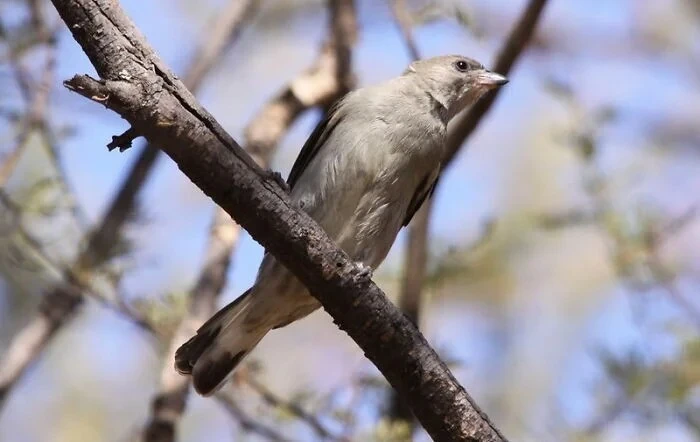
In Africa, some tribes "collaborate" with birds from the honeyguide family. The birds lead them to hives hidden in trees—the tribes take the honey and leave the bee larvae for the birds. 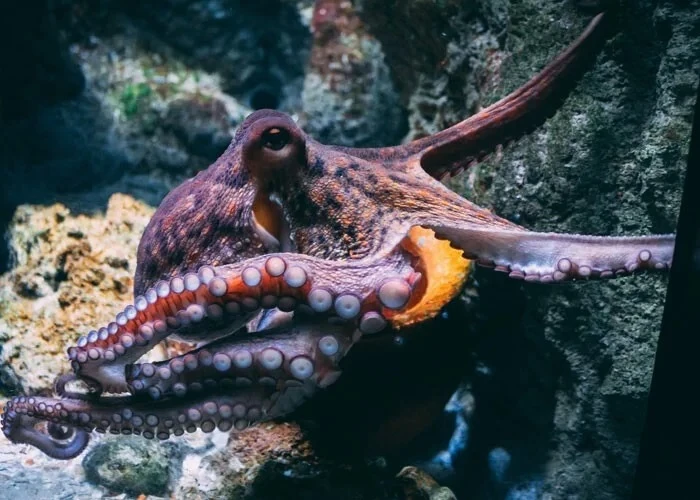
The octopus has eight tentacles, three hearts, and nine brains. 
Woodpeckers' tongues can wrap around the back of their brains. This protects their brains when their beaks hit a tree. 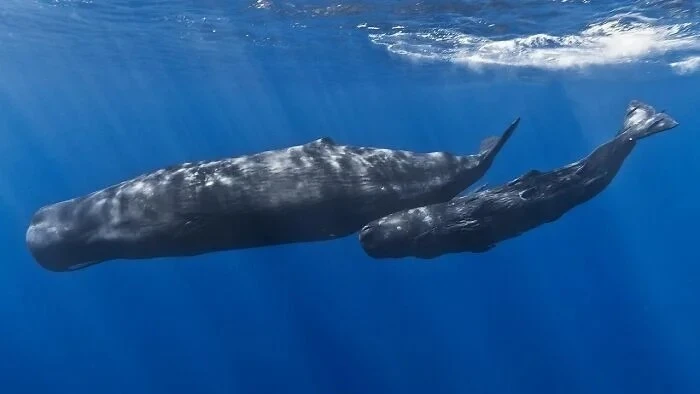
The call of a sperm whale is so loud that the sound waves can kill a person if they swim close. 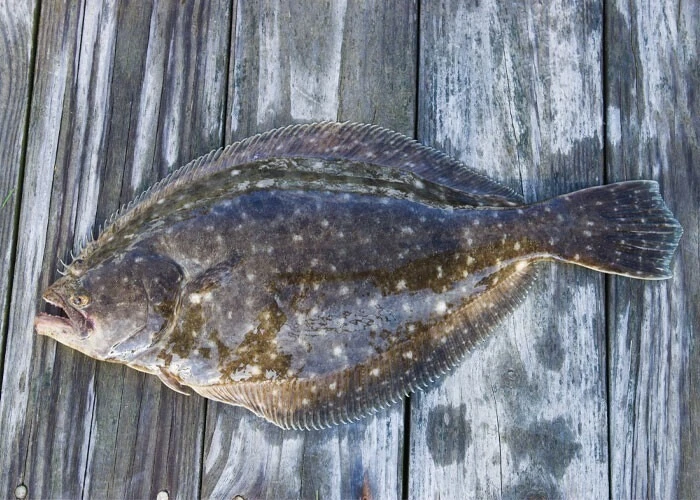
When male halibut grow to a certain size (about 114 cm), they become females 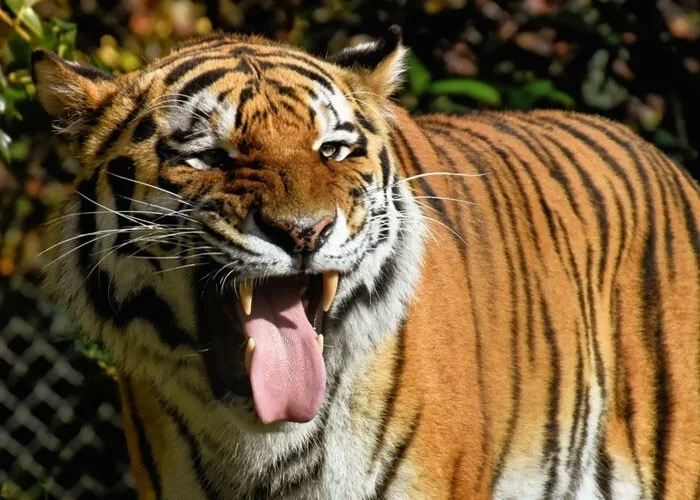
The spikes on a tiger's tongue are sharp enough to peel skin from muscle. 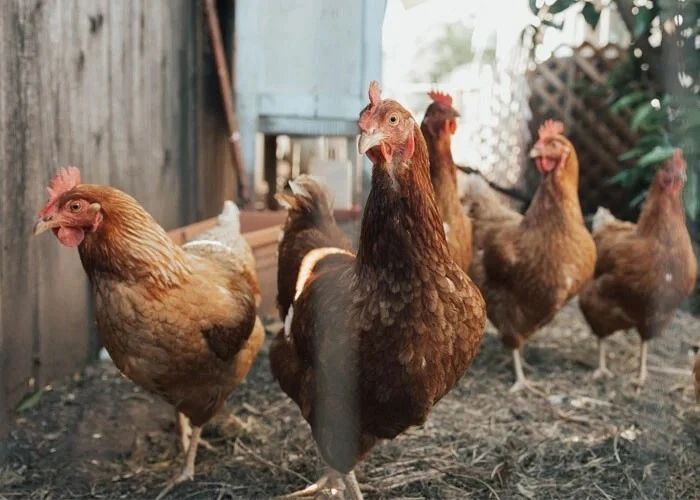
Chickens can say goodbye to dying relatives. They may also deliberately peck at a member of their own species if they sense illness. 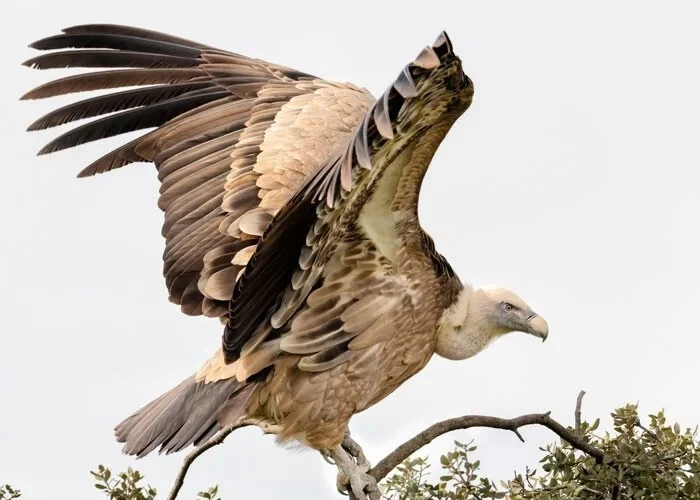
Vultures urinate on their feet to cool off on hot days—a process called urohidrosis. Their urine also helps kill bacteria and parasites. 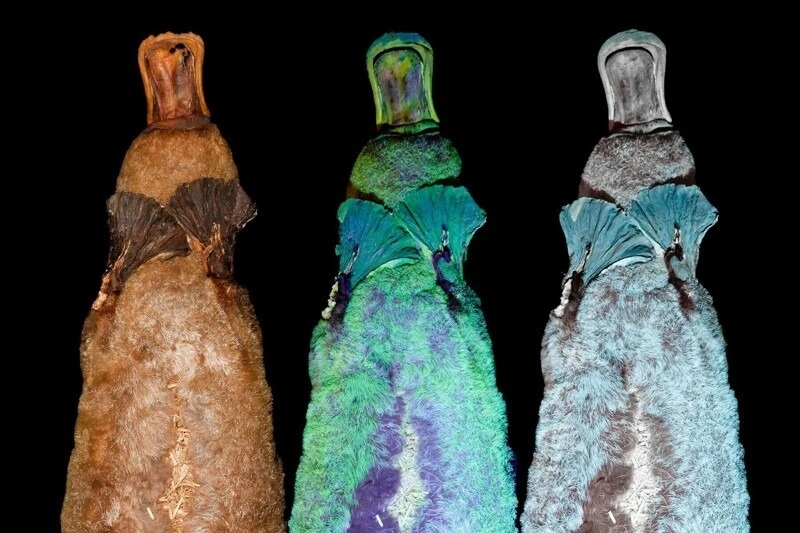
The platypus glows turquoise under ultraviolet light. 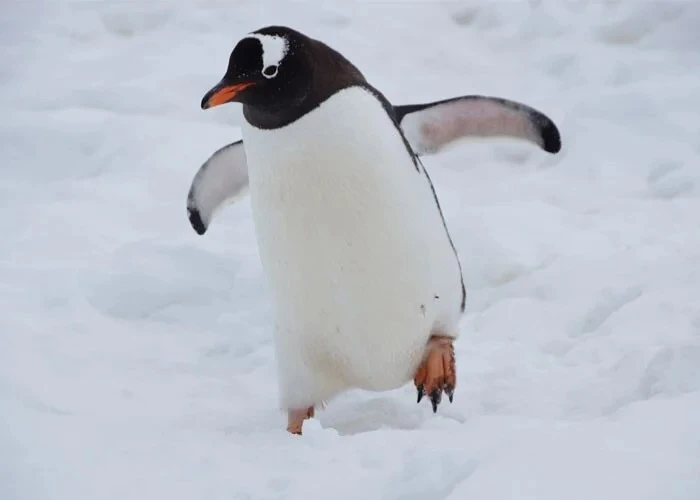
Penguins have a special supraorbital gland that "filters" saltwater, converting it into freshwater. 
The average lifespan of a squirrel is 16 years. years 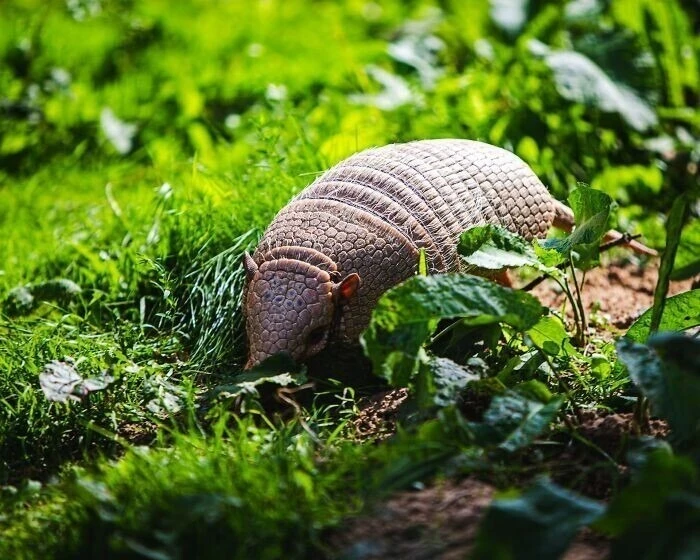
To cross a river, armadillos can crawl along the bottom if it's shallow (they can breathe underwater for about 7 minutes), or they can "inflate" their intestines in a special way to swim with them. 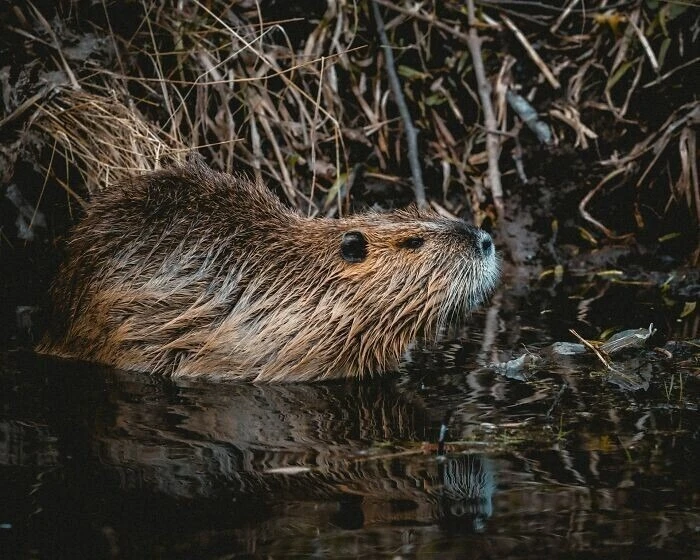
Castoreum is a product of beavers' anal glands, which was once used as a fragrance substitute. Vanilla. It's now used only in perfumes and in a Swedish schnapps called Bäverhojt. 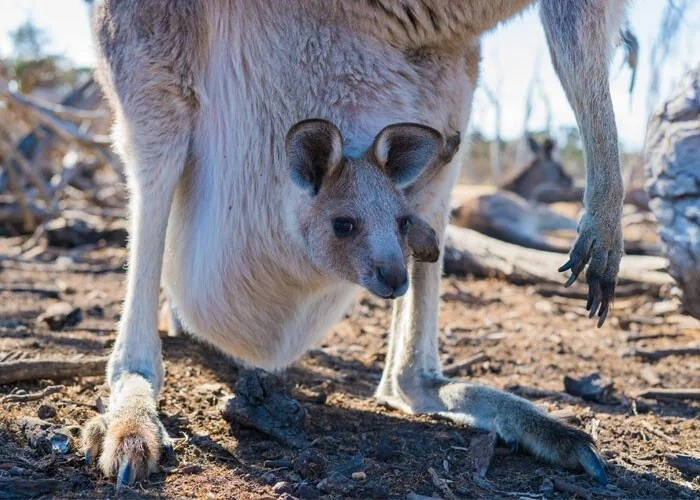
Kangaroos can mate again 1 to 3 days after the birth of their baby. The new embryo will remain in diapause while the baby grows in the pouch. And when the baby grows up and leaves the pouch, the "waiting" embryo begins to develop. 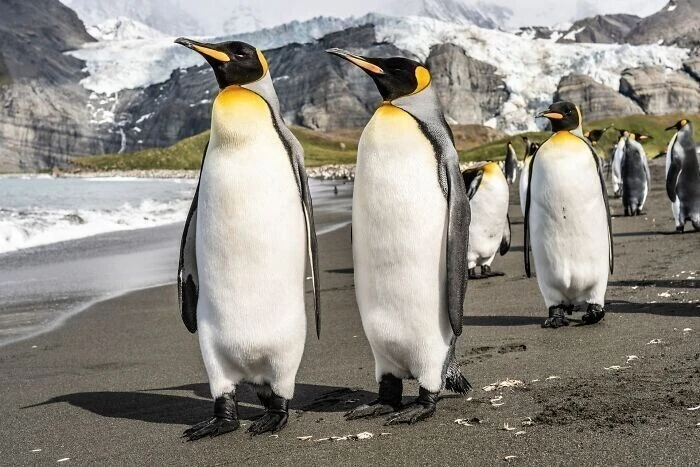
A penguin can suddenly leave the colony and head off alone in another direction—almost like a zombie. Scientists haven't yet found a clear explanation for this behavior. 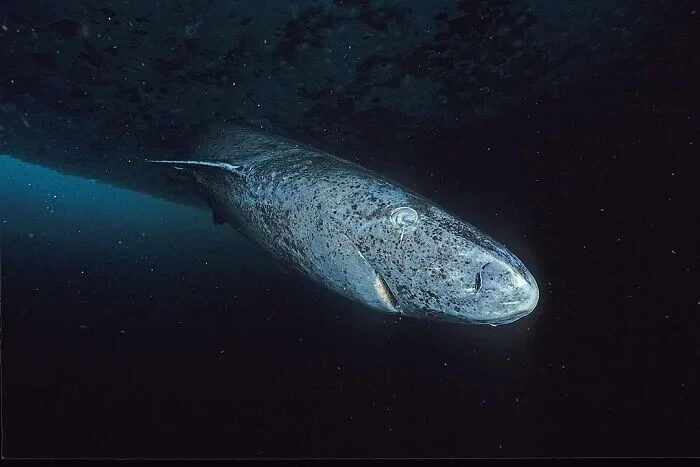
The vast majority of Greenland sharks are blind due to a parasite that eats their eyes. 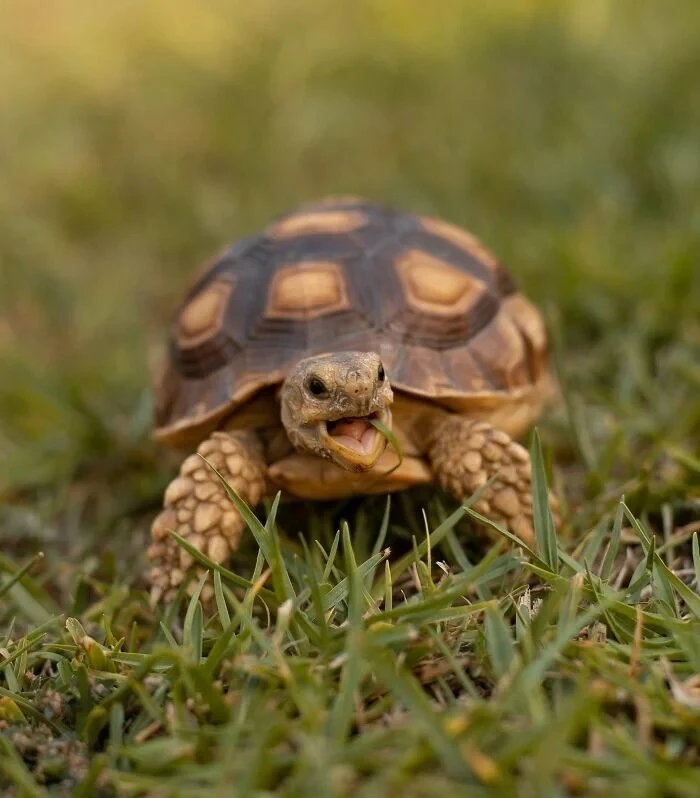
Turtles can breathe through their backs. Passage 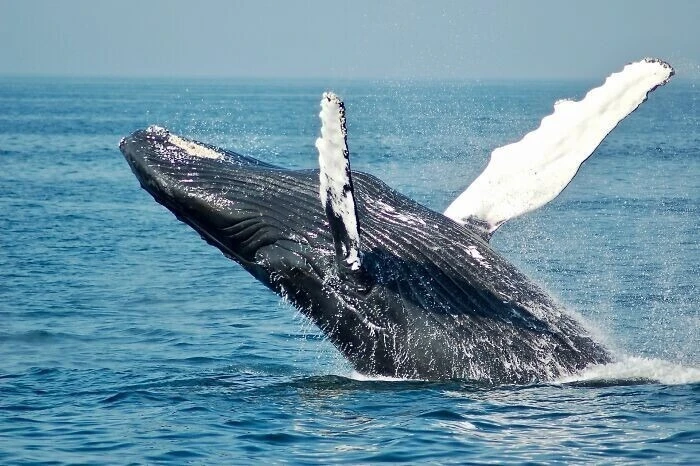
Whale milk has the consistency of toothpaste. Therefore, whale calves can gain weight at a rate of 4.5 kg per hour. 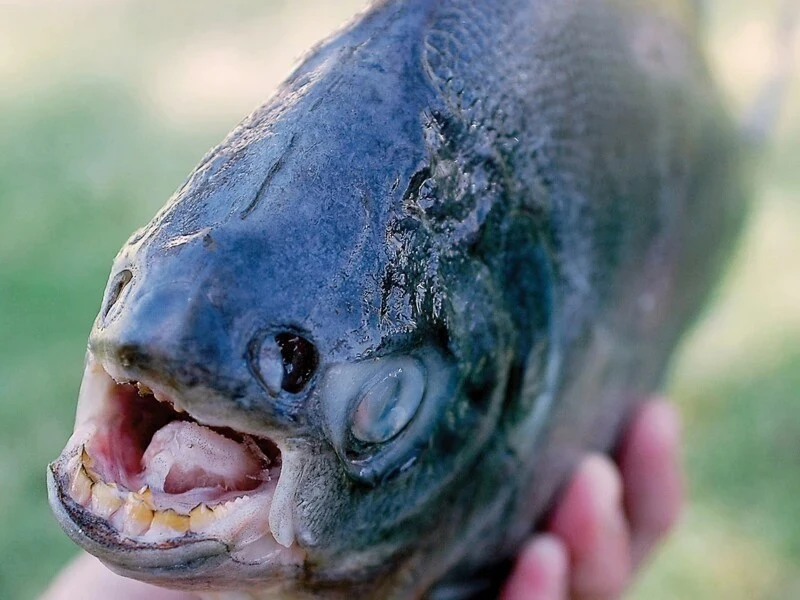
Pacu fish teeth look like human teeth. They have evolved to allow the fish to crack nuts.
Add your comment
You might be interested in:













Protective film Removing it with a power screwdriver

How to start a 102-liter engine

When a child plays hide-and-seek at a professional level

Man sets up bedroom camera and discovers the reason for his

Super dads who swoop in to save the day

Precision carpentry

Looks like it's time to buy WinRAR

How to hang wallpaper neatly

Athlete in Bavarian dress flies over a lake on a hydrofoil
