5 Prominent Personalities Who Fell Victims of the Inquisition (10 photos)
On May 15, 1252, Pope Innocent IV issued the bull "ad extirpanda," which authorized the torture of those suspected of heresy. Thus began a bloody chapter in the Inquisition. During its six centuries of existence, millions of people found themselves undesirable and were executed or ended their lives in exile. Among them were many epochal figures whose names will never fade from the pages of history. 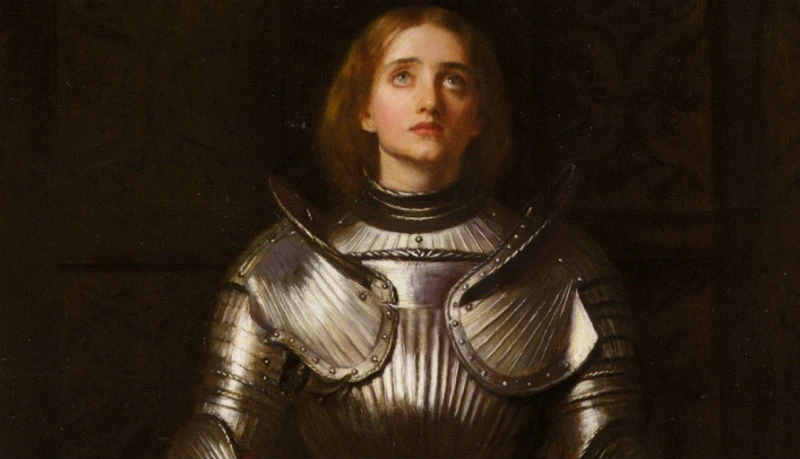
Joan of Arc (1412-1431)
The legendary Joan of Arc was a commoner who, at the age of 13, began to see visions of saints. The Hundred Years' War was raging, and the voices allegedly urged Joan to go to the heir to the throne, Charles VII, to persuade him to attack the English and drive them from French lands.
There was a prophecy that God would send a savior to France in the form of a young virgin. So, when Joan gained an audience with the king and, during interrogation, convinced him that she was guided by higher powers, she was entrusted with command of the troops. In white armor, riding a white steed, Joan truly resembled an angel, a messenger from God. The Maid of Orleans, demonstrating astonishing abilities for a young peasant, won one victory after another, and more and more people, inspired by the image of the warrior saint, joined her army. 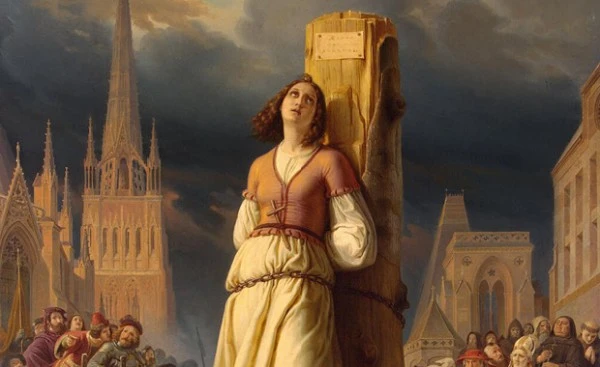
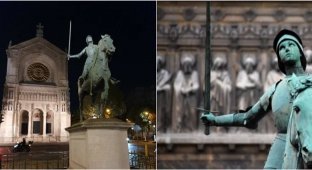
In 1430, Joan was captured. The English, trying to justify their defeats, accused her of consorting with the devil and handed her over to the Inquisition. The girl was forced to renounce her "errors," branded a heretic, and burned at the stake on May 30, 1431, tied to a stake in a square in Rouen. Twenty-five years later, at the request of Charles VII, who had not lifted a finger to save Joan, the trial was retried and the unfortunate woman was found innocent.
Giordano Bruno (1548-1600) 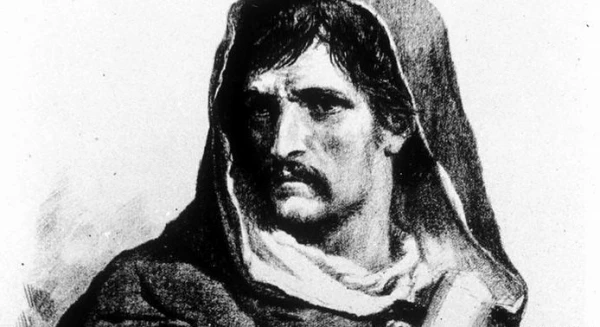
The Neapolitan philosopher Giordano Bruno actively popularized the ideas of Nicolaus Copernicus. Copernicus, who developed the concept of a heliocentric system of the universe in his works, was persecuted by the church but was not convicted. The fate of his follower was even more tragic.
Developing Copernicus's theory, Bruno advanced the idea of the unity of the universe and the plurality of inhabited worlds. However, the Inquisition persecuted him not so much for his scientific views as for his criticism of accepted notions of the afterlife. Moreover, he called religion a force that breeds wars, strife, and social vices. The churchmen could not forgive this. 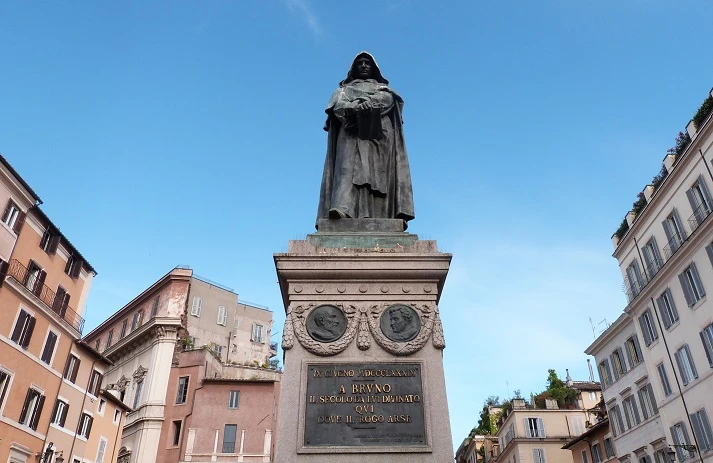
In 1592, the Italian was captured and imprisoned for eight years. They tried to force him to back down through torture, but Bruno remained true to himself. The court sentenced him to death. As he ascended the scaffold, the scientist said, "To burn is not to refute! Future centuries will appreciate and understand me!" Two and a half centuries later, a monument to Giordano Bruno was erected in Campo de' Fiori, where the execution took place.
Galileo Galilei (1564-1642) 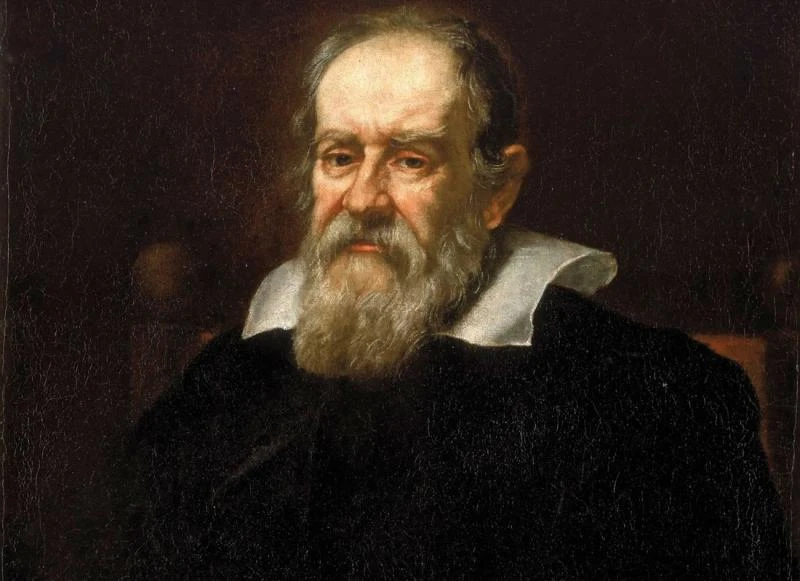
The heliocentric system, as we know, was true, so over time many scientists came to accept it. Including the eminent Italian physicist, astronomer, and mathematician Galileo Galilei. In 1633, he was put on trial for advocating heretical ideas.
The trial lasted only two months. Galileo was treated relatively gently due to his patronage by Pope Paul V himself. Historians believe that the scientist actively cooperated with the investigation and quickly recanted his ideas. Therefore, the legend that after the trial, Galileo cried out the sacramental "And yet it moves!" is questionable. 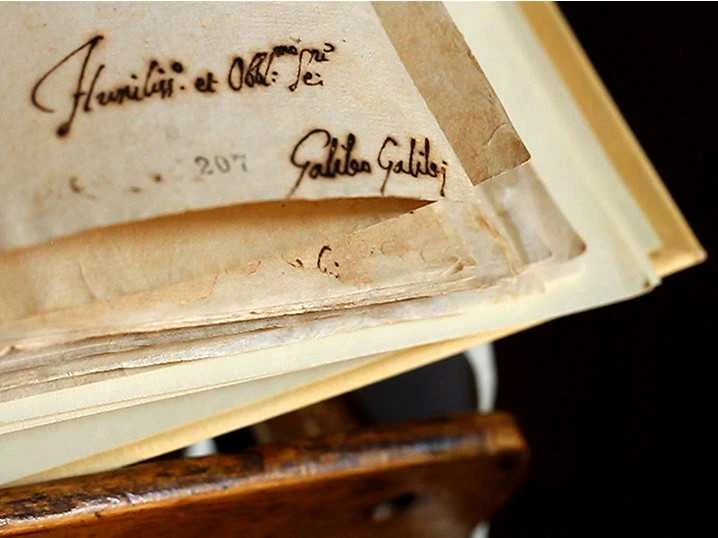
Page from the transcript of Galileo Galilei's interrogation with his signature.
Nevertheless, the physicist was still sentenced to life imprisonment. However, the sentence was soon commuted to house arrest, and Galileo spent the rest of his life under the watchful eye of the Inquisition.
Dante Alighieri (1265-1321) 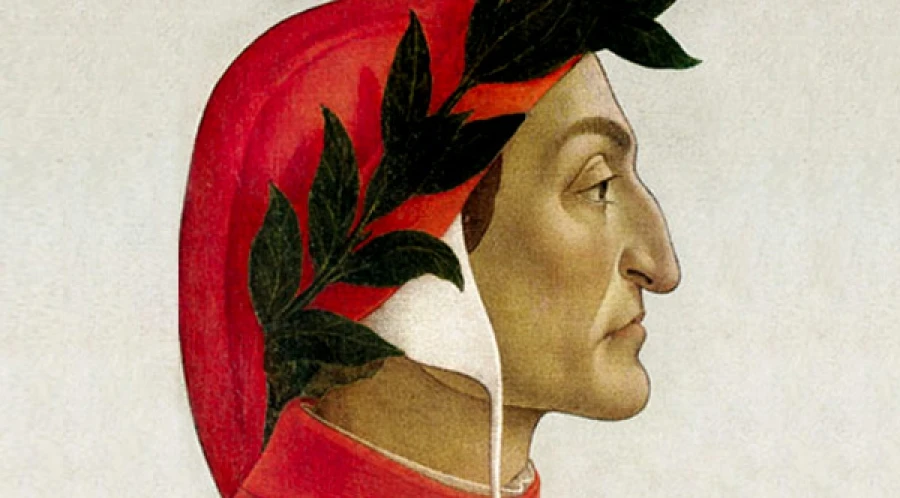
Unlike Galileo, the poet Dante was a fervent fighter for his beliefs. He regularly attended church and revered the clergy, but, as a true humanist, he could not agree with the harsh sentences God meted out to sinners. Among them, in his opinion, were many worthy people.
In his great poem, The Divine Comedy, written in the first person, Dante pities gluttons, pagans, and soothsayers, and at times his compassion is so great that he cannot hold back his tears. Naturally, such a condemnation of divine will could not help but irritate the Inquisition. Moreover, the description of a journey through purgatory was pure heresy, as the dogma of purgatory was introduced by the Church much later. 
Dante was also unpopular because he openly criticized papal policies and was an active participant in the political struggle in Florence. The Inquisitors persecuted the poet, and in 1302 he was forced to leave his hometown forever.
Jan Hus (1369-1415) 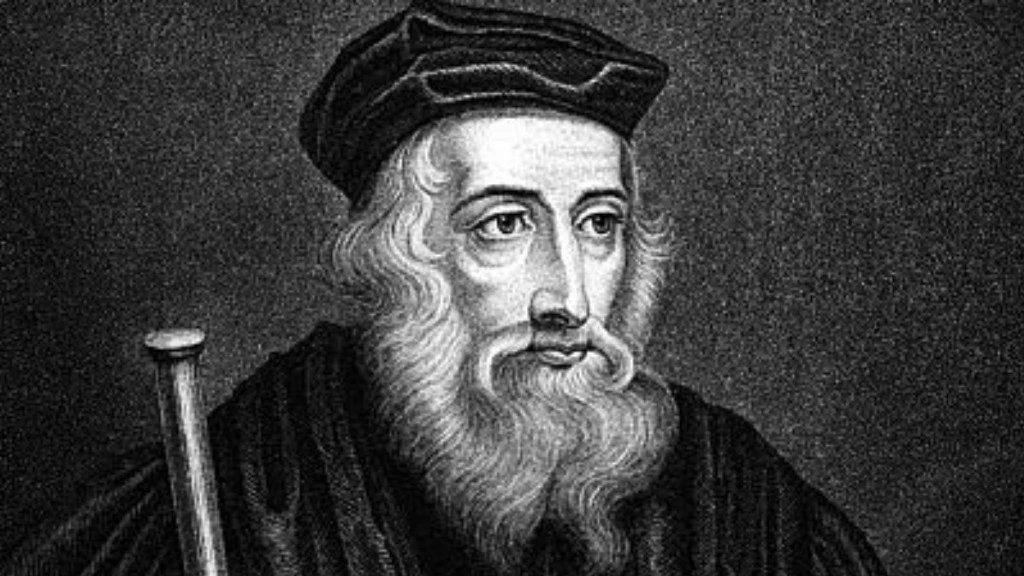
In the 15th century, an era known as the Reformation began in Europe—the struggle against the Catholic Church and papal authority. One of the first notable figures of this movement was the Czech theologian Jan Hus. He traveled from city to city, delivering lectures denouncing feudal lords and the clergy.
Gradually, Hus's influence on the public mind became so great that the Pope issued a special bull excommunicating the Czech priest. His sermons were banned, but Hus continued his educational work. 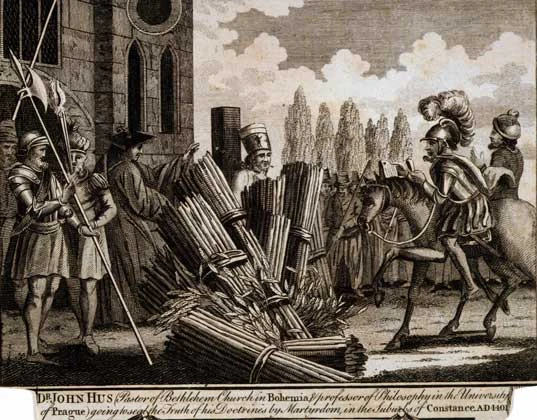
In 1414, he was summoned to a church council in Constance, Germany, with a guarantee of complete safety. But as soon as the thinker arrived in the city, he was arrested and imprisoned by the Holy Inquisition, where he spent seven months. Even under torture, Hus refused to repent, for which he was sentenced to be burned at the stake. A pyre was built in a nearby square. As the flames began to burn, an old woman added a bundle of brushwood. "Holy simplicity," Hus said bitterly.