What is doomscrolling, and why is the epidemic affecting so many people? (8 photos)
The term "doomscrolling" is a relatively new term. Despite its convoluted name, this phenomenon is familiar to most of us. Simply put, doomscrolling is the habit of scrolling through news feeds in search of negativity and lingering on it. What's behind this self-destructive behavior, and how can we combat it? 
Doomscrolling is when you become consumed with frightening news online and stay up until 3 a.m. It's exhausting, but also addictive and difficult to break. This phenomenon first surfaced in 2020, at the height of the coronavirus pandemic. It's now clear that it's not going away; on the contrary, it's only gaining momentum. 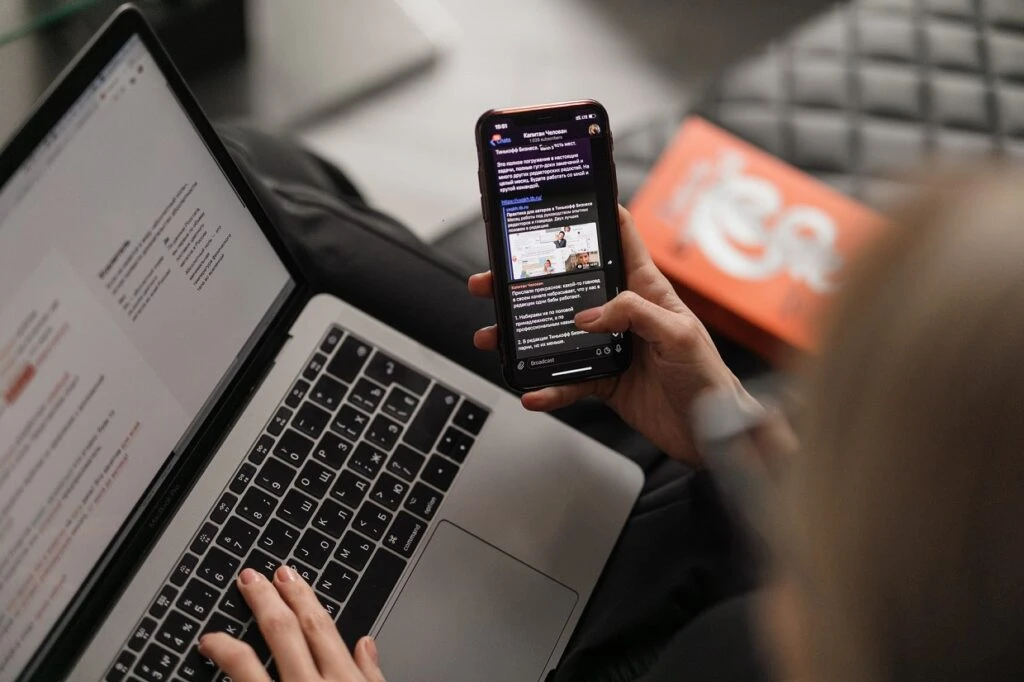
At first, there was no clear definition of this behavior, but it has now been officially recognized. Doomscrolling is defined as the uncontrolled reading of negative news, for which social media users sacrifice sleep and rest, worsening their mental state. It's a compulsive and even masochistic practice.
It's well known that doomscrolling has existed for a long time. People have always shown a particular fascination with bad news. In the 1970s, the term "doomscrolling quotient" emerged. It referred to people's belief that they lived in a more dangerous and evil world than they actually were. This belief in a cruel world was reinforced by bad news broadcasts on television and radio.
How Doomscrolling Came About
The word "doomscrolling" itself is made up of two components: "doom" (a gloomy ending, hopelessness) and "scrolling" (scrolling through content). The term was first used on Twitter in 2018, but it didn't gain popularity. However, in the spring of 2020, when the coronavirus was raging worldwide, it was brought back into the spotlight. Due to quarantine restrictions, people began spending more time online and reading news and updates. 
According to statistics, Twitter user numbers have increased by 24 percent, and Facebook by 27 percent. In the US, children are spending 50 percent more time on smartphones than before. New York Times journalist Kevin Rose was one of the first to discuss this phenomenon. In his opinion, it is:
"...falling into endless, terrifying wormholes of coronavirus content that makes you stress yourself out to the point of physical exhaustion and abandon any hope of a good night's sleep."
However, Rose described this behavior with a different word, which had the same meaning: doomsurfing. After this, doomscrolling became a buzzword, and the word soon found its way into official American dictionaries. While at first it was used only in relation to news about COVID-19, over time, the definition came to encompass all negative news. 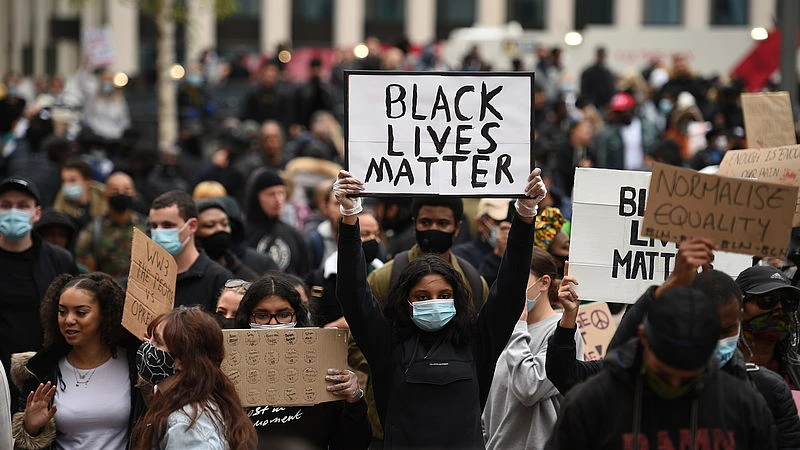
In 2021, the flow of frightening news increased due to the Black Lives Matter movement and the storming of the Capitol. A new, even more powerful wave of doomscrolling began online. Then came new hardships and tragedies, and the number of users tormenting themselves with bad news continued to grow.
Why is doomscrolling so hard to stop?
Psychologists have a simple explanation for the widespread prevalence of doomscrolling. Experts believe it stems from the human tendency to be wary of danger. This quality allowed people to survive in the harsh conditions of the prehistoric world. Psychiatrist Patricia Klahn, PhD, describes it this way:
"We want to know about threats so we can prepare for problems. Doomscrolling has increased during the pandemic because people are seeking information in hopes of maintaining control." 
People tend to believe that knowing as much as possible about a danger means they have control over it. In fact, this isn't entirely true. Doomscrolling is an addiction that promises safety and security, but it actually works in the opposite direction. We gain no benefits from a flood of negative information, but its harm is undeniable. Doomscrolling leads to fear, stress, and depression. It can disrupt sleep and disrupt metabolism.
Clinical psychologist Amelia Aldao calls doomscrolling a vicious cycle that's difficult to break:
"The more time we spend scrolling through social media, the more threats we find. The more we read about them, the more anxious we become. Now, when we look around us, everything seems gloomy, everything makes us anxious. So we return to social media to find more information."
It could be said that the tendency to seek out negativity is hardwired into us. It's one of our most important self-preservation mechanisms. But never in our history has humanity had access to such a volume of information as in the internet age.
Feeding on Fear
But that's not all. It turns out that social media creators have mastered the art of doomscrolling. They exploit the passion of millions for finding bad news for profit. The algorithms of most social media feed us negativity, drawing us into a vicious cycle and forcing us to plunge deeper and deeper into a world of fear and madness. 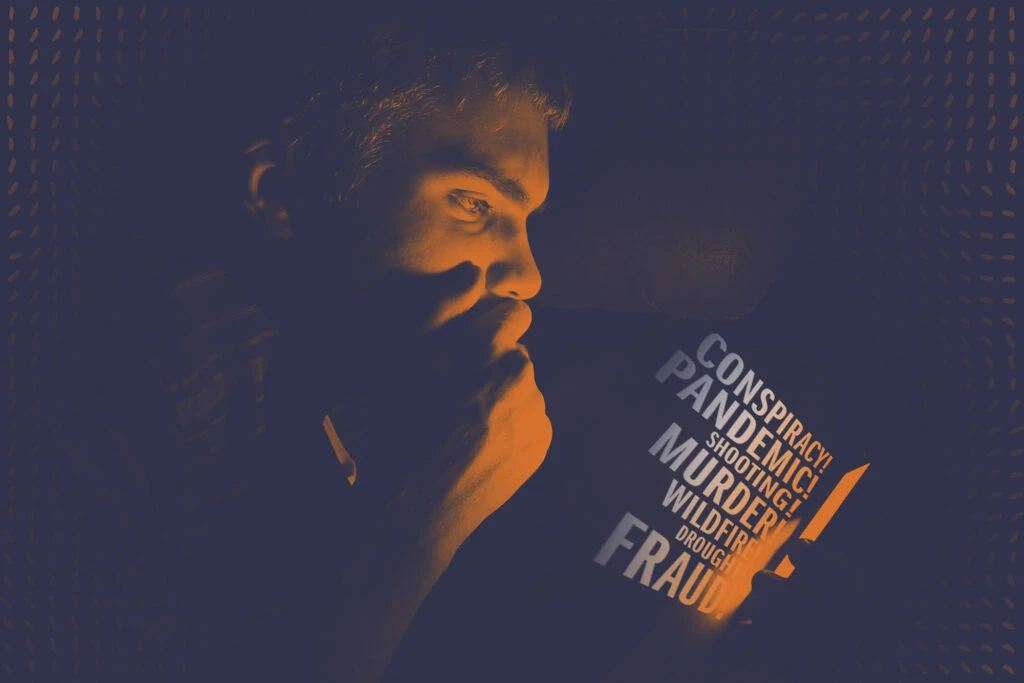
Ned Presnall, director of the addiction treatment center Plan Your Recovery, believes that algorithms deliberately push content that evokes rage and fear. This affects the centers of the brain responsible for survival.
"That's why we continue to click through recommendations instead of searching for the information we need. In doing so, we're helping algorithms that think we're interested in this particular piece of news, and we're inadvertently attracting more similar content."
The problem is accelerating—the more we engage in negativity, the more recommendation systems obligingly push it our way. And so we sit around reading the news and watching horrific videos for days, generating income for social media and creating problems for ourselves.
Psychiatry doctor Lila R. Magavi has researched this issue and stated that doomscrolling can lead to chronically elevated levels of the stress hormones cortisol and adrenaline. As a result, we experience sleep disturbances, anxiety, panic attacks, and attention deficit disorder.
How to overcome doomscrolling
Psychologists believe that the first step to overcoming doomscrolling can be setting time limits on internet use. The situation will improve significantly if you force yourself to log off after 15 minutes of surfing. It also helps to disable push notifications and notifications for certain apps, and to delete "favorite" bookmarks that contain negative content. 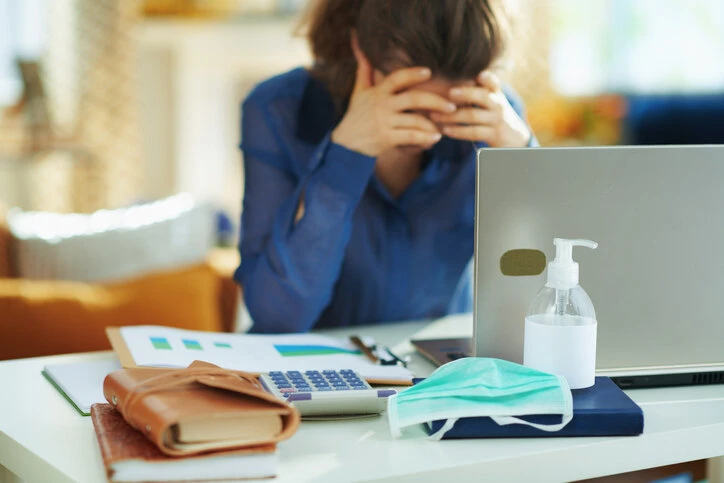
Before going to bed, it's best to turn off your smartphone or at least place it away from your bed. Some say changing the color scheme on your smartphone to black and white helps—this reduces the appeal of interfaces and graphic content. There are other ways to overcome this addiction, too.
Social media users who have realized the harm of doomscrolling are helping each other break the habit. They're leaving reminders in their messages to disconnect and live in the real world for a while, where there's so much good to be had. Messages from well-wishers look something like this:
"Hey, are you still doomscrolling? The rest of this week is going to be pretty stressful, and work requires extra energy to get through it." It seems like you're obligated to stay up late, but how about channeling that energy into self-care and sleep? 
You'll agree, sometimes you really need someone nearby who could firmly take away your smartphone and send you to bed. Have you ever experienced doomscrolling, or are you one of the lucky few who has avoided this fate?