Why the Catholic Church harbored an aversion to cats (8 photos)
In the Middle Ages, cats suffered greatly at the hands of Catholics. They were burned and tortured, thrown into prison bars and bonfires, and declared enemies of humanity and minions of the devil. Read our article to learn how cat killings caused the Black Death and how cats are treated in the modern church. 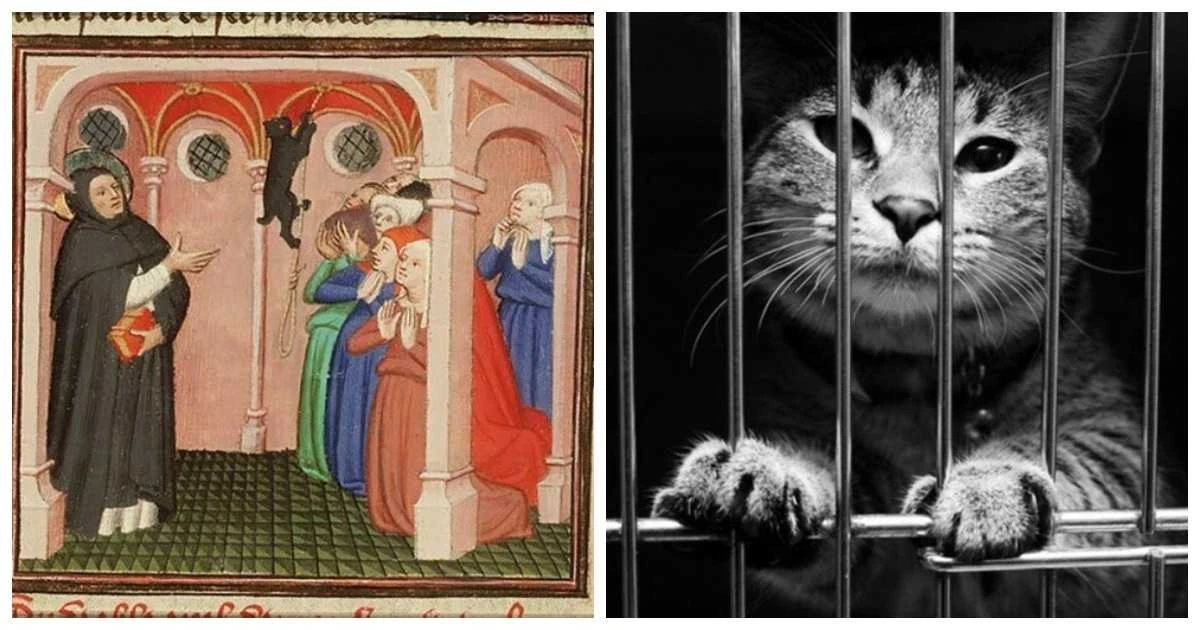
The ancient Egyptians deified cats. Monuments were dedicated to sacred animals, and their images adorned temples. But the comfortable life of these sacred animals changed dramatically with the advent of Catholicism. Cats were declared accomplices of the devil, and the Papal Inquisition mercilessly persecuted pets. 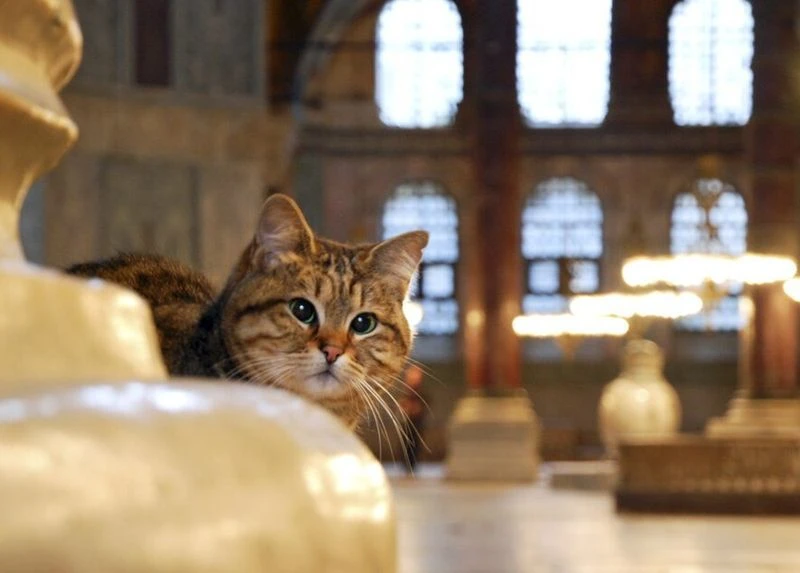
Pope Gregory IX disapproved of torture. Therefore, heretics were imprisoned, where the appalling conditions dramatically shortened their life expectancy. The Pope motivated the Teutonic Order to wage crusades, seeking to expand its flock from Scandinavia to the Principality of Pskov. Oddly enough, cats were the first to suffer under the Papal Inquisition.
The Catholic Church's Medieval War on Cats
It would seem that the Catholic Church has little in common with harmless animals. In the Middle Ages, cats were considered attributes of heretical beliefs. Black cats fell into particular disfavor. The Inquisition considered them the embodiment of demonic forces. Unfortunately, the German inquisitor and crusading preacher Conrad of Marburg was no "cat person." The church inspector had an extreme dislike for the harmless animals. 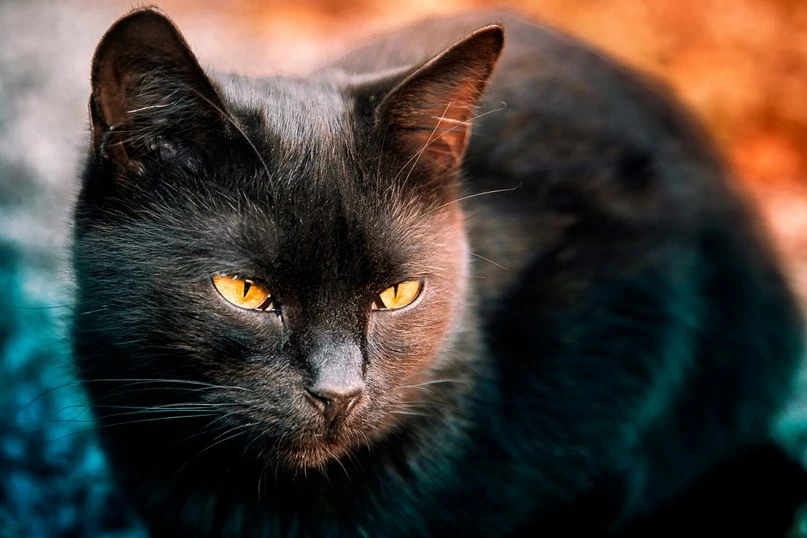
Zealously fulfilling the will of Pope Gregory IX, the preacher obtained evidence of cats' involvement with the devil's spawn. Allegedly, they communicated directly with Satan. Of course, these absurd confessions were extracted under the most brutal torture. At that time, physical force was not considered "coercion to testify." Any testimony was legally binding. 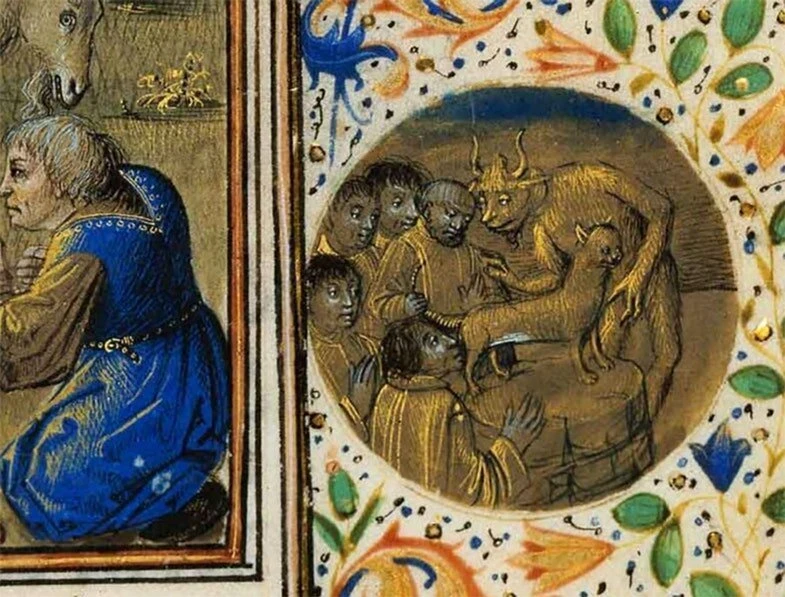
Conrad of Marburg received a reliable description of a "satanic initiation of people." The inquisitor's victims confessed that a huge toad, which transformed into a pale-faced man, was present at black masses. To achieve initiation, heretics kissed the strange man.
The devil's kiss was believed to completely erase church commandments from memory. At the end of the initiation, a black cat appeared, which was Satan himself. The black mass ended in a general orgy.
Rats won the crusade against cats
These horrific accounts marked the beginning of the persecution of cats, and by extension, their pet owners. The extermination of cats led to an influx of rats, which carry dangerous diseases. In the mid-1300s, the Black Death swept across Europe, killing over 60 million people. This terrible pandemic did not stop the cat hunt. Preachers declared that Satan had brought the plague and called for more vigorous cat extermination.  The cats' misfortunes did not end there. In the 1400s, they were declared accomplices of evil witches. Pope Innocent VIII ordered the extermination of witches along with their cats.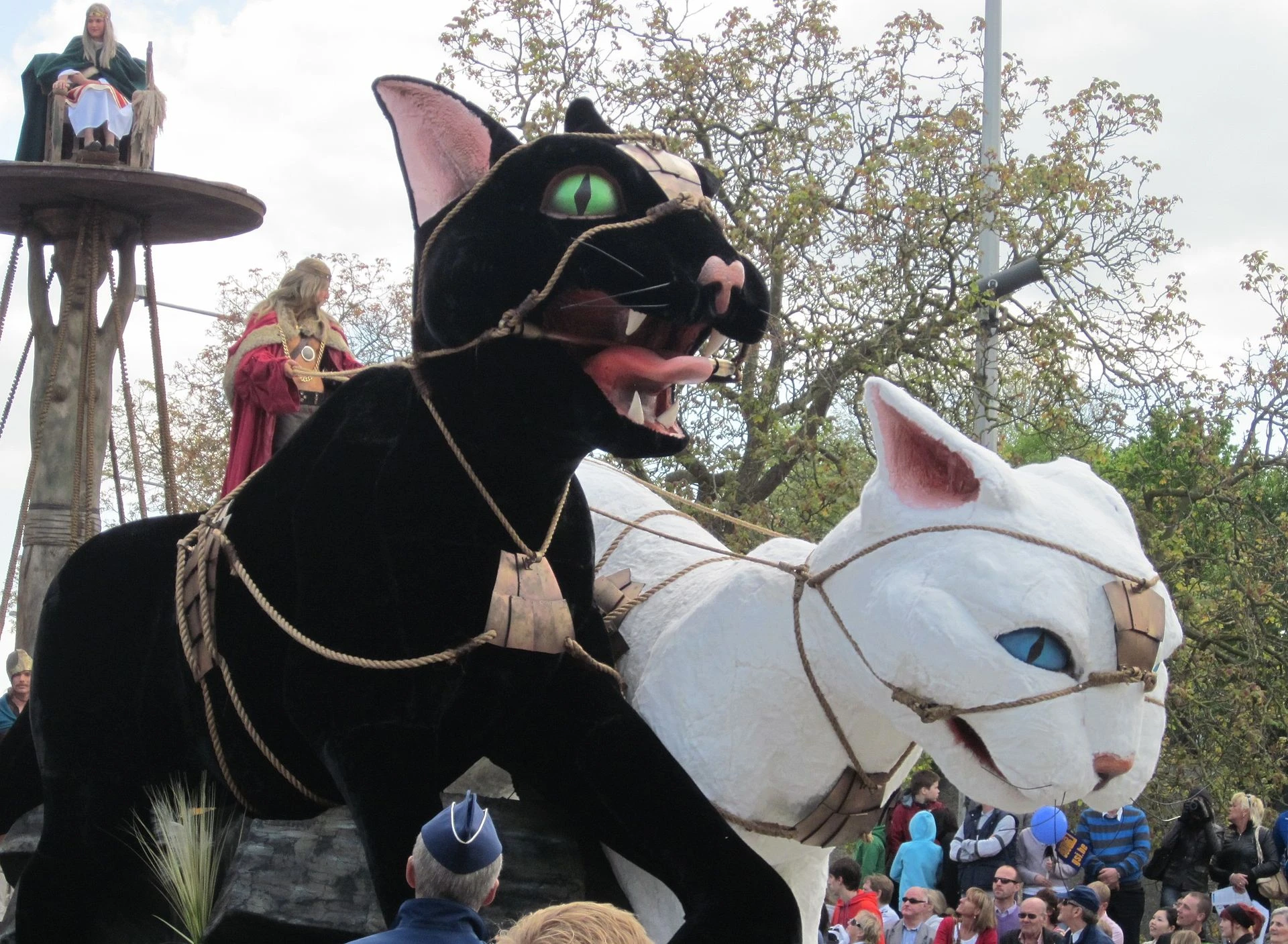

In the Middle Ages, the unusual holiday of Kattenstoet emerged in Europe, and it is still celebrated in modern-day Belgium. The culmination of the celebration was the burning of a witch. Before this, her cat was killed by throwing it from a bell tower. Today, Belgians burn a straw effigy and throw a toy cat from a bell tower.
Present Day: Cats in the Vatican
Over time, the Catholic Church left cats alone. Modern preachers don't advocate burning these cute purrs. On the contrary, the Vatican is home to many cats. They used to be pampered with fashionable clothes. However, the prudent Pope Francis considered this a waste of money.  Incidentally, the Catholic Church venerates St. Anthony the Great, a hermit and patron saint of domesticated animals. There is a church in Madrid named after Anthony the Great. His feast day is January 17th. Every year on this day, after solemn mass, the rector blesses the cats, dogs, and other animals that parishioners bring in abundance.