The Tragic Story of the Last Inhabitants of St. Kilda (16 photos)
Imagine a place where the wind is so strong that trees simply can't grow. Where granite cliffs reach for the sky, and the icy Atlantic rages below. 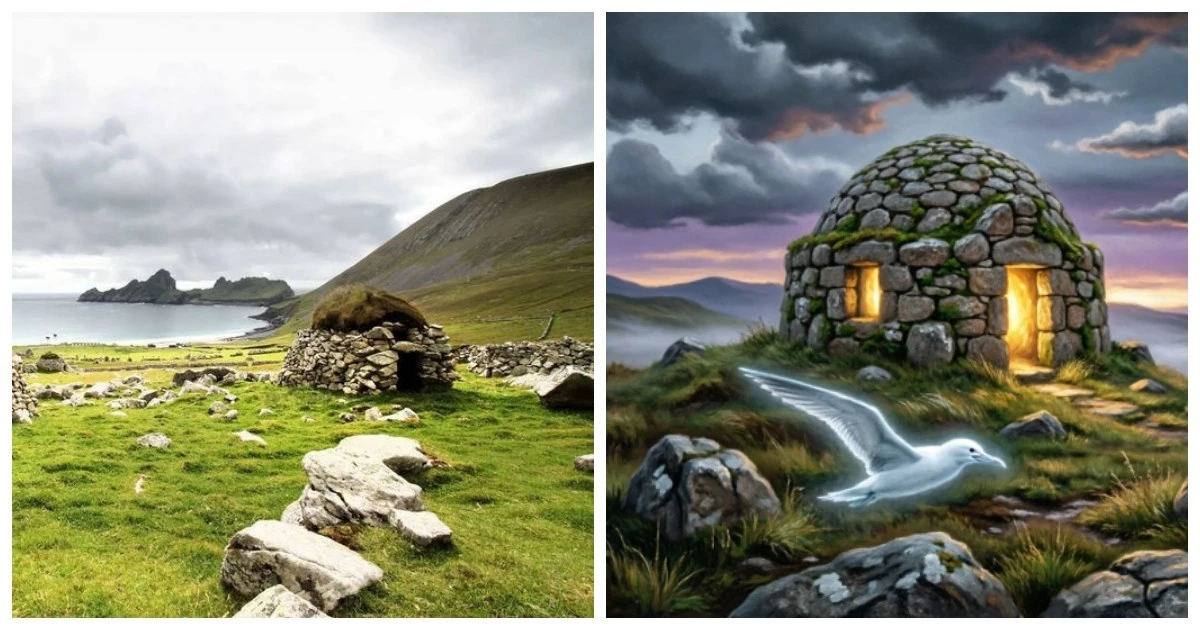
This is St. Kilda, an archipelago lost 64 kilometers from the Outer Hebrides. The most remote point in the British Isles. 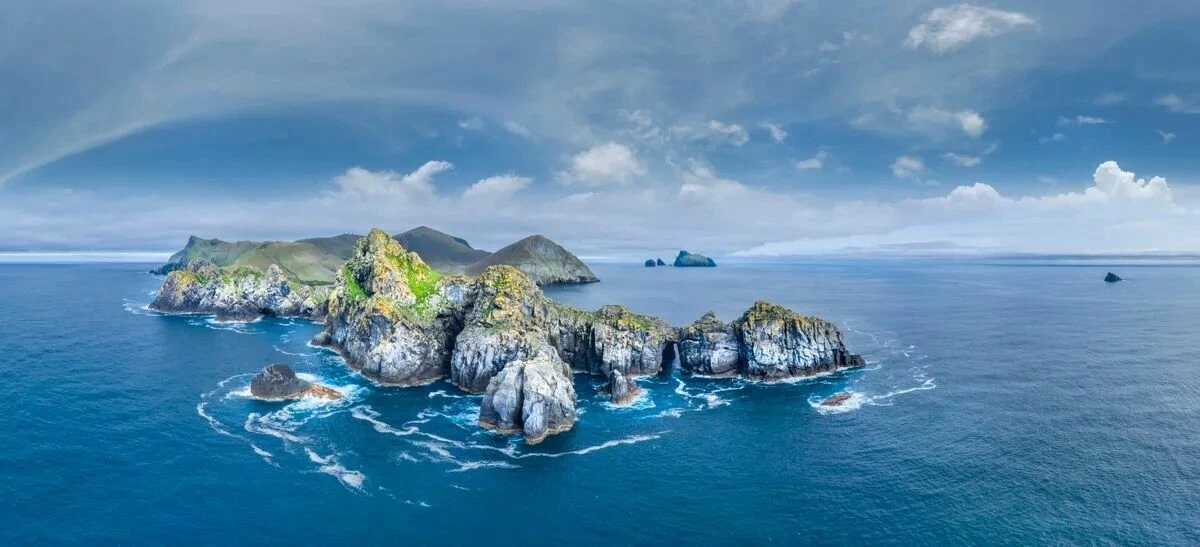
Here, in this hostile climate, a small community clung to life for thousands of years. While London's balls thundered and steamships plied the oceans, the people of St. Kilda lived in the Stone Age. Literally. 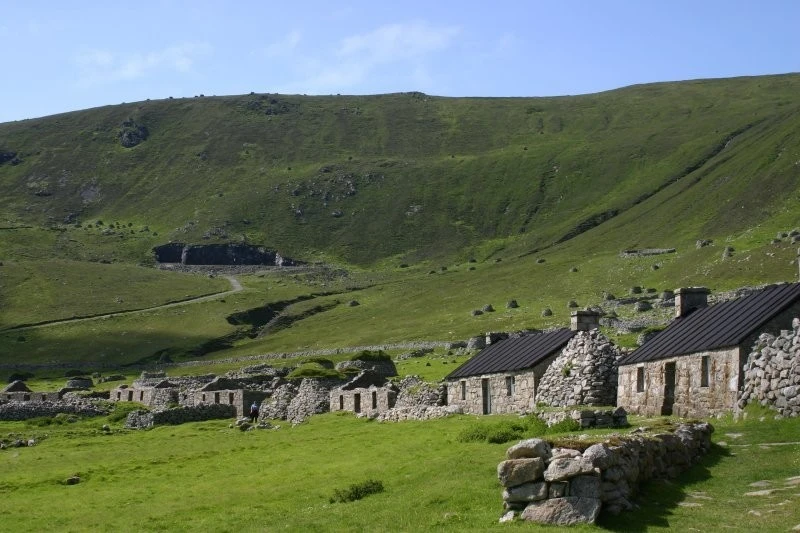
They didn't fish because the sea here was too rough. They caught and ate birds.
An Islander's Cookbook 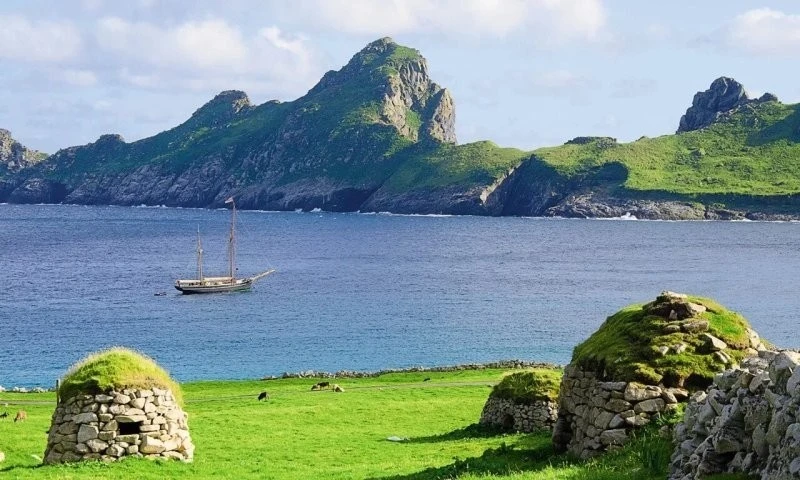
Their diet would challenge any modern food blogger. Their favorite snack was puffins, which they devoured like sunflower seeds. According to 1876 statistics, the population killed more than 89,600 puffins per year. They also ate fulmars, 115 per person annually. 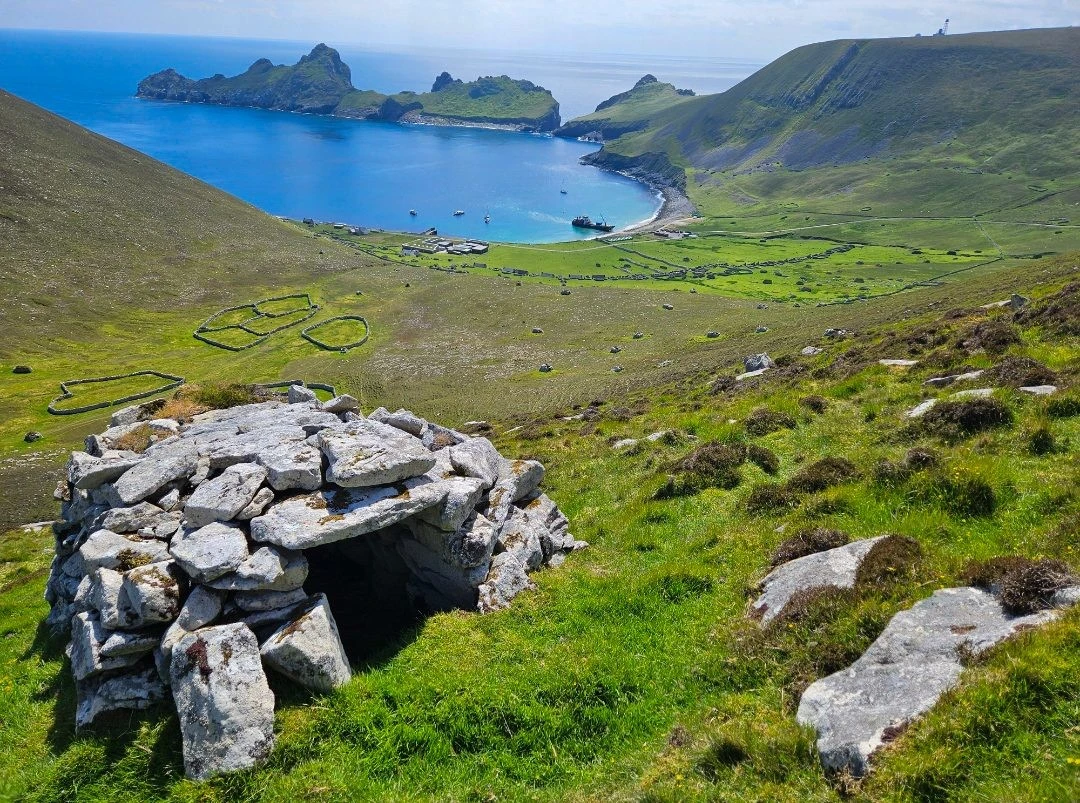
Foraging for food was an extreme sport. Men, barefoot, would descend on ropes from sheer cliffs hundreds of meters high, collecting eggs and chicks.
Feathers were used to make pillows, gannet skins were used for shoes, and fulmar fat was used as kerosene for lamps. 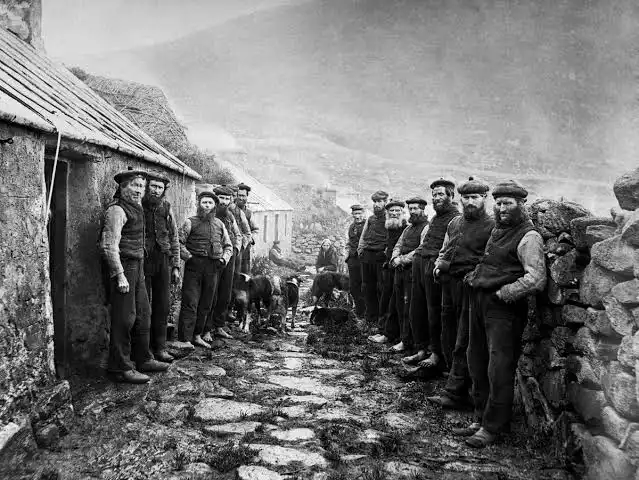
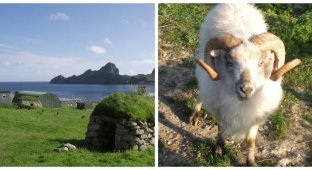
To survive the winter (as the birds migrated to the ocean), the islanders built stone barns called kletki. These strange, domed storage huts with leaky walls were ingenious refrigerators: the wind blew through the cracks, drying the bird carcasses. 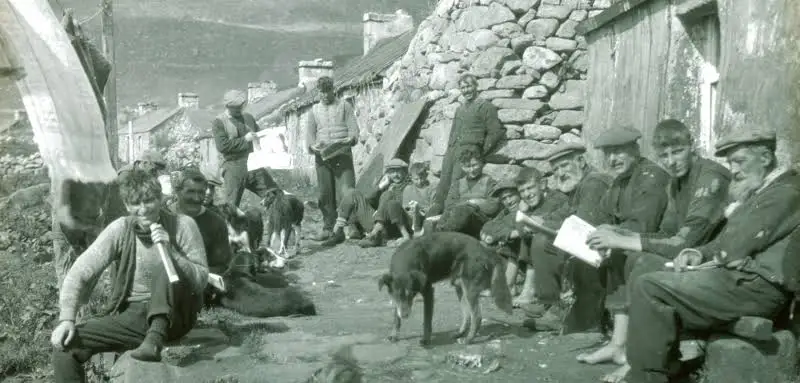
Nothing was wasted. There were over 1,200 such storage huts on the island.
Fatal Appendicitis 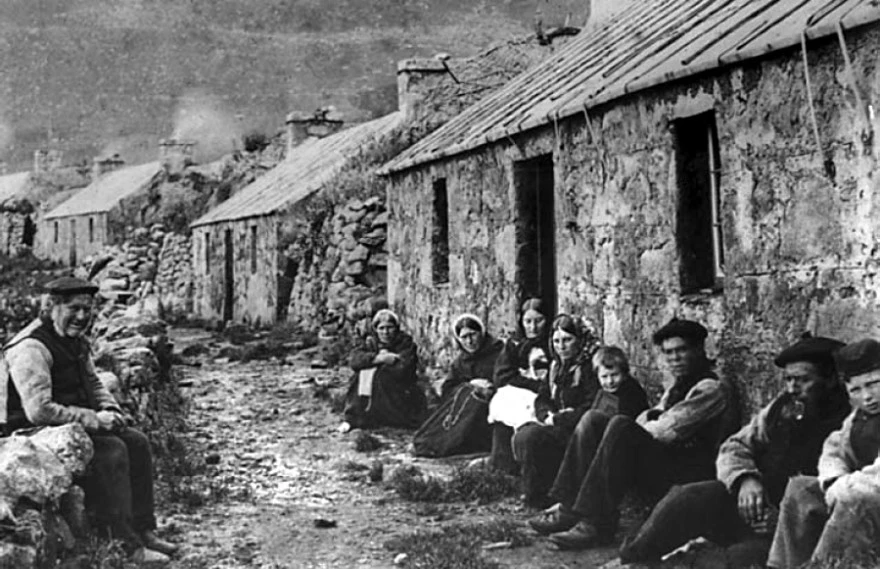
Contact with the mainland changed everything. During World War I, a naval base was established on the island, and residents experienced regular mail and food from stores for the first time. When the fleet departed, disaster struck. The island had forgotten how to survive on its own. Crops were ruined by salt spray, and without medical care, people died even from the common cold. 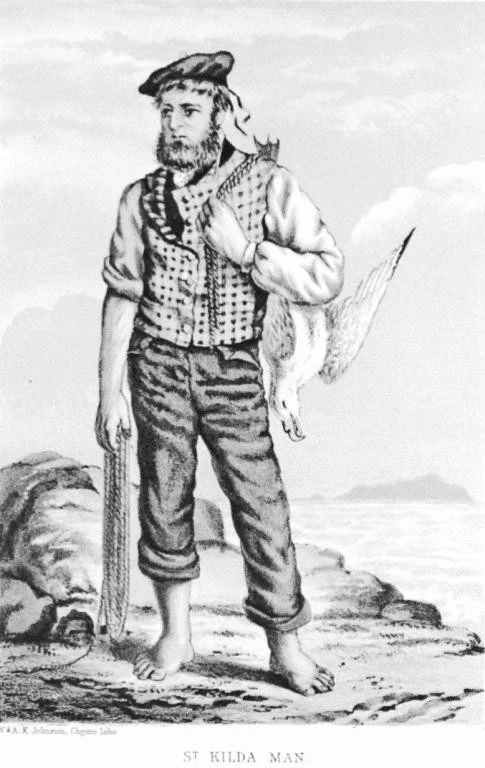
The final straw came in January 1930. A young woman developed appendicitis. She was sent to the mainland, but it was too late... The islanders panicked.
Petition in Broken English 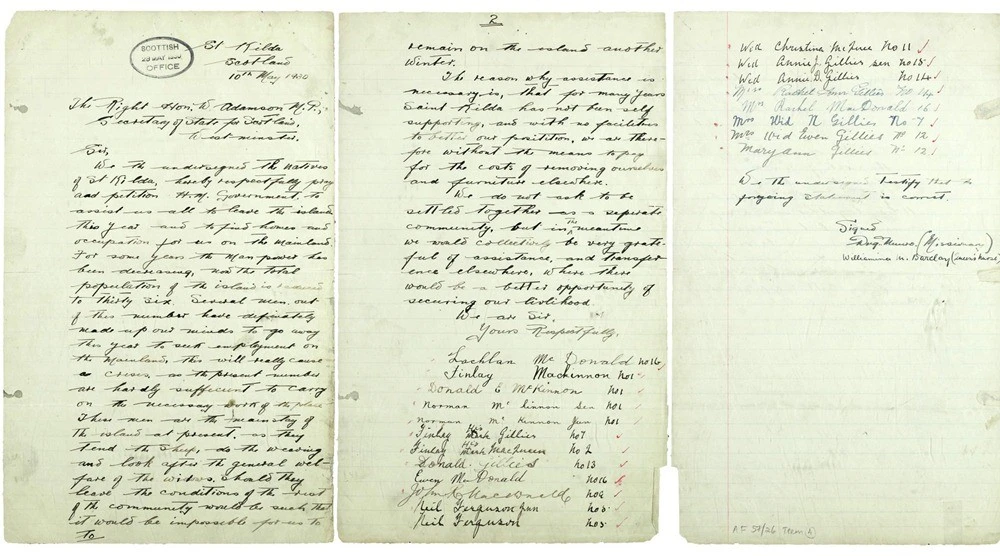
On May 10, 1930, they sent a petition to the Scottish Minister. The text was both naive and tragic:
We, the undersigned natives of St. Kilda, beg the government to help us leave the island this year. There are only 36 of us left. A few men are leaving, and then the old people and widows simply won't survive the next winter. We are not asking to live together; just give us a chance to find work. 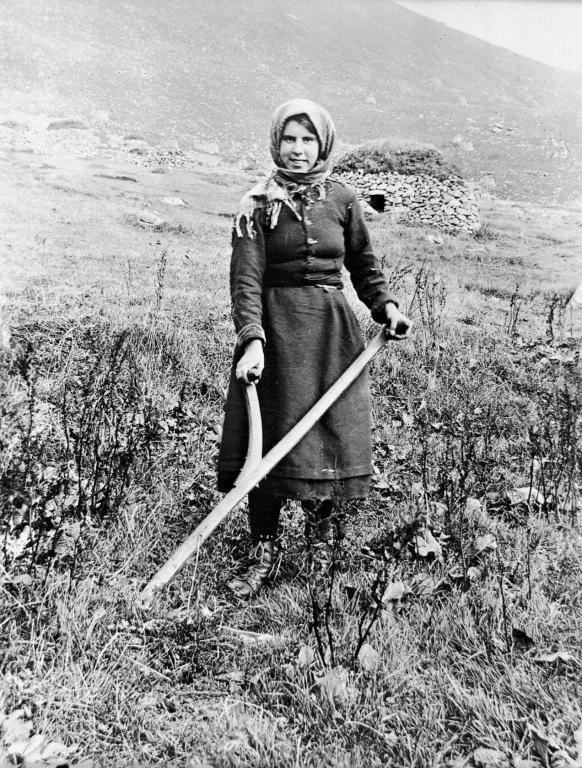
Under the text were crosses (many were illiterate) and names.
Exodus 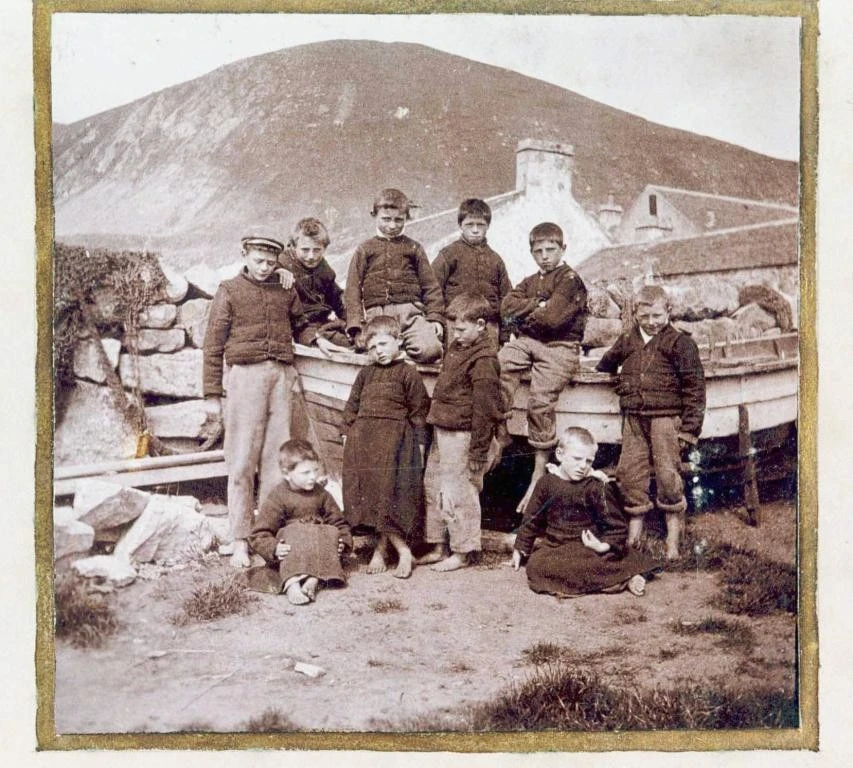
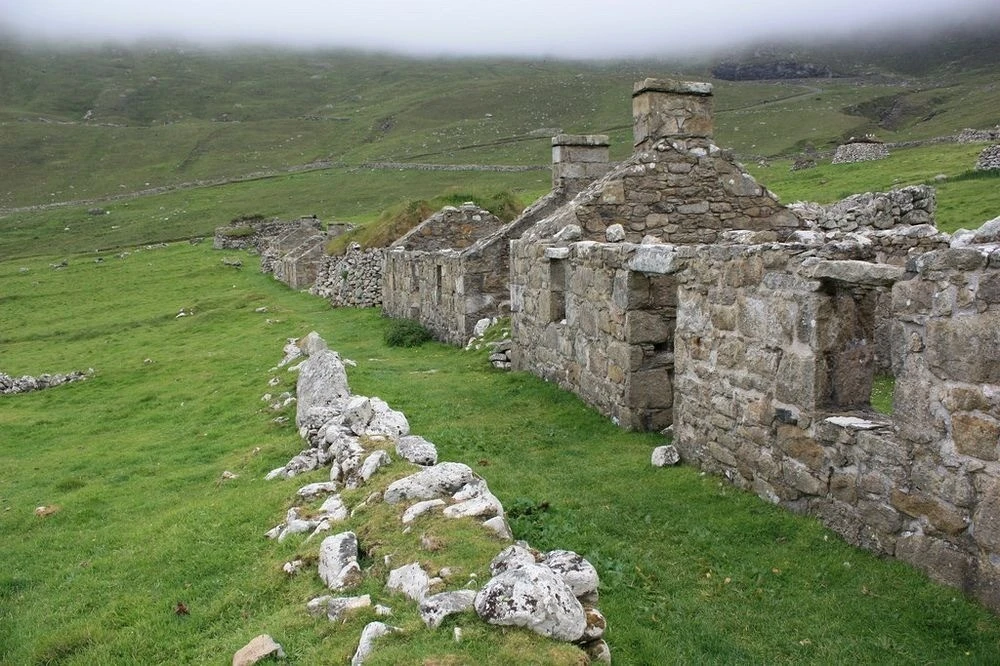
On August 29, 1930, the last 36 inhabitants boarded a ship. They took only suitcases with them. The island where their ancestors had lived for 4,000 years was deserted forever. 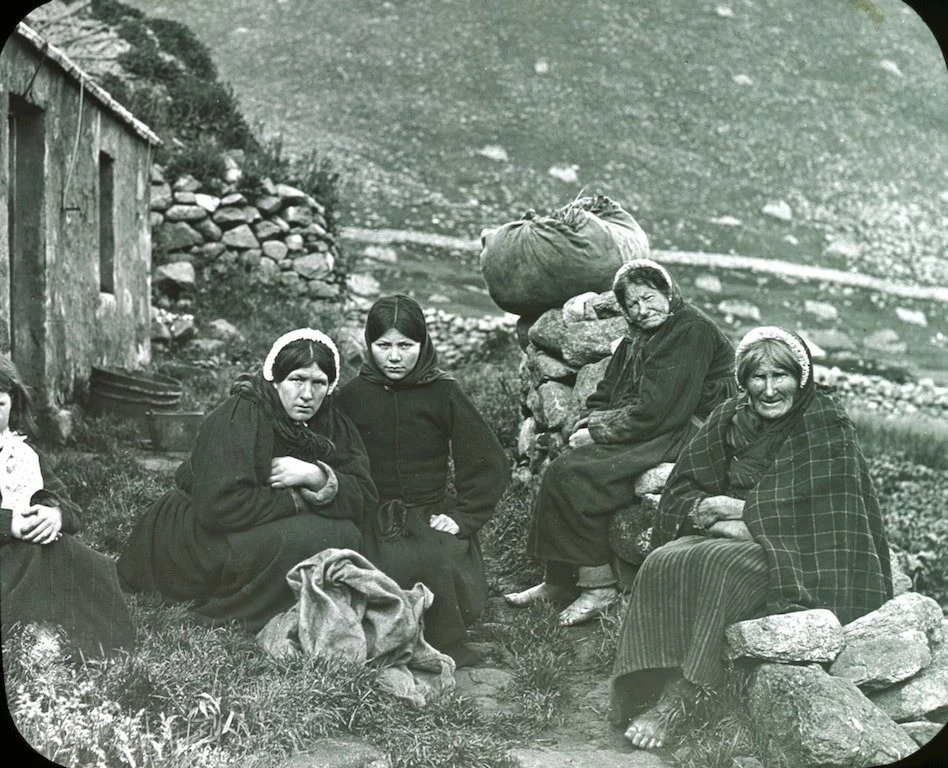
St. Kilda received UNESCO status in 1986. It is one of only 24 places in the world recognized as a "Mixed Heritage Site" (meaning both an outstanding natural phenomenon and a masterpiece of human ingenuity). Currently, the island houses a military base (surveillance radars), a small public restroom, and a caretaker's lodge. However, there are no cafes or hotels. 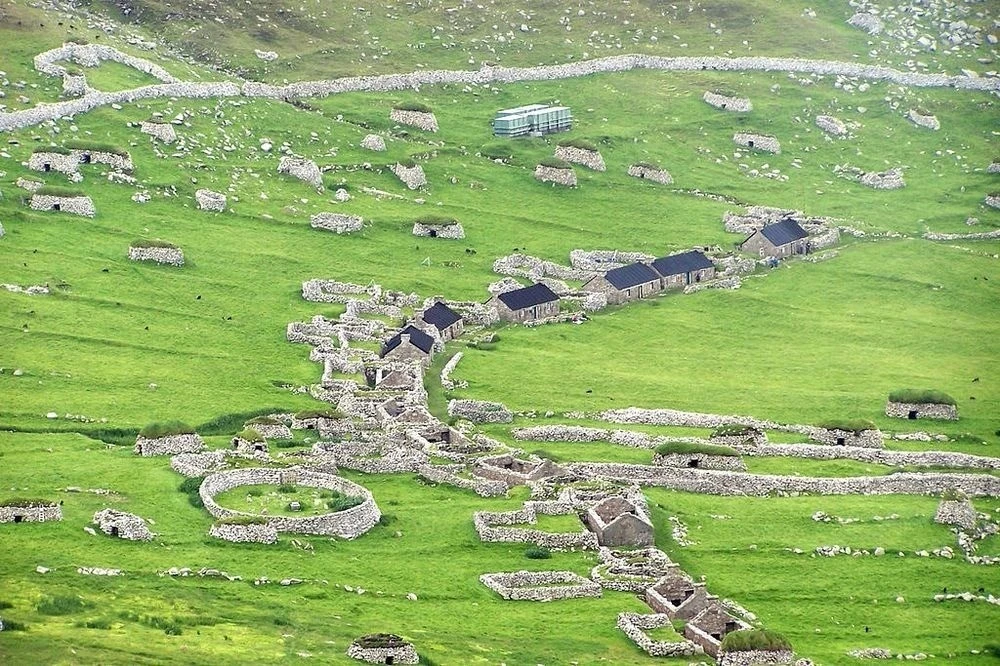
Thousands of tourists arrive by boat every year to see the abandoned village and the puffins, but only a few (scientists or volunteers) are allowed to stay overnight. 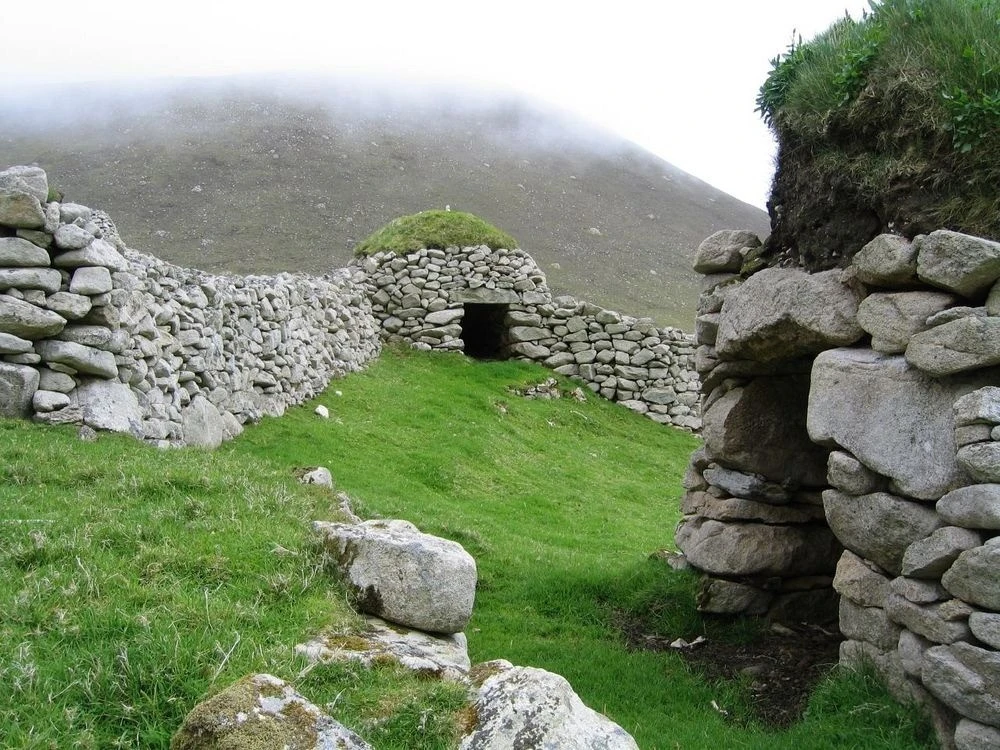
They say the spirit of the island is still preserved in 1,200 stone cells, which are slowly eroding in the winds, but remember history longer than people.