US Alcohol Laws That Still Seem Completely Absurd: A State-by-State Analysis (8 photos)
In America, you can buy alcohol in one city and encounter a ban a few kilometers away. The American system in 2026 is a maddening kaleidoscope of local rules, religious traditions, and legal relics that would baffle any European. 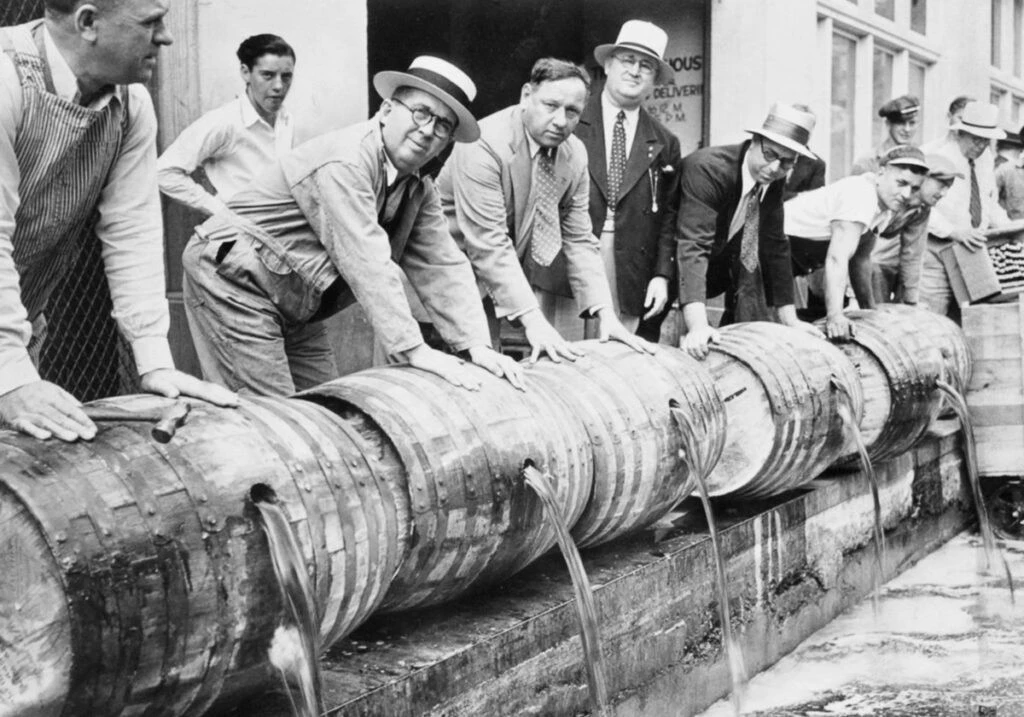
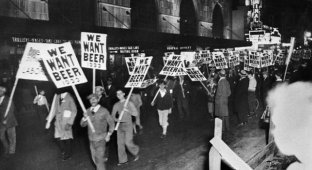
In Europe, the models are clear; there is a law defining nighttime hours and general rules. In the US, things are different. The main reason for the chaos lies in history. In 1933, the 21st Amendment to the Constitution repealed Prohibition but transferred the authority to regulate alcohol to the states, which then delegated it to the counties. As a result, America has fragmented into thousands of autonomous markets.
Why the US lacks uniform alcohol laws
Thanks to the 21st Amendment, there are no uniform alcohol laws in the country. The federal government controls only taxes, while local authorities decide where, when, and to whom a bottle is sold. States are divided into licensed states (where retail is controlled by private businesses) and controlled states (where a state monopoly is in place). Because of this, driving between neighboring regions feels like crossing borders with changing rules.
Dry Counties in the 21st Century – How Is This Even Possible?
It sounds crazy to an outsider, but in 2026, dry counties still exist in the US – counties where the sale of any alcohol is completely prohibited at the local level. Residents of these areas travel to neighboring counties to buy beer, spending hours on the road. The largest number of such counties are in the South – Arkansas, Mississippi, and Kentucky. 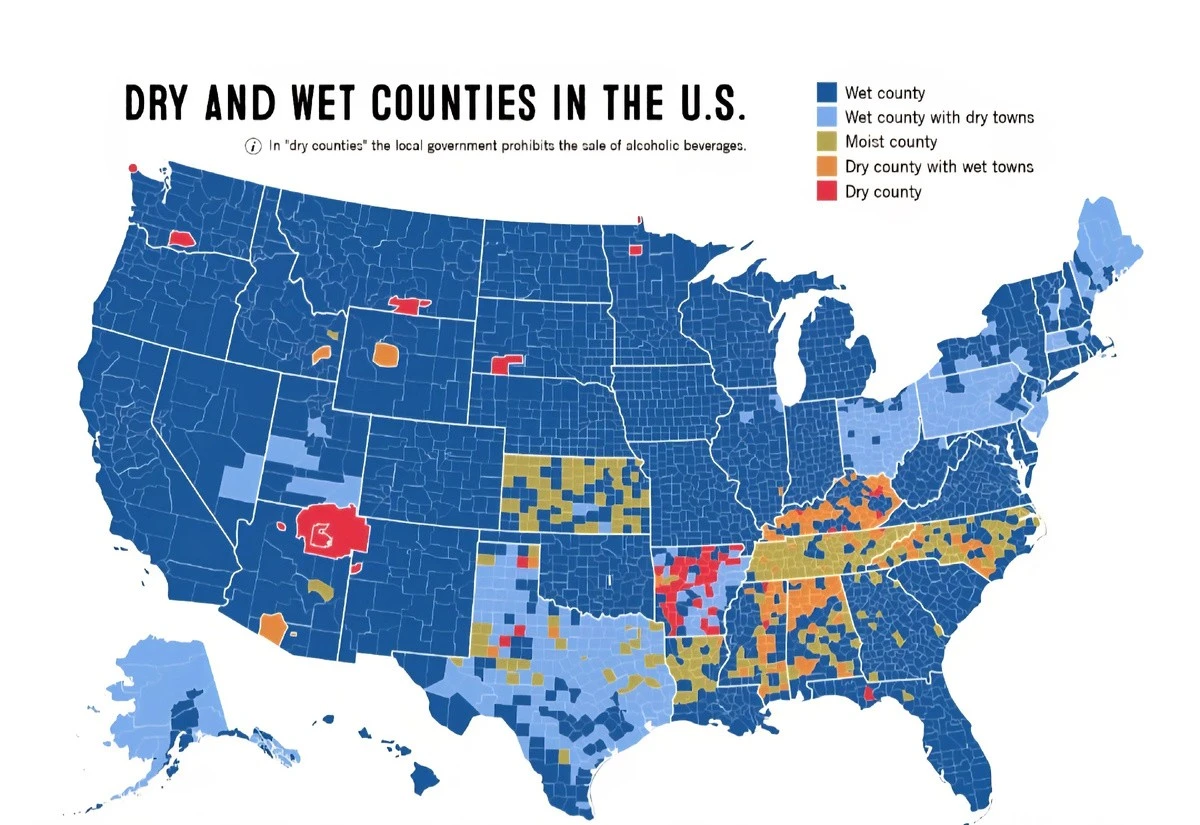
A prime example is Moore County in Tennessee, home to the famous Jack Daniel's whiskey distillery. The county itself is officially completely dry. Buying a bottle of whiskey at a local supermarket is prohibited by law. The distillery is only allowed to sell souvenir bottles directly at the distillery, but drinking them within the county is prohibited.
Dry counties are marked in red.
Alcohol-Free Sundays – A Relic of the Past or a Reality
Another American reality is "blue laws" that restrict commerce on Sundays. In 2026, these regulations continue to make life miserable for tourists. In Texas, you can't buy hard liquor on Sundays; stores are closed, and supermarkets only sell beer and wine after 10:00 a.m. so people can attend church services first. Oklahoma and Utah have similar regulations, turning a morning barbecue into a quest. 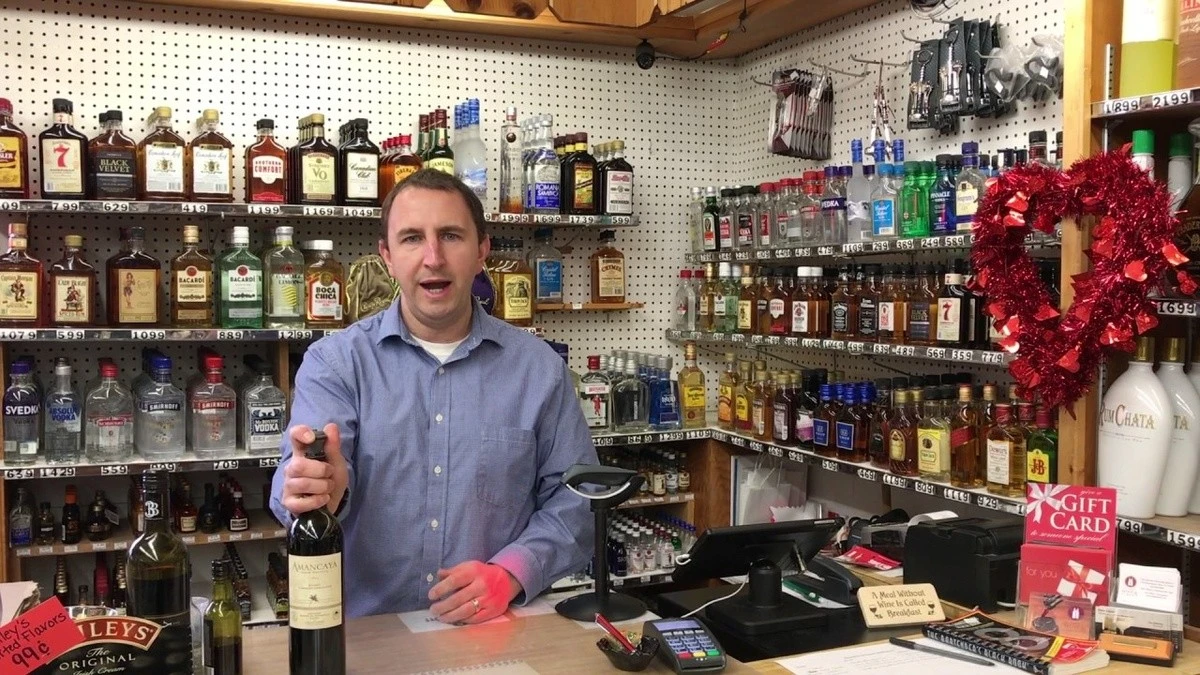
Why in some states the government sells hard liquor
There are 17 control states in the United States. In Pennsylvania, Virginia, Utah, and Ohio, private businesses are prohibited from selling hard liquor. If you need vodka, rum, or whiskey, you'll have to find a specialized government store, often called ABC (Alcoholic Beverage Control). 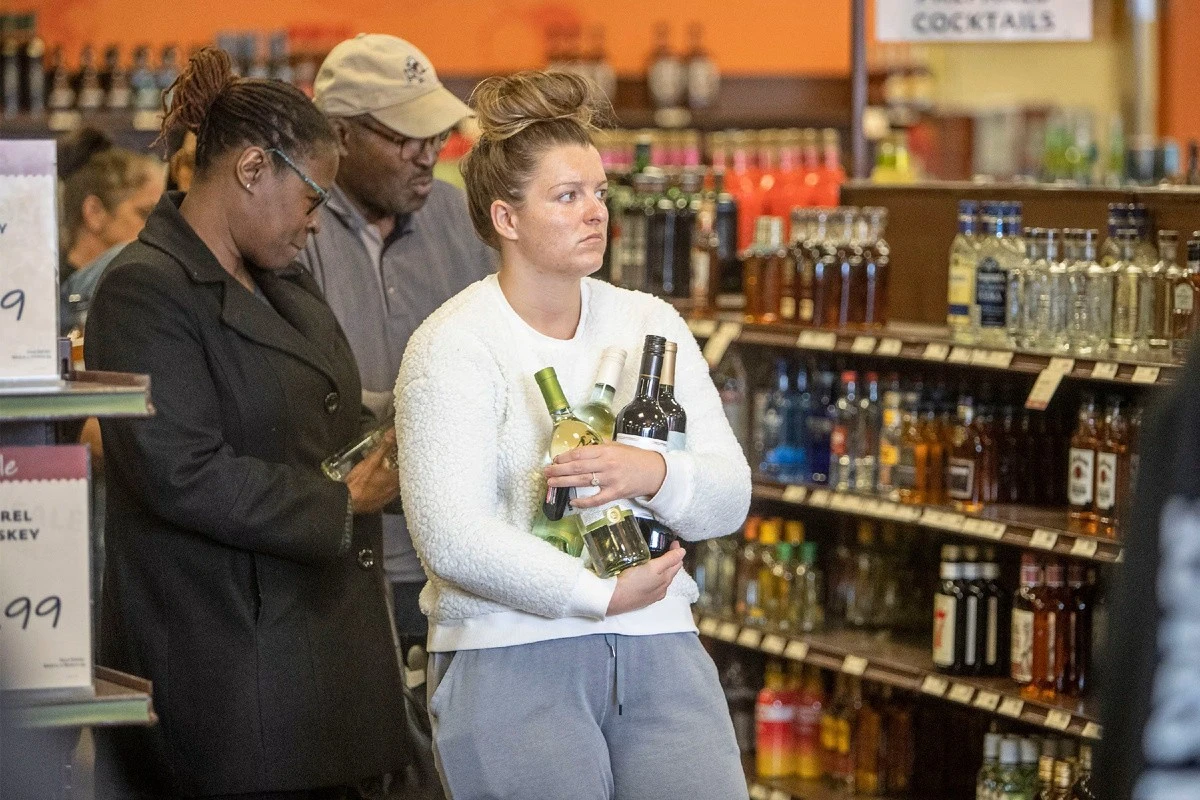
There, the government completely regulates the selection, prices, and opening hours. These stores close early, are closed on holidays, and prices can be high due to the lack of competition. For a European, US state monopolies seem like a harsh throwback to the socialist past.
An open bottle in a car – a fine, even for a sober person
Open container laws are a classic trap for foreign tourists. In most states, it is strictly forbidden to have any open bottle of alcohol in a moving vehicle. Moreover, it doesn't matter whether the driver is drinking. 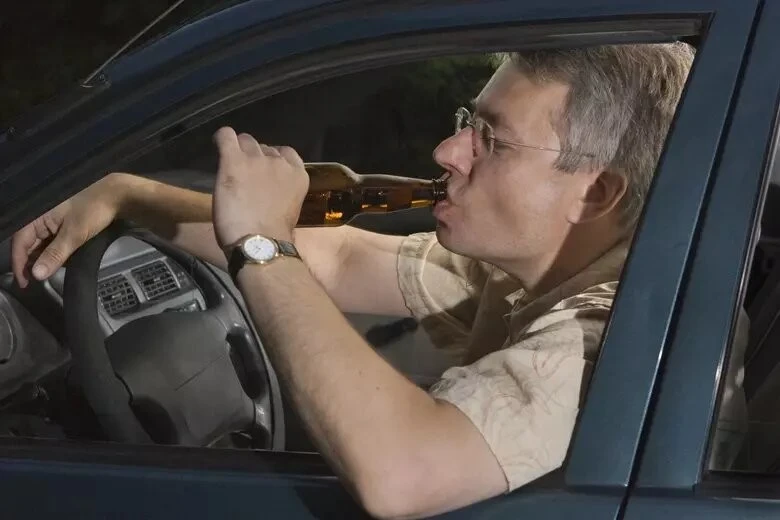
If a patrol officer finds a half-empty bottle of wine on the seat, the driver will receive a hefty fine, and in some states, even a summons. The only legal way to transport unfinished alcohol is to put it in the trunk. The law is strict; if alcohol is within easy reach, you are potentially breaking the law.
Why can you buy beer in one store but not vodka?
This is a consequence of the licensing system, which separates categories of alcohol. In New York State, regular supermarkets sell only beer and cider. For wine or vodka, you have to go to a specialized liquor store. In many states, you still can't buy all the ingredients for a party in one place, which is a real surprise to people accustomed to one-stop shopping. 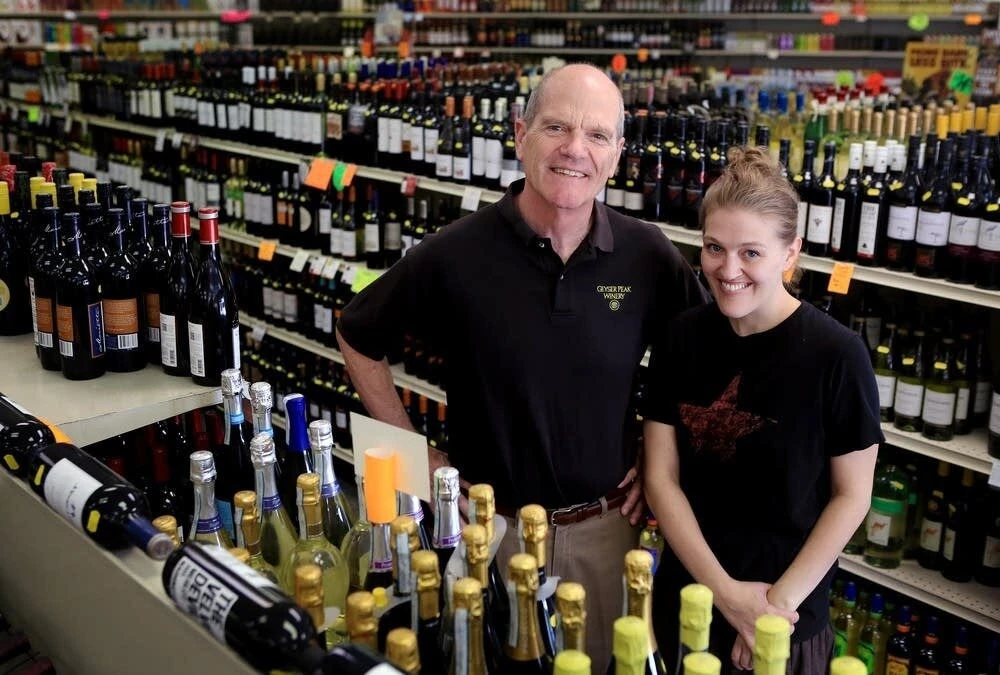
The most unexpected restrictions for tourists
The most shocking thing for foreign tourists is the ID check. In the US, the minimum age for buying alcohol is 21. Cashiers are required to ask for ID from any customer who appears to be under 40. It's not uncommon for an adult to be refused a beer simply because they forgot their passport at the hotel, and the cashier can't read an international driver's license. 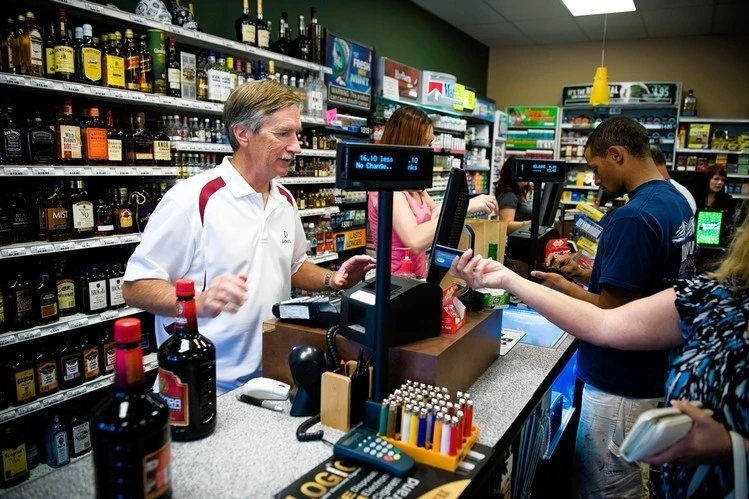
Furthermore, if you're visiting a store with a group of friends, ID may be required from everyone present. If one of your friends doesn't have a passport, the alcohol will be denied to the entire group, under suspicion of purchasing for a minor.