Unusual and interesting photos from around the world taken in the 20th century (21 photos)
I present to you a thematic collection dedicated to the diversity of cultures, countries, and peoples of the world. It features 20 unique, colorized historical photographs from around the globe. Each photograph is a vivid visual story about the uniqueness and lives of these people, capturing an era brought to life through color. Enjoy! 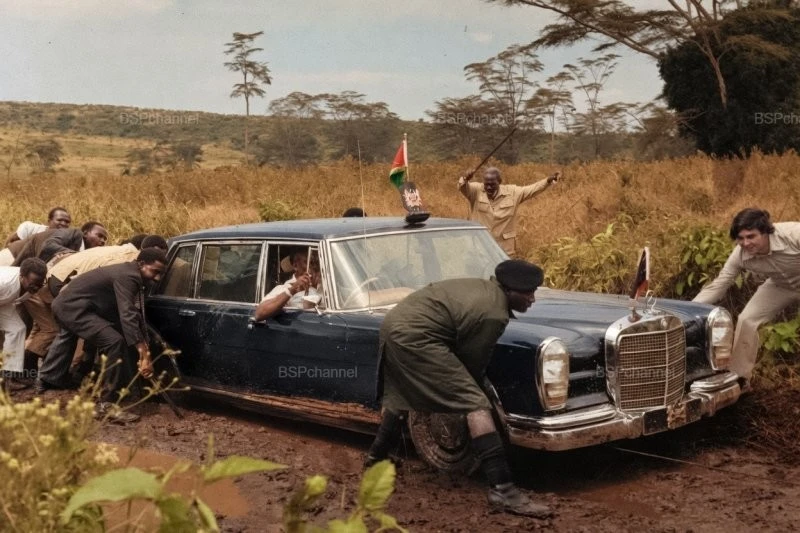
A master engraver at work in a market in Isfahan. Islamic Republic of Iran, 1964. 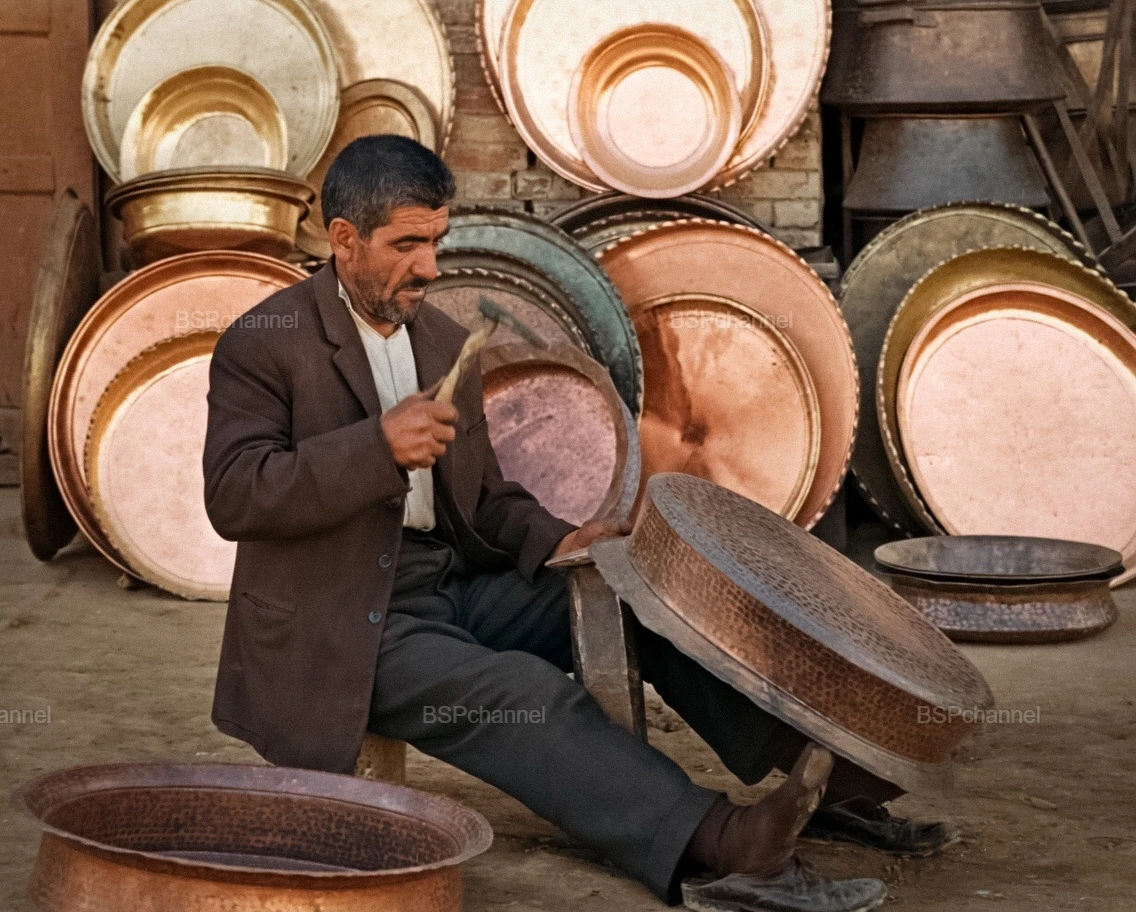
Photographer: Vitaly Sobolev
The Isfahan Bazaar is one of the oldest and largest covered markets in the Middle East, where the traditional Persian art of metal chasing and engraving (qalamzani) has flourished for centuries. Qalamzani is the ancient Iranian art of applying delicate patterns and reliefs to metal objects using a hammer and special chisels. Craftsmen work with gold, silver, bronze, brass, and copper. Copper is most often used due to its malleability. To add contrast and depth to the design, the finished piece is coated with a mixture of charcoal and machine oil (or sulfur), rubbing it into the recesses. In the chiseled quarters of Isfahan and Shiraz, the incessant rhythmic ringing of hundreds of small hammers echoes.
The waters of the Paraná River rush down the spillway of the newly opened Itaipu Dam, the world's largest hydroelectric power station. Foz do Iguaçu, Brazil, November 4, 1982. 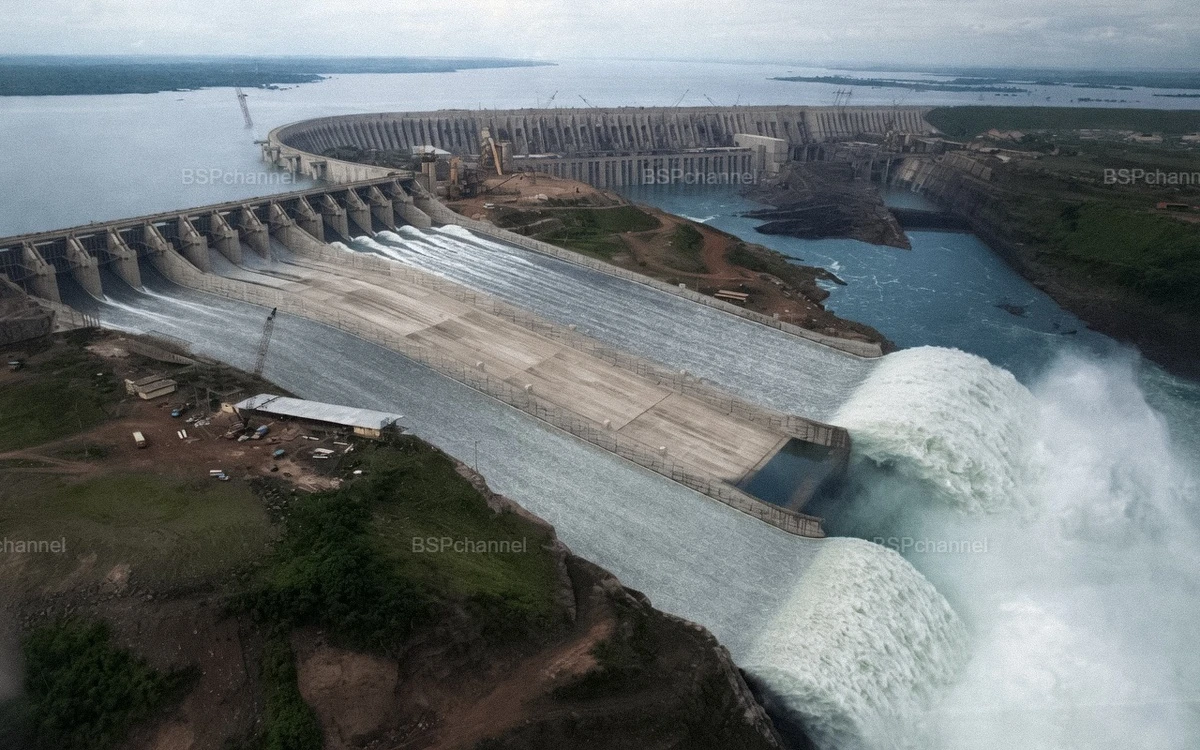
The Itaipu Dam is one of the largest and most powerful hydroelectric power stations in the world, located on the Paraná River on the border between Brazil and Paraguay. It long held the world record for annual energy generation (generating 103.1 billion kWh in 2016). The dam is 7,235 meters long and has a maximum height of 196 meters. It provides approximately 75-80% of Paraguay's total electricity consumption and approximately 8-10% of Brazil's demand. It was built from 1975 to 1984, becoming one of the most expensive and large-scale engineering projects of the 20th century. In 1994, the American Society of Civil Engineers (ASCE) recognized Itaipu as one of the Seven Wonders of the Modern World. Enough concrete was used in its construction to build 210 football stadiums.
Moving the roof of a hut. Niger, 1970s. 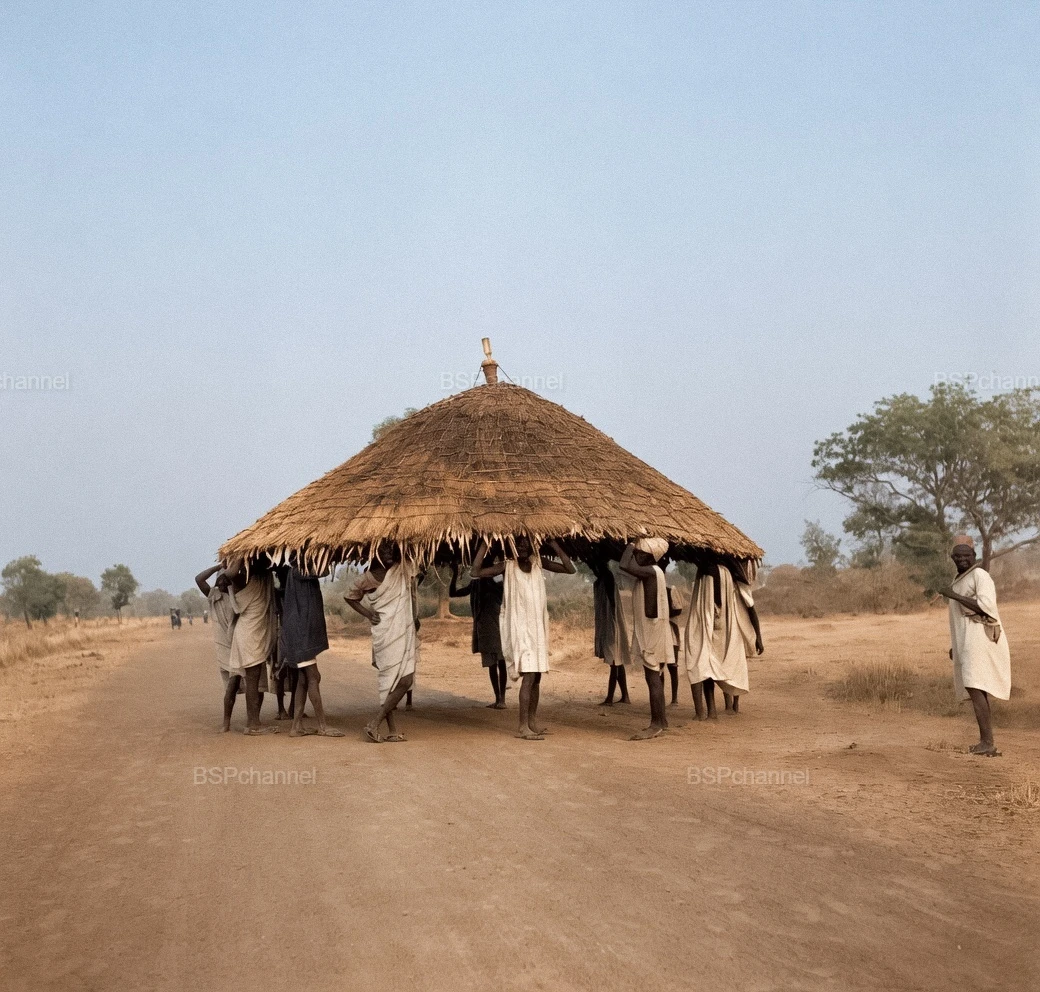
Photographer: Michelle West
In rural communities of West and Central Africa (particularly among the Niger-Congo peoples), the practice of communal construction is common. A conical thatched roof is assembled, tied, and covered with grass directly on the ground. After completion, the men of the community collectively lift the massive structure on their heads and shoulders, carrying it to the mud foundation of the future hut. This custom symbolizes mutual aid and communal solidarity. A well-known African proverb states: "One head cannot carry a whole roof."
Damascus, Syria, 1972. 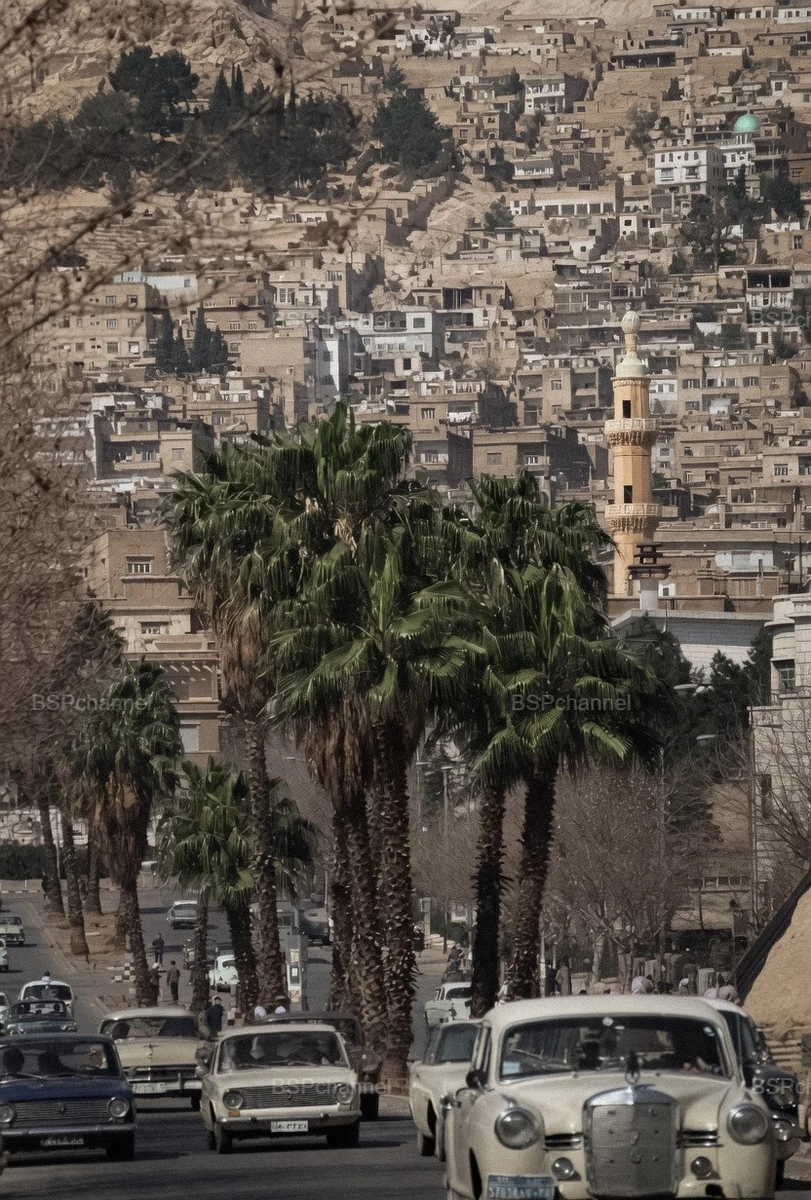
Photographer: Yuri Abramochkin
Mongolia, Ulaanbaatar, 1955. 
Photographer: Jean-Philippe Charbonnier
Appliance store. Mali, 1960s. 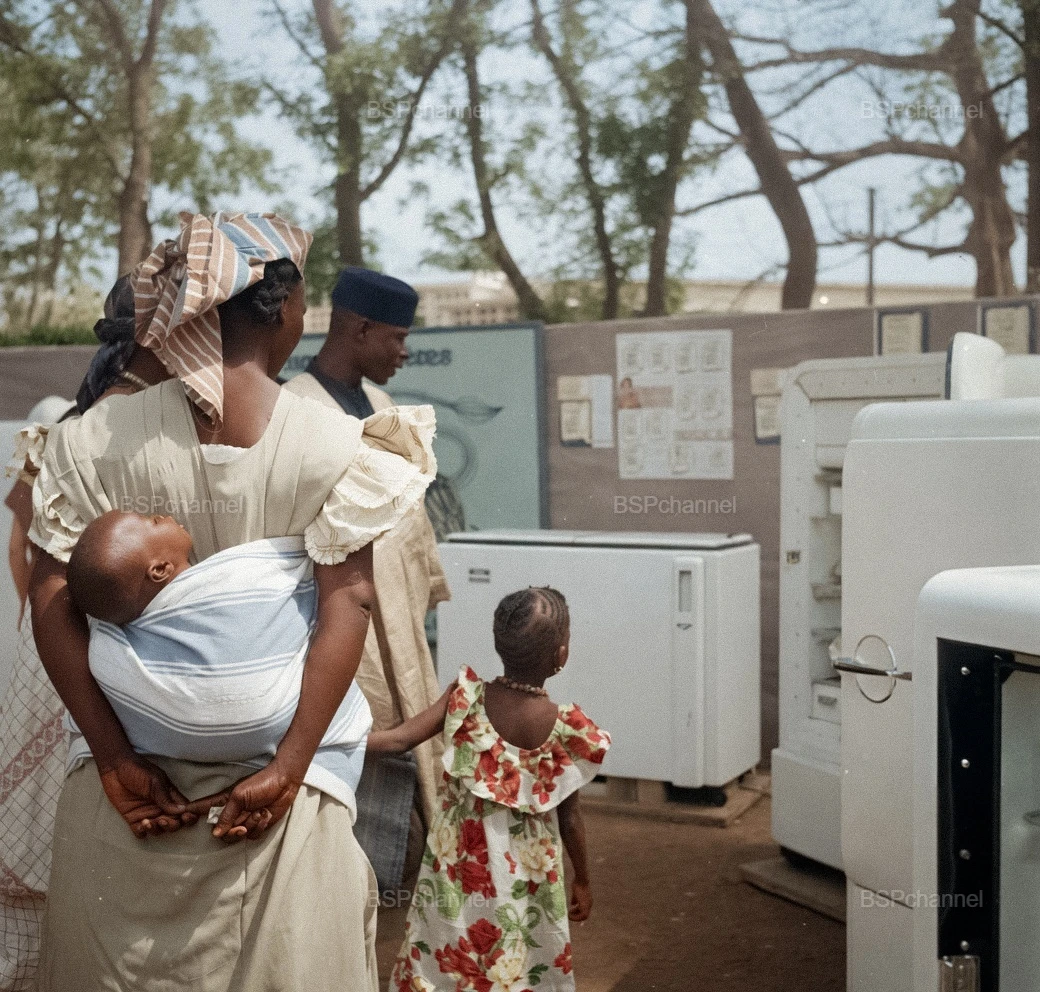
Photographer: Michel Huet
A family looks with interest at the new models of electric refrigerators and freezers, which were widely exported to major cities in the region at the time.
Giant Olmec head found in Mexico, 1946. 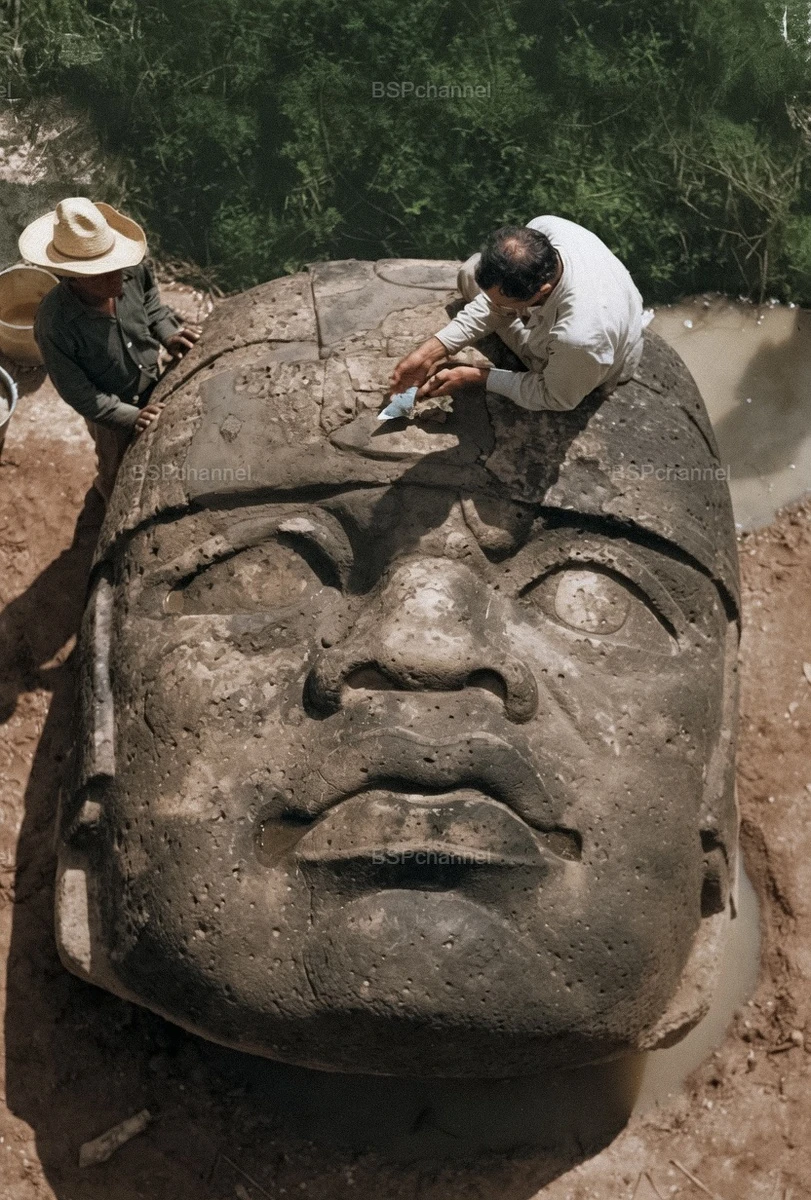
The colossal Olmec stone heads are among the most recognizable and enigmatic monuments of pre-Columbian Mesoamerica. Created by the region's first major civilization (c. 1500–400 BCE), these monuments still inspire awe at the sheer scale of their ancient craftsmen's engineering. To date, scientists have officially identified 17 confirmed heads discovered in the "Olmec Country" in the Mexican states of Veracruz and Tabasco. This head was found facedown at the bottom of a deep, marshy ravine. Due to high humidity and accumulated water, clearing and raising the approximately 9.4-ton, 1.78-meter-tall monument proved extremely challenging. The monument displays the classic Olmec canon—realistic facial features (a flat, wide nose, full lips, and a stern gaze), leading scholars to believe that these heads are lifetime portraits of great rulers or warriors. Today, this monument can be seen on display at the Anthropological Museum in Xalapa (Veracruz, Mexico).
On a street in downtown Damascus, 1984. 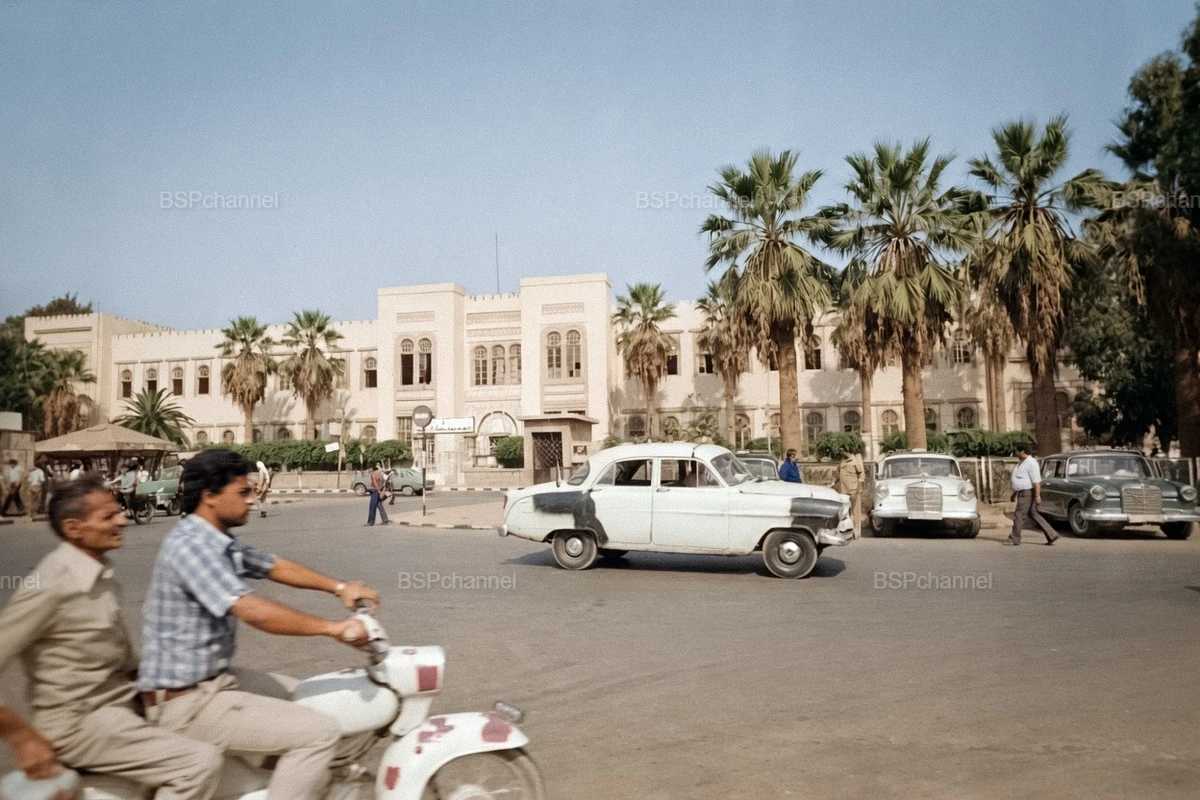
Photographer: Viktor Akhlomov
Woman with child. Cusco, Peru, 1934. 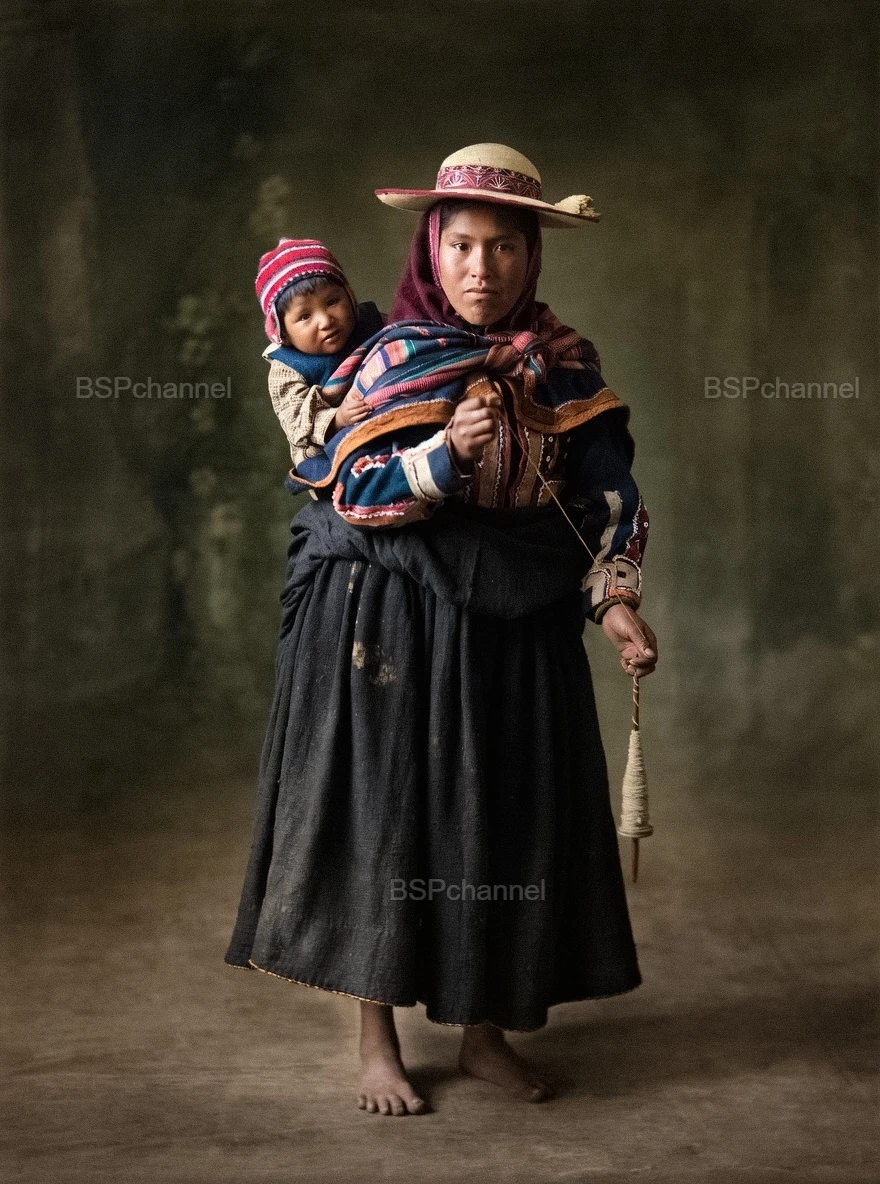
Photographer: Martin Chambi
A woman holds a spindle in her hands. Women master this craft from early childhood and spin alpaca or sheep wool literally every minute – while walking, grazing, or talking.
Istanbul, 1955. 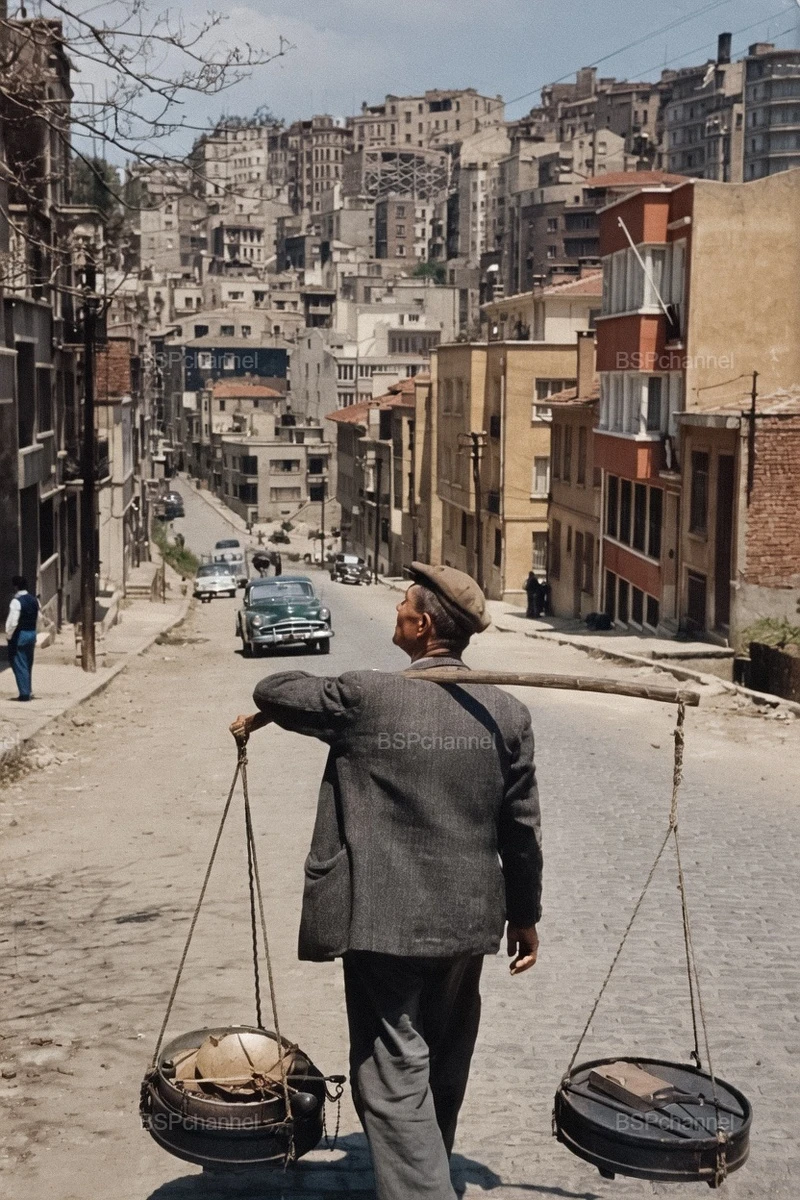
Photographer: Marc Riboud
Columbia, 1934 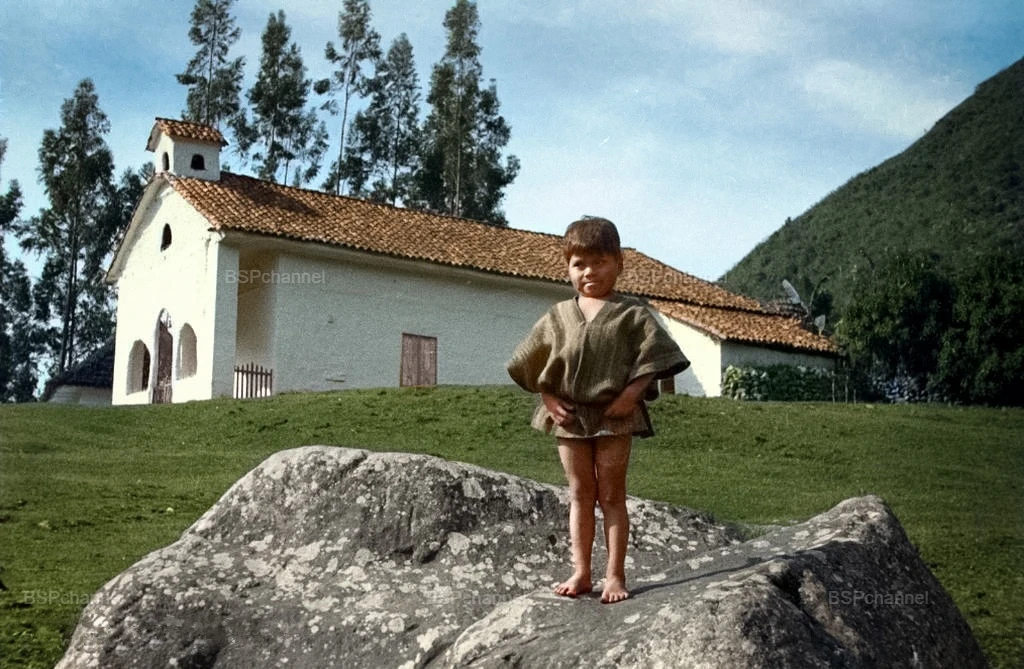
Photographer: Martin Horst
Wellington, New Zealand, 1930s. 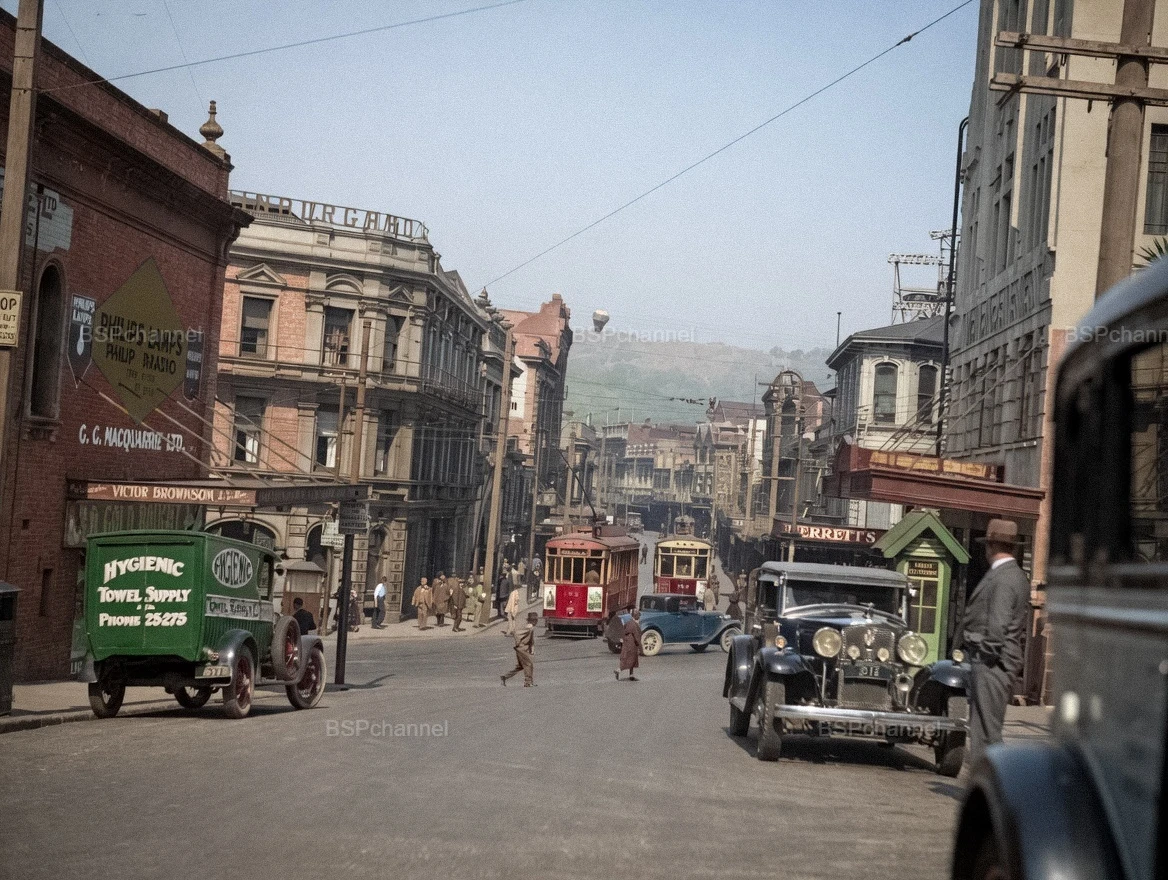
A car during the rainy season. Kathmandu, Nepal, 1956. 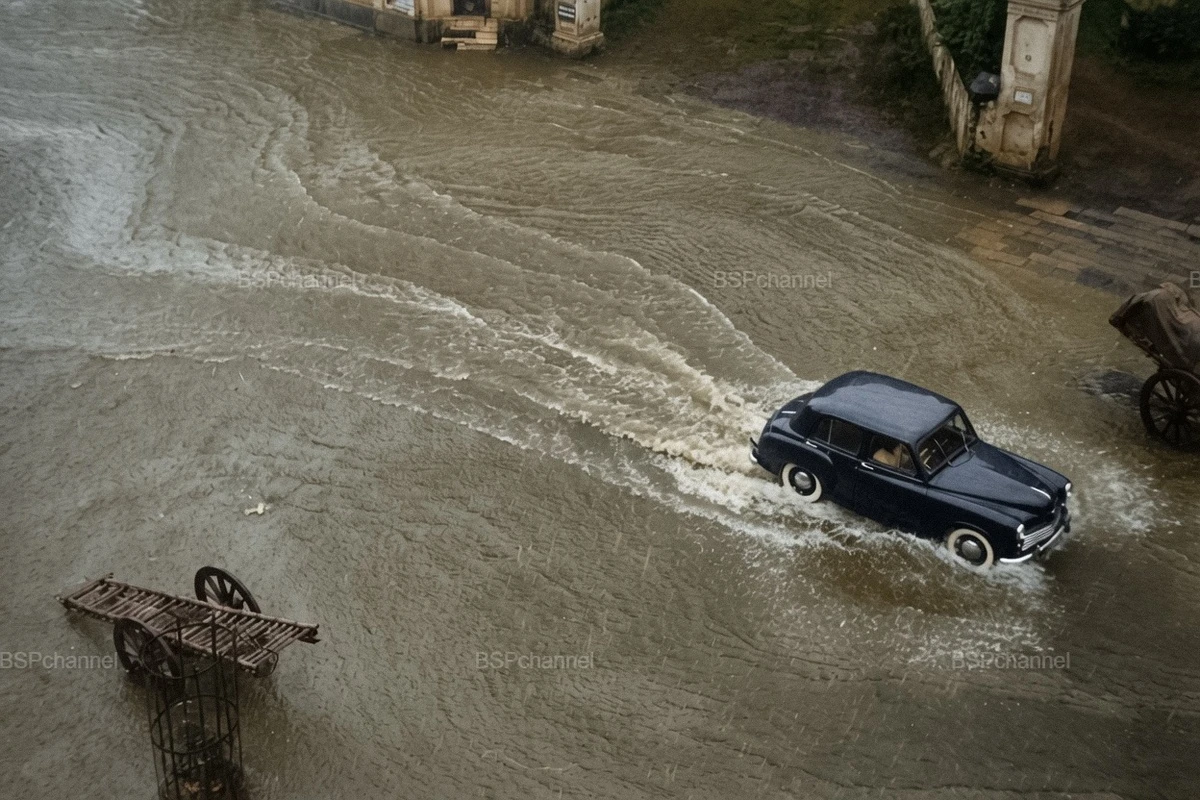
Photographer: Marc Riboud
Rarely does rain fall continuously all day. Most often, the morning is clear, and in the afternoon or evening, powerful tropical downpours descend, quickly flooding the narrow old streets of the city.
On a workbench in a metalworking plant. Cuba, 1963. 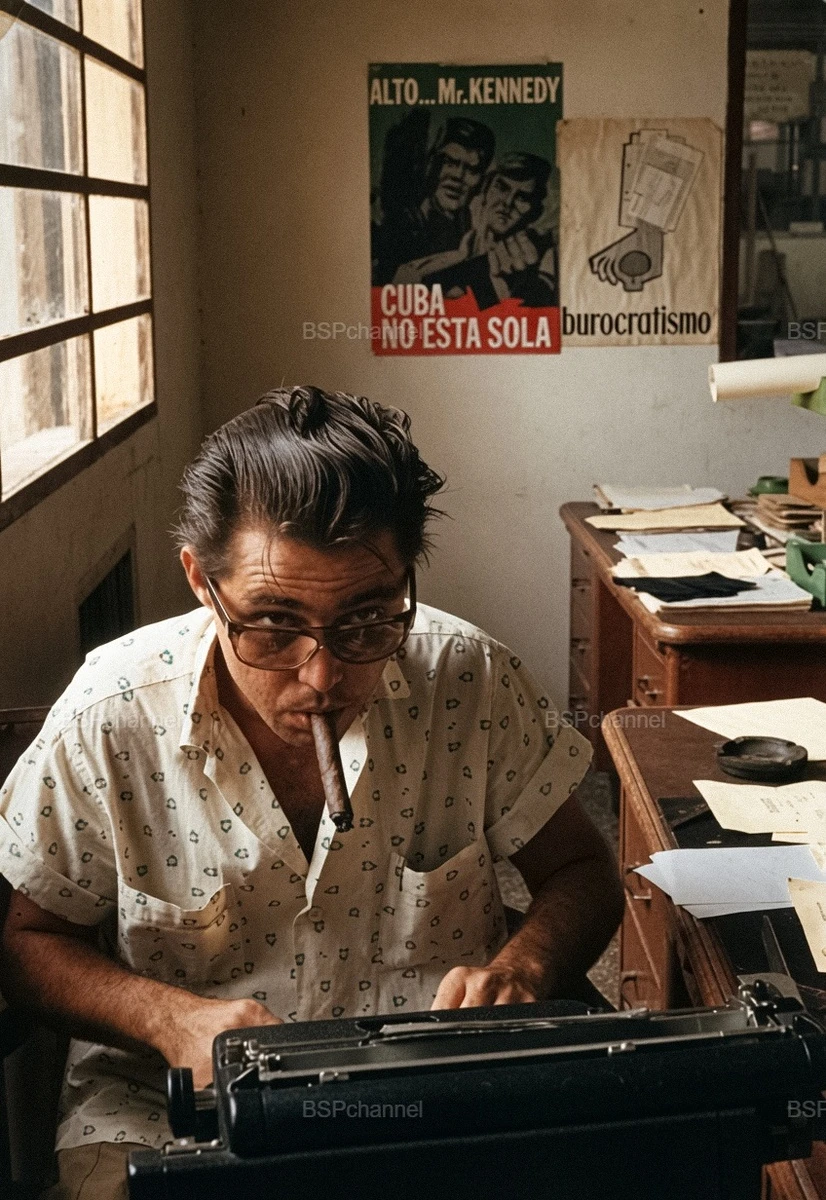
Photographer: Marc Riboud
Cuban cigars are more than just a tobacco product. They are the country's cultural code, a legacy smoked by Churchill and Castro, and written about by Hemingway and Miller. Tobacco, like grapes, absorbs the mineral content of the soil. The famous Vuelta Abajo Valley in western Cuba is the "champagne" of the tobacco world. Its reddish soil, rich in calcium and phosphorus, humid tropical climate, and sparse cloud cover create leaves with a unique sweet flavor and aroma. Growing a leaf like this is impossible outside this valley. Even the best plantations in Nicaragua or the Dominican Republic only approximate the original, but don't replicate it. Cigar-rolling machines exist around the world. But the Cuban torcedora (the person who rolls the cigar) cannot be replaced by robots or presses. A master requires 3-5 years of training to achieve the status of a top-class torcedora. A professional rolls approximately 100-150 cigars per shift, never looking at the cigar blank—only by touch. A freshly rolled Cuban cigar is never shipped immediately to the store. It "rests" in air-conditioned storage facilities at a strict 16-18°C and 65-70% humidity. Depending on the line, this period lasts from 3 months to 5-8 years. Only in this way do the tannins soften, the oils open up, and the flavor bouquet transform from "raw tobacco" into a full-fledged symphony with notes of cedar, cocoa, leather, and pepper.
Bodyguards attempt to free Kenyan President Jomo Kenyatta's Mercedes-Benz 600 limousine, stuck on a muddy road, 1960s. 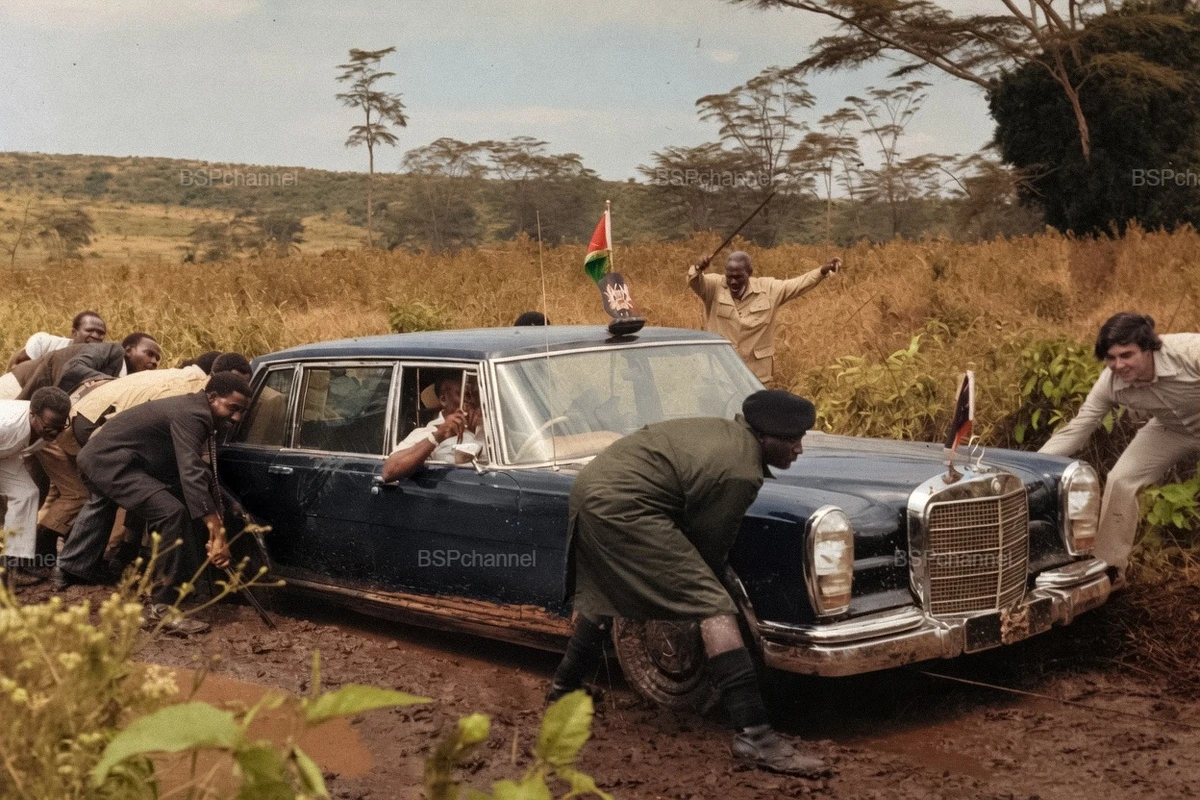
Ivory Coast, 1950s. 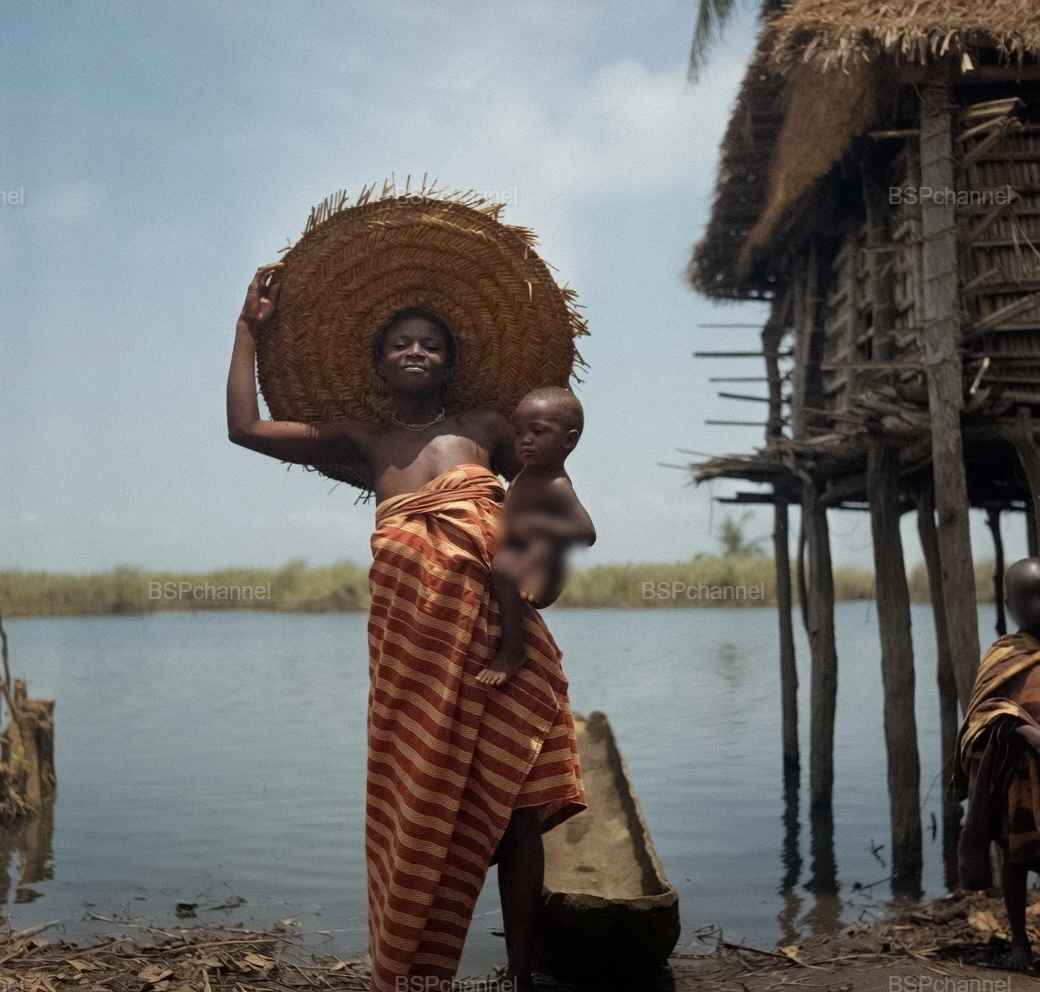
Street vending. Lagos, Nigeria, 1960. 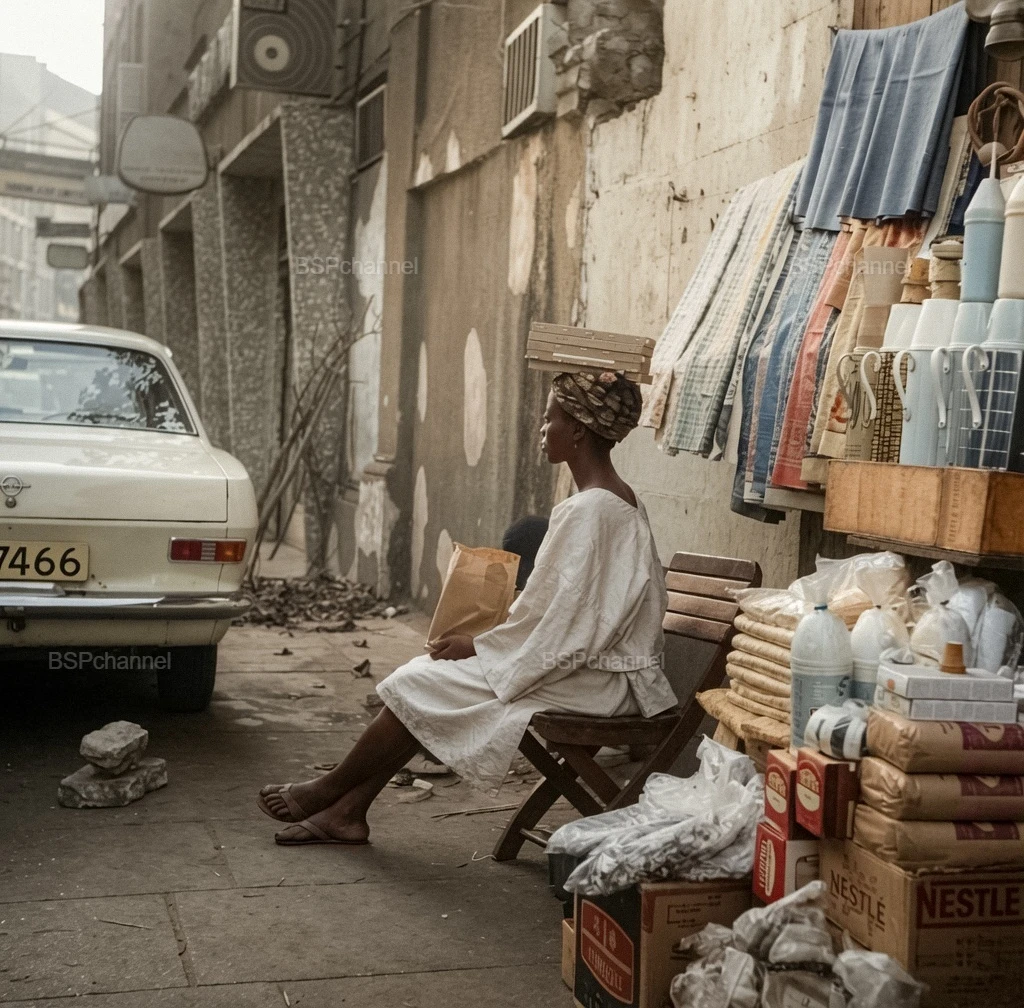
Photographer: Gerhard Vetter
A Tahitian woman. French Polynesia, 1966. 
Photographer: V. Neiman
The girl's head is crowned with a lush wreath of fresh white gardenia (tiare) flowers—the national symbol of Tahiti. Around her neck is a traditional lei, made from the same fragrant buds. A yellow tiare flower pinned behind the left ear is a clear social signal in Polynesian culture: it signifies that the woman's heart is taken (married or in a relationship). A flower behind the right ear, on the other hand, would indicate that the woman is single. In her hands, the girl holds two strands of dried burao (wild hibiscus) bark—an essential accessory for performing the rhythmic traditional dance of 'Ori Tahiti.
The Soviet ship "Koreiz" moored in the port of Latakia, Syrian Arab Republic, 1968. 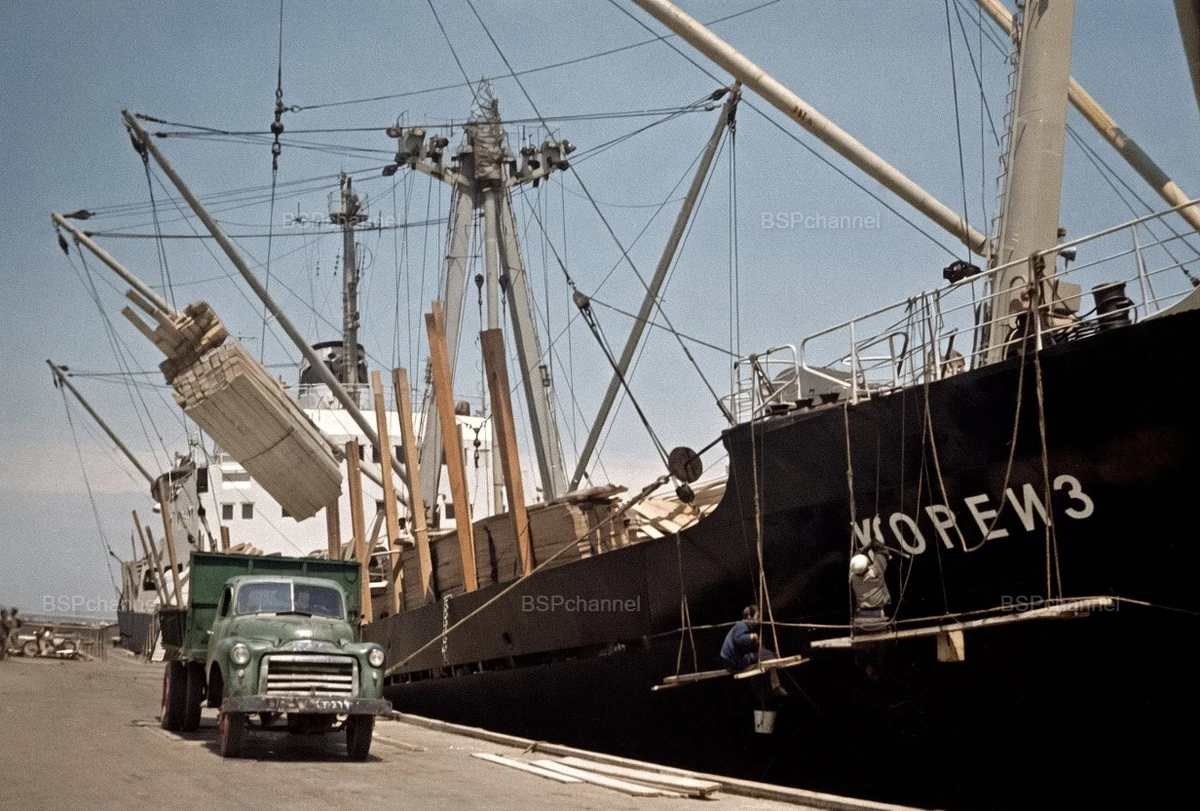
Photographer: A. Goryachev
Mexican village, 1968. 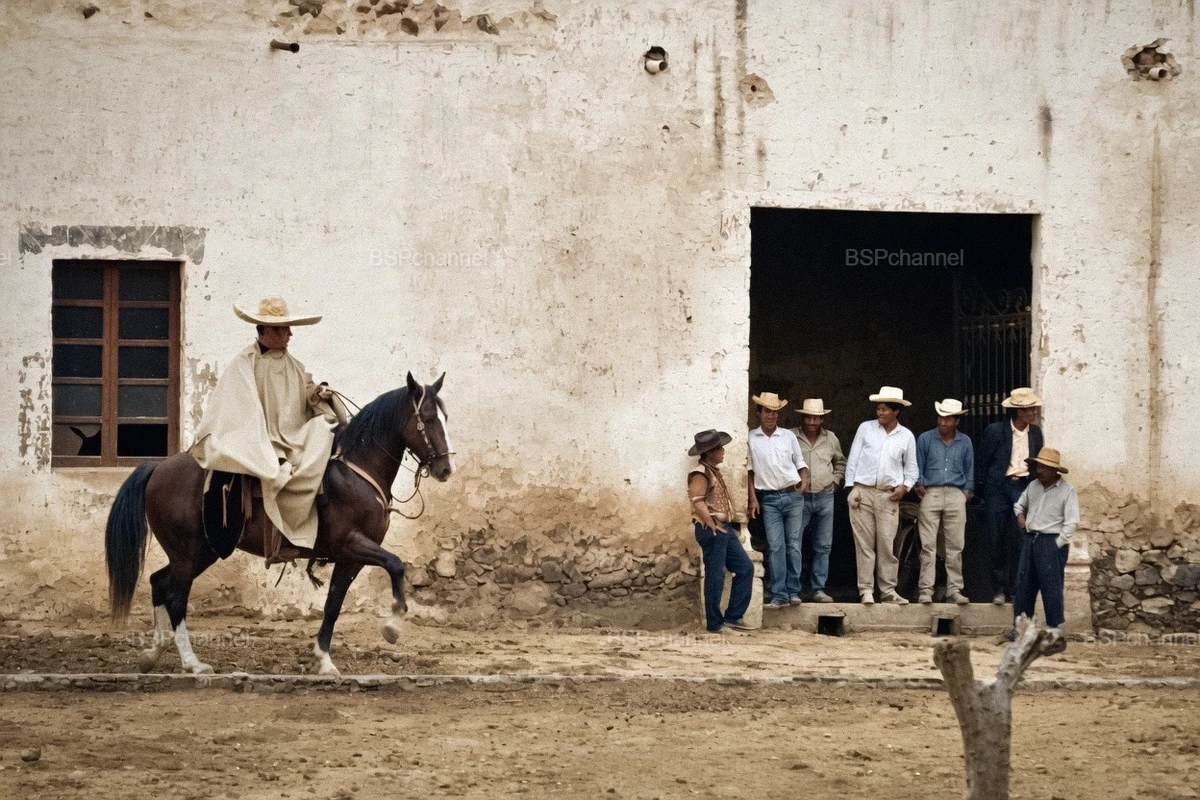
Photographer: Mario De Biasi