Top 10 Most Beautiful Castles in France (24 photos)
The castles and palaces of France are the best "storytellers" of the country's rich history. They have witnessed the lives of kings, courtiers, and knights. Many of these once-pompous structures are now mere ruins, but others have not lost their splendor and attract tourists with their rich decoration. A ranking of the most beautiful French castles and palaces is presented below. 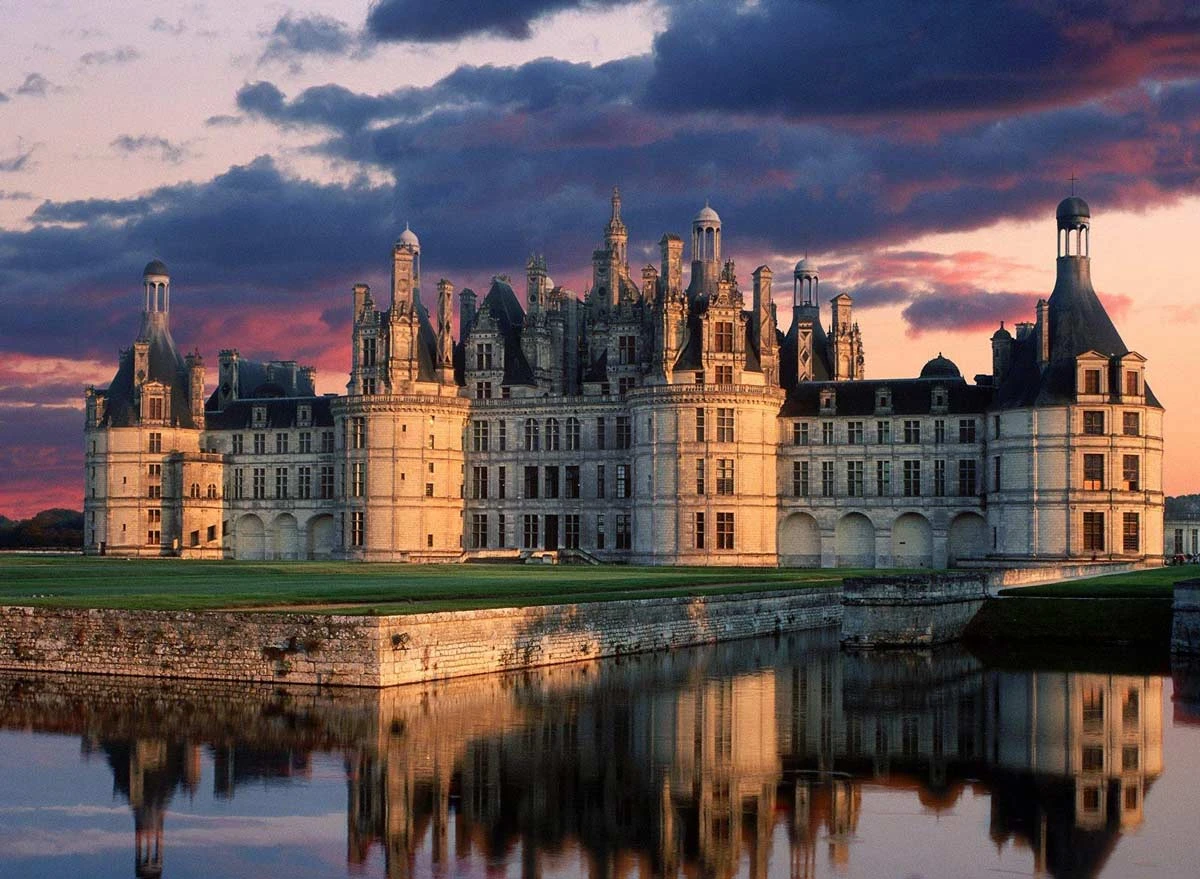
France is extremely rich in castle architecture. Here you can find ancient ruins that once belonged to noble families, and entire castle complexes, lovingly restored and converted into museums. Let's discuss the ten most interesting and beautiful castles.
10th place. Château d'If
Located on the island of If in the Frioul archipelago in the Mediterranean Sea. 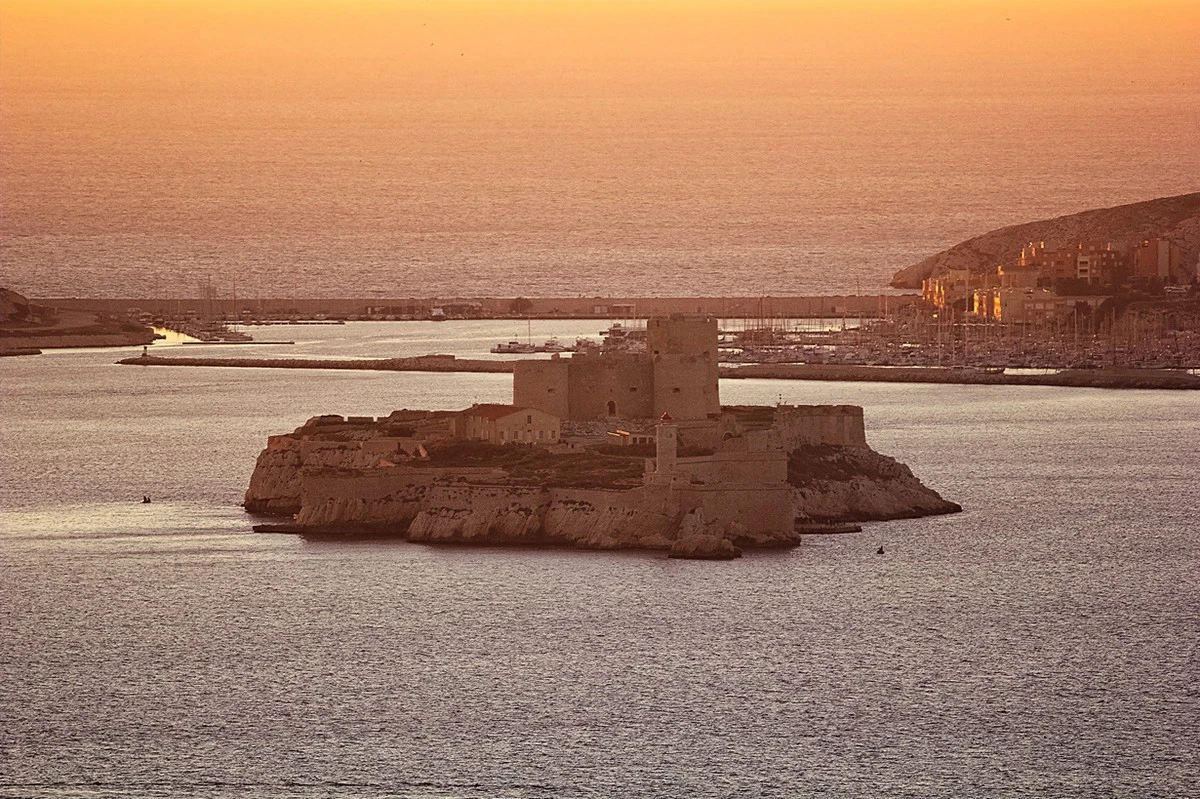
Any fan of Dumas knows about the Château d'If, and thanks to the numerous film adaptations of "The Count of Monte Cristo," millions of people are aware of what a terrifying prison it was. However, surveys have shown that most people believe the Château d'If is a fictional place that never actually existed. 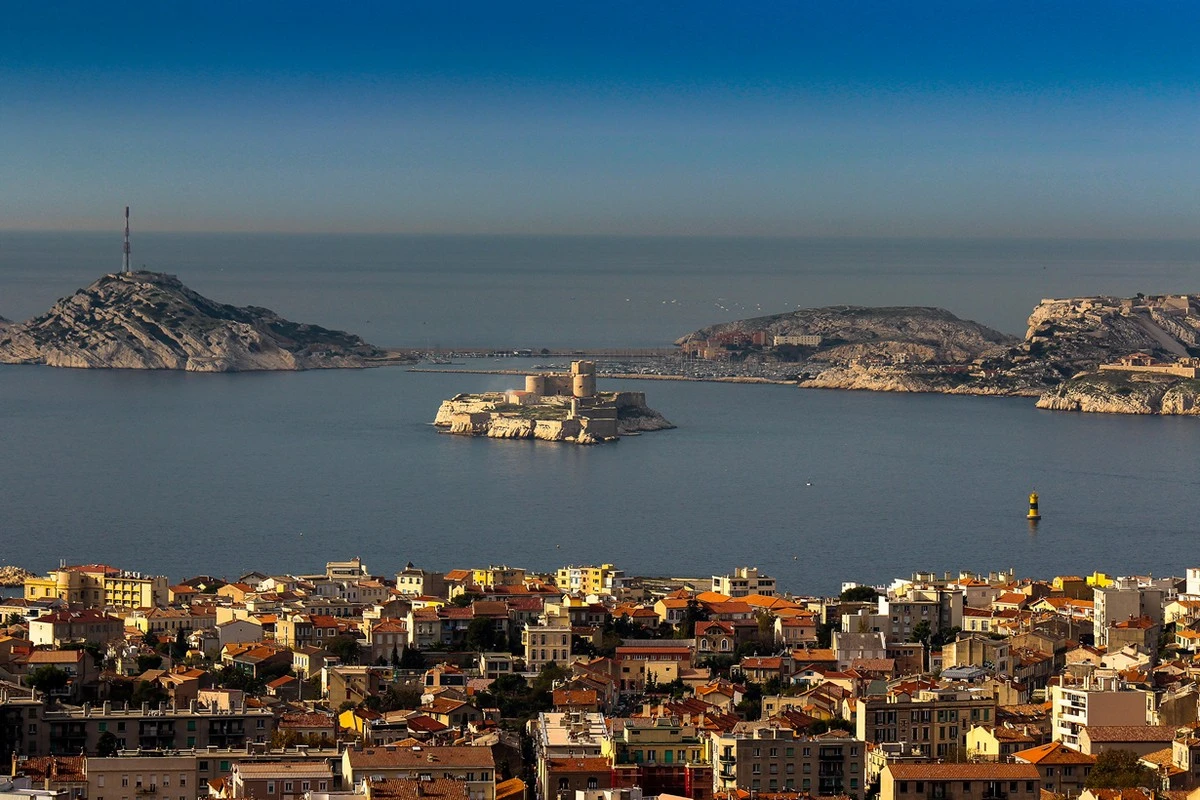
But this prison castle, which, however, didn't become a place of confinement right away, is quite a popular attraction in France. The Château d'If isn't as far from the coast as it might seem when reading the book or watching the film adaptations; it's just a mile from Marseille. Local boats will whisk you there or back for just ten euros.
Interesting fact: any castle in France can be called a "château," but not all châteaux are castles. Many are country homes for nobles, and the word is also used to describe wineries in the Bordeaux region.
9th place. Vaux-le-Vicomte Château
Located near Melun. 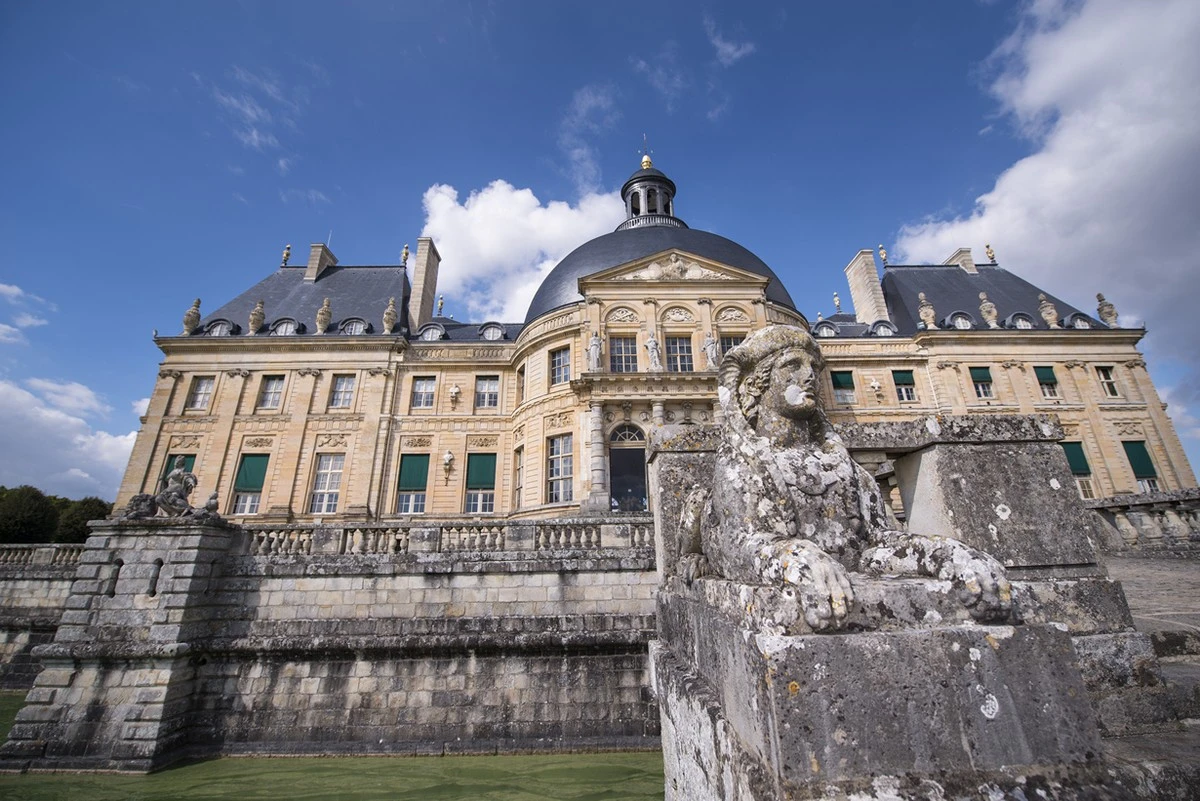
Of all the famous palaces around Paris that can be visited in a single day, Vaux-le-Vicomte Château, built in the classical style 46 kilometers southeast of Paris, is architecturally the most harmonious, aesthetically pleasing, and humanly proportioned.
The Vaux-le-Vicomte estate was built between 1658 and 1661 specifically for Nicolas Fouquet, Viscount of Vaux and Melun. At the time, he was a favorite of the French King Louis XIV. After receiving the estate, Nicolas Fouquet forgot about it and only remembered it 15 years later, when he became France's chief financier. 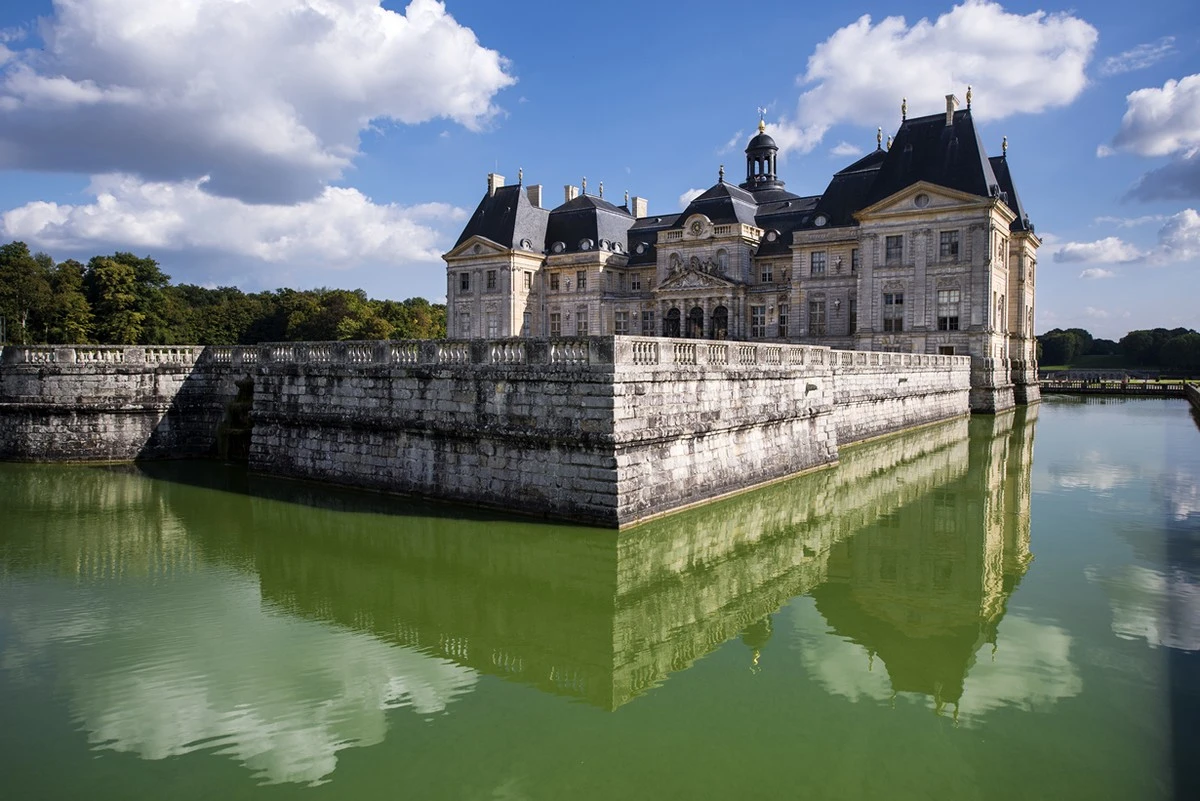
The Château de Vaux-le-Vicomte is filled with beautiful frescoes depicting nymphs and divine creatures. The interior sparkles with gold leaf and abounds with works of art, which the French army mercilessly looted from all corners of the world, and which the enterprising Fouquet carefully preserved on his estate.
8th place. Château d'Amboise
Located in the town of Amboise, in the Indre-et-Loire department. 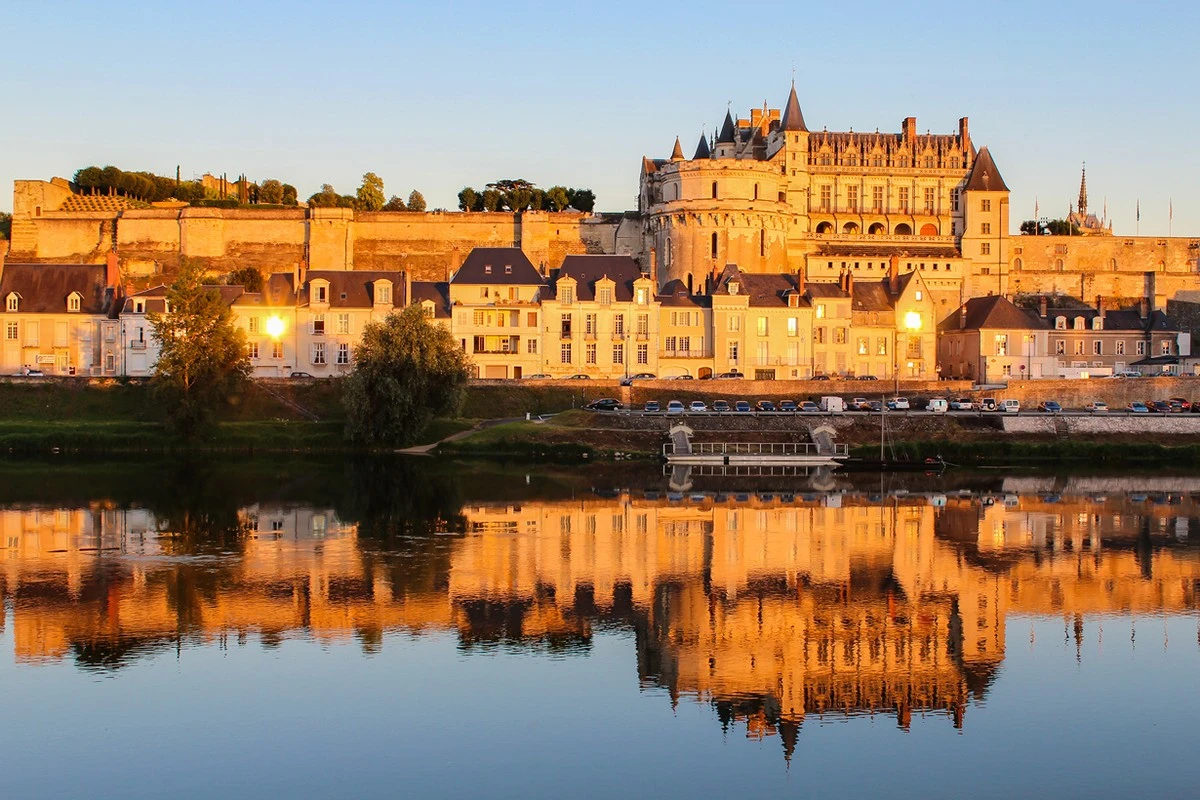
A legendary place in French history and a royal residence from the 15th to the 19th centuries, Amboise stands on the banks of the Loire and is reflected in its waters. Its medieval fortifications frame a Renaissance structure with cyclopean towers. The former royal residence was declared a UNESCO World Heritage Site in 2000. 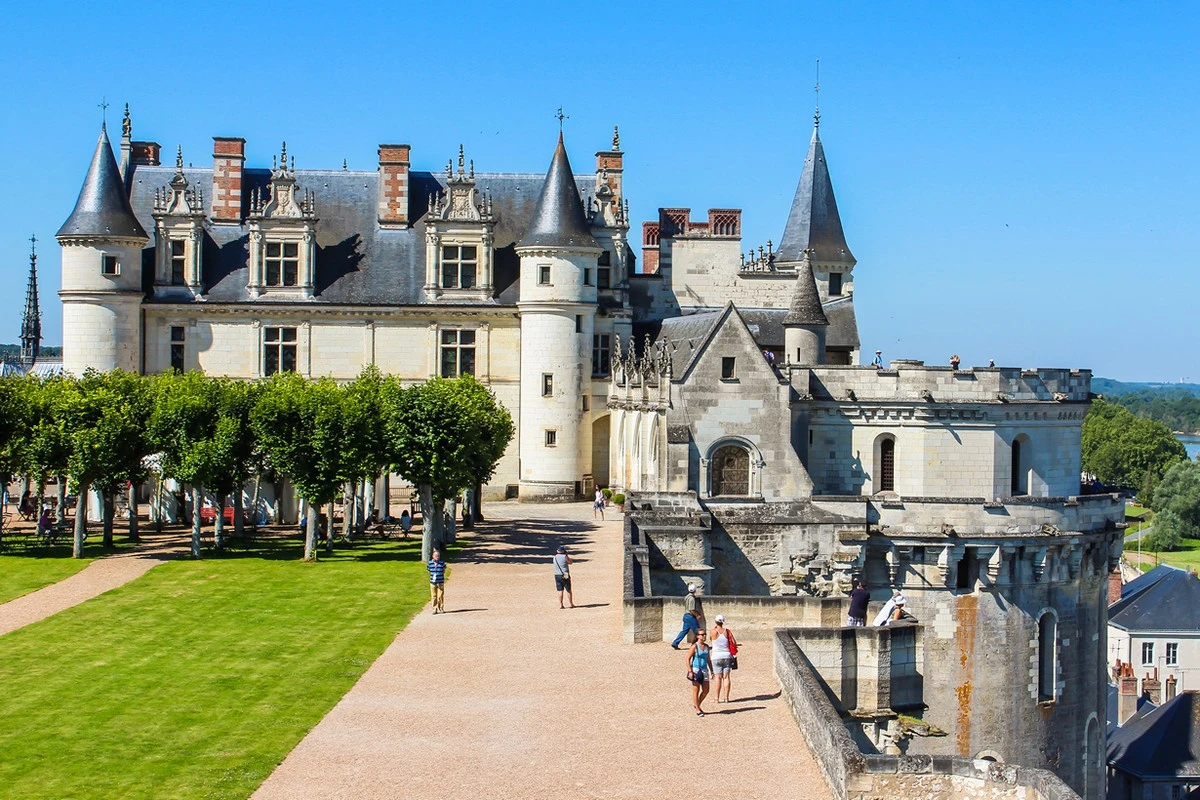
The Château and gardens of Amboise are associated with the youth of many French kings: Charles VIII was born here, Francis I, and the children of Henry II and Catherine de' Medici spent their entire childhoods here. Many artists came here at the invitation of their sovereigns. Leonardo da Vinci, for example, lived in Amboise and hosted royal celebrations there until his death in 1519. His remains are now kept in the Saint-Hubert chapel on the château grounds.
7th place. Azay-le-Rideau Château
Located in the Indre-et-Loire department. 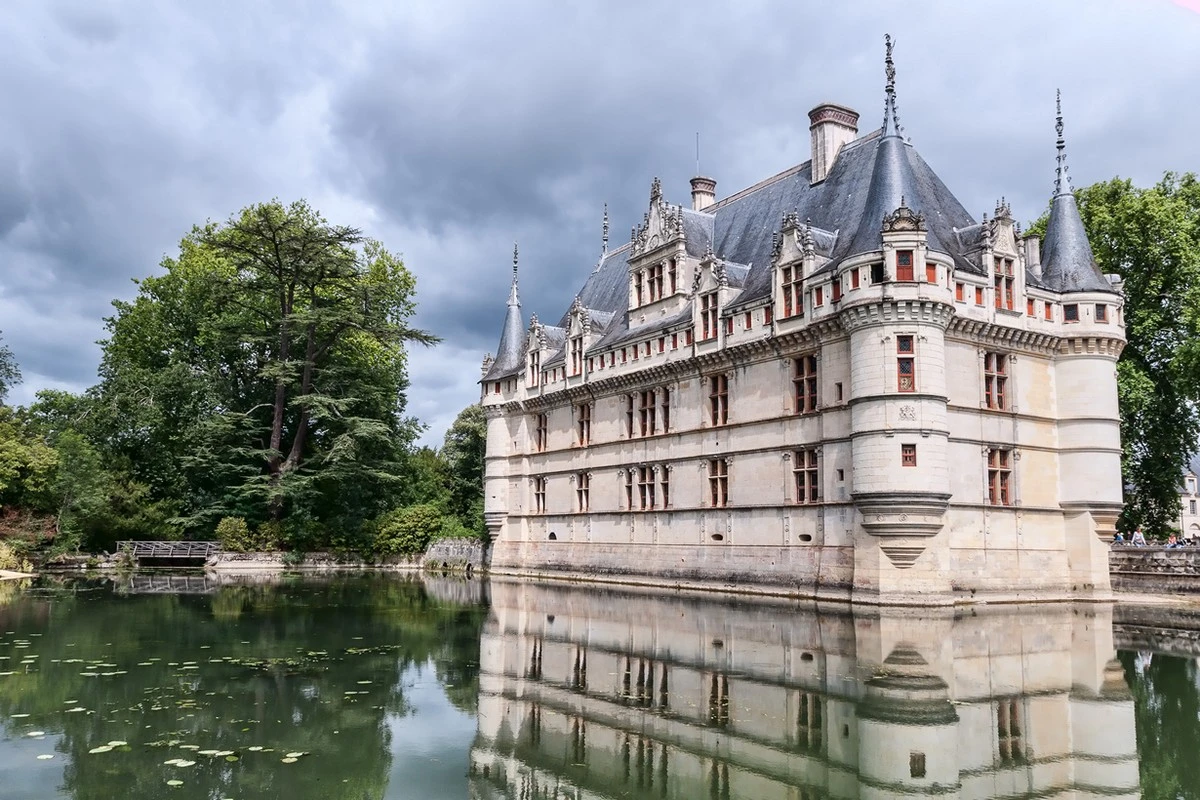
This château, surrounded by an English park, is one of a select few châteaux in the Loire Valley. Azay-le-Rideau Château was built by Francis I's treasurer in 1510 and is considered a masterpiece of the French Renaissance. Some ruined sections of the château have been lovingly restored. 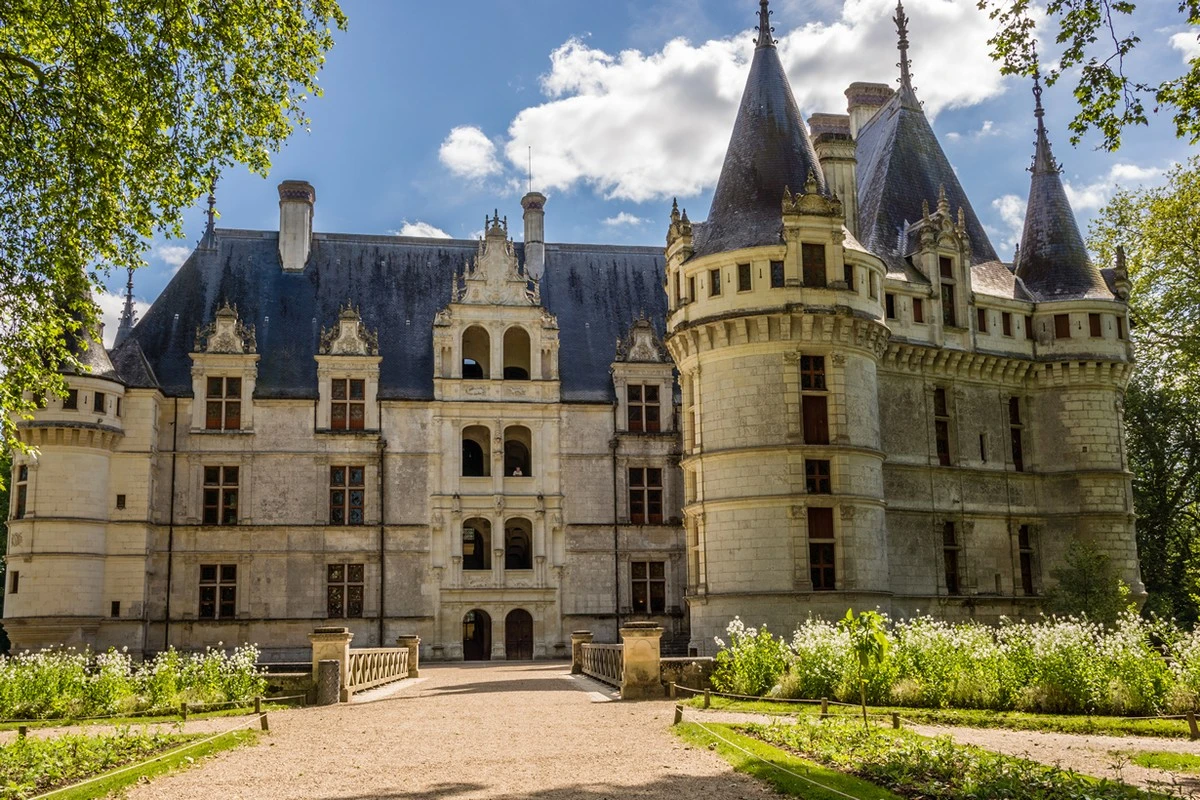
The Château of Azay-le-Rideau overlooks a picturesque bend in the Indre River. The name "Azée" possibly derives from Asiacus, the name of the owner of these lands. In the 12th century, the castle belonged to Rideau, or Ridel d'Azée, who was known for his cruel nature and was nicknamed "the devil's child." All his possessions were seized by Henry II Plantagenet, but Philip Augustus returned them to Rideau's son, Hugues, a knight of Touraine and a loyal vassal of the king who took part in the Battle of Bouvines. 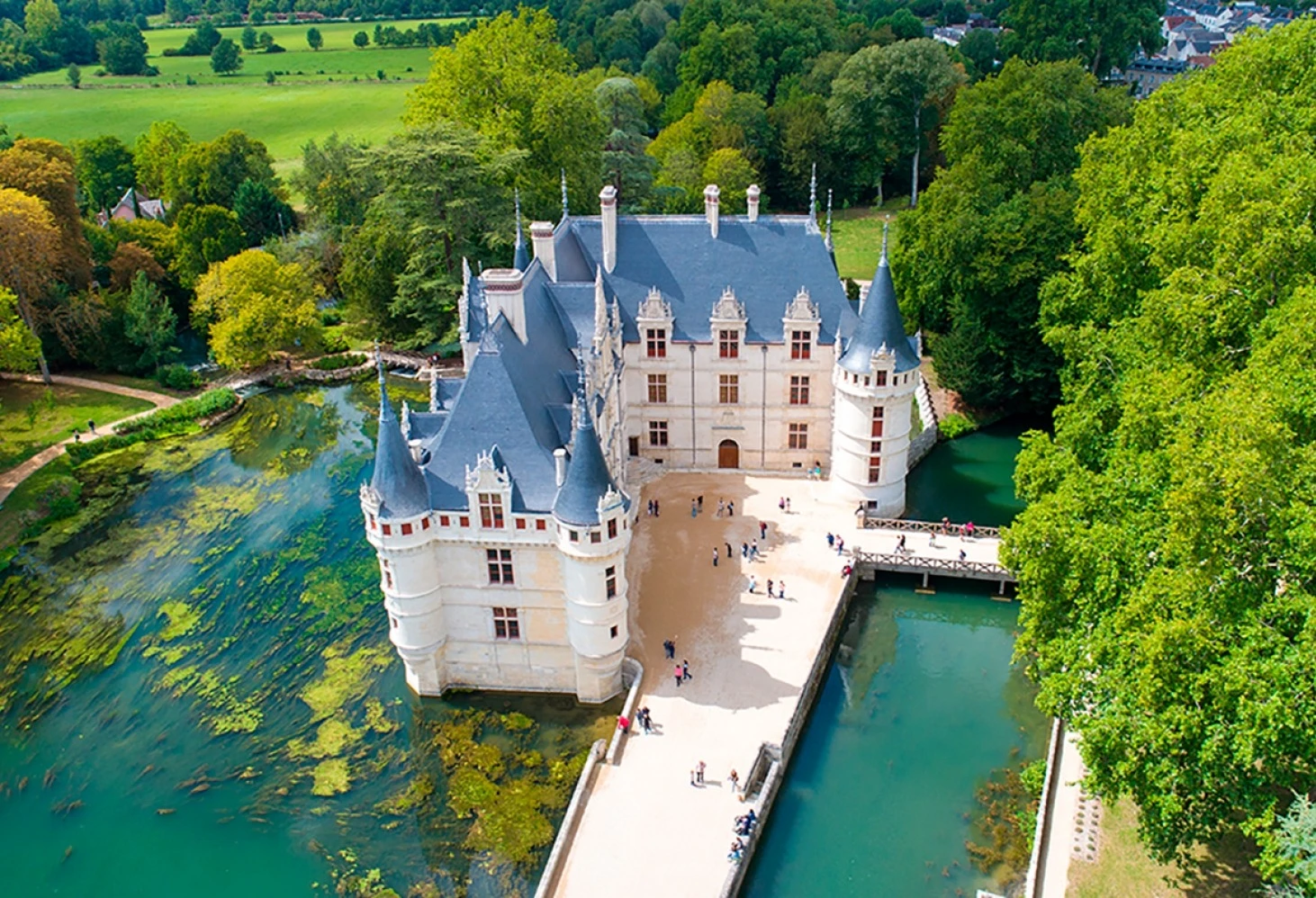
In the early 15th century, the castle presumably belonged to the Duke of Burgundy. The insult to the Dauphin, the future Charles VII, and his army led to the fortress's destruction in 1418: 354 people were killed, and the village itself was burned and plundered, after which the town was named Azay-le-Brûlé ("burned"). A hundred years later, a castle was built on the site of the fortress, which can still be seen today.
6th place. Cheverny Castle
Located in the Loir-et-Cher department. 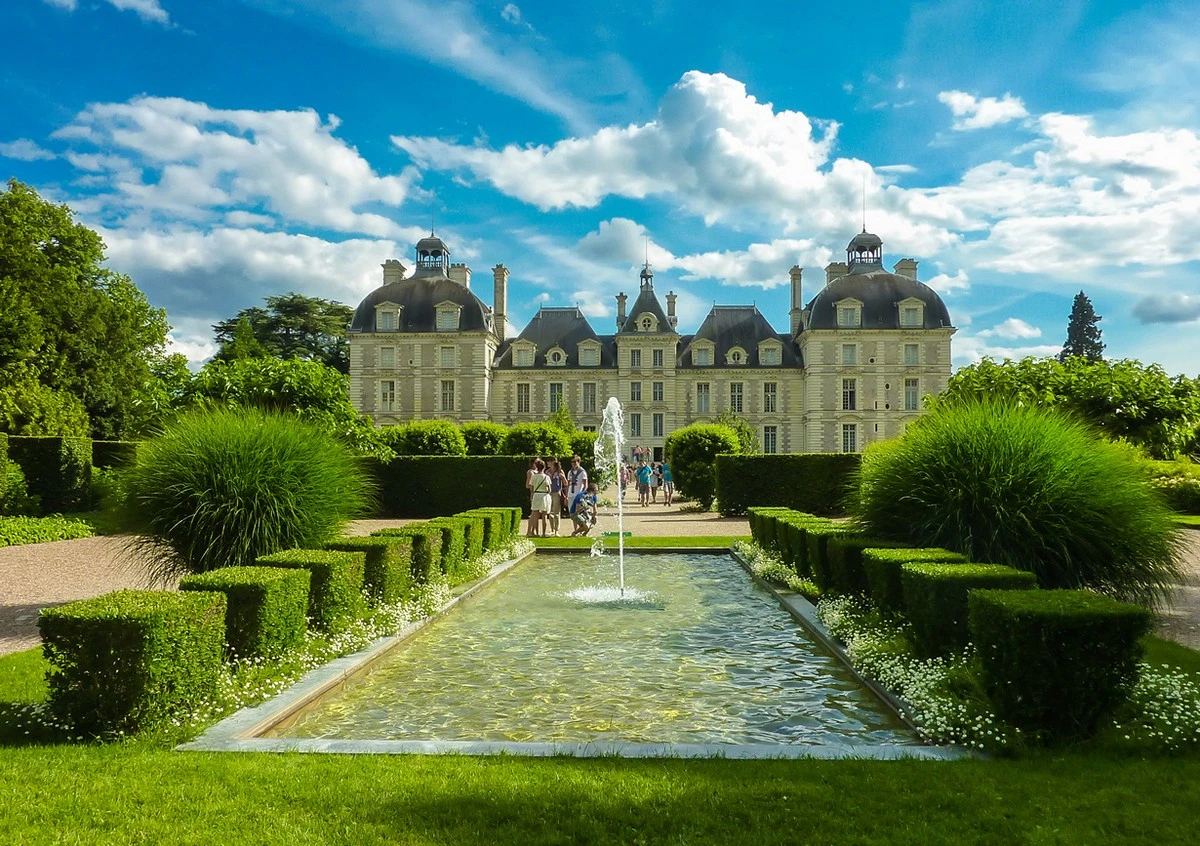
Cheverny, surrounded by a spacious park and magnificent gardens, has belonged to the same family for over six centuries. Along with other Loire castles, it is protected by UNESCO as a World Heritage site.
This palace stands out not only for its architecture (Cheverny is a snow-white castle built in strict symmetry and a restrained style), but also for its decor. Throughout its history (it was built in the 14th century), the mansion has been owned and, it should be noted, remains in the hands of one dynasty – the Hurot family. Thanks to this continuity and careful care, Cheverny Castle has been perfectly preserved (it is considered one of the finest palaces in the Loire Valley) – down to the smallest details and household and interior objects dating back to the 14th century. 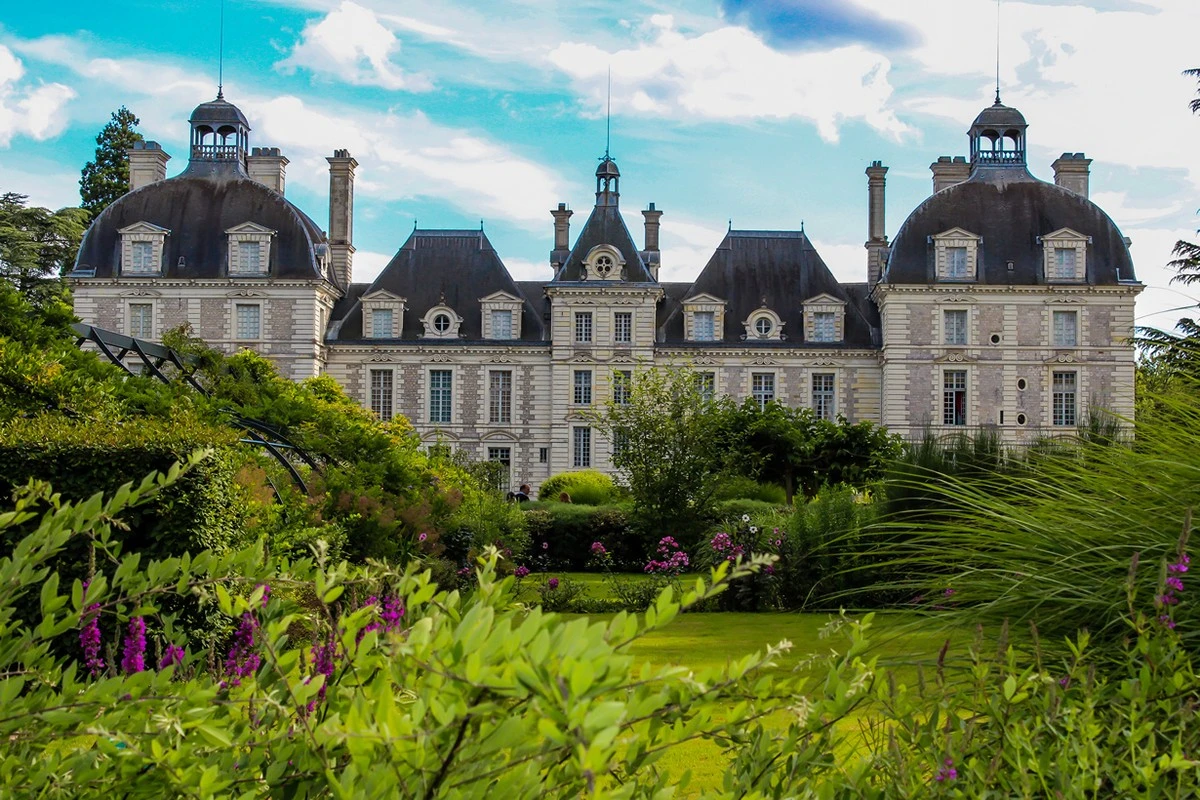
Tours to Cheverny are an introduction to the true French art de vivre. From the armory to the children's room, the château's luxurious interior and opulent furnishings invariably impress guests. Cheverny's furnishings are considered the most opulent of all the Loire châteaux.
5th place. Château de Chenonceau
Located in the Indre-et-Loire department. 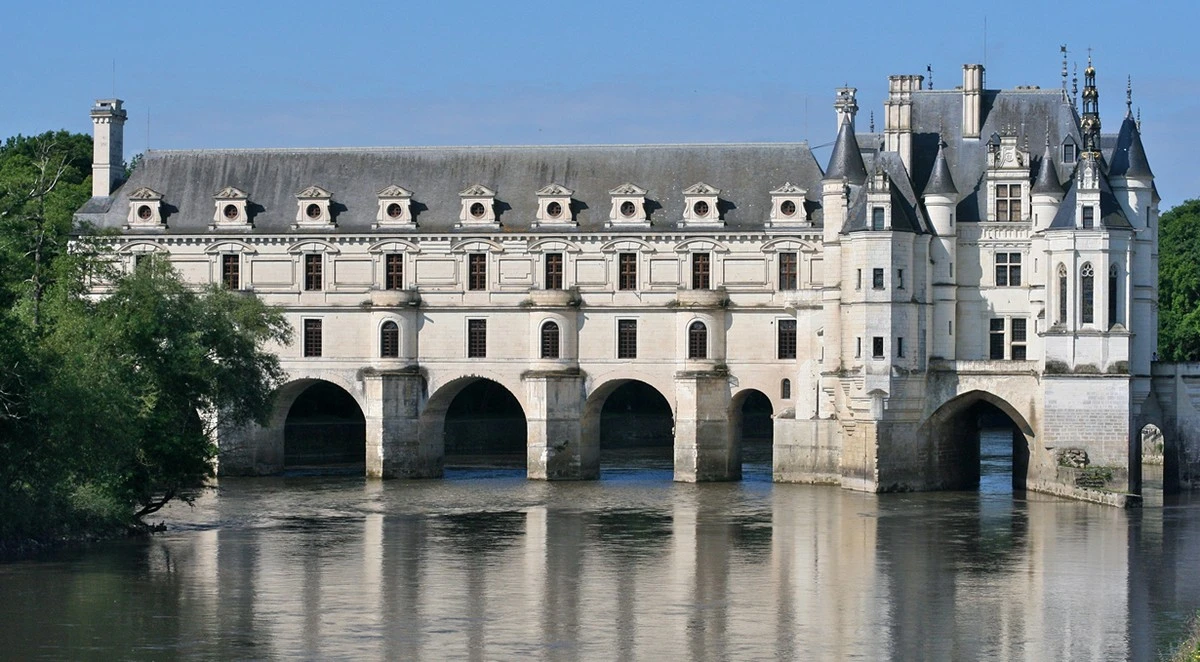
Château de Chenonceau (Château of Chenonceau) is one of the three most popular châteaux in the Loire Valley and one of the most beautiful châteaux in France. It was nicknamed the "ladies' château" because it belonged to two of the most influential women in France at the time—Diamond de Poitiers, the king's mistress, and Catherine de' Medici. This 16th-century château is one of the most beloved and visited châteaux in France, second only to Versailles. 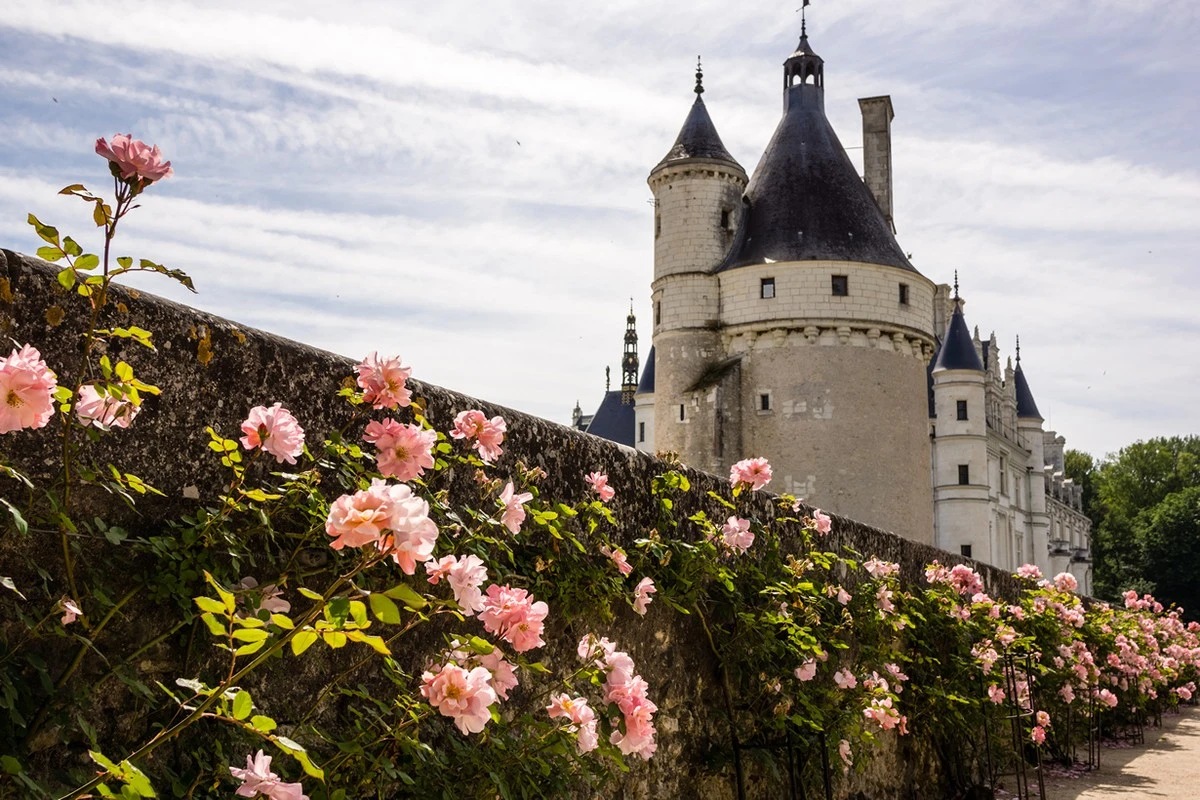
One of the most beloved, famous, and visited castles in France, Chenonceau is not state-owned: it remains privately owned to this day. However, its owners, the de Marques family, are perfectly willing to allow guests to enjoy not only the luxurious interior of Chenonceau but also the beautiful garden and its picturesque surroundings. 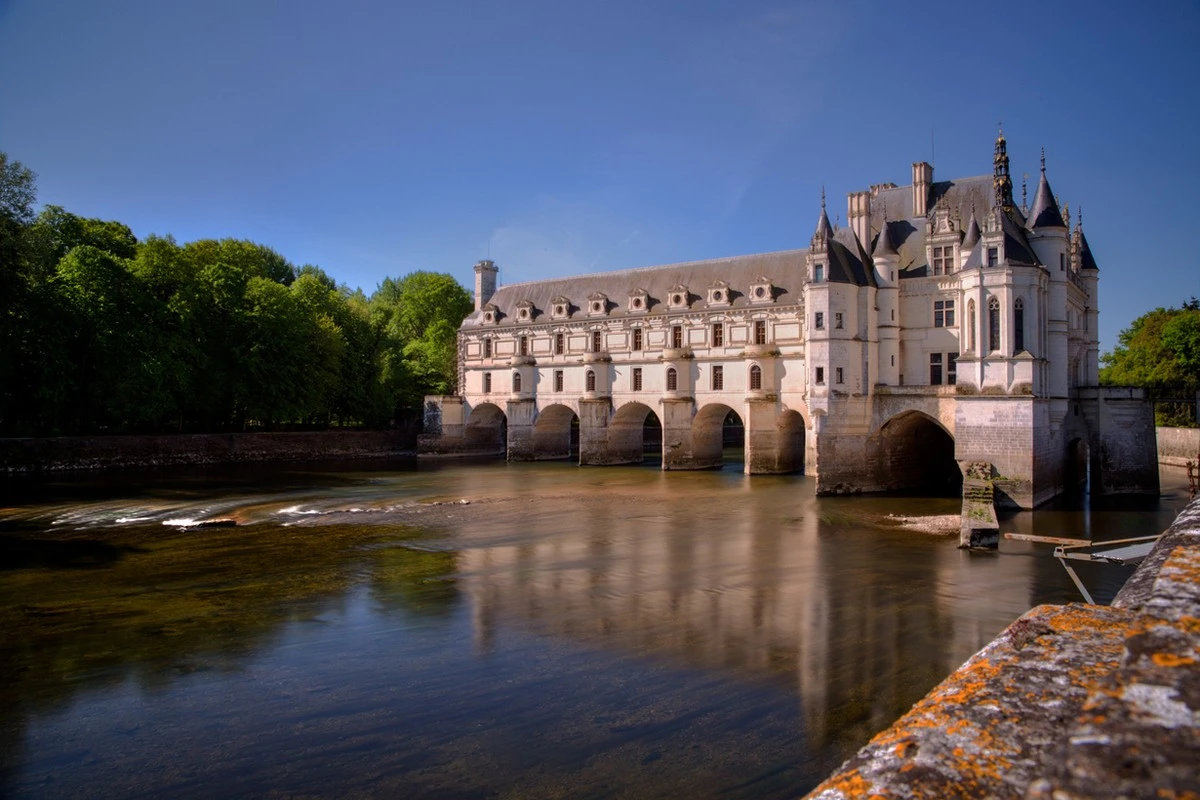
Chenonceau is inextricably linked with the name of Diane de Poitiers, the governess of the king's son and mistress of the king and, later, his son, Henry II. When the young king ascended the throne, he gifted Chenonceau to his beloved. From then on, Chenonceau became known as the "ladies' castle" (château des Dames). Diane paid close attention to the castle's improvements: she redesigned the park, and under her direction, architect Philibert Delorme designed a stone bridge across the Cher River.
4th place. Conciergerie Castle
Located in Paris. 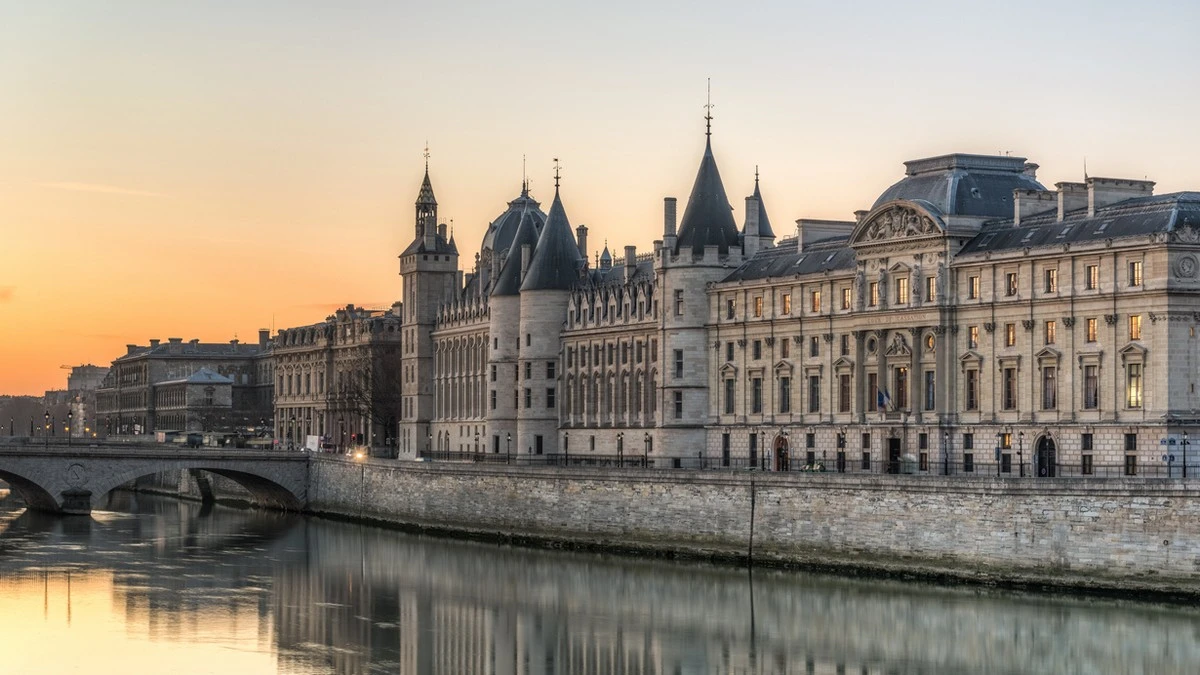
In the heart of the French capital, not far from the famous Notre Dame Cathedral, lies the Conciergerie Castle. It long served as the monarch's home, but during the Revolution, it was converted into a prison. Today, the palace preserves centuries of history and is considered one of Paris's key landmarks. 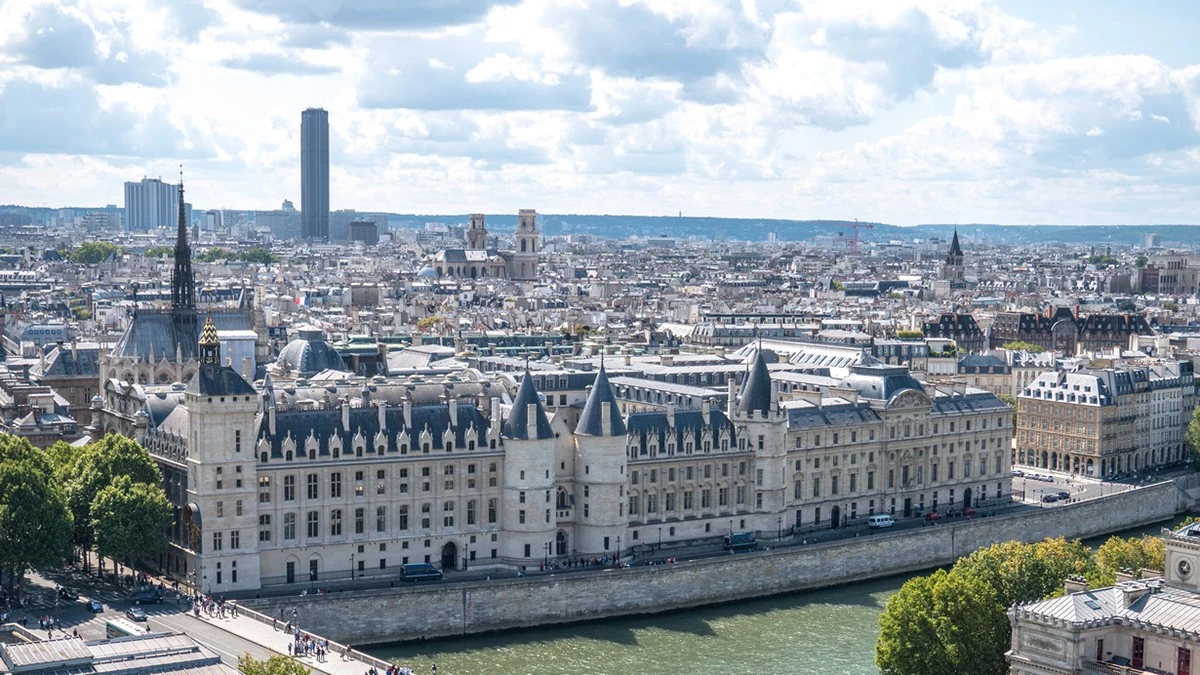
The Conciergerie is part of the Palais de Justice complex, which still houses municipal services, the court, and the prosecutor's office. This complex occupies almost half of the Île de la Cité. Today, the palace is a diverse architectural ensemble with elements built between the 13th and 20th centuries.
3rd place. Chambord Castle
Located in Loir-et-Cher. 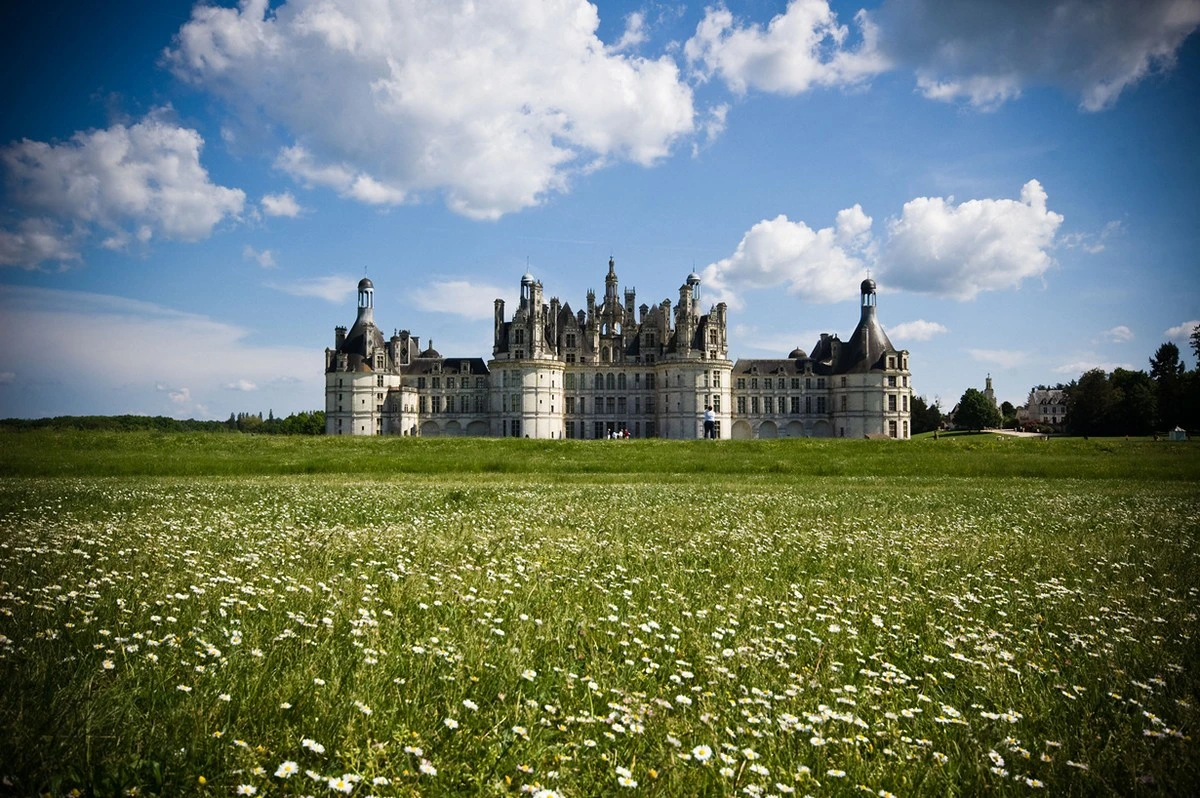
Chambord is the most recognizable of France's castles, an emblem of the Loire Valley, and an architectural masterpiece of the Renaissance. Built by order of Francis I, who wanted to be closer to his beloved, Countess Toury, who lived nearby. 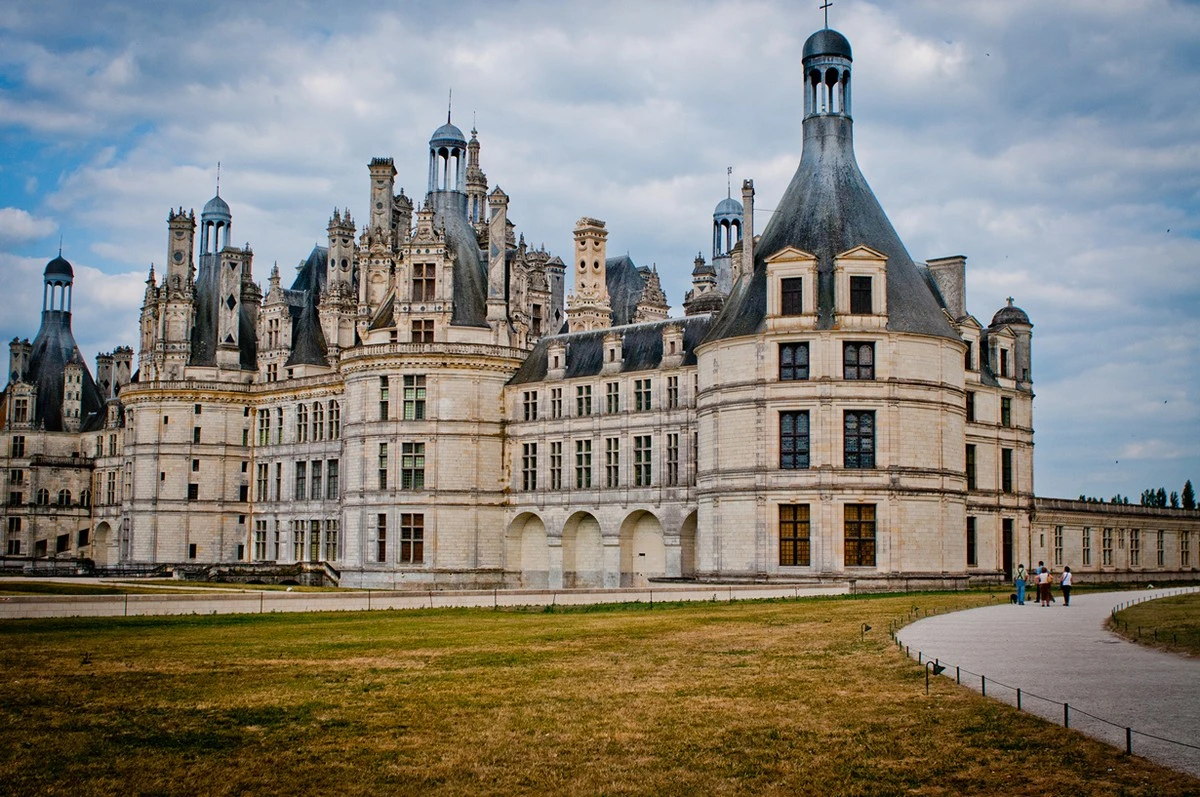
Francis I, the warlike and extravagant king of France, was no stranger to art, patronizing artists and even bringing the elderly and famous Leonardo da Vinci from Italy. 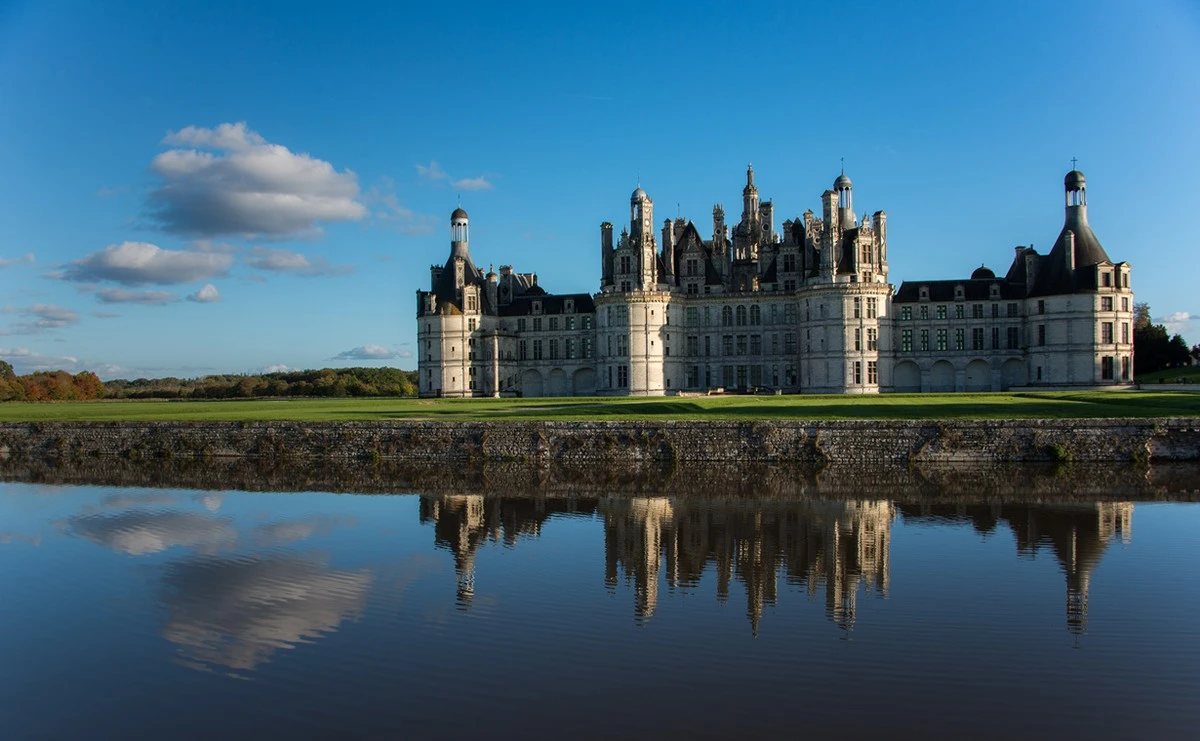
The legendary inventor spent the last years of his life at Francis's court and died before construction began on Chambord. However, it is generally accepted that he influenced the castle's beautiful appearance during the design stage. At least the design of the main staircase clearly reveals the characteristic features of this genius.
2nd place. Versailles
Located in the suburbs of Paris. 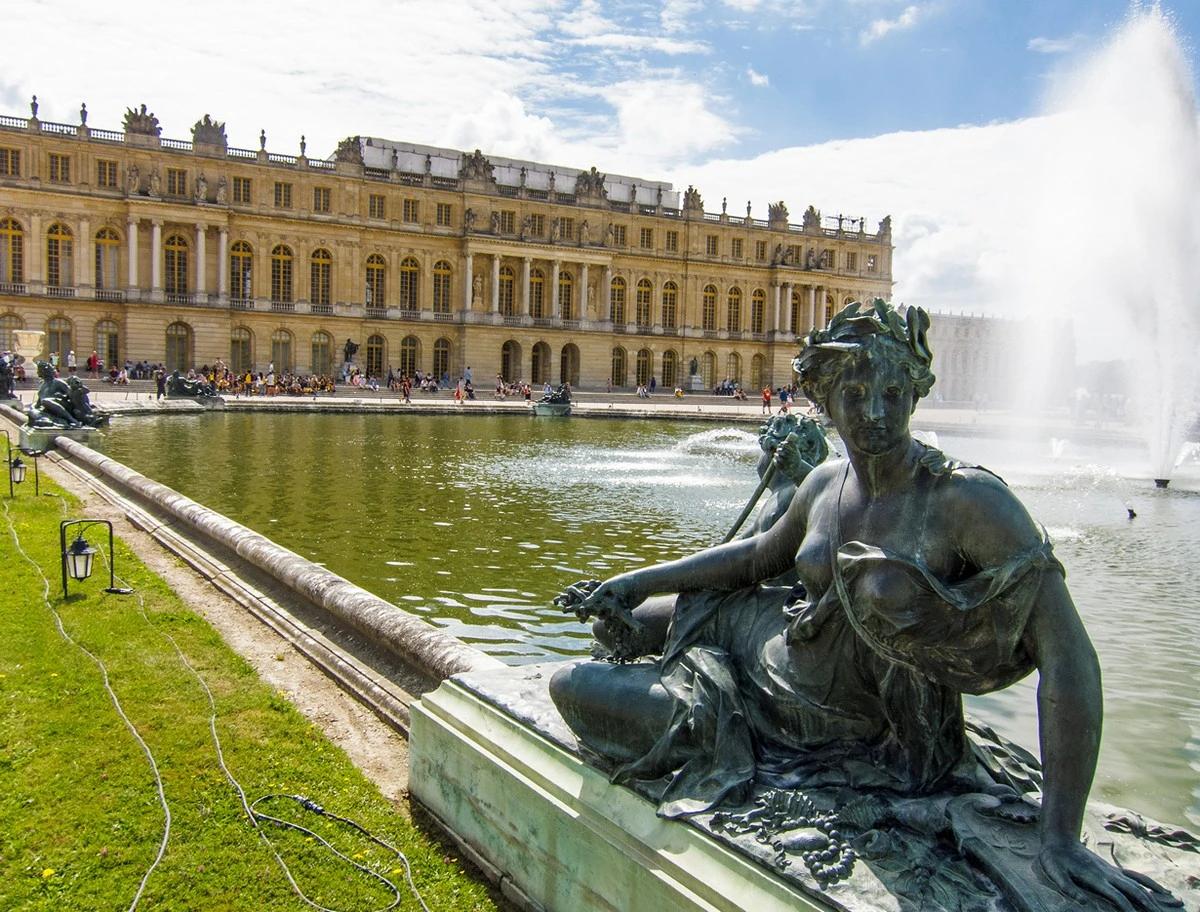
Versailles is a palace and park complex in France, the former residence of the French kings in the city of Versailles, now a suburb of Paris; a center of global tourism.
A jewel of French architecture and a magnificent palace for a vain monarch, Versailles was created to highlight the grandeur of the "Sun King," Louis XIV. But for all this luxury, there wasn't a single toilet. 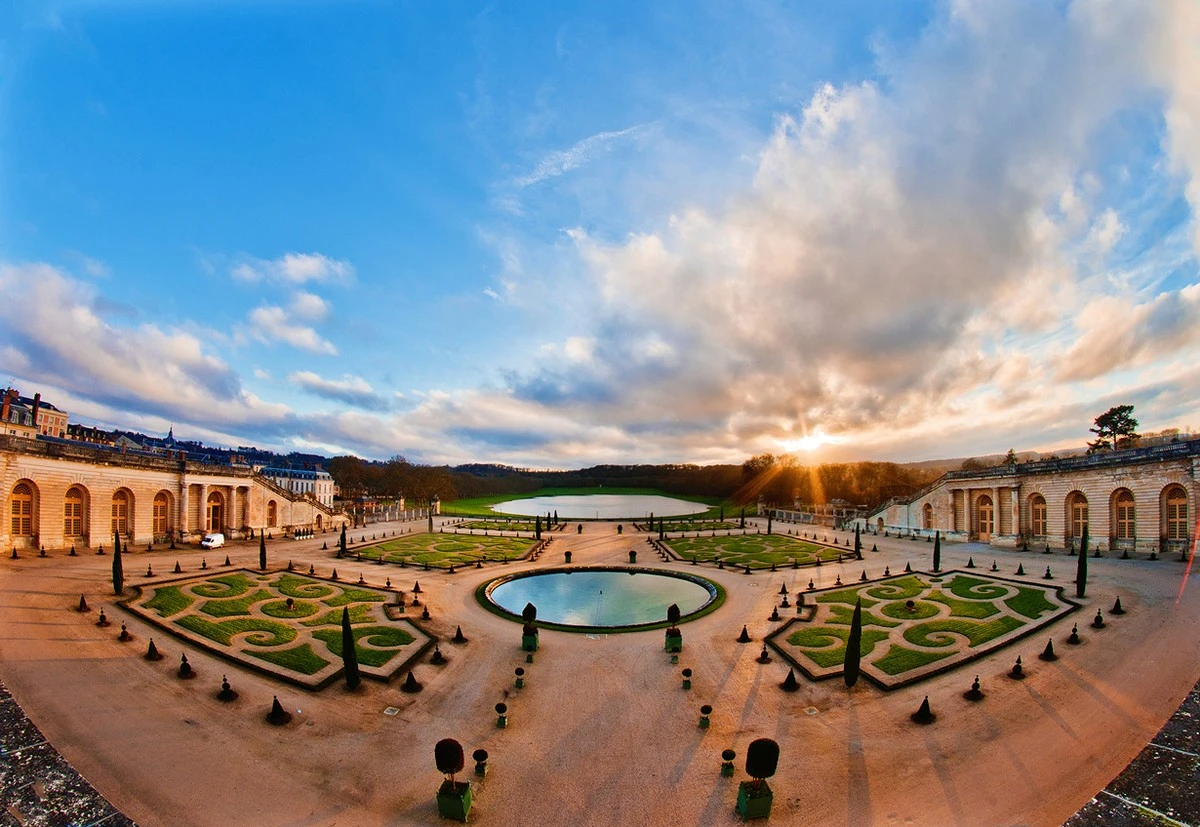
Versailles was built under the direction of Louis XIV from 1661 and became a unique monument to the era of the "Sun King," an artistic and architectural expression of the idea of absolutism. The leading architects were Louis Le Vau and Jules Hardouin-Mansart, and the park was designed by André Le Nôtre. The Versailles ensemble, the largest in Europe, is distinguished by its unique integrity of design and the harmony of its architectural forms and transformed landscape. Since the late 17th century, Versailles has served as a model for the ceremonial country residences of European monarchs and aristocracy, although there are no direct imitators.
1st place. Mont Saint-Michel Château
Located in Normandy, Manche department. 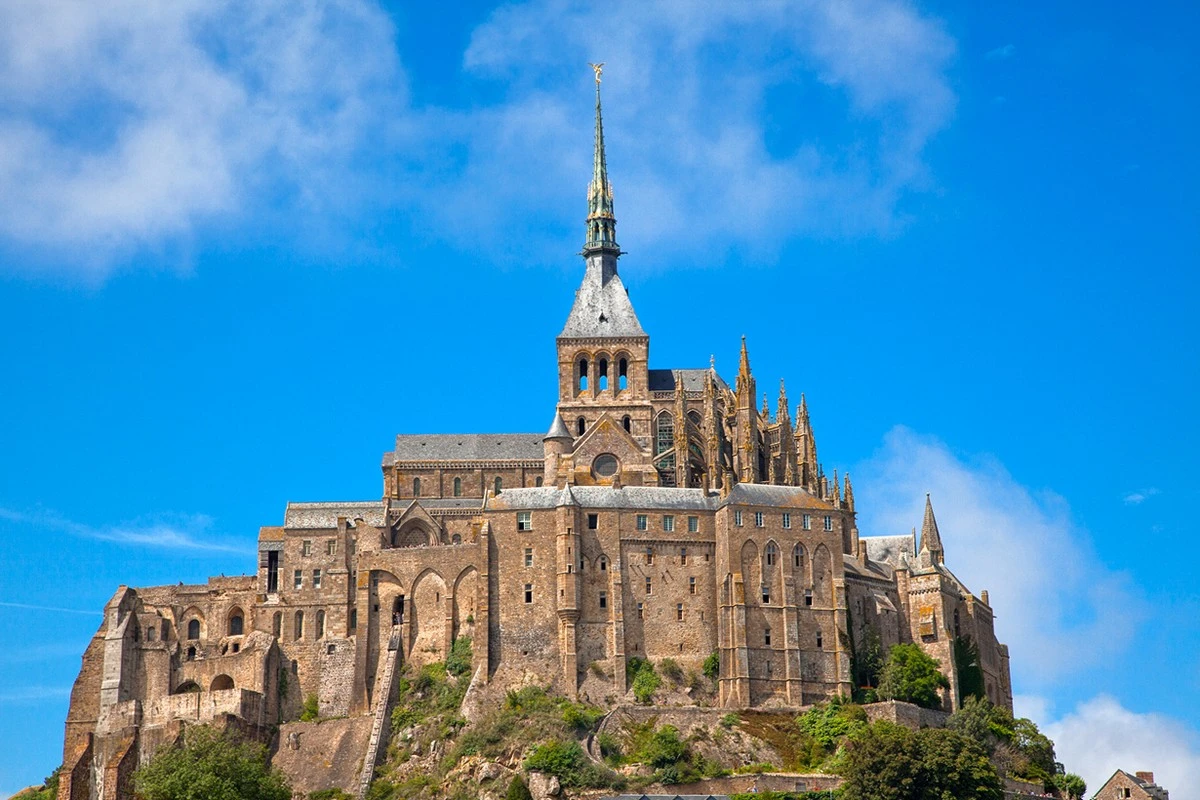
A famous fortress island located in northern France, on the border with Brittany. It is one of the most visited attractions in France, and the island itself, along with its historic buildings, is listed as a UNESCO World Heritage Site. 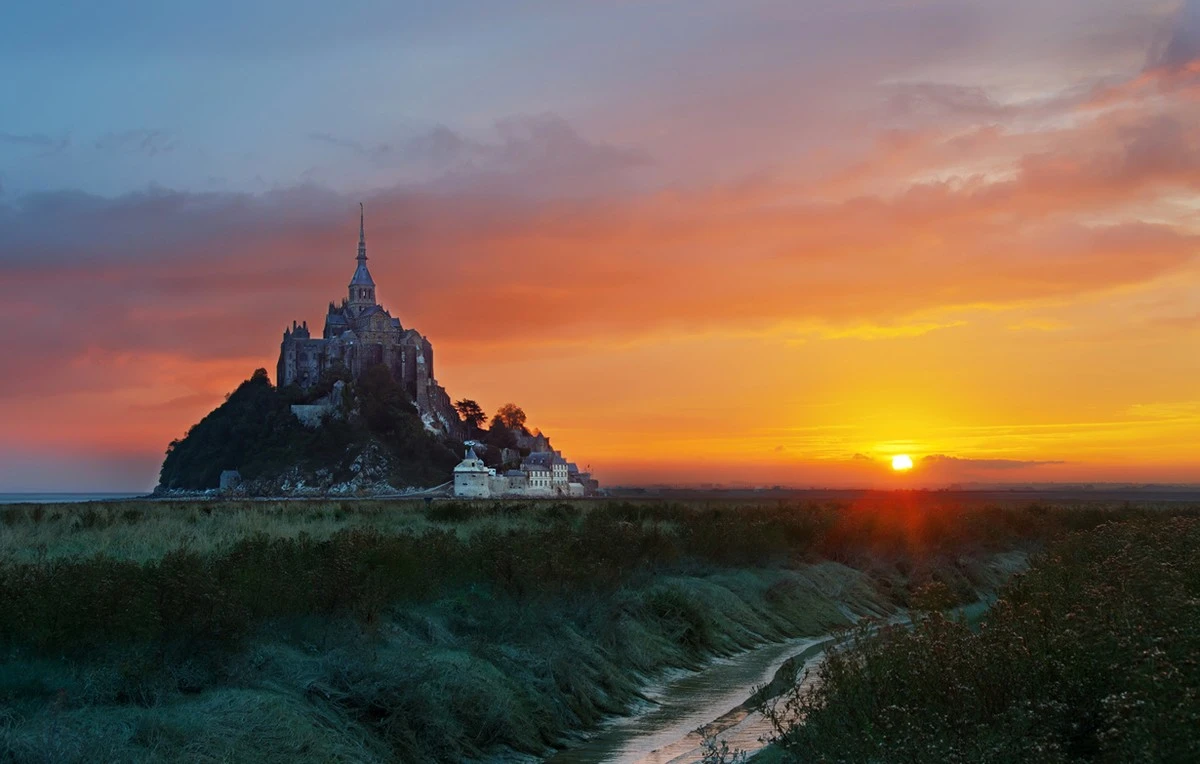
The island is the only inhabited of the three granite formations of the Bay of Saint-Michel (Mont Saint-Michel, Tomblaine, and Mont Dol). A town has existed on the island since 709 and currently has a population of just a few dozen.
The island is located 285 km west of Paris. Tourists from all over the world are attracted by the picturesque location of the abbey and the surrounding village on a cliff overlooking the coast, the historical and architectural monuments, and the tides that are unique in Europe.