It's no secret that Asians have distinctive taste preferences. We've already told you about the strangest dishes from around the world, including Japanese cuisine.
But now we'd like to take a closer look at an unusual Japanese delicacy: fried wasps. Yes, wasps! You're not mistaken! 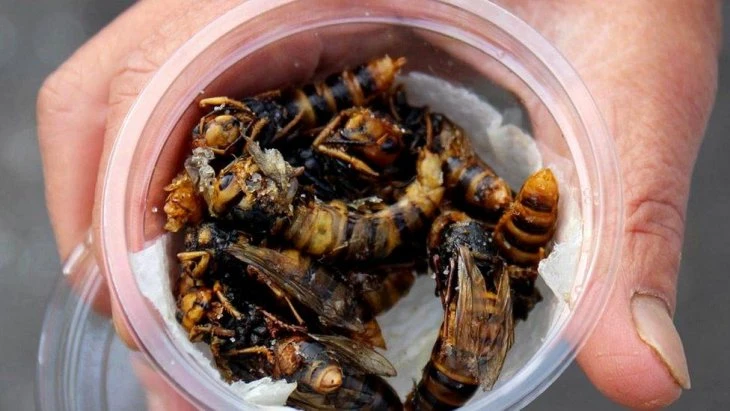
Every year, Gifu Prefecture, on Honshu Island, hosts Japan's largest wasp festival, the Kushihara Hebo Matsuri. The event takes place on the first Sunday in November. On this day, residents from all over the country bring real wasp nests to the festival! The owner of the heaviest nest wins and receives a valuable prize. 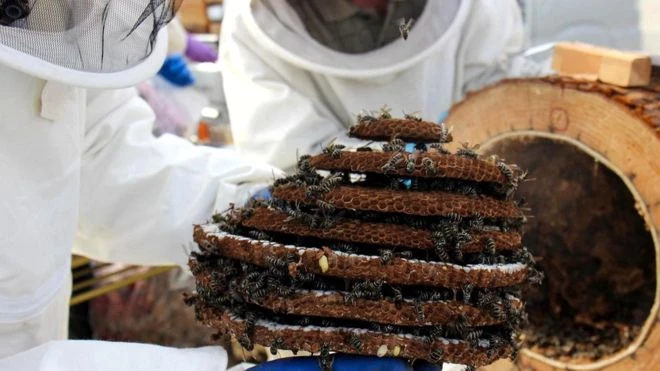
Preparations for the festival are traditionally made several months in advance: wasp hunters head into the forest and set out bait in the form of fresh fish. After gorging themselves on the fish, the insects return to their nests, and that's when the fun begins! The hunter's task is to keep up with the wasps and locate their nest.
Once the nest is found, it is placed in a special wooden box, where the wasps continue to grow until autumn. The insects are left alone until they hatch. 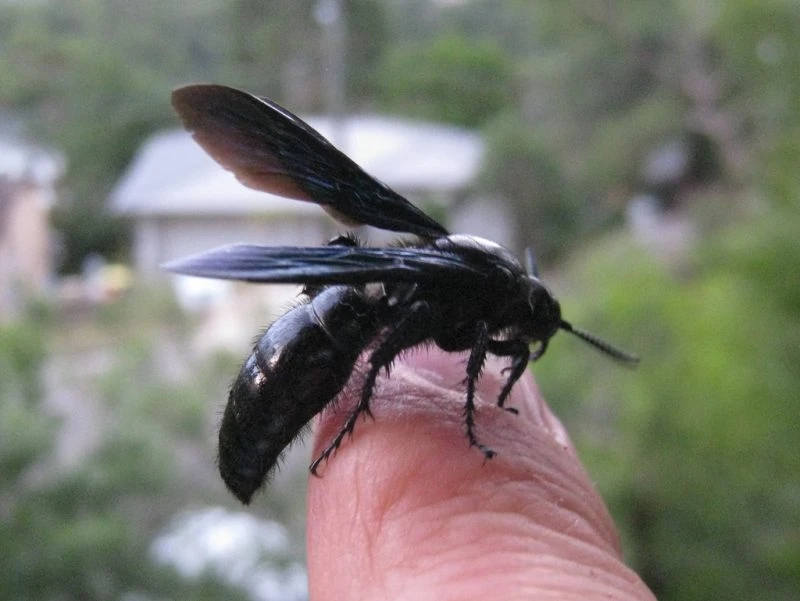
It's important to note that we're talking specifically about black hebo wasps (just in case you want to travel to Japan and participate in the festival). This species of wasp isn't particularly aggressive, making it easier to catch.
Furthermore, Japanese cuisine features many dishes featuring these insects, such as wasps with rice in soy sauce (said to have been one of the late Emperor Hirohito's favorite delicacies), chocolate-covered wasps, and fried hornets. Wasp larvae are also eaten. 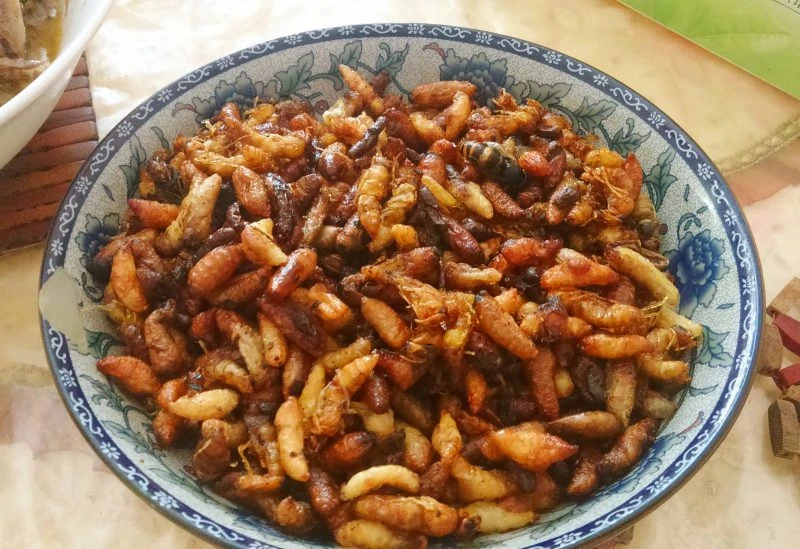
You can try this unusual delicacy at the Kushihara Hebo Matsuri festival. Wasp nests are also sold there, especially for those who want to prepare a hebo dish at home.
It must be said that interest in the festival is waning every year, as is the tradition of eating wasps. It is mainly practiced by older people in the Ena region of Gifu Prefecture, where the village of Kushihara is located. There, wasp breeding is practically a family affair. 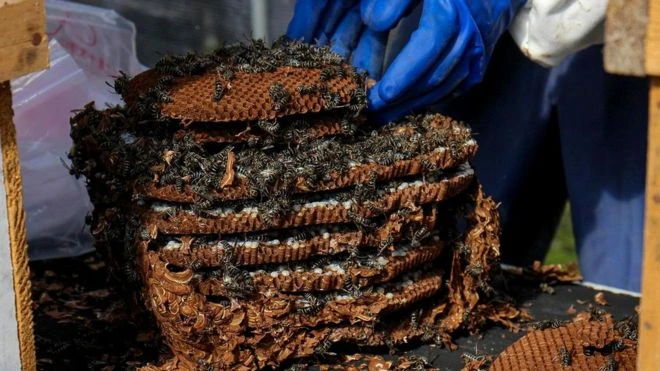
It's no surprise that Kushihara decided to "immortalize" this collective hobby by organizing an entire festival! But those willing to participate are dwindling—the elderly are dying, and the young are moving to larger cities.
However, even despite the risk that the festival will soon disappear entirely, the Japanese aren't upset. They believe that as long as at least one true wasp catcher remains alive, the tradition will continue.
Add your comment
You might be interested in:













China Kite Festival

The Burning Man festival turned into a nightmare for the

Traditional Splash Festival opens in China

Surfing dog festival in the USA

Flite Fest 2024 - DIY drone festival

Sly Folks Get Free Entry to Music Festival

Festival of dirty faces held in China

Spanish eco-festival turned into a dump after completion

Pigeon festival held in New York

Protective film Removing it with a power screwdriver

Precision carpentry

Looks like it's time to buy WinRAR

When a child plays hide-and-seek at a professional level

Super dads who swoop in to save the day

Athlete in Bavarian dress flies over a lake on a hydrofoil

How to hang wallpaper neatly

Man sets up bedroom camera and discovers the reason for his

The Terminator's tears: Figure decides to scrap its old
