A Mistake That Became a Legend: Why the Leaning Tower of Pisa Hasn't Collapsed Yet (5 photos)
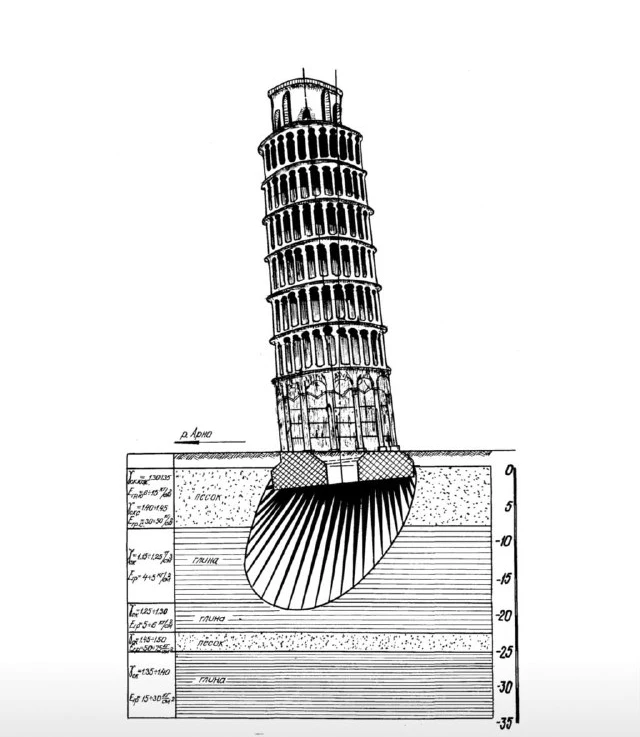
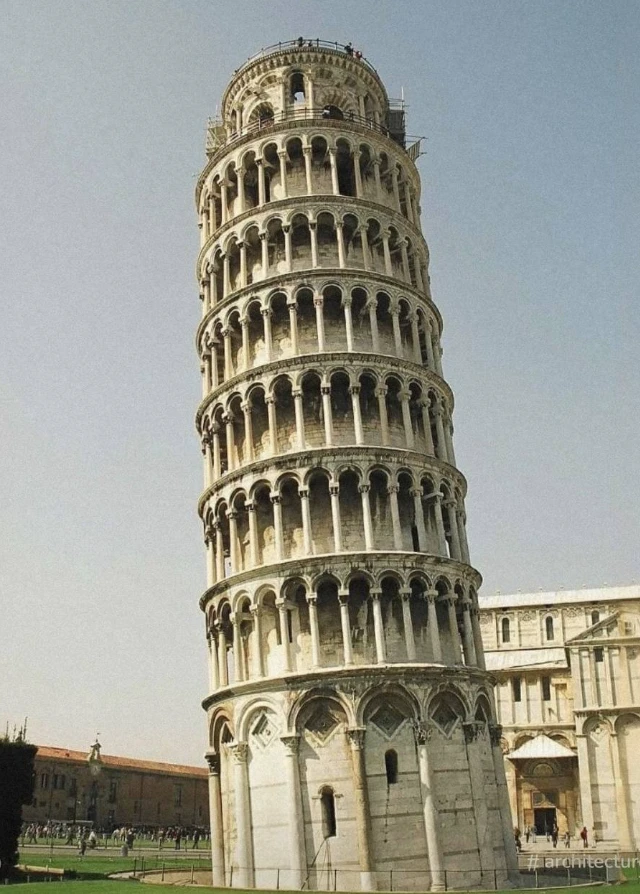
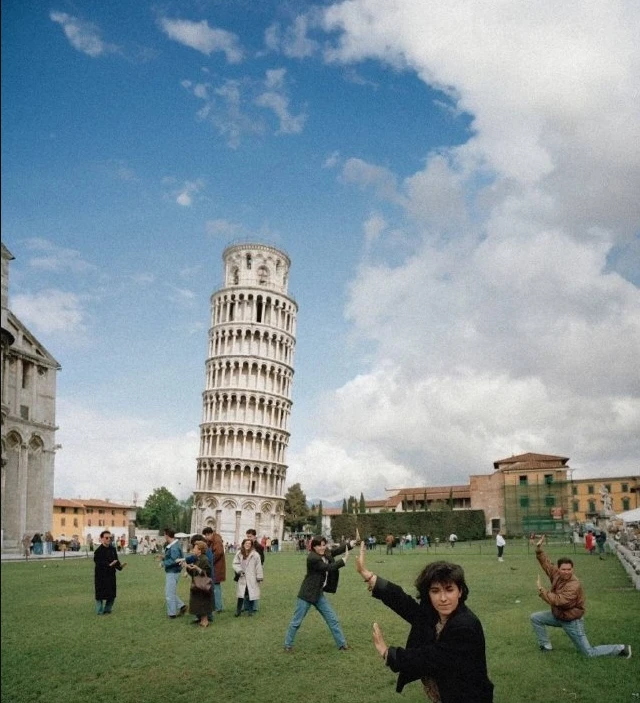
The Leaning Tower of Pisa is considered one of the most recognizable landmarks in the world precisely because of its famous tilt. However, few people know that the problem arose early in the construction process: the weak foundation and soft soil beneath the southern portion of the structure began to subside, causing the tower to gradually tilt from vertical. Architects attempted to compensate for the tilt by building floors slightly higher on one side, starting with the third tier, resulting in a barely noticeable bend in the structure.
Despite these attempts to correct the situation, the tilt continued to increase over the centuries. While in the 14th century the tilt was approximately 1.4 degrees, by the end of the 20th century it had exceeded 5 degrees, and the top of the tower had shifted almost five meters. Scientists feared that further movement would lead to collapse, especially since the tower continued to lean approximately a millimeter per year.
Interestingly, the very soil that caused the problem also saved the structure from collapse. In 2018, researchers concluded that the soft soil effectively absorbed seismic vibrations, allowing the tower to survive several strong earthquakes that would have destroyed it centuries ago.
To prevent disaster, in the 1990s, Italian authorities launched a large-scale restoration project costing approximately 30 million euros. Over the course of ten years, engineers gradually removed soil from beneath the northern part of the foundation, carefully reducing the tilt. As a result, the tower was stabilized: today, its tilt is approximately four degrees, and experts say the structure continues to slowly right itself. 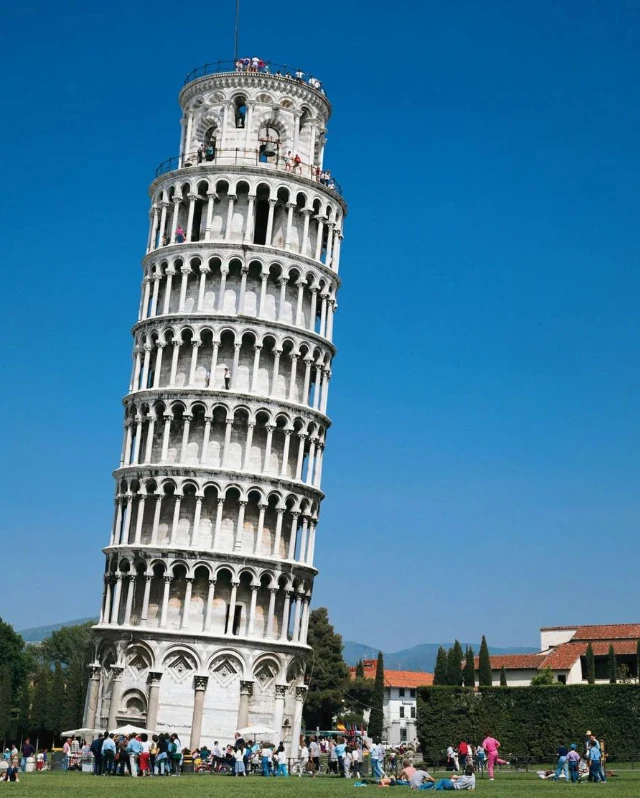
[thumb]https://cn22.nevsedoma.com.ua/p/29/2946/204_files/2 67521_3_nevsedoma_com_ua.webp[/thumb]